Nov 14, 2025
Document AI: The Next Evolution of Intelligent Document ProcessingPersona
Industry
Use cases
Wire Transfer Form OCR
[ Wire Transfer Form OCR ]

Use LlamaParse to extract fields accurately from messy wire forms, with confidence scores for review.
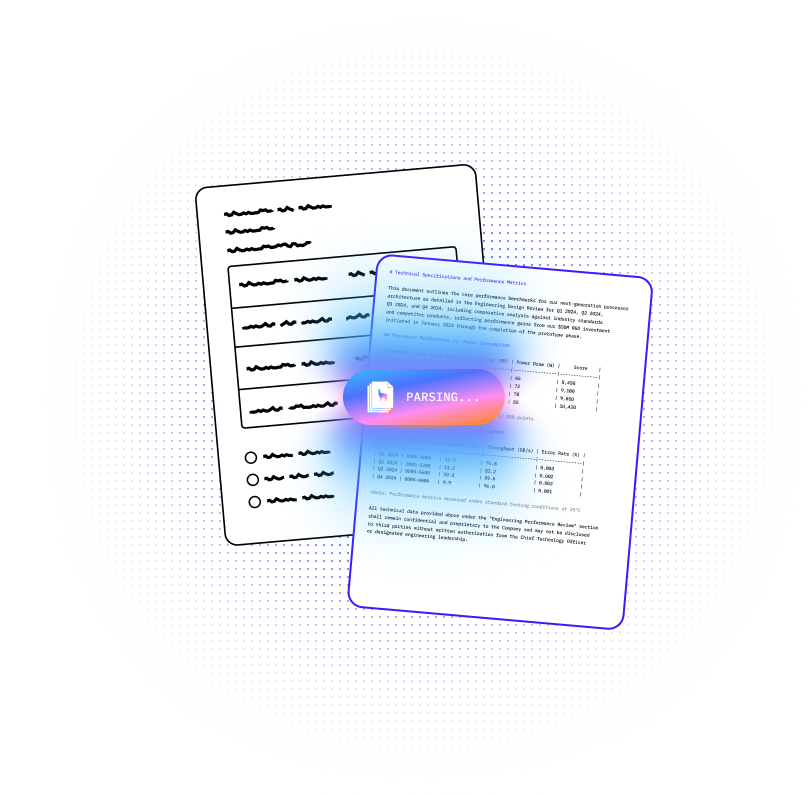
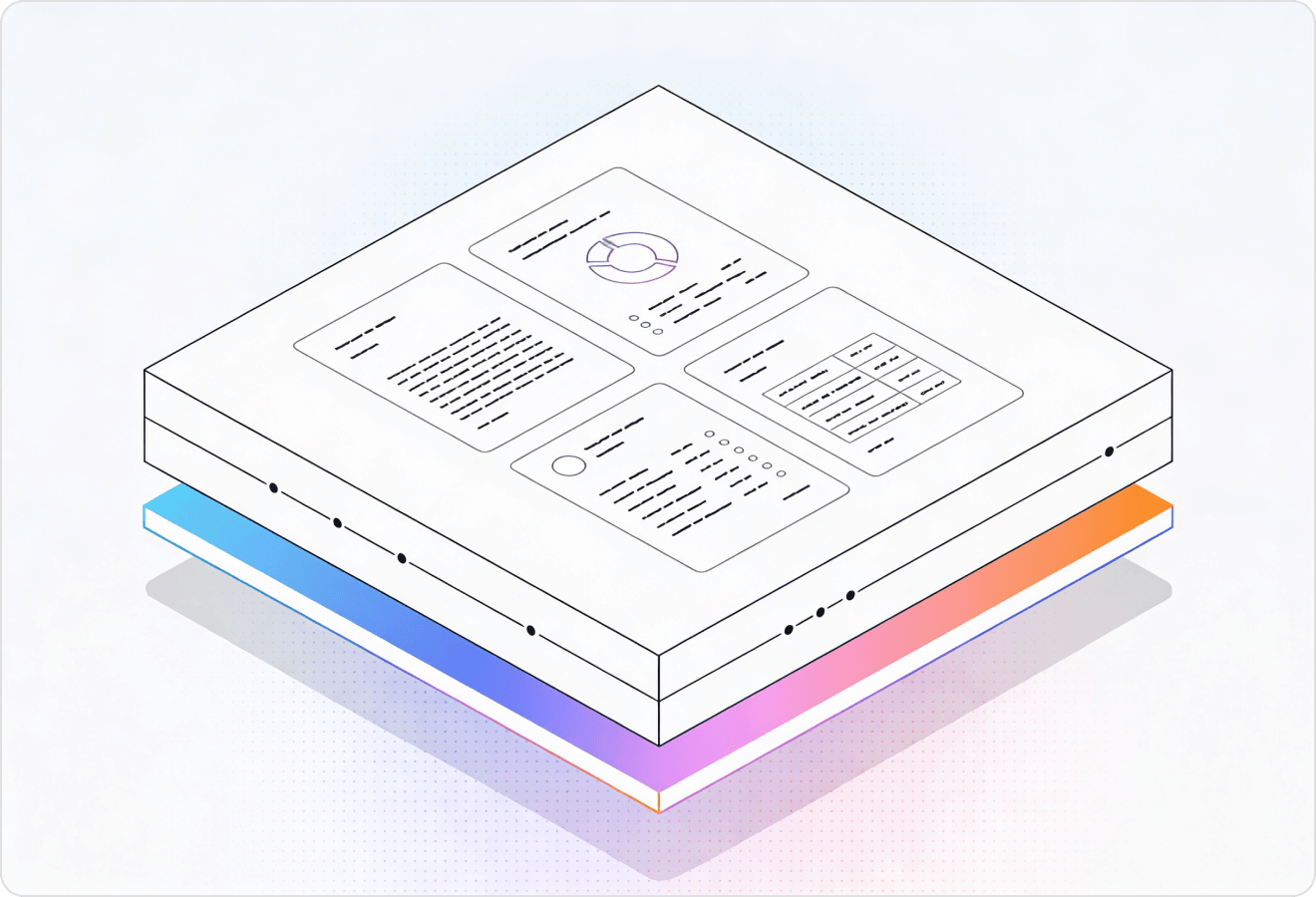

LlamaParse turns messy wire transfer forms into clean, structured JSON or Markdown, capturing beneficiaries, amounts, routing details, and instructions reliably. It stays accurate when layouts change, using layout-aware vision and validation loops so your team stops rekeying fields and chasing exceptions.
Best-in-Class Accuracy

Use LlamaParse inside onboarding flows to parse wire transfer forms into clean JSON (beneficiary, SWIFT/IBAN, amounts, fee type) without brittle template rules that break on new bank layouts. Ship faster with verifiable outputs—coordinates, confidence scores, and citations—so ops can review exceptions and keep straight-through processing high.

Automate intake of incoming wire instructions from PDFs, scans, and emailed forms by extracting structured fields and tables while preserving reading order across multi-column templates. Reduce repair work and payment risk by using auto-correction loops and metadata-backed validation to flag missing or inconsistent routing details before posting.

Convert wire transfer authorization forms submitted during claims into normalized payout data, even when the document includes handwritten notes, stamps, or embedded bank detail tables. Route complex pages to higher-accuracy agentic parsing while keeping routine forms cost-efficient, cutting payout cycle time and manual rekeying.

Standardize international wire transfer forms from employees and contractors into a consistent schema for payroll systems, capturing bank identifiers and address blocks that traditional OCR often scrambles. Use natural-language parsing instructions to enforce company-specific rules (e.g., required intermediary bank fields by country) and prevent failed payments before they happen.
The Solution
01
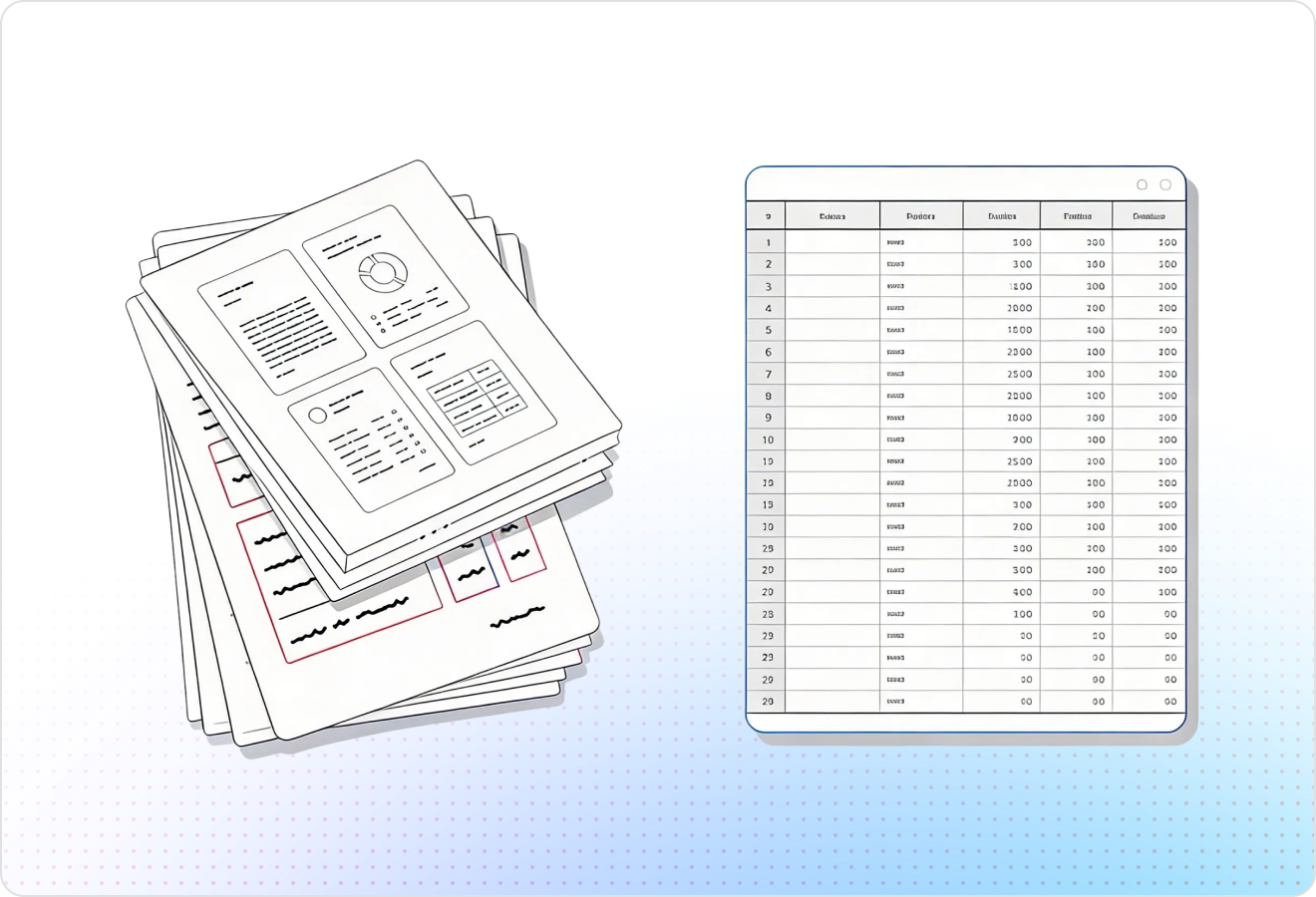
LlamaParse understands form layout, reading order, and key-value groupings so wire instructions don’t get scrambled across columns or sections. That means beneficiary details, bank address, and routing fields land in the right place even when templates vary by bank.
02
LlamaParse accurately captures grid-based sections and fee tables without collapsing rows or mixing headers with values. This is critical for wire transfer forms where account numbers, SWIFT/IBAN, intermediary bank info, and amounts often live in structured blocks.
03
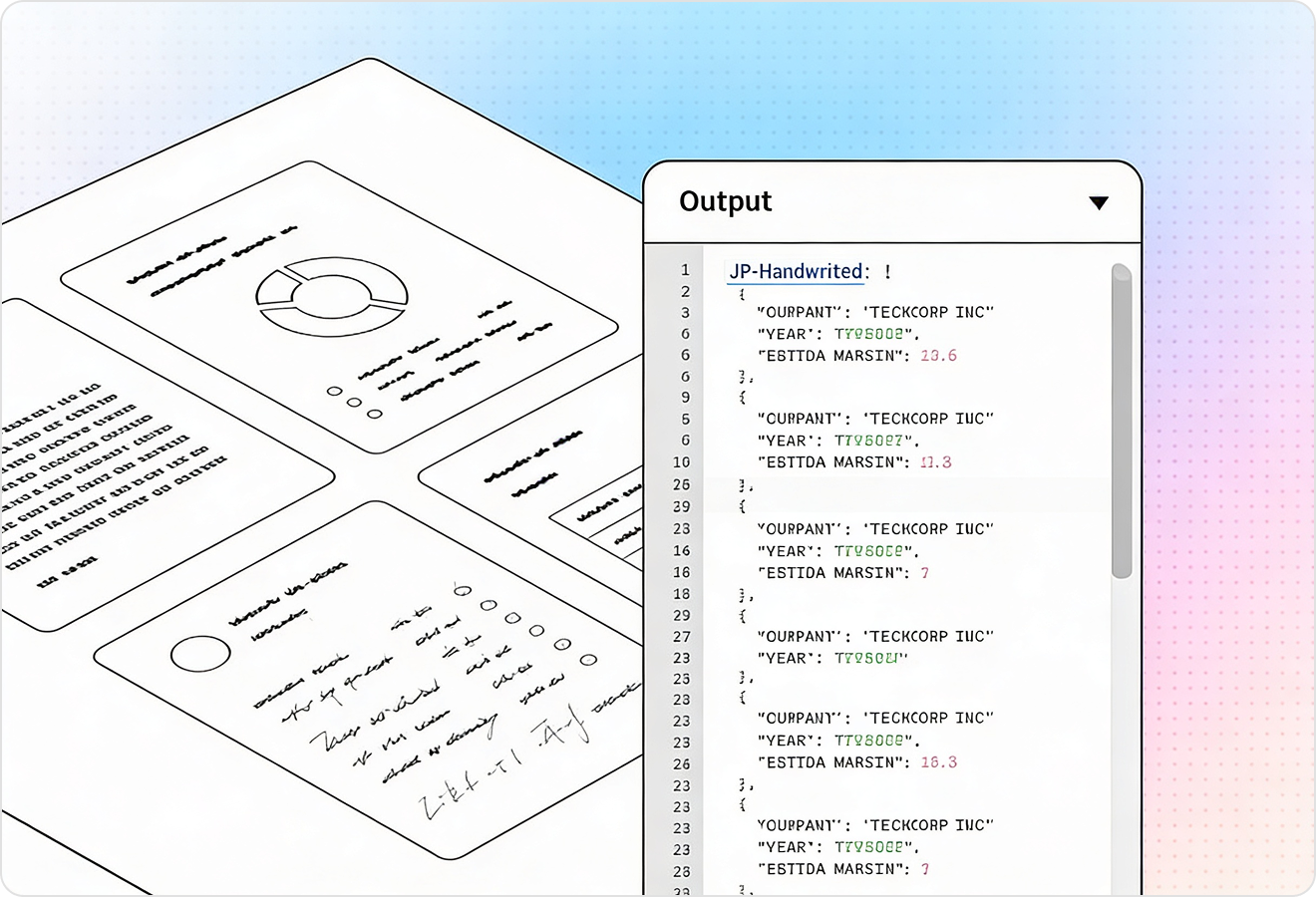
LlamaParse can emit clean JSON for wire fields while attaching page references and coordinates for each extracted value. You can validate high-risk fields (like account number, ABA, SWIFT, amount) by tracing them back to the exact spot on the form for review workflows.
04
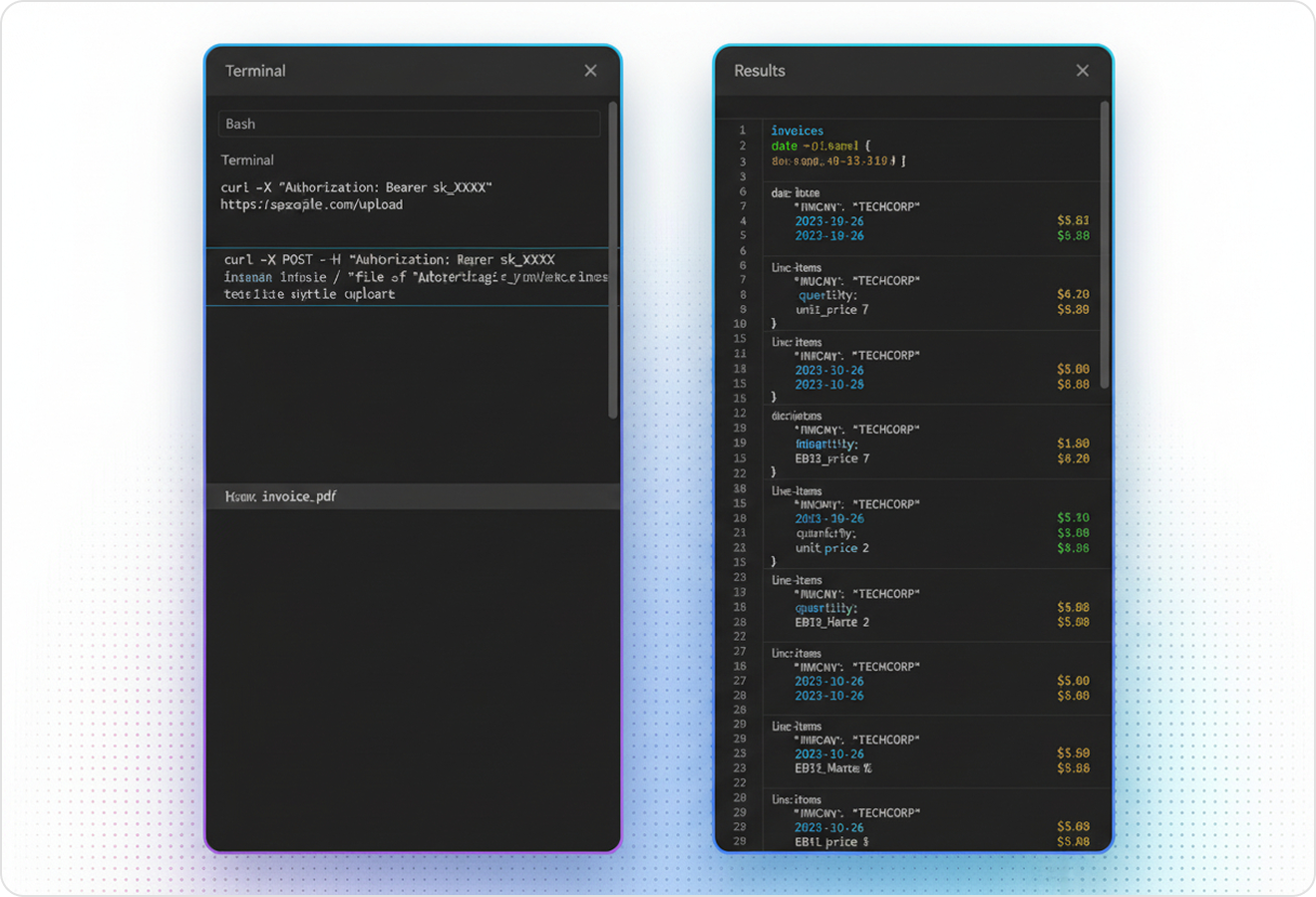
LlamaParse runs self-correction and validation steps to reduce common extraction mistakes from scans, stamps, and noisy backgrounds. For wire transfer forms, this improves straight-through processing by catching inconsistencies like malformed routing numbers or mismatched currency/amount formats before downstream posting.
Technical OCR documentation
Explore our developer guides to easily connect your document pipelines to LlamaParse.
Explore the documentation
Our AI catches the typos that tired eyes miss.

Export to Excel, JSON, XML, or directly via API.

SOC2 Type II compliant with end-to-end encryption.

Train the tool on your specific forms in minutes, not days.

Average processing time of <3 seconds per page.
LlamaParse’s support of a wide variety of filetypes and its accuracy of parsing made it the best tool we tested in our evaluations. The LlamaIndex team was very responsive and we were off to the races within a day.
Common FAQs
01
It uses layout-aware extraction to follow reading order and key-value groupings, so fields like Beneficiary Name, Bank Address, and Routing/ABA land in the correct place even when banks change templates. This reduces manual rework and prevents costly posting errors.
02
Yes—table and grid preservation keeps rows, headers, and cell values aligned instead of collapsing them into a single block of text. That’s especially important for SWIFT/IBAN, intermediary bank details, and amount breakdowns that live in structured tables.
03
You can export clean JSON for each wire field, plus metadata like page number and on-page coordinates for every extracted value. That makes reviews faster because reviewers can click straight back to the exact spot on the form to confirm high-risk fields.
04
How do you reduce errors from scans, stamps, handwriting, or noisy backgrounds?
Agentic validation loops automatically run self-checks and correction steps to catch common OCR issues before the data hits your downstream systems. This helps flag malformed routing numbers, incomplete account fields, or inconsistent currency/amount formats early.
05
What’s the best way to verify critical fields like ABA/routing number, SWIFT/IBAN, and the transfer amount?
Each extracted value includes source location metadata so you can quickly trace it back to the original document for confirmation. Combined with validation checks, this creates a reliable review workflow that cuts risk without slowing processing.
06
How quickly can we integrate this into our wire processing pipeline?
The structured JSON output is designed to plug directly into your existing case management, compliance, or posting systems with minimal mapping. Most teams start with a small set of required wire fields, then expand coverage as templates and exceptions are identified.