Nov 14, 2025
Document AI: The Next Evolution of Intelligent Document ProcessingPersona
Industry
Use cases
Operative Report OCR
[ Operative Report OCR ]

Use LlamaParse to capture tables, anatomy, and codes accurately, with confidence scores you can verify.
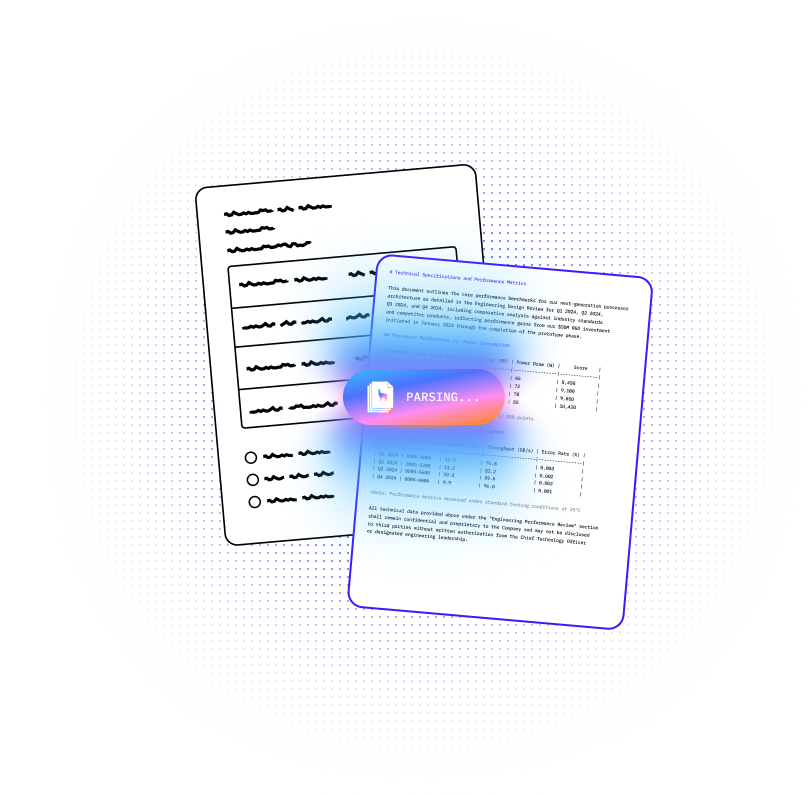
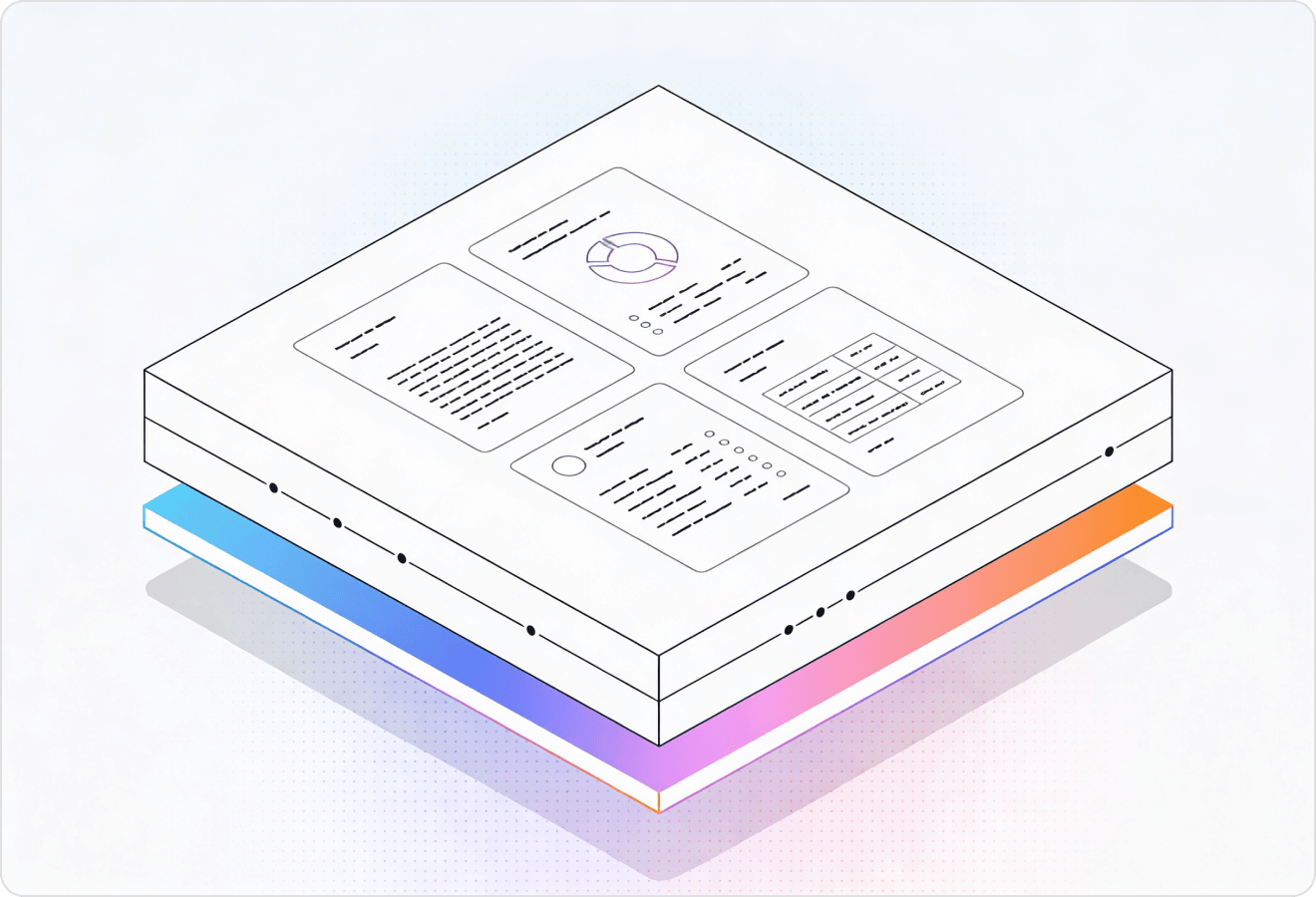
LlamaParse turns messy operative reports into clean, structured outputs your downstream apps can trust, so coding, QA, and analytics start with solid data. It reads layout, tables, and embedded scans, then runs validation loops with citations and confidence to keep extraction accurate at scale.
Best-in-Class Accuracy

Turn operative reports into clean, layout-preserved Markdown/JSON so procedure details, implants, complications, and timestamps flow into the EHR and quality registries without manual abstraction. LlamaParse handles multi-column templates, dictated addenda, and embedded tables with citations and confidence metadata to speed coding, auditing, and outcomes reporting.

Extract CPT/ICD-relevant procedure elements from messy operative notes using natural-language parsing instructions that standardize outputs to your exact claim schema. Auto correction loops reduce missed charges and denials by validating key fields (laterality, approach, devices, anesthesia time) before data hits your billing workflow.

Parse operative reports at scale to capture device identifiers, lot/serial numbers, and implant logs from tables and scanned forms for post-market surveillance and recall readiness. Granular coordinates and page-level traceability make it easy to prove where each data point came from during FDA/ISO audits and internal investigations.

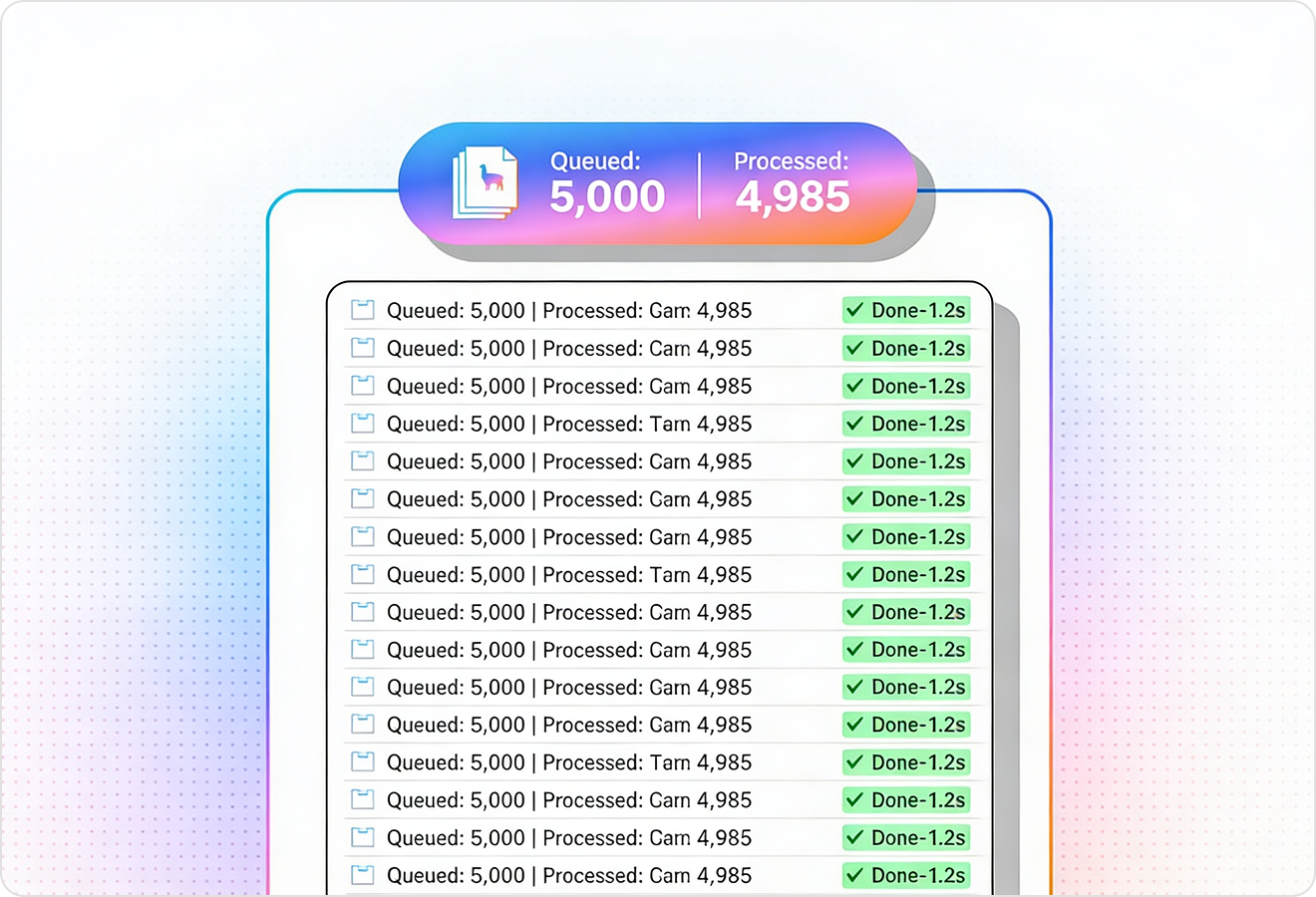
Ship faster by using LlamaParse as the ingestion layer that converts user-uploaded operative PDFs into structured JSON your product can search, summarize, and route to downstream agents. Tier-based processing keeps unit economics predictable by using cheaper modes for clean pages and escalating only the hard scans and complex layouts.
The Solution
01
LlamaParse understands operative report layout—headers, subheadings, multi-column text, and footers—so the narrative stays in the right reading order. That means key sections like Pre-Op Dx, Post-Op Dx, Procedure, Findings, and EBL don’t get scrambled during ingestion.
02
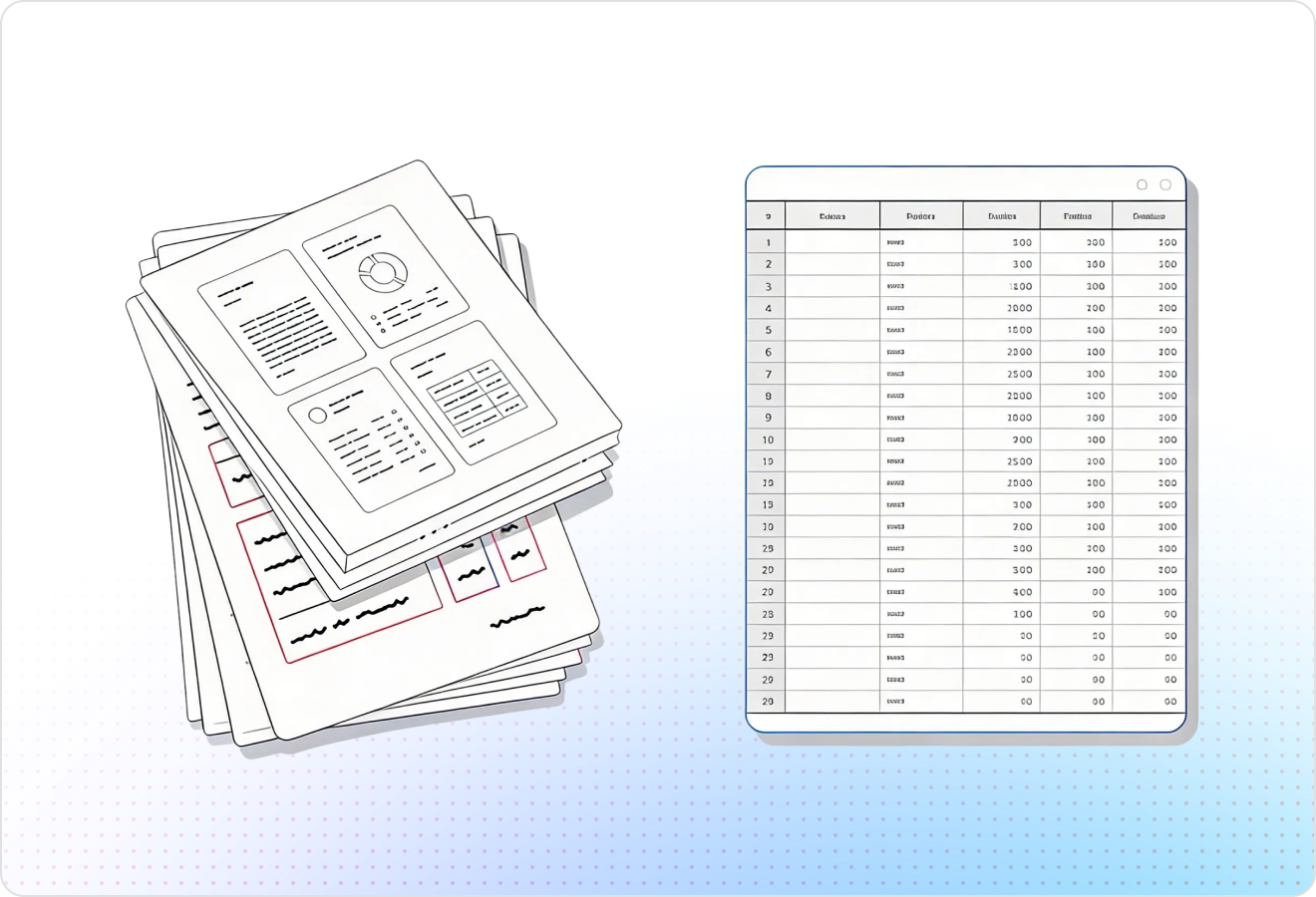
LlamaParse reliably pulls structured content from embedded tables and aligned lists, including implants, instrument counts, medication administrations, and time logs. This gives you clean, machine-ready outputs instead of brittle post-processing to fix broken rows and columns.
03
LlamaParse runs validation and self-correction steps to reduce common scan errors like dropped negatives, misread dosages, or merged lines in dictated notes. For operative reports, this improves straight-through processing so downstream coding, analytics, and chart review aren’t built on shaky text.
04
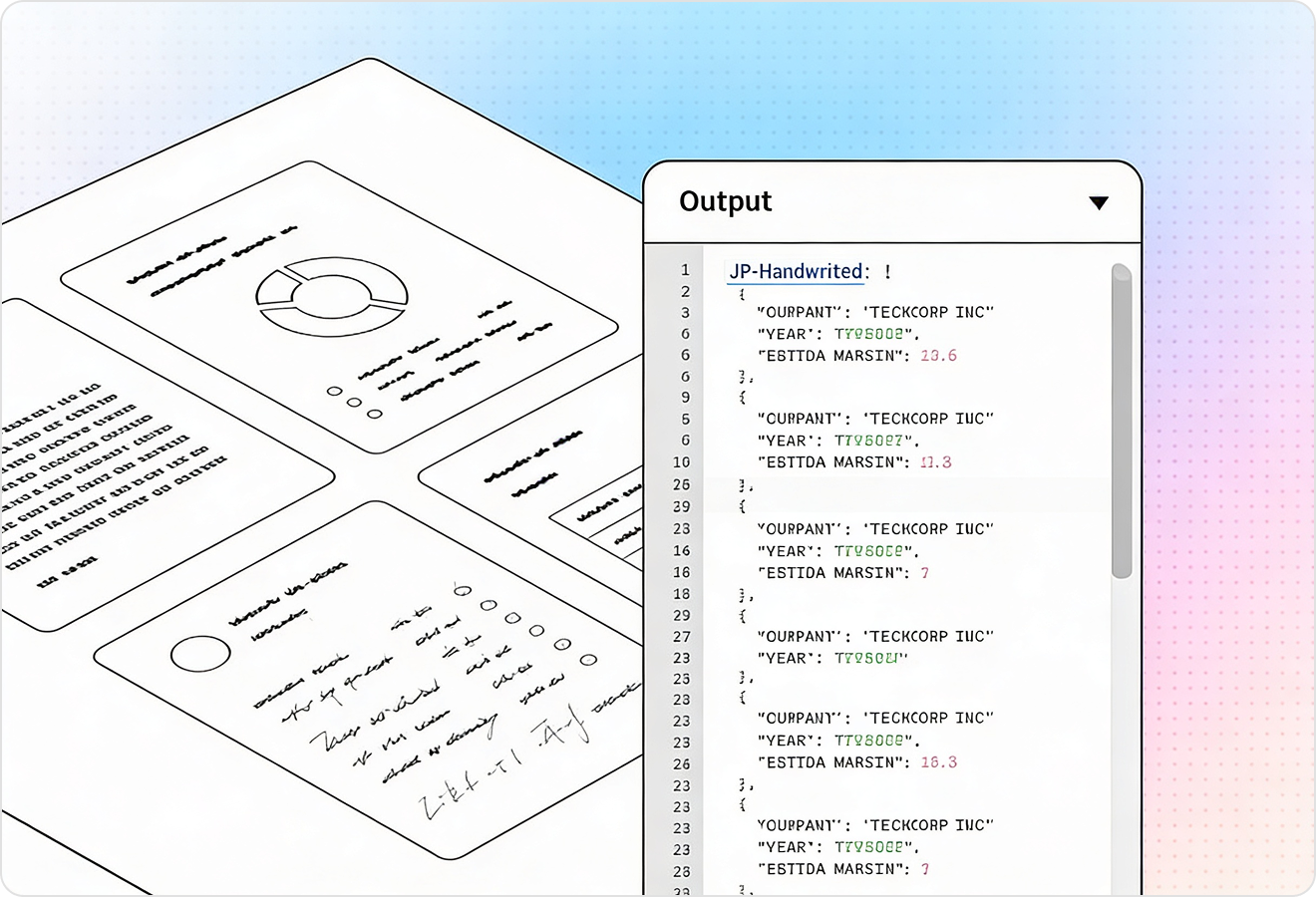
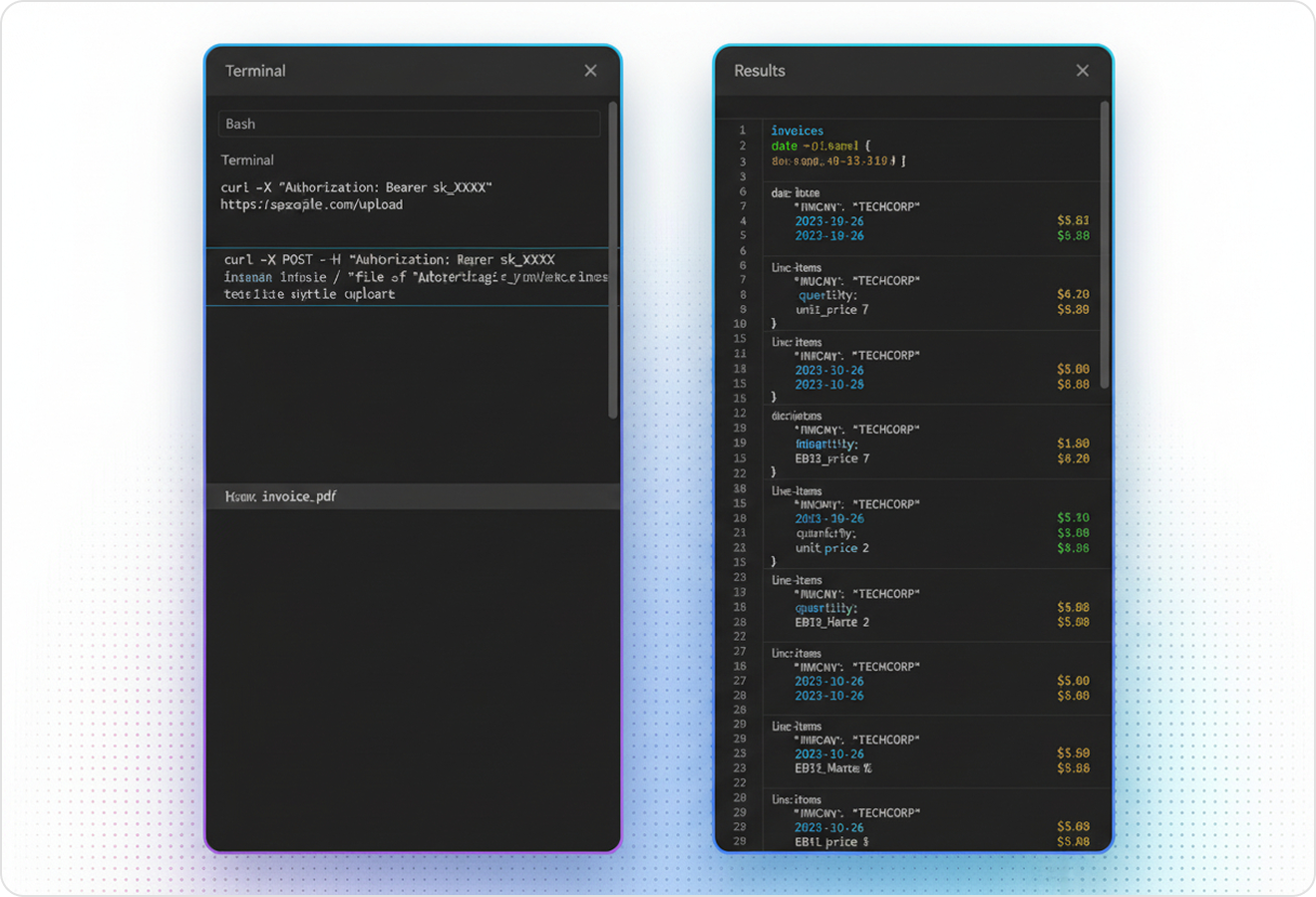
LlamaParse can return operative report data as structured JSON with rich metadata like page references and element-level traceability. That makes it easier to audit extracted fields (e.g., procedure name, surgeon, laterality) and route low-confidence items to human review.
Technical OCR documentation
Explore our developer guides to easily connect your document pipelines to LlamaParse.
Explore the documentation
Our AI catches the typos that tired eyes miss.

Export to Excel, JSON, XML, or directly via API.

SOC2 Type II compliant with end-to-end encryption.

Train the tool on your specific forms in minutes, not days.

Average processing time of <3 seconds per page.
LlamaParse’s support of a wide variety of filetypes and its accuracy of parsing made it the best tool we tested in our evaluations. The LlamaIndex team was very responsive and we were off to the races within a day.
Common FAQs
01
Yes—our layout-aware section parsing preserves headers, subheadings, multi-column text, and footers so the narrative stays in the right reading order. This prevents critical sections from being scrambled during ingestion and reduces downstream manual cleanup.
02
It extracts tables and aligned lists into clean, structured data instead of messy text blobs with broken rows and columns. That means you can reliably power coding, inventory reconciliation, and analytics without brittle post-processing scripts.
03
Auto-correction loops validate and self-correct common scan issues such as merged lines, missed symbols, and incorrect numbers that can change clinical meaning. When confidence is still low, you can flag those items for review instead of discovering problems later.
04
Can I get the extracted operative report data as JSON with traceability for audits?
Yes—outputs can be returned as structured JSON with citations like page references and element-level traceability. This makes it easy to audit fields such as procedure name, surgeon, laterality, and key times, and to document where each value came from.
05
What’s the best way to route uncertain fields to human review without slowing everything down?
Use the included confidence signals and citations to automatically triage only the questionable fields or sections. Reviewers can jump straight to the supporting source location, which speeds validation while keeping high-confidence reports flowing through.
06
How quickly can we integrate this into our coding, chart review, or analytics workflow?
Most teams integrate by consuming the structured JSON output and mapping it to their internal schema for coding and downstream systems. Because the parsing is section-aware and table-safe, you spend less time on custom rules and more time extracting value from day one.