Nov 14, 2025
Document AI: The Next Evolution of Intelligent Document ProcessingPersona
Industry
Use cases
1040 Tax Form OCR
[ 1040 Tax Form OCR ]

Use LlamaParse to turn 1040s into clean JSON with citations, fewer errors, and less review.

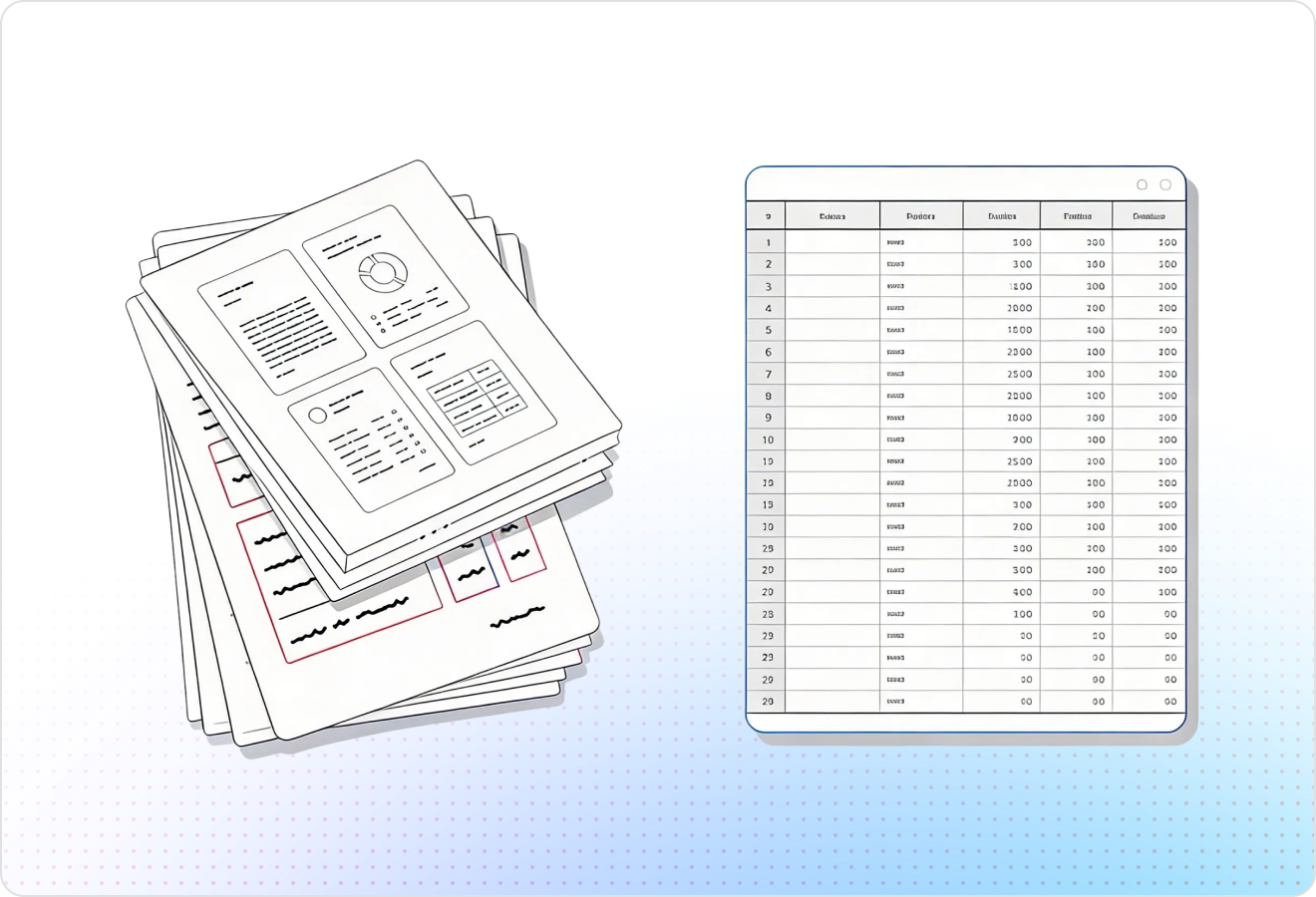
LlamaParse turns messy scanned 1040s and attachments into clean, schema-ready JSON by understanding layout, tables, and checkboxes, not just text. Agentic validation loops catch common extraction mistakes and return confidence metadata, so you can review exceptions fast and automate downstream filing.
Best-in-Class Accuracy

Parse client 1040 packets into clean JSON with line-by-line values, schedules, and supporting statements, even when scans are rotated, multi-column, or include messy attachments. LlamaParse preserves table structure and traceable metadata so reviewers can validate extracted numbers fast and push returns through with fewer rework cycles.

Convert borrower 1040s into normalized income signals (AGI, wages, business income, deductions) to automate eligibility checks and reduce manual stips review. With layout-aware extraction and confidence scoring, underwriting teams can reconcile discrepancies quickly and keep decisions moving without slowing down the pipeline.

Ingest 1040s to verify income for disability, life, and specialty products, pulling the exact fields needed while handling schedules and inconsistent formats across tax years. Natural-language parsing instructions let you enforce carrier-specific rules (e.g., exclude one-time capital gains) and return structured outputs your policy systems can consume.

Build a self-serve “upload your 1040” workflow in days by using LlamaParse as the document ingestion layer that outputs AI-ready Markdown/JSON for downstream automations. Tier-based processing and cost optimizer mode let you start cheap in production, then selectively upgrade only the complex pages that need higher-accuracy agentic parsing.
The Solution
01
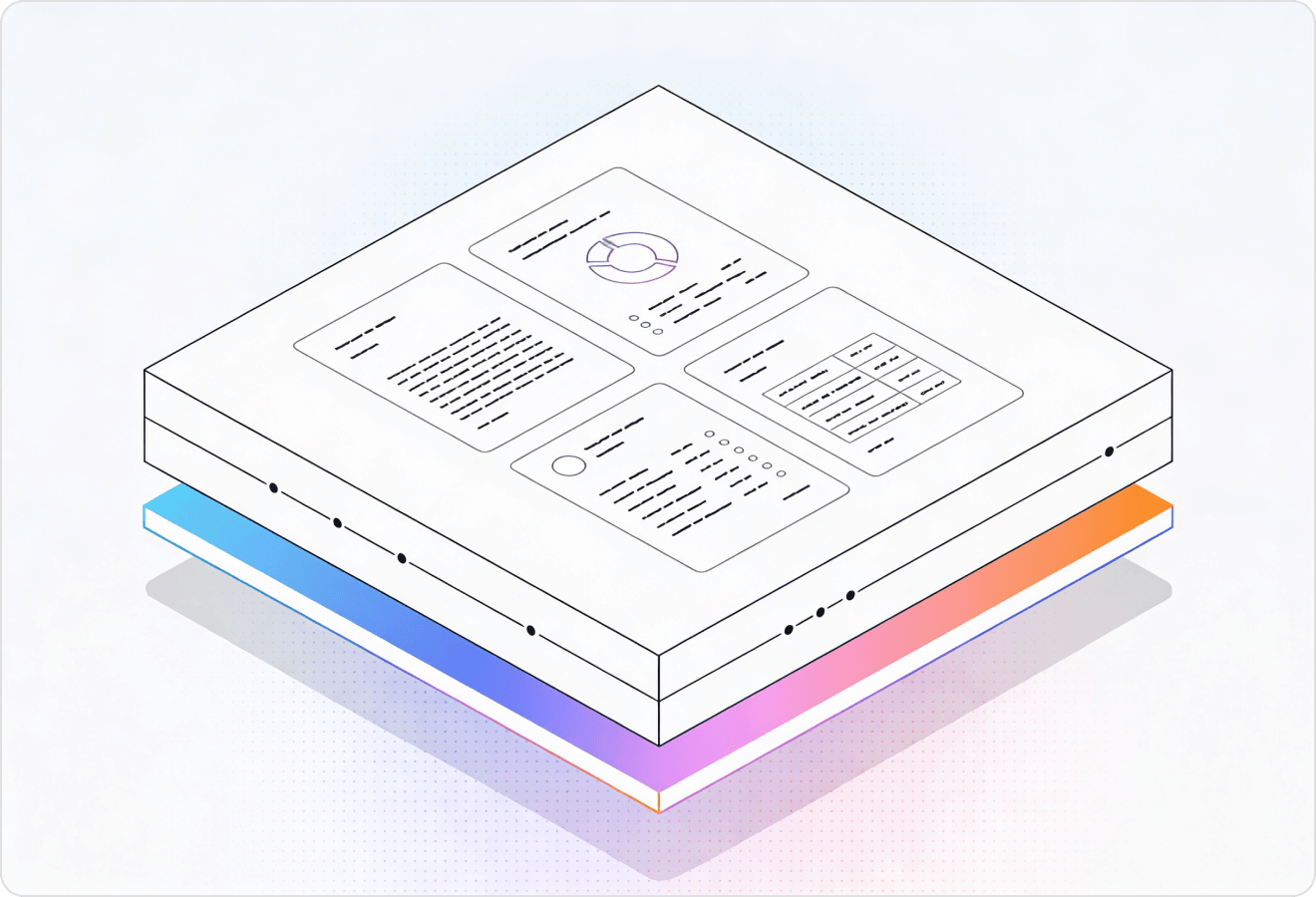
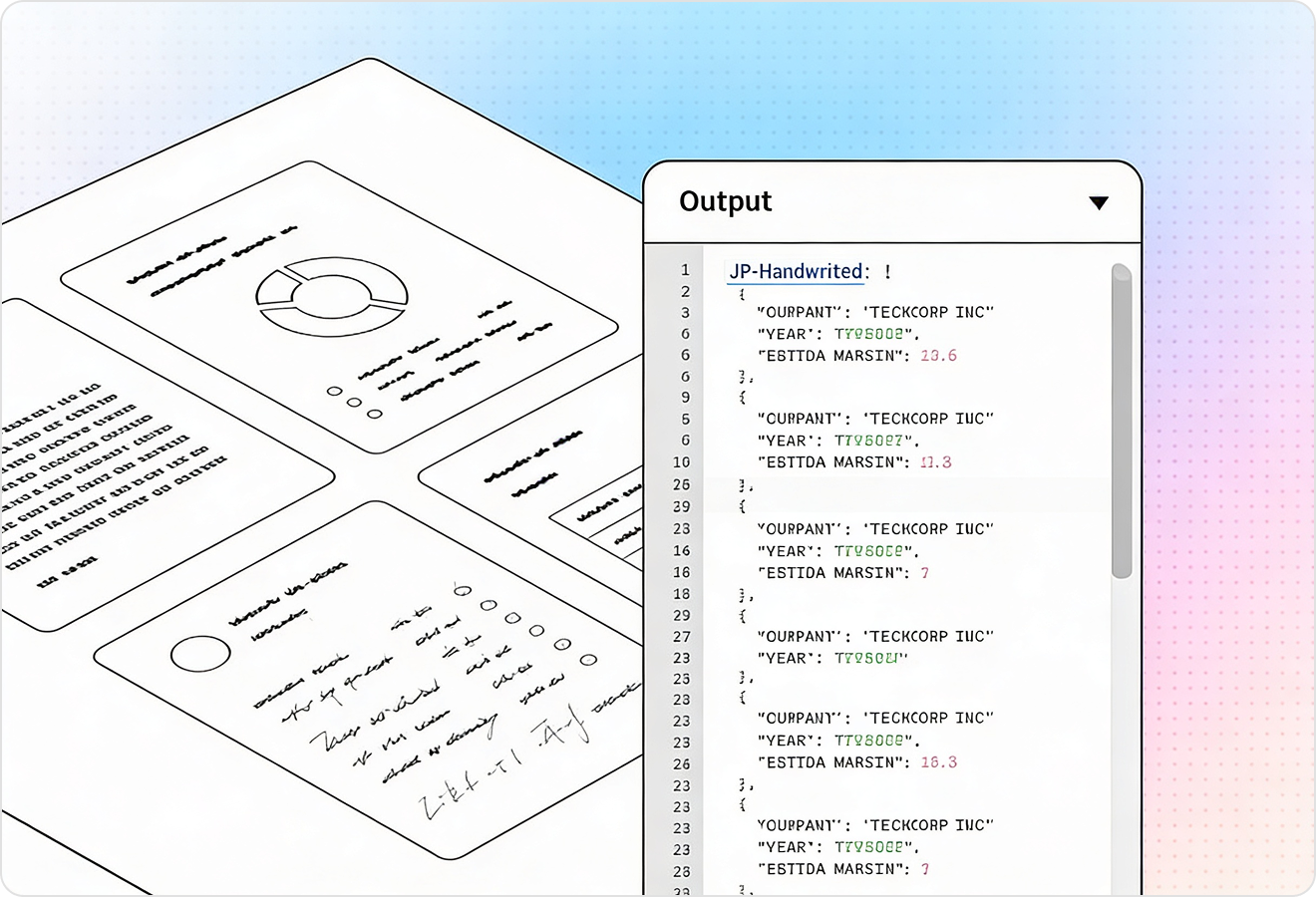
LlamaParse detects the structure of IRS 1040 pages—boxes, line items, multi-column sections, headers, and footers—so values don’t get scrambled when the layout shifts. That means you can reliably map amounts to the correct line numbers and labels (e.g., wages, deductions, tax) instead of cleaning up brittle text dumps.
02
It accurately parses grid-like regions and nested table structures that show up in tax documents and supporting schedules, preserving row/column relationships. For 1040 workflows, this reduces manual reconciliation when totals, subtotals, and paired fields need to stay aligned for validation and downstream calculations.
03
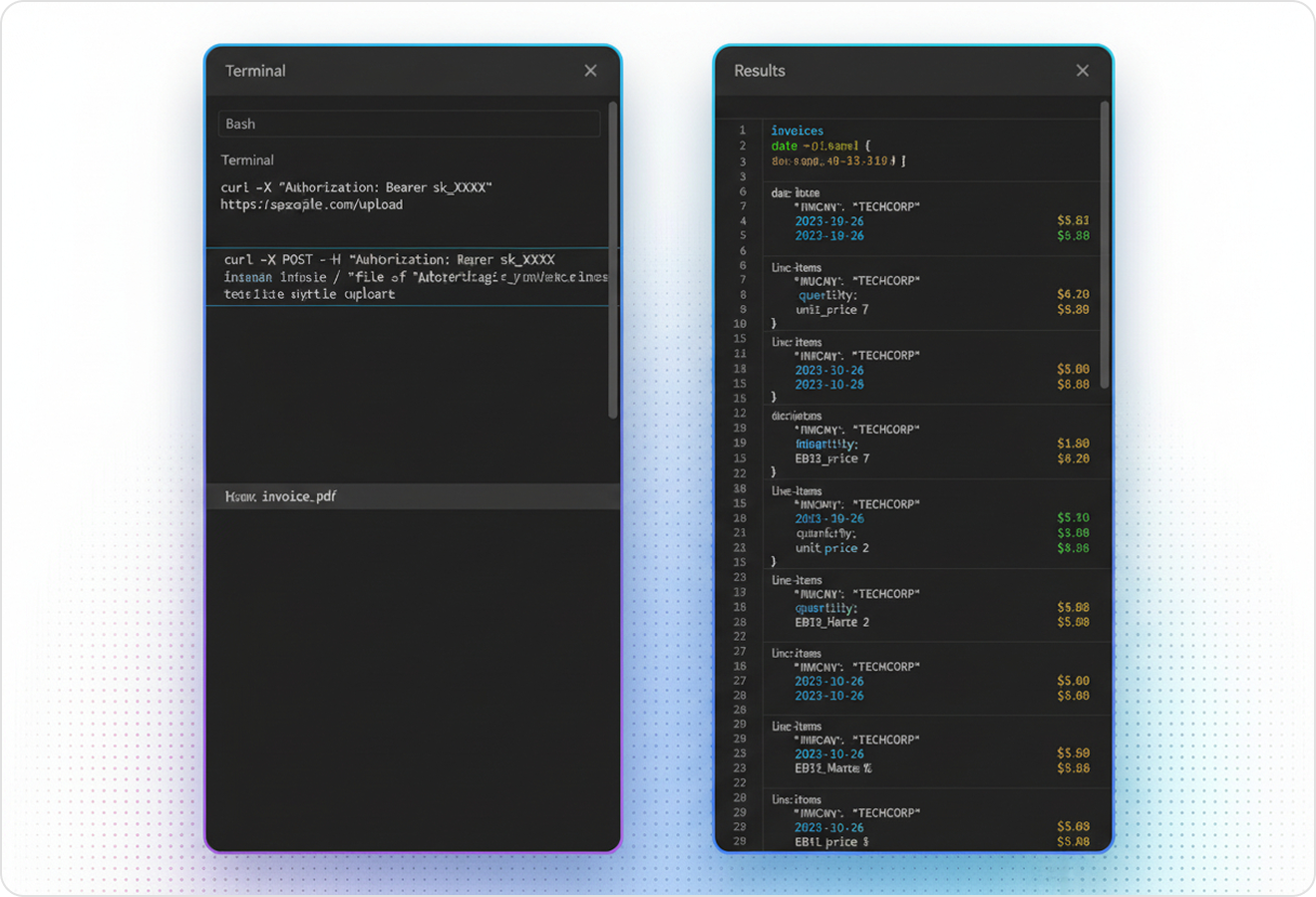
JSON mode returns machine-ready fields with granular metadata like page numbers and spatial coordinates for each extracted element. For 1040 tax form capture, that traceability makes it easier to audit where a number came from, flag low-confidence fields, and route only the exceptions to human review.
04
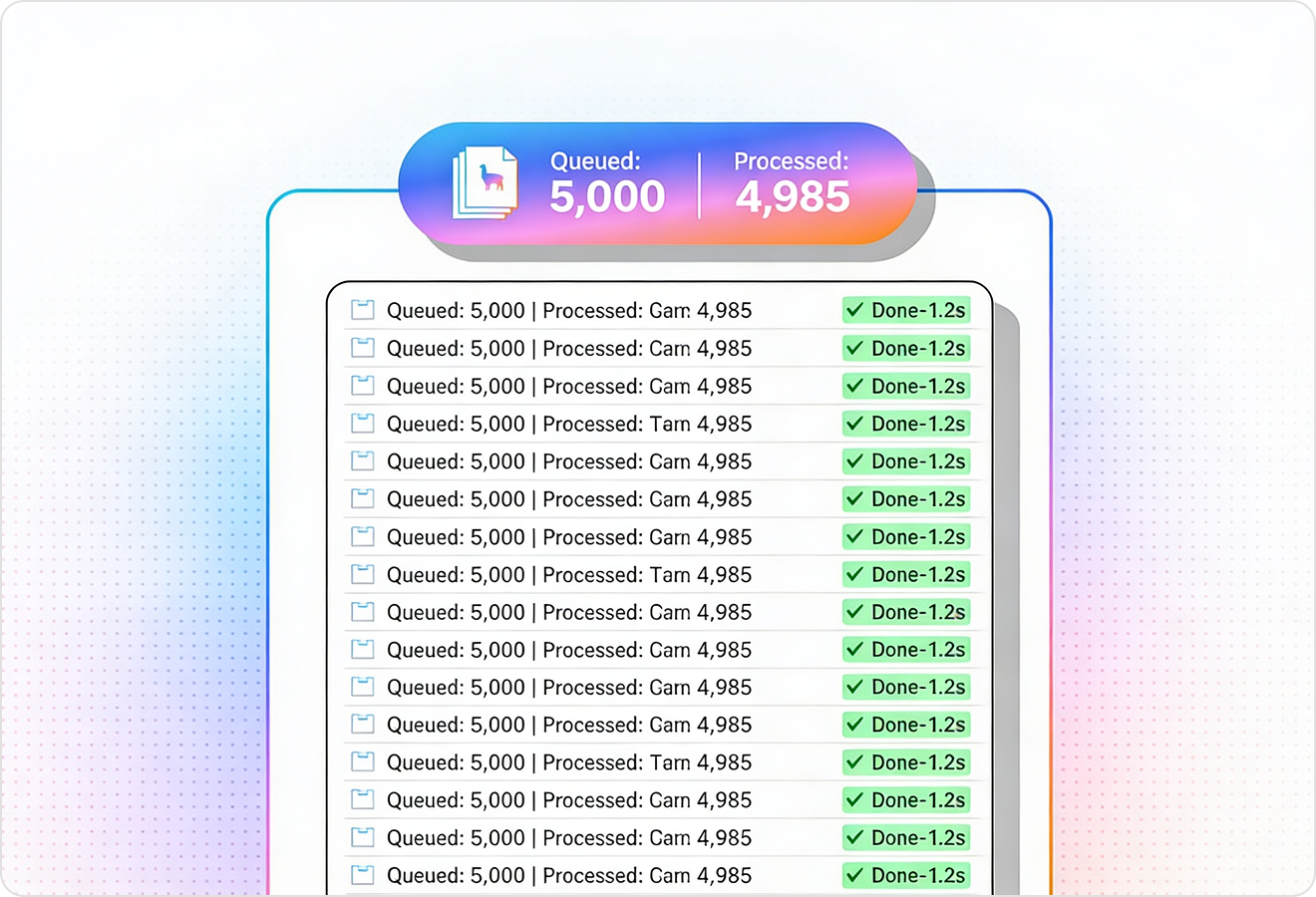
LlamaParse runs multiple validation loops to catch common extraction errors and fix inconsistencies before it returns results. On 1040s, this helps prevent swapped digits, missing negatives, or misread line items from slipping into your pipeline and triggering rework or compliance risk.
Technical OCR documentation
Explore our developer guides to easily connect your document pipelines to LlamaParse.
Explore the documentation
Our AI catches the typos that tired eyes miss.

Export to Excel, JSON, XML, or directly via API.

SOC2 Type II compliant with end-to-end encryption.

Train the tool on your specific forms in minutes, not days.

Average processing time of <3 seconds per page.
LlamaParse’s support of a wide variety of filetypes and its accuracy of parsing made it the best tool we tested in our evaluations. The LlamaIndex team was very responsive and we were off to the races within a day.
The engine room
01
Our layout-aware parsing detects boxes, line items, multi-column sections, headers, and footers so fields don’t shift or get merged when scans vary. That means wages, deductions, and tax amounts stay tied to the right labels and line numbers without manual cleanup.
02
Yes—table and grid extraction preserves row/column relationships even in nested or dense regions commonly found in tax documents. This reduces reconciliation work by keeping totals, subtotals, and paired fields aligned for downstream validation and calculations.
03
Absolutely—JSON output is machine-ready and includes granular metadata like page numbers and spatial coordinates for each extracted element. That audit trail makes it easy to verify where a number came from, flag low-confidence fields, and support compliance reviews.
04
How do you handle common OCR errors like swapped digits, missing negatives, or misread line items?
We run validation and self-correction loops to catch inconsistencies before results are returned. This helps prevent small extraction mistakes from turning into costly rework, failed validations, or downstream reporting issues.
05
What happens when the scan quality is poor or the form is slightly skewed or cropped?
The parser relies on document structure, not just raw text, so it’s more resilient to real-world scan variation like skew, compression artifacts, and minor cropping. When confidence is low, you can automatically route only those fields for human review instead of rechecking entire returns.
06
How quickly can we integrate 1040 OCR into our pipeline and start seeing results?
You can integrate using structured JSON output that’s straightforward to map into your existing tax workflow and validation rules. Most teams start by automating the highest-volume fields first, then expand coverage as they confirm accuracy and exception rates.
Explore Our Resources