Nov 14, 2025
Document AI: The Next Evolution of Intelligent Document ProcessingPersona
Industry
Use cases
10-K Filing OCR
[ 10-K Filing OCR ]

Use LlamaParse to turn messy 10-K PDFs into reliable tables and JSON your team can trust.
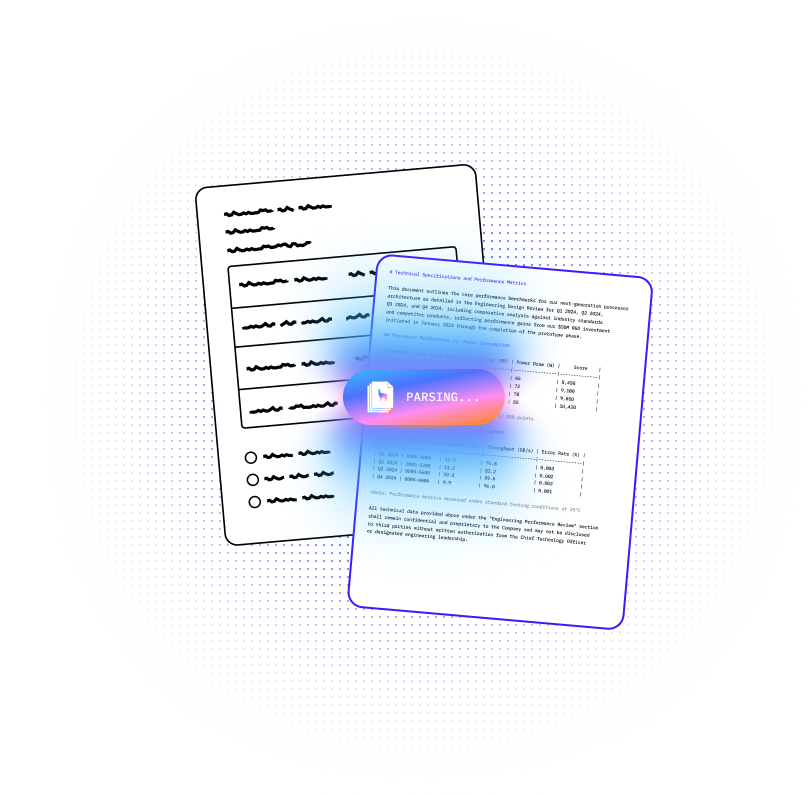
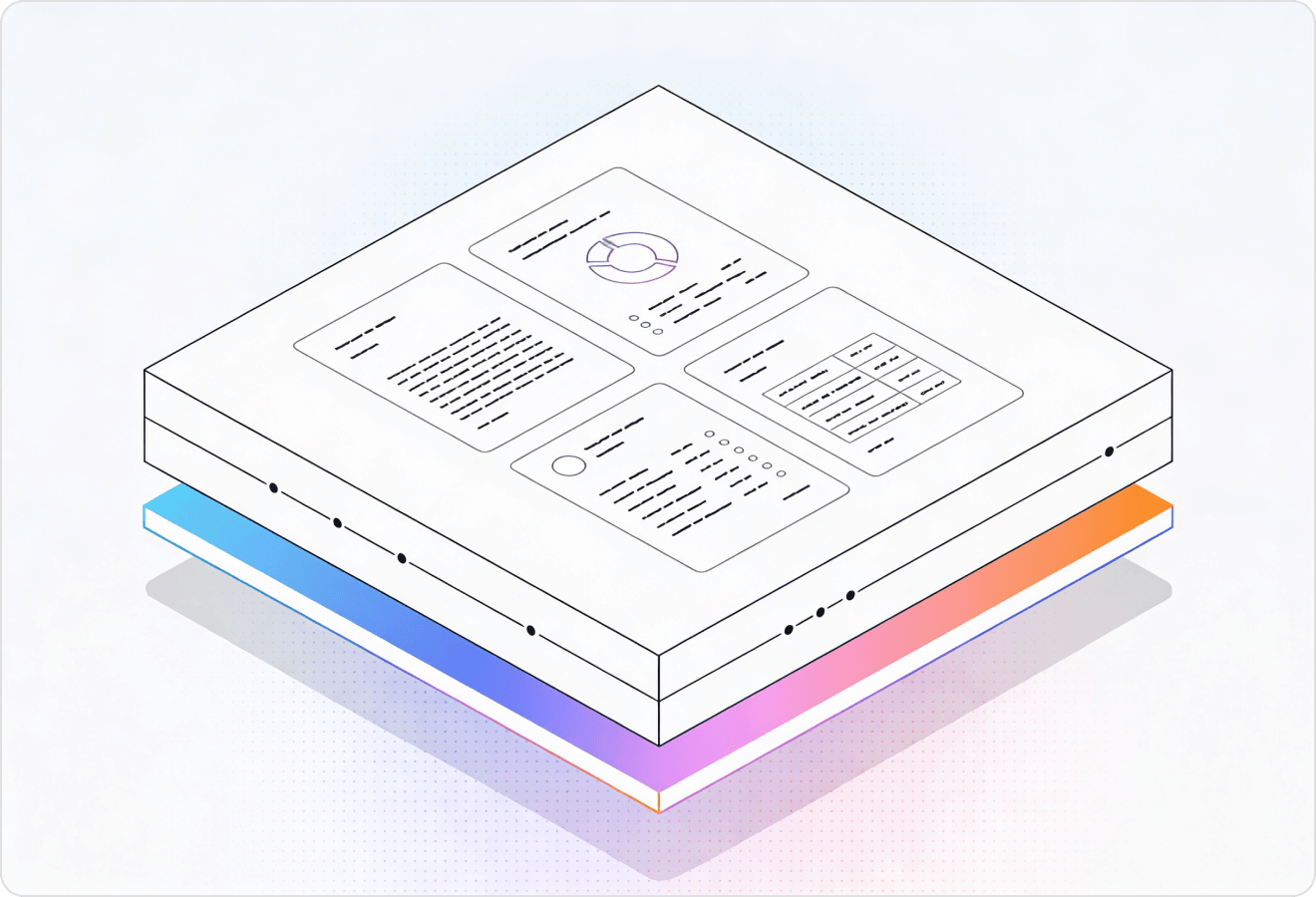

LlamaParse turns messy 10-K PDFs into structured tables and JSON you can trust, preserving footnotes, sections, and financial statement layout. It uses agentic document parsing with layout-aware vision and validation loops, so you spend less time cleaning and more time analyzing.
Best-in-Class Accuracy

Ingest 10-K PDFs at scale and convert complex tables (segment revenue, debt ladders, lease commitments) into clean Markdown/JSON your team can query instantly during diligence. LlamaParse preserves layout and citations so analysts can validate numbers fast and build IC memos without spreadsheet copy-paste errors.

Dealers can ingest credit apps, pay stubs, and trade-in documentation and have LlamaParse preserve reading order and table structure so F&I teams stop manually re-keying fields from messy forms. Natural language parsing instructions let you map lender-specific requirements into a consistent schema, cutting funding delays caused by missing or misformatted data.

Leasing teams can process tenant credit applications and supporting documents with layout-aware extraction that correctly captures employer history, income tables, and consent language from varied templates. Structured outputs with page-level traceability make audits and dispute resolution faster by linking every decision back to the exact source location.

Ship a product that turns public 10-Ks into a searchable dataset for market maps, pricing intelligence, or competitive alerts without building brittle PDF parsing code. LlamaParse outputs AI-ready JSON with metadata, so you can power reliable extraction-backed workflows and scale ingestion as customers upload more filings.
The Solution
01
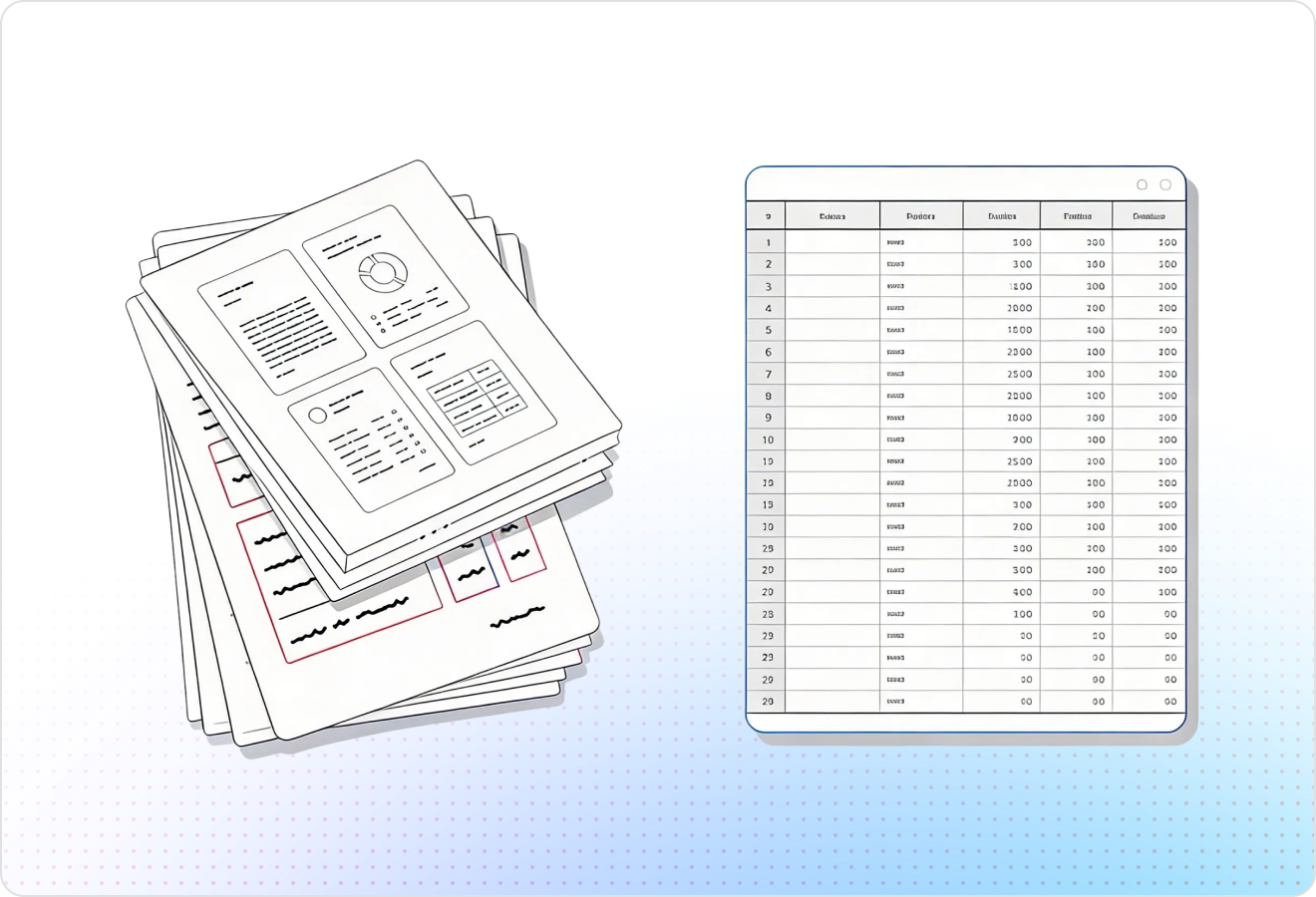
LlamaParse preserves reading order across multi-column pages, footnotes, and dense sectioning common in 10‑K filings, so narrative text doesn’t get scrambled. It also extracts complex financial tables with structure intact, making line items and totals usable without brittle post-processing.
02
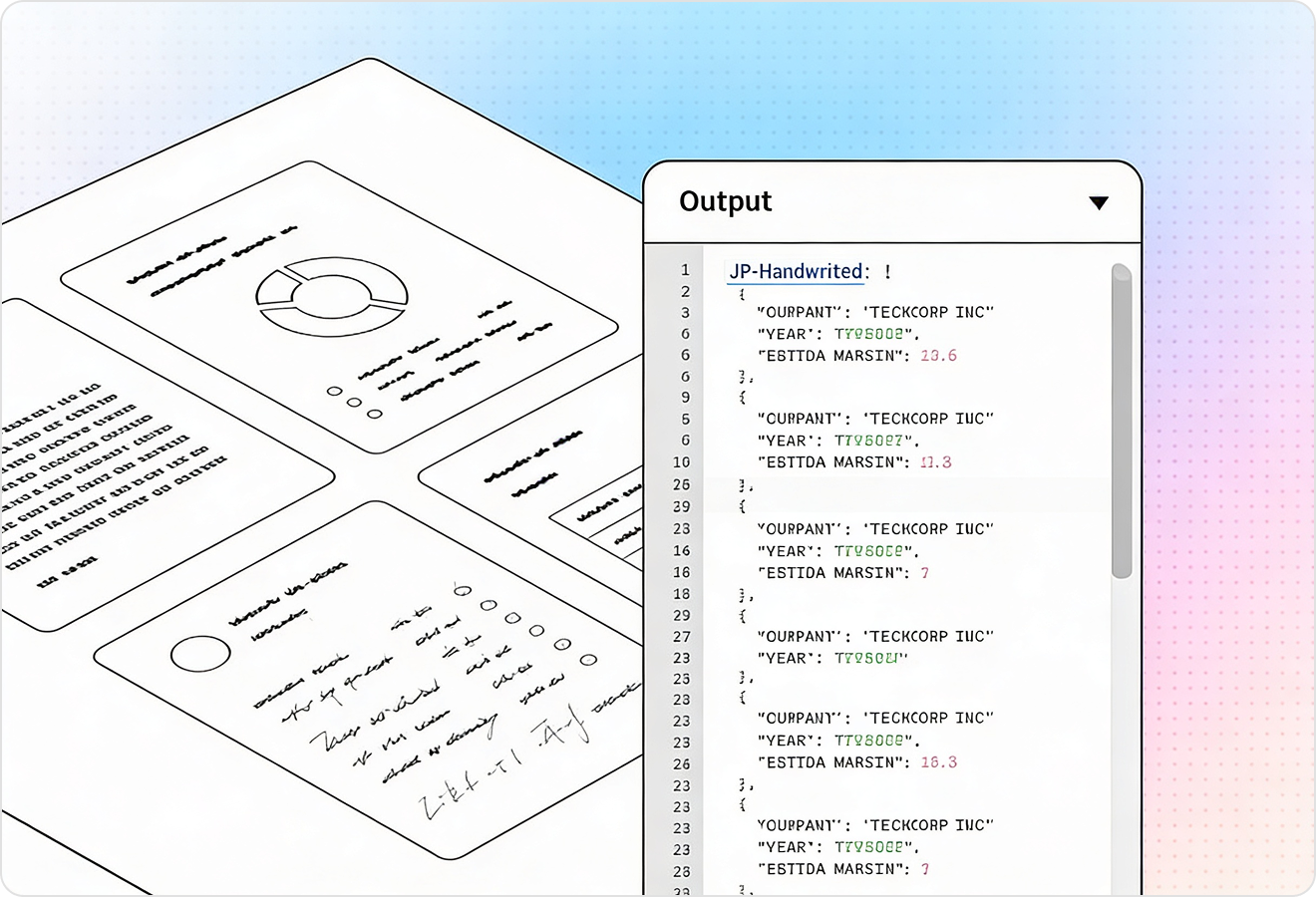
LlamaParse interprets embedded charts, images, and visual callouts that show up in 10‑Ks, not just the plain text around them. This helps you capture disclosures and visual summaries as machine-readable outputs instead of losing context or skipping non-text content.
03
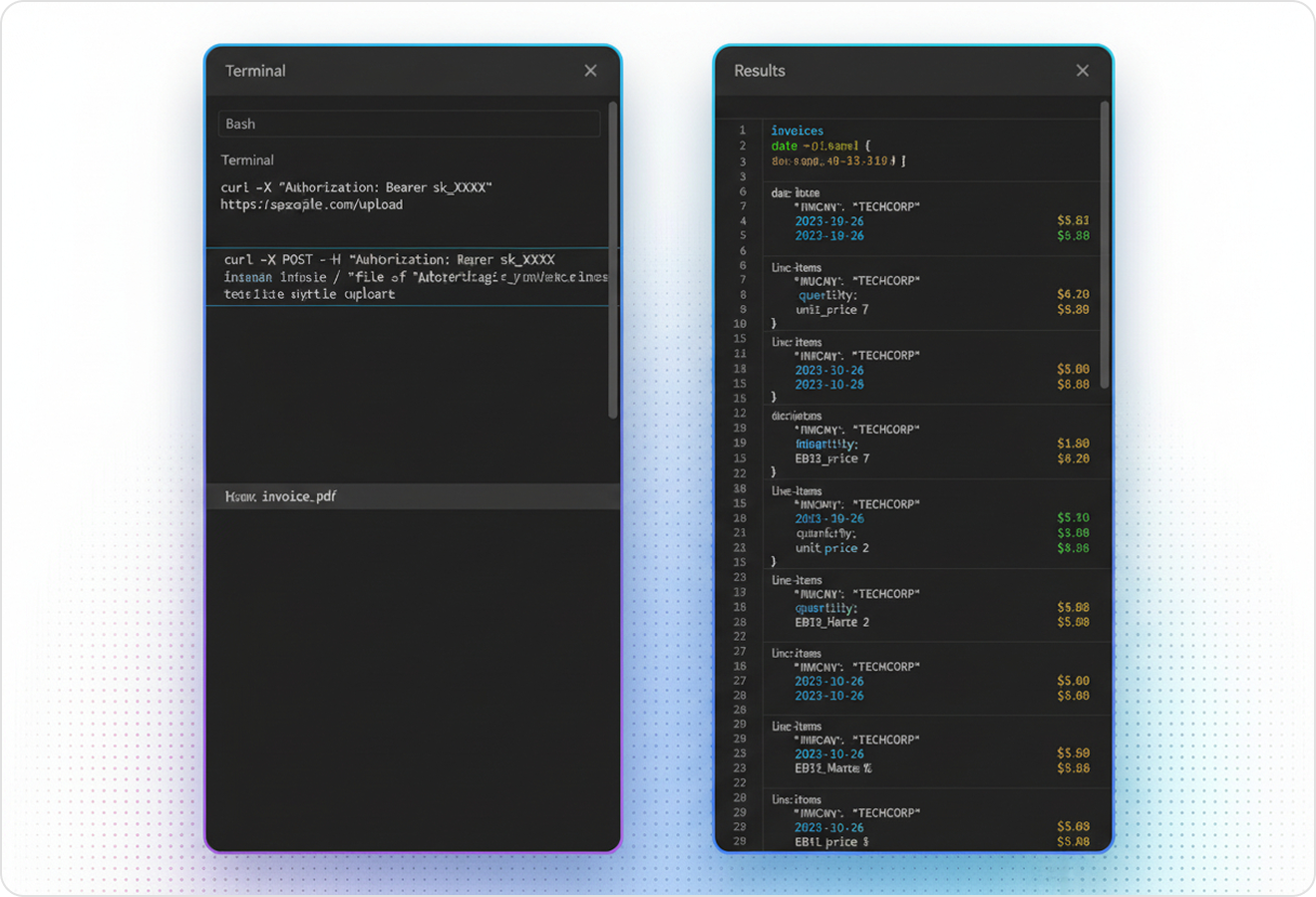
LlamaParse can return structured JSON with rich metadata like page numbers and element types, so you can reliably map extracted values back to the filing. That traceability is critical for 10‑K workflows where reviewers need to verify the exact source of each extracted metric and statement.
04
LlamaParse uses validation and self-correction steps to reduce extraction errors that traditional OCR-style pipelines commonly introduce in long, repetitive filings. For 10‑Ks, this means fewer missed rows, fewer swapped columns, and fewer downstream reconciliation issues when you ingest data at scale.
Technical OCR documentation
Explore our developer guides to easily connect your document pipelines to LlamaParse.
Explore the documentation
Our AI catches the typos that tired eyes miss.

Export to Excel, JSON, XML, or directly via API.

SOC2 Type II compliant with end-to-end encryption.

Train the tool on your specific forms in minutes, not days.

Average processing time of <3 seconds per page.
LlamaParse’s support of a wide variety of filetypes and its accuracy of parsing made it the best tool we tested in our evaluations. The LlamaIndex team was very responsive and we were off to the races within a day.
Common FAQs
01
Yes—layout-aware parsing preserves reading order across columns, section breaks, and footnotes so the narrative doesn’t get scrambled. That means your downstream search, summarization, and RAG workflows use clean, coherent text without manual cleanup.
02
It extracts tables with structure intact—rows, columns, headers, and totals—so line items remain usable as data instead of flattened text. This reduces brittle post-processing and helps prevent common issues like swapped columns or missing rows.
03
Yes, outputs can include structured JSON plus metadata such as page numbers and element types. This makes it easy for reviewers to verify exactly where each figure or statement came from, which is critical for audit-ready 10-K workflows.
04
Do you capture charts, figures, and visual callouts inside 10-Ks—or only plain text?
It interprets multimodal content like embedded charts, images, and visual summaries, not just the text around them. You retain important context that traditional OCR often drops, improving completeness for disclosure extraction and analytics.
05
What safeguards are there to reduce extraction errors in long, repetitive filings?
Auto validation and correction loops help catch and fix common failures like missed rows, misaligned columns, or repeated section drift. The result is more reliable data at scale and fewer downstream reconciliation surprises
06
How much manual review will my team still need for 10-K OCR and table extraction?
Most teams see manual review shift from “fixing formatting” to “spot-checking key fields,” because structure and citations are included from the start. You can focus human effort on exceptions and approvals rather than rebuilding tables and tracing sources.