Nov 14, 2025
Document AI: The Next Evolution of Intelligent Document ProcessingPersona
Industry
Use cases
HIPAA SOC2 Document Processing Compliance
[ HIPAA SOC2 Document Processing Compliance ]

Turn messy clinical documents into verifiable, audit-ready data using LlamaParse agentic parsing and validation loops.
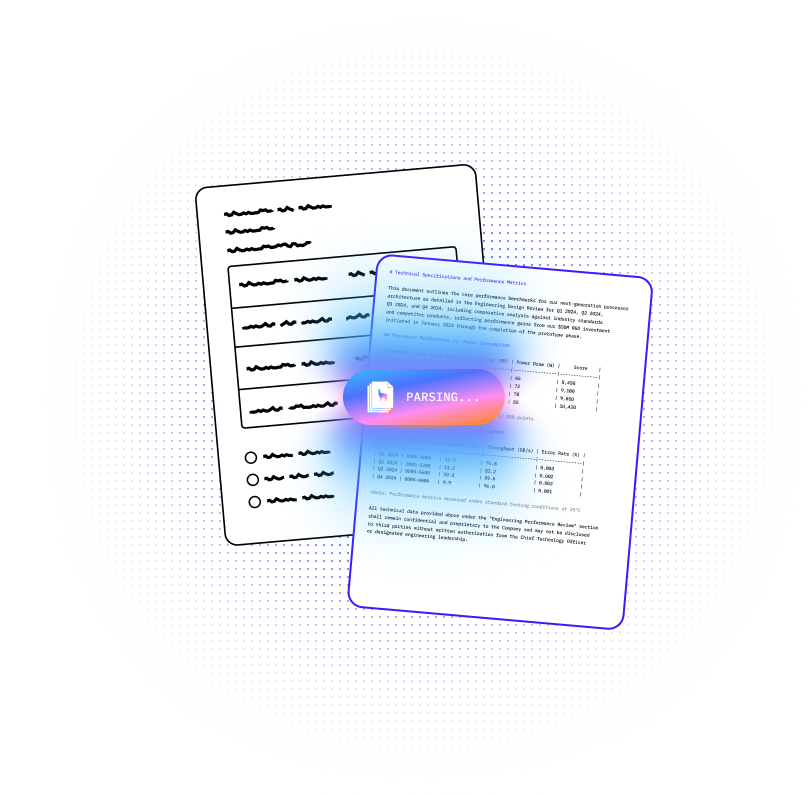
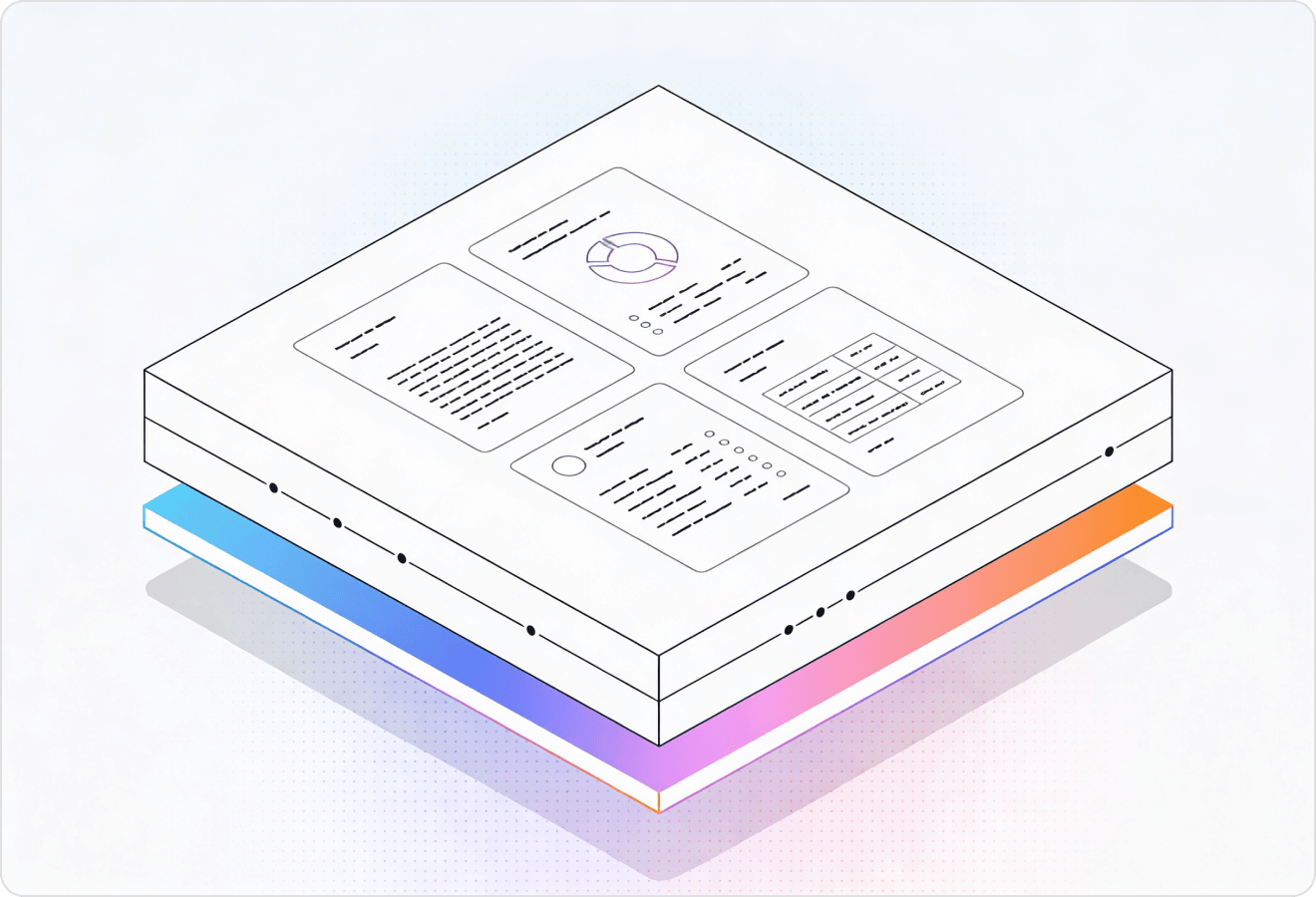

LlamaParse turns HIPAA policies, SOC 2 reports, and vendor evidence into structured, audit-ready data you can actually trust. It reads complex layouts and tables, then adds citations and confidence metadata so reviewers can verify every claim fast.
Best-in-Class Accuracy

Parse HIPAA-regulated intake forms, referrals, EOBs, and lab PDFs into structured JSON with page-level citations so teams can prove exactly where each field came from during audits. LlamaParse preserves tables and multi-column layouts to eliminate manual rekeying errors that delay prior auth, billing, and chart completion.

Turn high-volume claims packets, COB documents, and medical necessity letters into clean, layout-faithful Markdown/JSON so downstream systems can validate coverage rules and detect missing documentation automatically. Granular metadata and confidence scores enable targeted human review on only the riskiest pages, improving SOC 2 controls without slowing adjudication.

Extract structured evidence from HIPAA-sensitive BAA agreements, incident reports, and policy binders while maintaining traceability to the source page for defensible compliance documentation. Natural-language parsing instructions let teams standardize what gets captured across clients without writing brittle parsing code that breaks on new templates.

Ship SOC 2-ready document workflows faster by using LlamaParse APIs to ingest messy PDFs and scans into predictable schemas for onboarding, KYC-like verification, and customer audits. Tier-based agentic processing keeps costs predictable by automatically reserving advanced vision parsing for the hardest pages while still meeting HIPAA handling requirements.
The Solution
01
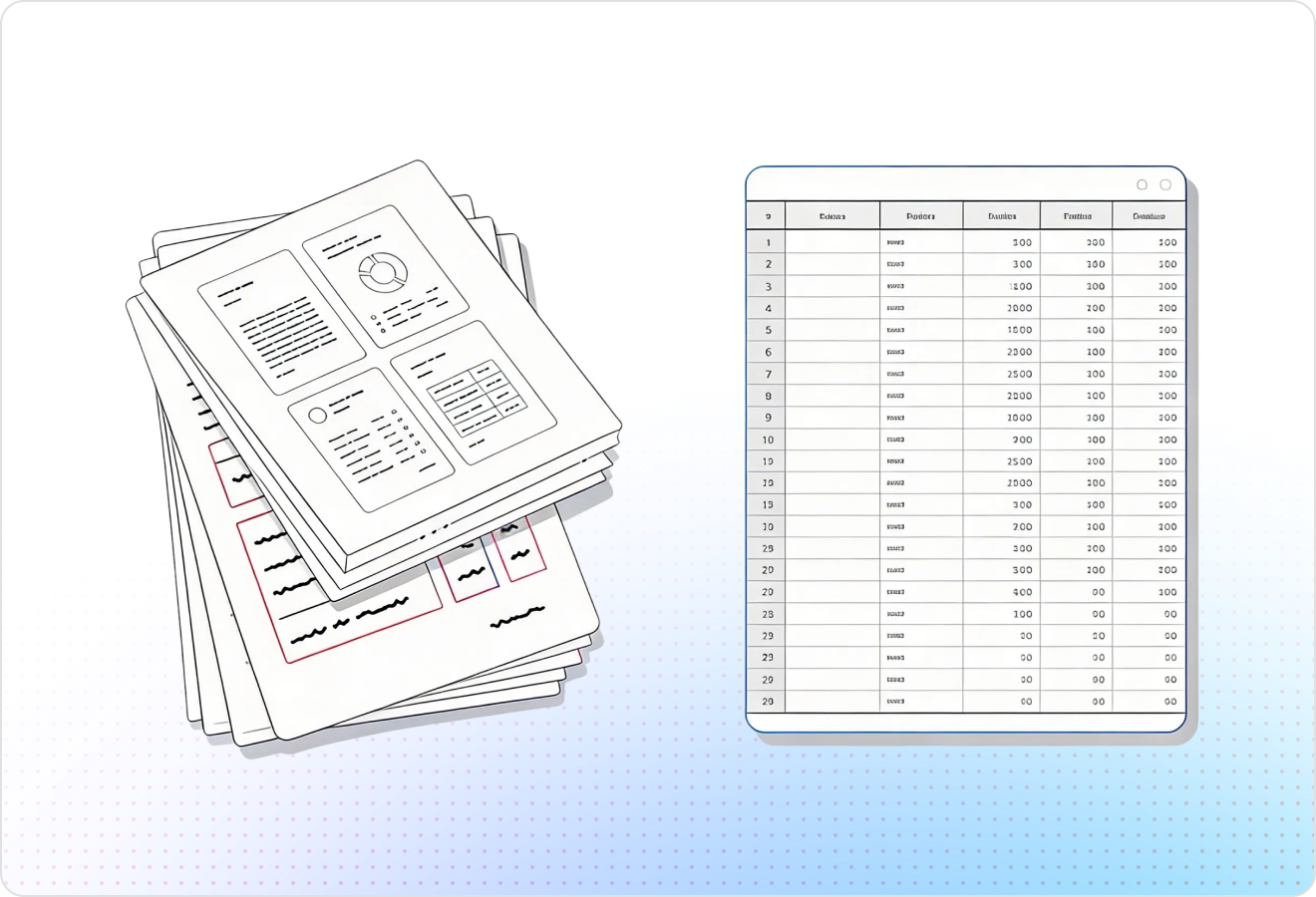
LlamaParse returns structured outputs with page-level citations, coordinates, and rich element metadata so every extracted field is traceable back to the source. That auditability supports HIPAA and SOC 2 evidence collection by making it easy to prove what was captured, where it came from, and what changed during processing.
02
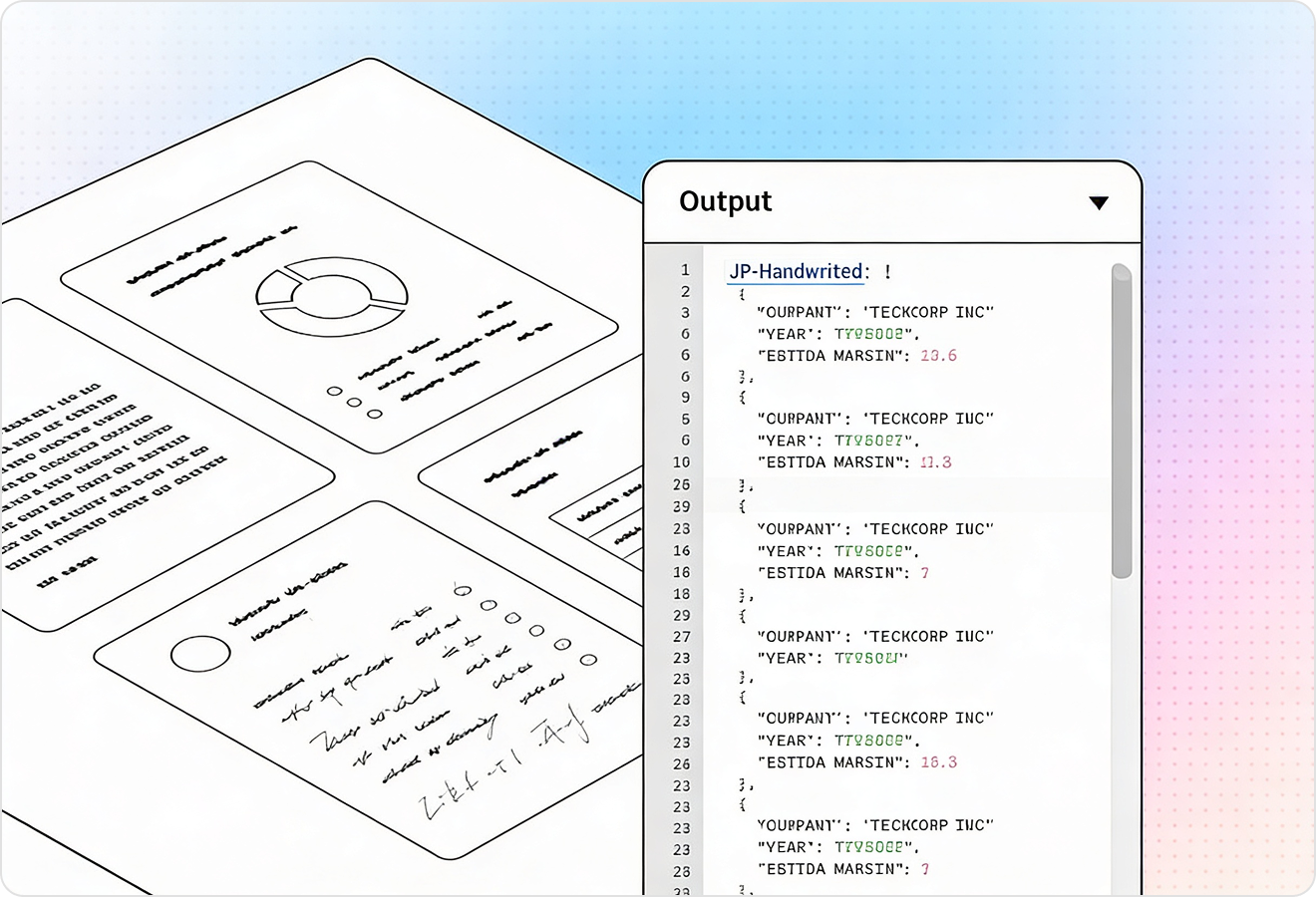
Agentic validation loops automatically detect common extraction errors and re-check uncertain regions to reduce silent failures on real-world scans. For compliance workflows, this raises straight-through processing while lowering the risk of incorrect PHI handling or inaccurate controls documentation making it downstream.
03
Layout-aware parsing preserves reading order and reliably reconstructs multi-column text, headers/footers, and complex tables into clean Markdown or structured data. That matters for HIPAA and SOC 2 docs where controls matrices, access logs, and policy tables must remain intact for review and audit sign-off.
04
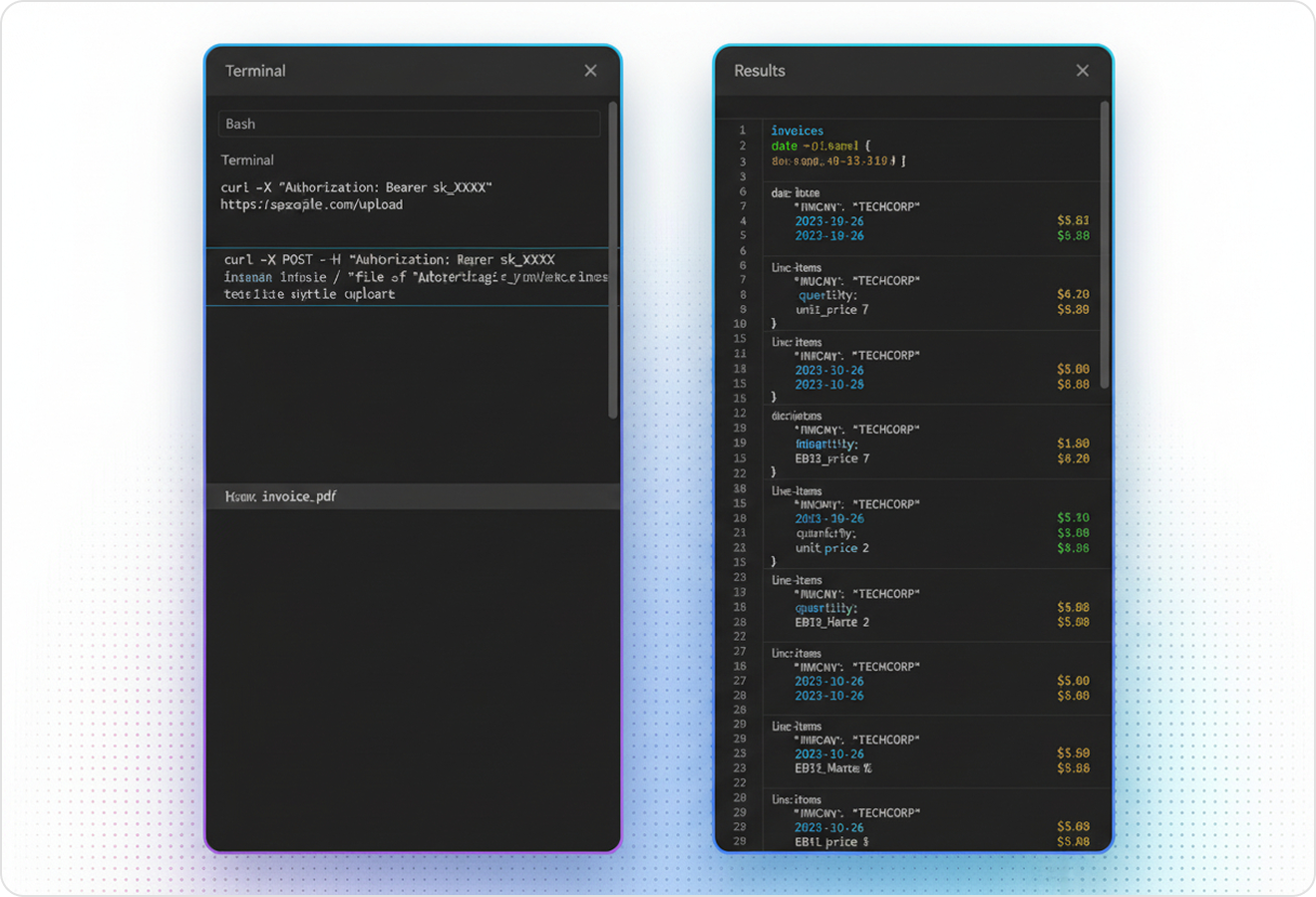
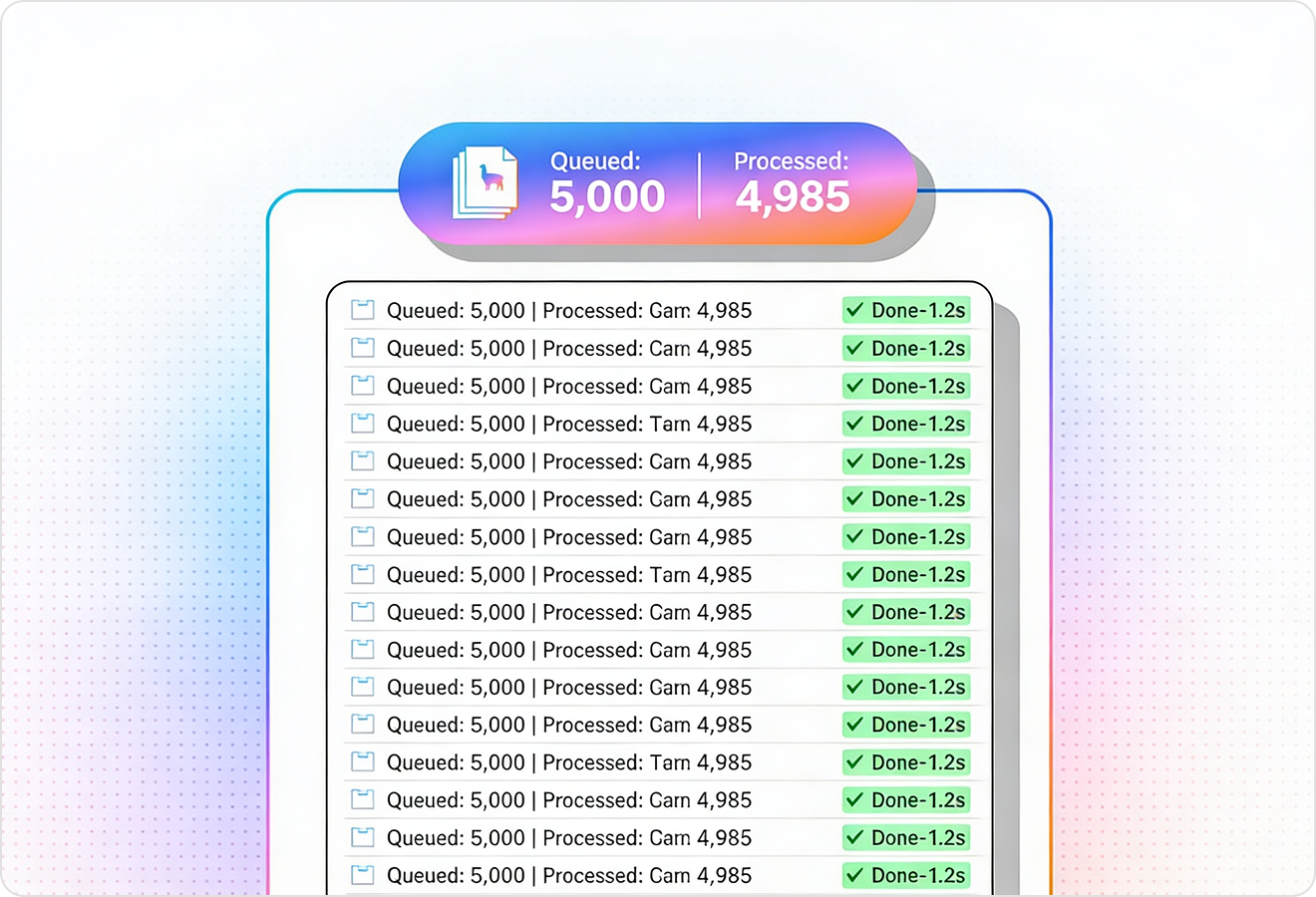
JSON Mode and natural-language parsing instructions let you shape extraction into consistent, validated fields (e.g., control IDs, owner, evidence date, system scope) instead of brittle post-processing. This standardization speeds up SOC 2 report ingestion and makes HIPAA documentation easier to classify, route, and retain with fewer manual touchpoints.
Technical OCR documentation
Explore our developer guides to easily connect your document pipelines to LlamaParse.
Explore the documentation
Our AI catches the typos that tired eyes miss.

Export to Excel, JSON, XML, or directly via API.

SOC2 Type II compliant with end-to-end encryption.

Train the tool on your specific forms in minutes, not days.

Average processing time of <3 seconds per page.
LlamaParse’s support of a wide variety of filetypes and its accuracy of parsing made it the best tool we tested in our evaluations. The LlamaIndex team was very responsive and we were off to the races within a day.
Common FAQs
01
Every extracted field includes verifiable metadata like page-level citations and coordinates, so you can trace it back to the exact location in the source document. This creates an auditable trail that makes it easier to support SOC 2 evidence requests and demonstrate reliable handling of regulated content.
02
Auto-correction validation loops detect common extraction issues and automatically re-check uncertain regions to reduce silent failures. That means fewer incorrect values flowing into downstream workflows and less risk of mishandling sensitive information due to bad extraction.
03
Yes—layout-aware table extraction preserves reading order and reconstructs multi-column layouts, headers/footers, and complex tables into clean structured data or Markdown. This helps auditors and reviewers see the same context and structure they’d expect in the original evidence.
04
How do we standardize extraction into the exact fields our compliance program needs?
Schema-guided JSON output lets you define consistent, validated fields like control ID, owner, evidence date, and system scope. You get predictable outputs without brittle post-processing, which speeds up SOC 2 report ingestion and HIPAA documentation classification.
05
Will this help reduce manual effort without sacrificing audit readiness?
The combination of traceable citations, validation loops, and schema-driven outputs increases straight-through processing while keeping results reviewable. You spend less time fixing formatting and chasing source references, and more time on approvals and audit sign-off.
06
How does this make audits and internal reviews faster for our security and compliance teams?
Because every data point is traceable to the source and extracted in a consistent structure, reviewers can quickly verify evidence without re-reading entire documents. That shortens back-and-forth during SOC 2 audits and streamlines HIPAA documentation workflows with fewer manual touchpoints.