Nov 14, 2025
Document AI: The Next Evolution of Intelligent Document ProcessingPersona
Industry
Use cases
Offering Memorandum OCR
[ Offering Memorandum OCR ]

Use LlamaParse to extract tables, terms, and metrics into clean JSON with citations.
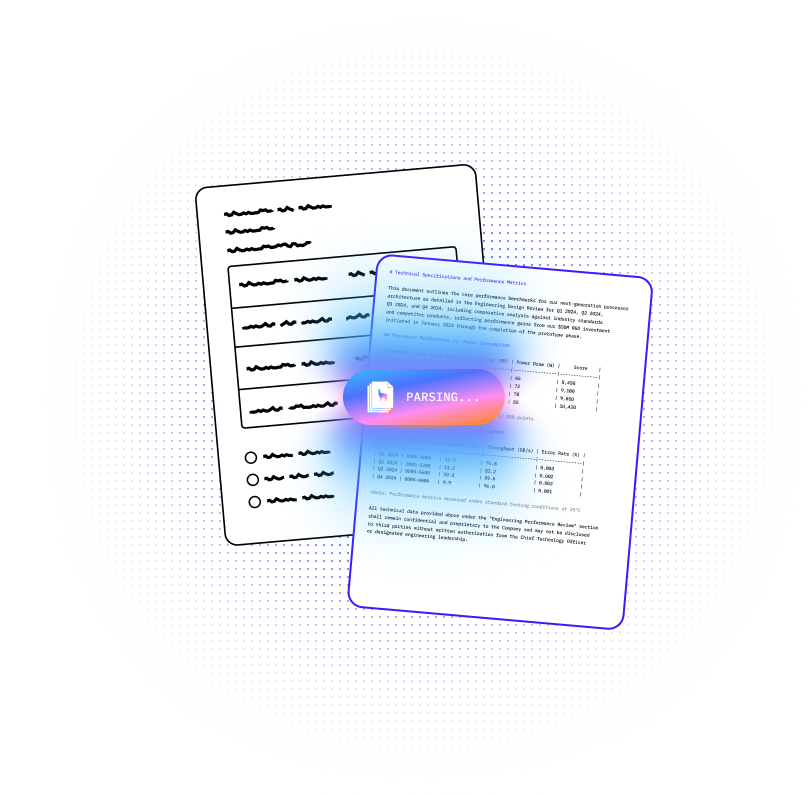
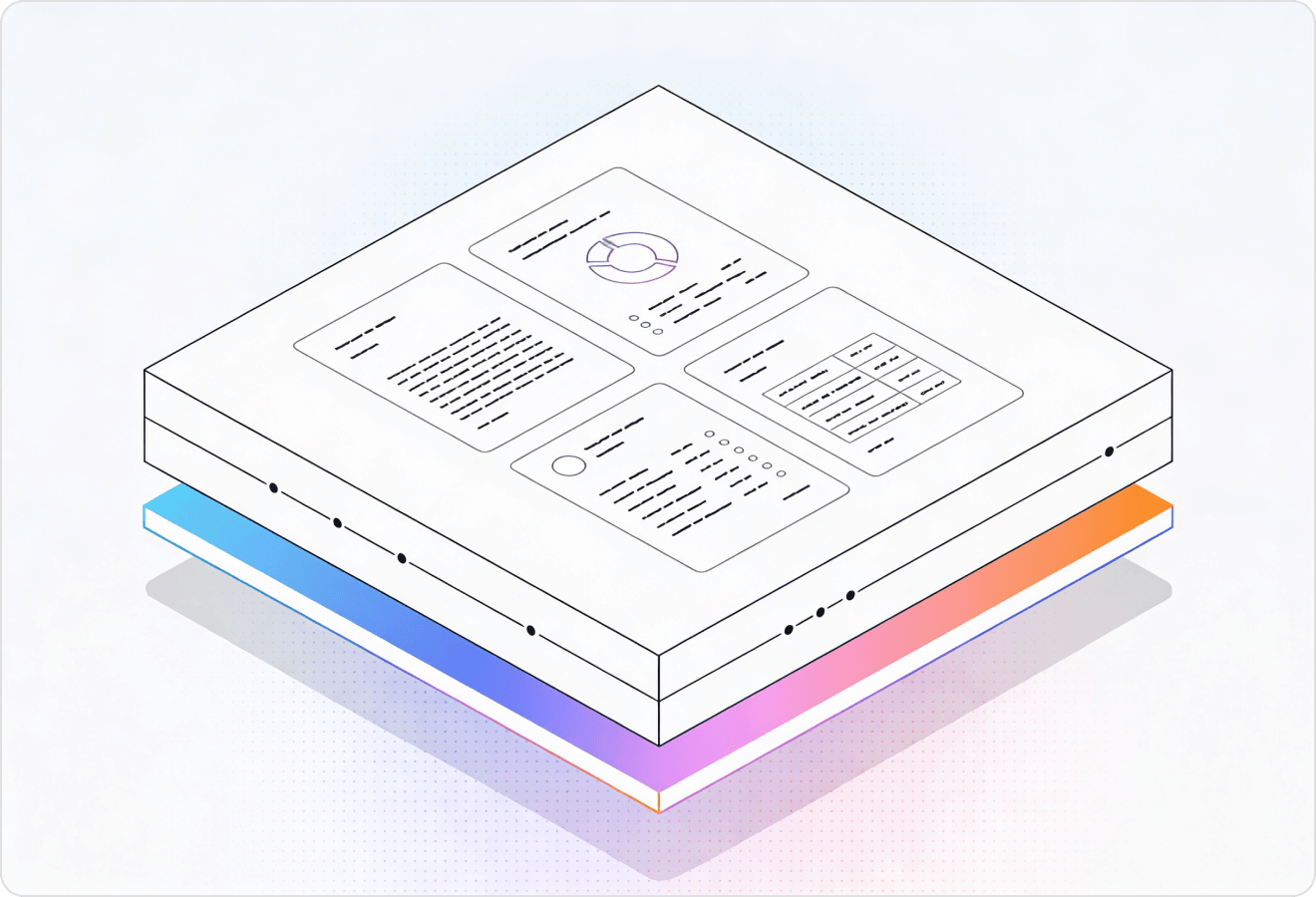
LlamaParse turns messy offering memorandums into clean, structured outputs you can actually use in models, pipelines, and downstream analysis. It understands layouts, tables, and embedded charts, then validates extractions with confidence signals so your team spends less time fixing edge cases.
Best-in-Class Accuracy

Parse offering memoranda into clean Markdown/JSON while preserving multi-column layouts, cap tables, and fee waterfalls so deal teams can search, compare, and diligence faster. LlamaParse attaches page-level citations and confidence scores for verifiable extraction, reducing rework and review cycles when numbers must tie out.

Turn OM PDFs into structured datasets by accurately extracting rent rolls, tenant summaries, pro formas, and table-heavy assumptions without scrambled reading order. Use natural-language parsing instructions to standardize outputs across brokers and markets, enabling faster underwriting and cleaner pipeline reporting.

Ingest offering memoranda and placement docs with multimodal parsing that captures embedded charts, loss triangles, and scanned exhibits into machine-readable tables. Auto-correction loops help catch common extraction errors before they hit pricing models, improving straight-through processing for submissions.

Automatically extract key terms from private placement memos and investor decks—use of proceeds, risk factors, financial highlights, and governance—into a consistent schema for quick screening. Tier-based agentic processing keeps costs predictable by applying heavier vision reasoning only to the messy pages with tables and footnotes.
The Solution
01
LlamaParse understands multi-column text, headings, footers, and page breaks so an offering memorandum reads in the right order end-to-end. That means your deal narrative, risk factors, and terms don’t get scrambled when you convert a PDF scan into AI-ready text.
02
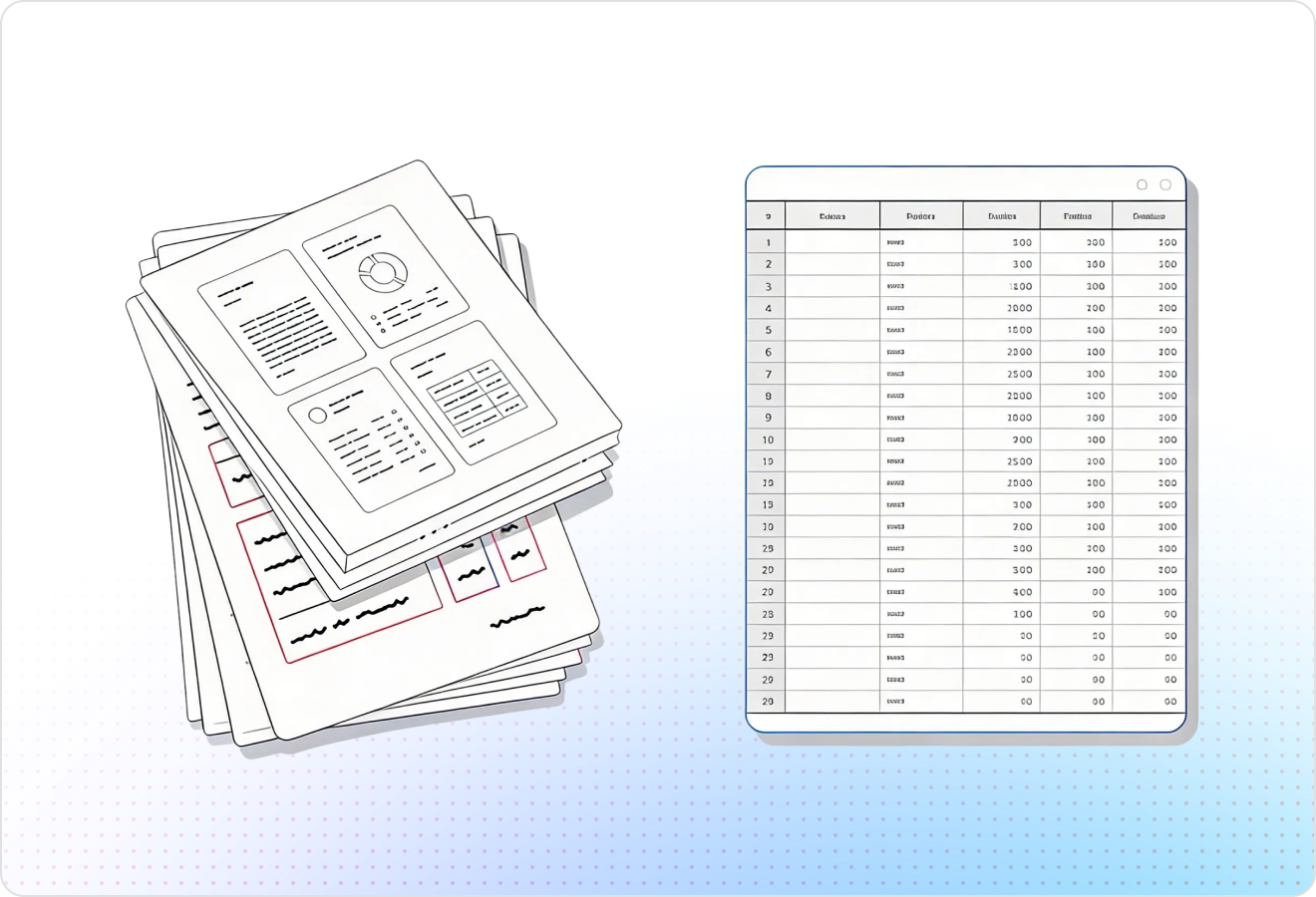
LlamaParse extracts complex financial tables and cap tables without breaking rows, columns, or totals. This makes it practical to pull key metrics (NOI, leverage, fees, waterfalls) into downstream models and spreadsheets with far less cleanup.
03
LlamaParse can interpret embedded charts, images, and figures and convert them into structured representations instead of dropping them as “unreadable.” For offering memoranda, that preserves the context behind underwriting visuals like rent comps, occupancy trends, and market graphs.
04
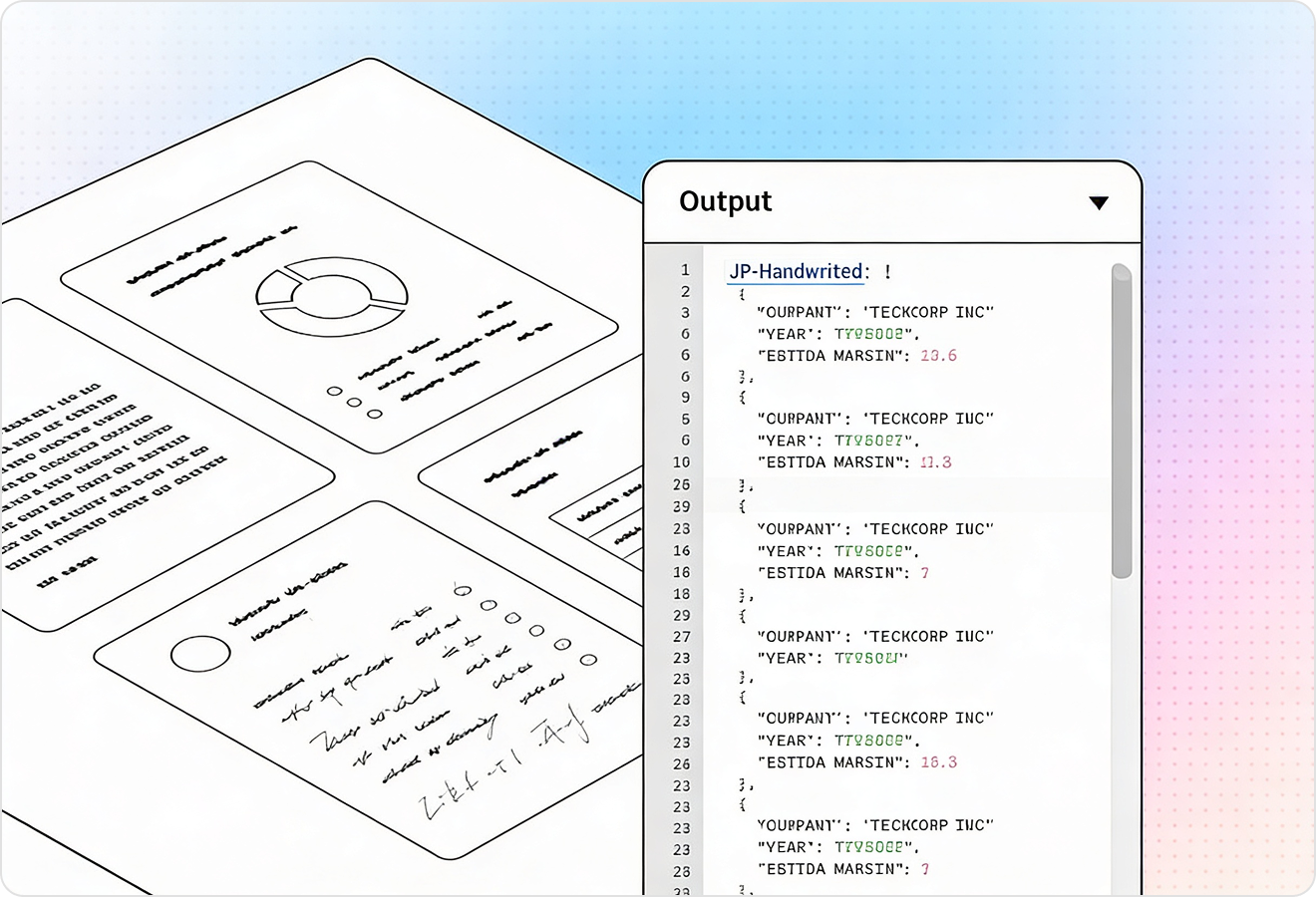
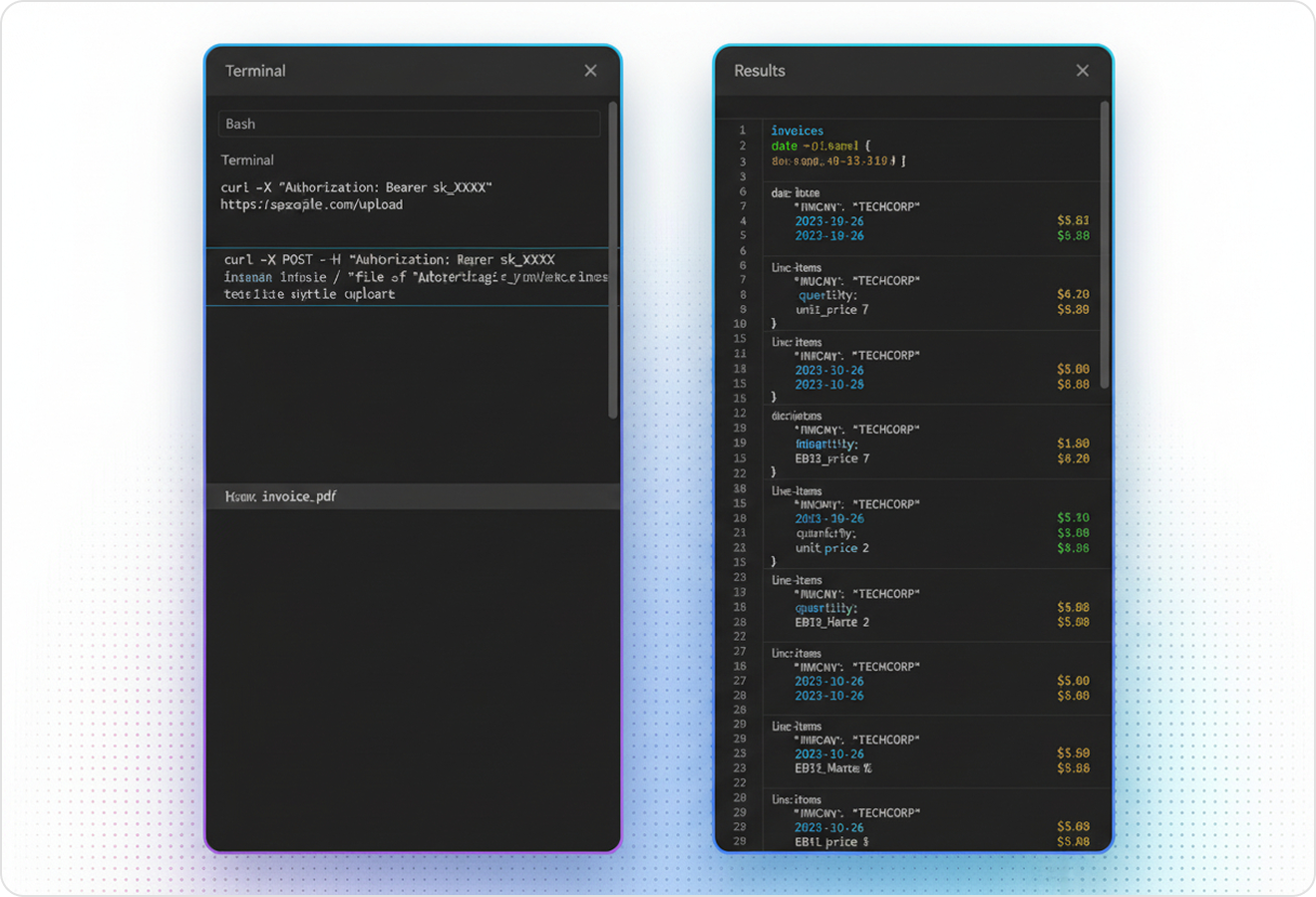
LlamaParse outputs structured JSON and attaches granular metadata like page numbers and coordinates to extracted fields. This gives you traceability for compliance review—so analysts can quickly cite exactly where a number or clause came from in the memorandum.
Technical OCR documentation
Explore our developer guides to easily connect your document pipelines to LlamaParse.
Explore the documentation
Our AI catches the typos that tired eyes miss.

Export to Excel, JSON, XML, or directly via API.

SOC2 Type II compliant with end-to-end encryption.

Train the tool on your specific forms in minutes, not days.

Average processing time of <3 seconds per page.
LlamaParse’s support of a wide variety of filetypes and its accuracy of parsing made it the best tool we tested in our evaluations. The LlamaIndex team was very responsive and we were off to the races within a day.
Common FAQs
01
Yes—layout-aware section parsing preserves multi-column flow, headings, footers, and page breaks so the memorandum reads end-to-end in the right order. This prevents narrative sections like deal overview, risk factors, and terms from getting scrambled when converting scanned PDFs into AI-ready text.
02
LlamaParse extracts complex tables while maintaining rows, columns, and totals, reducing the common “shifted cell” errors that break underwriting. You can reliably pull metrics like NOI, leverage, fees, and waterfall tiers into spreadsheets or models with far less manual cleanup.
03
Instead of dropping them as “unreadable,” LlamaParse interprets charts and figures and converts them into structured representations. That helps you preserve context behind underwriting visuals like rent comps, occupancy trends, and market graphs.
04
Can I trace every extracted number or clause back to the exact spot in the PDF for compliance and review?
Yes—output includes verifiable JSON with metadata such as page numbers and coordinates for extracted fields. This makes it easy for analysts and reviewers to cite the source location and quickly validate key values and statements.
05
How do you handle messy scans—skewed pages, faint text, stamps, or repeated headers and footers?
The parser is built for real-world documents and is designed to separate true content from layout noise like repeated headers/footers. By understanding page structure, it reduces common scan artifacts that can disrupt extraction and helps you get cleaner text with fewer post-processing steps.
06
What do I get out of the system, and how quickly can I use it in my underwriting or data pipeline?
You receive structured JSON that’s easy to feed into downstream tools—LLMs, spreadsheets, databases, or internal underwriting workflows. Because tables, sections, and references are preserved with metadata, teams can move from PDF to usable data faster and with more confidence.