Nov 14, 2025
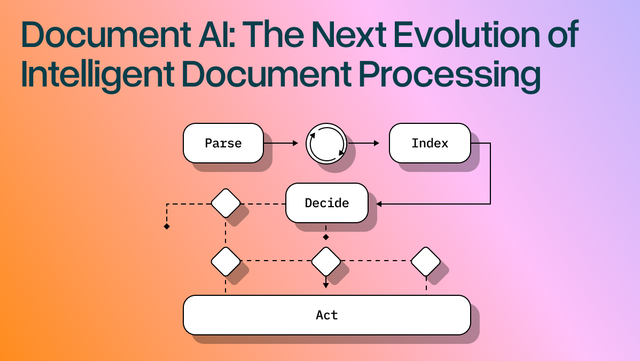
Document AI: The Next Evolution of Intelligent Document ProcessingPersona
Industry
Use cases
ATA Carnet OCR
[ ATA Carnet OCR ]

Use LlamaParse to turn ATA carnets into verified JSON with citations and confidence scores.
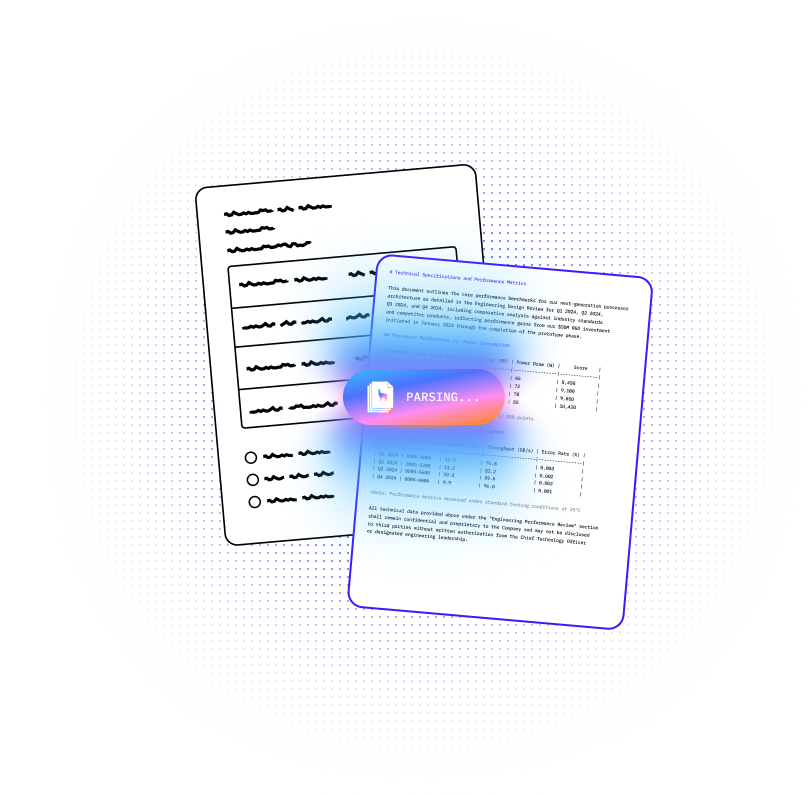


LlamaParse turns messy ATA carnets into clean, structured outputs you can trust, capturing line items, stamps, and tables with layout-aware understanding. It runs validation loops and returns JSON, Markdown, or HTML with citations and confidence scores, so your team automates customs workflows faster.
Best-in-Class Accuracy

Parse ATA carnets into structured JSON so brokers can auto-populate line items, HS codes, countries of origin, and re-export dates without rekeying multi-page tables. Layout-aware extraction preserves item numbering and endorsements across counterfoils, reducing clearance delays and costly filing errors.

Turn carnet packs for touring gear into clean, auditable manifests by extracting per-case serial numbers, quantities, and temporary import requirements from scanned PDFs and photos. Multimodal parsing captures stamped annotations and irregular layouts, helping production teams prevent border holds and avoid last-minute equipment substitutions.

Automatically reconcile outbound and inbound carnet inventories by extracting equipment lists and values into your rental ERP, even when customers submit mixed-quality scans. Granular metadata (page citations and coordinates) enables fast spot-checks during disputes, minimizing lost-gear claims and invoice write-offs.

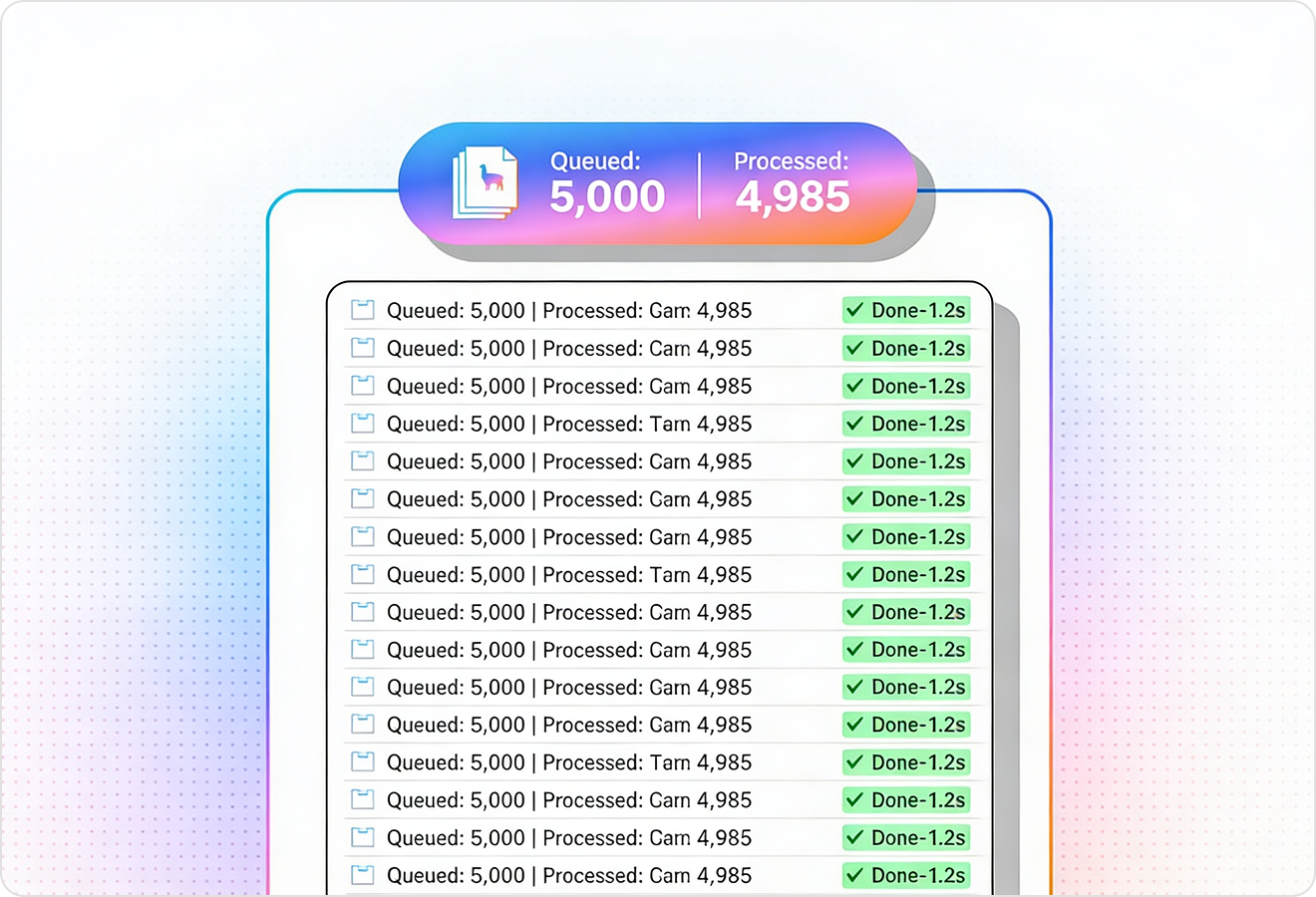
Ship an ATA carnet ingestion workflow in days by using LlamaParse with natural-language parsing instructions to output the exact schema your app needs for compliance and logistics automation. Tier-based processing routes simple pages cheaply while upgrading only complex stamp-heavy pages, keeping unit economics predictable as volume scales.
The Solution
01
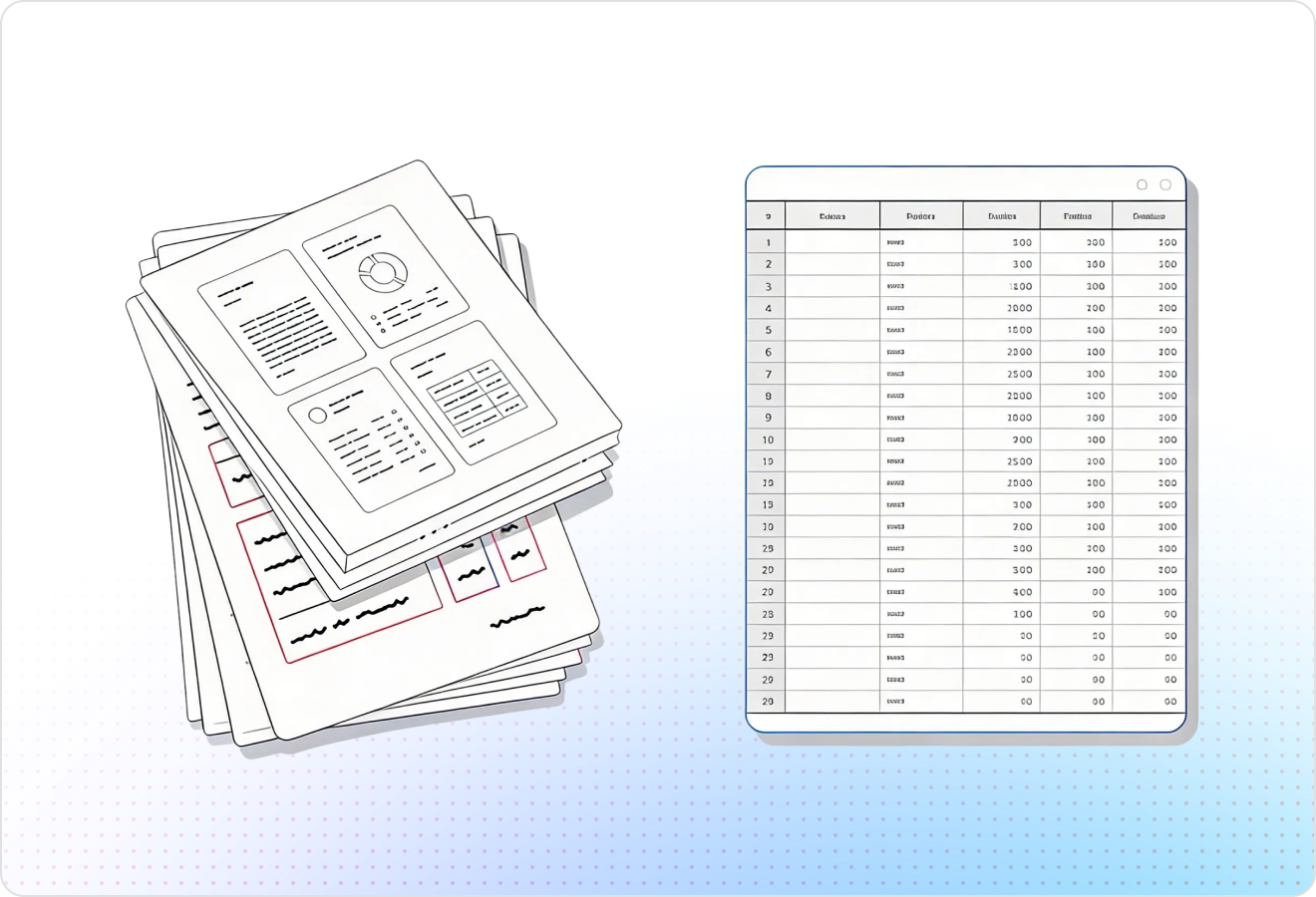
LlamaParse reads ATA carnets as structured documents, preserving reading order across stamps, headers, footers, and multi-section pages. This prevents scrambled fields during ingestion and makes it reliable to extract shipment, holder, and customs details from real-world scans.
02
LlamaParse accurately reconstructs carnet goods lists and voucher tables into clean, machine-usable structure instead of lossy text blobs. That means you can capture item descriptions, quantities, weights, and values without hand-built table heuristics.
03
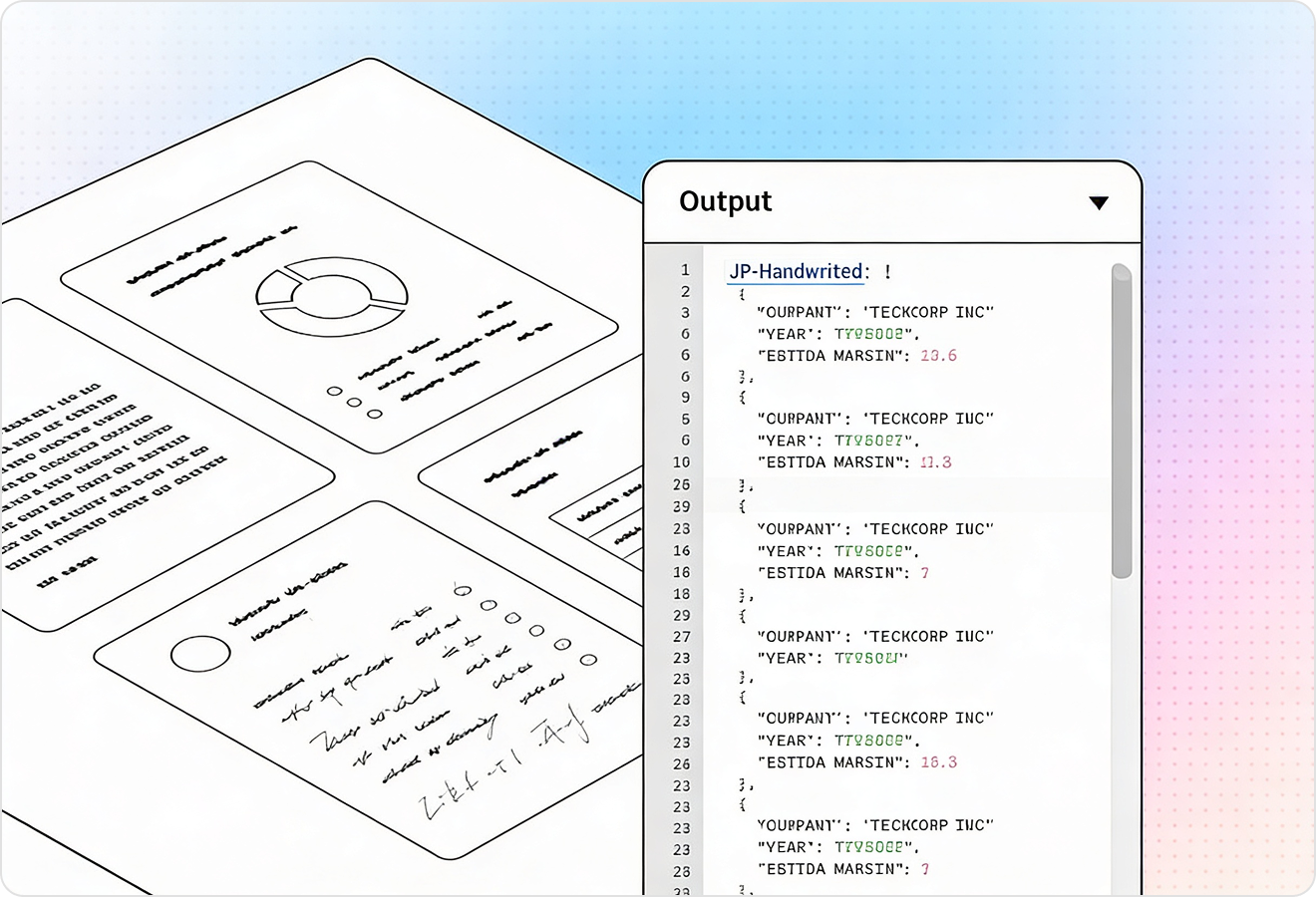
You can give LlamaParse natural-language parsing instructions to return the exact fields you care about (e.g., carnet number, issuing country, valid-from/to, port of entry, voucher IDs). This reduces downstream cleanup and makes it straightforward to map carnet data into your compliance or logistics systems.
04
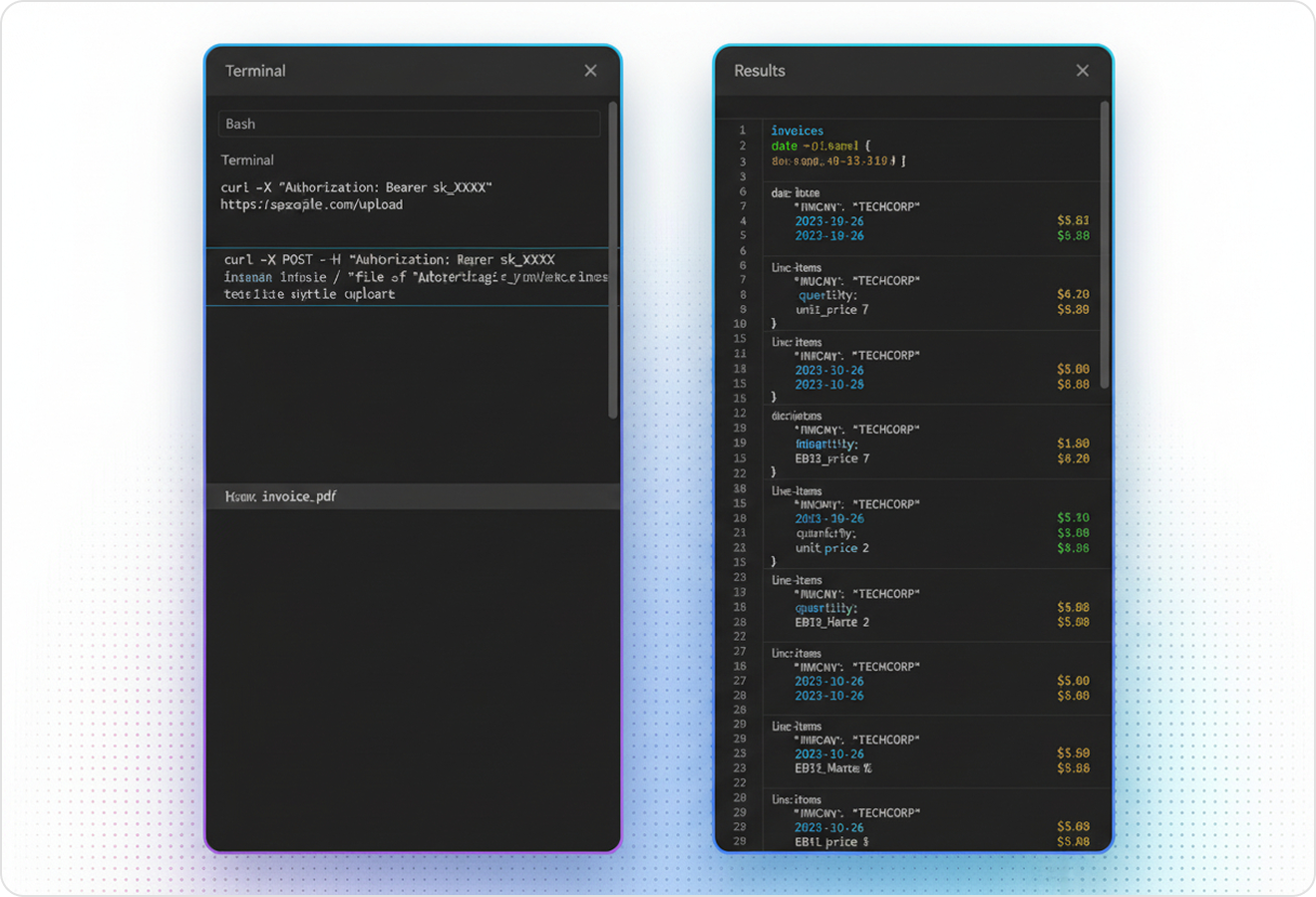
LlamaParse can output structured JSON with granular metadata like page references and element coordinates for each extracted field. For ATA carnet processing, this gives you traceability for audits and an easy path to human review when confidence is low or a stamp is hard to read.
Technical OCR documentation
Explore our developer guides to easily connect your document pipelines to LlamaParse.
Explore the documentation
Our AI catches the typos that tired eyes miss.

Export to Excel, JSON, XML, or directly via API.

SOC2 Type II compliant with end-to-end encryption.

Train the tool on your specific forms in minutes, not days.

Average processing time of <3 seconds per page.
LlamaParse’s support of a wide variety of filetypes and its accuracy of parsing made it the best tool we tested in our evaluations. The LlamaIndex team was very responsive and we were off to the races within a day.
Common FAQs
01
Yes—layout-aware parsing preserves the reading order across headers, footers, stamps, and multi-part sections so fields don’t get scrambled. This makes extraction reliable even when the carnet is cluttered or unevenly scanned.
02
LlamaParse reconstructs line-item tables into clean, structured data rather than dumping them as text. You can capture descriptions, quantities, weights, and values consistently—without maintaining brittle, document-specific heuristics.
03
Yes—use schema-guided instructions to pull exactly the fields you need, such as carnet number, issuing country, validity dates, ports, and voucher IDs. That reduces downstream cleanup and makes mapping into your systems straightforward.
04
Do you provide auditability—can we trace each extracted value back to the original page?
You get verifiable JSON with metadata like page references and element coordinates for each field. This creates a clear audit trail and supports fast human review when a stamp is faint or confidence is low.
05
What happens when the OCR is uncertain or a stamp is hard to read?
The output includes metadata that lets you pinpoint exactly where a value came from, making exceptions easy to review and correct. Instead of reprocessing entire documents, your team can validate only the flagged fields and move on.
06
How quickly can we integrate ATA carnet OCR into our existing pipeline?
Because results are delivered as structured JSON aligned to your chosen schema, integration is typically a matter of mapping fields into your compliance, customs, or logistics tools. You can start with a small set of key fields and expand coverage as your workflow matures.