Nov 14, 2025
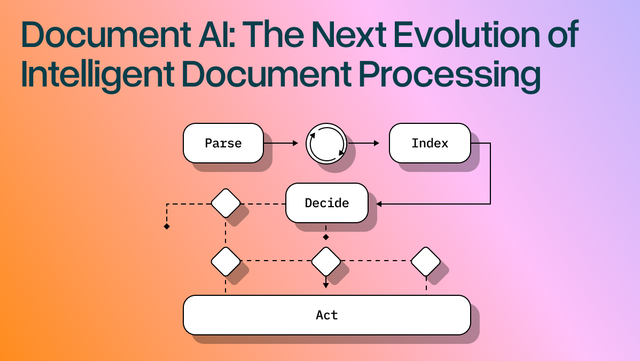
Document AI: The Next Evolution of Intelligent Document ProcessingPersona
Industry
Use cases
Judgment OCR
[ Judgment OCR ]

Use LlamaParse to turn messy judgment PDFs into structured, citation-backed data your workflows can trust.
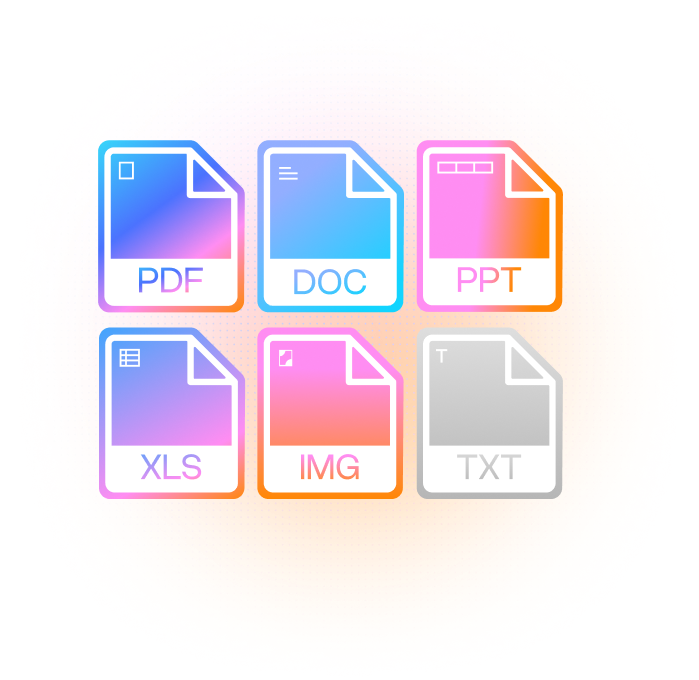
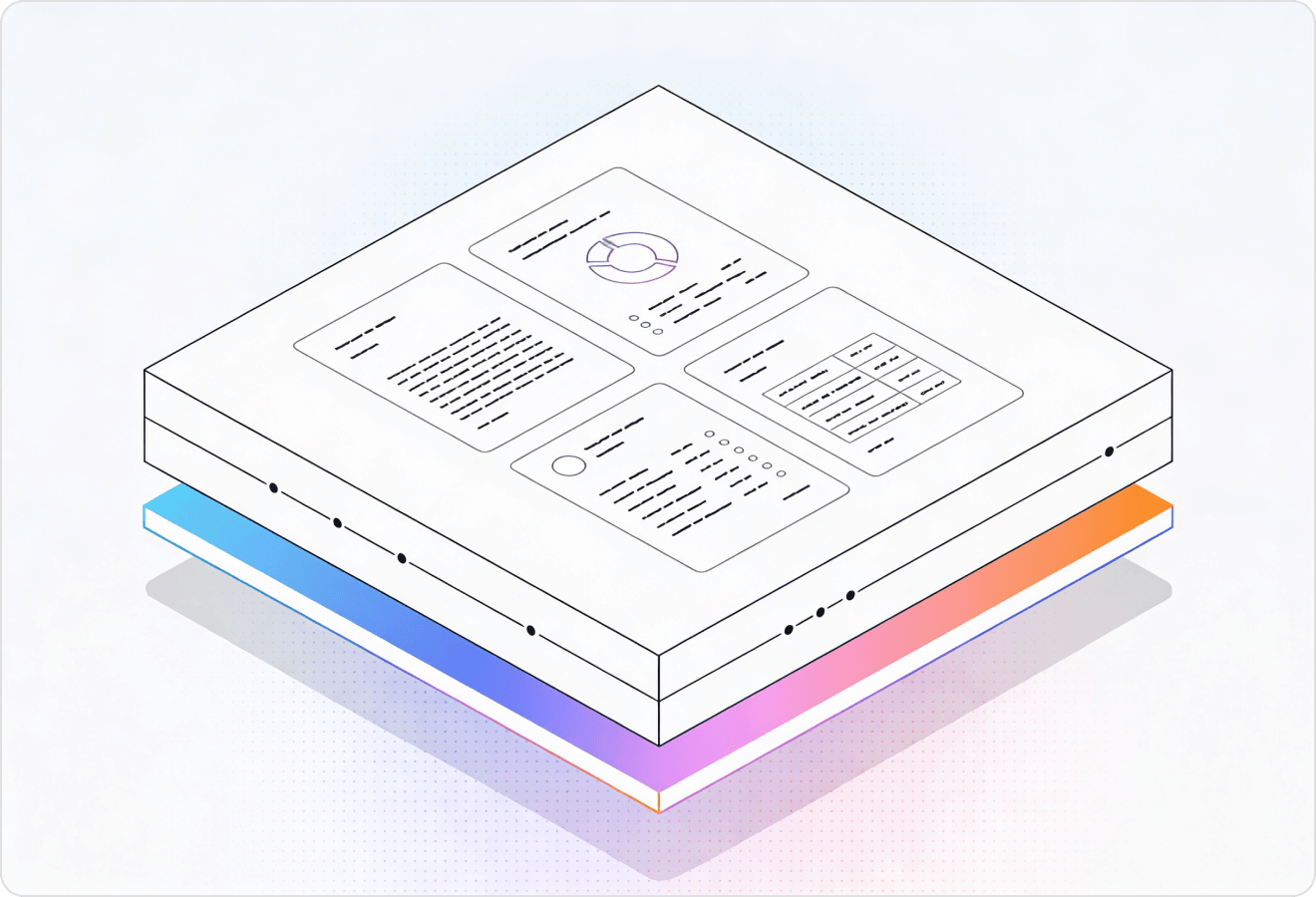
LlamaParse turns messy court judgments into clean, structured outputs you can trust, capturing sections, citations, tables, and footnotes without breaking. Its agentic document parsing understands layout and validates extractions with confidence metadata, so you ship reliable downstream analytics and review faster.
Best-in-Class Accuracy

Parse court judgments into citation-backed JSON—holding facts, issues, holdings, and orders in the correct reading order—so teams can search and compare outcomes across jurisdictions without manual cleanup. LlamaParse handles messy scans, multi-column layouts, and embedded tables, reducing review time and improving confidence with verifiable metadata for audit-ready workflows.

Automate judgment intake for KYC, collections, and credit decisioning by extracting parties, case status, amounts, and enforcement terms into structured records your systems can act on. With layout-aware table extraction and auto-correction loops, LlamaParse reduces downstream exceptions caused by scrambled dockets and inconsistent court templates.

Turn judgments into action-ready claim updates by pulling settlement amounts, liability allocations, deadlines, and court-ordered conditions—even when the document includes exhibits, charts, or stamped scans. This enables faster recoveries and fewer leakage errors by generating clean Markdown/JSON that maps directly into claim and subrogation workflows.

Ship judgment-based products faster by using LlamaParse as the ingestion layer that converts PDFs into schema-specific JSON for analytics, drafting, and outcome prediction features. Tier-based agentic processing keeps unit costs predictable while still handling the hard pages—tables, images, and inconsistent formatting—without brittle, custom parsing code.
The Solution
01
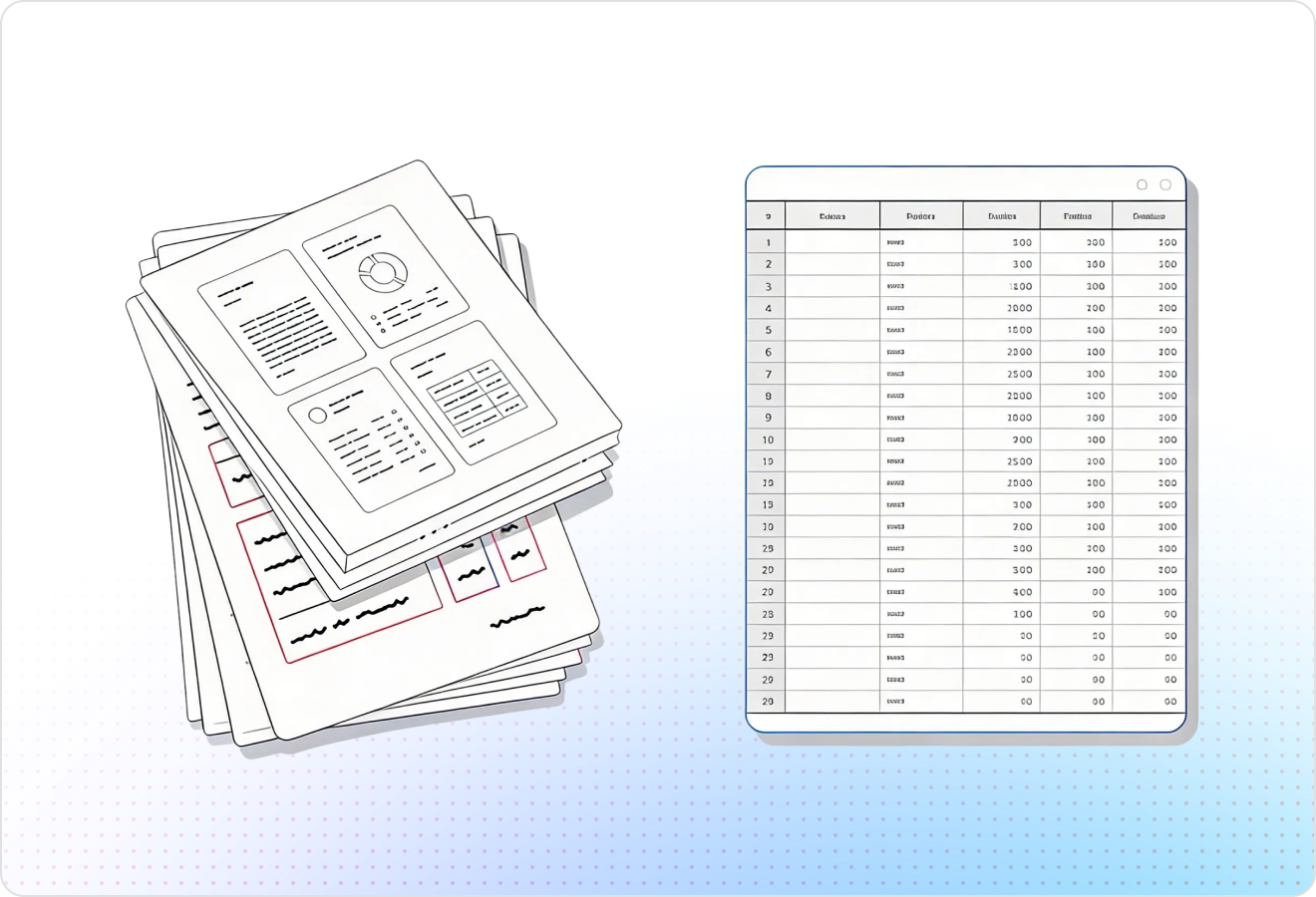
LlamaParse understands page layout to preserve reading order across multi-column opinions, captions, footnotes, and headers common in court judgments. That means you can reliably extract holdings, reasoning, and citations without the scrambled text flow you get from brittle, legacy approaches.
02
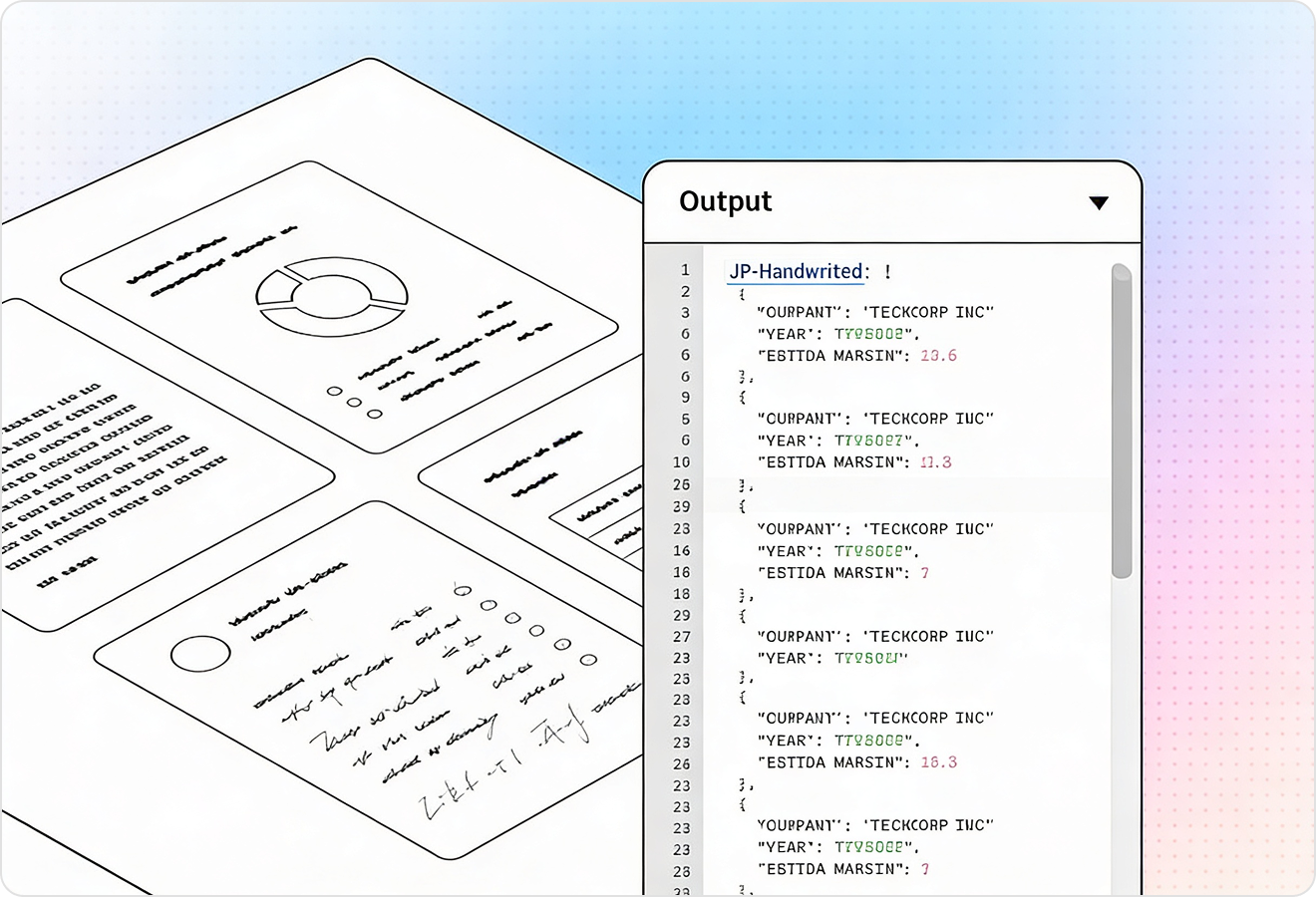
LlamaParse can return clean Markdown or structured JSON that keeps sections, paragraphs, and headings intact for downstream processing. For judgment OCR workflows, this makes it much easier to map content to fields like case number, parties, court, and disposition without building a custom formatter.
03
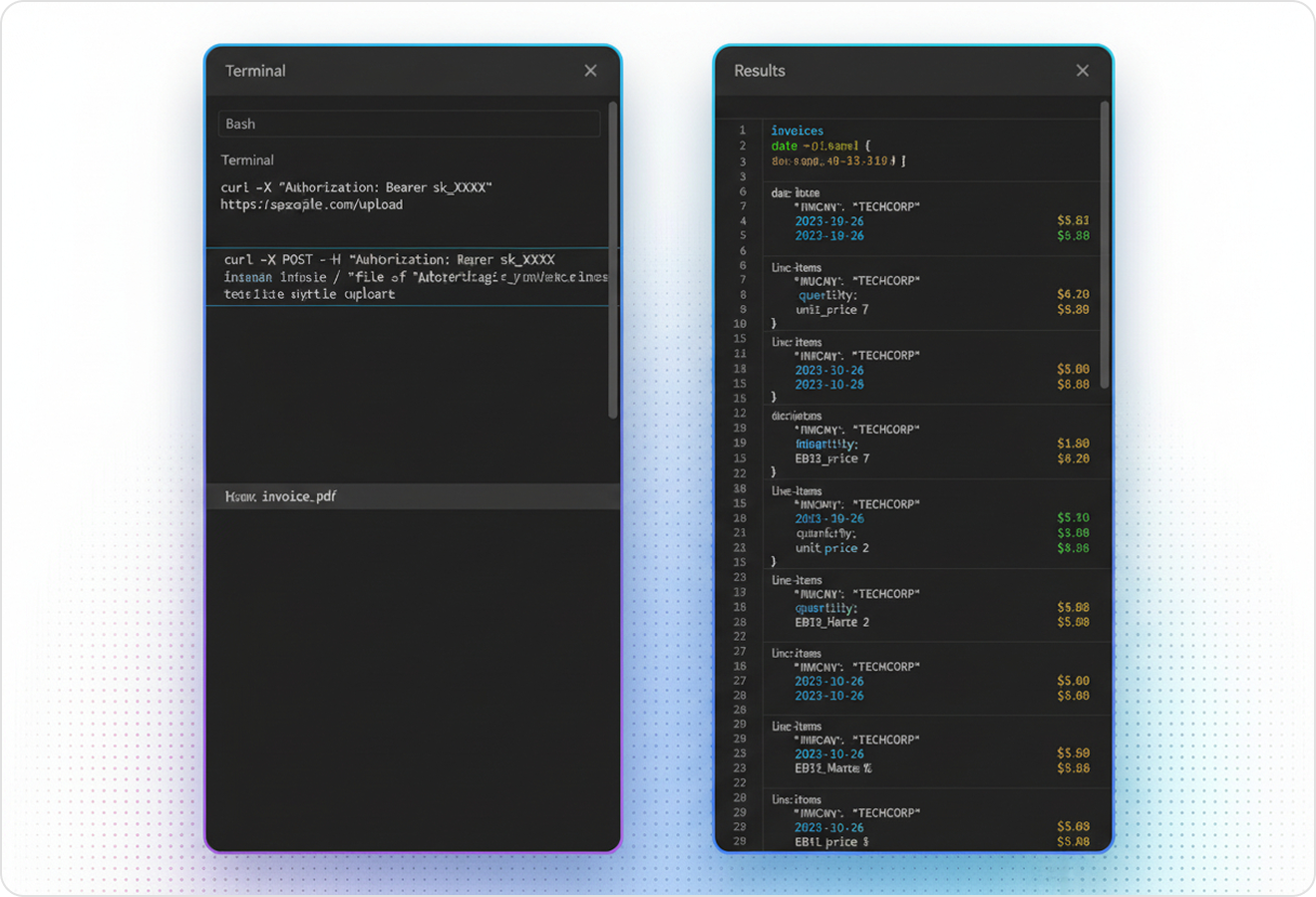
LlamaParse attaches granular metadata like page numbers, element types, and spatial coordinates to extracted content. In judgment OCR, this gives you traceability for review—so your app can show exactly where a quoted sentence or cited statute came from and route low-confidence regions for human checks.
04
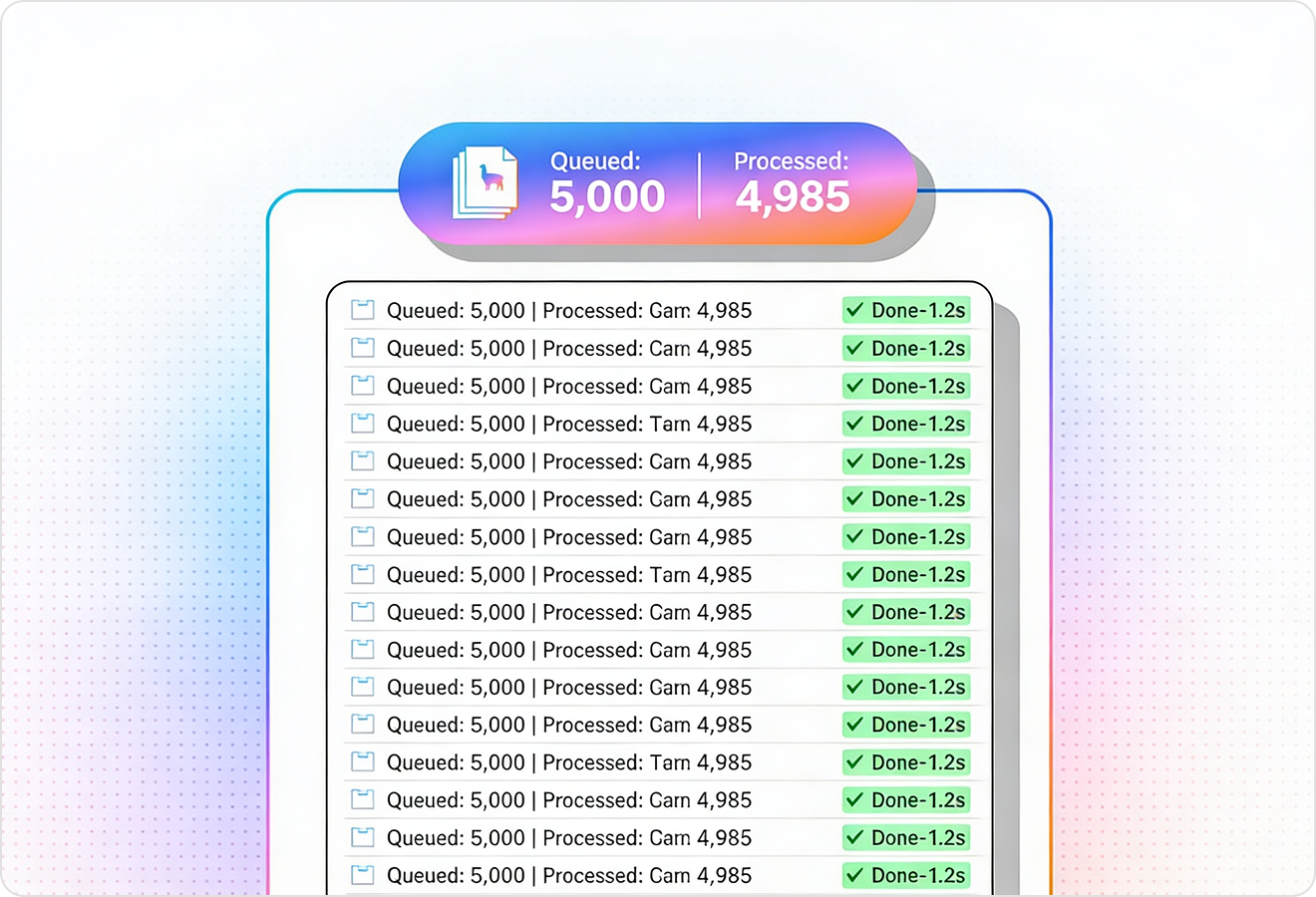
LlamaParse uses self-checking and validation loops to catch common extraction errors, including misread party names, broken line wraps, and malformed citations. This reduces manual QA on scanned judgments and improves straight-through processing when documents vary by jurisdiction, template, or scan quality.
Technical OCR documentation
Explore our developer guides to easily connect your document pipelines to LlamaParse.
Explore the documentation
Our AI catches the typos that tired eyes miss.

Export to Excel, JSON, XML, or directly via API.

SOC2 Type II compliant with end-to-end encryption.

Train the tool on your specific forms in minutes, not days.

Average processing time of <3 seconds per page.
LlamaParse’s support of a wide variety of filetypes and its accuracy of parsing made it the best tool we tested in our evaluations. The LlamaIndex team was very responsive and we were off to the races within a day.
The engine room
01
Yes—our layout-aware parsing is designed for court opinions, so it keeps reading order intact across columns, captions, footnotes, and headers. That means you can extract holdings, reasoning, and citations without the scrambled flow that breaks downstream analysis. It’s especially helpful when judgments vary widely by court template.
02
You can output clean Markdown or structured JSON that preserves headings, sections, and paragraphs. This makes it straightforward to map text into your case schema and keep the context needed for reliable field extraction. Most teams can reduce custom post-processing significantly.
03
Every extracted element can include page numbers, element types, and spatial coordinates for traceability. Your reviewers can click through to the exact location on the page, which supports audits, eDiscovery workflows, and defensible citations. You can also route specific regions for review when needed.
04
How does it handle OCR errors like misread party names, broken line wraps, or malformed citations?
Auto-correction and validation loops catch common extraction issues and normalize output before it hits your pipeline. This reduces manual QA on messy scans and helps maintain consistent results across jurisdictions and scan qualities. You’ll see fewer downstream exceptions and rework.
05
What happens when confidence is low—do we need to manually review everything?
You don’t have to review everything; you can target review where it matters by using metadata and coordinates to flag questionable regions. This enables “human-in-the-loop” checks on only the risky parts while letting high-confidence content flow straight through. It’s a practical balance between speed and accuracy.
06
Will the output be usable for citation workflows and downstream NLP (summaries, search, RAG)?
Yes—the structured Markdown/JSON preserves document hierarchy so citations, sections, and paragraphs remain stable for indexing and retrieval. This improves citation extraction, semantic search, and RAG pipelines because context isn’t lost to formatting noise. You get cleaner inputs without spending weeks cleaning legacy OCR text.
Explore Our Resources