Nov 14, 2025
Document AI: The Next Evolution of Intelligent Document ProcessingPersona
Industry
Use cases
Pro Forma Invoice OCR
[ Pro Forma Invoice OCR ]

Use LlamaParse to capture line items, totals, and terms from messy pro forma invoices reliably.
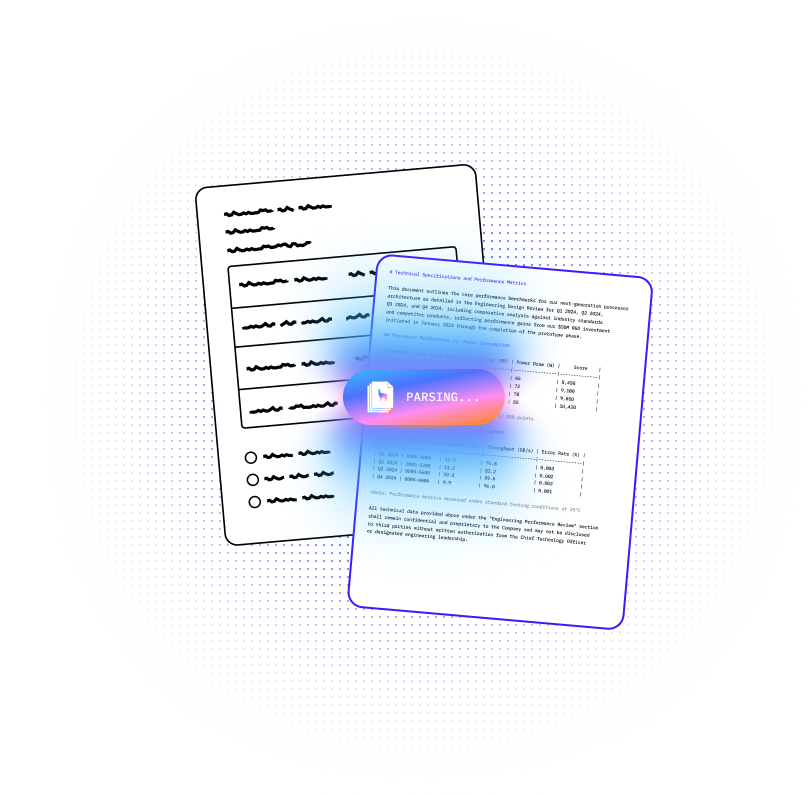


LlamaParse turns messy pro forma invoices into clean, structured JSON or Markdown you can push straight into billing, ERP, or compliance workflows. It uses agentic document parsing with layout-aware vision and validation loops, so line items, totals, and terms stay consistent across templates.
Best-in-Class Accuracy

Parse supplier pro forma invoices into clean line-item JSON so teams can reconcile SKU, quantity, unit price, Incoterms, and HS codes without spreadsheet cleanup. Layout-aware table extraction prevents scrambled multi-column totals and reduces costly purchase order mismatches and short-ship disputes.

Extract pro forma invoice data needed for customs pre-alerts—shipper/consignee, commodity descriptions, declared values, and package breakdowns—directly from messy PDFs and scans. Verifiable metadata with page-level citations makes exception handling faster when brokers need to trace values back to the source document.

Convert pro forma invoices from global vendors into structured records that match ERP item masters, helping procurement validate pricing, lead times, and payment terms before issuing POs. Auto correction loops catch inconsistent totals or missing fields early, reducing downstream rework in receiving and accounts payable.

Turn inbound pro forma invoices into a consistent schema using natural-language parsing instructions, so a lean team can launch automated approvals and payment readiness without building brittle regex pipelines. Tier-based processing keeps costs predictable by using heavier agentic parsing only on the few invoices with complex tables, stamps, or mixed formats.
The Solution
01
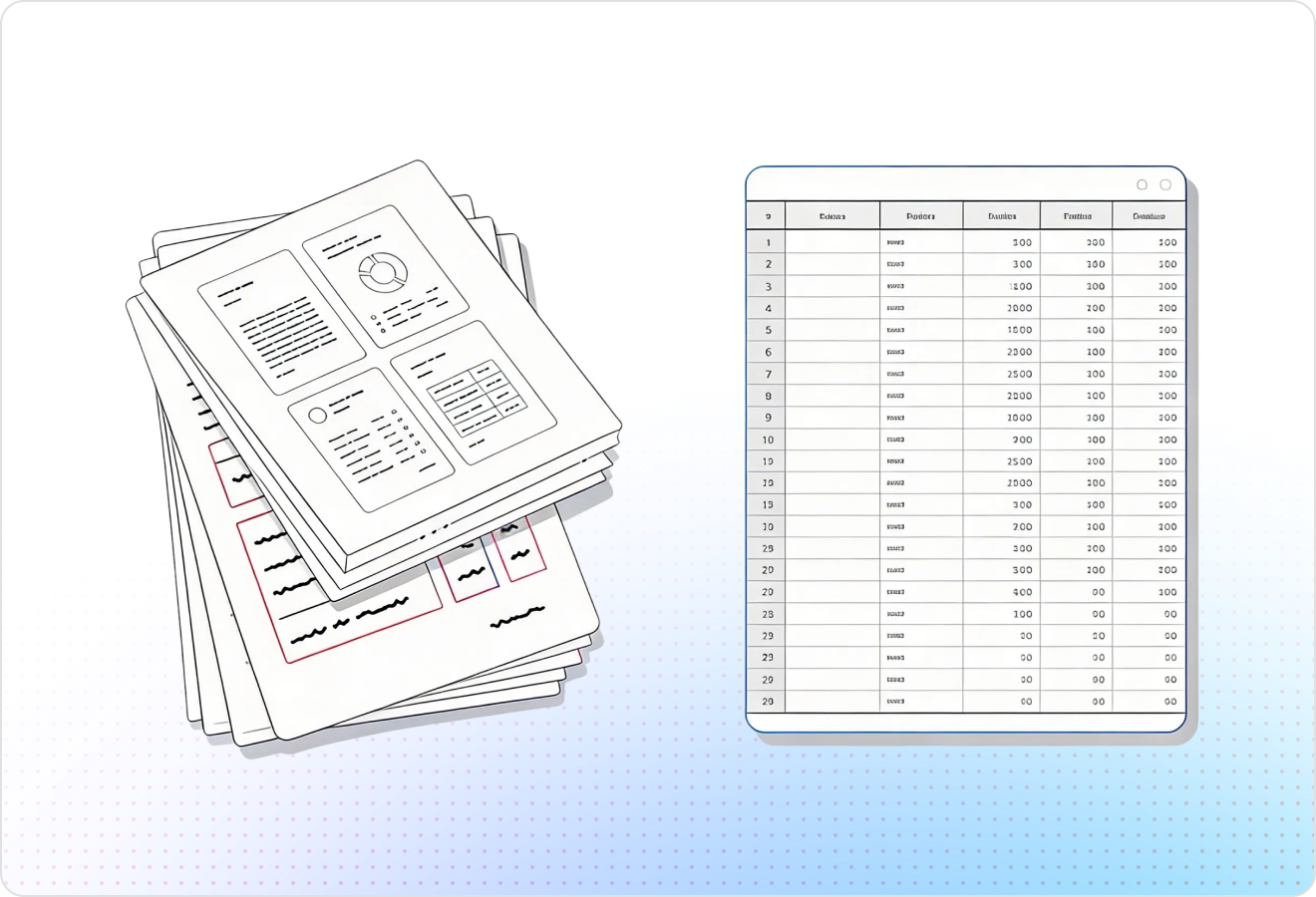
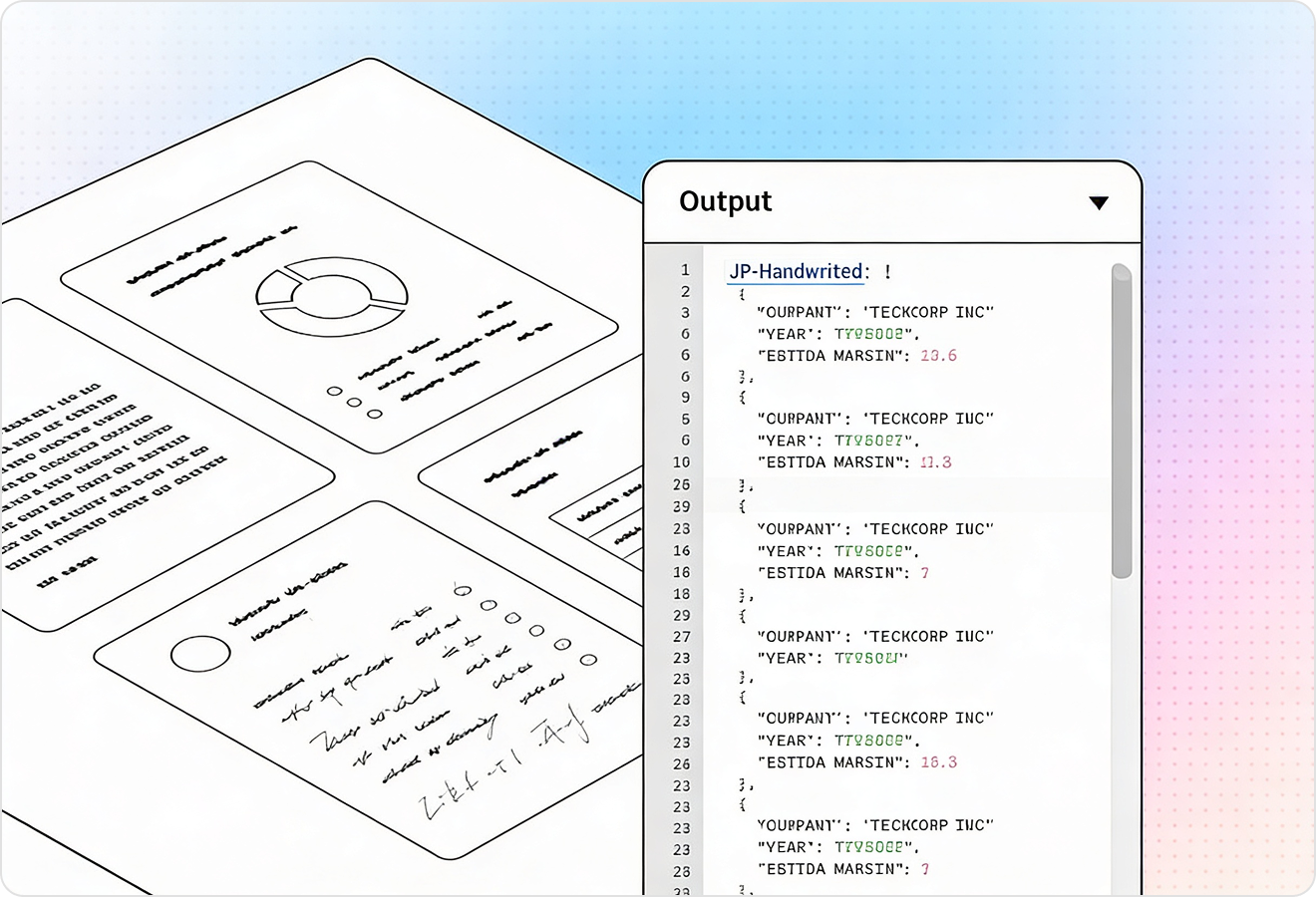
LlamaParse understands pro forma invoice structure—headers, ship-to/bill-to blocks, and totals—so text stays in the right reading order instead of getting scrambled. This makes it reliable to capture invoice number, dates, Incoterms, payment terms, and currency even when templates vary by supplier.
02
LlamaParse accurately extracts dense line-item tables with columns like SKU, HS code, description, quantity, unit price, and extended amount. You get clean outputs that match what finance and customs teams need, without writing brittle table-fixing code.
03
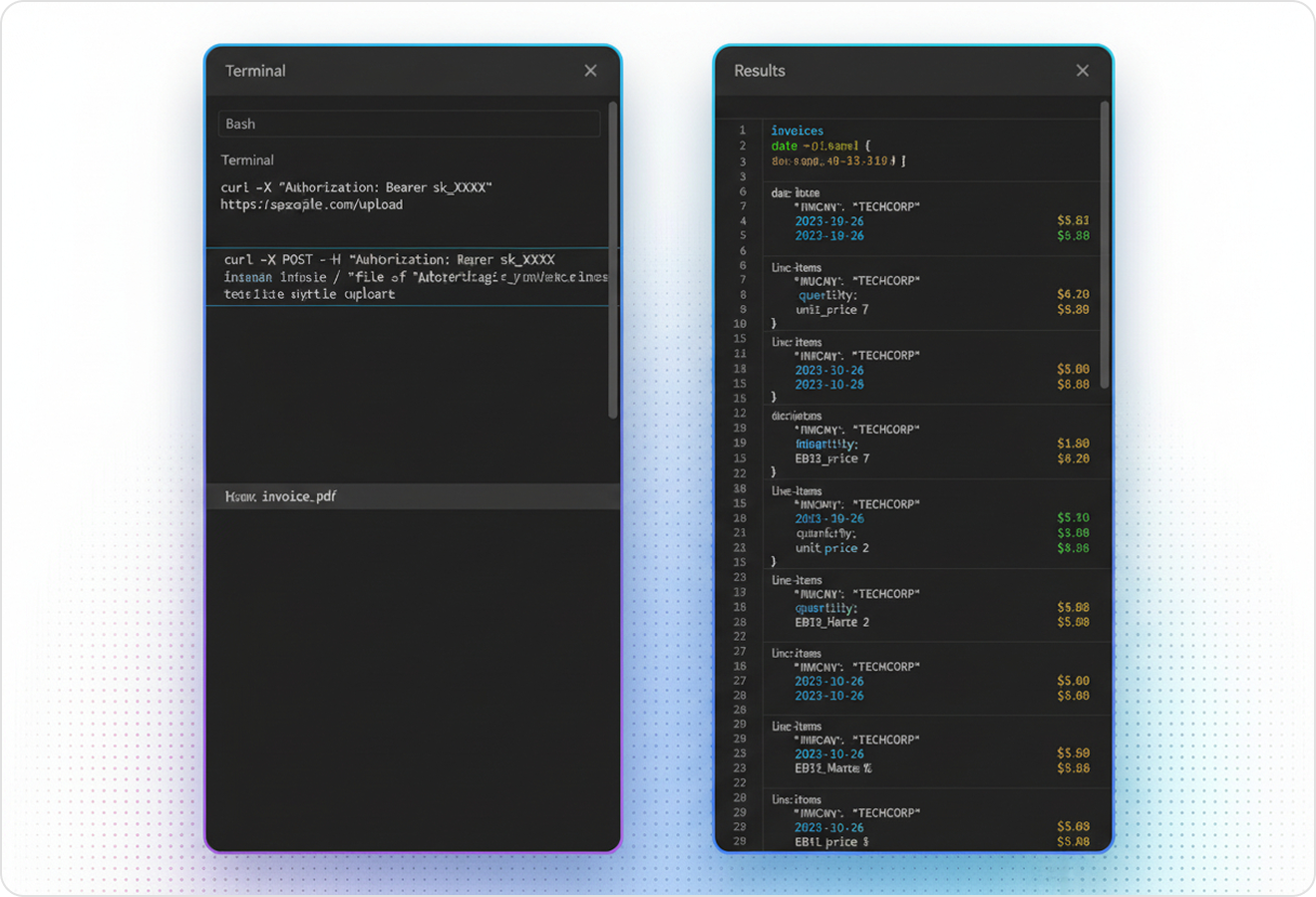
LlamaParse can return AI-ready JSON tailored to your invoice schema, so fields map directly into ERP/AP systems and downstream validations. This is ideal for pro forma invoices where you need consistent keys for totals, taxes, freight, and discounts across messy PDFs.
04
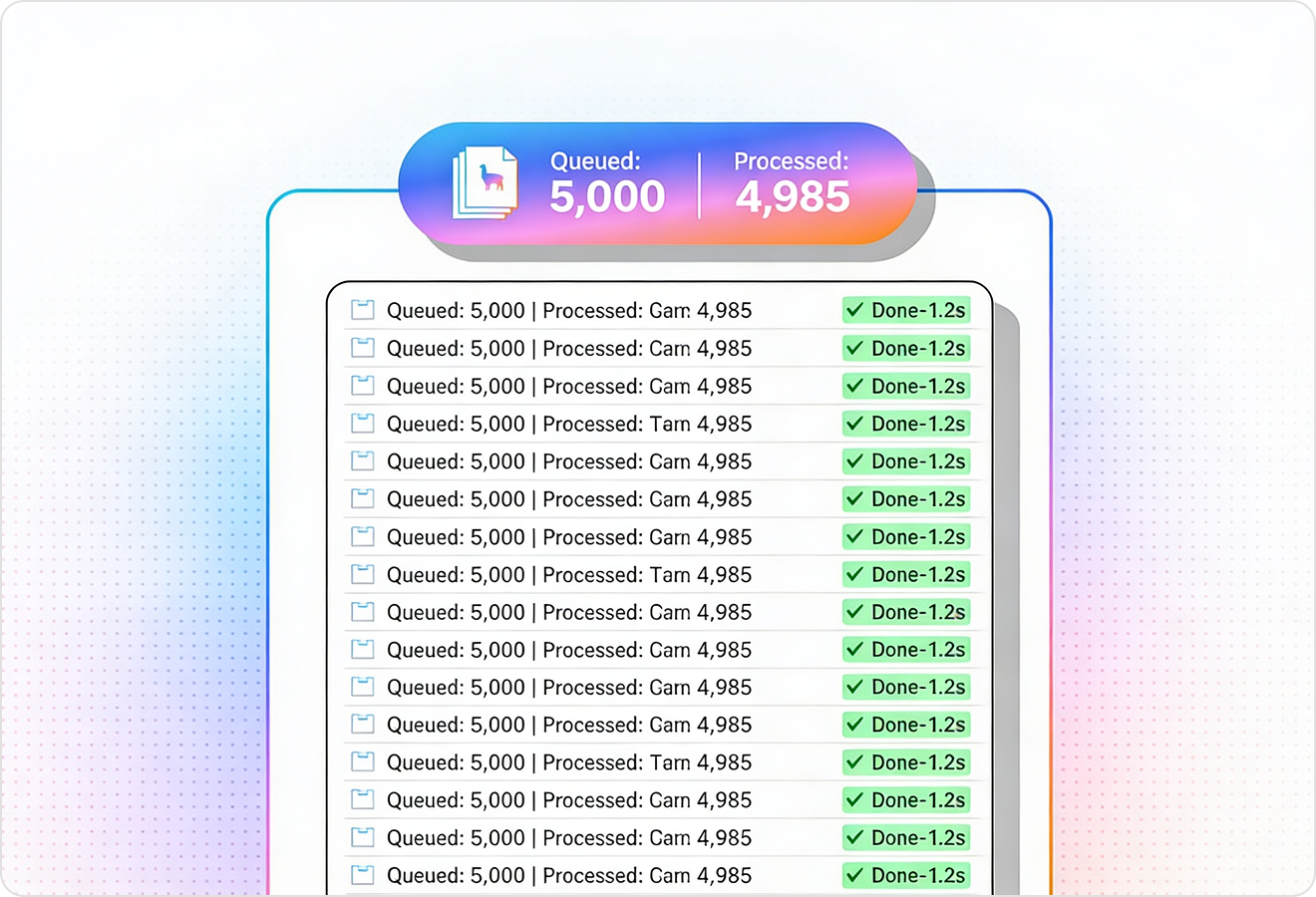
Every extracted value can include page-level provenance and confidence signals, so reviewers can quickly verify high-impact fields like totals and bank details. This reduces exceptions and speeds up approval when pro forma invoices arrive as scans, screenshots, or low-quality exports.
Technical OCR documentation
Explore our developer guides to easily connect your document pipelines to LlamaParse.
Explore the documentation
Our AI catches the typos that tired eyes miss.

Export to Excel, JSON, XML, or directly via API.

SOC2 Type II compliant with end-to-end encryption.

Train the tool on your specific forms in minutes, not days.

Average processing time of <3 seconds per page.
LlamaParse’s support of a wide variety of filetypes and its accuracy of parsing made it the best tool we tested in our evaluations. The LlamaIndex team was very responsive and we were off to the races within a day.
Common FAQs
01
Yes. Our layout-aware parsing understands common pro forma structures (header, bill-to/ship-to, totals) so key values don’t get scrambled across blocks. That means you can reliably capture invoice number, dates, Incoterms, payment terms, and currency across different formats.
02
It’s designed for dense invoice tables, including multi-column layouts and long descriptions. You’ll get clean, structured line items—SKU, HS code, quantity, unit price, and extended amount—without manual table-cleanup work.
03
Yes—structured JSON output lets you define consistent keys for totals, taxes, freight, discounts, and custom fields. That makes it straightforward to map results into ERP/AP systems and run downstream validations without rewriting parsing logic per supplier.
04
How do reviewers verify totals and sensitive fields like bank details?
Each extracted value can include citations and confidence signals tied to the original page location. Reviewers can quickly confirm high-impact fields, reducing exceptions and speeding up approvals—especially for scans, screenshots, or low-quality PDFs.
05
What happens when the pro forma invoice is a scan or a low-quality PDF export?
The system is built to handle real-world inputs where text quality varies, using layout cues to keep sections and tables aligned. You still receive structured outputs with provenance, so it’s easy to audit and correct edge cases without reprocessing everything manually.
06
How much setup is required to start extracting the fields we care about?
You can start quickly by specifying the fields you need and the JSON structure you want returned. Because extraction is layout-aware, it adapts to new suppliers with minimal ongoing maintenance—helping you scale without building brittle, template-specific rules.