Nov 14, 2025
Document AI: The Next Evolution of Intelligent Document ProcessingPersona
Industry
Use cases
Naturalization Certificate OCR
[ Naturalization Certificate OCR ]

Use LlamaParse to pull verified fields from naturalization certificates into clean JSON with confidence scores.
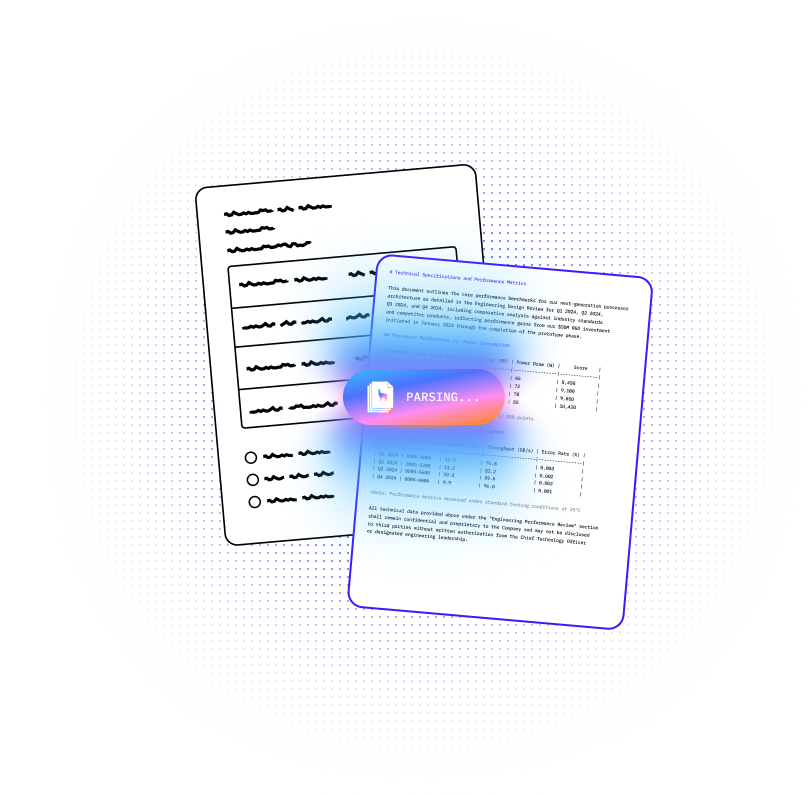

LlamaParse turns scanned naturalization certificates into clean JSON or Markdown, extracting names, dates, certificate numbers, and issuing details with layout awareness. Validation loops and citations flag low-confidence fields so teams can review exceptions fast and keep downstream case workflows reliable.
Best-in-Class Accuracy

Parse naturalization certificates into structured JSON with field-level traceability, so intake teams stop retyping names, certificate numbers, dates, and issuing locations. LlamaParse preserves reading order and seals/signatures context on messy scans, reducing RFE risk and accelerating case prep across high-volume client pipelines.

Use LlamaParse to extract citizenship evidence from uploaded naturalization certificates and normalize it into your KYC schema for faster approvals and cleaner audit trails. Agentic validation loops catch common scan issues (cropping, skew, faint text) and return verifiable outputs with confidence signals, cutting manual review without weakening compliance.

Automatically convert employee-submitted naturalization certificates into HRIS-ready records, ensuring correct legal name, citizenship status, and document identifiers for I-9, onboarding, and internal access provisioning. Layout-aware parsing prevents scrambled multi-line fields and produces consistent outputs that reduce back-and-forth with employees and delays for start dates.

Ship document ingestion for naturalization certificates in days by using LlamaParse JSON mode plus natural-language extraction instructions, instead of writing brittle, template-specific parsing code. Tier-based agentic processing keeps unit economics predictable by routing simple pages cheaply while upgrading only the hard scans that would otherwise tank your verification accuracy.
The Solution
01
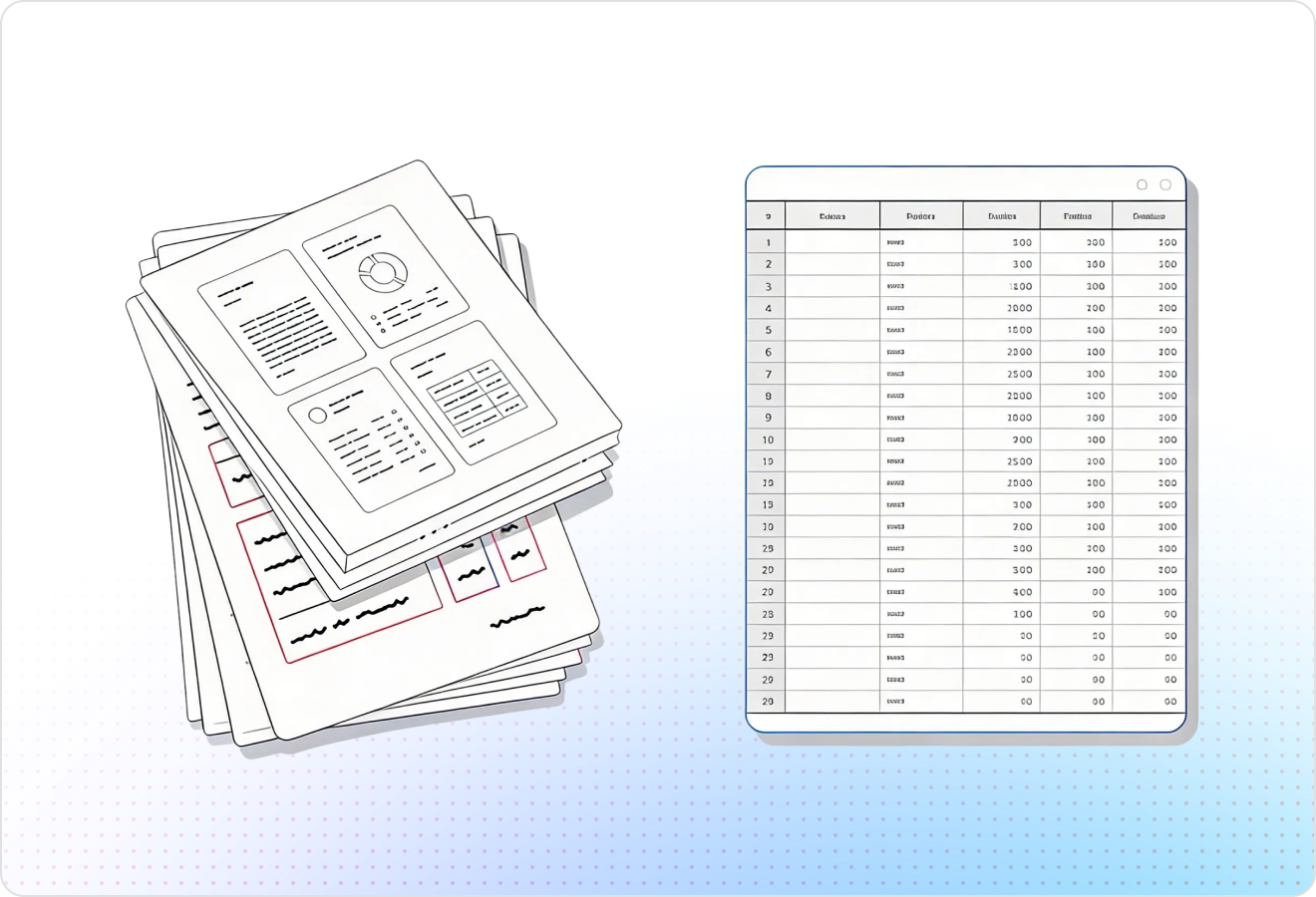
LlamaParse uses layout-aware computer vision to preserve reading order and correctly separate headers, body fields, stamps, and seals on scanned naturalization certificates. This reduces mis-mapped values like certificate number, USCIS registration number, and dates that often get scrambled by traditional OCR when layouts shift.
02
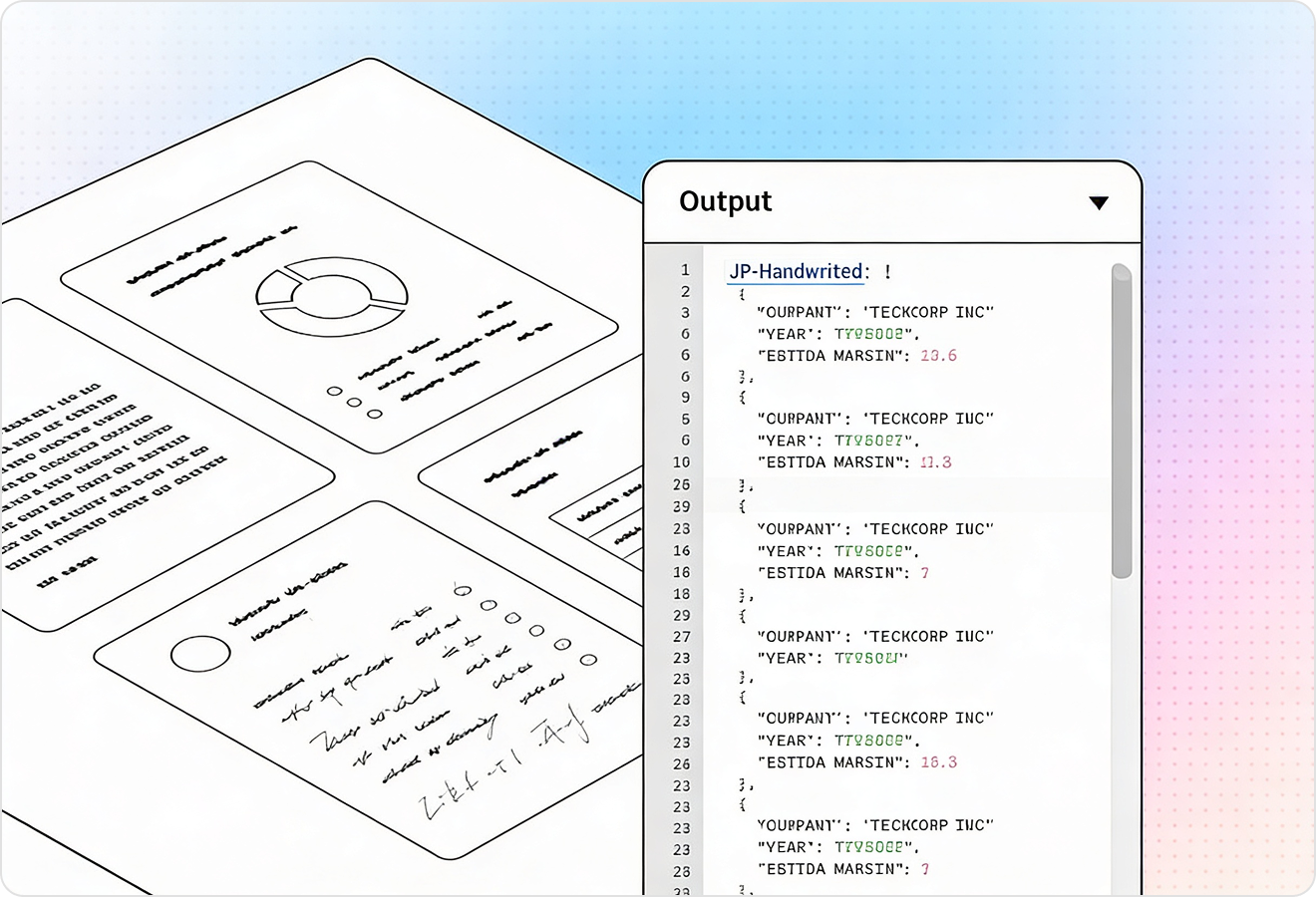
LlamaParse runs self-correction and validation loops to catch common scan issues like broken characters, skew, low contrast, and partial occlusions. For naturalization certificates, this improves straight-through extraction of critical identifiers and names where a single character error can break downstream verification.
03
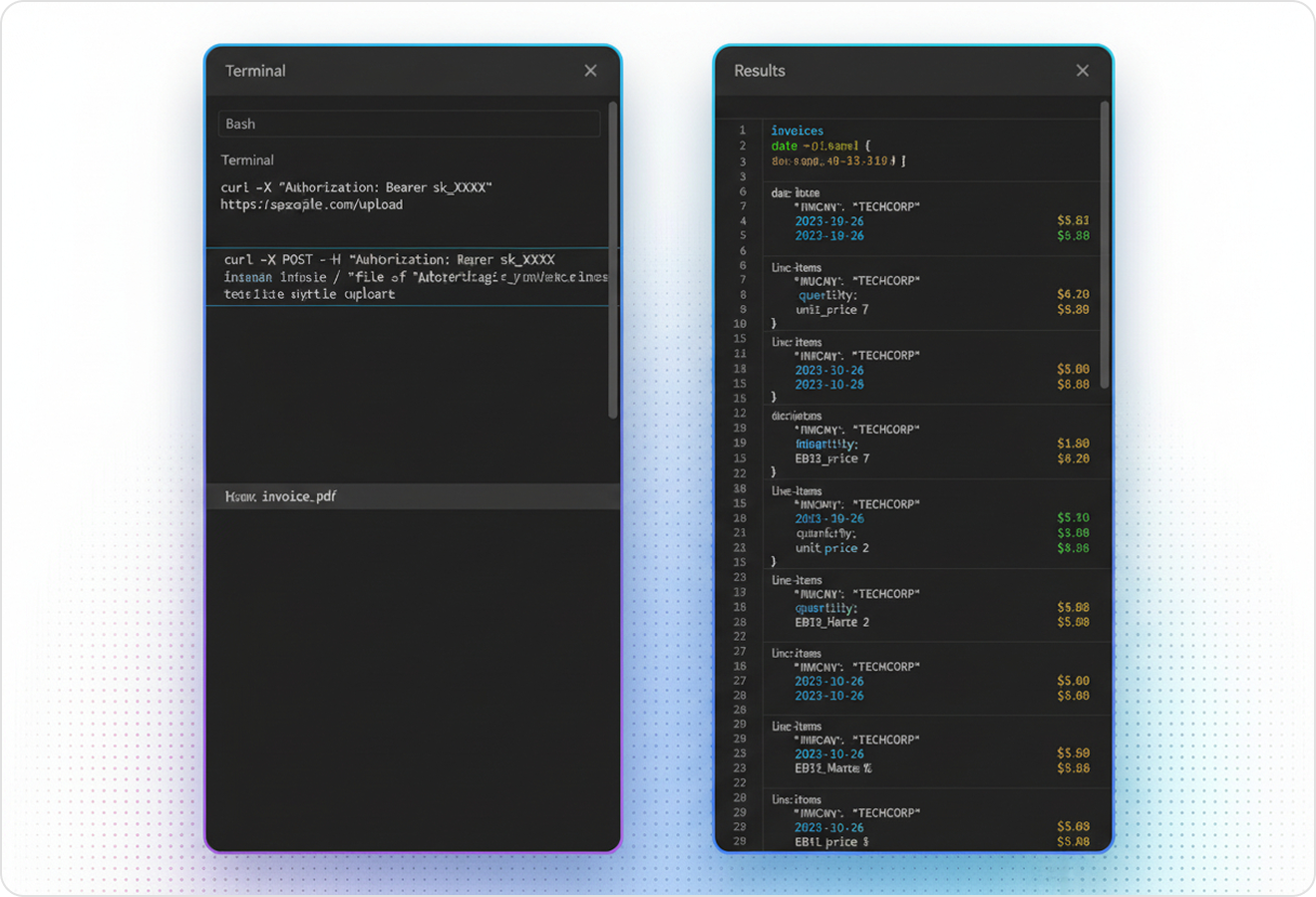
LlamaParse can return a clean JSON representation of extracted fields along with granular metadata like page references and element types. That makes it easier to populate KYC/identity systems with consistent keys (e.g., name, date of naturalization, certificate number) while keeping traceability for audits and review.
04
LlamaParse attaches verifiable metadata—citations, coordinates, and confidence signals—back to the exact regions of the certificate. For naturalization certificate processing, this enables fast human-in-the-loop spot checks on only the low-confidence fields instead of re-reviewing the full document.
Technical OCR documentation
Explore our developer guides to easily connect your document pipelines to LlamaParse.
Explore the documentation
Our AI catches the typos that tired eyes miss.

Export to Excel, JSON, XML, or directly via API.

SOC2 Type II compliant with end-to-end encryption.

Train the tool on your specific forms in minutes, not days.

Average processing time of <3 seconds per page.
LlamaParse’s support of a wide variety of filetypes and its accuracy of parsing made it the best tool we tested in our evaluations. The LlamaIndex team was very responsive and we were off to the races within a day.
Common FAQs
01
Our layout-aware extraction preserves reading order and separates headers, body fields, stamps, and seals so values don’t get swapped when the template shifts. This significantly reduces common errors like mixing up the certificate number, USCIS registration number, and key dates.
02
Yes—agentic validation loops automatically detect and correct issues like skew, broken characters, low contrast, and partial occlusions. That means fewer single-character mistakes in names and identifiers that can otherwise break downstream verification.
03
You get structured JSON with consistent keys (e.g., name, date of naturalization, certificate number) designed to map cleanly into KYC/identity systems. It also includes metadata like page references and element types for easier integration and review.
04
Can we trace each extracted field back to the exact spot on the document for audits?
Yes—each field can include citations, coordinates, and confidence signals that point to the precise region on the certificate. This creates a clear audit trail and makes it easy to justify decisions during compliance reviews.
05
How do we minimize manual review without risking bad data getting into production?
Use confidence metadata to route only low-confidence fields to human review while allowing high-confidence fields to pass through automatically. This focused spot-checking reduces reviewer workload while keeping quality and compliance standards high.
06
How does this compare to traditional OCR tools for naturalization certificate processing?
Traditional OCR often captures text but struggles with field mapping when layouts vary, leading to scrambled identifiers and dates. Layout awareness plus validation loops and traceable citations deliver more reliable, reviewable extractions—especially when accuracy is non-negotiable.