Nov 14, 2025
Document AI: The Next Evolution of Intelligent Document ProcessingPersona
Industry
Use cases
iOS Document Scanning SDK
[ iOS Document Scanning SDK ]

Turn scans into structured, layout-aware data with LlamaParse, so your iOS app automates extraction reliably.
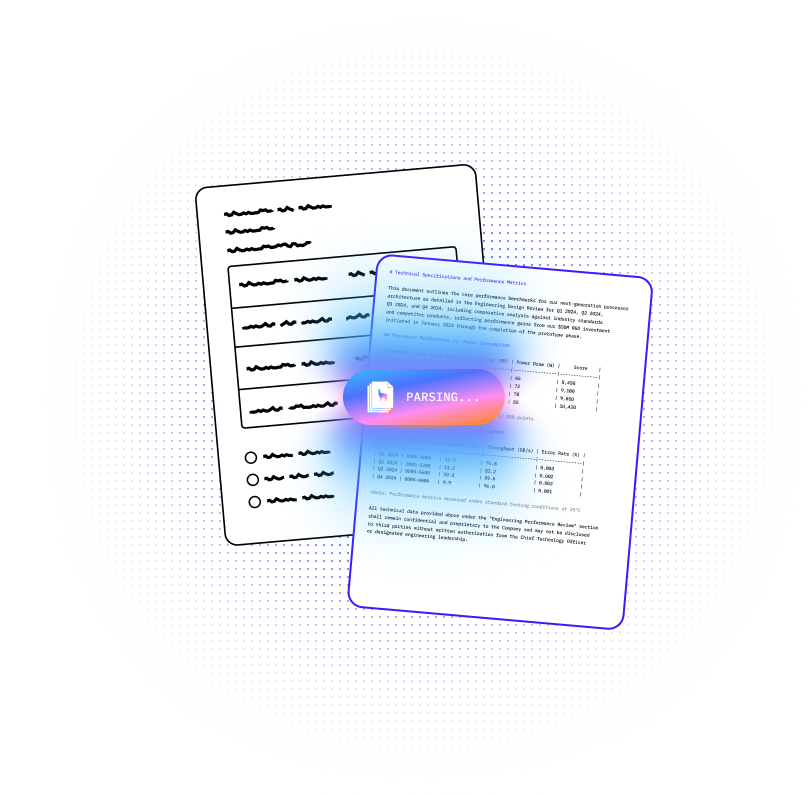
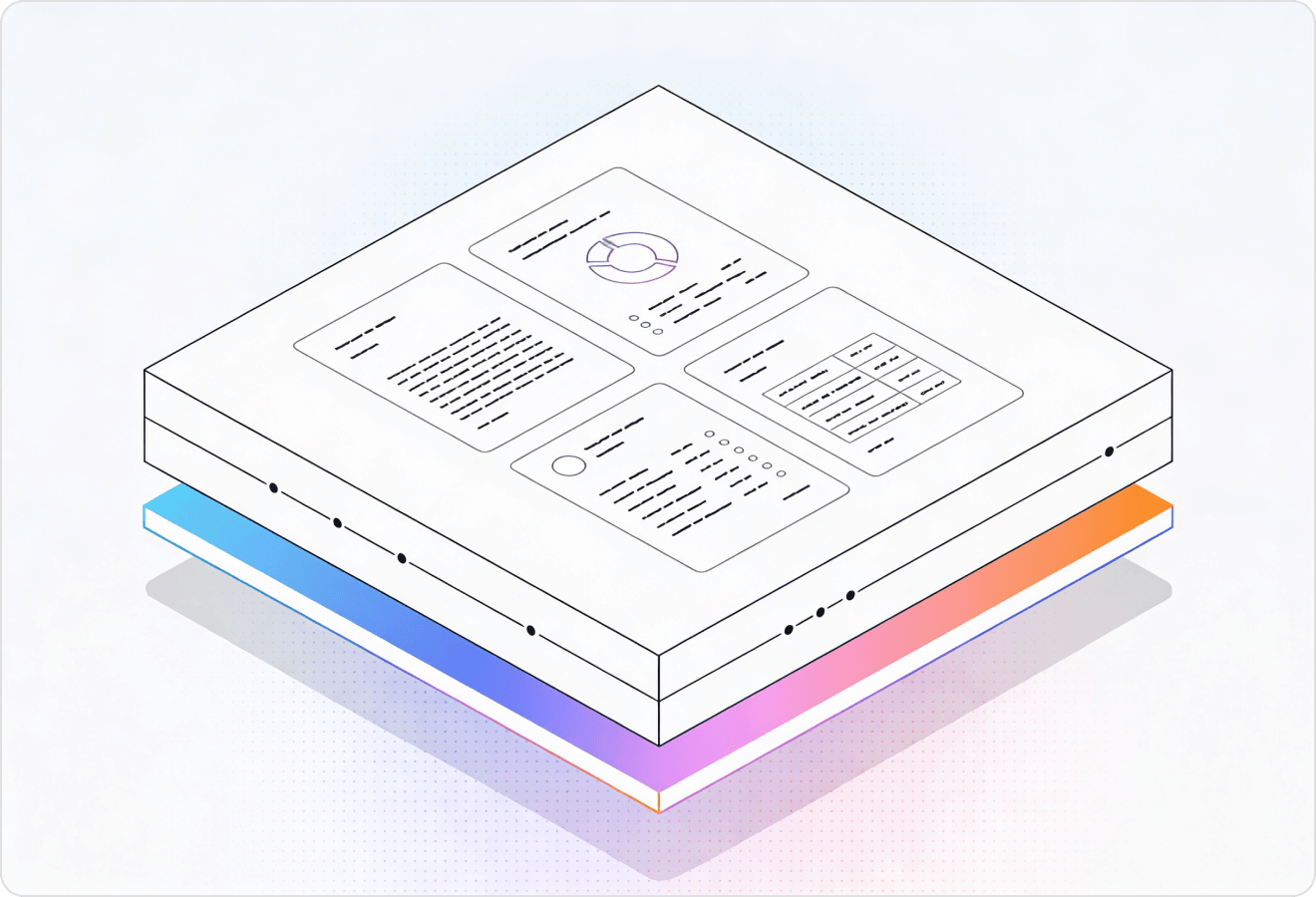
LlamaParse turns iOS camera scans into clean, structured Markdown or JSON by understanding layout, tables, and embedded visuals, not just raw text. Validation loops and verifiable metadata reduce rework and edge-case bugs, so your scanning SDK ships reliable extraction across messy real-world documents.
Best-in-Class Accuracy

Ship an iOS scanning flow that turns messy receipts, invoices, and contracts into clean Markdown or JSON without spending weeks on brittle post-processing. LlamaParse preserves reading order and table structure so your product can auto-fill forms, trigger workflows, and get to a reliable v1 faster.

Convert adjuster photos and scanned claim packets into structured JSON with line-item tables, page-level citations, and confidence scores for audit-ready review. LlamaParse reduces re-keying and exception handling by using validation loops to catch extraction errors before they hit downstream adjudication.

Ingest EOBs, prior auth forms, and referral packets from iPhone scans and extract codes, patient identifiers, and charge tables while preserving multi-column layouts that typically break legacy OCR. Output normalized JSON into your billing workflows to cut denials caused by missing or misread fields.

Parse iOS-captured daily reports, timesheets, and subcontractor invoices into structured line items, even when documents include photos, stamps, and irregular tables. LlamaParse turns field scans into AI-ready data that feeds cost tracking and compliance checks without manual spreadsheet cleanup.
The Solution
01
LlamaParse understands page layout from mobile scans—multi-column text, headers/footers, and mixed blocks—so the reading order stays correct. That means your iOS document scanning SDK can return clean, usable text without brittle heuristics to “unscramble” camera-captured pages.
02
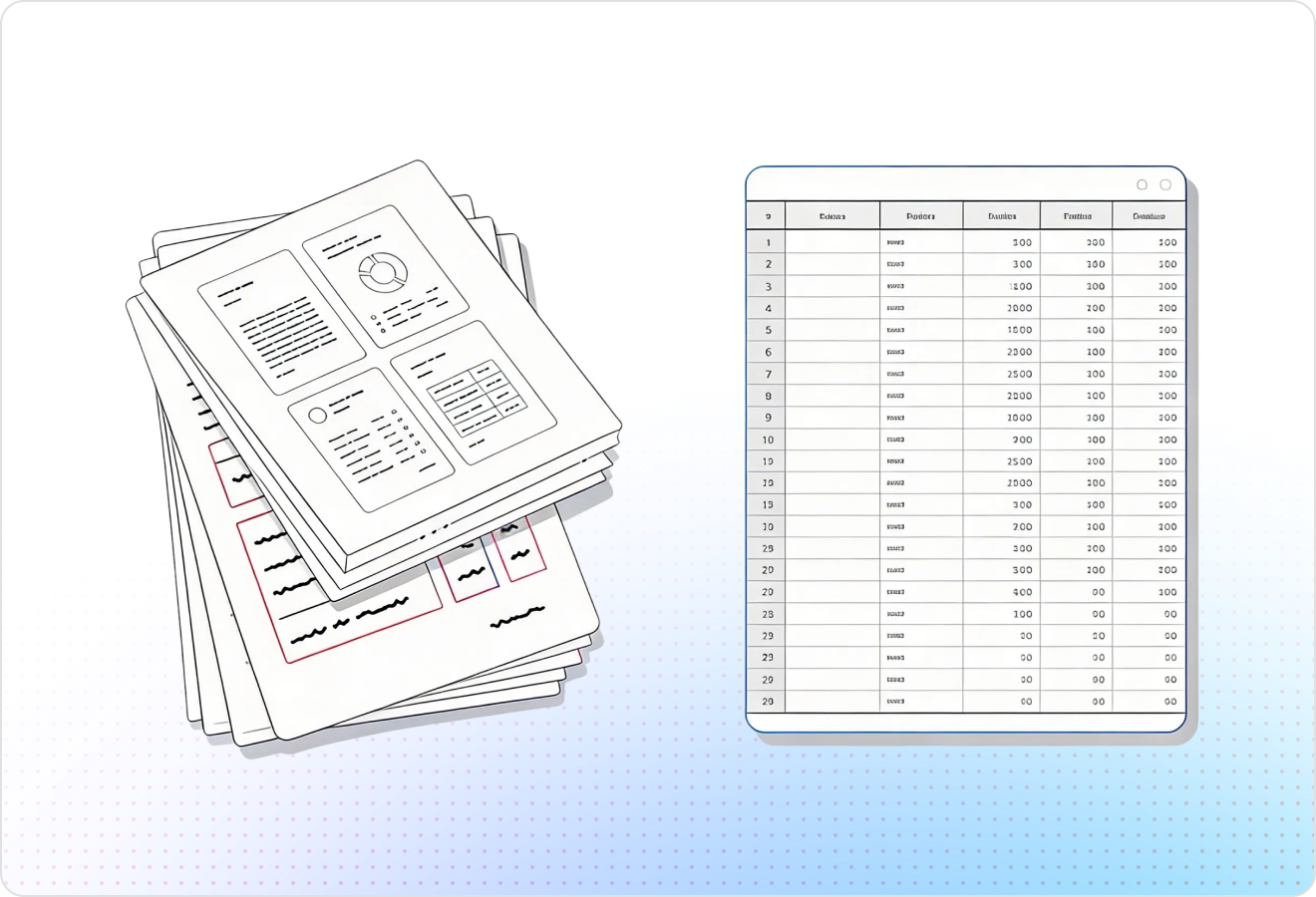
LlamaParse reliably pulls tables from scanned documents and reconstructs them as structured Markdown instead of flattened text. For iOS scanning flows (receipts, invoices, forms), this preserves rows and columns so downstream apps can compute totals, validate line items, or sync to databases.
03
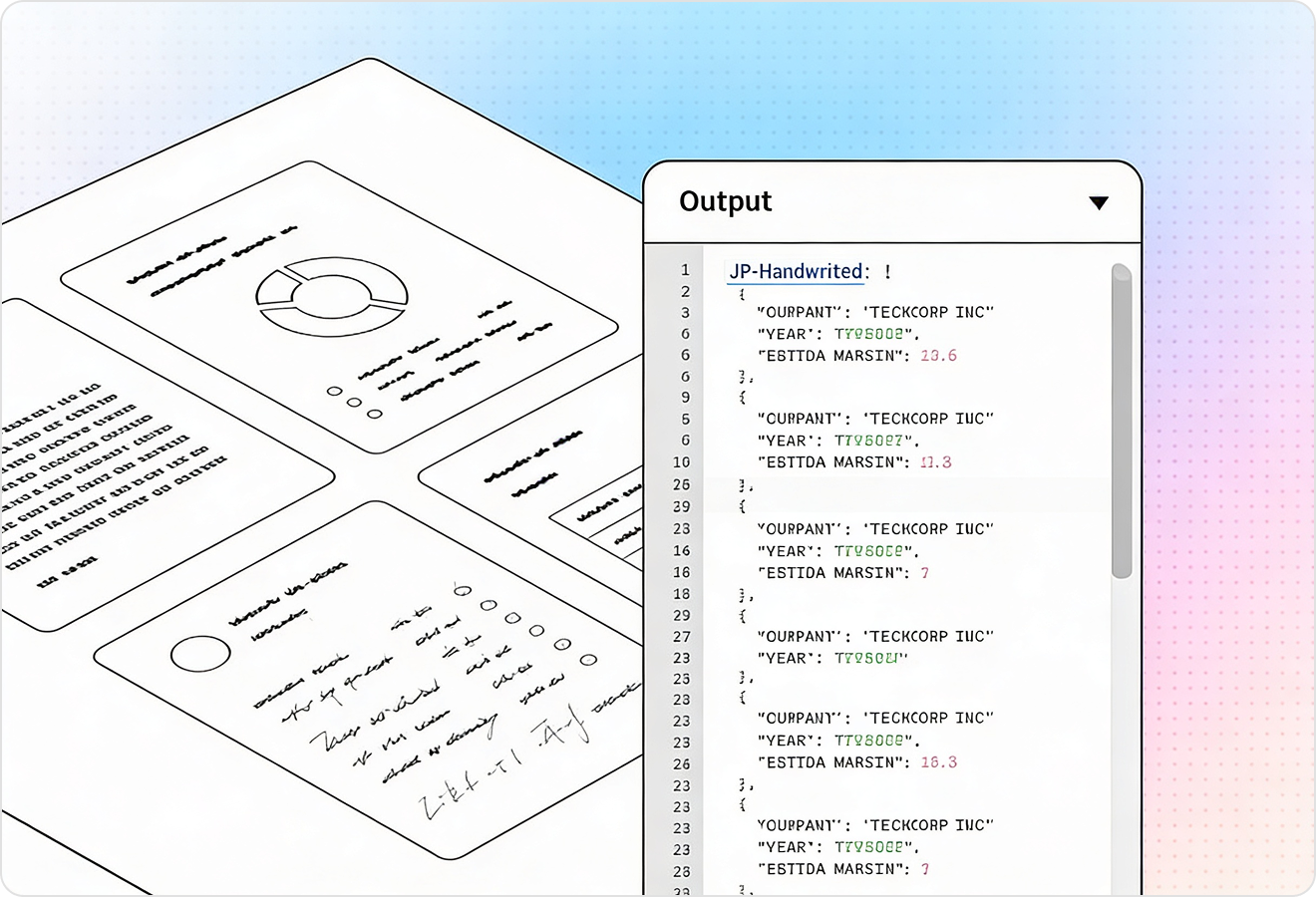
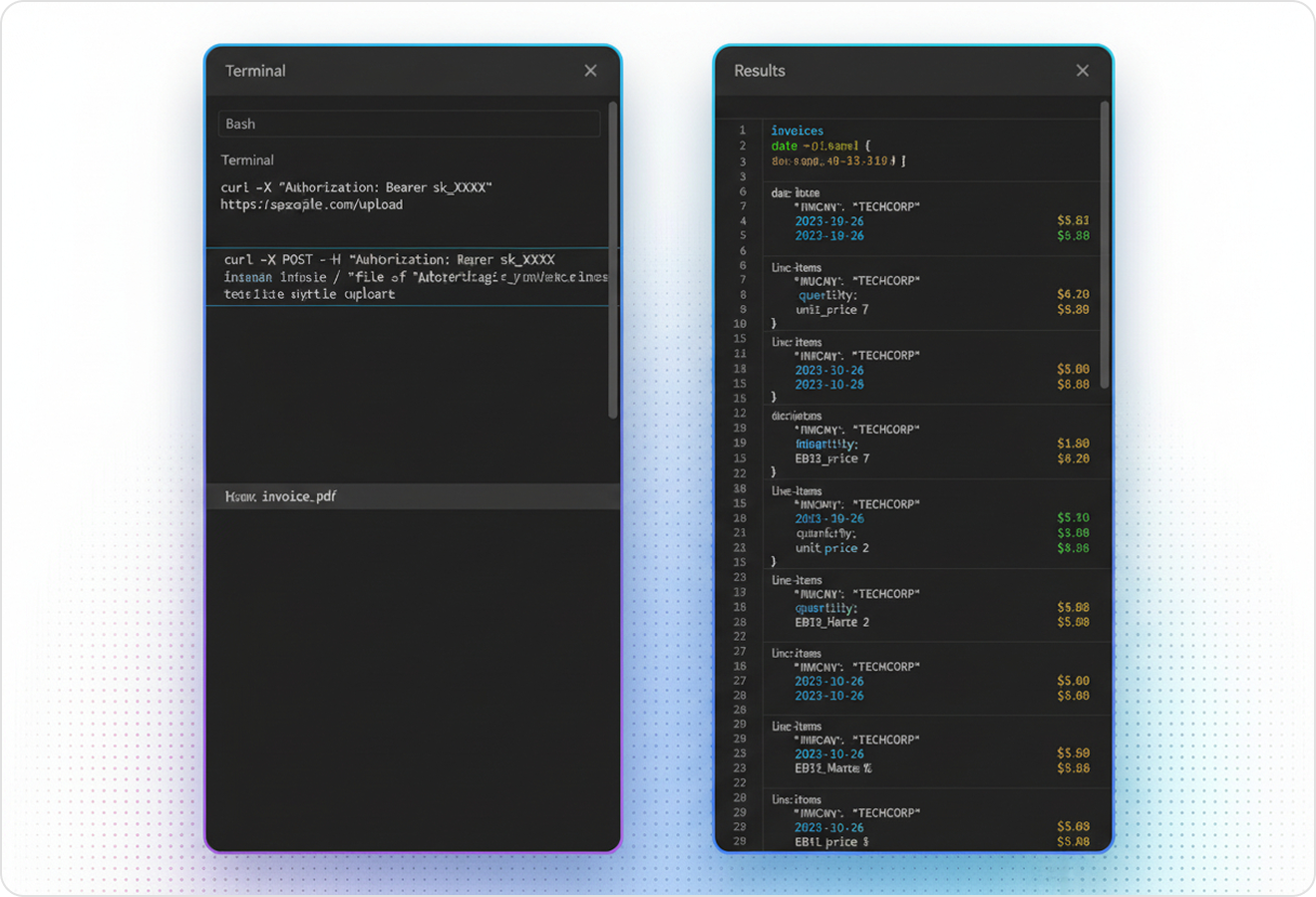
LlamaParse can emit structured JSON with page numbers and spatial coordinates per extracted element for traceability. In an iOS document scanning SDK, this lets you map extracted fields back to on-screen highlights, enable tap-to-verify UX, and support human review when confidence is low.
04
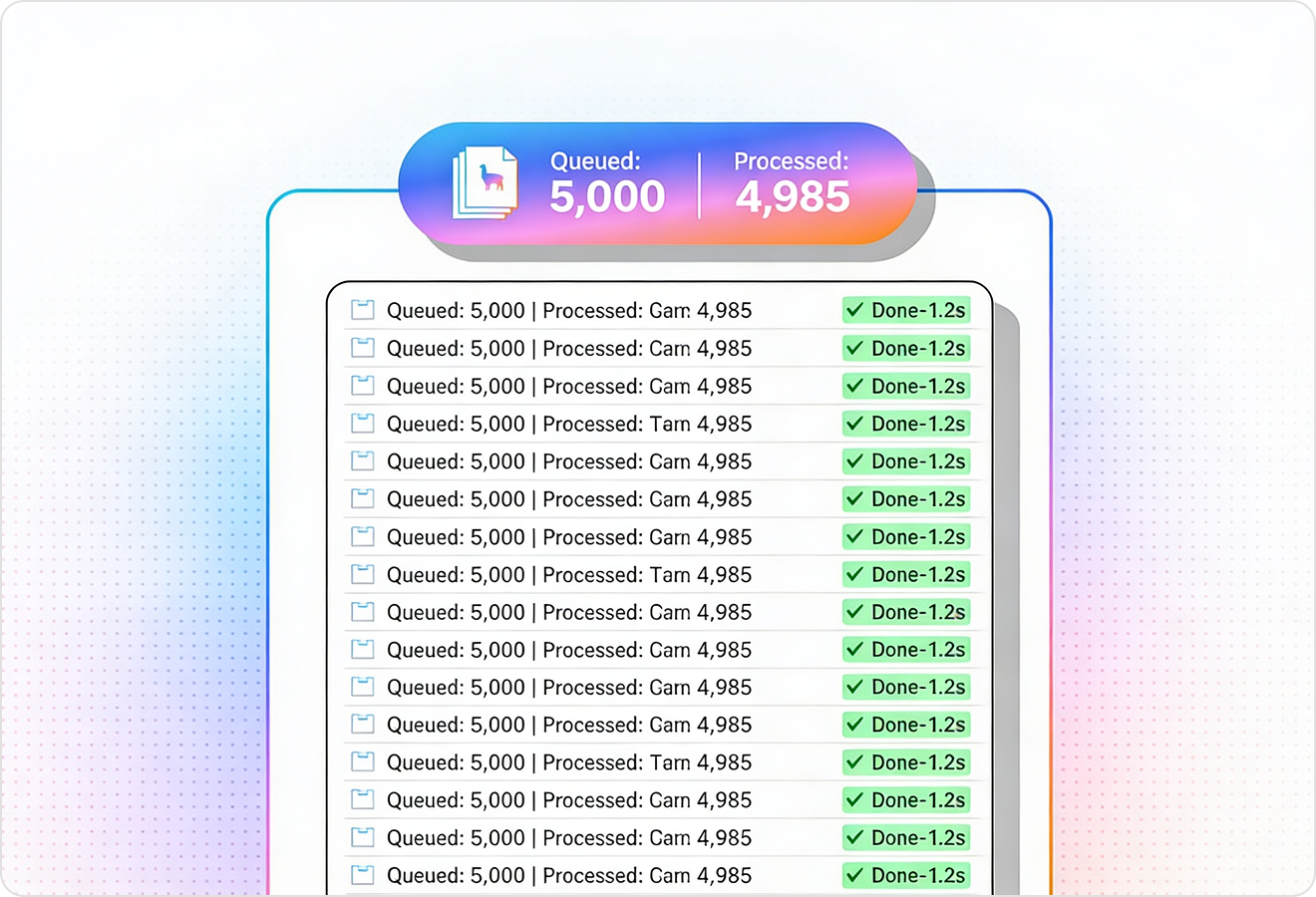
LlamaParse automatically routes easy pages through faster parsing and escalates complex scans to higher-accuracy agentic processing when needed. This keeps mobile scan ingestion responsive and cost-controlled while still handling edge cases like glare, skew, and dense formatting without custom tuning.
Technical OCR documentation
Explore our developer guides to easily connect your document pipelines to LlamaParse.
Explore the documentation
Our AI catches the typos that tired eyes miss.

Export to Excel, JSON, XML, or directly via API.

SOC2 Type II compliant with end-to-end encryption.

Train the tool on your specific forms in minutes, not days.

Average processing time of <3 seconds per page.
LlamaParse’s support of a wide variety of filetypes and its accuracy of parsing made it the best tool we tested in our evaluations. The LlamaIndex team was very responsive and we were off to the races within a day.
Common FAQs
01
Yes—our layout-aware parsing understands headers/footers, multi-column text, and mixed content blocks so the reading order stays accurate. You get clean, usable text from camera scans without building brittle “unscrambling” rules. This reduces QA time and prevents downstream extraction bugs.
02
It reliably reconstructs tables as structured Markdown, preserving rows and columns instead of flattening everything. That makes it easy to compute totals, validate line items, or sync data to your database. You’ll spend less time writing custom table parsers for each template.
03
Yes—output can be returned as JSON with page numbers and coordinates for each extracted element. This lets you map results back to the scanned image for tap-to-verify experiences and reviewer workflows. It’s a practical way to build trust when extraction confidence is low.
04
How does it handle real-world scan issues like glare, skew, or dense formatting?
Auto Mode routes straightforward pages through faster parsing, then escalates challenging scans to higher-accuracy processing when needed. This helps you maintain a snappy mobile experience while still handling edge cases gracefully. You get better results without constant tuning or per-document rules.
05
Will this increase my parsing costs or slow down my app at scale?
Auto Mode is designed to control cost by using lightweight parsing when it’s sufficient and only spending more on difficult pages. That keeps throughput high for typical scans while protecting accuracy on the tricky ones. You can scale ingestion without choosing between speed and quality.
06
How quickly can we integrate this into an existing iOS scanning flow?
If you already capture scans in your app, you can plug in our parsing step and start returning clean text, tables, or JSON outputs without reworking your UI. Most teams begin with one output format (text or JSON) and expand as needed. It’s an easy way to ship a better scanning experience fast and iterate confidently.