Nov 14, 2025
Document AI: The Next Evolution of Intelligent Document ProcessingPersona
Industry
Use cases
W-9 Form OCR
[ W-9 Form OCR ]

Use LlamaParse to capture every W-9 field accurately and push clean data into your onboarding flow.


LlamaParse turns scanned or uploaded W-9s into reliable, field-level JSON, capturing names, TINs, addresses, and tax classifications without brittle templates. Agentic document parsing understands layout, validates extractions, and returns citations and confidence scores, so your onboarding and compliance flows run straight-through.
Best-in-Class Accuracy

Use LlamaParse to turn inbound W-9s from vendors, contractors, and partners into clean JSON that feeds onboarding, AP, and vendor master records without manual re-keying. Natural-language parsing instructions let small teams enforce one consistent output schema even when forms arrive as scans, photos, or mixed layouts.

Automatically extract W-9 data from subcontractor packets—often photographed, skewed, or bundled with other paperwork—so payables can issue payments and 1099s on time. Layout-aware structure handling keeps multi-box fields and reading order intact, reducing compliance risk caused by swapped or missing TIN/name values.

Stream W-9 intake into KYC/beneficial-owner workflows by parsing taxpayer name, entity type, and TIN with granular metadata for auditability. Confidence scores and citations make exceptions reviewable in seconds, while auto-correction loops reduce downstream payment rejects and holds.

Parse W-9s at scale during seller or driver onboarding and immediately validate required fields so accounts don’t get stuck in “pending tax info” queues. Tier-based agentic processing routes simple digital PDFs cheaply while reserving higher-accuracy processing for messy uploads, keeping per-onboarding costs predictable.
The Solution
01
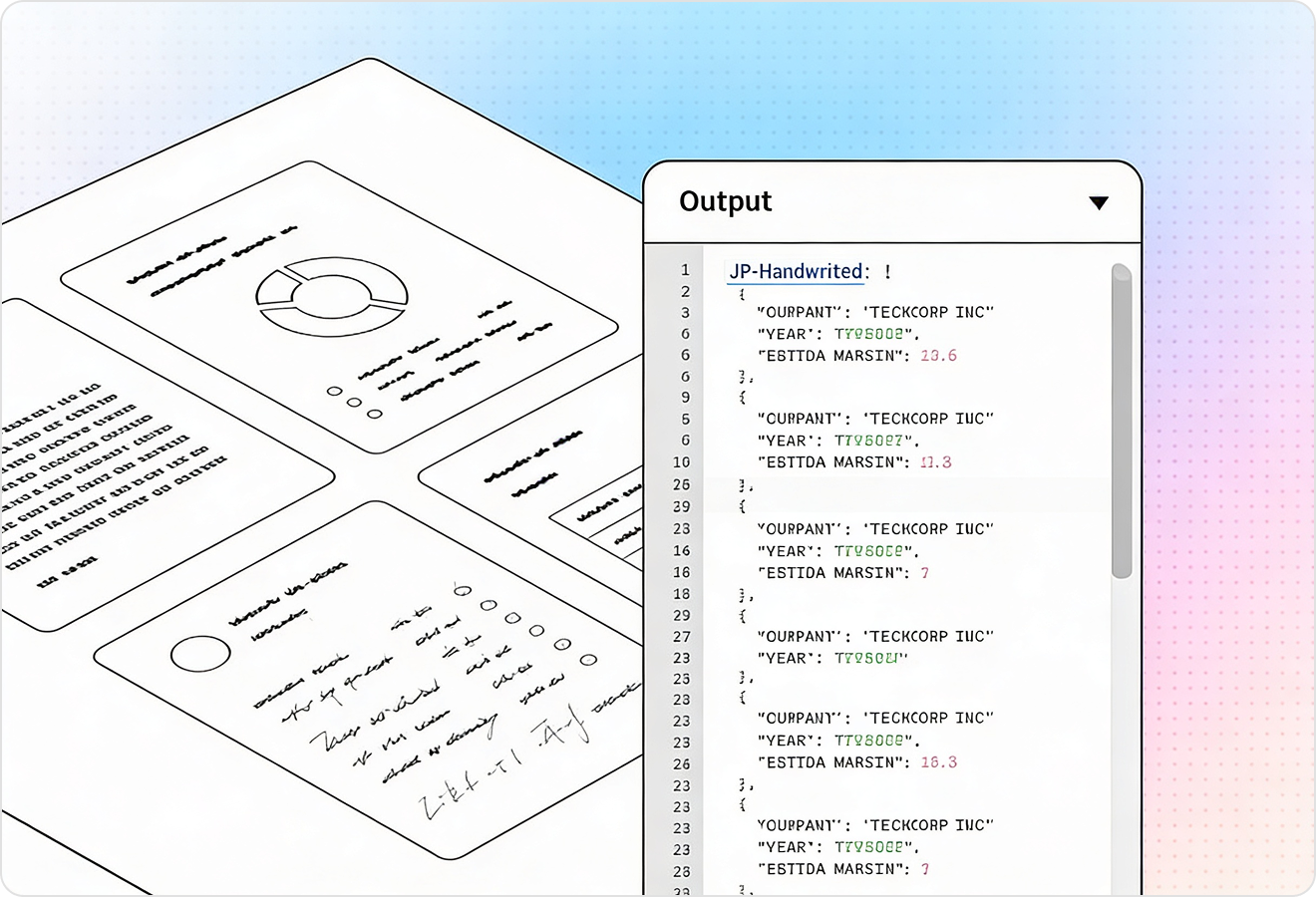
LlamaParse detects the W-9’s structure—boxes, lines, and field boundaries—so names, addresses, and EIN/SSN land in the right place instead of getting scrambled. This is especially useful when the same form arrives as a scan, a fax, or a slightly shifted template.
02
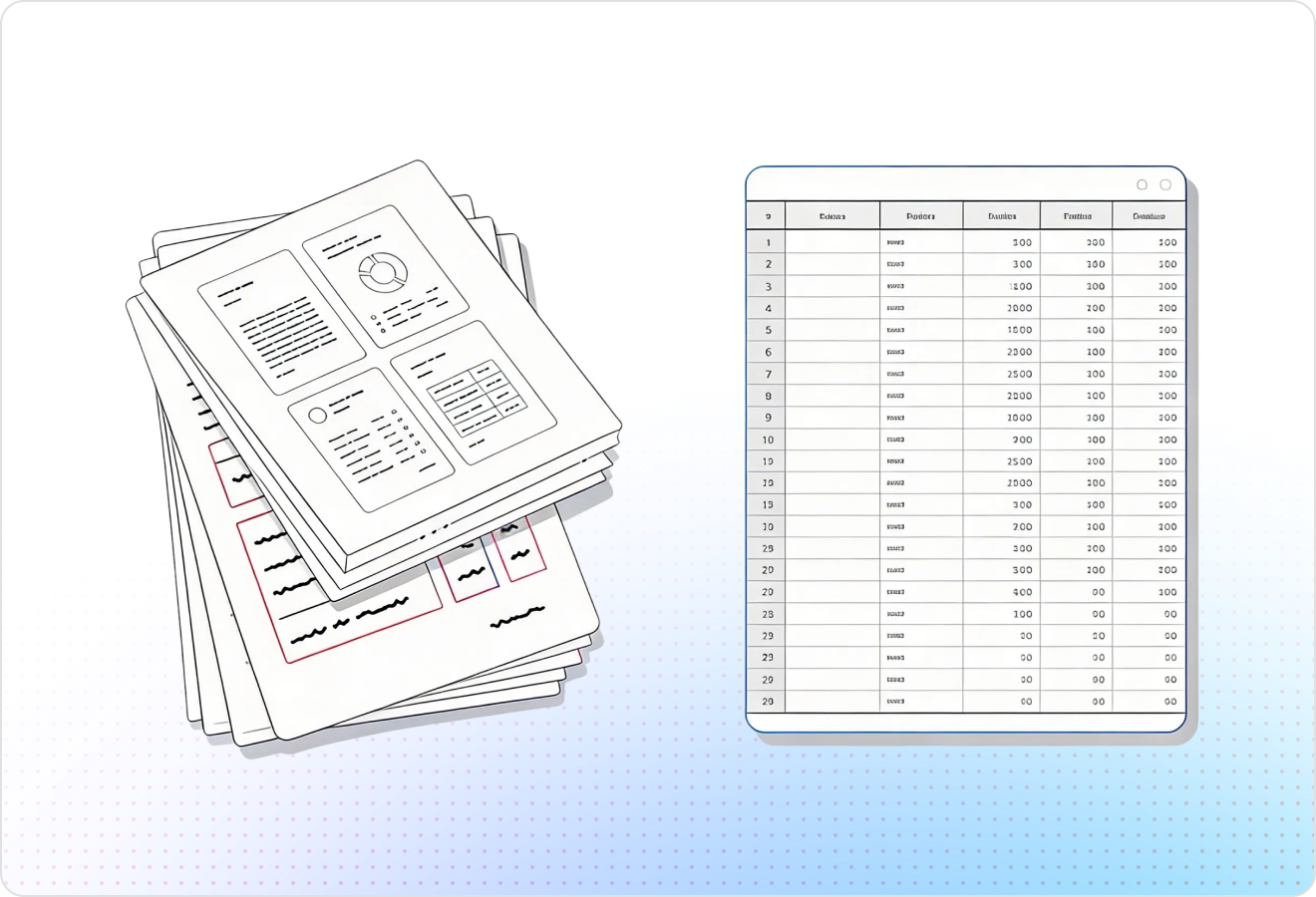
Extract common W-9 fields as clean key-value pairs (e.g., legal name, business name, federal tax classification, exemptions, and TIN). This turns a W-9 into data your onboarding or AP system can validate and store without writing brittle post-processing code.
03
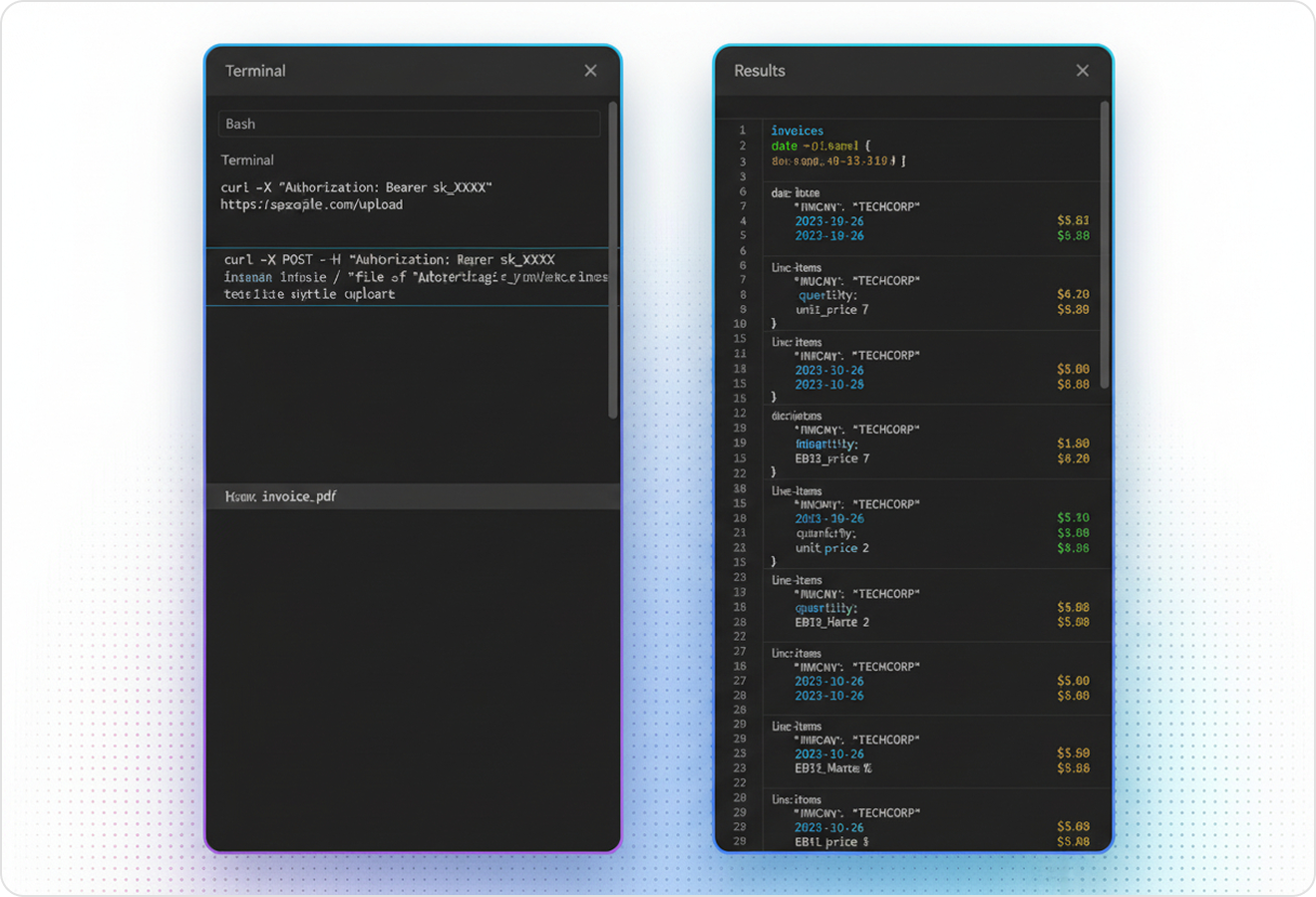
Return structured JSON with granular metadata like page numbers and coordinates for every extracted field. For W-9 processing, that means you can confidently audit where each value came from and route low-confidence fields to human review.
04
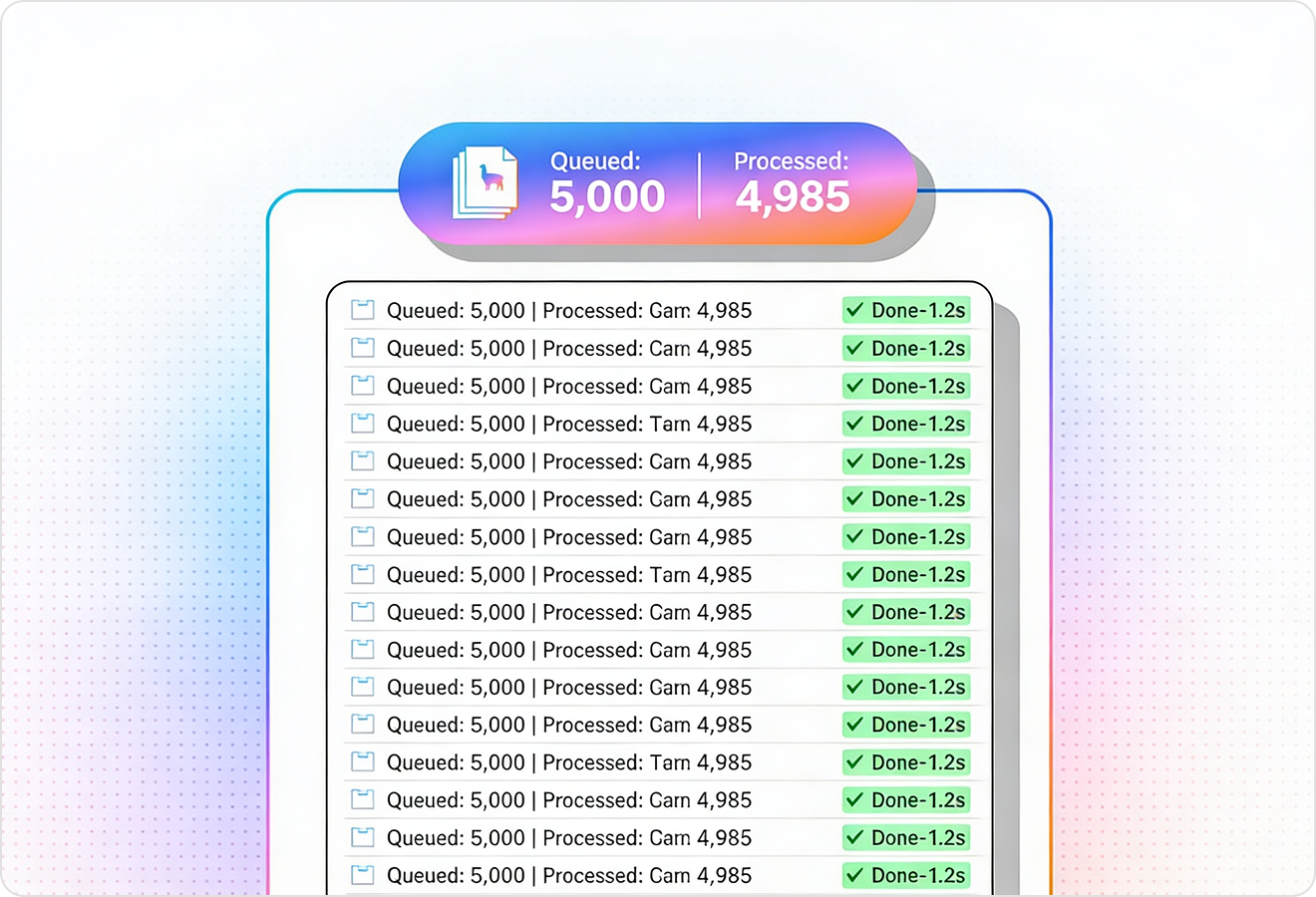
LlamaParse applies agentic validation steps to catch common extraction errors, like misread digits in a TIN or swapped address lines. This reduces manual cleanup and improves straight-through processing when you’re ingesting W-9s at scale.
Technical OCR documentation
Explore our developer guides to easily connect your document pipelines to LlamaParse.
Explore the documentation
Our AI catches the typos that tired eyes miss.

Export to Excel, JSON, XML, or directly via API.

SOC2 Type II compliant with end-to-end encryption.

Train the tool on your specific forms in minutes, not days.

Average processing time of <3 seconds per page.
LlamaParse’s support of a wide variety of filetypes and its accuracy of parsing made it the best tool we tested in our evaluations. The LlamaIndex team was very responsive and we were off to the races within a day.
The engine room
01
Yes. Our layout-aware parsing detects boxes, lines, and field boundaries so values like name, address, and TIN land in the correct fields—even when the form is skewed or comes from a low-quality scan. This helps prevent the “scrambled fields” problem that breaks downstream systems.
02
You can extract common W-9 fields as clean key-value pairs, including legal name, business name, federal tax classification, exemptions, address details, and EIN/SSN (TIN). The output is ready to validate and store in your onboarding, AP, or vendor management workflow without brittle post-processing.
03
Yes—every extracted field can be returned as structured JSON with traceability metadata like page number and coordinates. This makes audits and compliance reviews easier and lets you quickly verify questionable fields against the original document.
04
How do you handle common OCR errors like misread digits in an EIN/SSN?
We use auto-correction validation loops designed to catch frequent issues such as misread digits, swapped address lines, or partial field captures. When something looks off, you can automatically flag it for review instead of letting bad data flow into payment or tax processes.
05
Can we route low-confidence fields to human review without rechecking the whole form?
Absolutely. Confidence signals and field-level traceability let you route only the uncertain values—like a hard-to-read TIN—while auto-accepting the rest. This reduces manual effort and improves straight-through processing at scale.
06
How does this fit into our existing onboarding or accounts payable workflow?
The key-value JSON output is designed to plug into existing systems and validations, so you can create rules like “TIN present and properly formatted” or “classification selected.” This helps you move from document intake to approved vendor records faster, with fewer exceptions.
Explore Our Resources