Nov 14, 2025
Document AI: The Next Evolution of Intelligent Document ProcessingPersona
Industry
Use cases
Bank Statement OCR
[ Bank Statement OCR ]

LlamaParse ensures every running balance ties out, so a misread digit or dropped row gets caught before it reaches your underwriting or reconciliation workflow.
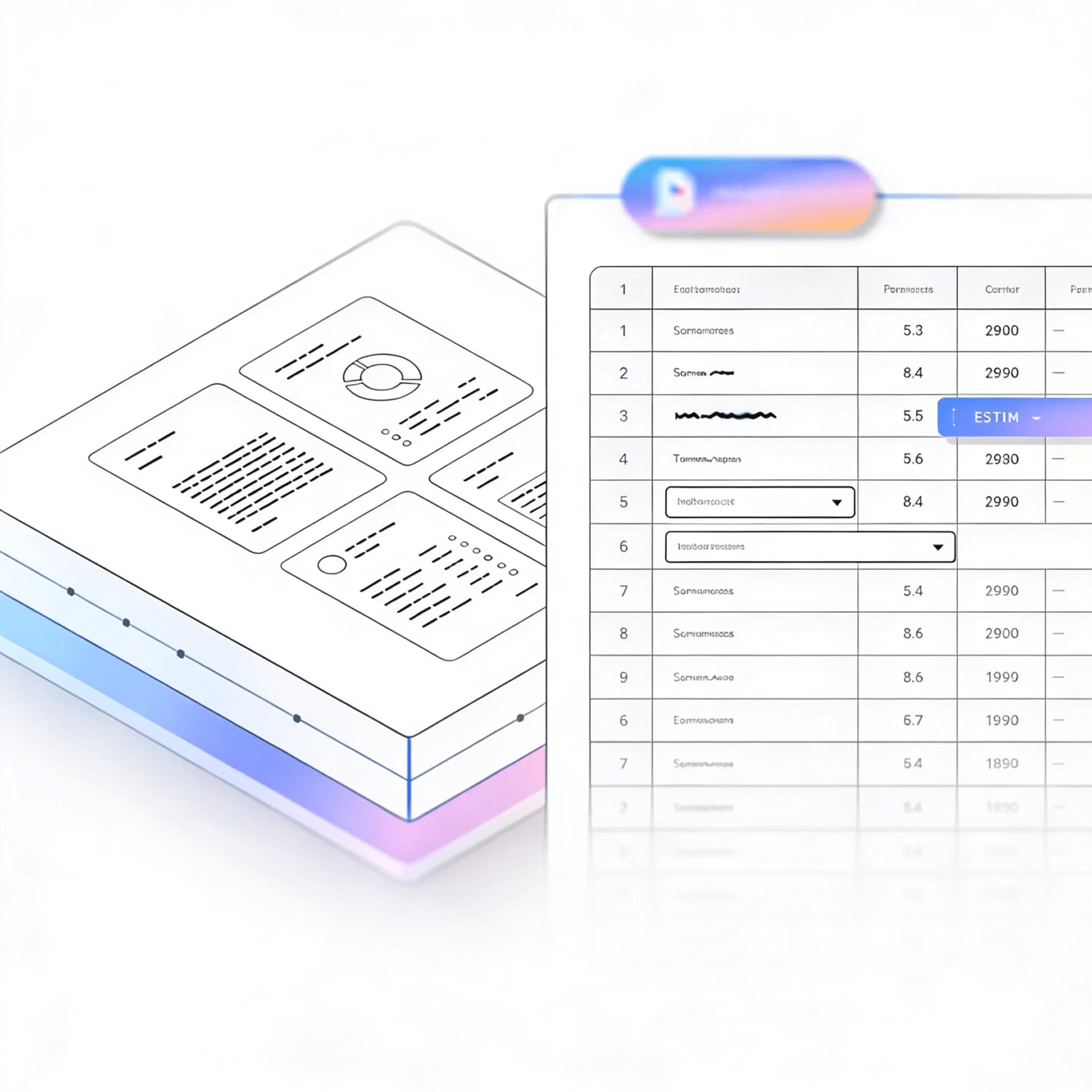
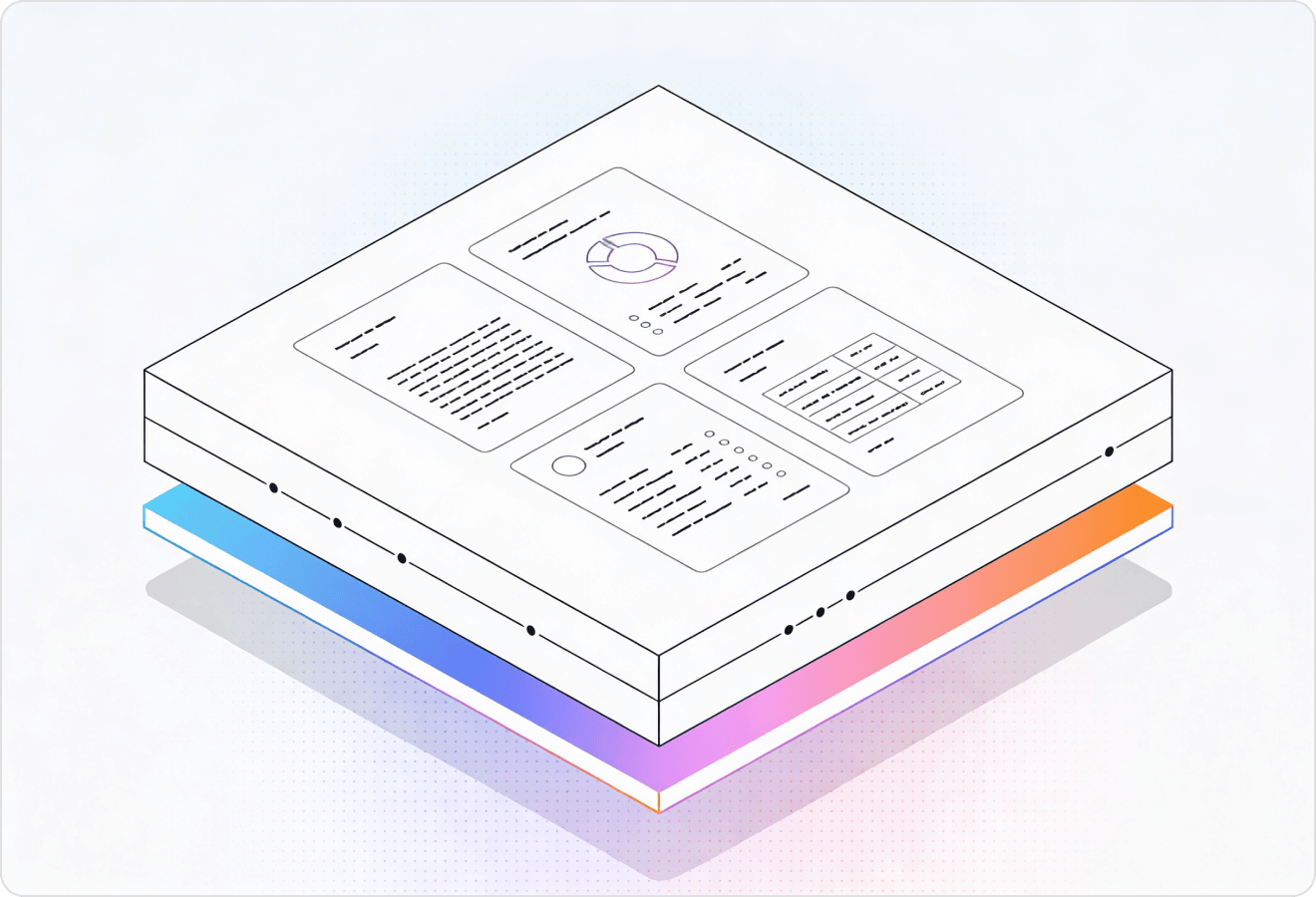

Every bank formats its statements differently and borrowers rarely submit clean copies. LlamaParse handles skewed scans, faded text, and shifting column layouts without needing a template for every bank.
Best-in-Class Accuracy

Bank statement spreading, calculating average daily balances, recurring deposits, and overdraft frequency, usually means scrolling through months of transactions by hand. LlamaParse extracts every transaction with a verified running balance, so cash-flow and DSCR calculations start from numbers that already tie out.

Rent verification means matching a deposit's amount and date to the right unit, then catching a partial payment before it becomes a 90-day-late file. LlamaParse extracts deposits with reconciled balances across statement pages, so short-pays and NSF patterns surface as soon as the statement is parsed.

Loss-of-income claims and duplicate-payout fraud both depend on a clean transaction timeline across pages. LlamaParse reconstructs that timeline with reconciled balances, so an adjuster can trust the sequence instead of re-checking it line by line.

Bank statement parsing for onboarding or affordability checks needs to work across every bank's format from day one. LlamaParse ships via API with balance verification built in, so a product can trust the data without building reconciliation logic from scratch.
The Solution
01
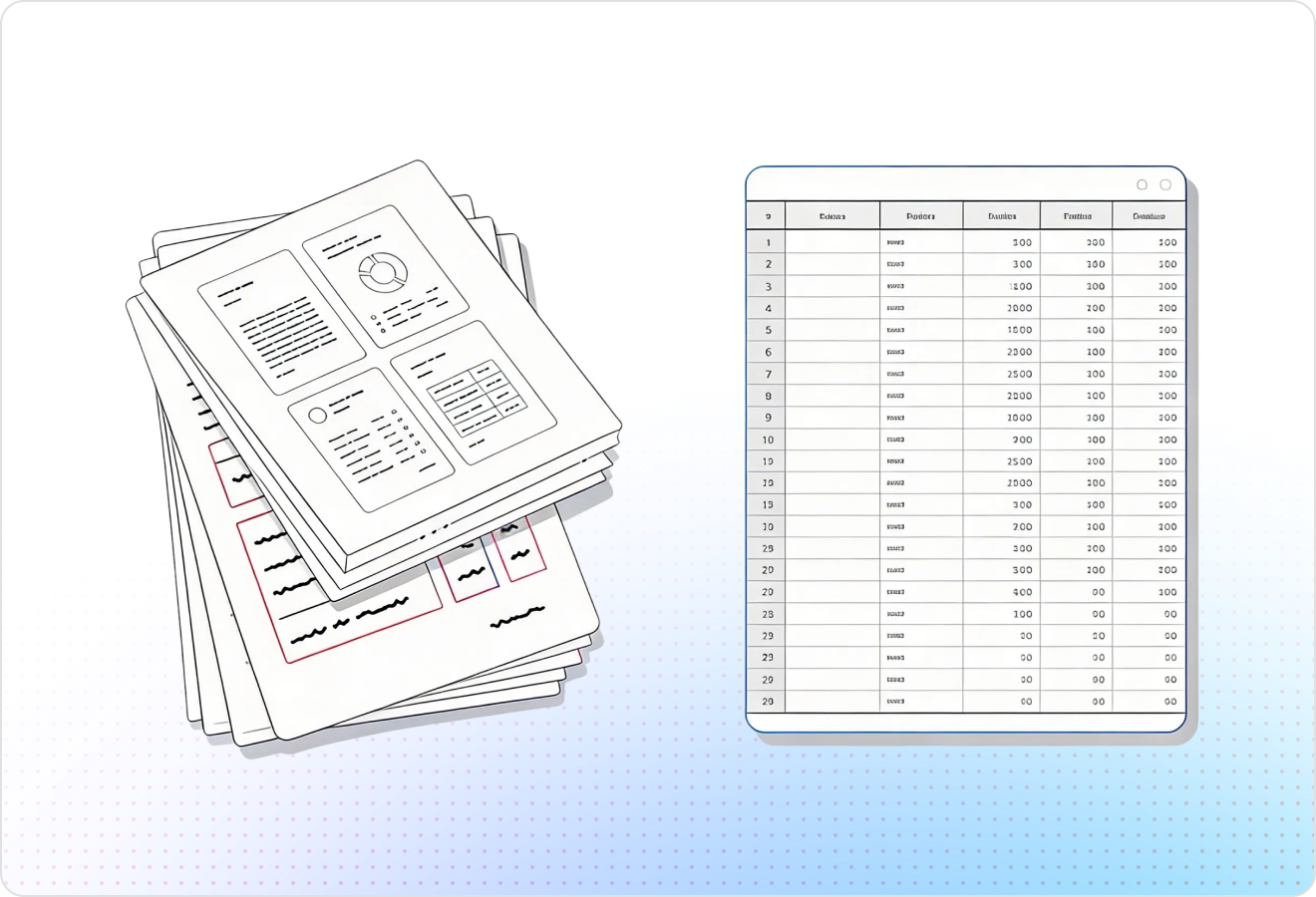
LlamaParse reconstructs transaction tables in original column order, keeping multi-line merchant names and running balances intact even when templates vary by bank.
02
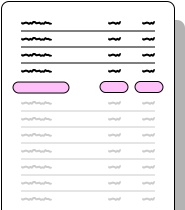
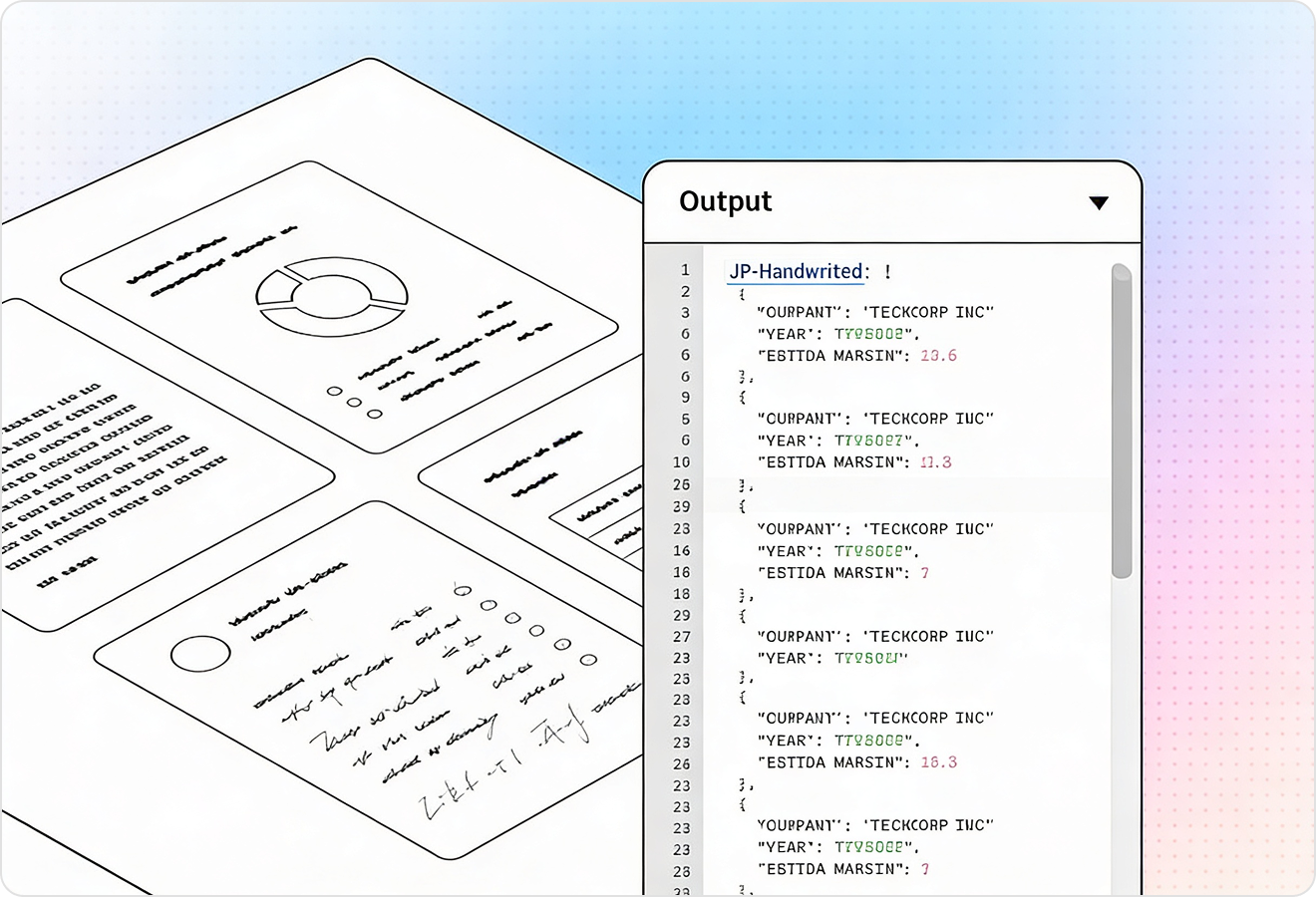
Each row's balance is checked against the one before it, using that row's debit or credit. Mismatches, often a misread digit or a dropped row, get flagged automatically instead of surfacing later as a reconciliation error.
03
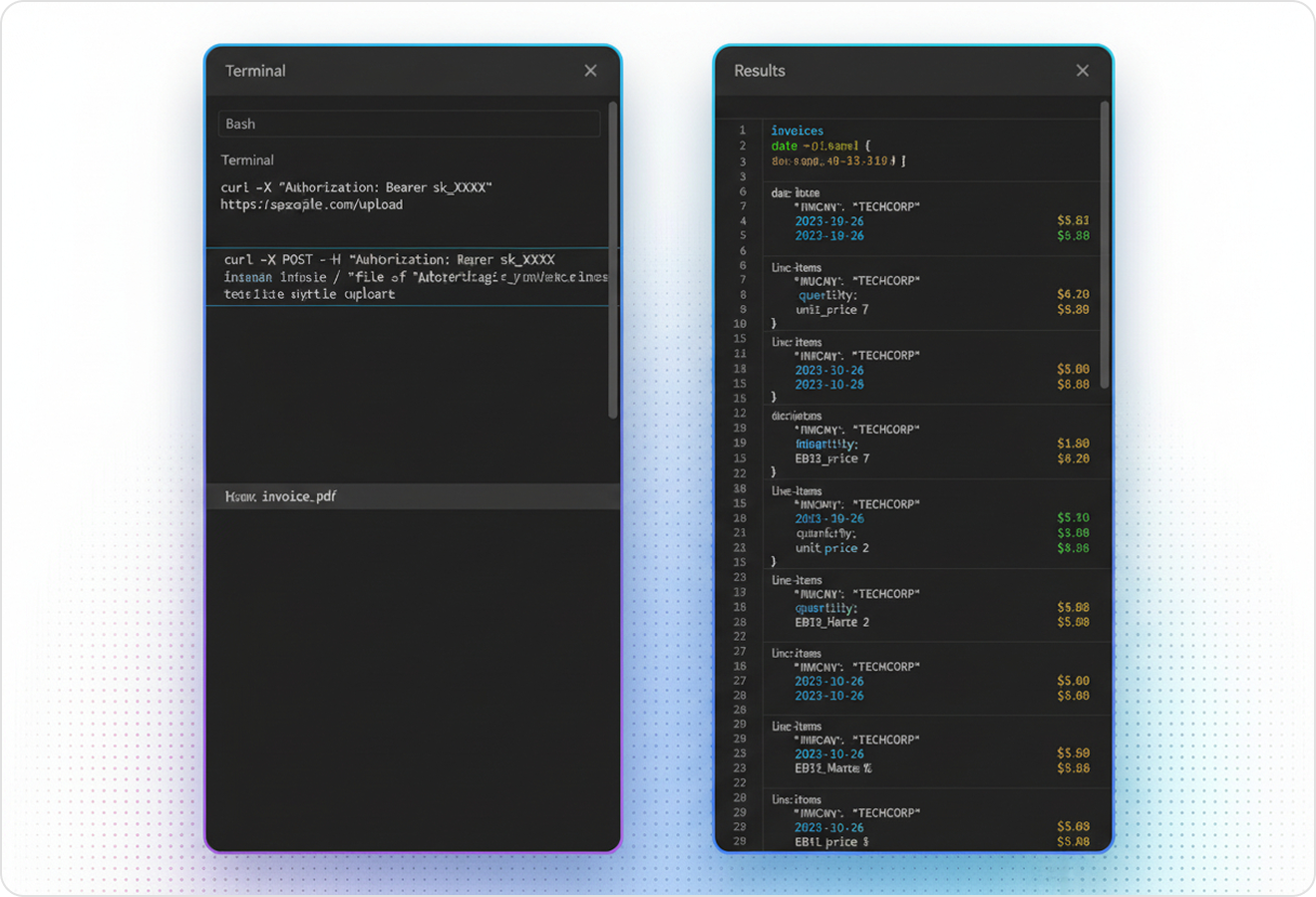
Every transaction and balance ships with page-level metadata, so reconciled totals and flagged exceptions trace back to an exact location in the source statement.
04
Pages route to the right mix of vision and language models, escalating only when a scan is noisy, skewed, or otherwise hard to read. Accuracy stays high without paying full cost on every page.
Technical OCR documentation
Explore our developer guides to easily connect your document pipelines to LlamaParse.
Explore the documentation
Our AI catches the typos that tired eyes miss.

Export to Excel, JSON, XML, or directly via API.

SOC2 Type II compliant with end-to-end encryption.

Train the tool on your specific forms in minutes, not days.

Average processing time of <3 seconds per page.
LlamaParse’s support of a wide variety of filetypes and its accuracy of parsing made it the best tool we tested in our evaluations. The LlamaIndex team was very responsive and we were off to the races within a day.
Common FAQs
01
Our layout-aware table extraction reconstructs transaction tables as they appear on the page, preserving column order, multi-line descriptions, and running balances. This helps you reliably capture date, description, debit/credit, and balance even when banks update templates or use multi-column formats.
02
Yes. Agentic Parsing Auto Mode adapts per page, using the right combination of vision and language models and escalating only when a page is visually complex. You get high accuracy on tough pages without paying maximum cost for every clean page.
03
You’ll receive structured JSON plus page-level metadata like coordinates and document structure details. That means you can audit extractions, reconcile totals, and quickly route exceptions to review with clear references to the exact source location.
04
How do you handle common OCR errors like misread digits or broken rows that throw off balances?
Self-correction validation loops automatically check for inconsistencies such as impossible balances, split rows, or likely digit errors and attempt fixes before results are returned. This reduces manual cleanup and improves straight-through processing for reconciliation and underwriting workflows.
05
What happens when a statement spans multiple pages or repeats headers and footers?
The parser understands page structure and can separate transaction content from repeated elements like headers, footers, and page numbers. It also keeps continuity across pages so tables don’t restart incorrectly or merge into the wrong rows.
06
How quickly can we integrate this into our pipeline and set up review for edge cases?
You can start by consuming the JSON output in your existing ETL or underwriting systems, then use the included metadata to power a simple review flow for low-confidence fields. Most teams get to a reliable first deployment fast, then iterate on validation rules and exception handling as volume grows.