Nov 14, 2025
Document AI: The Next Evolution of Intelligent Document ProcessingPersona
Industry
Use cases
Certificate Of Organization OCR
[ Certificate Of Organization OCR ]

Use LlamaParse to turn messy filings into verified, structured fields your workflows can trust.
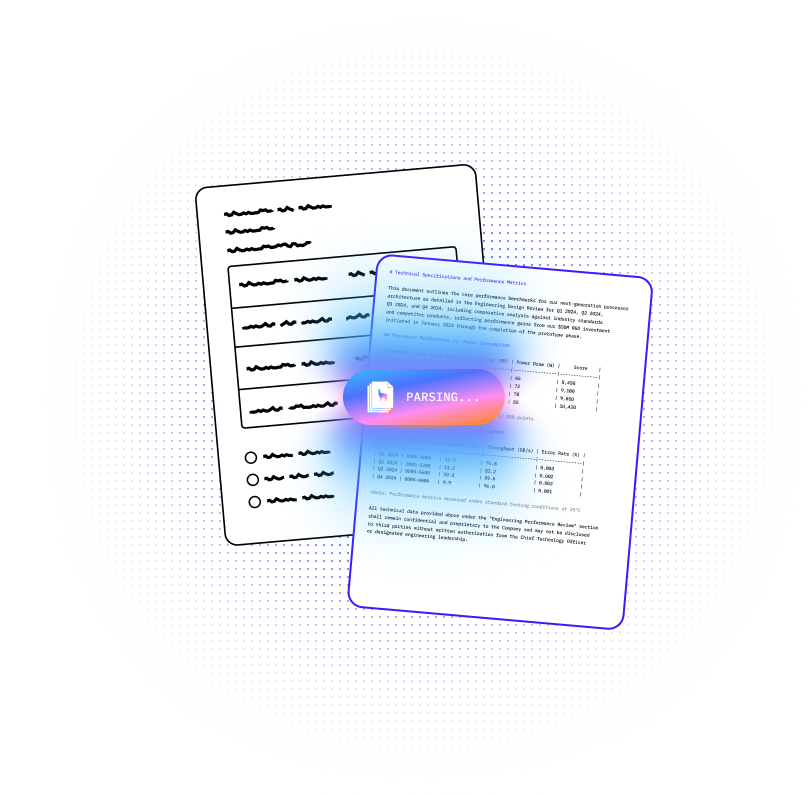


LlamaParse turns certificates of organization into reliable, structured fields like entity name, jurisdiction, filing date, and registered agent, ready for downstream systems. It uses layout-aware vision plus agentic validation loops to handle stamps, tables, and messy scans, reducing manual review with traceable outputs.
Best-in-Class Accuracy

Automate Certificate of Organization intake by parsing filings into clean JSON fields like entity name, jurisdiction, effective date, and registered agent, so underwriting doesn’t stall on manual review. LlamaParse handles messy scans and multi-column state forms with layout-aware extraction and confidence-linked citations to speed decisions without increasing risk.

Turn client-provided Certificates of Organization into structured matter data, then automatically populate engagement letters, entity charts, and compliance checklists without paralegal re-keying. LlamaParse preserves reading order and table structure across state-specific templates, reducing downstream errors when drafting, filing, and updating corporate records.

Verify business identity and insurable interest by extracting official formation details directly from Certificates of Organization and syncing them to policy admin systems. LlamaParse’s validation loops and metadata-backed outputs reduce back-and-forth with brokers when documents are low-quality scans or include stamped annotations.

Standardize vendor onboarding by automatically extracting legal entity identifiers from Certificates of Organization and matching them to W-9s, bank letters, and sanction checks. LlamaParse converts inconsistent state filings into consistent Markdown/JSON, enabling fast exception routing when jurisdiction, entity type, or registered agent data doesn’t align.
The Solution
01
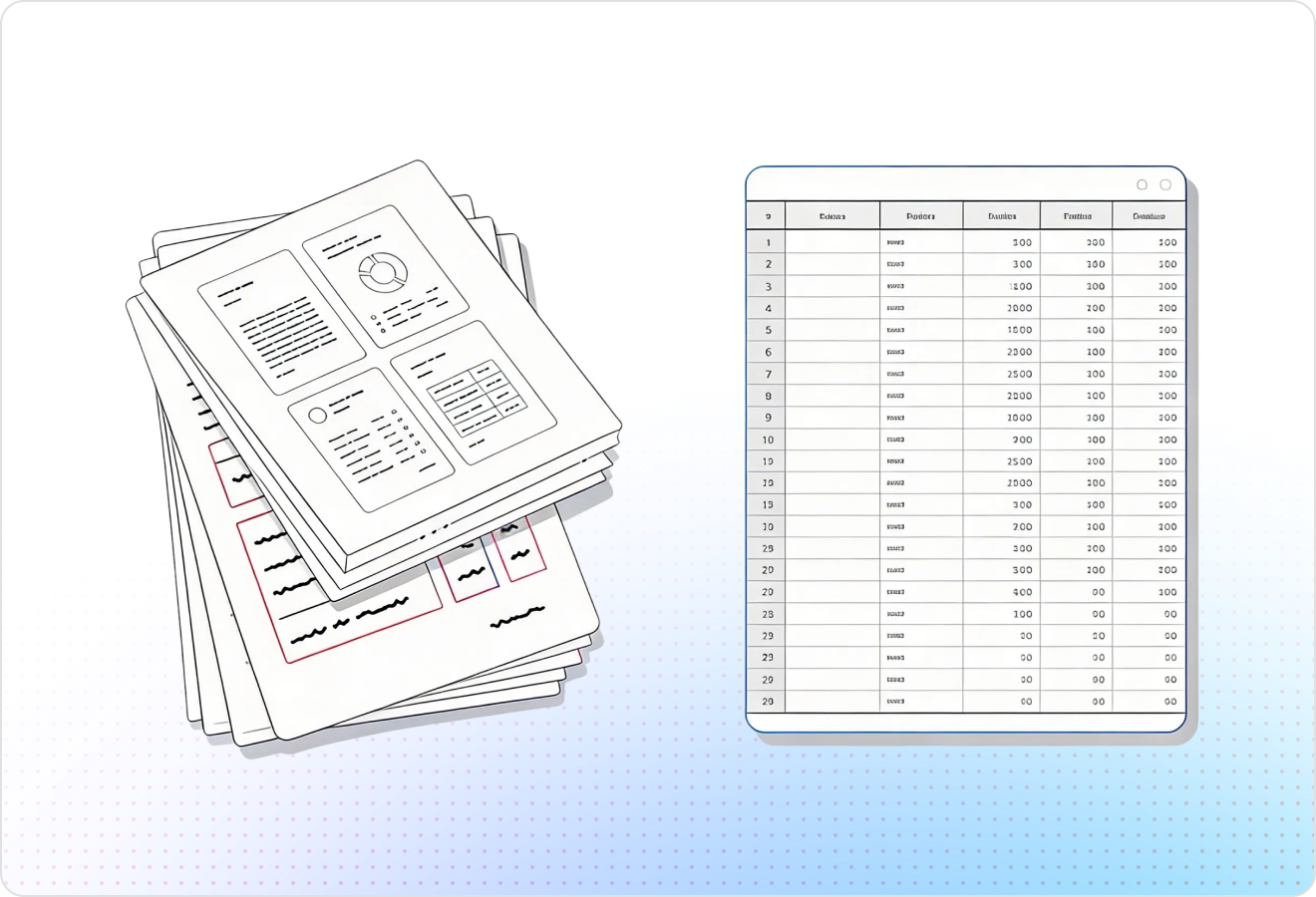
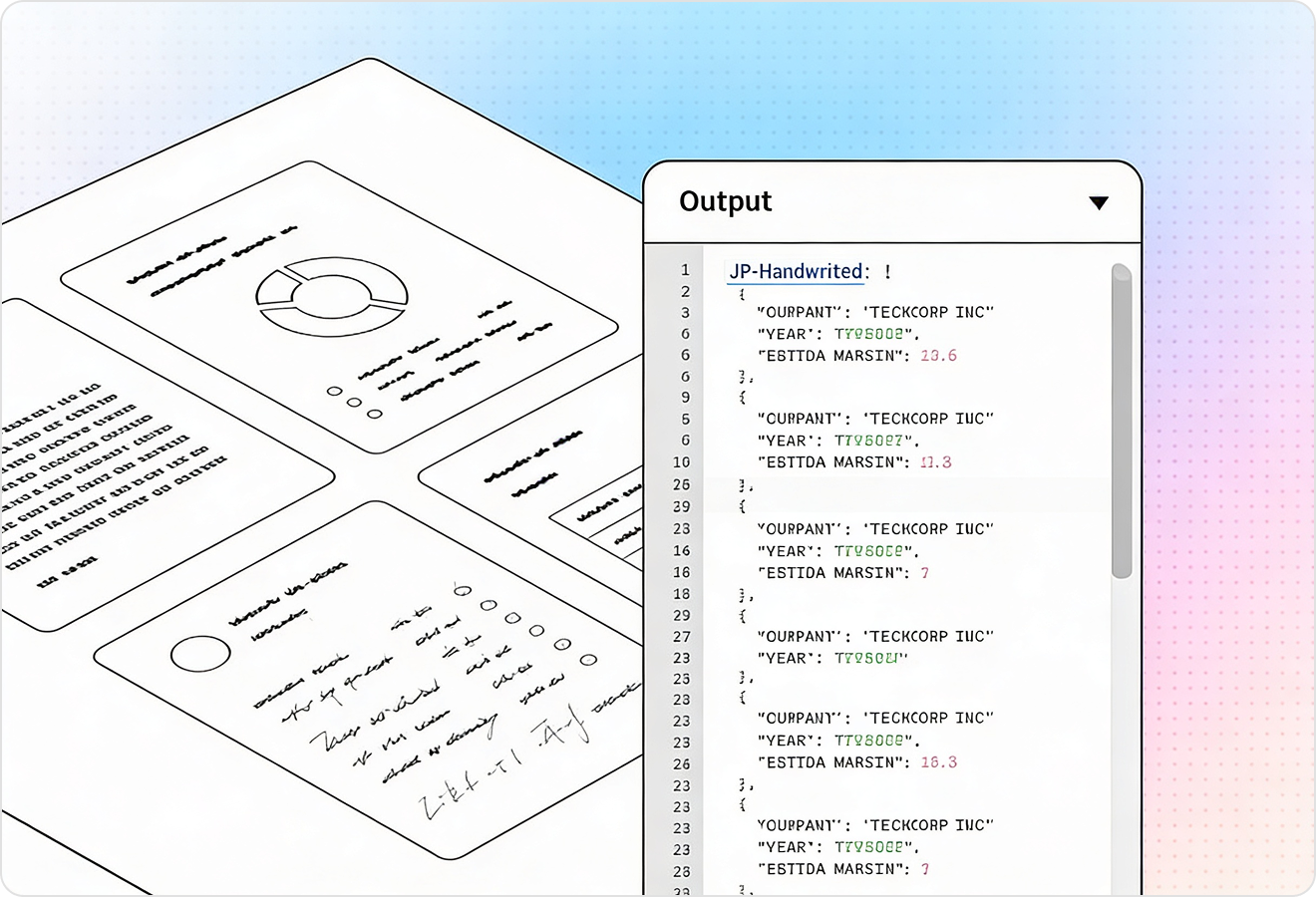
LlamaParse understands page layout so it extracts critical Certificate of Organization fields (entity name, jurisdiction, filing date, registered agent) in the right reading order, even when they’re scattered across headers, stamps, and sidebars. This prevents the common “scrambled text” problem that makes downstream validation and data entry unreliable.
02
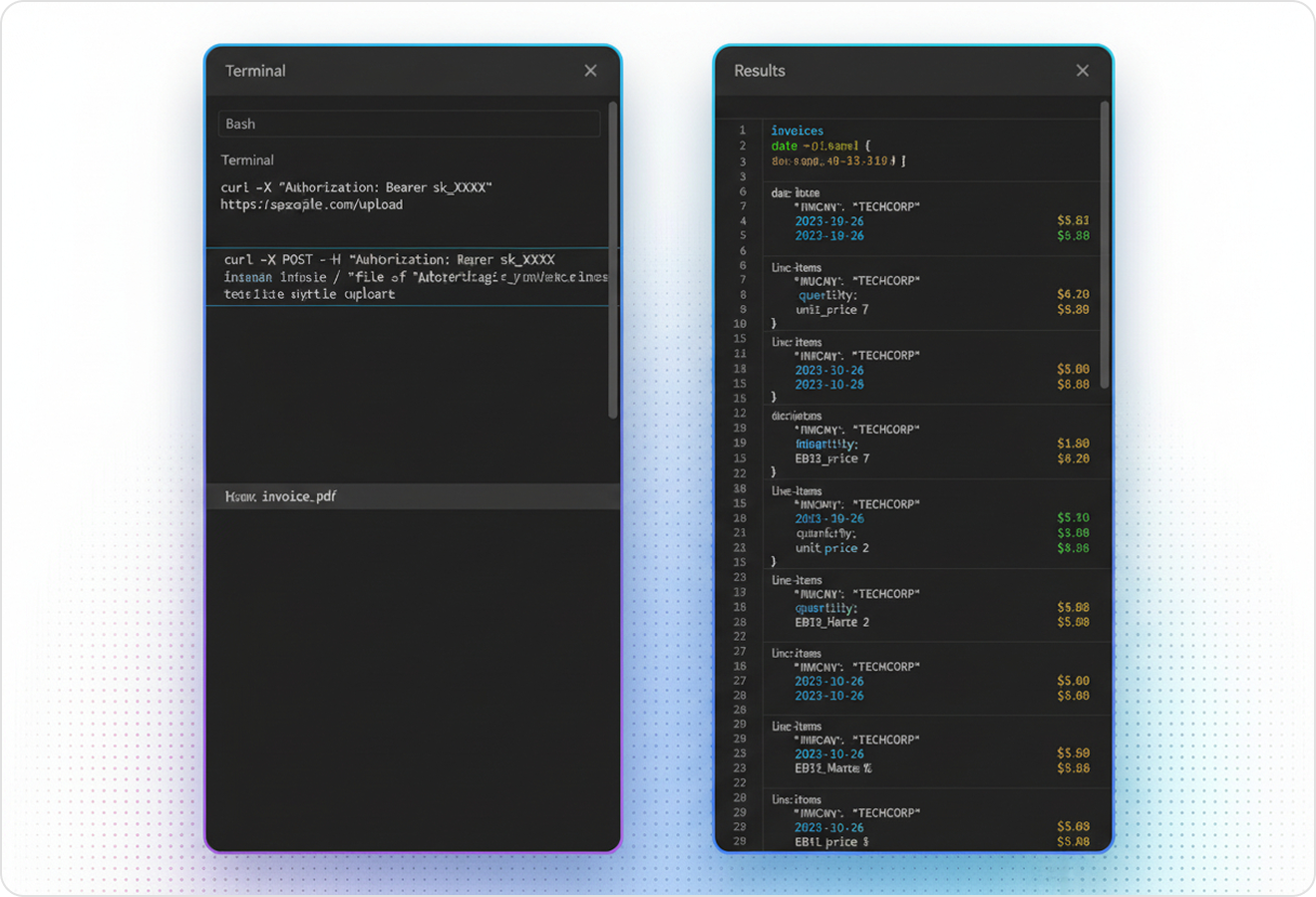
Emit clean JSON for the exact attributes you need from a Certificate of Organization, ready to map into your onboarding, KYC, or entity management schema. Each extracted value can include page references and coordinates so reviewers can quickly verify what was captured and where it came from.
03
Use natural-language parsing instructions to normalize and shape outputs, like “return the legal entity name as written” or “extract the registered agent’s full address as a single string.” This reduces custom regex and post-processing when certificate formats vary by state or filing portal.
04
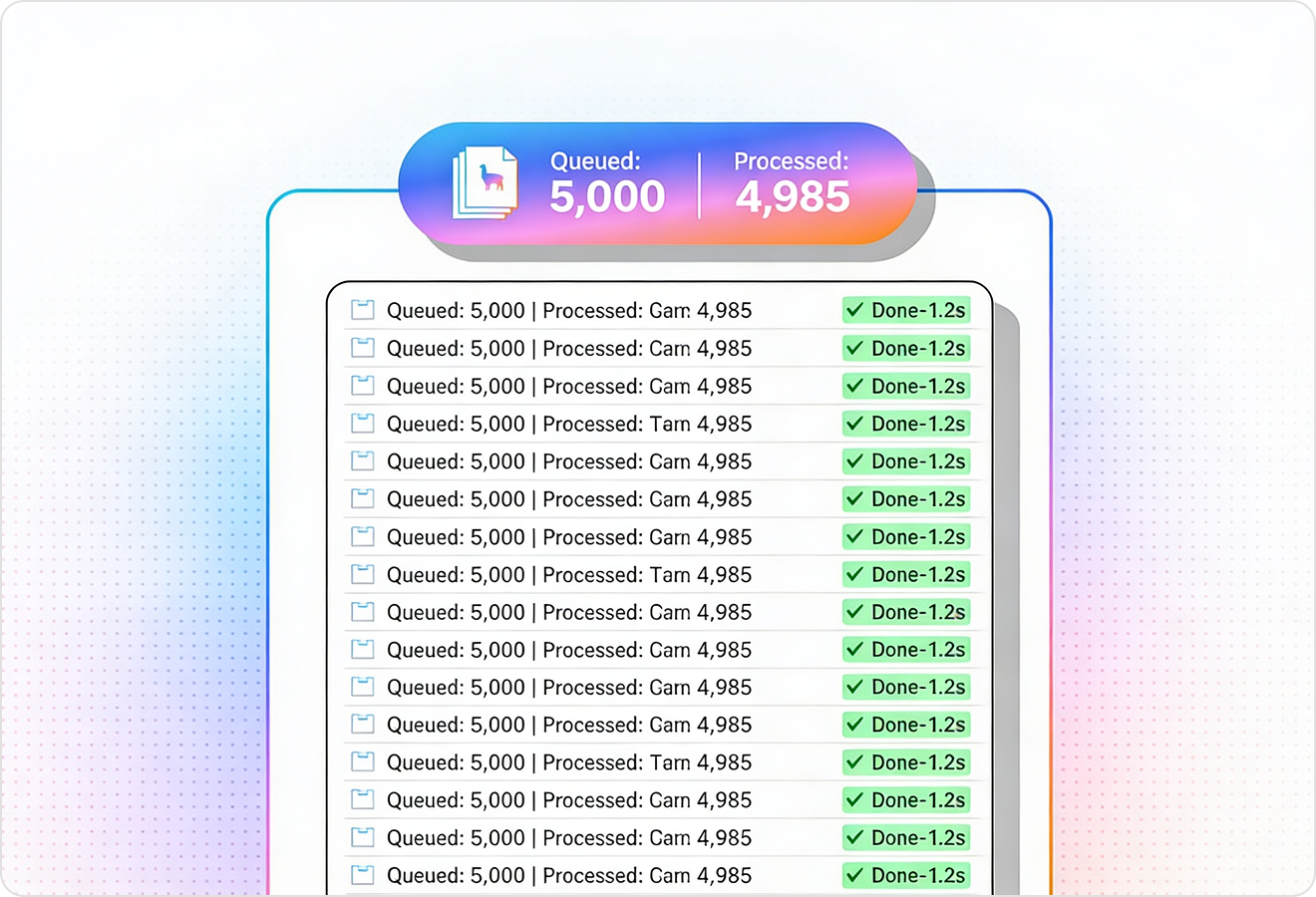
LlamaParse runs validation and self-correction steps to catch common scan issues like broken characters in entity names, misread filing numbers, or missing seals and stamps. That means fewer manual touch-ups and higher straight-through processing for certificate intake pipelines.
Technical OCR documentation
Explore our developer guides to easily connect your document pipelines to LlamaParse.
Explore the documentation
Our AI catches the typos that tired eyes miss.

Export to Excel, JSON, XML, or directly via API.

SOC2 Type II compliant with end-to-end encryption.

Train the tool on your specific forms in minutes, not days.

Average processing time of <3 seconds per page.
LlamaParse’s support of a wide variety of filetypes and its accuracy of parsing made it the best tool we tested in our evaluations. The LlamaIndex team was very responsive and we were off to the races within a day.
Common FAQs
01
No—layout-aware field capture reads the document in the correct visual order, even when key details appear in headers, stamps, or sidebars. That prevents “scrambled text” outputs that break validation and force manual re-entry.
02
You can extract critical attributes like the legal entity name, jurisdiction/state, filing date, filing number (when present), and registered agent details. You can also tailor the output to the specific fields your onboarding, KYC, or entity management workflow requires.
03
Yes—structured JSON output mode returns the exact attributes you request in a consistent schema. For fast review, each value can include page references and coordinates so your team can verify what was captured in seconds.
04
How do you handle different state formats and portal-generated certificates without building custom rules?
Instruction-guided extraction lets you define how values should be returned using plain language (for example, “return the legal entity name as written” or “combine the registered agent address into one line”). This reduces brittle regex and minimizes post-processing as formats vary by state.
05
What if the scan is low-quality—blurry text, broken characters, or missing-looking seals?
Auto correction loops run validation and self-correction steps to catch common scan issues like misread characters, incomplete names, or inconsistent numbers. The result is fewer exceptions and higher straight-through processing, even with imperfect inputs.
06
How do reviewers confirm the extracted data is accurate without re-reading the whole document?
Each extracted field can include where it came from on the page, making spot-checking fast and audit-friendly. That means your team can verify high-risk fields quickly and keep your certificate intake pipeline moving.