Nov 14, 2025
Document AI: The Next Evolution of Intelligent Document ProcessingPersona
Industry
Use cases
Bankruptcy Filing OCR
[ Bankruptcy Filing OCR ]

Use LlamaParse to turn messy petitions into structured fields with confidence scores you can trust.
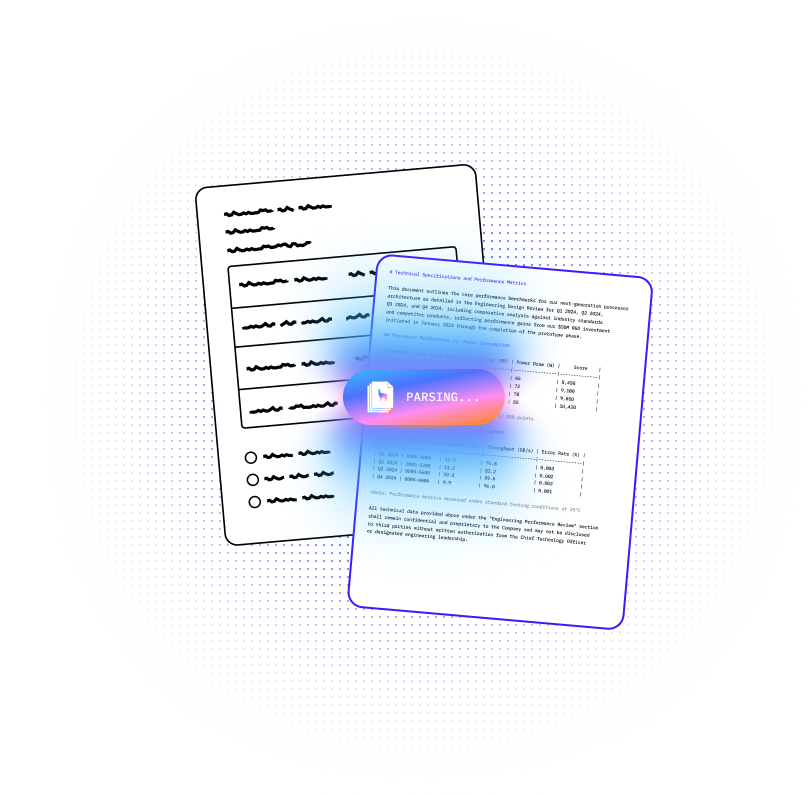


LlamaParse turns messy bankruptcy petitions, schedules, and statements into clean structured outputs you can search, reconcile, and review with confidence. It understands layout and tables, adds citations and confidence signals, and reduces manual rekeying without brittle templates or retraining.
Best-in-Class Accuracy

Parse bankruptcy petitions, schedules, and creditor matrices into clean JSON and Markdown with citations, so teams can instantly populate case management systems without manual rekeying. Layout-aware table extraction preserves line items like assets, liabilities, and executory contracts even when forms are multi-column or poorly scanned.

Automatically ingest bankruptcy filings to flag exposure, identify debtor entities, and extract priority claims and secured positions for faster risk decisions. Auto-correction loops and verifiable metadata reduce false positives that cause costly holds, buybacks, or missed covenant triggers.

Convert mixed-quality scanned filings into structured, searchable records while preserving reading order across headers, footers, and attachments for reliable public access. Granular page coordinates and confidence scores enable streamlined QC queues instead of blanket manual review of every document.

Ship document-driven bankruptcy products faster by using natural-language parsing instructions to extract exactly the fields your workflow needs, without brittle regex pipelines. Tier-based agentic processing keeps unit economics predictable by reserving heavier multimodal parsing only for the messy pages that actually need it.
The Solution
01
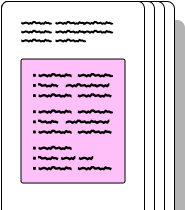
LlamaParse detects page structure in bankruptcy filings—multi-column sections, numbered items, headers/footers, and continuation pages—so extracted text stays in the right order. This prevents downstream mistakes when you’re reading petitions, schedules, and statements where a single shifted line can change meaning.
02
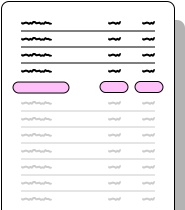
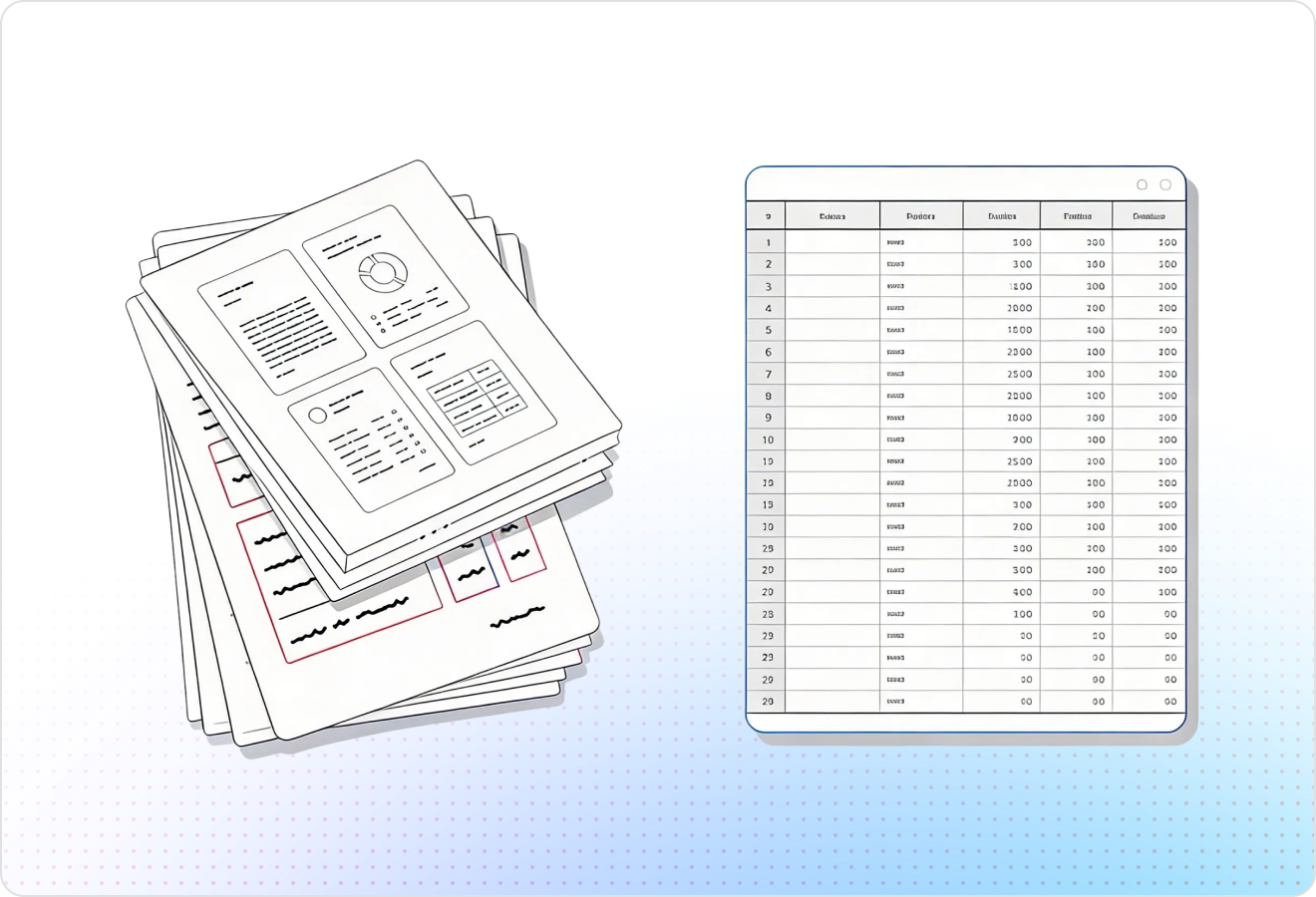
LlamaParse pulls complex tables into clean, consistent structures instead of the scrambled rows you get from fragile text extraction. That’s critical for bankruptcy schedules (assets/liabilities, creditor matrices, income/expenses) where you need totals and line items to reconcile correctly.
03
LlamaParse uses validation and self-correction steps to catch common scan issues like dropped lines, duplicated tokens, and misread amounts before returning results. For bankruptcy filings, this reduces manual review on high-stakes fields like claim amounts, case numbers, and filing dates.
04
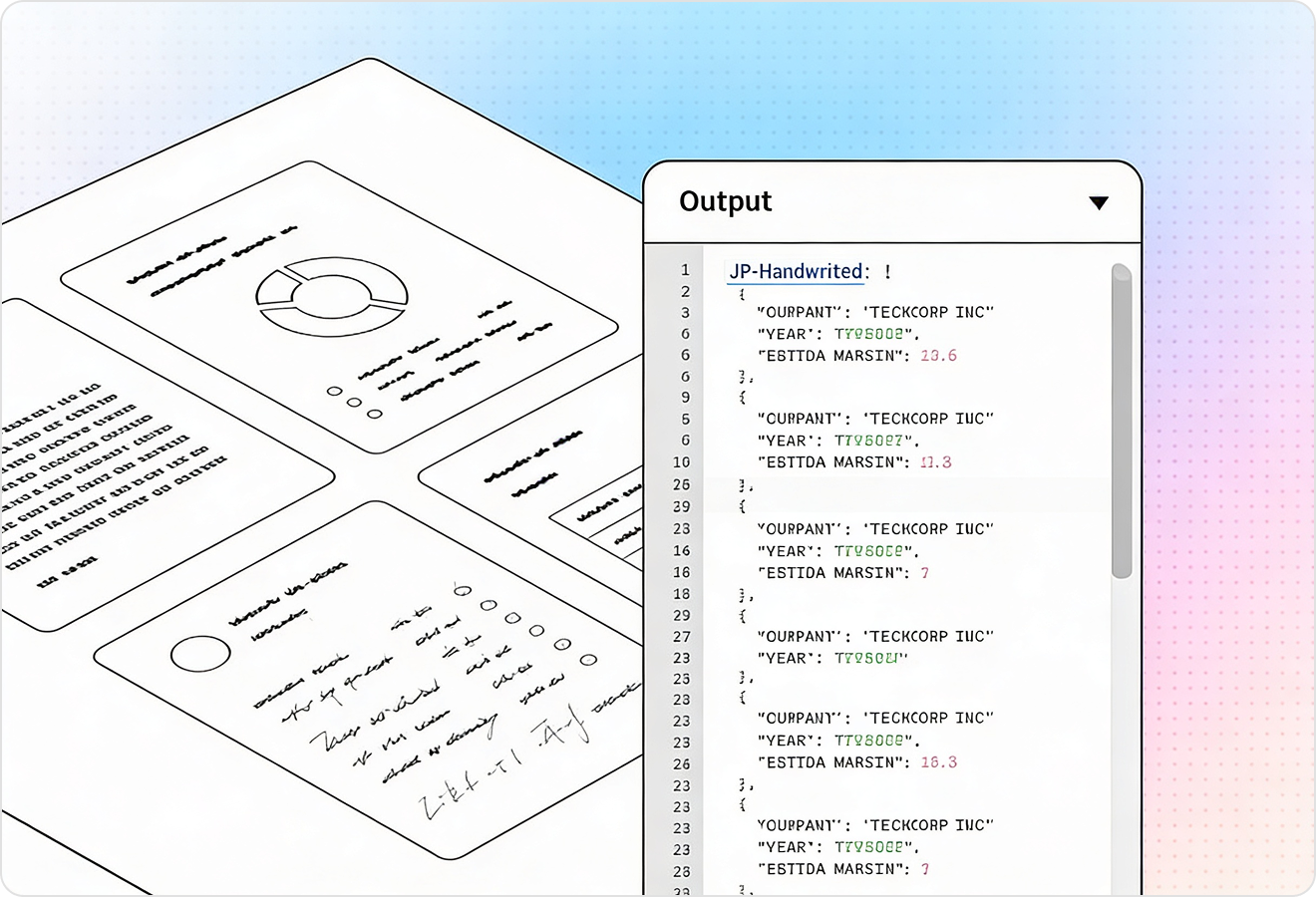
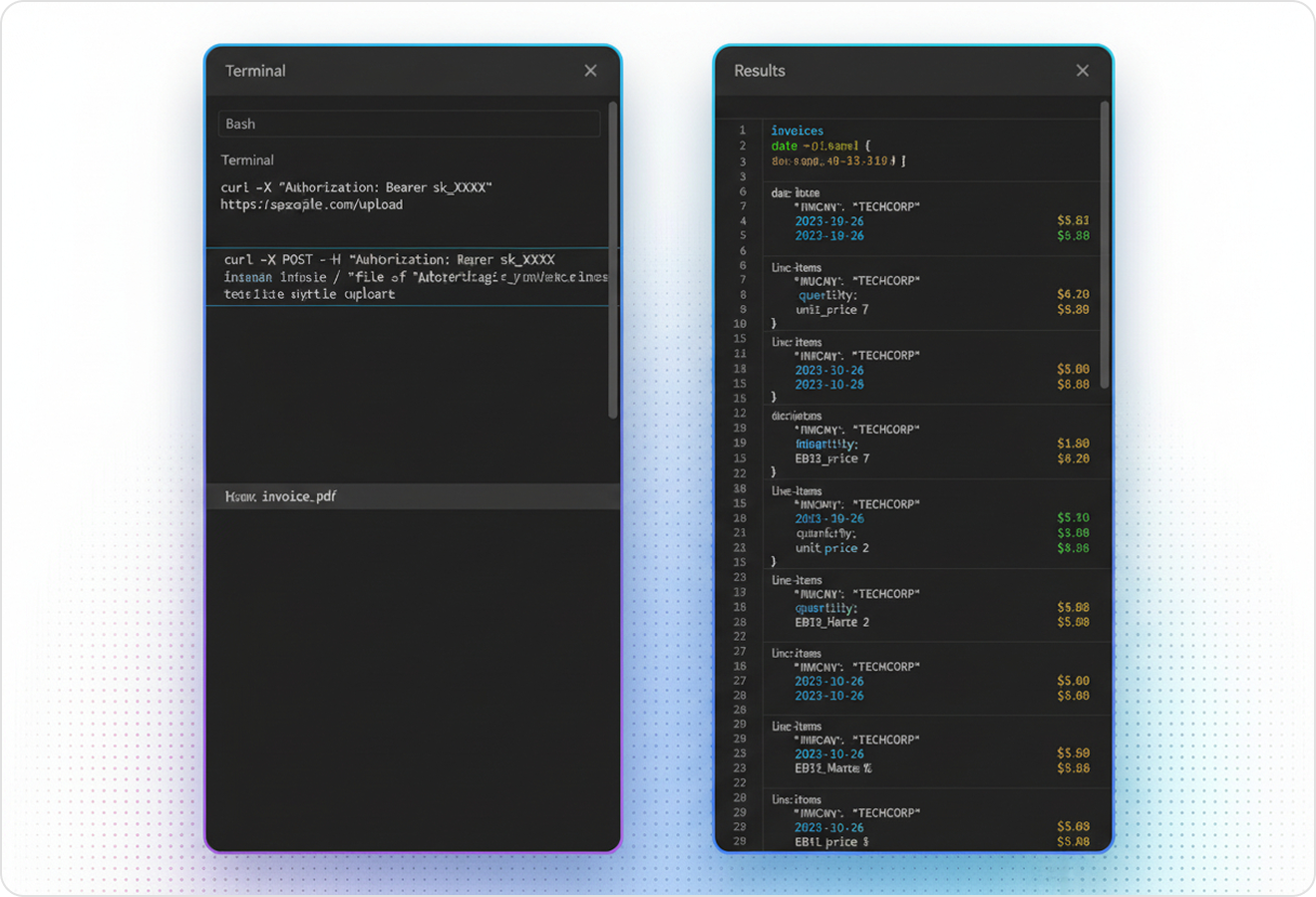
LlamaParse can emit structured JSON along with granular metadata like page references and element coordinates for each extracted field. In bankruptcy workflows, that makes it straightforward to audit extracted values against the original filing and route low-confidence items to human review.
Technical OCR documentation
Explore our developer guides to easily connect your document pipelines to LlamaParse.
Explore the documentation
Our AI catches the typos that tired eyes miss.

Export to Excel, JSON, XML, or directly via API.

SOC2 Type II compliant with end-to-end encryption.

Train the tool on your specific forms in minutes, not days.

Average processing time of <3 seconds per page.
LlamaParse’s support of a wide variety of filetypes and its accuracy of parsing made it the best tool we tested in our evaluations. The LlamaIndex team was very responsive and we were off to the races within a day.
Common FAQs
01
Our layout-aware form parsing detects columns, numbered items, headers/footers, and continuation pages so text stays in the intended sequence. That prevents common issues like values drifting into the wrong line item on petitions, schedules, and statements.
02
Yes—reliable table extraction converts complex schedules into clean, consistent structures instead of jumbled text. This makes it easier to reconcile line items and totals for assets, liabilities, creditor lists, income, and expenses.
03
Auto-correction loops validate results and self-correct common scan errors like missing lines, duplicated tokens, and misread numbers before returning output. That reduces manual cleanup on high-stakes fields such as claim amounts, case numbers, and filing dates.
04
Do you provide structured JSON output that’s easy to map into our bankruptcy workflow?
You can receive structured JSON for predictable downstream processing, with fields organized in a consistent schema. This speeds up integrations with case management, claims processing, review queues, and analytics pipelines.
05
How can we audit extracted values and prove they match the original filing?
Each extracted field can include citations such as page references and element coordinates, making it easy to trace any value back to the source document. This supports defensible QA and faster spot-checking for compliance and internal review.
06
Can we route low-confidence or exception items to human review without reprocessing the entire document?
Yes—granular metadata lets you flag and triage only the fields that need attention while accepting the rest automatically. That keeps turnaround times fast while maintaining accuracy where it matters most.