Nov 14, 2025
Document AI: The Next Evolution of Intelligent Document ProcessingPersona
Industry
Use cases
Loan Amortization Schedule OCR
[ Loan Amortization Schedule OCR ]

Use LlamaParse to turn amortization PDFs into clean, validated tables your systems can trust.
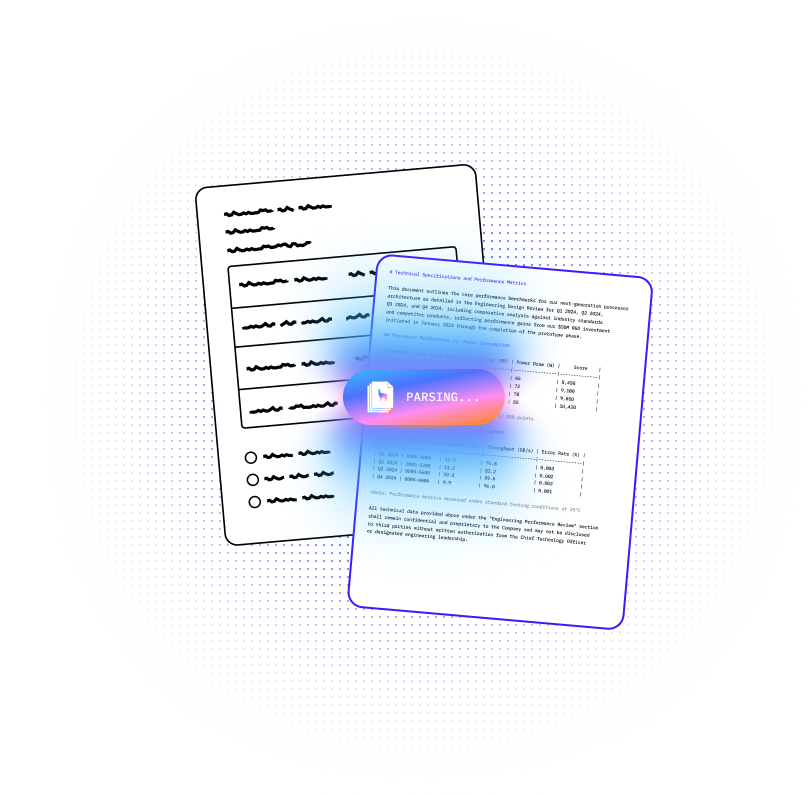
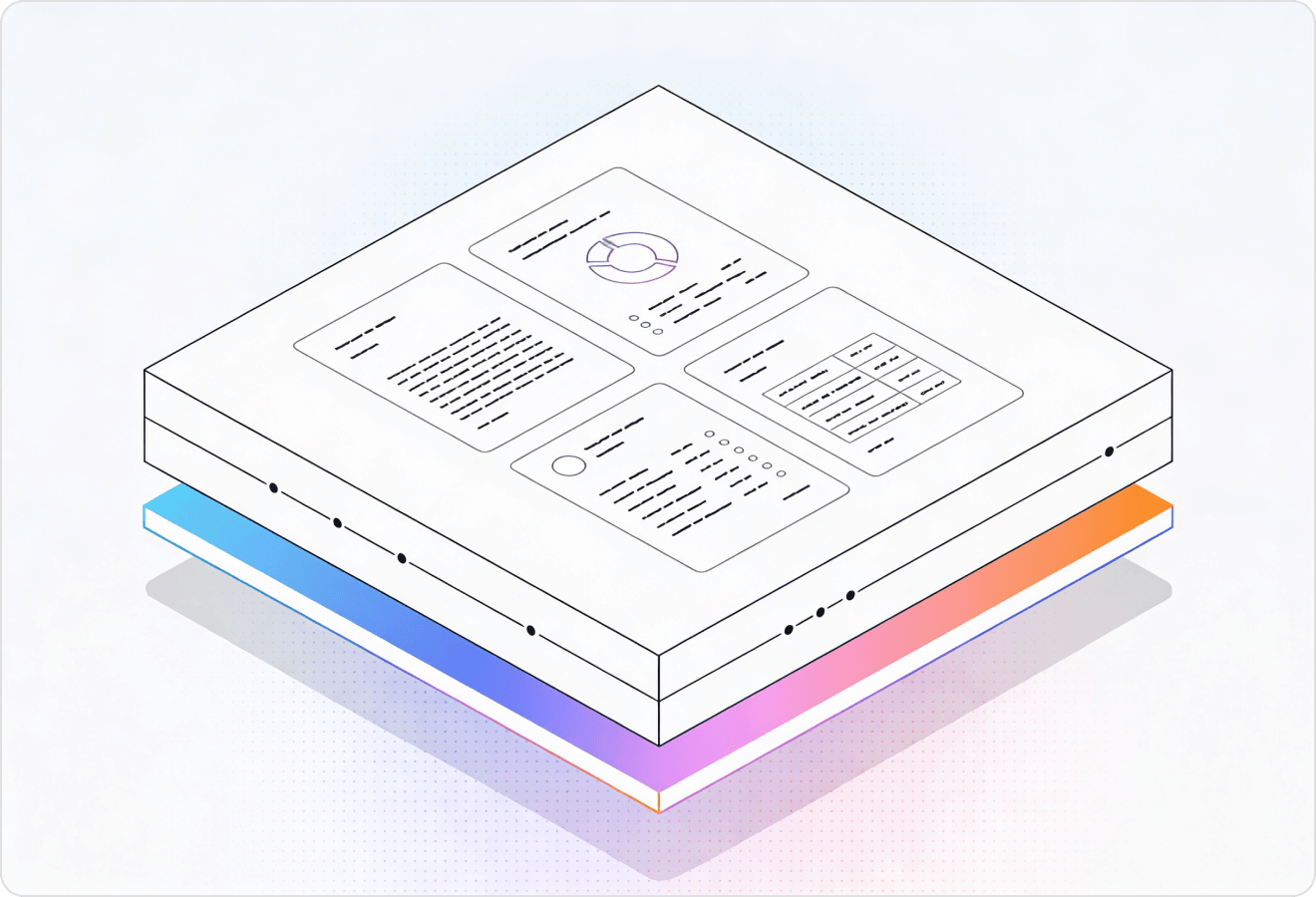

LlamaParse turns messy loan amortization tables into clean, verified JSON you can trust for underwriting, servicing, and audit-ready analytics. Its agentic document parsing understands layout, checks totals and dates with validation loops, and returns citations and confidence for fast review.
Best-in-Class Accuracy

Use LlamaParse in LlamaCloud to turn borrower-provided amortization schedules into clean JSON and Markdown tables that preserve row/column integrity, even when the PDF layout changes across lenders. This eliminates manual re-keying and reduces payoff, escrow, and modification errors by keeping every payment line item traceable with page-level metadata.

Automatically parse seller loan packages and amortization schedules to normalize payment timing, interest splits, and balloon terms into a standardized model-ready dataset. Teams can underwrite faster by comparing scenarios across properties without spreadsheet cleanup caused by multi-column scans and inconsistent table formats.

Ingest amortization schedules for leases and term debt to extract principal/interest breakdowns and payment calendars into structured outputs suitable for ERP ingestion and reconciliation. Natural-language parsing instructions let finance teams enforce a consistent schema across banks and subsidiaries without building brittle regex pipelines.

Ship document-driven lending workflows faster by using LlamaParse Auto Mode to handle clean PDFs cheaply while upgrading only complex pages to agentic parsing for high accuracy. Startups can trigger automated validation loops and confidence-based review queues so amortization data flows into pricing, disclosures, and customer dashboards with minimal operations overhead
The Solution
01
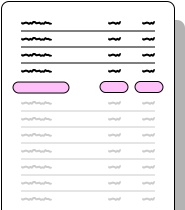
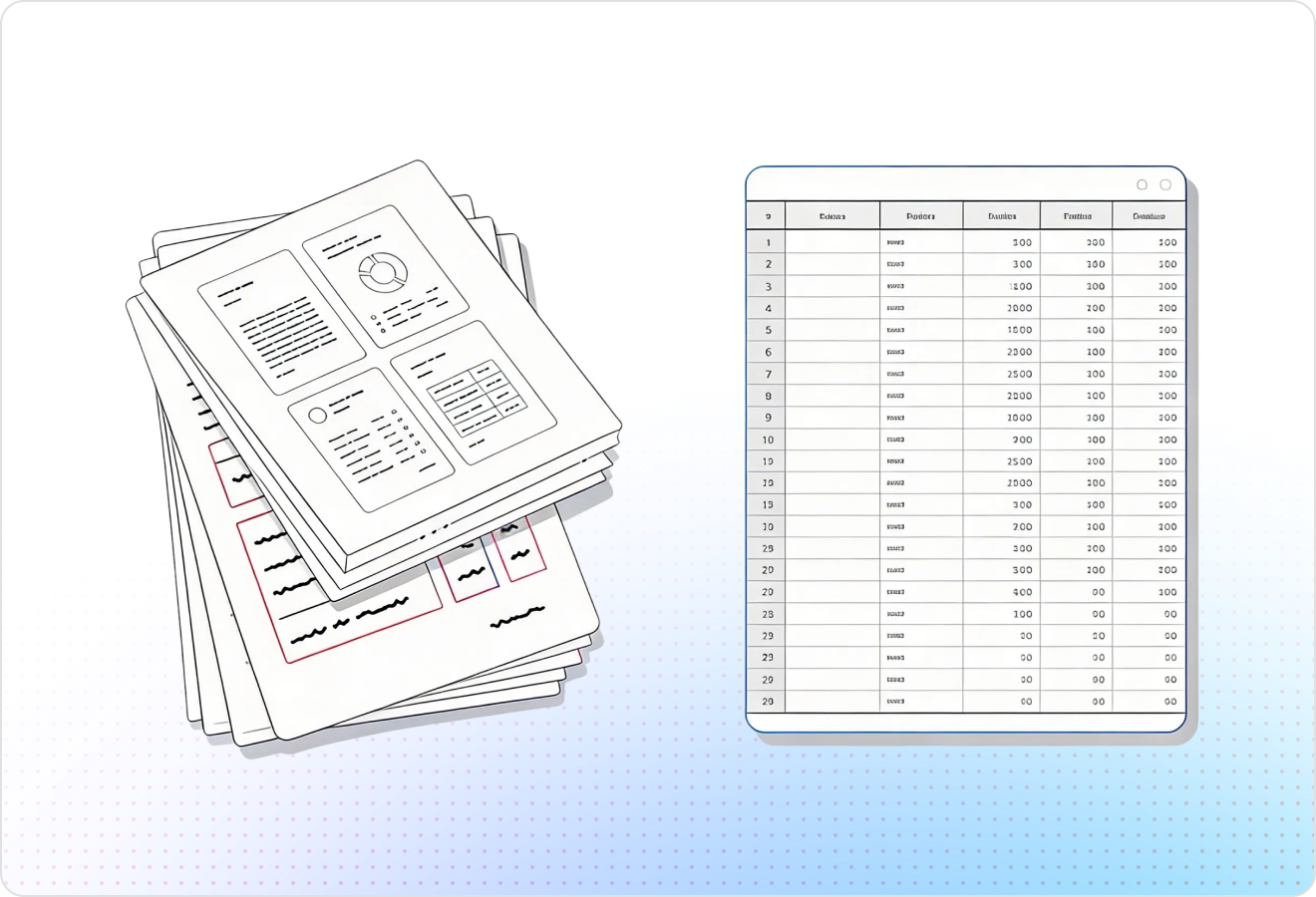
LlamaParse detects and reconstructs amortization tables without scrambling columns, even across multi-page PDFs and multi-column statements. You get clean, consistent rows for payment number, date, principal, interest, balance, and escrow so downstream calculations don’t break.
02
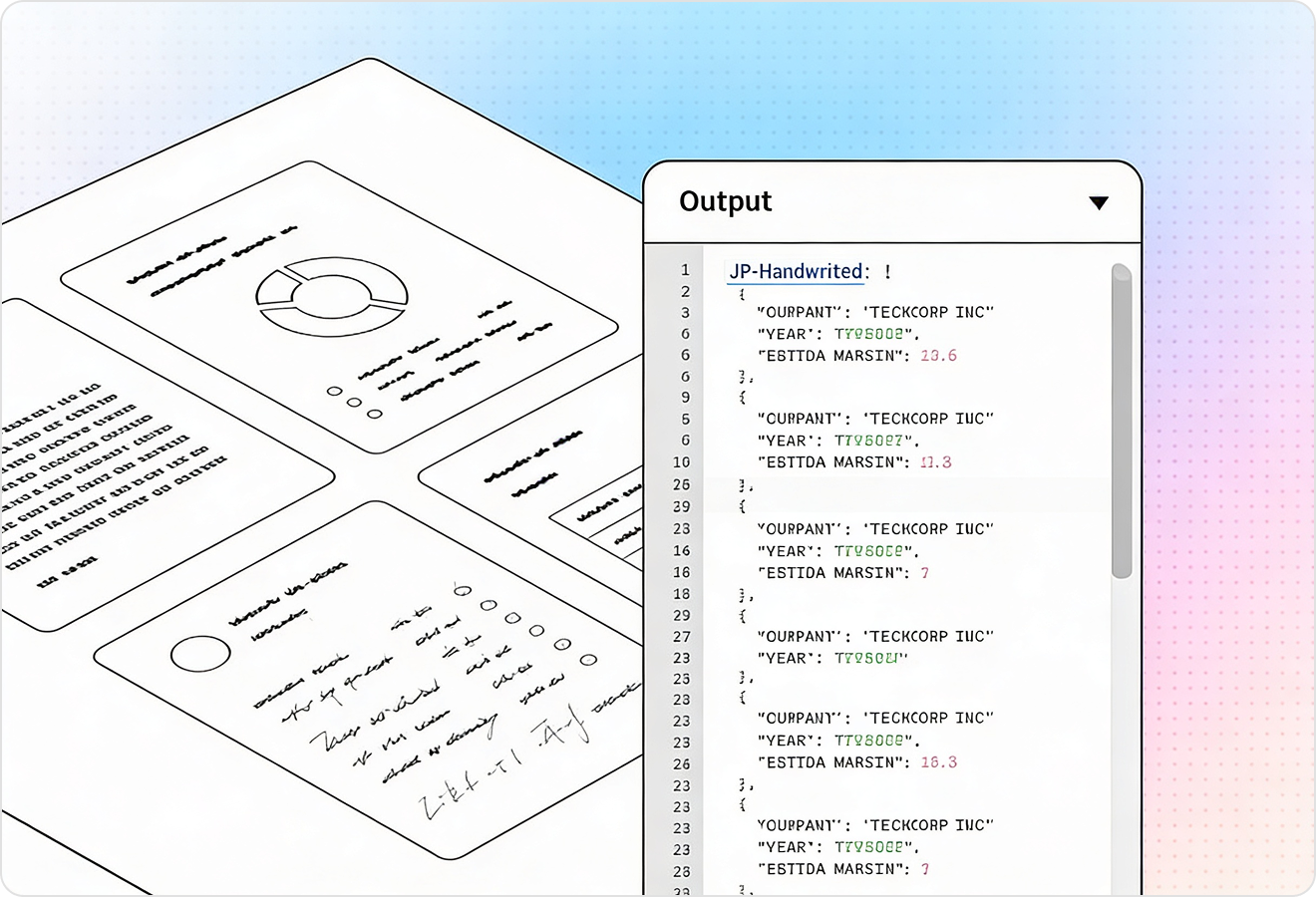
LlamaParse uses self-correction and validation steps to catch common document errors like shifted columns, missing rows, or misread decimals. That reduces reconciliation work when you’re verifying totals like ending balance or cumulative interest on a loan amortization schedule.
03
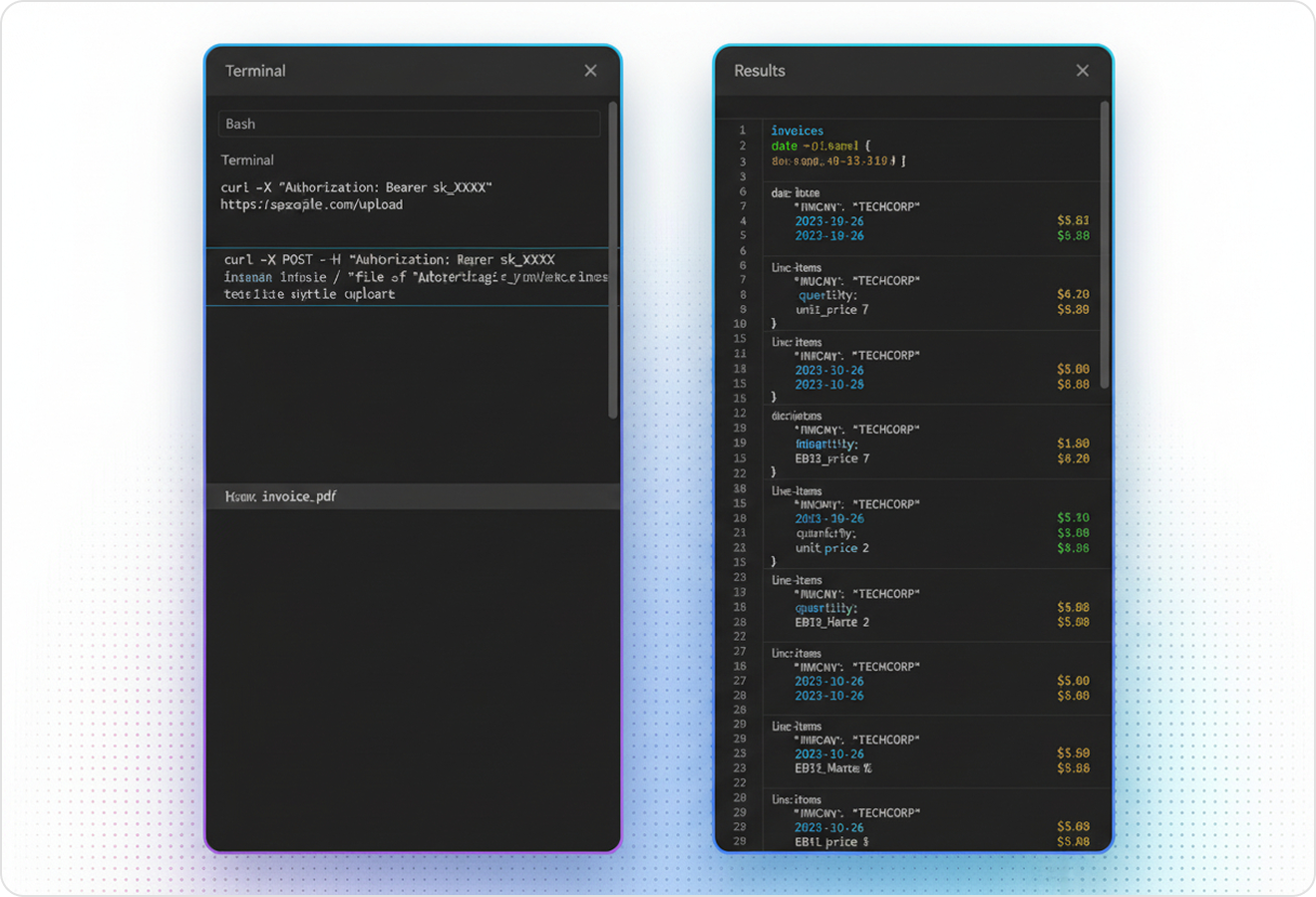
LlamaParse can return structured JSON for each schedule row, plus page-level citations and spatial metadata for every extracted value. That makes it straightforward to audit a specific payment line item back to the source page when underwriting, compliance, or QA flags a discrepancy.
04
With natural-language parsing instructions, you can tell LlamaParse exactly how to format amounts, dates, and columns (for example, enforce currency normalization and fixed schema keys). This keeps amortization schedules consistent across lenders and templates, so ingestion into your database or models is predictable.
Technical OCR documentation
Explore our developer guides to easily connect your document pipelines to LlamaParse.
Explore the documentation
Our AI catches the typos that tired eyes miss.

Export to Excel, JSON, XML, or directly via API.

SOC2 Type II compliant with end-to-end encryption.

Train the tool on your specific forms in minutes, not days.

Average processing time of <3 seconds per page.
LlamaParse’s support of a wide variety of filetypes and its accuracy of parsing made it the best tool we tested in our evaluations. The LlamaIndex team was very responsive and we were off to the races within a day.
Common FAQs
01
Yes—layout-aware table extraction reconstructs amortization tables without scrambling columns, even across multi-page PDFs and multi-column layouts. You get consistent rows for payment #, date, principal, interest, balance, and escrow so your calculations and imports don’t break.
02
Agentic validation loops automatically self-check and correct typical parsing errors, including shifted cells and decimal issues. This reduces manual reconciliation when you’re verifying totals like ending balance, cumulative interest, or escrow rollups.
03
Yes—each extracted value can include page-level citations and spatial metadata, so you can trace a number back to its source location. That makes reviews faster when underwriting, compliance, or QA flags a discrepancy.
04
Can I standardize dates, currency, and field names across different lenders and templates?
Absolutely—prompted field normalization lets you specify formatting rules and a fixed schema (e.g., currency normalization, date format, and consistent keys). The result is predictable, database-ready output even when schedules vary widely by lender.
05
What output format do you provide, and is it easy to use in my pipeline?
You can receive structured JSON for every schedule row, ready for ingestion into your database, underwriting models, or reconciliation tools. Because the schema can be enforced consistently, downstream mapping and validation are much simpler.
06
How much manual cleanup should we expect before we can trust the extracted schedule for calculations?
Most teams see a significant reduction in cleanup because tables are extracted with stable columns and then validated for common edge cases. You still retain full traceability to confirm any outliers quickly, which speeds up review cycles and improves confidence in the results.