Nov 14, 2025
Document AI: The Next Evolution of Intelligent Document ProcessingPersona
Industry
Use cases
Invoice Reader OCR
[ Invoice Reader OCR ]

Turn messy invoices into structured JSON with LlamaParse, complete with confidence scores and citations.
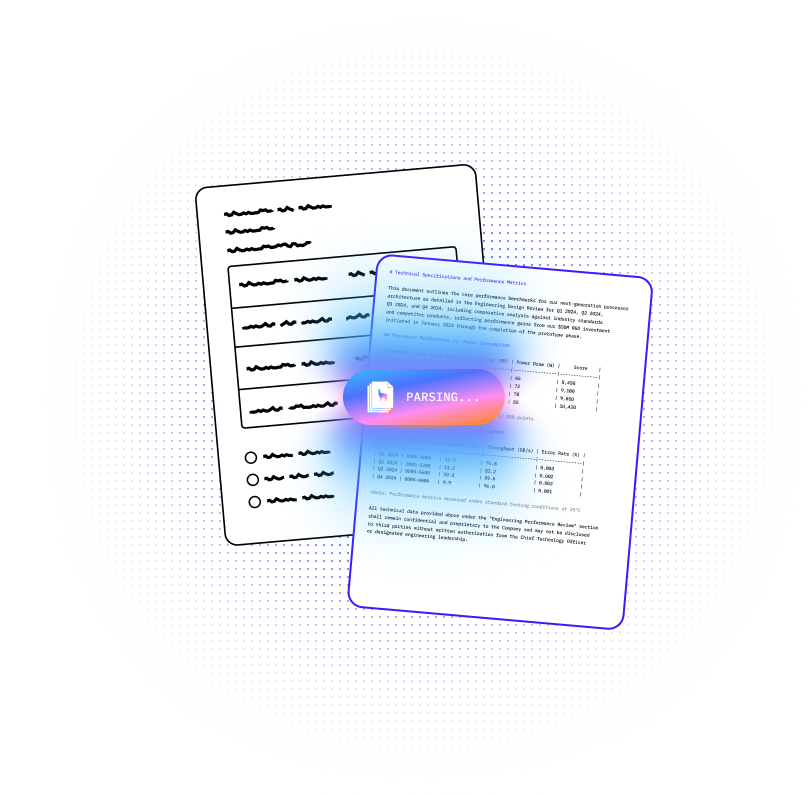

LlamaParse turns messy PDFs and scans into clean, schema-ready invoice JSON by understanding layout, line items, totals, and vendor fields. Agentic parsing adds validation loops and confidence metadata, so you ship fewer exceptions and scale straight-through processing without constant retraining.
Best-in-Class Accuracy

Use LlamaParse to turn emailed PDFs and vendor invoices into clean JSON with line items, taxes, and payment terms—ready for QuickBooks/Xero or your own AP workflow. Layout-aware extraction and auto-correction reduce “fix-it-in-spreadsheets” time and keep month-end close from becoming a recurring fire drill.

Parse carrier invoices and accessorial charges (fuel, detention, reweigh, customs fees) from messy multi-page PDFs where tables and reference numbers often break traditional OCR. With granular metadata and citations, teams can auto-match invoices to shipments and contracts, flag overcharges, and speed up dispute resolution.

Extract structured data from subcontractor invoices that include multi-column schedules of values, retainage, change orders, and job cost codes without scrambling tables. Natural-language parsing instructions let you standardize outputs across vendors so PMs can approve faster and accounting can post to the right project buckets on day one.

Convert vendor repair bills and medical or remediation invoices into verifiable, line-level data with confidence scores and source coordinates for audit-ready review. Multimodal parsing captures embedded photos, diagrams, and annotated totals so adjusters can validate scope and pricing without manual re-keying.
The Solution
01
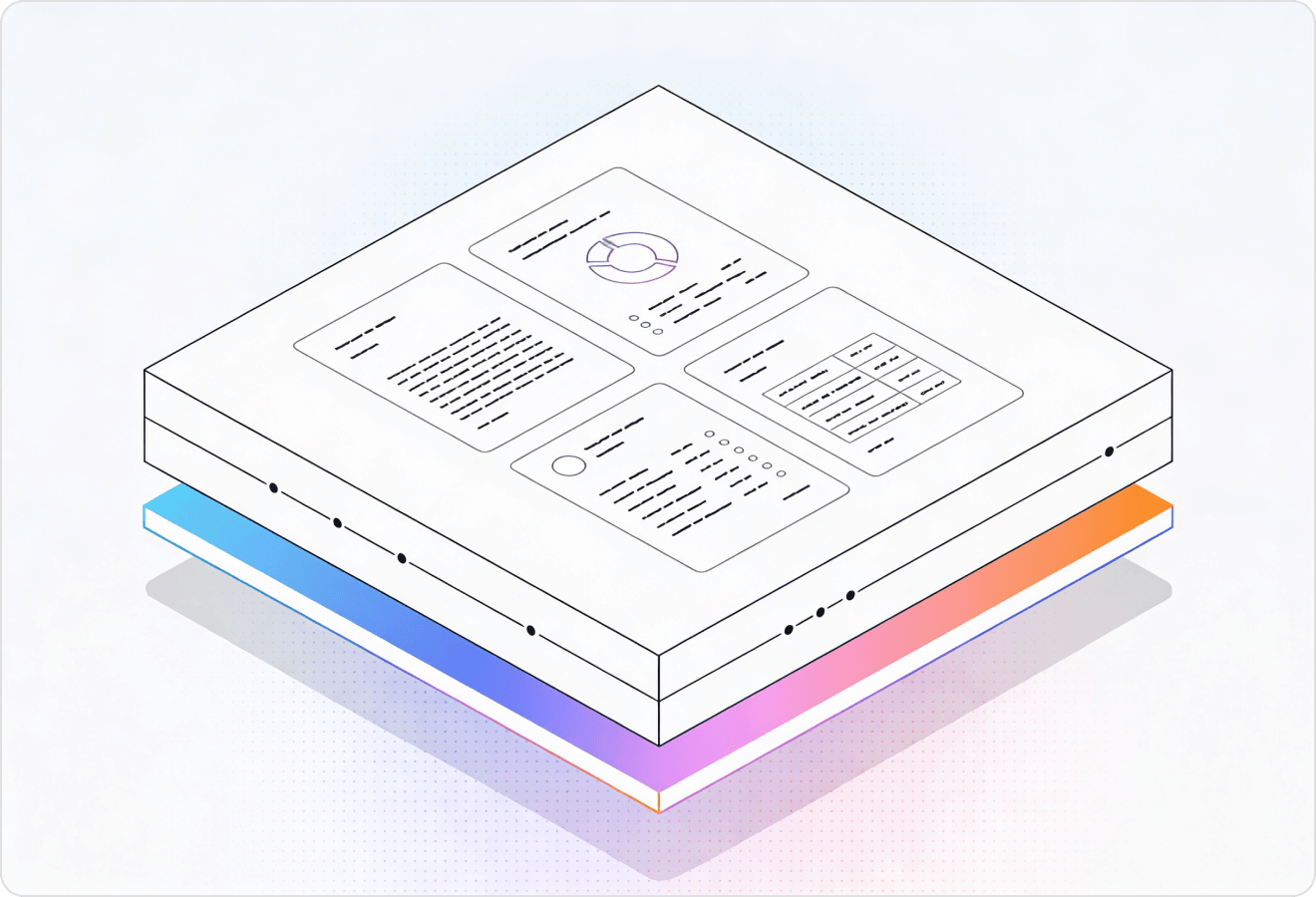
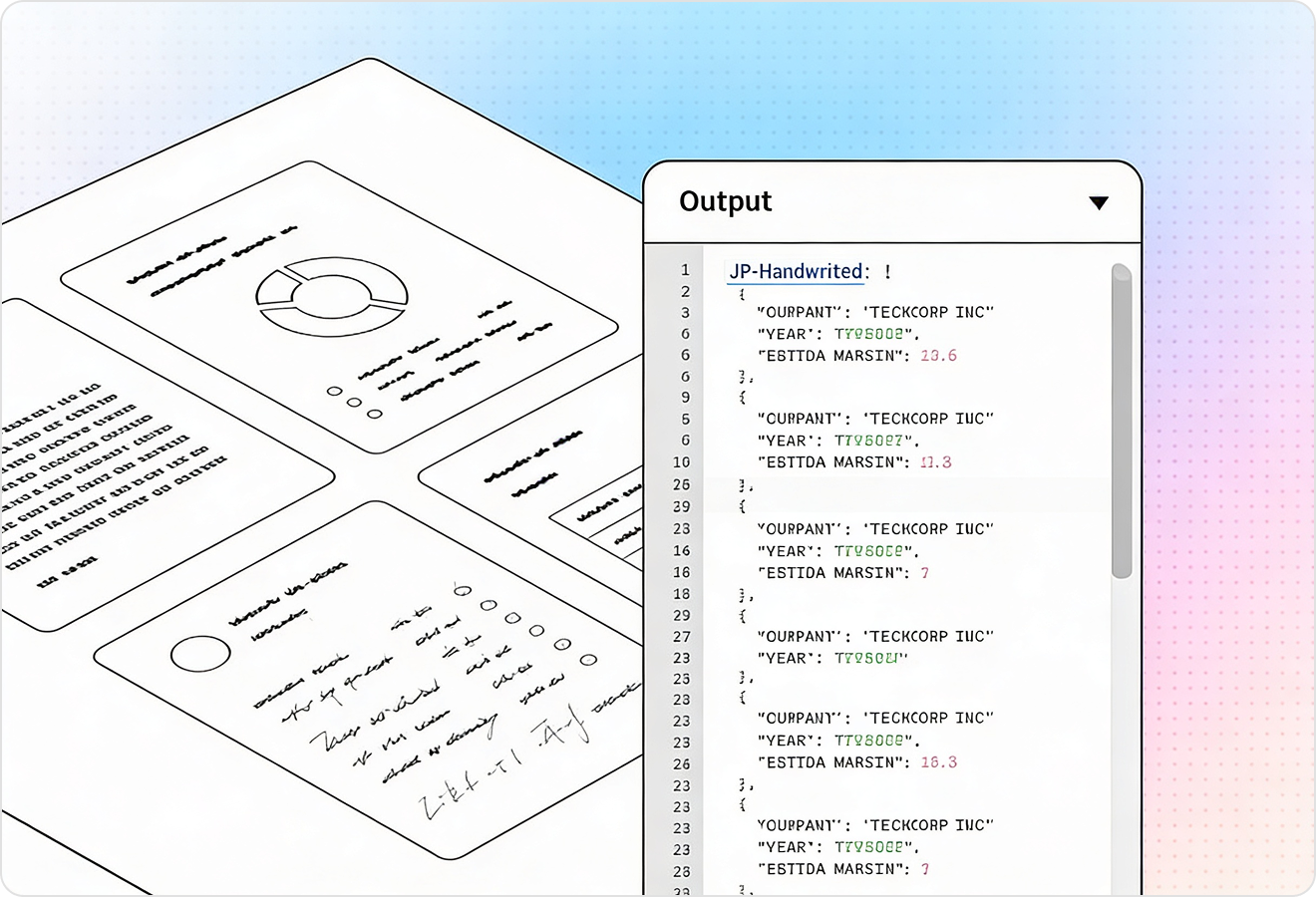
LlamaParse understands invoice layouts (headers, footers, multi-column sections) and preserves the correct reading order instead of returning scrambled text. That means you can reliably capture vendor details, invoice numbers, dates, and totals even when templates change.
02
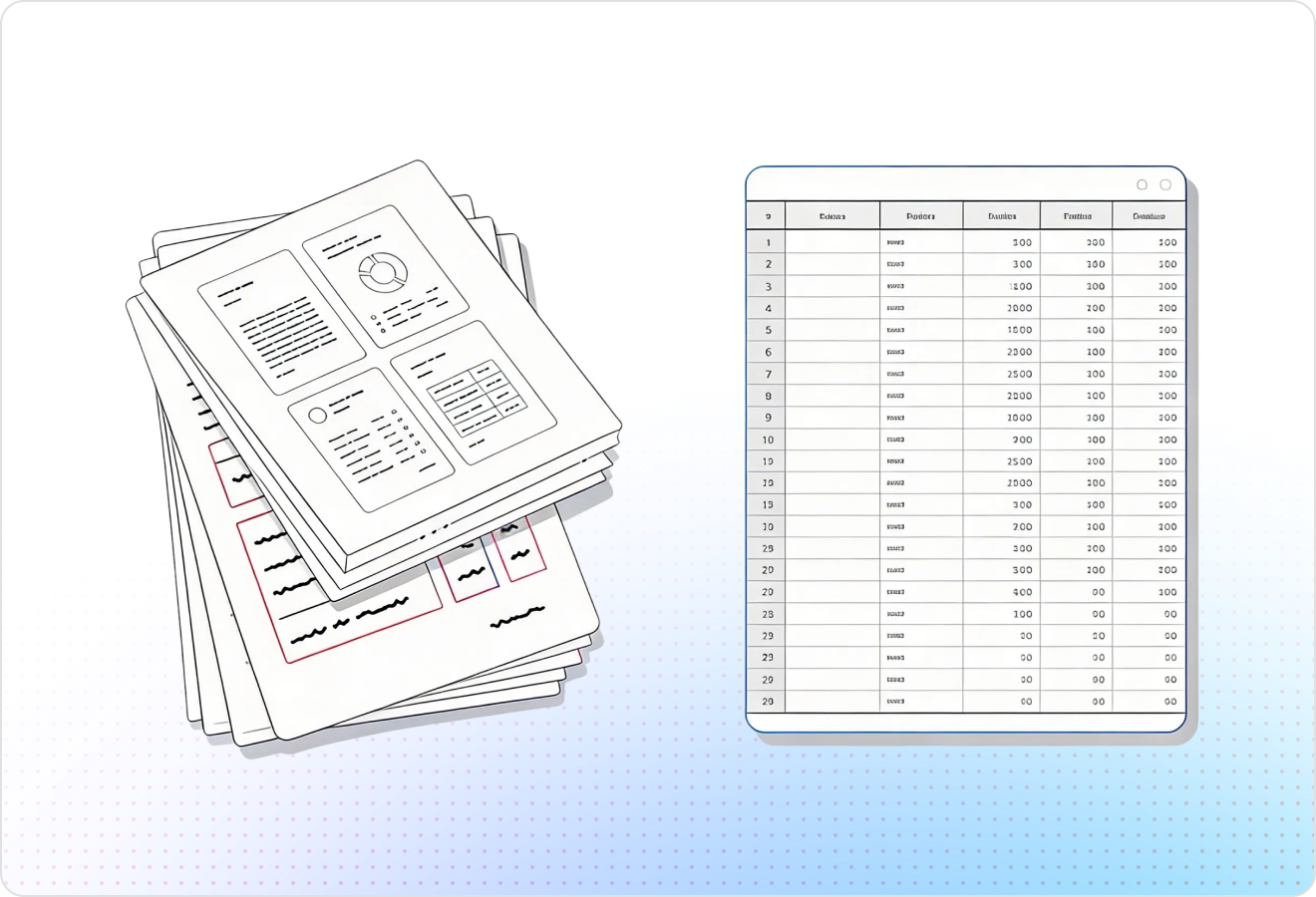
It accurately extracts complex line-item tables—descriptions, quantities, unit prices, taxes, and discounts—without losing row/column structure. This eliminates brittle post-processing and makes downstream matching to POs and ERP fields far more dependable.
03
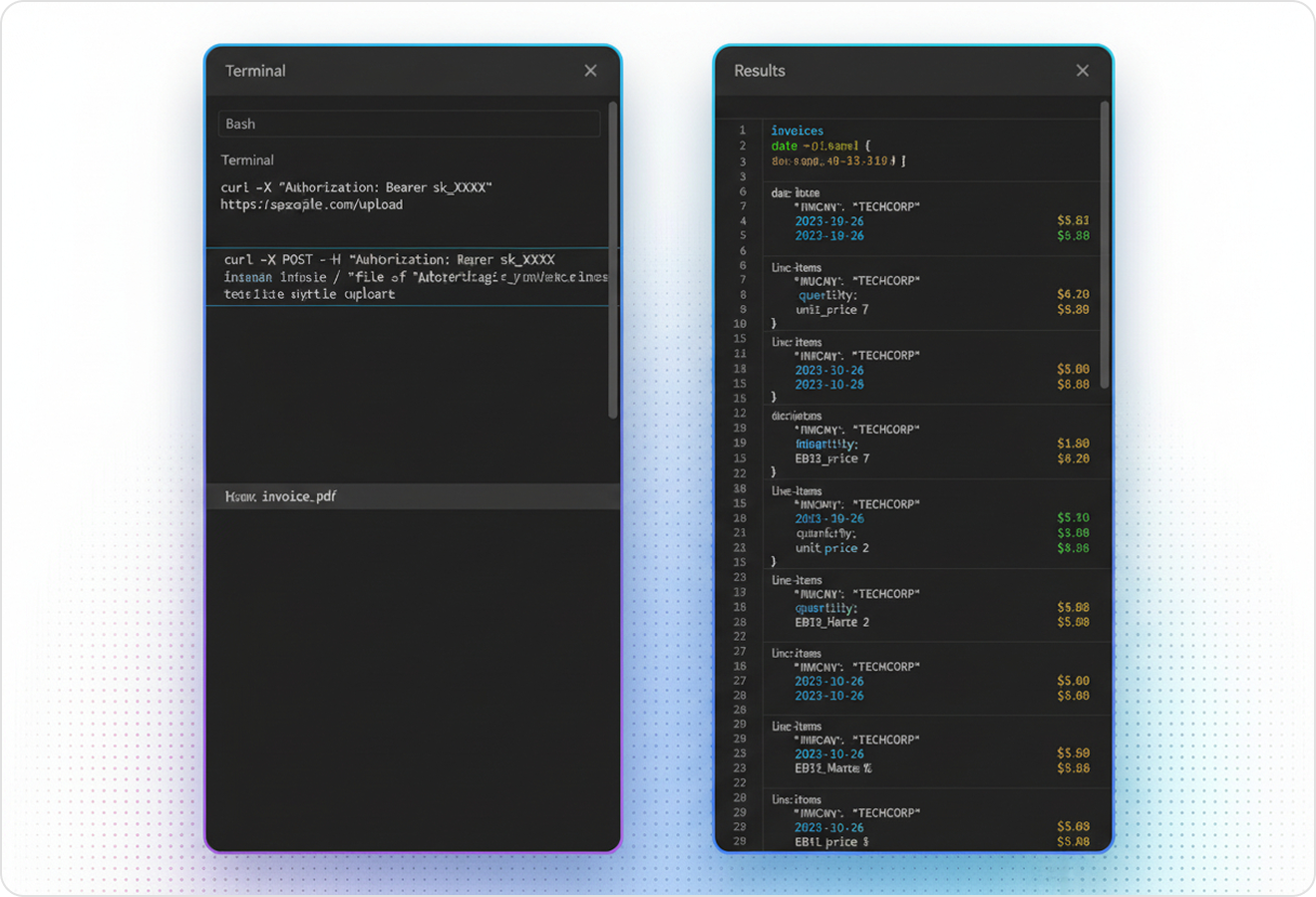
JSON Mode returns clean, schema-friendly structured data you can send straight into accounting workflows and APIs. Each extracted field can include rich metadata (page, element type, coordinates), which helps with exception handling and auditability for invoice processing.
04
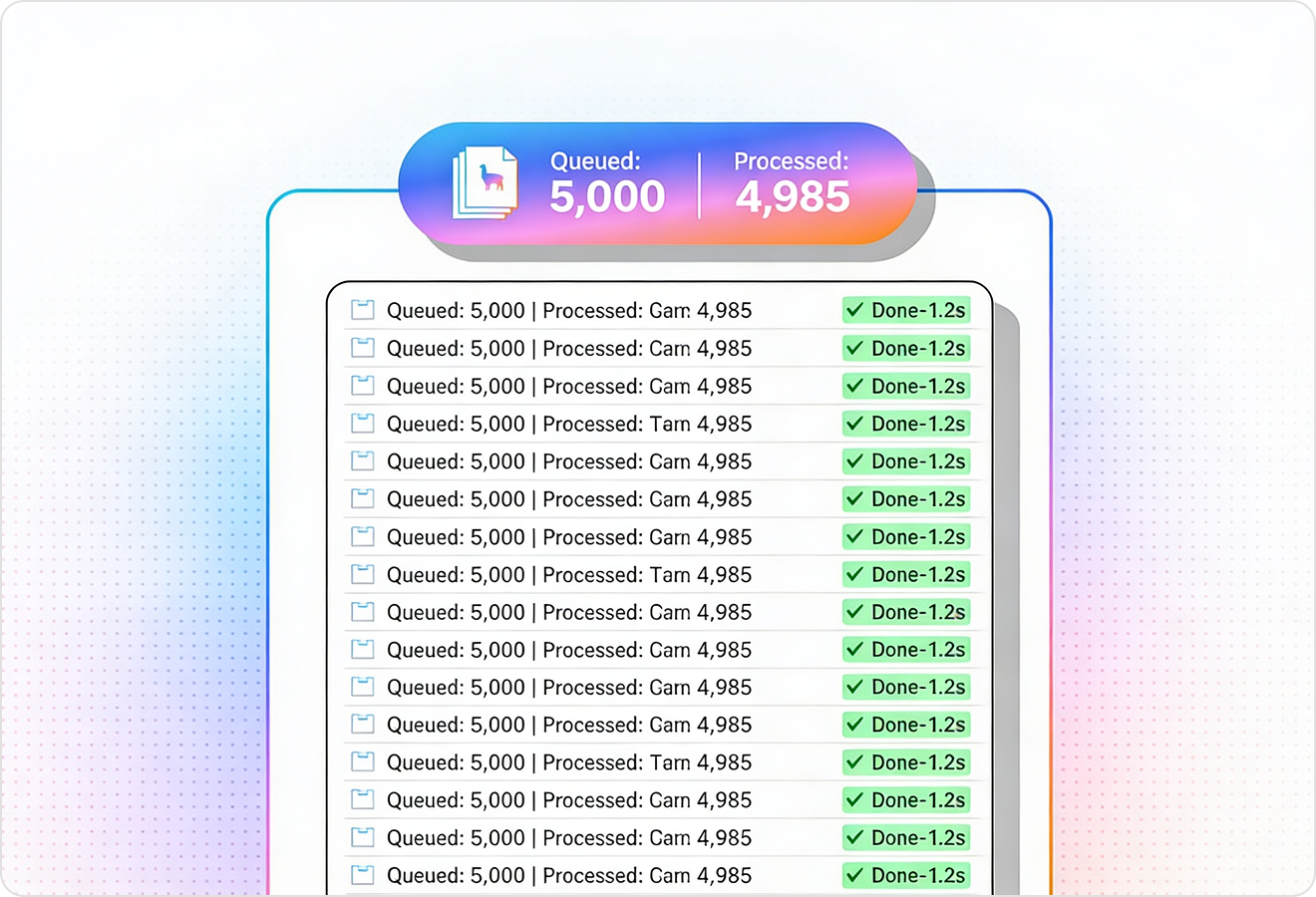
LlamaParse runs multiple validation passes to catch common extraction errors like misread totals, broken tables, or inconsistent currency formatting. This reduces manual review for messy scans and improves straight-through processing on high-volume invoice batches.
Technical OCR documentation
Explore our developer guides to easily connect your document pipelines to LlamaParse.
Explore the documentation
Our AI catches the typos that tired eyes miss.

Export to Excel, JSON, XML, or directly via API.

SOC2 Type II compliant with end-to-end encryption.

Train the tool on your specific forms in minutes, not days.

Average processing time of <3 seconds per page.
LlamaParse’s support of a wide variety of filetypes and its accuracy of parsing made it the best tool we tested in our evaluations. The LlamaIndex team was very responsive and we were off to the races within a day.
Common FAQs
01
Yes. Layout-aware parsing understands headers, footers, and multi-column sections so the reading order stays correct even when the design changes. That means vendor details, invoice numbers, dates, and totals are captured reliably across different formats.
02
Invoice Reader OCR preserves row and column structure so descriptions, quantities, unit prices, taxes, and discounts stay aligned. This reduces broken tables and minimizes the custom post-processing that usually causes downstream matching issues.
03
Absolutely—JSON Mode outputs clean, schema-friendly data you can send directly to your workflows and APIs. You can also include metadata like page number and coordinates to make exception handling and auditing easier.
04
What happens when scans are messy, skewed, or have inconsistent currency formatting?
The system runs validation and auto-correction loops to catch common errors like misread totals, broken tables, and inconsistent formats. This helps reduce manual review and improves straight-through processing, especially on high-volume batches.
05
How do you help us review and resolve extraction exceptions quickly?
Each extracted field can include rich metadata—where it was found, what element type it came from, and its location on the page. That makes it faster to verify questionable values and build reliable rules for when to route invoices to human review.
06
Can this support PO matching and downstream automation without constant tuning?
Yes—by keeping tables intact and producing consistent structured output, it’s easier to map line items and totals to PO and ERP fields. Fewer extraction edge cases means less ongoing maintenance and a smoother path to automation at scale.