Nov 14, 2025
Document AI: The Next Evolution of Intelligent Document ProcessingPersona
Industry
Use cases
Term Sheet OCR
[ Term Sheet OCR ]

Turn messy PDFs into verified, structured deal terms with LlamaParse’s layout-aware parsing you can trust.
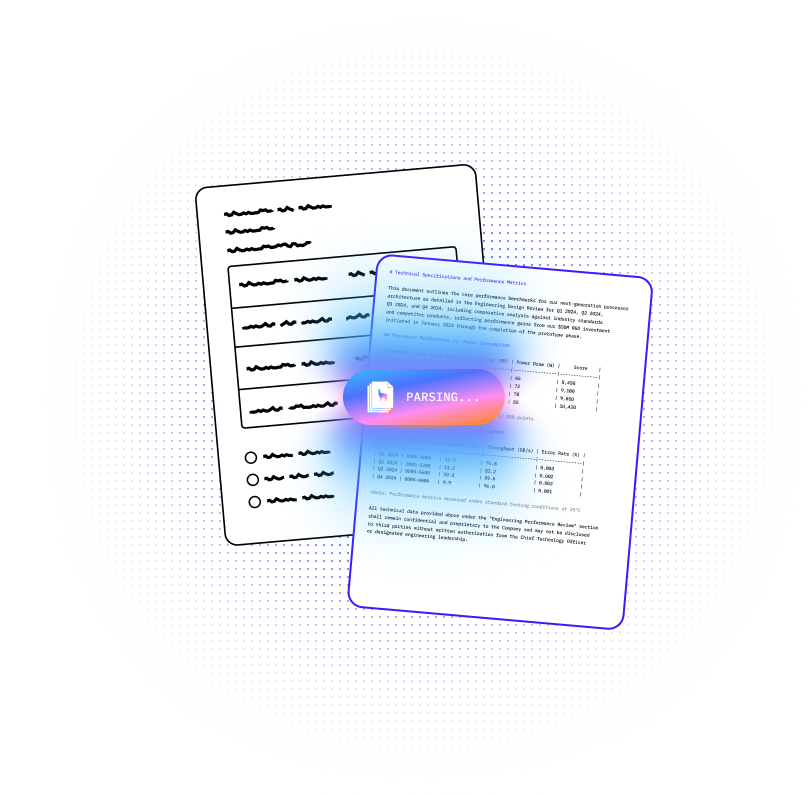
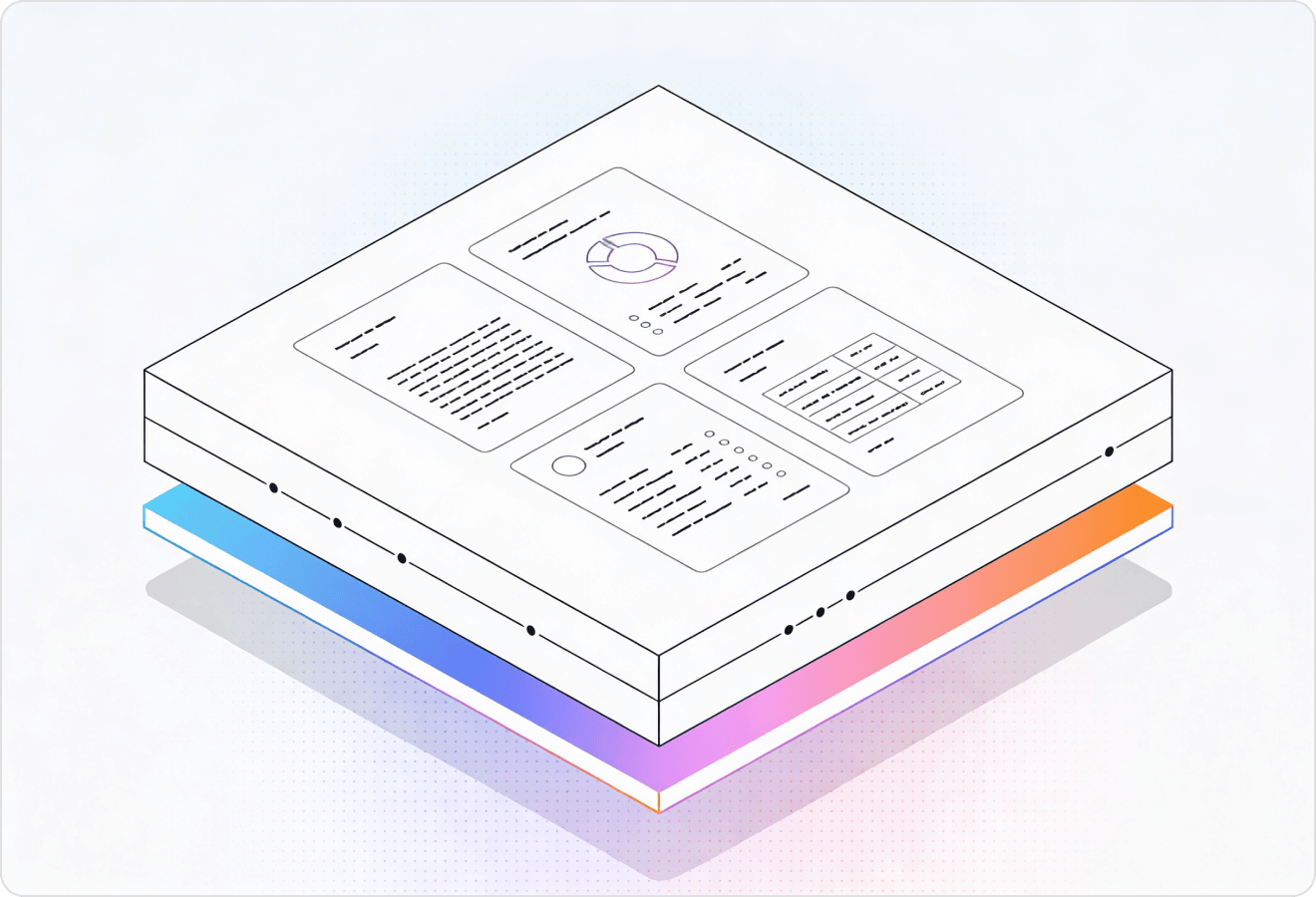

LlamaParse turns messy term sheets and scanned PDFs into clean, structured JSON you can trust, so deal terms flow straight into your systems. Agentic document parsing understands layout, tables, and footnotes, then self-checks results with citations and confidence for faster reviews.
Best-in-Class Accuracy

Parse term sheets into structured JSON with citations—valuation, liquidation preference, pro rata, board rights—so deal teams can compare offers across firms without manual re-keying. Layout-aware extraction preserves cap tables and dense clauses even when templates vary, reducing turnaround time from hours to minutes.

Turn incoming term sheets into clean Markdown plus clause-level metadata so attorneys can run consistent issue-spotting and generate redlines without fighting scrambled tables or broken reading order. Natural language parsing instructions let firms standardize what gets extracted (e.g., veto rights, drag-along, MFN) across partners and matters.

Ingest term sheets and side letters as part of submission packets, extracting key obligations, limits, exclusions, and counterparties into underwriting systems with traceable page references. Multimodal parsing captures embedded schedules and scanned exhibits, cutting leakage from missed clauses during bind and renewal.

Automatically convert investor term sheets into a structured checklist of economics and control terms, helping founders and finance leads quickly model dilution, liquidation outcomes, and governance impacts. Tier-based processing keeps costs predictable when you’re reviewing multiple versions, while correction loops reduce the risk of making decisions off a bad extract.
The Solution
01
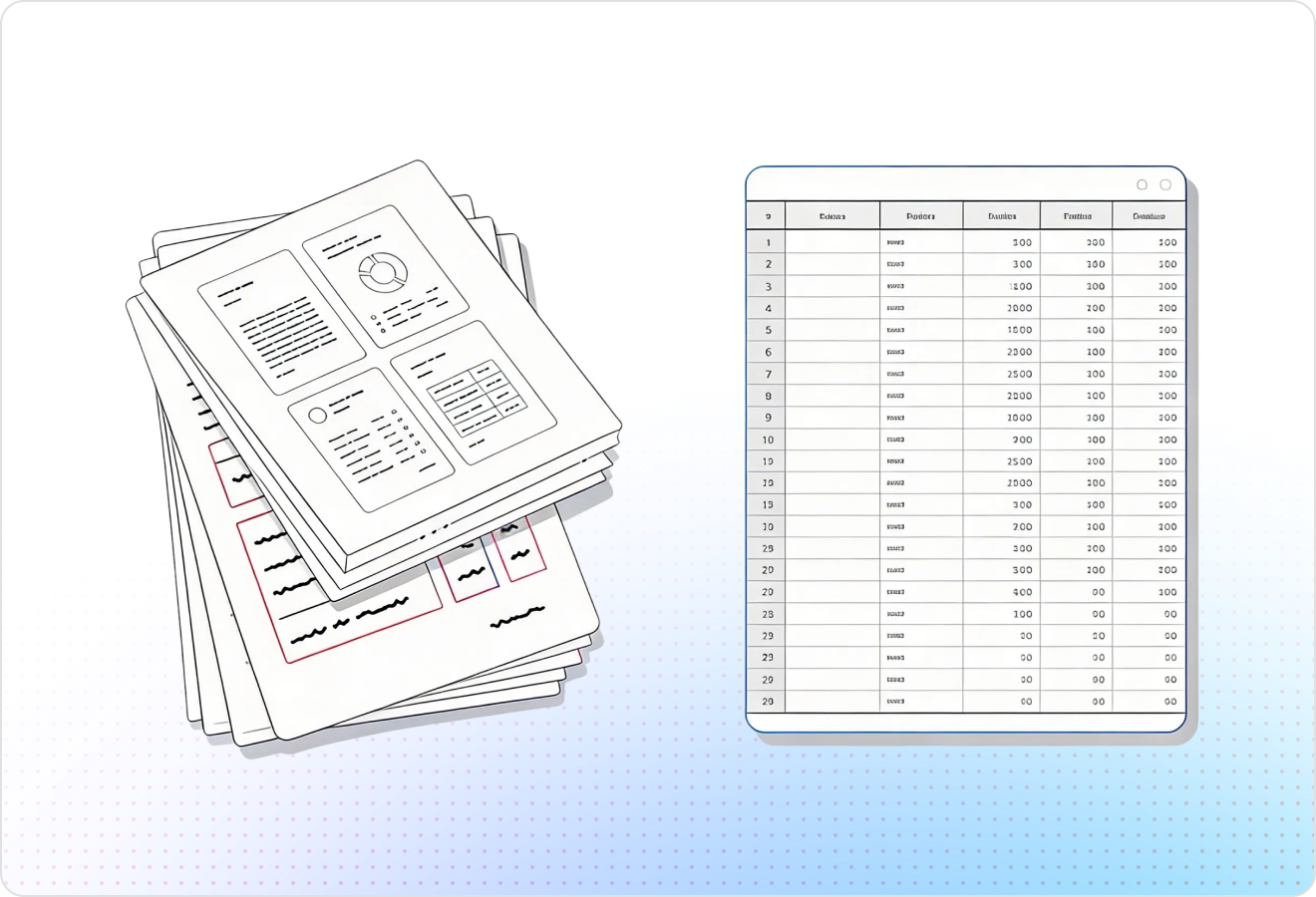
LlamaParse understands page structure so multi-column clauses, headers/footers, and numbered sections come back in the right reading order. That means term sheet fields like valuation, liquidation preference, and pro rata rights don’t get scrambled across lines or sections when you extract them.
02
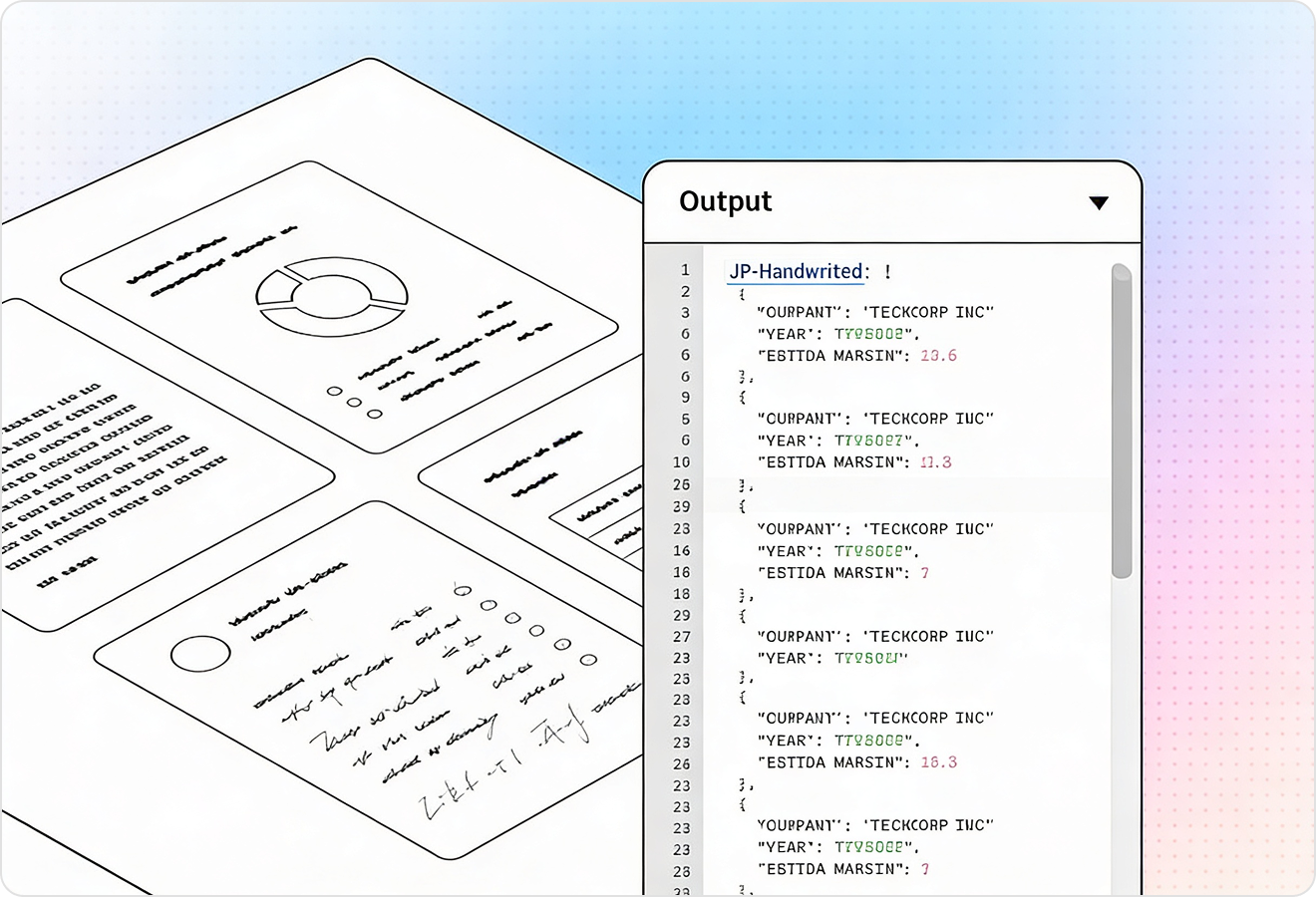
LlamaParse accurately extracts complex tables and nested rows into clean, model-friendly formats like Markdown or JSON. This is critical for term sheets where pricing, option pool, conversion mechanics, and investor allocations often live in tightly formatted tables.
03
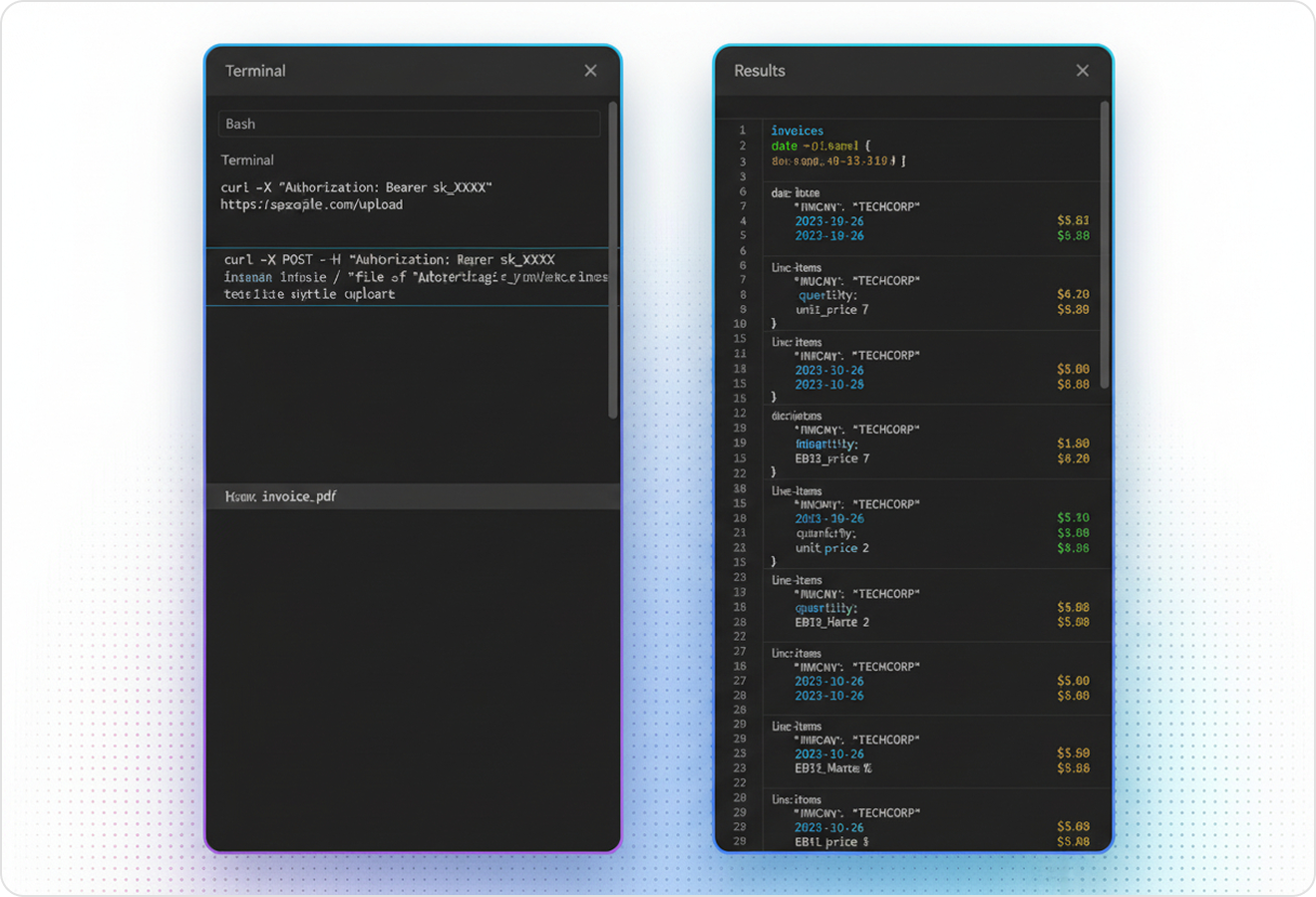
JSON mode returns structured outputs with granular metadata like page numbers and coordinates for each extracted element. For term sheet review, you can map extracted terms back to exact source locations, making validation and audit trails straightforward.
04
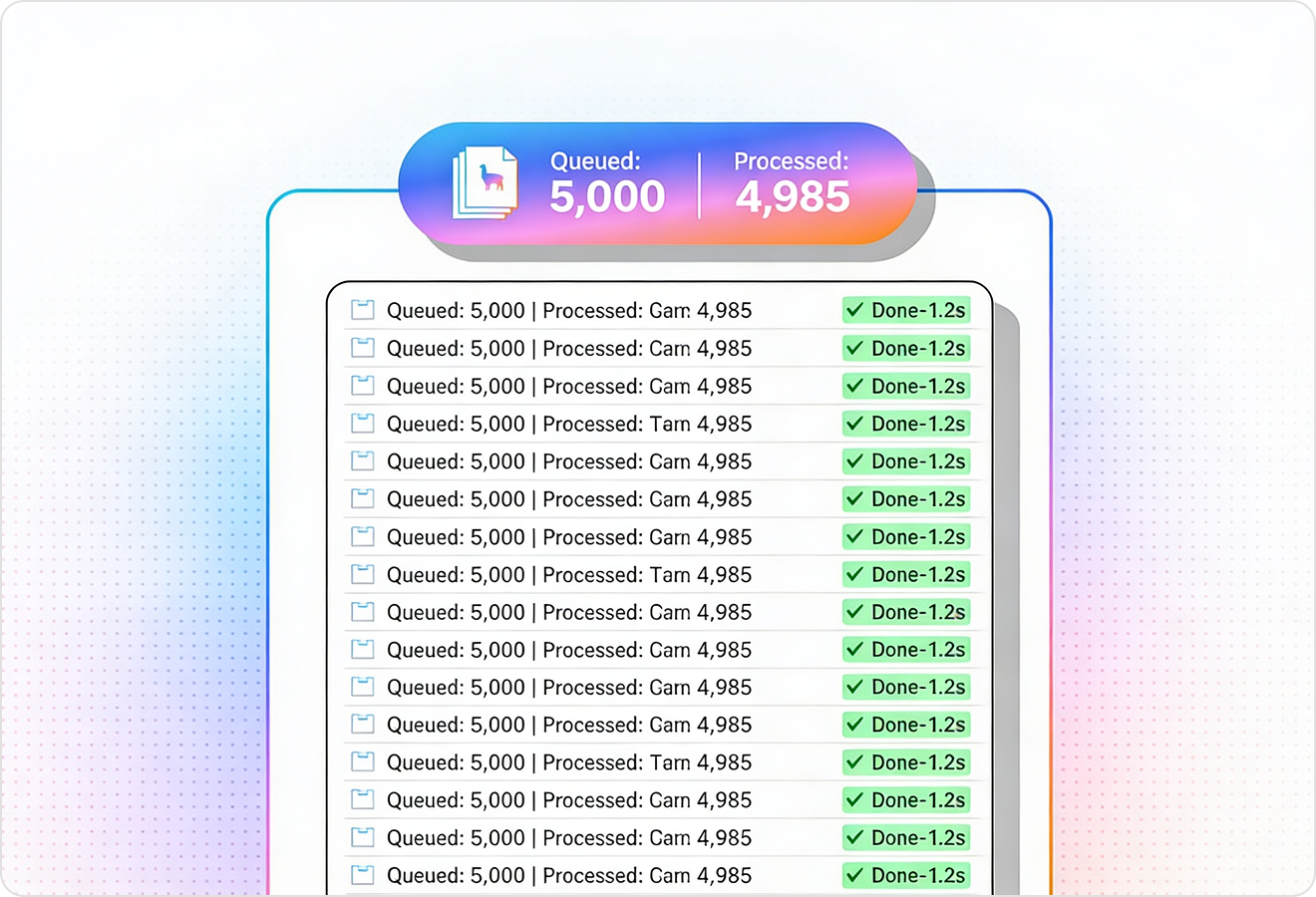
LlamaParse runs self-correction and validation loops to catch common extraction errors before you see the output. This reduces downstream rework when parsing term sheets with messy scans, inconsistent formatting, or subtle legal wording that can’t tolerate mistakes.
Technical OCR documentation
Explore our developer guides to easily connect your document pipelines to LlamaParse.
Explore the documentation
Our AI catches the typos that tired eyes miss.

Export to Excel, JSON, XML, or directly via API.

SOC2 Type II compliant with end-to-end encryption.

Train the tool on your specific forms in minutes, not days.

Average processing time of <3 seconds per page.
LlamaParse’s support of a wide variety of filetypes and its accuracy of parsing made it the best tool we tested in our evaluations. The LlamaIndex team was very responsive and we were off to the races within a day.
Common FAQs
01
Yes. Layout-aware parsing preserves page structure—columns, headers/footers, and section numbering—so key terms don’t get stitched together out of sequence. That means items like valuation, liquidation preference, and pro rata rights come back cleanly and reliably.
02
It’s designed for dense tables, including nested rows and tightly formatted schedules common in term sheets. You can export tables into clean, model-friendly Markdown or JSON so pricing, option pool details, and investor allocations are ready for downstream workflows.
03
Yes—structured JSON can include citations like page numbers and coordinates for each extracted element. This makes review faster because you can jump directly from an extracted term to its source location for validation and audit trails.
04
What happens with messy scans, inconsistent formatting, or faint text?
Built-in validation and auto-corrections catch common OCR and parsing mistakes before results are returned. This reduces manual cleanup and helps you trust outputs even when the source document quality isn’t perfect.
05
How do you reduce the risk of missing or misreading legally sensitive terms?
The parser uses structured extraction plus validation loops to flag and correct typical failure points like broken lines, split clauses, and misplaced headers. Pairing extracted JSON with citations also makes it easy to spot-check the exact wording when accuracy matters most.
06
What do I get back—plain text, or something my product and data team can actually use?
You can return structured JSON (with metadata/citations) and table outputs in formats like JSON or Markdown. That means you can map terms into your internal schema, run automated checks, and feed clean data into review tools without manual reformatting.