Nov 14, 2025
Document AI: The Next Evolution of Intelligent Document ProcessingPersona
Industry
Use cases
IRS Notice OCR
[ IRS Notice OCR ]

Use LlamaParse to turn IRS notices into structured JSON with citations and confidence scores.
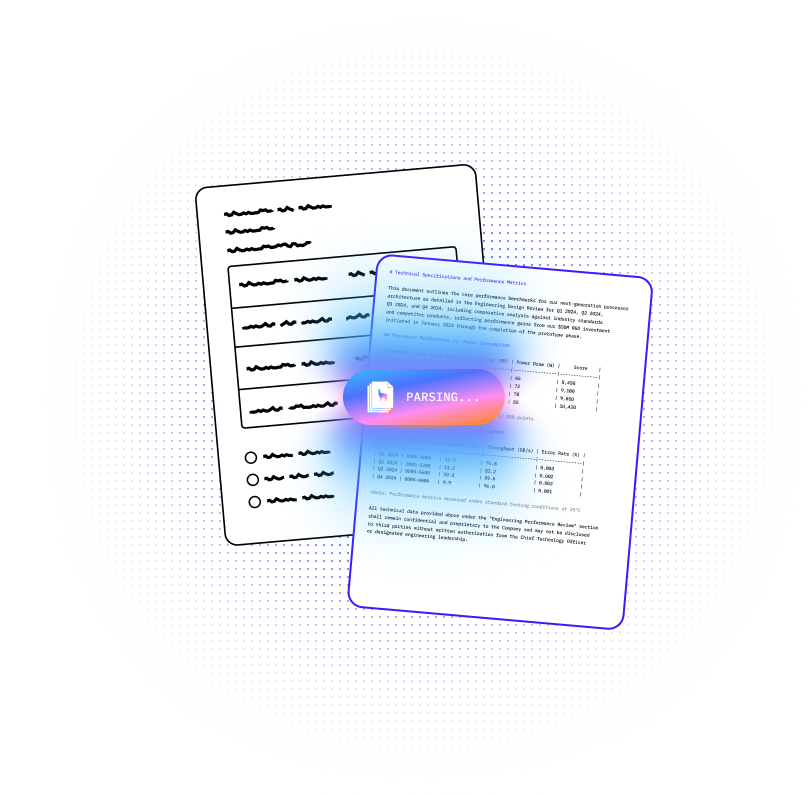


LlamaParse turns messy IRS notices into clean JSON or Markdown, capturing line items, dates, amounts, and references with layout-aware understanding. You get citations and confidence signals for quick review, so your team can automate triage, routing, and response workflows with fewer errors.
Best-in-Class Accuracy

Turn IRS notices into clean, structured JSON by extracting notice type, tax year, amounts due, deadlines, and response instructions—even when the letter has multi-column sections and dense tables. Route parsed fields straight into case management and client portals to cut manual rekeying and reduce missed-deadline risk during peak season.

Automate income and liability verification by parsing IRS notices and transcripts into normalized fields that underwriting systems can consume without brittle, layout-specific rules. Use citations and confidence scores to flag exceptions for review, improving auditability while keeping straight-through processing high.

Extract allegations, statutes referenced, penalties, and response requirements from IRS correspondence and convert them into matter timelines and task checklists with page-level traceability. Preserve tables and attachments in Markdown so teams can search, compare, and draft responses without losing critical context.

Launch an IRS-notice ingestion feature fast by using LlamaParse to convert messy PDFs and scans into AI-ready Markdown/JSON that powers triage, alerts, and autofilled workflows. Keep unit economics predictable by auto-routing simple pages through cheaper tiers and upgrading only the complex ones that need agentic parsing.
The Solution
01
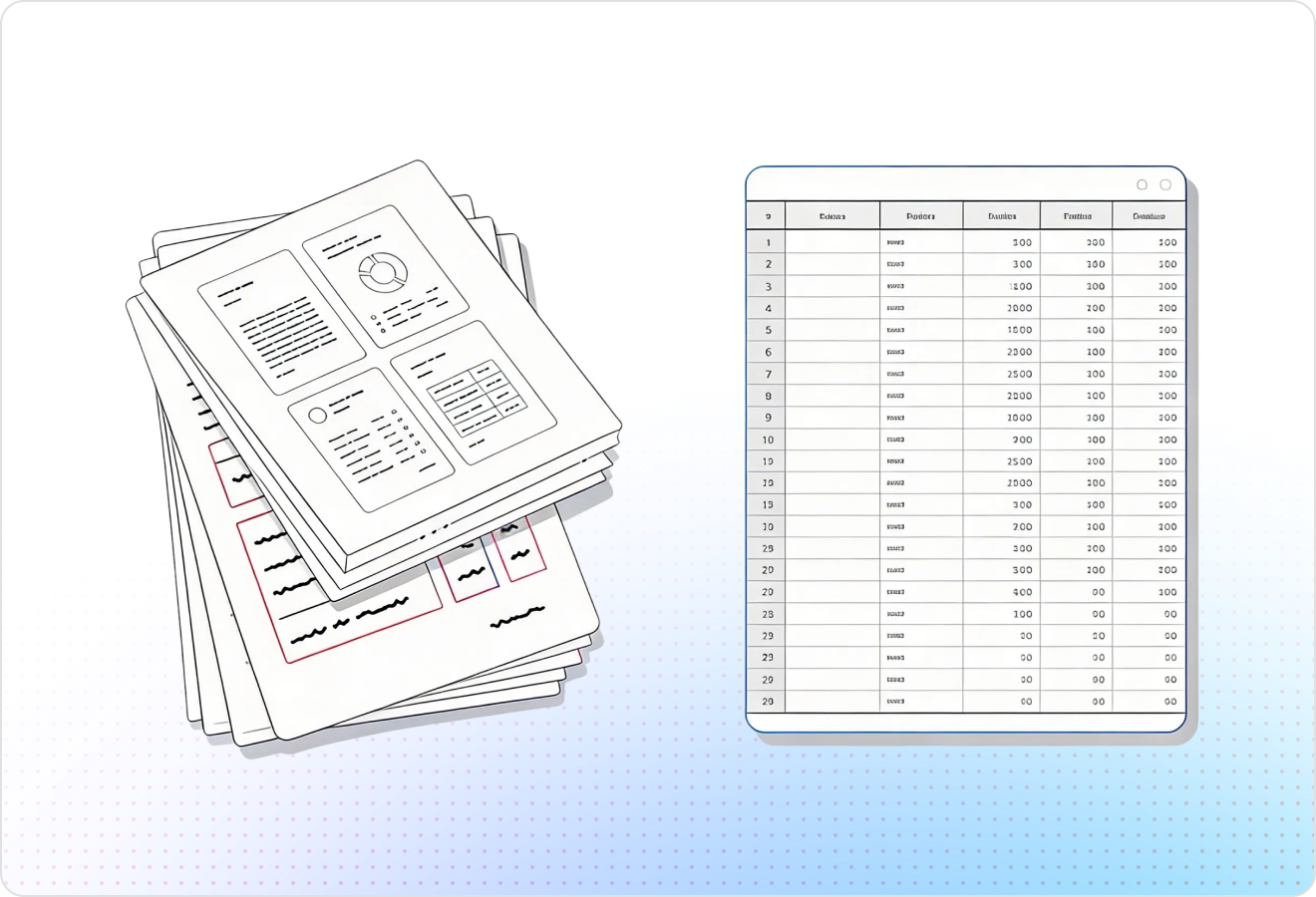
LlamaParse uses layout-aware computer vision to preserve reading order across IRS notice staples: headers, tear-off stubs, footers, and multi-column sections. That means you can reliably capture the notice type, tax year, dates, and response instructions without text getting scrambled when the layout changes.
02
LlamaParse accurately reconstructs tables and line-item breakdowns into clean, AI-ready structures instead of flattened text. For IRS notices, this helps you pull amounts due, penalties, interest, payment histories, and adjustment summaries in a way your app can validate and compute against.
03
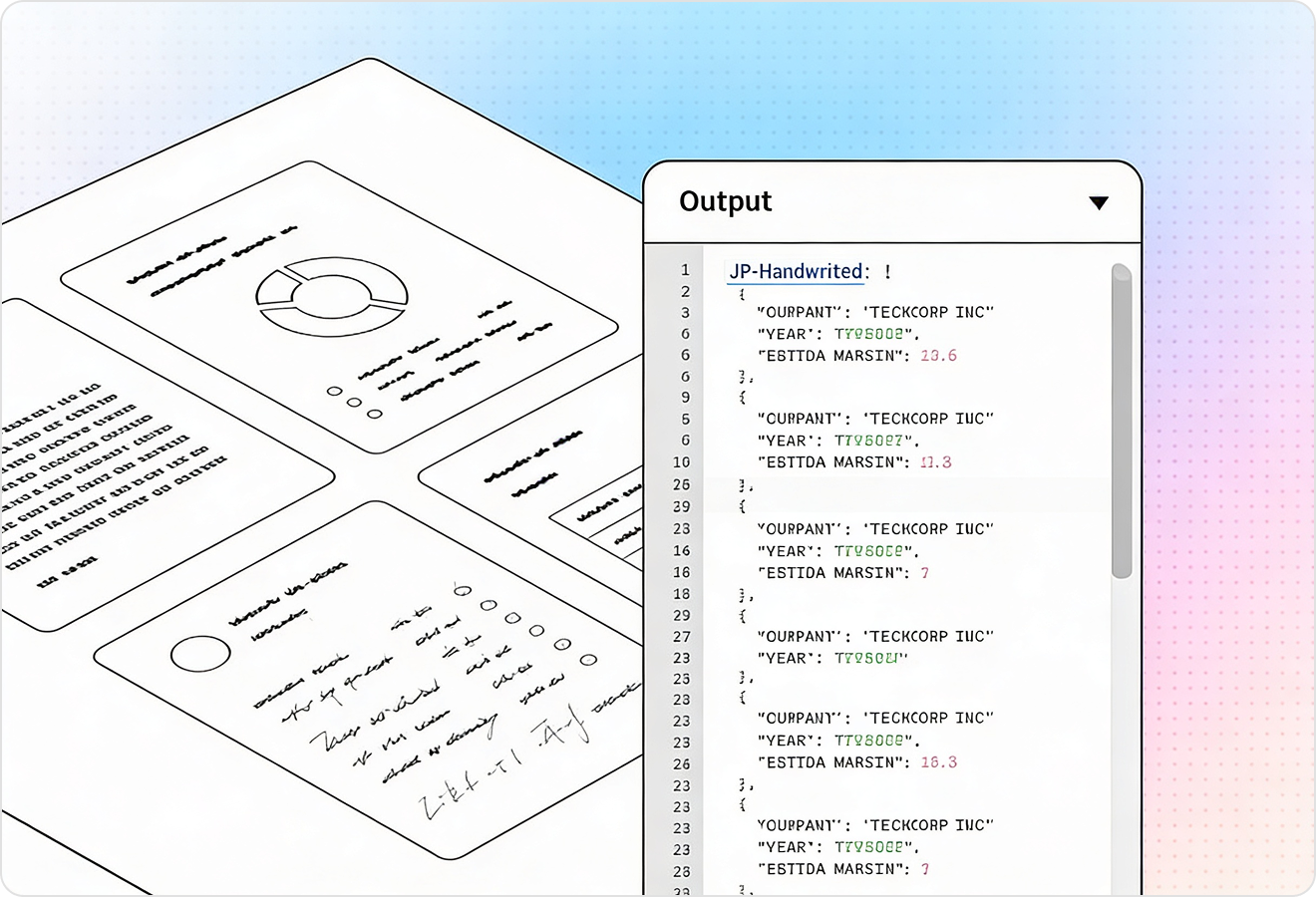
LlamaParse can return structured JSON with granular metadata like page number and element coordinates for each extracted field. When processing IRS notices, you can attach citations to every key value (like SSN-last-4, CP/Letter number, or balance due) to support auditability and human review.
04
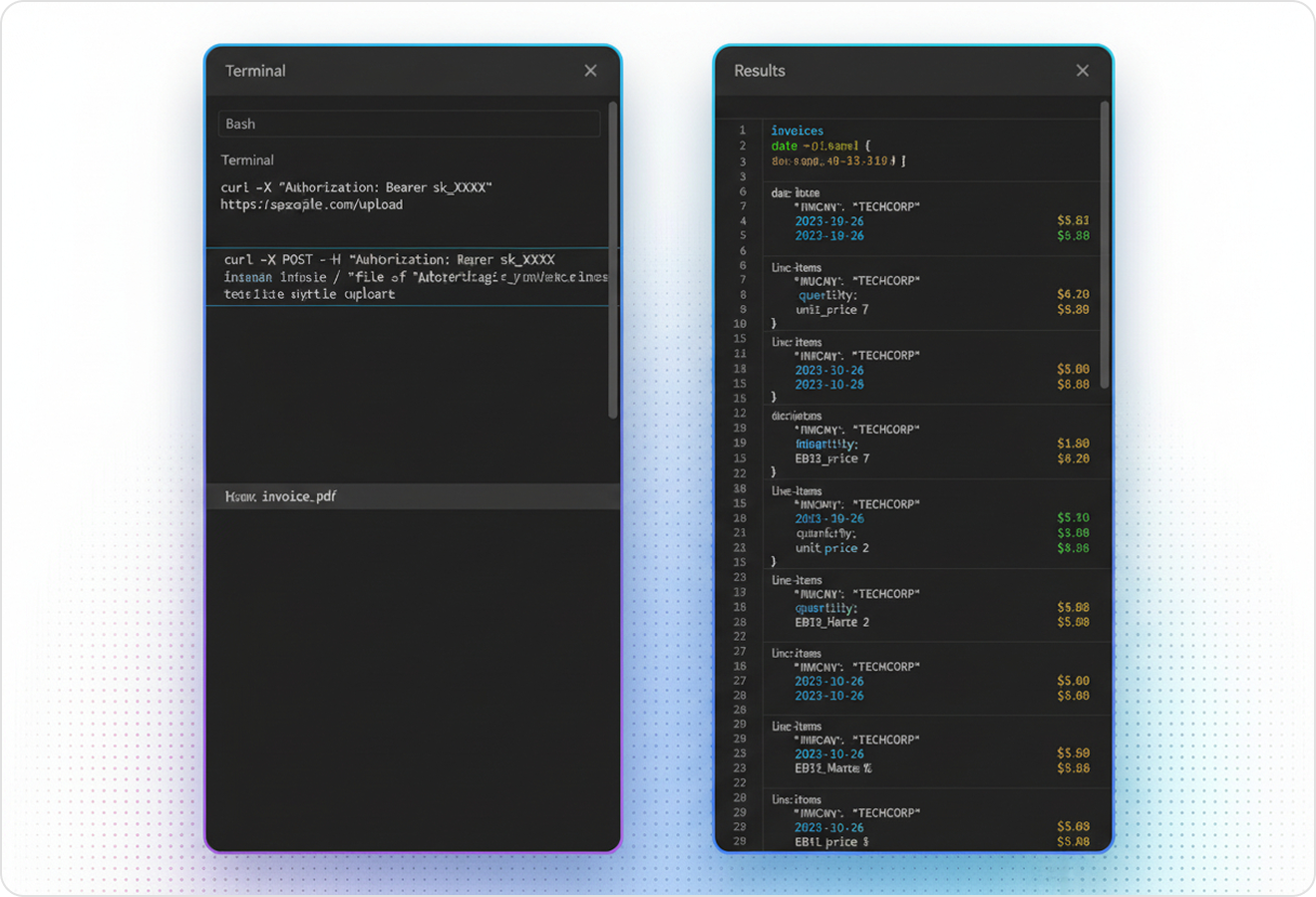
LlamaParse runs multiple validation and self-correction passes to reduce common scan errors and hallucinated numbers before you ingest the result. This is especially useful for IRS notices where a single digit error in an amount, date, or notice ID can break downstream workflows and create compliance risk.
Technical OCR documentation
Explore our developer guides to easily connect your document pipelines to LlamaParse.
Explore the documentation
Our AI catches the typos that tired eyes miss.

Export to Excel, JSON, XML, or directly via API.

SOC2 Type II compliant with end-to-end encryption.

Train the tool on your specific forms in minutes, not days.

Average processing time of <3 seconds per page.
LlamaParse’s support of a wide variety of filetypes and its accuracy of parsing made it the best tool we tested in our evaluations. The LlamaIndex team was very responsive and we were off to the races within a day.
Common FAQs
01
It uses layout-aware parsing to preserve the original reading order across headers, stubs, footers, and columns. That helps you reliably capture the notice type, tax year, key dates, and response instructions without scrambled text when formatting changes.
02
Yes—tables and line items are reconstructed into clean, structured data instead of flattened text. This makes it easier to validate amounts due, penalties, interest, and adjustment summaries and run calculations confidently in your app.
03
You can return structured JSON with metadata such as page number and element coordinates for extracted fields. Each key value can include citations so reviewers can quickly verify items like the CP/Letter number, SSN last-4, and balance due.
04
How do you reduce errors from low-quality scans or misread digits in amounts and dates?
The system runs multiple validation and self-correction passes to catch common OCR mistakes before results are delivered. This reduces the risk of a single digit error derailing downstream workflows or creating compliance issues.
05
Will it still work if the IRS notice template changes or the document is slightly rotated or stapled?
Because it’s layout-aware, it’s designed to stay stable across template variations and real-world scanning artifacts. You get consistent field capture even when pages shift, include staples, or present content in different sections.
06
What’s the best way to use the extracted data in my workflow—automation first, or human review?
Most teams automate intake and downstream calculations using the structured JSON, then route exceptions to human review using citations. This gives you speed for routine notices while keeping an audit-friendly path for edge cases and high-risk values.