Nov 14, 2025
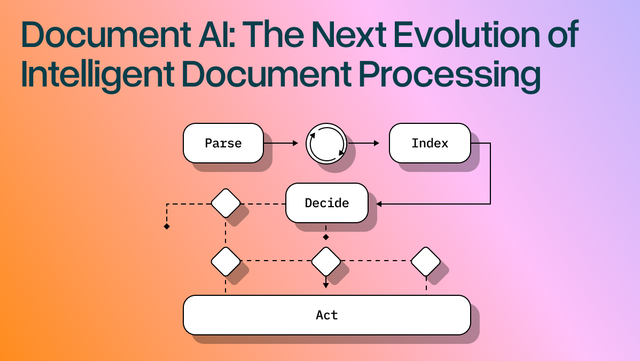
Document AI: The Next Evolution of Intelligent Document ProcessingPersona
Industry
Use cases
Trust Document OCR
[ Trust Document OCR ]

Use LlamaParse to extract tables, fields, and layout with confidence scores your team can verify.
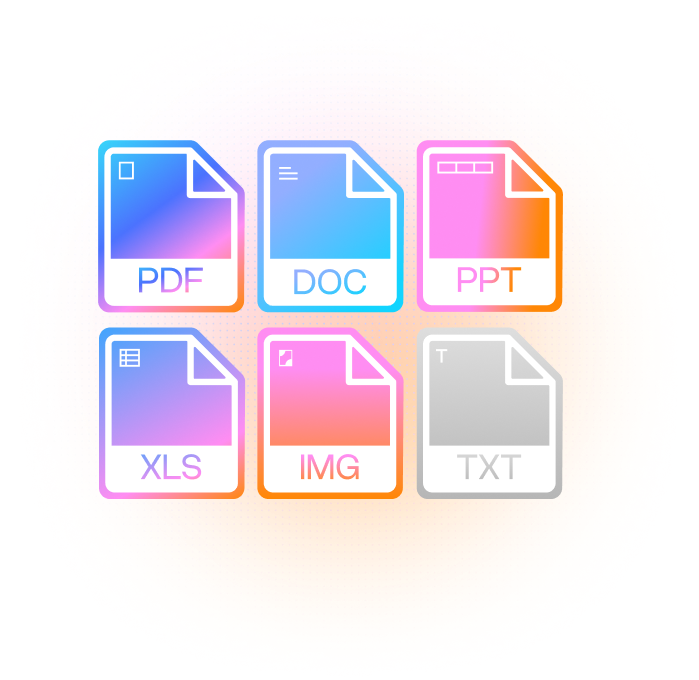
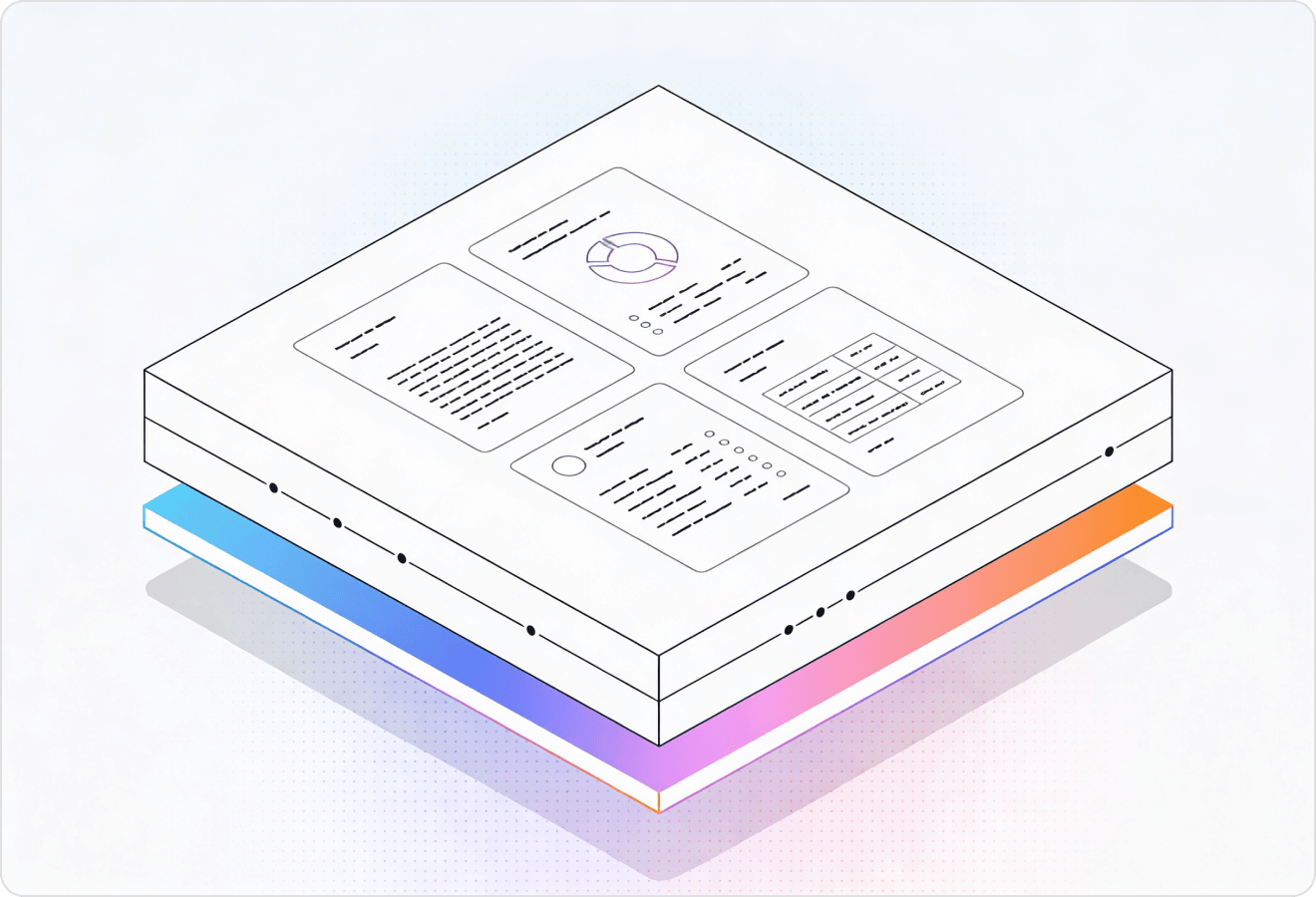
LlamaParse turns scans, PDFs, and messy forms into clean, structured Markdown or JSON you can actually trust for downstream automation. Agentic parsing uses layout-aware vision, validation loops, and citations to reduce brittle extraction errors and keep humans focused on exceptions.
Best-in-Class Accuracy

Parse wills, trusts, deeds, and beneficiary schedules into structured JSON with citations, so staff can verify key clauses and parties without rereading entire packets. LlamaParse preserves tables and multi-column layouts in clean Markdown, preventing missed distributions, scrambled exhibits, and downstream drafting errors.

Ingest trust documents and statements to extract trustees, beneficiaries, powers, and distribution rules, enabling faster onboarding and more reliable account setup. Layout-aware parsing captures fee schedules and allocation tables accurately, reducing compliance risk and cutting follow-up requests to clients.

Turn trusts and related affidavits into review-ready data for beneficiary verification and insurable interest checks, even when scans include stamps, attachments, and inconsistent formatting. Agentic processing with auto-correction loops reduces manual rework and increases straight-through processing for high-volume document intake.

Ship a trust-document ingestion workflow in days by using natural-language parsing instructions to extract exactly the fields your product needs without brittle regex pipelines. Tier-based processing keeps costs predictable while you scale from pilot to production, only upgrading to heavier parsing on the pages that are actually complex.
The Solution
01
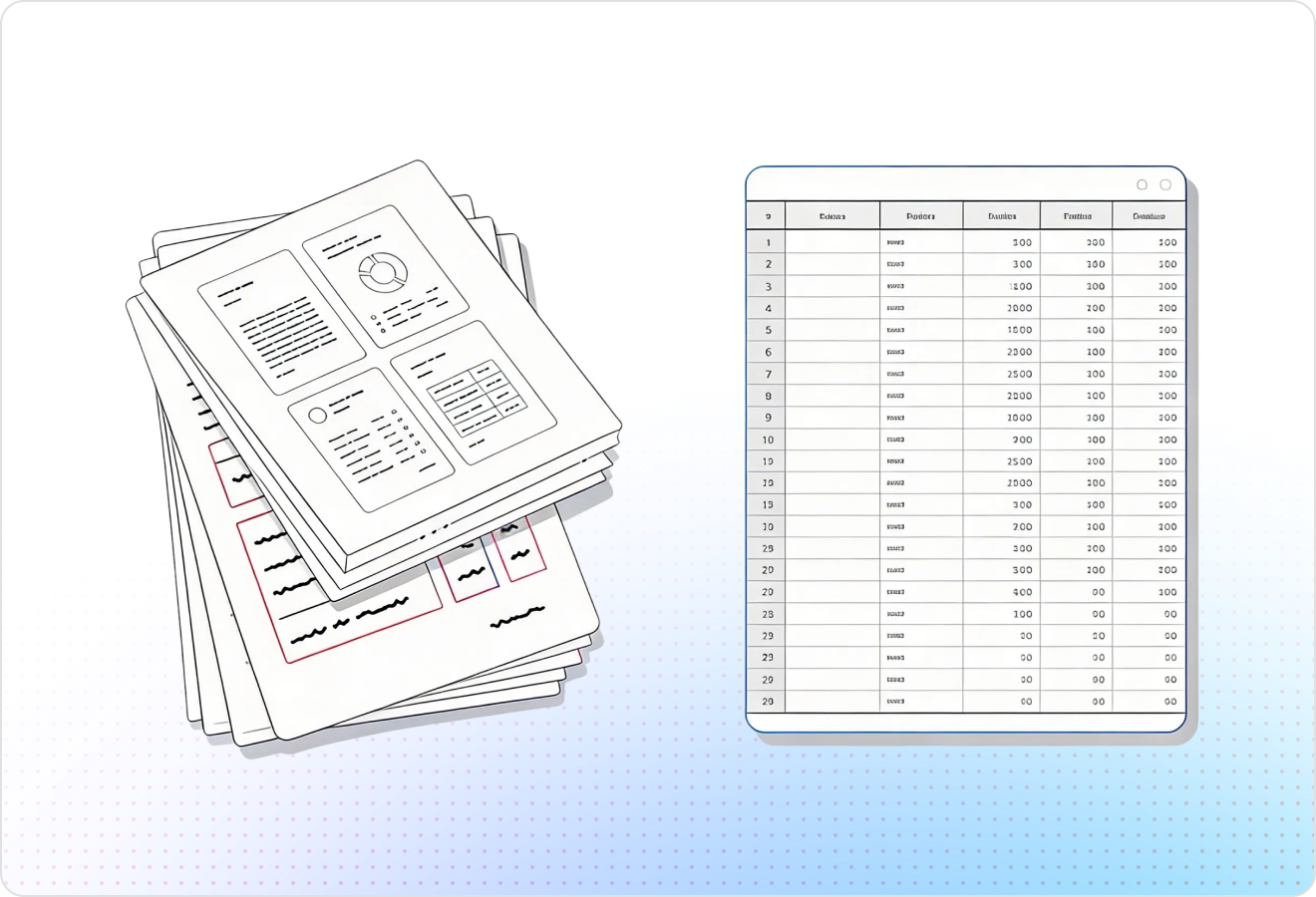
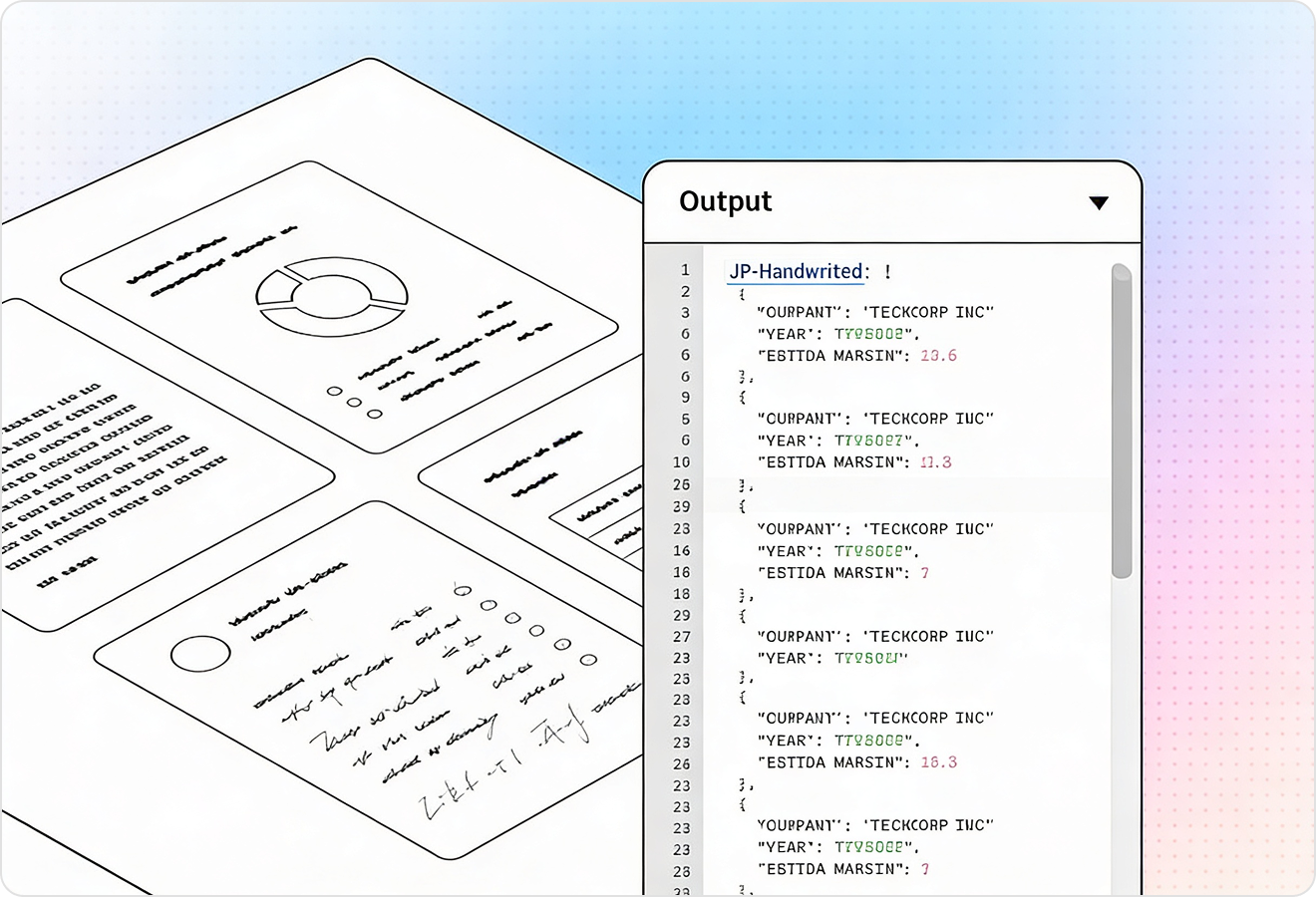
LlamaParse attaches page references, element types, and spatial coordinates to extracted content so you can trace every field back to the source. That traceability makes document parsing results auditable, which is the foundation for trusting what was captured from a scan.
02
LlamaParse runs iterative checks to catch common extraction failures like hallucinated text, broken lines, or inconsistent formatting before returning results. This reduces silent errors and raises straight-through processing rates, so you can trust parsed outputs without excessive manual review.
03
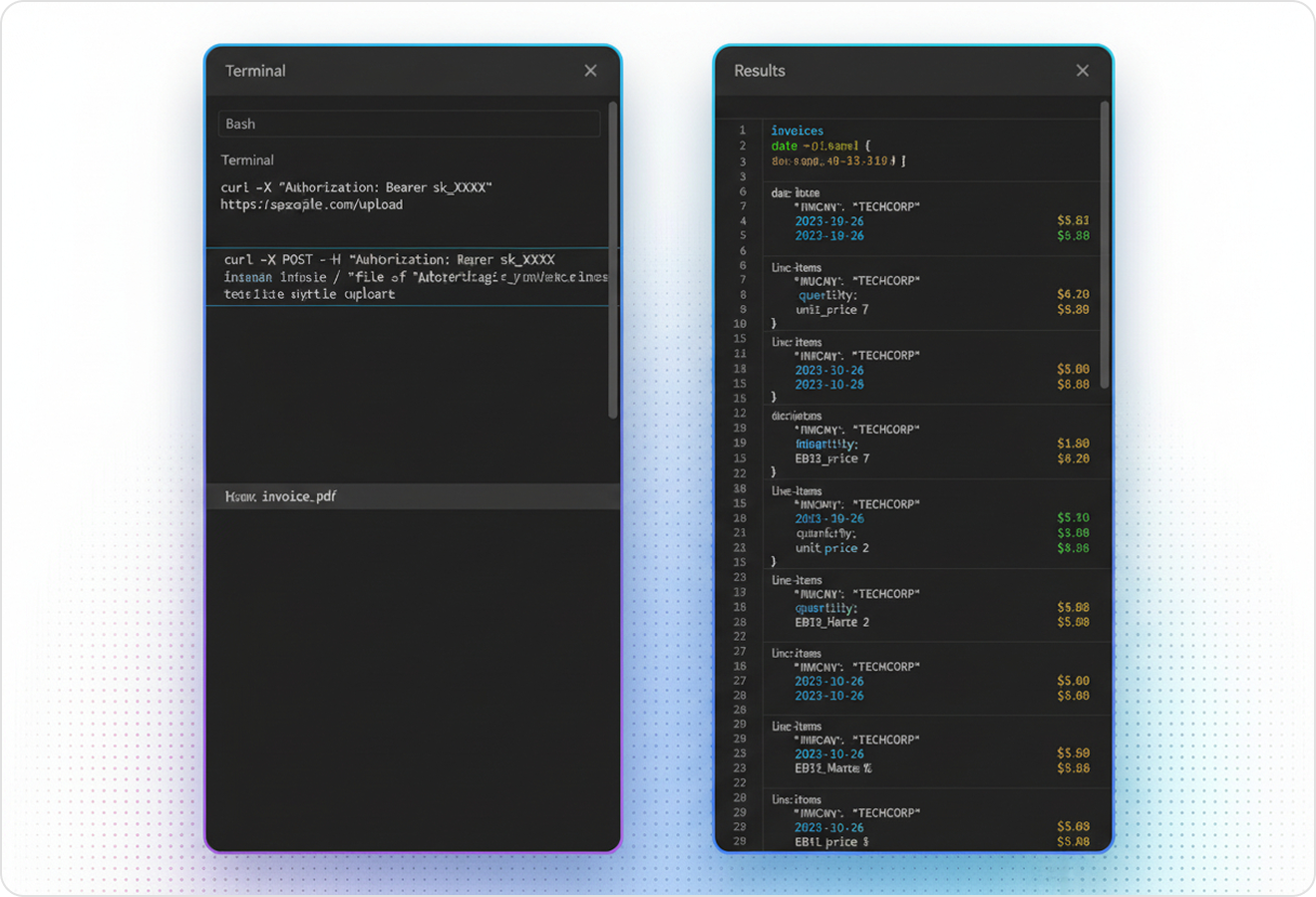
LlamaParse understands document layout and reconstructs reading order across multi-column pages, headers/footers, and nested sections. You get cleaner, less scrambled outputs that match what a human sees, which prevents trust-breaking misplacements in critical documents.
04
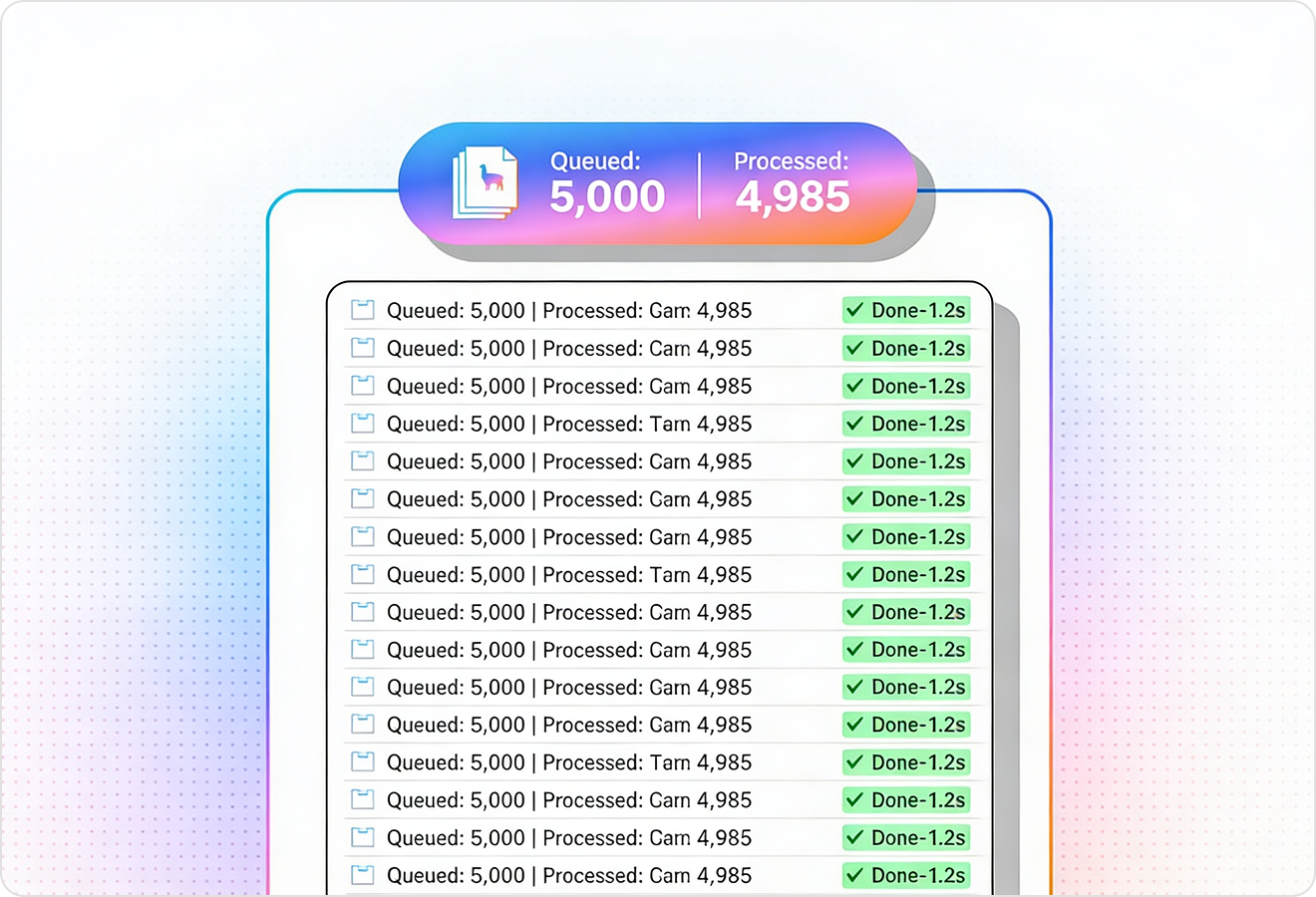
LlamaParse can interpret tables, figures, and chart content rather than dropping them or flattening them into misleading text. That means the parsed result reflects the full document meaning, helping teams trust extraction from complex, real-world files.
Technical OCR documentation
Explore our developer guides to easily connect your document pipelines to LlamaParse.
Explore the documentation
Our AI catches the typos that tired eyes miss.

Export to Excel, JSON, XML, or directly via API.

SOC2 Type II compliant with end-to-end encryption.

Train the tool on your specific forms in minutes, not days.

Average processing time of <3 seconds per page.
LlamaParse’s support of a wide variety of filetypes and its accuracy of parsing made it the best tool we tested in our evaluations. The LlamaIndex team was very responsive and we were off to the races within a day.
The engine room
01
Every extracted field includes verifiable output metadata like page references, element type, and spatial coordinates. That means you can trace any value back to the exact spot on the page for fast reviews, audits, and customer dispute resolution.
02
Auto-correction validation loops run iterative checks to detect common extraction failures—hallucinations, split lines, and inconsistent formatting—before results are returned. This reduces silent errors and increases straight-through processing so your team doesn’t have to manually spot-check everything.
03
Yes—layout-aware structure parsing reconstructs reading order across multi-column pages, headers/footers, and nested sections. You get cleaner, human-aligned text and structure, preventing trust-breaking misplacements in critical fields.
04
Can it accurately extract tables, charts, and figures without losing meaning?
LlamaParse interprets multimodal tables and charts rather than dropping them or flattening them into misleading text. The result reflects the document’s full meaning, which is essential for financial, operational, and compliance workflows.
05
How does this help with audits and compliance requirements?
Traceable metadata makes parsing results auditable by showing exactly how and where each value was captured. That transparency supports internal controls, external audits, and regulated workflows where “we think it’s right” isn’t good enough.
06
How much manual QA will we still need before trusting the output in production?
Most teams reduce manual review because validation loops catch issues early and layout-aware parsing prevents common structural errors. You can still configure human-in-the-loop checks for edge cases, but day-to-day processing becomes faster and more reliable.
Explore Our Resources