Nov 14, 2025
Document AI: The Next Evolution of Intelligent Document ProcessingPersona
Industry
Use cases
Document Automation
[ Document Automation ]

Turn messy clinical PDFs into structured, verifiable data so your team processes claims and referrals faster.
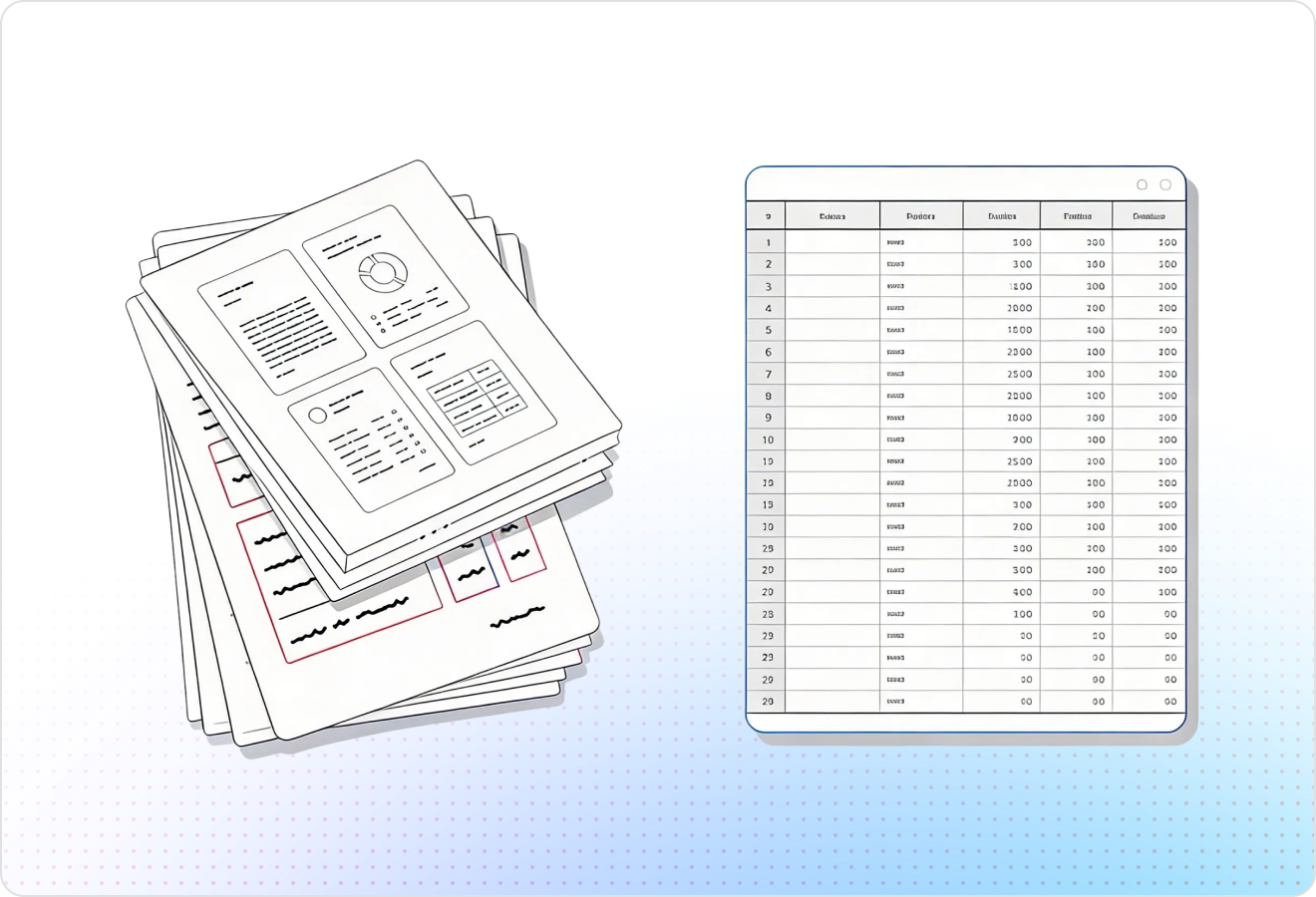
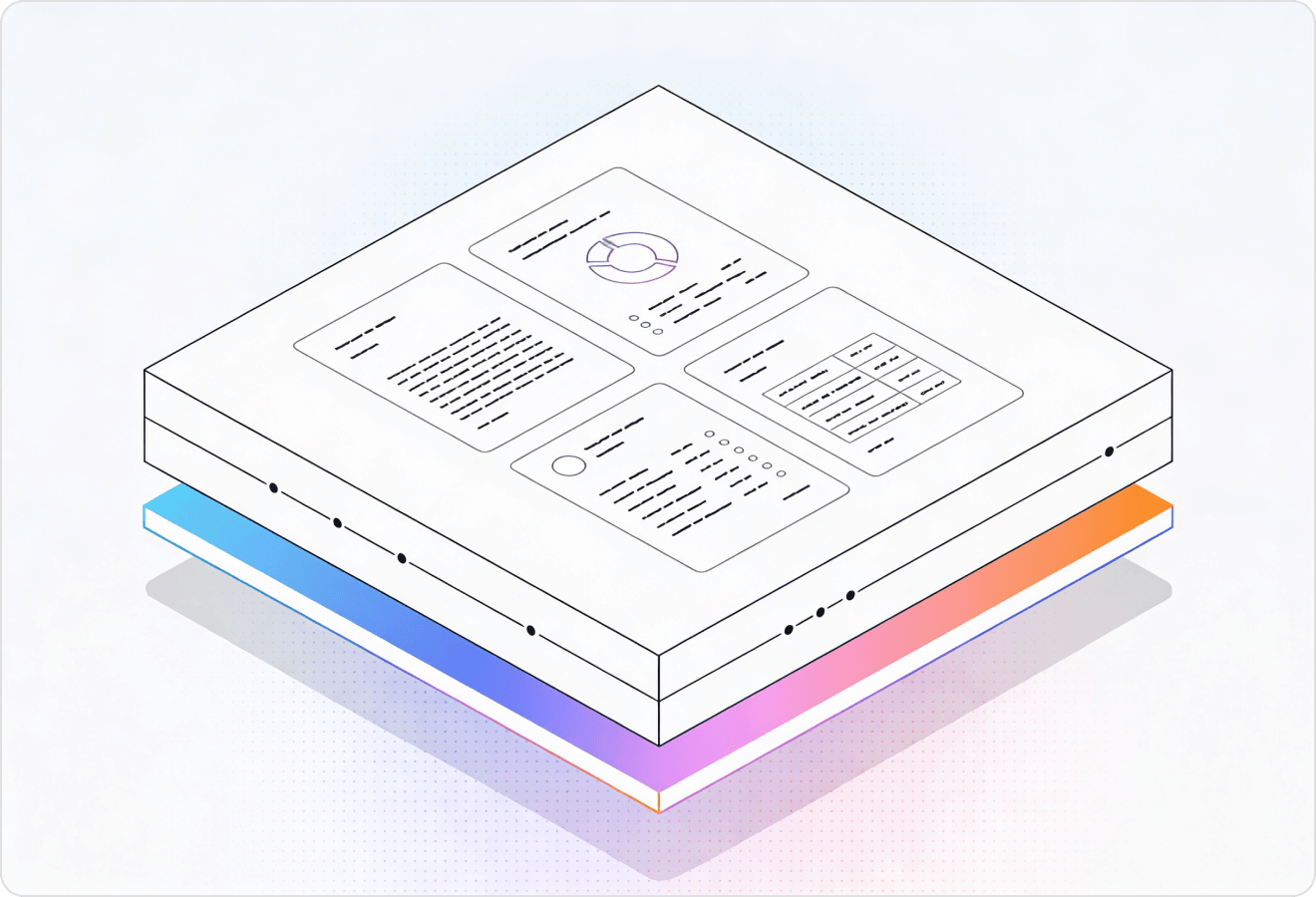
LlamaParse turns messy clinical PDFs and scans into clean, structured fields you can trust, so chart review and intake stop being manual. It understands layout, tables, and embedded visuals, then adds confidence metadata for quick validation and higher straight-through processing.
Best-in-Class Accuracy

Use LlamaParse to turn messy referrals, lab PDFs, and prior-auth packets into clean JSON/Markdown with citations, so intake teams and EHR workflows stop re-keying data and chasing missing fields. Layout-aware table extraction preserves medication lists and diagnostic codes exactly as submitted, reducing denials and speeding up patient throughput.

Parse CMS forms, itemized bills, EOBs, and clinical attachments into structured outputs with page-level metadata, enabling faster claims adjudication and auditable exception handling. Auto-correction loops and tier-based processing keep accuracy high on complex scans while controlling cost across high-volume batches.

Convert protocols, investigator brochures, and CSR appendices—including tables, charts, and equations—into AI-ready Markdown that preserves structure for downstream analysis and monitoring. Natural-language parsing instructions let teams extract specific endpoints and safety signals into a consistent schema without building brittle custom parsers.

Ship document automation fast by using LlamaParse APIs to ingest patient-uploaded PDFs and faxes into structured JSON with confidence scores, so you can trigger workflows like eligibility checks and prior-auth generation automatically. Flexible credit-based pricing and auto routing let you prototype on the free tier and scale to production without re-architecting your ingestion pipeline.
The Solution
01
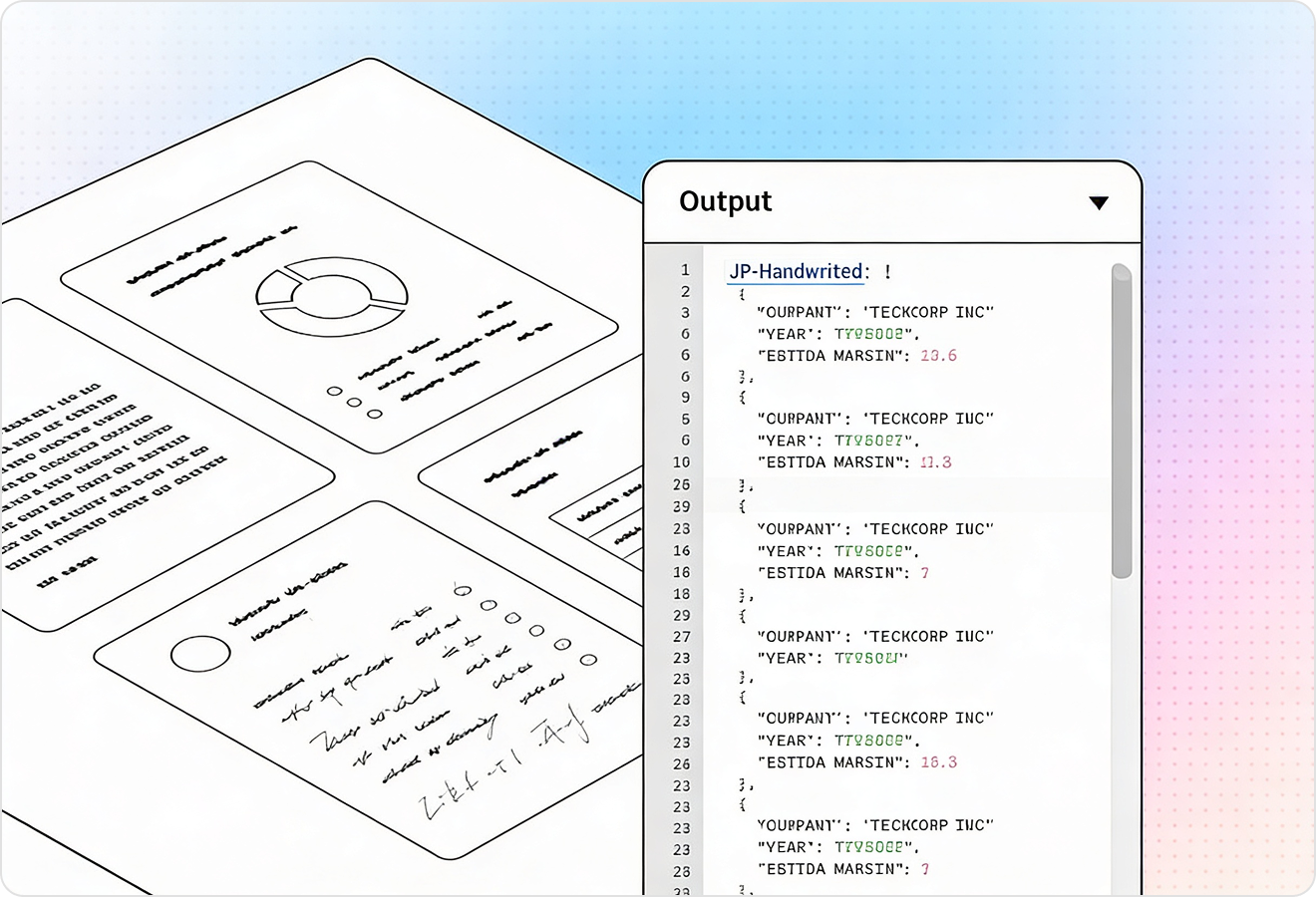
LlamaParse understands page structure so it can preserve reading order across multi-column notes, headers/footers, and scanned forms. That keeps key healthcare fields like patient identifiers, dates of service, and provider details from getting scrambled during automation.
02
LlamaParse accurately extracts complex tables and nested grids into clean, AI-ready outputs like Markdown or structured data. This is critical for automating healthcare workflows that depend on tabular content such as lab results, medication lists, benefits grids, and itemized claims.
03
LlamaParse can return structured JSON with granular metadata like page numbers, element types, and coordinates for every extracted value. In healthcare document automation, that traceability supports faster QA, easier audit trails, and safer human-in-the-loop review for exceptions.
04
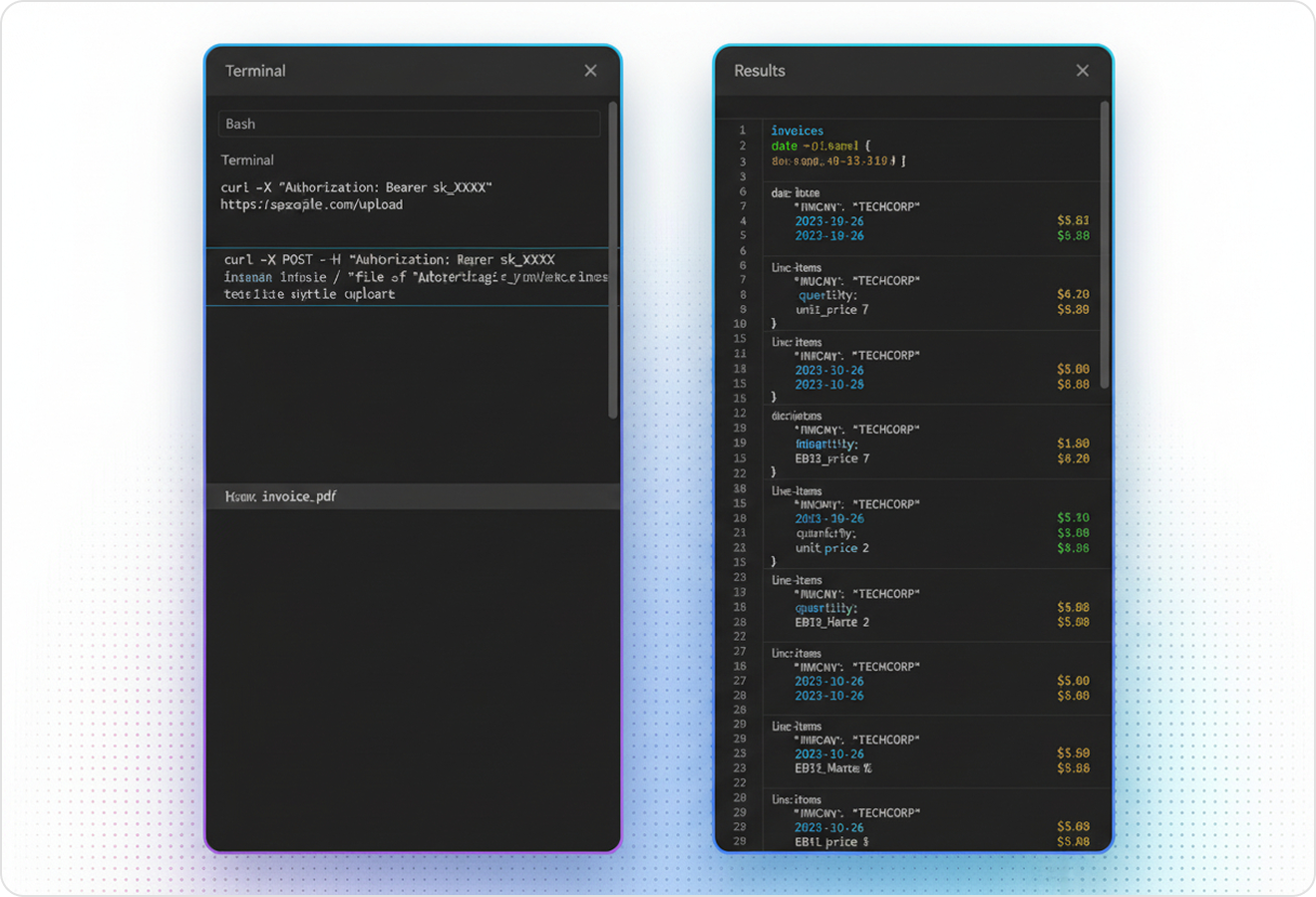
LlamaParse uses validation and self-correction steps to catch inconsistencies and fix extraction errors before results are returned. That reduces rework when processing messy faxes, low-quality scans, and mixed templates common in prior auth, referrals, and EOB/claim packets.
Technical API documentation
Use LlamaIndex’s Python framework to connect your data to production-ready LLM applications.
Explore the documentation
Our AI catches the typos that tired eyes miss.

Export to Excel, JSON, XML, or directly via API.

SOC2 Type II compliant with end-to-end encryption.

Train the tool on your specific forms in minutes, not days.

Average processing time of <3 seconds per page.
LlamaParse’s support of a wide variety of filetypes and its accuracy of parsing made it the best tool we tested in our evaluations. The LlamaIndex team was very responsive and we were off to the races within a day.
Common FAQs
01
Layout-aware extraction preserves the original reading order across columns, headers/footers, and form fields. That helps ensure patient identifiers, dates of service, and provider details stay correctly associated—reducing downstream errors in your automation workflows.
02
Yes—reliable table capture extracts complex tables and nested grids into clean, AI-ready outputs like structured data or Markdown. This makes it easier to automate workflows that rely on tabular content, including labs, med lists, benefits grids, and itemized claims.
03
You can output structured JSON with citations that include page numbers, element types, and coordinates for each extracted field. This makes QA faster, supports audit trails, and enables safer human-in-the-loop review when exceptions occur.
04
How does it handle messy faxes, low-quality scans, and mixed document templates common in prior auth and claims packets?
Auto validation loops check for inconsistencies and self-correct common extraction errors before results are returned. That reduces rework and helps maintain consistent output quality even when incoming documents vary widely in format and clarity
05
How quickly can we review and verify extracted data before it flows into downstream systems?
Because outputs include citations back to the exact page location, reviewers can verify fields in seconds instead of hunting through documents. This speeds up exception handling and builds confidence before writing to your EHR, claims platform, or data warehouse.
06
What do we receive as output, and how does it fit into our existing healthcare automation stack?
You can receive clean structured JSON (with citations) and table-friendly formats that plug into common automation steps like validation, routing, and ingestion. That makes it straightforward to connect extraction results to prior auth, referrals, EOB/claim processing, and analytics workflows.