Nov 14, 2025
Document AI: The Next Evolution of Intelligent Document ProcessingPersona
Industry
Use cases
W-4 Form OCR
[ W-4 Form OCR ]

Use LlamaParse to turn W-4s into clean, validated JSON with confidence scores and citations.
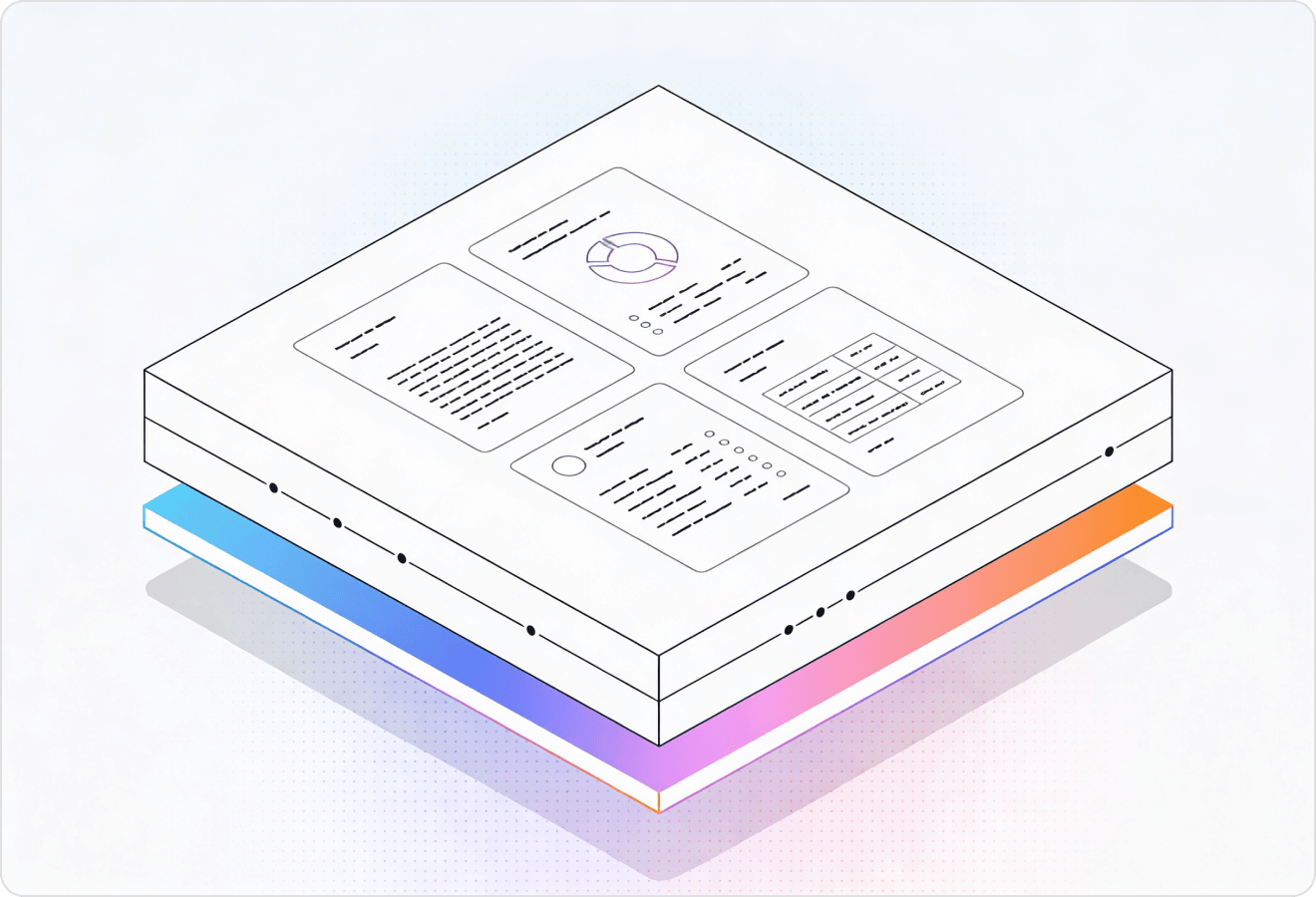

LlamaParse turns messy W-4 scans and PDFs into clean, structured fields you can map directly into payroll and onboarding systems. It uses layout-aware, agentic document parsing with validation loops to reduce manual review and keep extraction consistent across form variants.
Best-in-Class Accuracy

Turn emailed and scanned W-4s into clean JSON that auto-populates onboarding flows, payroll setup, and state withholding logic without brittle regex or manual re-keying. LlamaParse’s layout-aware parsing and auto-correction loops keep extraction stable as document quality varies, so lean teams can ship faster with fewer HR ops tickets.

Ingest high-volume W-4 packets from multiple clients and formats, then standardize fields like filing status and additional withholding into a single schema for downstream payroll providers. LlamaParse preserves reading order and signature blocks across messy scans, reducing compliance risk and cutting time-to-start for placed workers.

Centralize W-4 intake for distributed plants where forms arrive as mobile photos, faxes, and multi-page PDFs, then route exceptions using confidence scores and page-level citations for fast review. LlamaParse’s tier-based processing keeps costs predictable by applying heavier models only to the low-quality pages that typically break legacy OCR.

Process W-4s for student workers, adjuncts, and seasonal hires at peak onboarding periods by extracting key withholding fields into HRIS/payroll systems with consistent formatting. LlamaParse’s natural-language parsing instructions let payroll teams quickly adapt output schemas for policy changes without rewriting parsing pipelines.
The Solution
01
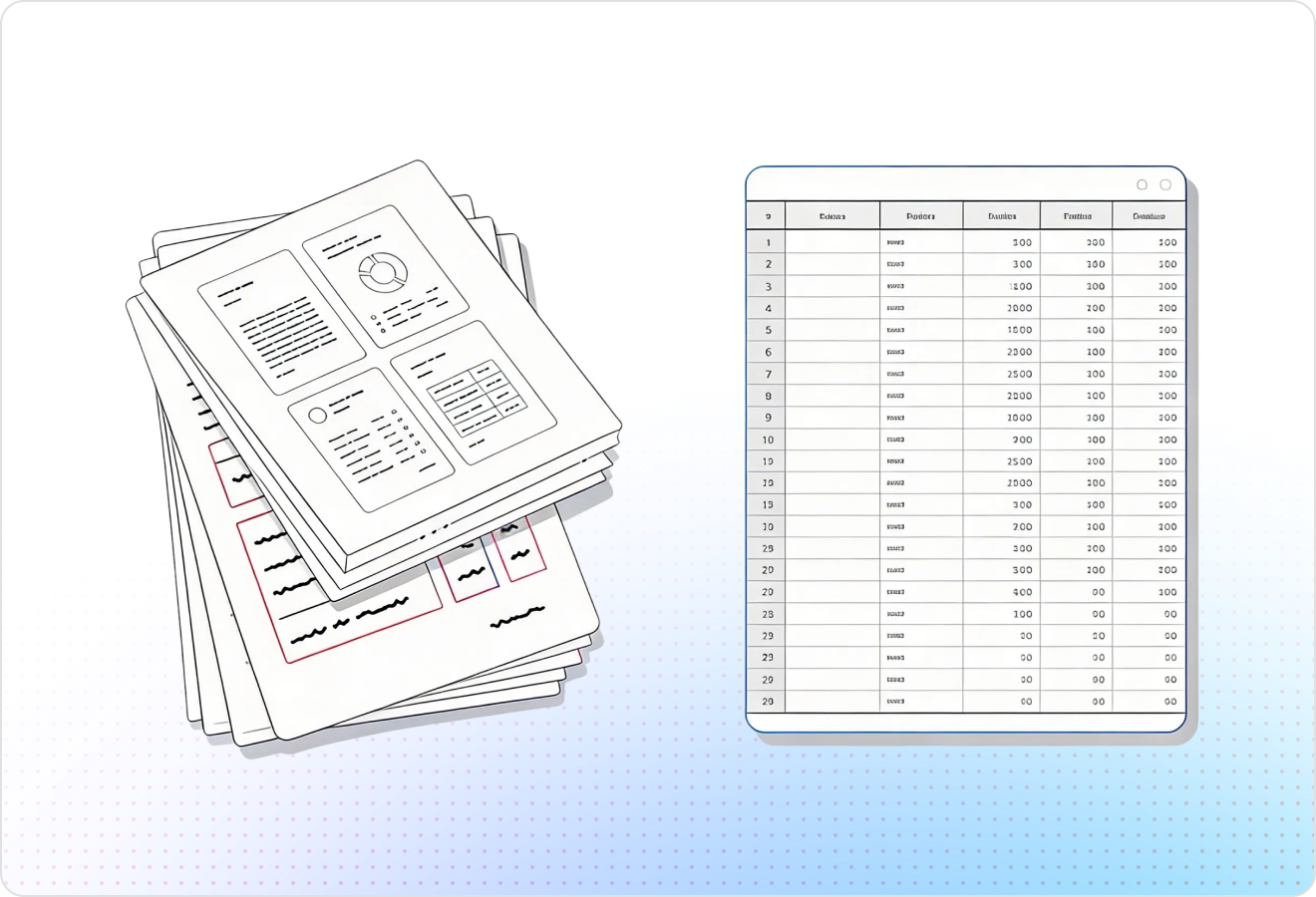
LlamaParse understands the W-4’s layout and keeps each field tied to the right label, even in multi-section government forms. That prevents common extraction mistakes like shifting names, addresses, and allowances into the wrong boxes when the PDF is scanned or slightly skewed.
02
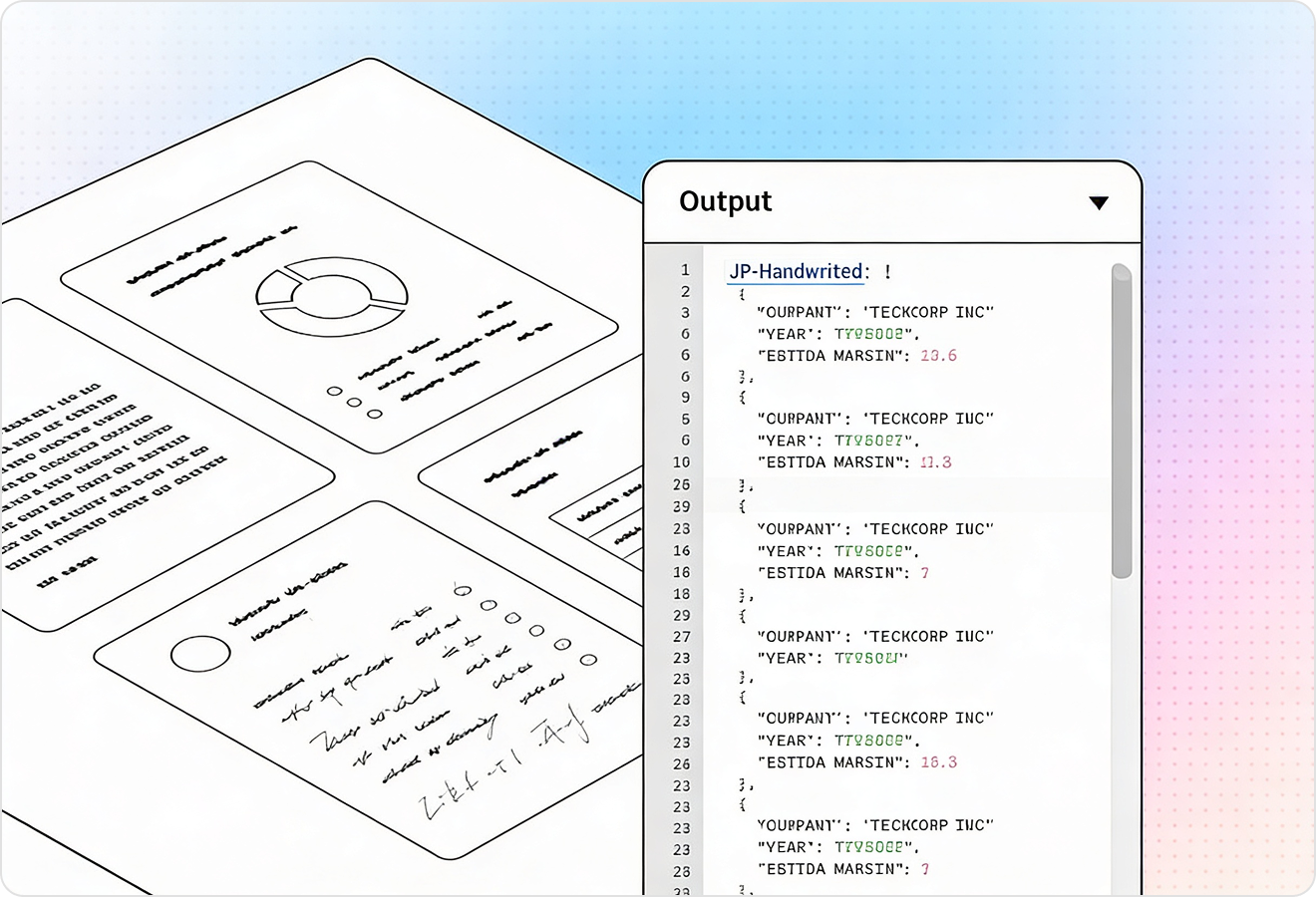
LlamaParse accurately captures structured elements like boxed inputs, checkboxes, and small tables without flattening them into jumbled text. This is critical for W-4 details such as filing status selections, multiple jobs steps, and dependent calculations that need to land in the correct structured fields.
03
LlamaParse can return W-4 data as clean JSON suitable for payroll and HRIS ingestion instead of brittle text blobs. It also attaches page-level and spatial metadata so you can trace each extracted value back to its exact location for review and audit workflows.
04
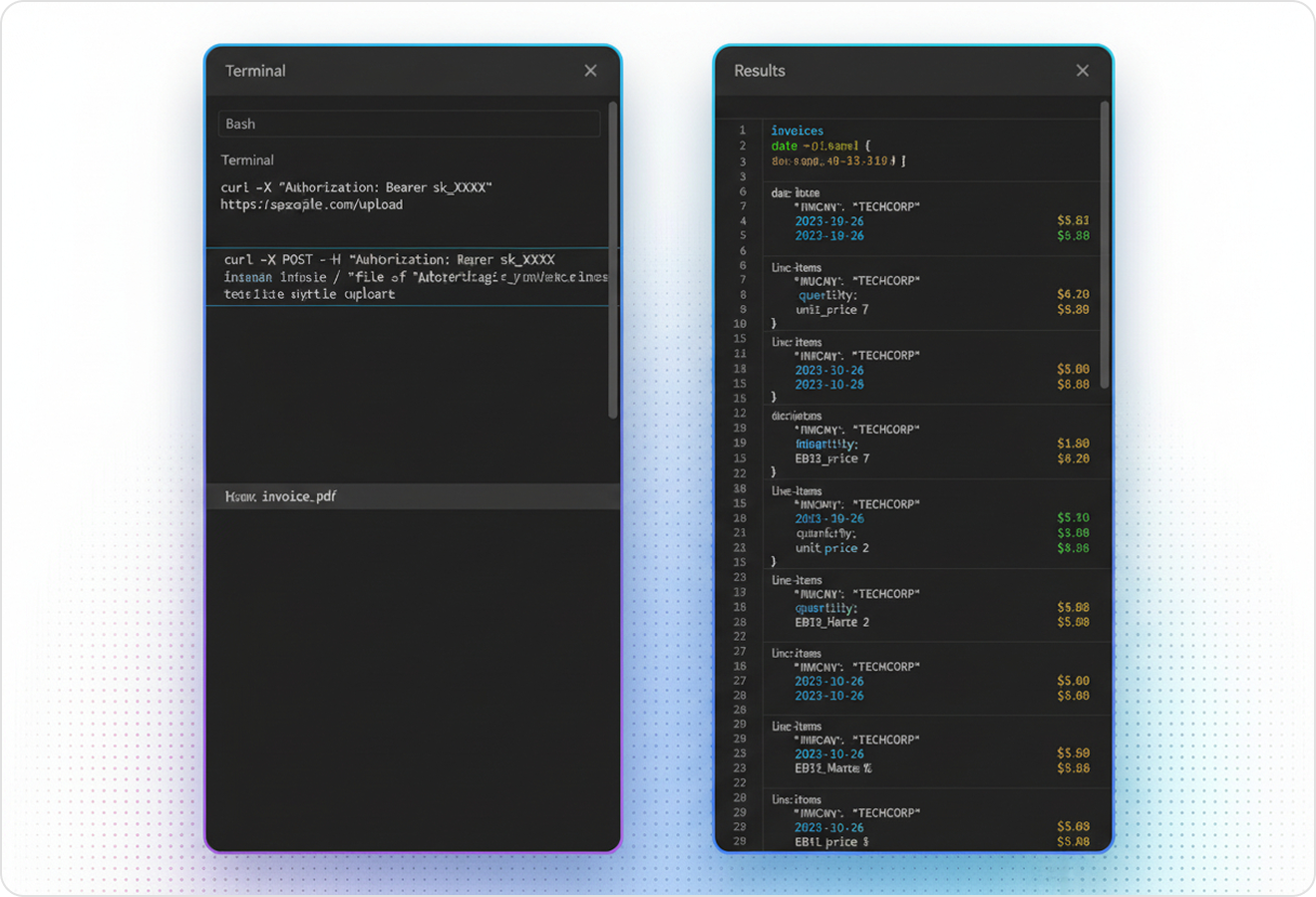
LlamaParse runs validation and self-correction passes to catch common scan and parsing issues like missing digits, broken lines, or misread characters. For W-4 processing, this improves straight-through extraction of SSN-like numeric fields, addresses, and totals while reducing manual exception handling.
Technical OCR documentation
Explore our developer guides to easily connect your document pipelines to LlamaParse.
Explore the documentation
Our AI catches the typos that tired eyes miss.

Export to Excel, JSON, XML, or directly via API.

SOC2 Type II compliant with end-to-end encryption.

Train the tool on your specific forms in minutes, not days.

Average processing time of <3 seconds per page.
LlamaParse’s support of a wide variety of filetypes and its accuracy of parsing made it the best tool we tested in our evaluations. The LlamaIndex team was very responsive and we were off to the races within a day.
The engine room
01
Our layout-aware parsing reads the W-4 like a human would—keeping each value anchored to its correct label and section, even when the PDF is scanned, rotated, or slightly misaligned. This reduces common errors like shifted names, addresses, or withholding amounts that cause downstream payroll corrections.
02
Yes. We extract tables, boxed fields, and checkboxes as structured data rather than flattening them into messy text, so filing status and multi-job/dependent steps land in the right fields. That means fewer manual reviews and more reliable automated onboarding.
03
We return normalized JSON designed for system-to-system workflows, so you can map directly into payroll, HRIS, or document management pipelines. You’ll get consistent field names and data types instead of brittle copy-pasted text.
04
Is there a way to audit or review where each extracted value came from on the original W-4?
Every extracted field can include page-level and spatial metadata, letting reviewers trace a value back to its exact location on the form. This supports fast exception handling and creates a clear audit trail for compliance-heavy workflows.
05
How do you handle common OCR mistakes like missing digits in SSN-like fields or misread totals?
We run validation and auto-correction passes to catch issues like broken characters, missing numbers, and line splits that often happen with scans. This improves straight-through processing for numeric and address fields, reducing the number of forms that need manual cleanup.
06
Will this still work if we receive different W-4 versions or multi-page government form layouts?
Yes—layout-aware parsing is designed for multi-section government forms and can handle variations in structure without “drifting” across fields. That flexibility helps you scale W-4 intake without constantly re-tuning templates as formats change.
Explore Our Resources