Nov 14, 2025
Document AI: The Next Evolution of Intelligent Document ProcessingPersona
Industry
Use cases
Balance Sheet OCR
[ Balance Sheet OCR ]

Use LlamaParse to turn balance sheets into structured JSON with confidence scores for faster review.
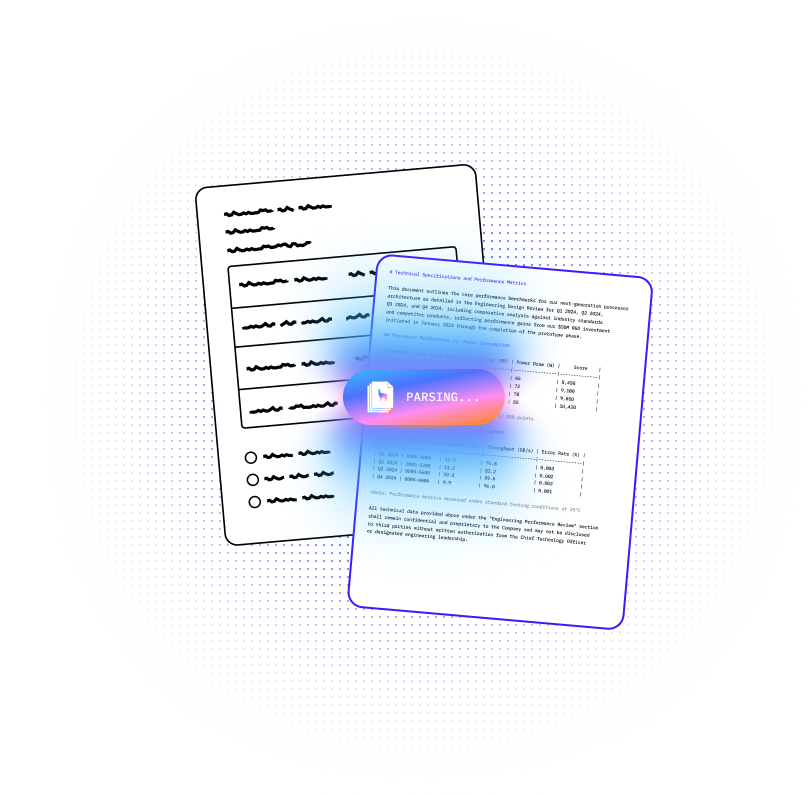
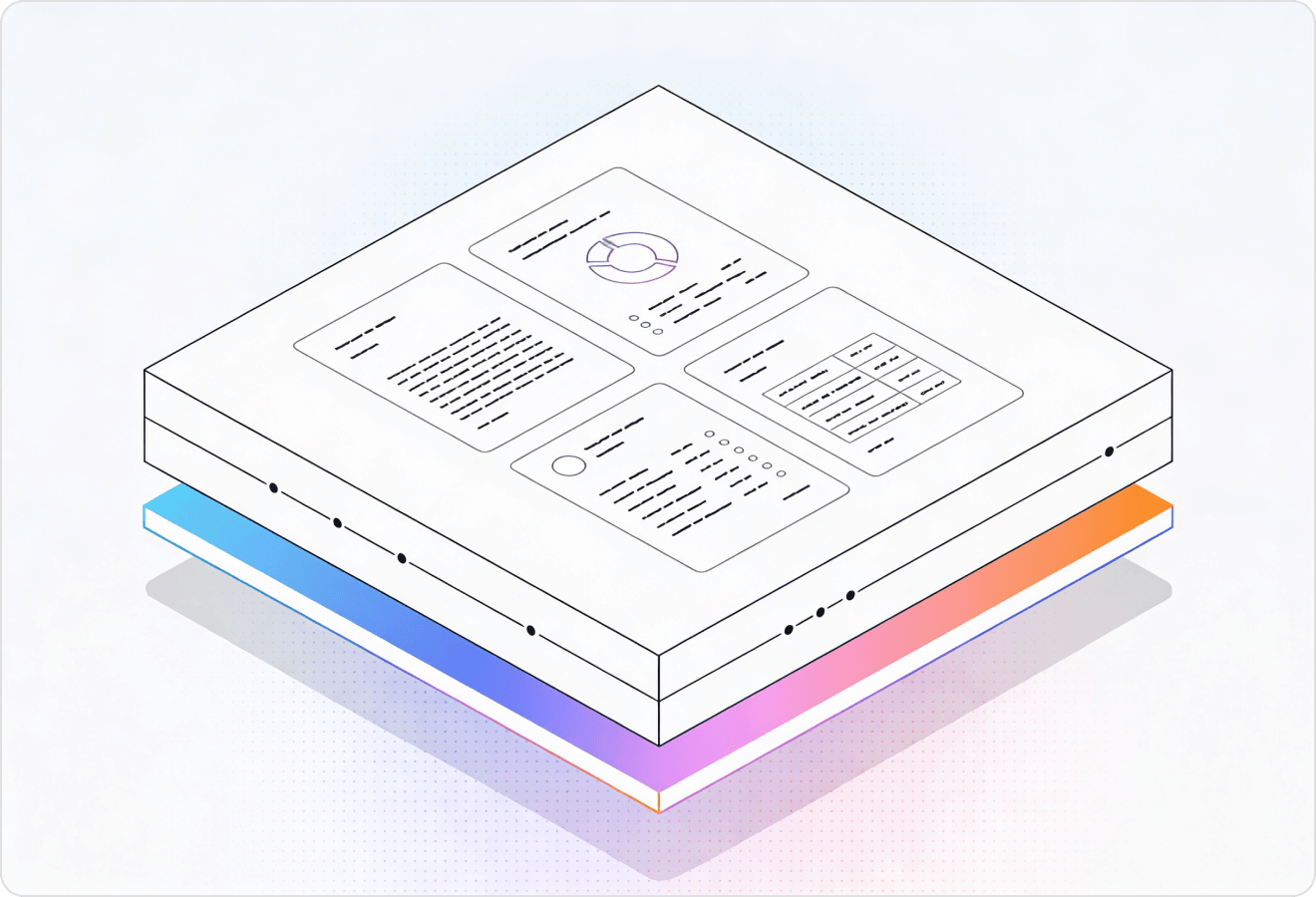

LlamaParse turns messy balance sheet PDFs into clean, structured JSON and tables, preserving line items, hierarchies, and totals across varied layouts. Agentic document parsing cross-checks figures with layout-aware vision and validation loops, so your downstream reporting and reconciliation workflows trust the output.
Best-in-Class Accuracy

Use LlamaParse inside LlamaCloud to turn investor-ready balance sheet PDFs into structured JSON that automatically populates metrics dashboards and board reporting without brittle spreadsheet rekeying. Layout-aware table extraction and confidence-scored citations cut time spent reconciling line items when formats change across months, lenders, or accountants.

Parse borrower balance sheets into standardized fields for spreading, covenant checks, and risk grading—even when statements include multi-column layouts, footnotes, and inconsistent table structures. Agentic document parsing with validation loops reduces manual analyst review and speeds decisioning while keeping every number traceable back to page-level citations.

Ingest client balance sheets at scale and extract clean line-item tables into Markdown or JSON for audit prep, variance analysis, and multi-entity consolidations. Natural-language parsing instructions let teams enforce firm-specific chart-of-accounts mappings and output schemas without building custom parsing code per client.

Convert property-level and fund-level balance sheets into structured data to monitor leverage, working capital, and reserve compliance across portfolios with inconsistent reporting templates. Multimodal parsing captures tables plus embedded charts and supporting schedules, enabling faster asset management reviews and more reliable lender reporting.
The Solution
01
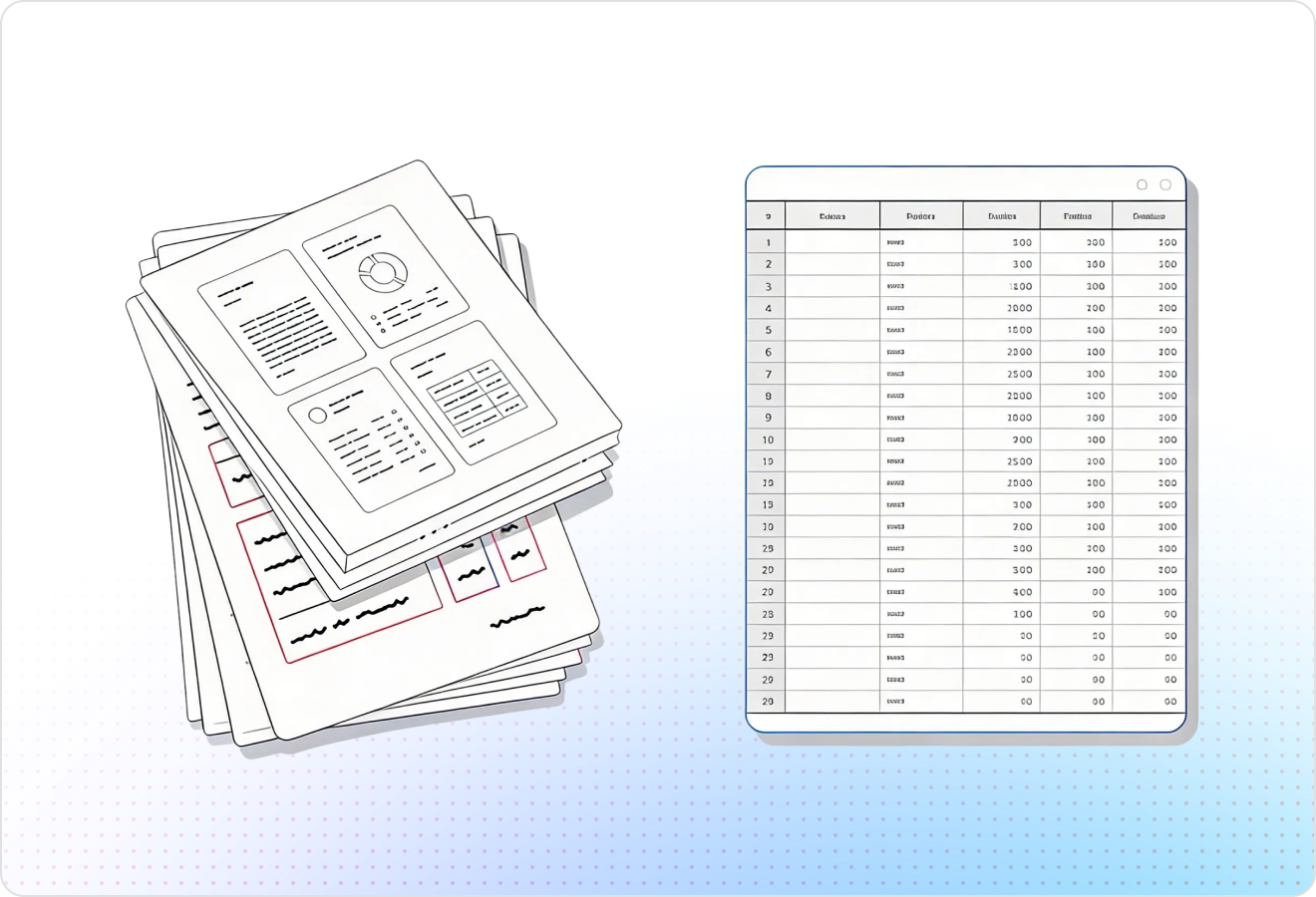
LlamaParse detects page structure and reliably reconstructs balance sheet tables, even with multi-level headers, subtotals, and multi-column layouts. You get clean, readable outputs that preserve row/column integrity so assets, liabilities, and equity don’t get scrambled in downstream systems.
02
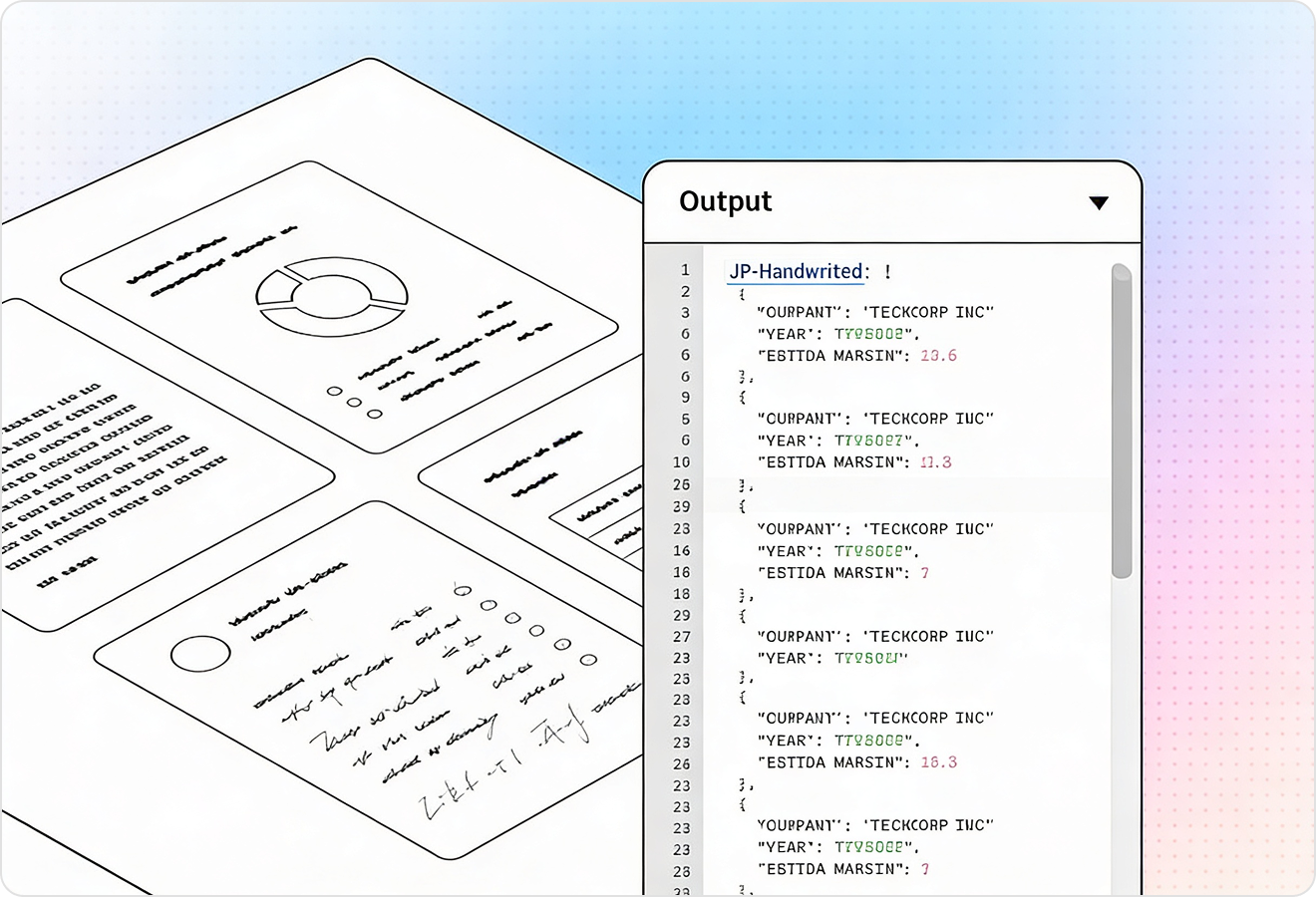
LlamaParse uses agentic document parsing with state-of-the-art OCR plus vision reasoning to handle messy scans, skew, stamps, and low-contrast PDFs common in financial statements. This reduces manual cleanup and improves straight-through extraction when traditional OCR would drop numbers or misread line items.
03
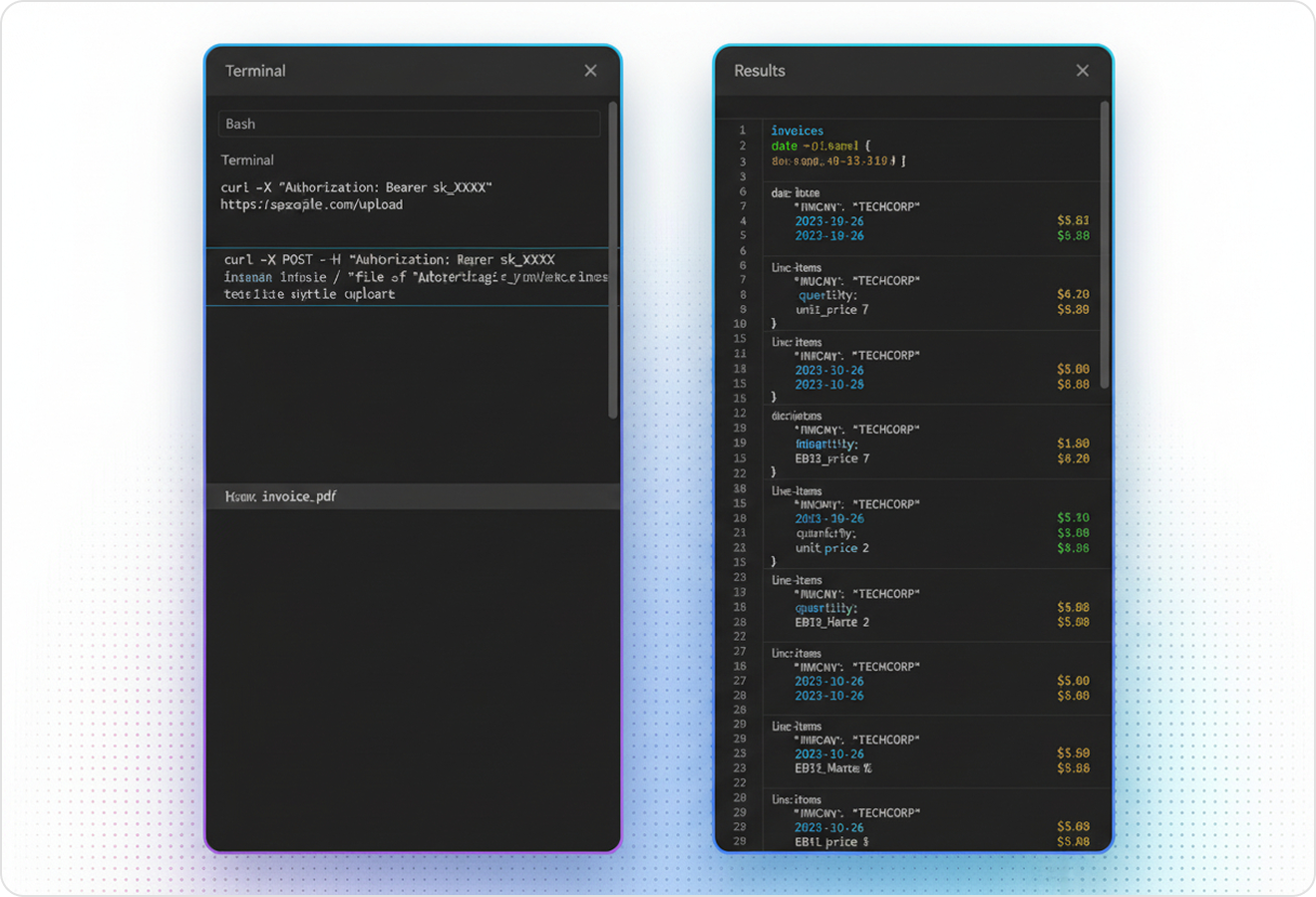
LlamaParse can return structured JSON for each extracted table cell and field, along with page-level metadata like coordinates and document structure. That makes it straightforward to validate every figure, attach citations for audit trails, and route low-confidence values for review.
04
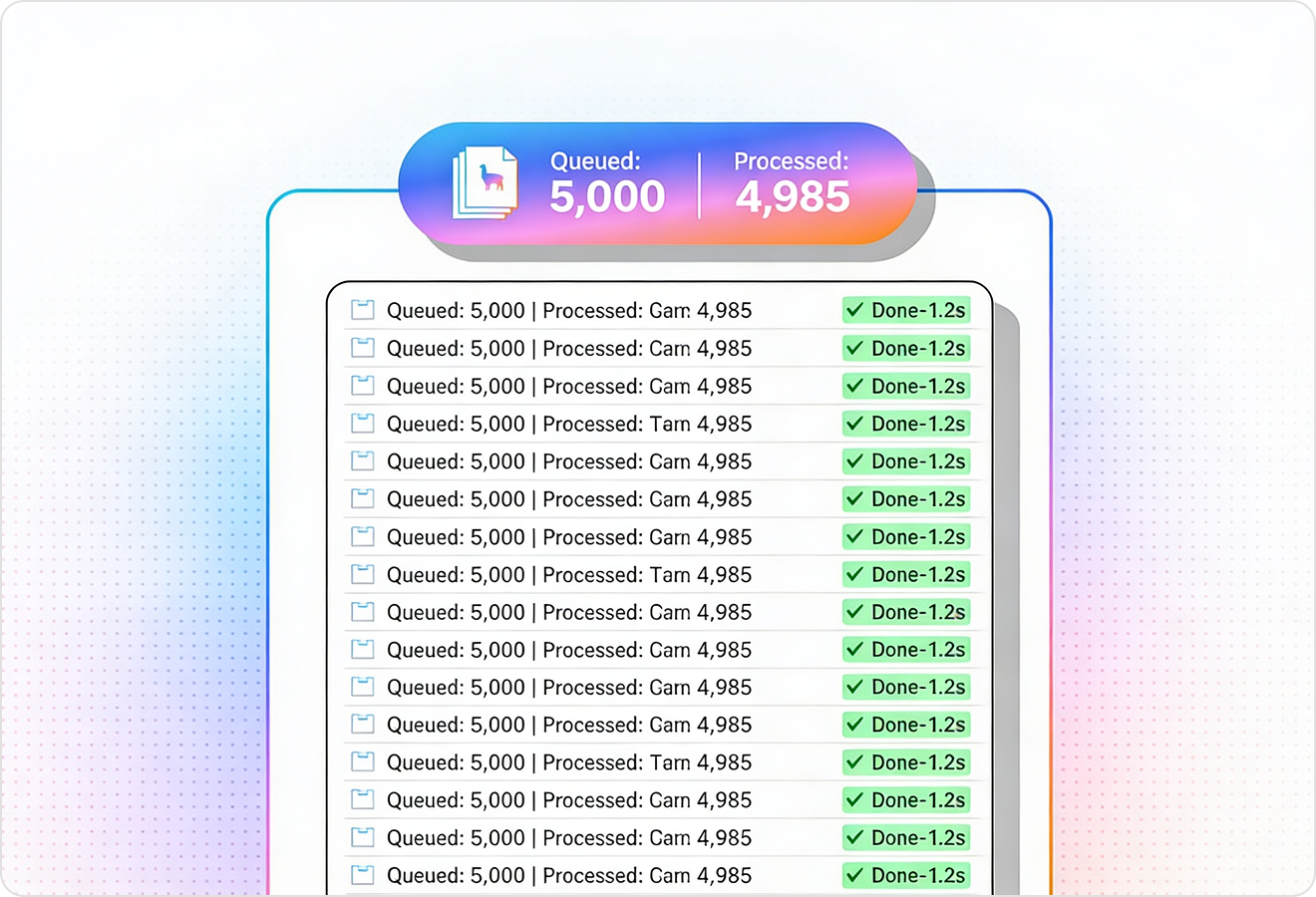
LlamaParse runs self-checking loops to catch common extraction failures like duplicated rows, broken totals, or inconsistent formatting across pages. For balance sheets, this means fewer silent errors and cleaner data before you push results into reconciliation, analytics, or reporting workflows.
Technical OCR documentation
Explore our developer guides to easily connect your document pipelines to LlamaParse.
Explore the documentation
Our AI catches the typos that tired eyes miss.

Export to Excel, JSON, XML, or directly via API.

SOC2 Type II compliant with end-to-end encryption.

Train the tool on your specific forms in minutes, not days.

Average processing time of <3 seconds per page.
LlamaParse’s support of a wide variety of filetypes and its accuracy of parsing made it the best tool we tested in our evaluations. The LlamaIndex team was very responsive and we were off to the races within a day.
Common FAQs
01
Yes—Layout-Aware Table Extraction reconstructs complex balance sheet tables so rows, columns, and hierarchy stay intact. That means assets, liabilities, and equity don’t get misaligned when you export to Excel, a database, or your downstream reporting tools.
02
Agentic Parsing for Scans combines high-quality OCR with vision reasoning to interpret real-world statement artifacts like skew, shadows, and stamps. You’ll spend less time fixing broken line items and re-keying numbers that traditional OCR often misses.
03
Absolutely—LlamaParse returns structured JSON down to the cell/field level, making it straightforward to map values into your data model. This speeds up integration with ETL workflows, accounting systems, and analytics dashboards without fragile post-processing.
04
Do you provide traceability for audits—like page references or coordinates for each value?
Yes—each extracted value can include page-level metadata such as coordinates and document structure, so you can cite exactly where a figure came from. This makes validation and audit trails much easier, especially for close, compliance, and investor reporting.
05
How do you prevent silent errors like duplicated rows or totals that don’t add up?
Validation and Auto-Corrections run self-checking loops to catch common extraction failures like repeated lines, broken totals, and inconsistent formatting across pages. This reduces the risk of pushing bad data into reconciliation or reporting and helps keep exceptions focused and reviewable.
06
What’s the workflow for low-confidence or ambiguous values—can we route them for review?
You can flag low-confidence fields using the returned metadata and automatically route them to a human review step while letting high-confidence values flow through. This gives you straight-through processing where possible, without sacrificing control over edge cases.