Nov 14, 2025
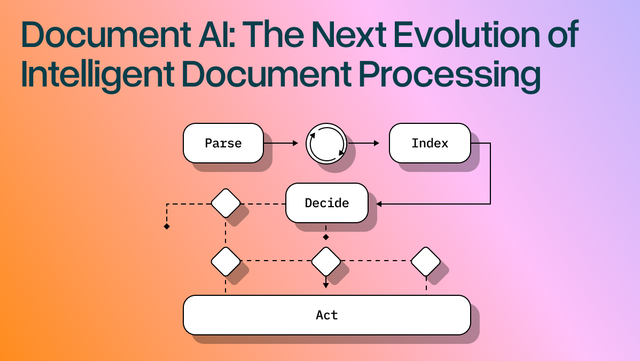
Document AI: The Next Evolution of Intelligent Document ProcessingPersona
Industry
Use cases
401k Statement OCR
[ 401k Statement OCR ]

Use LlamaParse to turn messy 401k PDFs into structured, verifiable JSON your systems can trust.
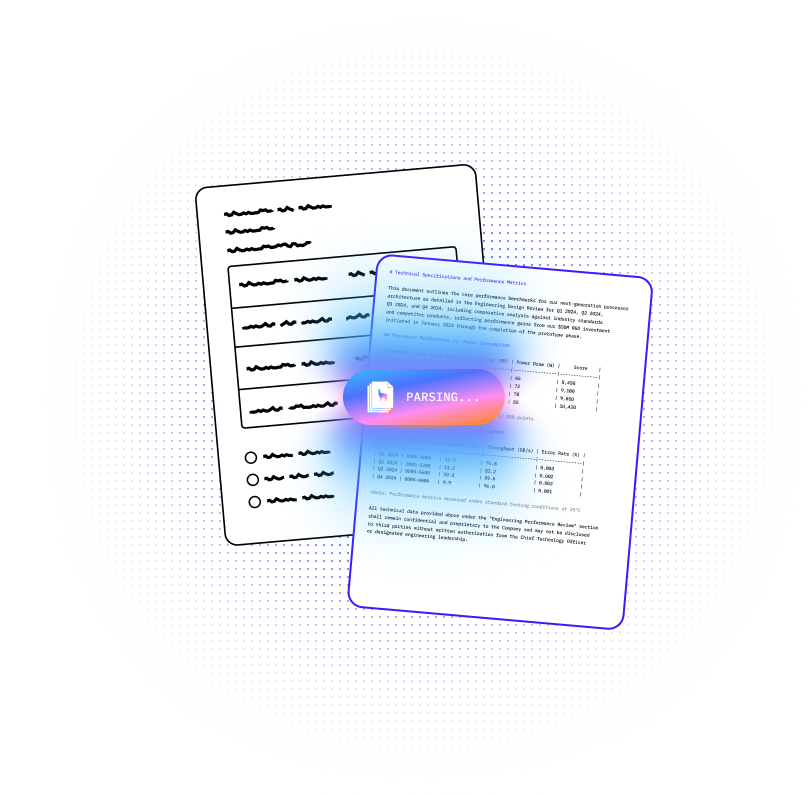


LlamaParse turns messy 401k statements into clean, structured fields in minutes, so you can automate ingestion instead of hand-checking totals. It uses layout-aware vision and validation loops to handle tables, footnotes, and scans, and returns verifiable JSON or Markdown.
Best-in-Class Accuracy

Automatically parse 401k statements into clean, table-faithful JSON—holdings, contribution rates, employer match, and vesting—so advisors can onboard faster without analysts rekeying data. LlamaParse preserves multi-column layouts and fund tables with citations and confidence scores, reducing suitability errors and speeding up portfolio reviews.

Turn borrower-uploaded 401k statements into structured assets data for underwriting, including current balance, loan activity, and account owner details, even when the PDF is a messy scan. LlamaParse uses layout-aware extraction and auto-correction loops to cut follow-up document requests and move files to clear-to-close faster.

Ingest 401k provider statements and convert plan metrics—employee deferrals, match totals, fees, and participation—into normalized records for reconciliation and client reporting. LlamaParse reliably extracts dense tables and footnotes across providers, reducing month-end exceptions and avoiding brittle, template-specific parsing code.

Build a 401k statement ingestion feature in days by using LlamaParse JSON mode to extract balances, transactions, and fund allocations into a product-ready schema without maintaining custom OCR rules. Tier-based agentic processing and cost optimizer mode keep unit economics predictable while handling edge cases like rotated pages, mixed fonts, and image-based statements.
The Solution
01
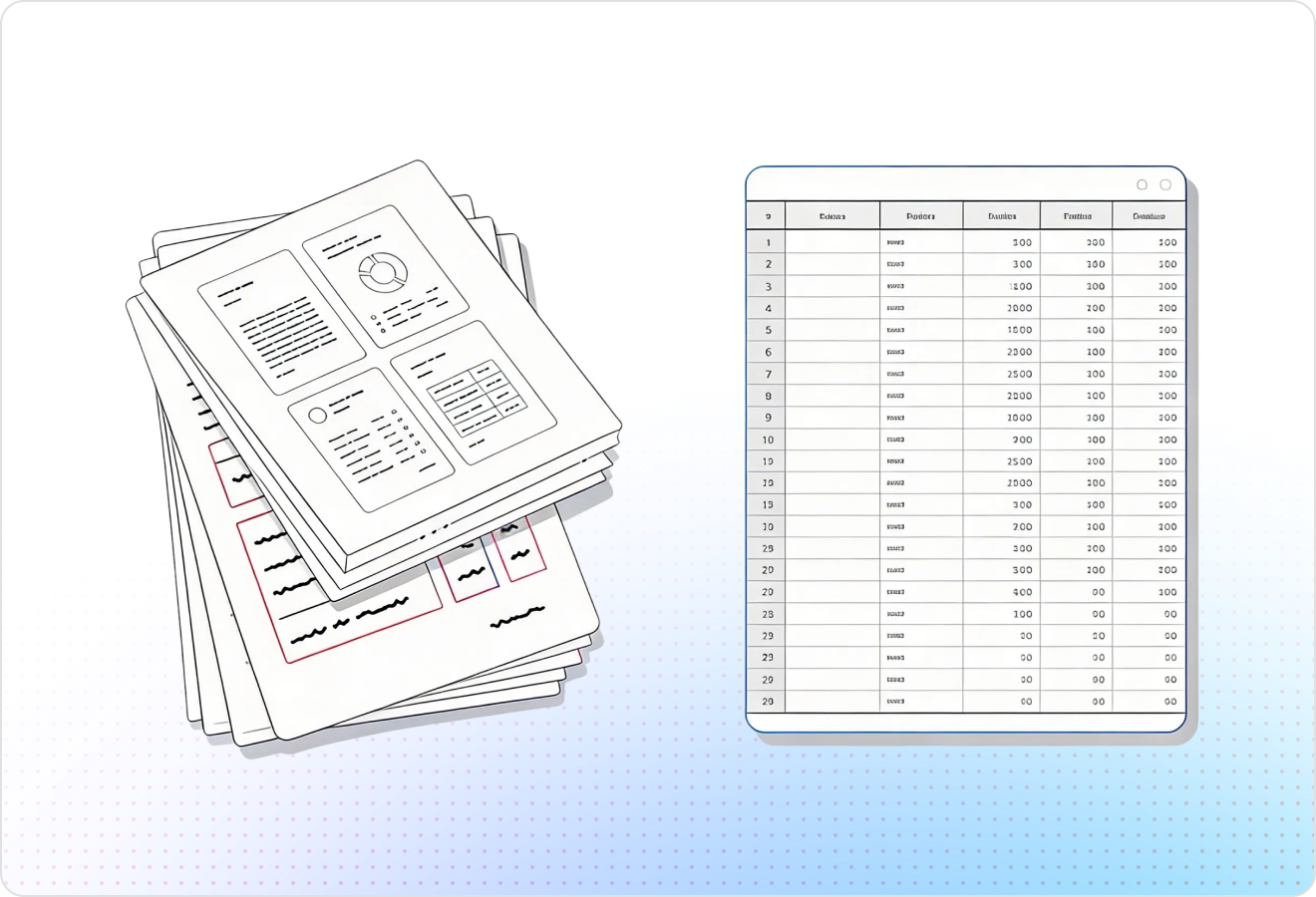
LlamaParse understands multi-column layouts, headers/footers, and section breaks so 401k statements don’t get scrambled into unusable text. That means participant info, plan details, and disclosure sections stay in the right reading order for reliable downstream extraction.
02
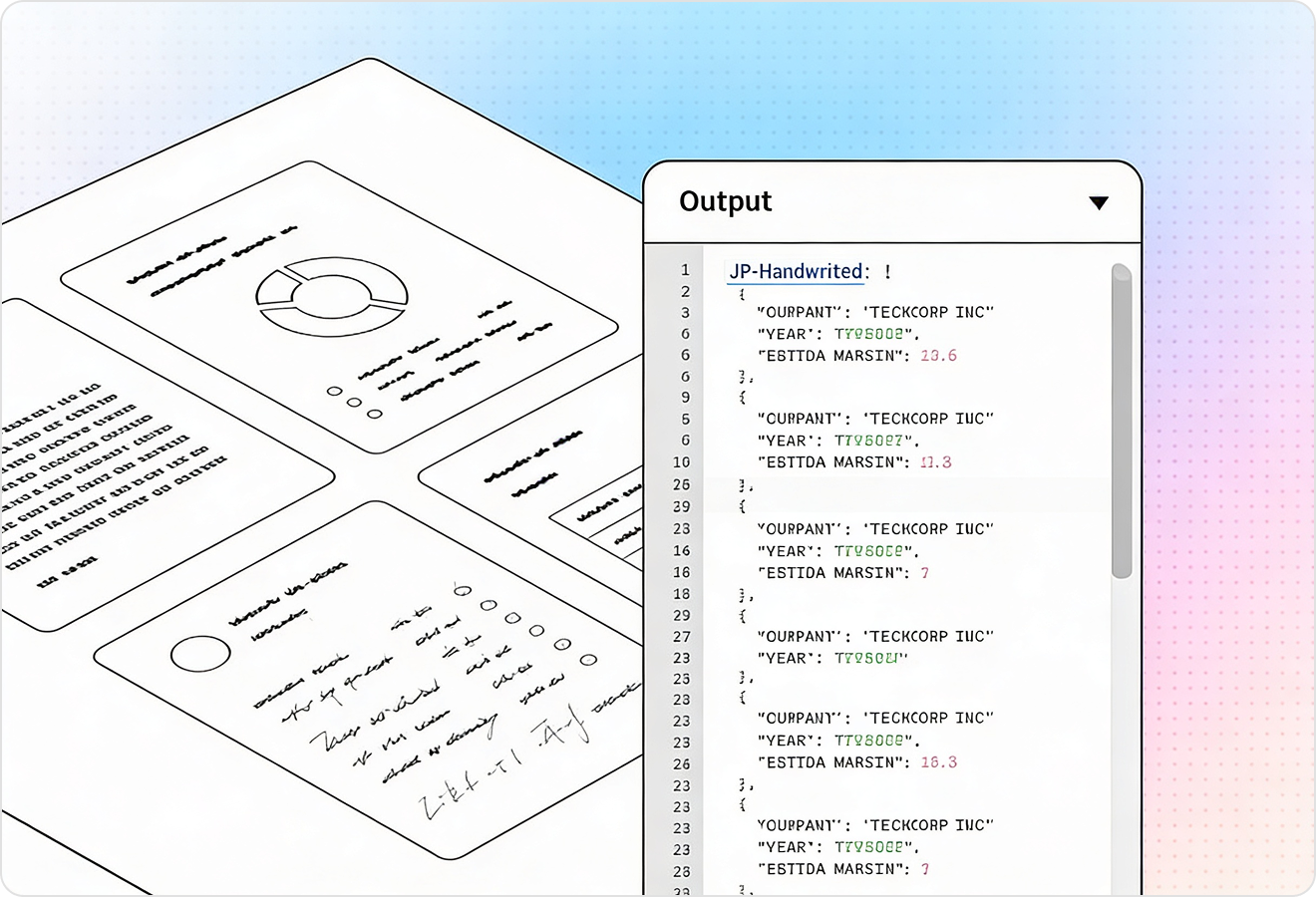
LlamaParse accurately captures dense holdings tables—tickers, share counts, prices, and market values—without dropping columns or misaligning rows. This is critical for turning 401k statement positions and allocation breakdowns into clean, analysis-ready data.
03
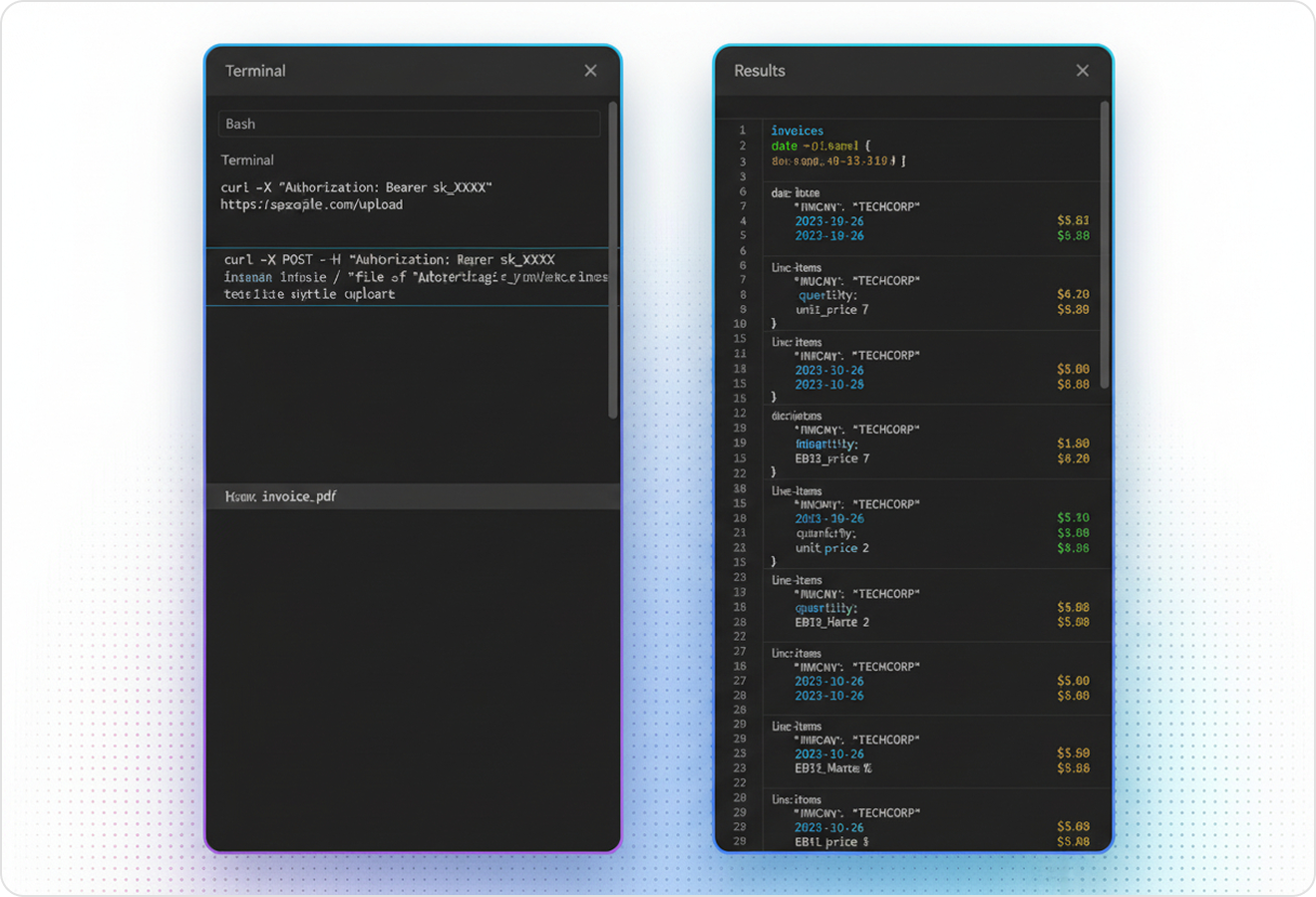
LlamaParse can return structured JSON with page-level citations and element metadata, so every extracted balance or contribution line is traceable to the source. For 401k statement processing, this makes audits and human review fast because you can point to the exact page and region that produced each field.
04
LlamaParse runs validation steps to catch common document parsing errors like inconsistent totals, missing rows, or misread numbers before results are returned. On 401k statements, that improves straight-through processing for balances, contributions, and fee lines—especially when scans are low-quality or the layout changes.
Technical OCR documentation
Explore our developer guides to easily connect your document pipelines to LlamaParse.
Explore the documentation
Our AI catches the typos that tired eyes miss.

Export to Excel, JSON, XML, or directly via API.

SOC2 Type II compliant with end-to-end encryption.

Train the tool on your specific forms in minutes, not days.

Average processing time of <3 seconds per page.
LlamaParse’s support of a wide variety of filetypes and its accuracy of parsing made it the best tool we tested in our evaluations. The LlamaIndex team was very responsive and we were off to the races within a day.
Common FAQs
01
No—our layout-aware parsing preserves reading order across multi-column pages, headers/footers, and section breaks. That keeps participant details, plan info, and disclosures in the right place so your downstream extraction stays reliable.
02
Yes—holdings tables are captured as structured data with columns and rows kept aligned, even when the table is dense. This makes it easy to turn positions and allocation breakdowns into clean, analysis-ready outputs.
03
We return structured JSON and include page-level citations plus element metadata. That means every balance, contribution, or fee line can be traced to the exact page and region, which speeds up QA, audits, and exception handling.
04
How do you handle common OCR errors like missing rows or totals that don’t add up?
We run validation and auto-correction loops to detect issues such as inconsistent totals, missing table rows, or misread numbers before results are returned. This reduces manual cleanup and improves straight-through processing for balances and contributions.ons.
05
Will it still work on low-quality scans or when providers change statement templates?
Yes—our parsing is designed to be resilient to noisy scans and layout variation by relying on document structure, not brittle template rules. You’ll see fewer breaks when statement designs change, and edge cases are surfaced with traceable citations for quick review.
06
How quickly can we integrate this into our 401k statement processing pipeline?
You can upload statements and receive structured JSON in a format that’s straightforward to map into your data model and workflows. Since outputs include citations and validation, teams typically spend less time building custom post-processing and more time shipping production-ready automation.