Nov 14, 2025
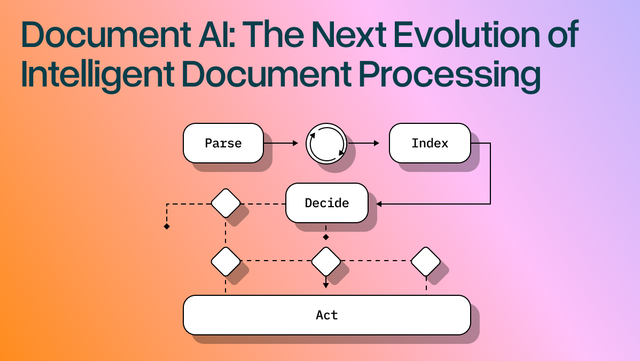
Document AI: The Next Evolution of Intelligent Document ProcessingPersona
Industry
Use cases
Bank Statement OCR Extraction
[ Bank Statement OCR Extraction ]

Use LlamaParse to turn messy bank PDFs into clean, verifiable JSON with confidence scores.
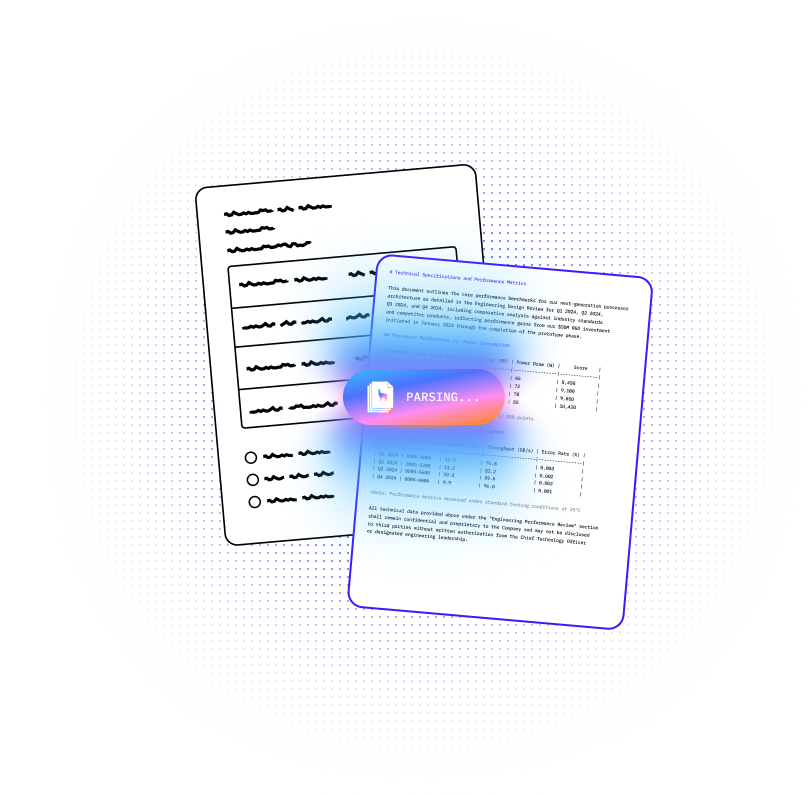
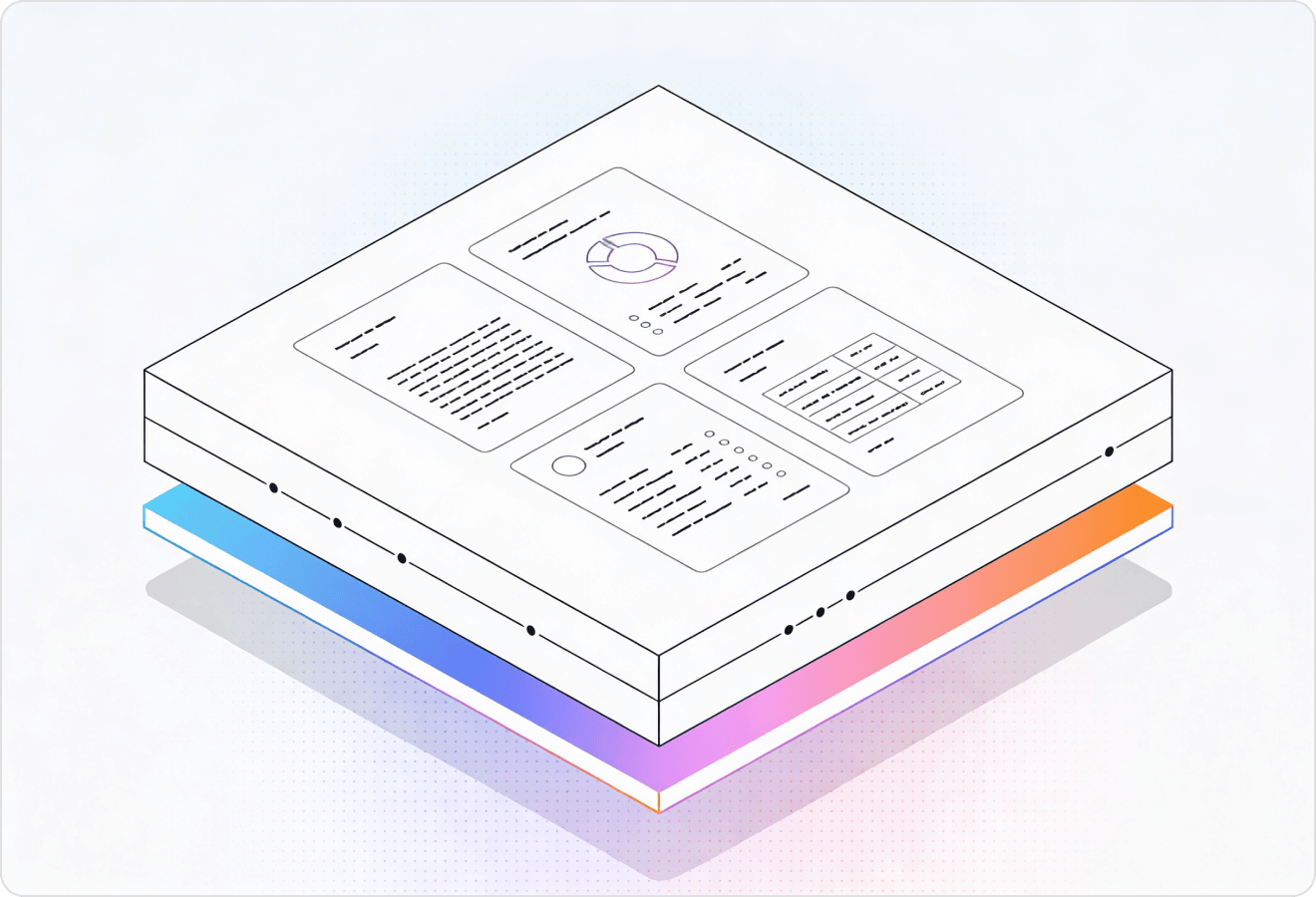

LlamaParse turns messy PDFs and scans of bank statements into clean, structured JSON you can trust for reconciliation, underwriting, and analytics. Agentic document parsing understands layouts, tables, and multi-column transactions, then validates fields with confidence metadata to reduce manual review.
Best-in-Class Accuracy

Turn messy user-uploaded bank statements into clean, structured JSON (transactions, balances, account details) using LlamaParse’s layout-aware table extraction—no brittle parsing scripts to maintain. Auto-mode routing and correction loops keep underwriting and cashflow models accurate while controlling per-document costs as volumes spike.

Automate borrower intake by extracting recurring income, deposits, NSF fees, and running balances from multi-bank statements, even when tables span pages or layouts change quarter-to-quarter. Ship verifiable outputs with citations and confidence scores so underwriters can review exceptions fast instead of re-keying data.

Convert bank statements into categorized transaction feeds and reconciled summaries that map directly into your GL workflow, preserving reading order and table integrity across multi-column PDFs. Use natural-language parsing instructions to standardize outputs per client and eliminate manual cleanup that slows monthly close.

Extract rent deposits, owner draws, maintenance payments, and reserve balances from bank statements to validate cash movements against leases and ledgers without chasing screenshots. LlamaParse produces Markdown/JSON that plugs into audit trails and compliance reporting, reducing disputes and accelerating owner statements.
The Solution
01
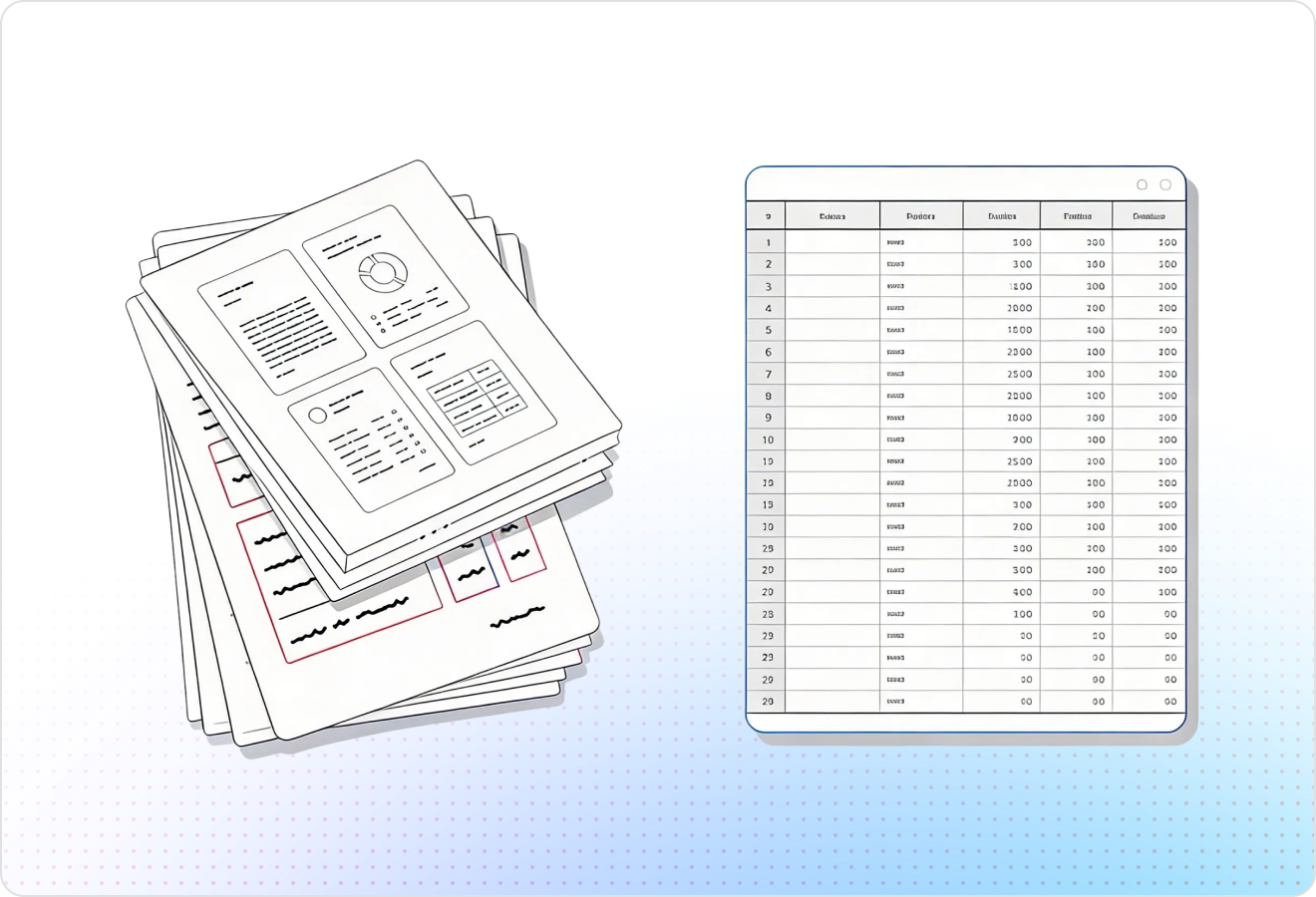
LlamaParse understands bank statement layouts and reliably reconstructs transaction tables, even with multi-column pages, wrapped merchant names, and mixed fonts. You get clean rows and columns for dates, descriptions, debits/credits, and balances without brittle post-processing.
02
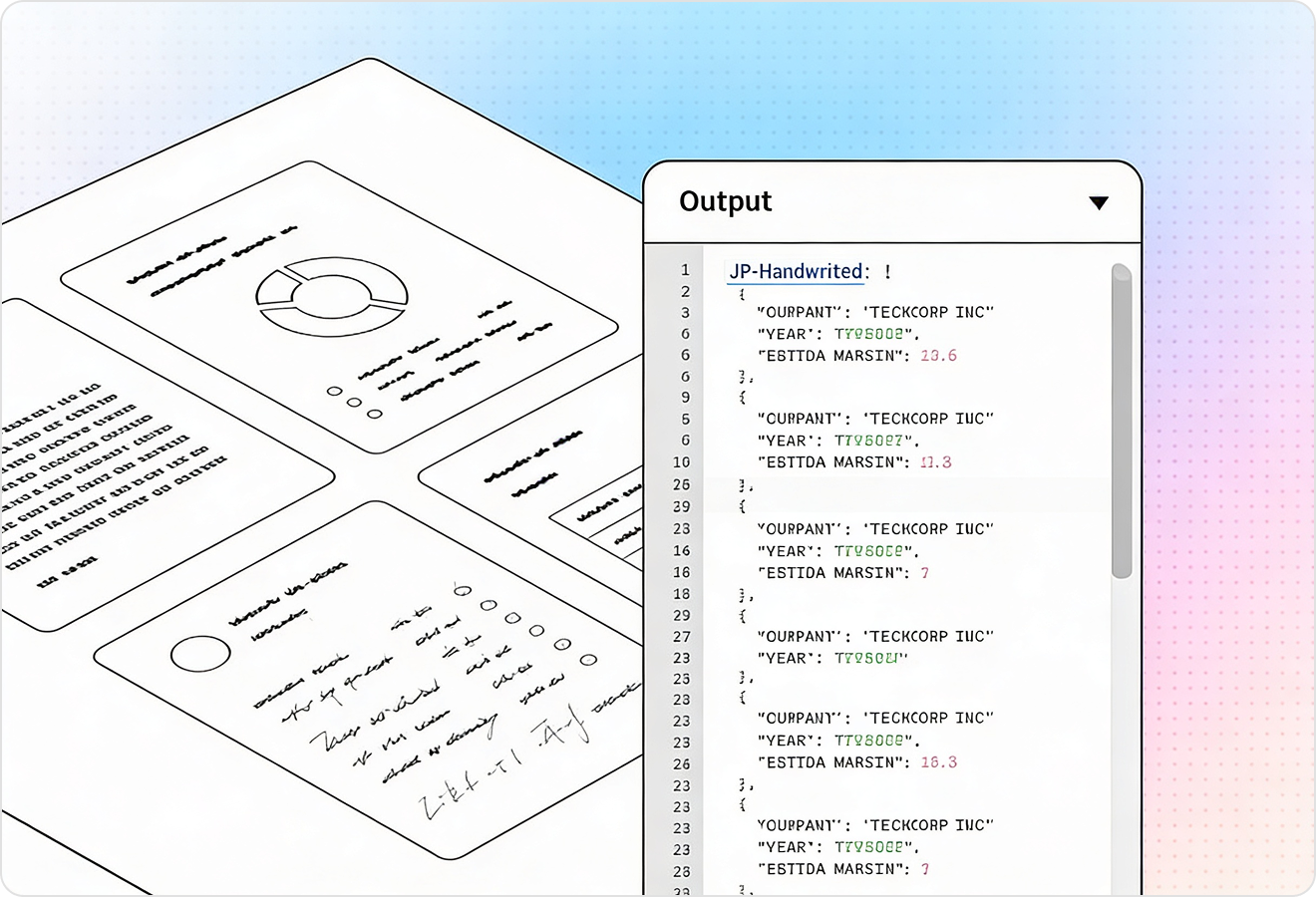
LlamaParse dynamically routes each page through the right mix of vision and language models, upgrading only when it detects noisy scans, stamps, or complex formatting. This keeps statement extraction accurate across different banks while controlling cost at scale.
03
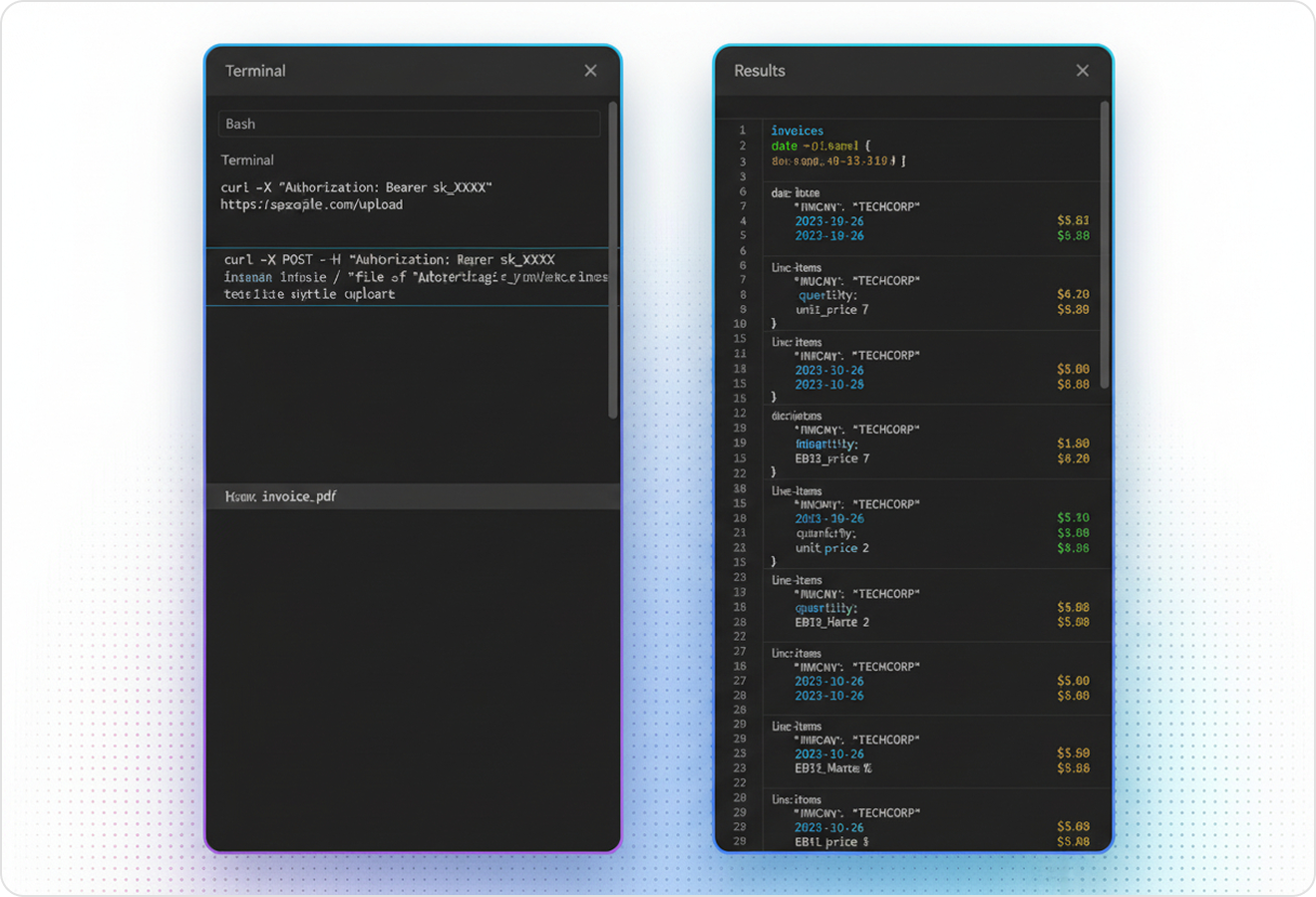
Export statement data as structured JSON with page references and element-level metadata so every extracted field is traceable back to the source. That makes it straightforward to audit transactions, power reconciliation flows, and support human review when needed.
04
LlamaParse runs validation and self-correction steps to catch common statement errors like swapped columns, dropped negatives, or misread totals. The result is higher straight-through processing for downstream categorization, cashflow analysis, and underwriting checks.
Technical OCR documentation
Explore our developer guides to easily connect your document pipelines to LlamaParse.
Explore the documentation
Our AI catches the typos that tired eyes miss.

Export to Excel, JSON, XML, or directly via API.

SOC2 Type II compliant with end-to-end encryption.

Train the tool on your specific forms in minutes, not days.

Average processing time of <3 seconds per page.
LlamaParse’s support of a wide variety of filetypes and its accuracy of parsing made it the best tool we tested in our evaluations. The LlamaIndex team was very responsive and we were off to the races within a day.
Common FAQs
01
LlamaParse uses layout-aware table extraction to reconstruct transaction tables the way a human would read them, even across multi-column pages, mixed fonts, and wrapped descriptions. You get clean, consistent rows and columns for date, description, debit/credit, and balance without brittle rules or heavy post-processing.
02
Yes—Agentic Parsing Auto Mode adapts page by page, selecting the right combination of vision and language models based on what it detects. That means reliable extraction across banks and formats without maintaining template-specific logic.
03
You can export structured JSON designed for downstream workflows like reconciliation, categorization, and underwriting. Each field can include page references and element-level metadata, making integrations predictable and audits straightforward.
04
Can I trace every extracted transaction back to the exact place on the statement for audits or human review?
Yes—JSON output can include citations with page and element references so you can pinpoint where each value came from. This supports audit trails, exception handling, and fast reviewer verification when needed.
05
How do you prevent common OCR mistakes like swapped columns, missing negatives, or incorrect totals?
LlamaParse runs validation and self-correction loops to detect and fix typical statement extraction errors before results hit your pipeline. This improves straight-through processing and reduces manual cleanup in high-volume workflows.
06
How do you balance accuracy and cost when processing large volumes of statements?
Auto Mode upgrades to more powerful models only when a page shows signs of complexity like noisy scans, stamps, or irregular formatting. You get high accuracy where it matters while keeping per-page costs controlled at scale.