Nov 14, 2025
Document AI: The Next Evolution of Intelligent Document ProcessingPersona
Industry
Use cases
Separation Agreement OCR
[ Separation Agreement OCR ]

Use LlamaParse to capture clauses, dates, and payouts from messy PDFs with layout-aware accuracy.
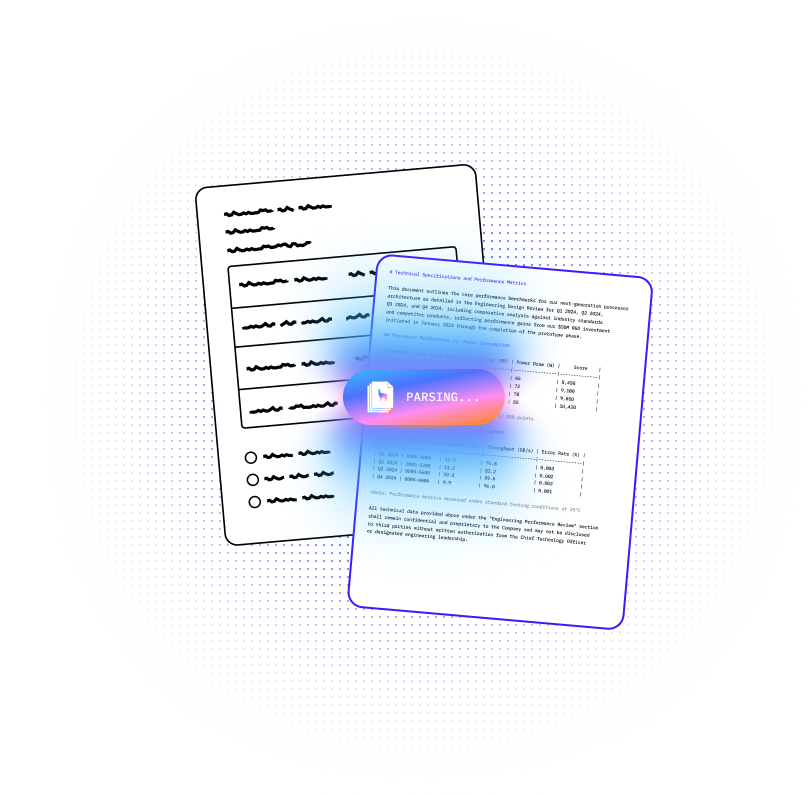
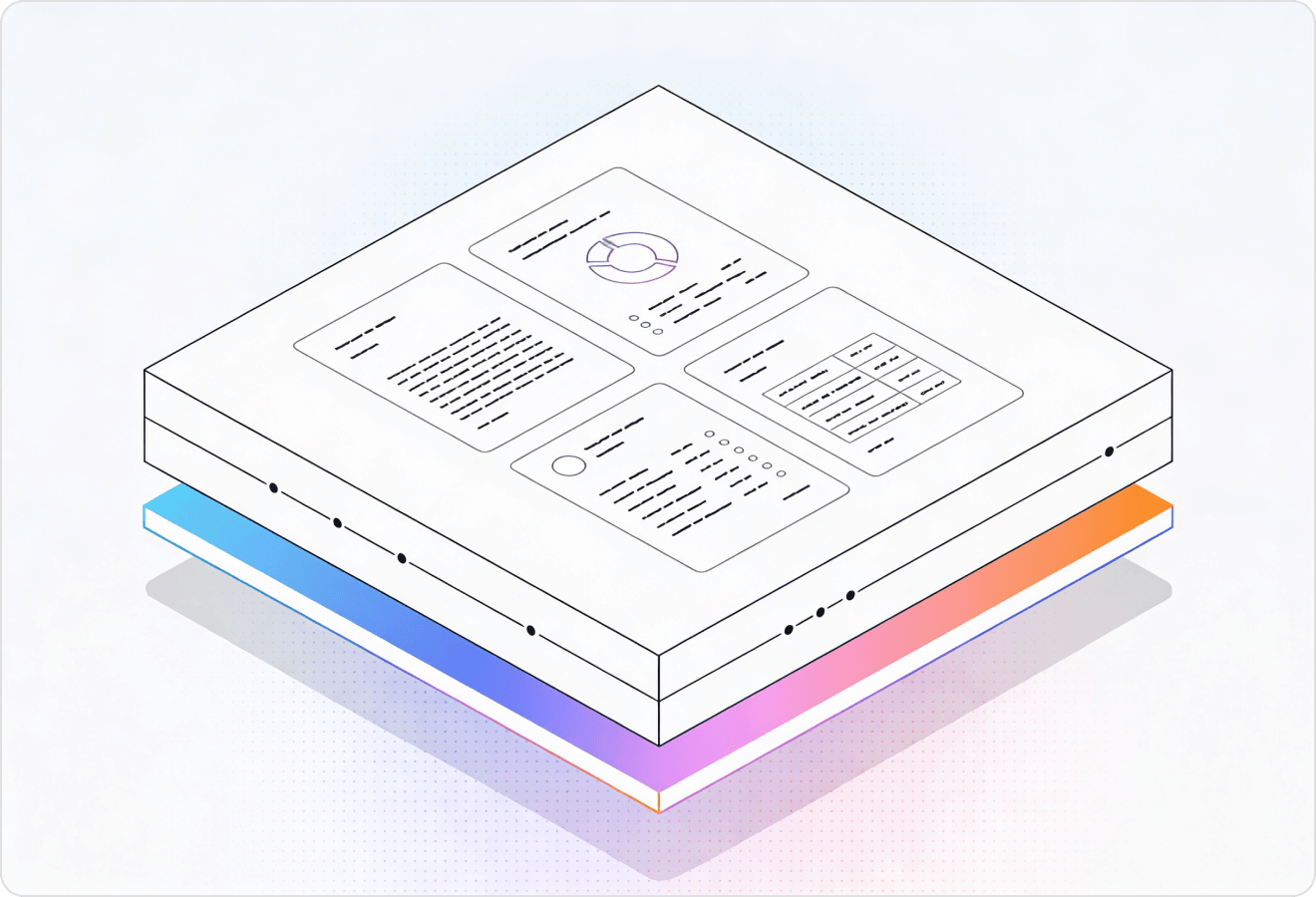

LlamaParse turns separation agreements, even scanned PDFs with messy formatting, into clean structured fields you can trust in minutes. It uses layout-aware vision plus validation loops to reduce missed clauses, and outputs JSON or Markdown with citations for review.
Best-in-Class Accuracy

Turn scanned separation agreements into structured JSON with clause-level traceability, so attorneys can instantly verify support, custody, and asset-division terms without manual rekeying. LlamaParse preserves multi-column layouts, tables, and signature blocks while attaching page citations and confidence scores to speed review and reduce drafting errors.

Automatically extract support amounts, effective dates, dependents, and coverage responsibilities from separation agreements to update eligibility and coordinate benefits without delays. LlamaParse handles messy scans and varied templates with agentic correction loops, reducing exceptions and preventing downstream payment and enrollment mistakes.

Ingest separation agreements to trigger account retitling, beneficiary updates, and payment instructions by pulling structured fields like asset schedules, payout timelines, and dispute clauses. With layout-aware table extraction and deterministic JSON outputs, ops teams can route tasks to the right workflow system and cut turnaround time for high-touch life-event servicing.

Ship separation-agreement ingestion as a product feature by using natural-language parsing instructions to extract exactly the fields your app needs (e.g., obligations, renewal terms, confidentiality, and termination) without brittle regex pipelines. LlamaParse returns clean Markdown for LLM-ready summaries plus metadata for citations, so you can launch faster while keeping outputs auditable for users.
The Solution
01
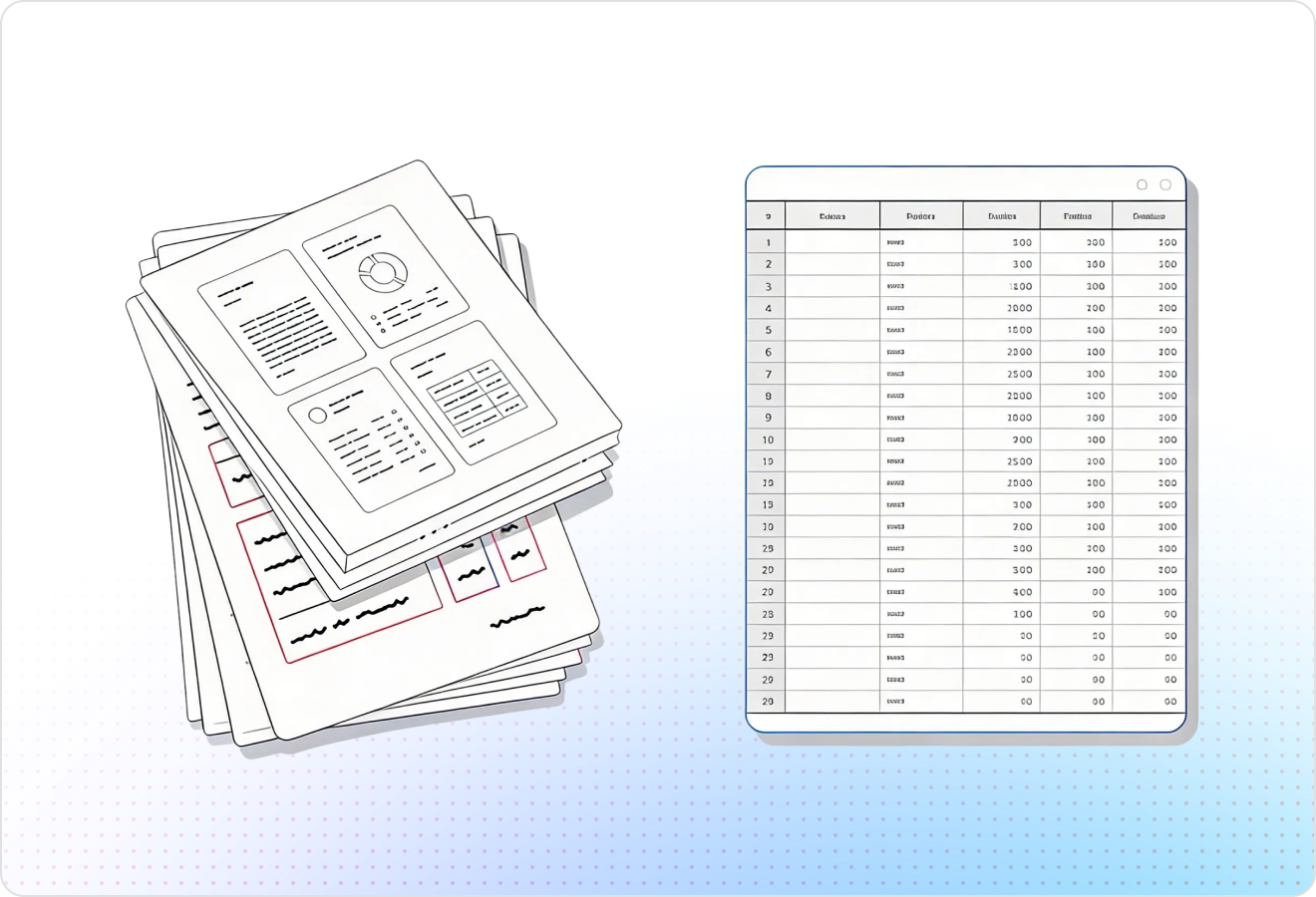
LlamaParse reads separation agreements with layout-aware segmentation, so multi-column text, headers/footers, and numbered clauses stay in the right order. That means you can reliably extract obligations, effective dates, and party details without repairing scrambled text downstream.
02
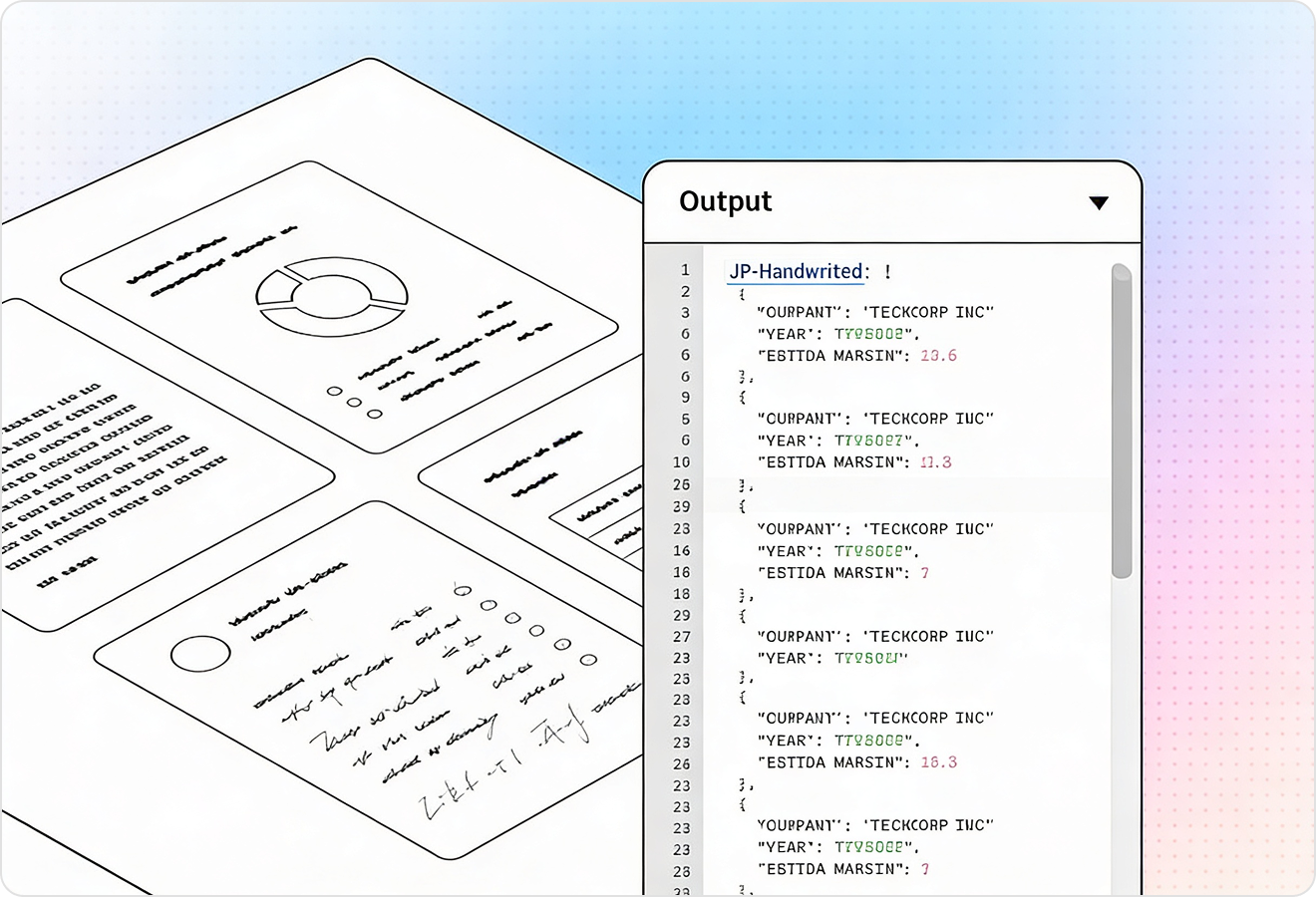
LlamaParse can interpret scanned pages that include signature blocks, initials, stamps, and embedded images as part of agentic document parsing. This helps you detect execution status and correctly associate exhibits or attachments with the clauses that reference them.
03
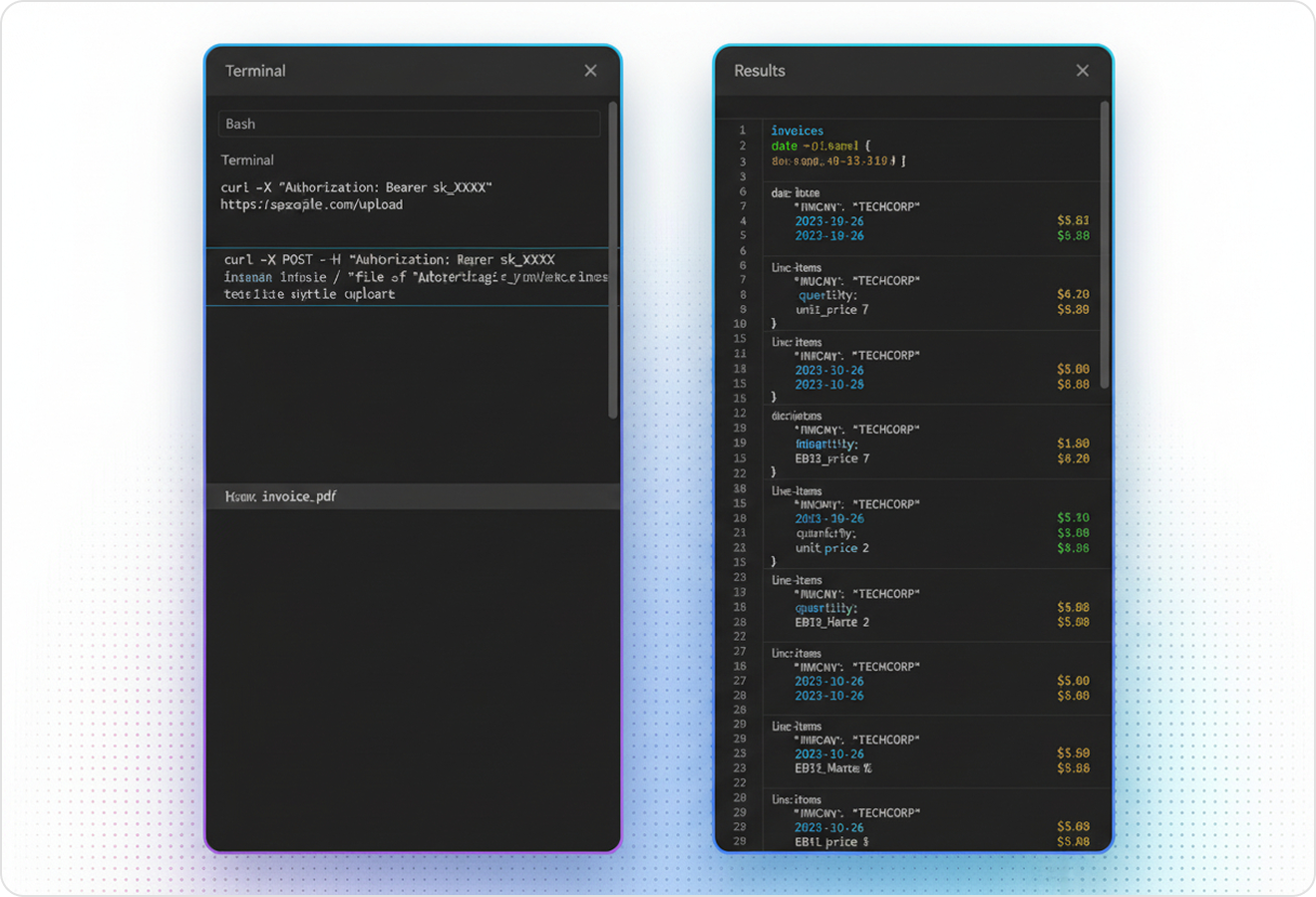
LlamaParse returns structured JSON with granular metadata like page references and element coordinates for each extracted field. For separation agreements, that traceability makes it easy to validate sensitive terms (support amounts, custody language, releases) and route exceptions to human review.
04
LlamaParse uses multiple validation and self-correction loops to reduce common scan errors and inconsistencies before it finalizes the parsed output. This improves straight-through processing for separation agreements where a single missed “not” or wrong number can change the legal meaning.
Technical OCR documentation
Explore our developer guides to easily connect your document pipelines to LlamaParse.
Explore the documentation
Our AI catches the typos that tired eyes miss.

Export to Excel, JSON, XML, or directly via API.

SOC2 Type II compliant with end-to-end encryption.

Train the tool on your specific forms in minutes, not days.

Average processing time of <3 seconds per page.
LlamaParse’s support of a wide variety of filetypes and its accuracy of parsing made it the best tool we tested in our evaluations. The LlamaIndex team was very responsive and we were off to the races within a day.
Common FAQs
01
Yes. Our layout-aware clause capture preserves reading order across multi-column text, headers/footers, and nested numbering so clauses don’t get scrambled. That means you can reliably extract obligations, effective dates, and party details without manual cleanup.
02
It can. The parser recognizes signature blocks, initials, stamps, and other scanned-page elements so you can confirm whether the agreement appears executed and by whom. This reduces missed signatures and helps your team route only true exceptions for review.
03
Yes—outputs are delivered as structured JSON with page references and element coordinates for each extracted field. That traceability makes it easy to verify sensitive terms like support amounts, custody language, and releases, and to audit results confidently.
04
How do you prevent small OCR mistakes (like missing a “not” or misreading a number) from changing the meaning?
We use auto-correction validation loops that cross-check and self-correct common scan errors before finalizing results. This significantly reduces inconsistencies in critical clauses where a single word or digit can alter legal intent.
05
Can it link exhibits and attachments to the clauses that reference them?
Yes. The parser understands embedded images and exhibit pages and associates them with the relevant references in the agreement. This helps you keep attachments organized and ensures downstream workflows don’t miss exhibit-dependent terms.
06
What’s the best way to incorporate your separation agreement OCR into an existing review workflow?
Most teams start by extracting a reliable JSON summary (parties, dates, obligations, support terms) and using citations to spot-check high-risk fields. When confidence thresholds aren’t met, you can automatically route those specific clauses/pages to a human reviewer instead of rechecking the entire document.