Nov 14, 2025
Document AI: The Next Evolution of Intelligent Document ProcessingPersona
Industry
Use cases
Document AI Webhook
[ Document AI Webhook ]

Send files to LlamaParse and receive layout-aware JSON with confidence scores back to your webhook.
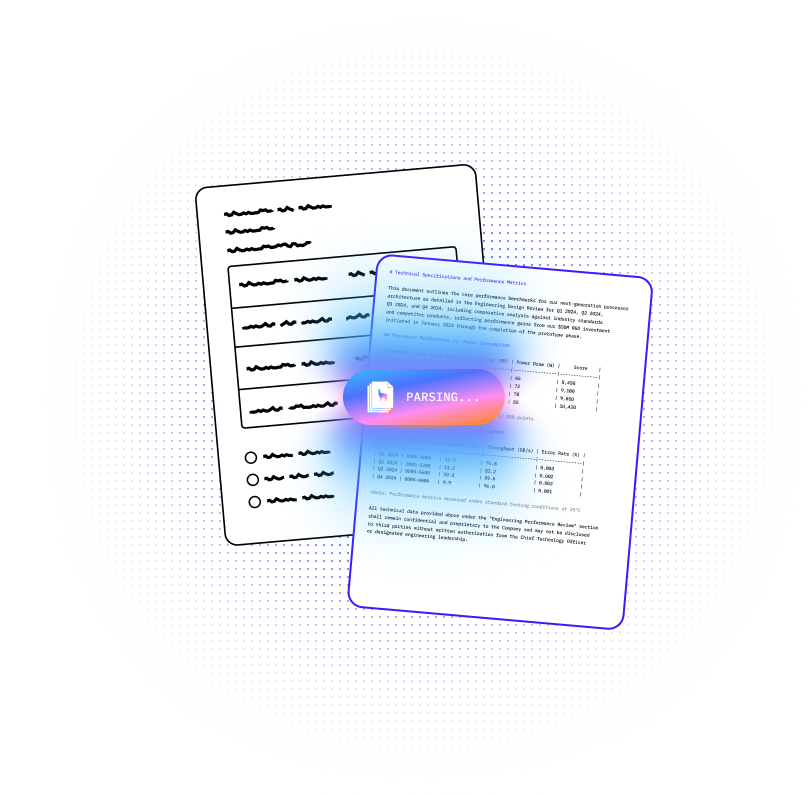
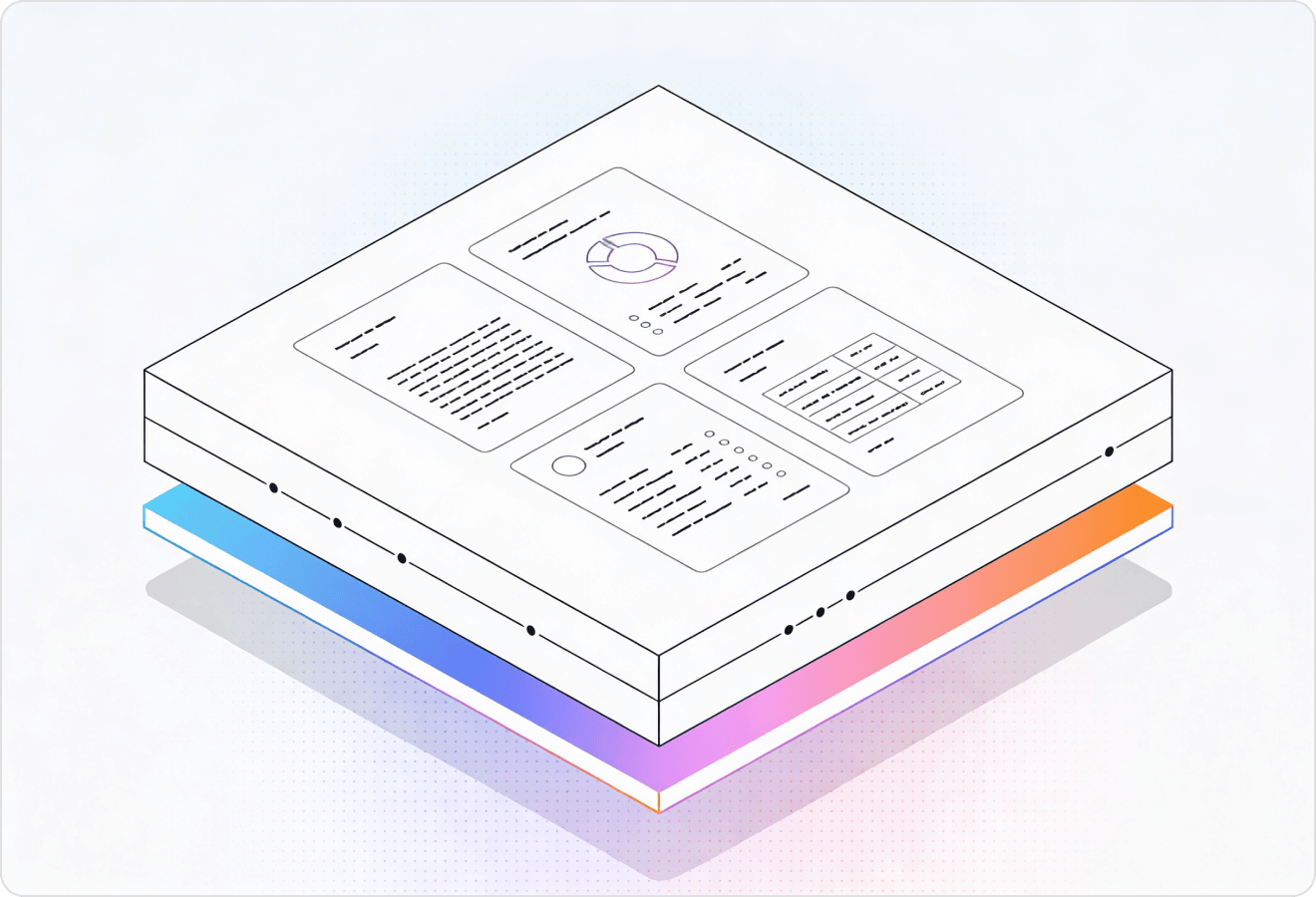

LlamaParse turns messy PDFs and scans into clean, structured data and pushes it to your webhook seconds after upload. You get layout-aware Markdown or JSON plus confidence metadata for review, so downstream automations stay reliable without constant retraining.
Best-in-Class Accuracy

Trigger LlamaParse via webhook the moment a borrower uploads bank statements, pay stubs, or tax forms, and get layout-faithful tables and line items back as clean JSON for your underwriting rules. This eliminates brittle OCR post-processing when statement formats change, so decisions ship faster with fewer manual exceptions.

Use a Document AI webhook to automatically parse bills of lading, commercial invoices, and packing lists into structured fields and tables the instant documents hit your TMS or inbox. LlamaParse preserves reading order across multi-column forms and extracts tables accurately, reducing chargeback disputes and preventing keying errors that delay shipments.

When a claim is opened, fire a webhook to ingest adjuster reports, repair estimates, and loss runs, then return normalized JSON with traceable metadata to support human review where needed. LlamaParse handles messy scans and inconsistent templates with agentic correction loops, cutting cycle time without increasing leakage risk.

Connect a webhook to your upload flow so every customer PDF is parsed into AI-ready Markdown/JSON, with natural-language parsing instructions that shape outputs to your schema without weeks of custom code. You can start on the free credits and scale predictably by routing simple pages to cheaper tiers while reserving agentic processing for the hard cases that would otherwise break demos.
The Solution
01
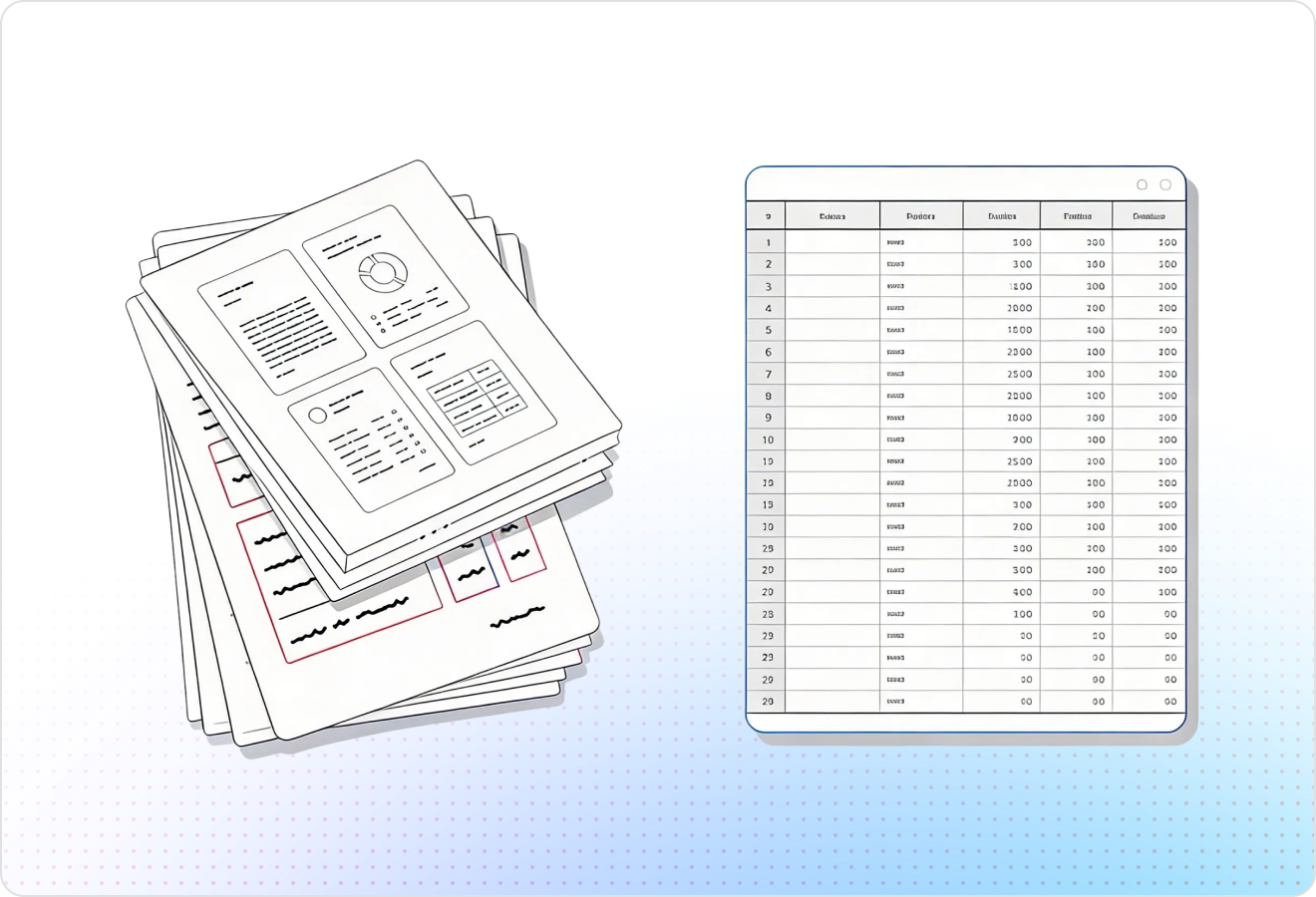
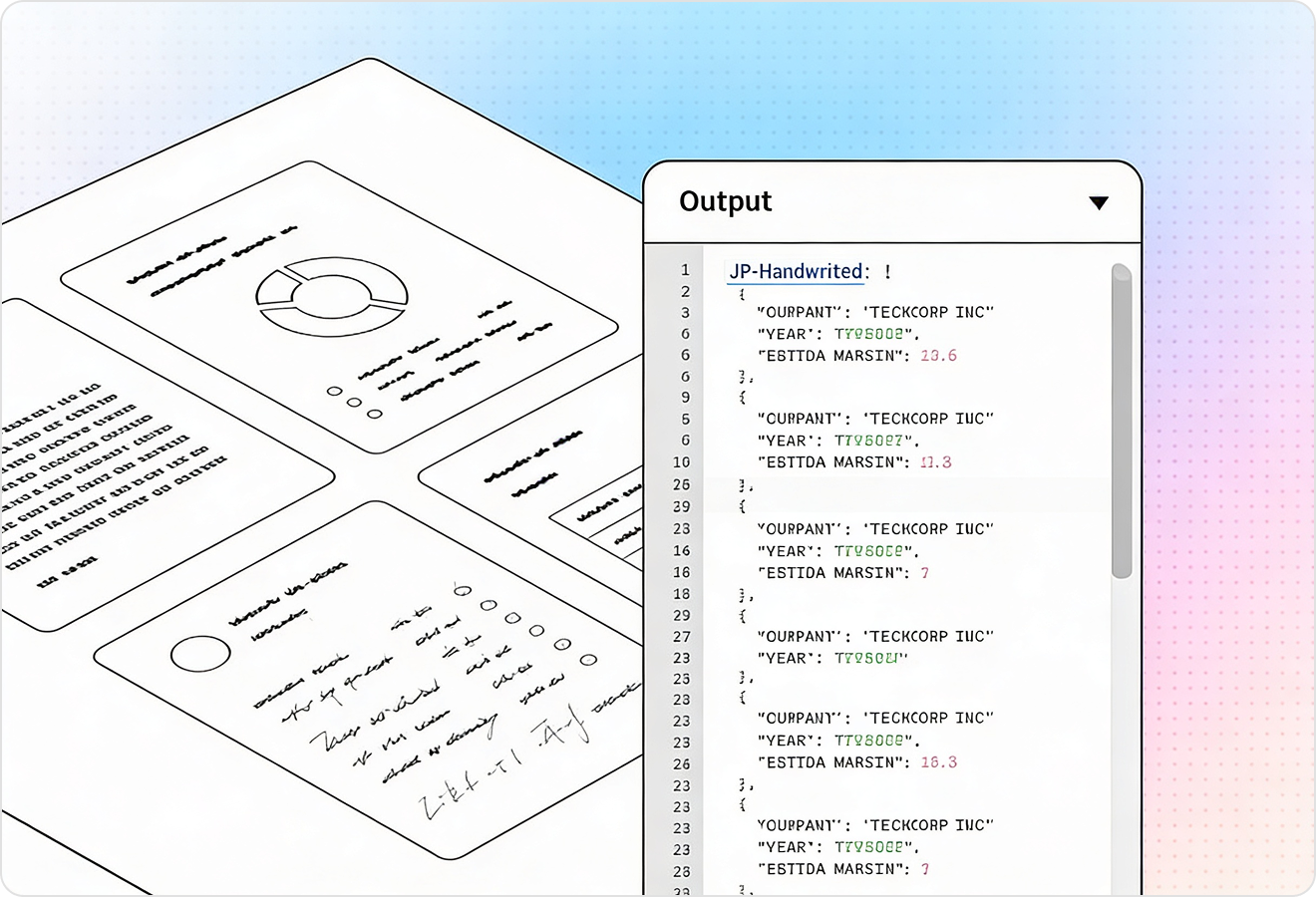
LlamaParse can return clean, structured JSON that’s easy to POST directly to your webhook endpoints without brittle PDF-to-JSON glue code. This makes it straightforward to trigger downstream automation like ticket creation, ERP updates, or contract routing the moment a document finishes parsing.
02
LlamaParse understands page structure, reading order, and tables, so key fields don’t get scrambled when documents use multi-column layouts or dense forms. Your webhook payloads arrive consistent and predictable, which cuts down on retries and manual exception handling.
03
LlamaParse interprets embedded charts, images, and complex tables and reconstructs them into machine-consumable formats. That means your webhook can carry the full business context (not just raw text), enabling automations like KPI ingestion, underwriting checks, or invoice line-item validation.
04
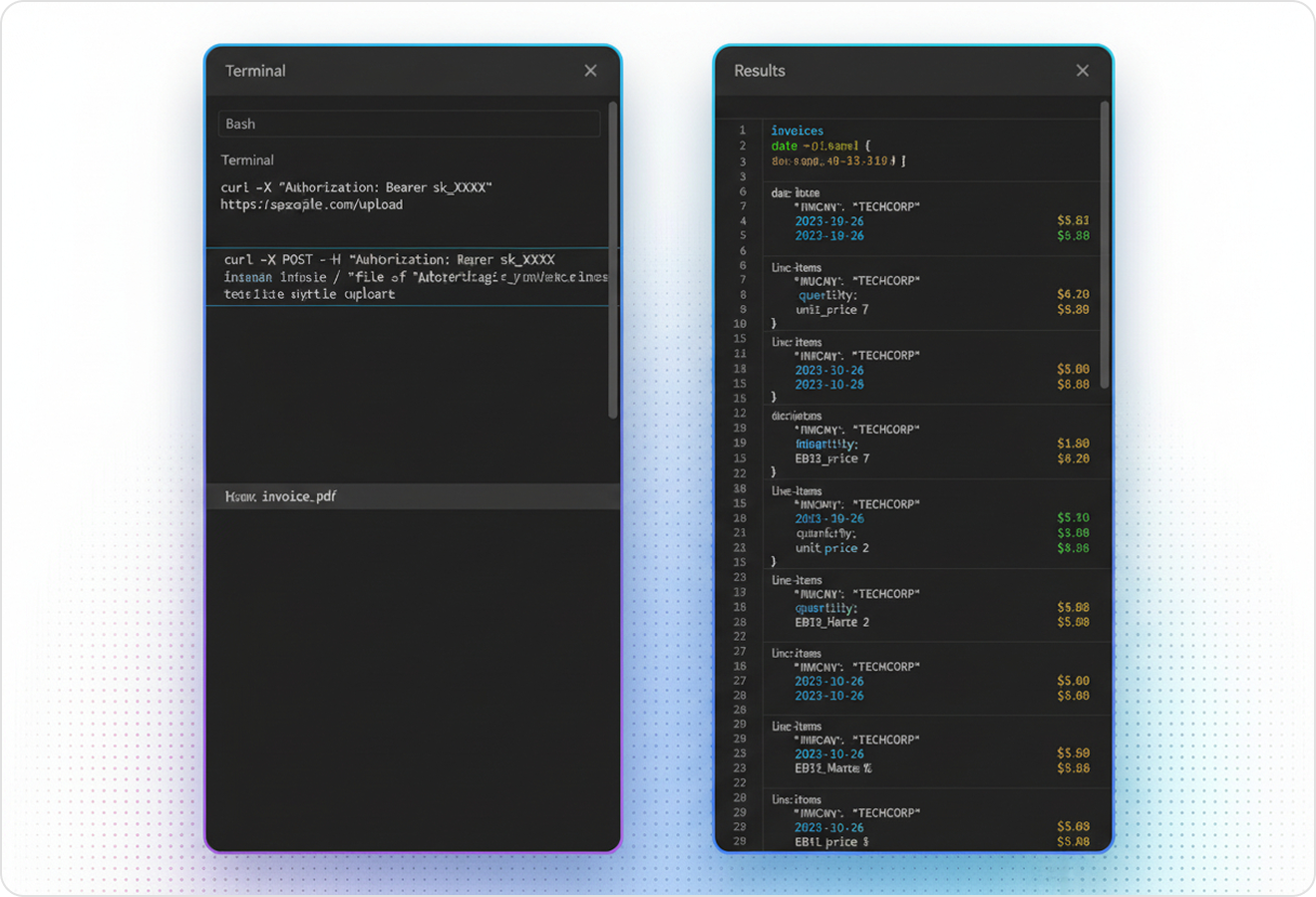
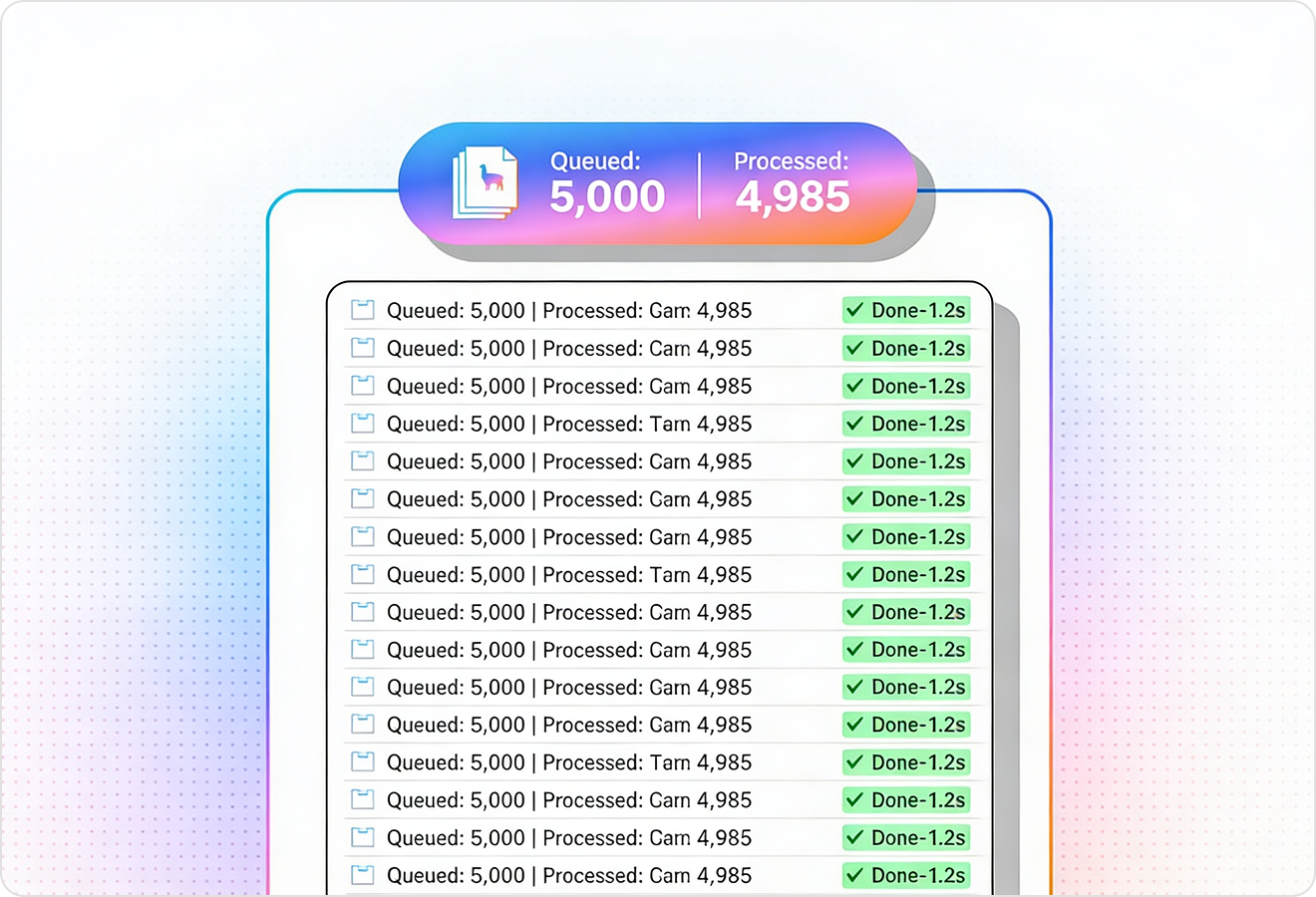
LlamaParse attaches traceable metadata such as page references, element types, and confidence signals to extracted content. In a webhook-driven pipeline, you can use these signals to route low-confidence cases to human review and keep high-confidence documents fully automated.
Technical OCR documentation
Explore our developer guides to easily connect your document pipelines to LlamaParse.
Explore the documentation
Our AI catches the typos that tired eyes miss.

Export to Excel, JSON, XML, or directly via API.

SOC2 Type II compliant with end-to-end encryption.

Train the tool on your specific forms in minutes, not days.

Average processing time of <3 seconds per page.
LlamaParse’s support of a wide variety of filetypes and its accuracy of parsing made it the best tool we tested in our evaluations. The LlamaIndex team was very responsive and we were off to the races within a day.
Common FAQs
01
LlamaParse returns clean, webhook-ready JSON so you can POST structured payloads directly to your endpoints. That reduces custom parsing logic and keeps your automation reliable as document templates change.
02
No—layout-aware extraction preserves reading order and understands page structure, including tables and multi-column layouts. You get consistent, predictable fields, which means fewer retries and less manual exception handling.
03
Yes—LlamaParse interprets complex tables and embedded visuals and reconstructs them into machine-consumable formats. That lets your webhook carry business-ready context for workflows like line-item validation, KPI ingestion, or underwriting checks.
04
How can I trust the extracted data enough to automate downstream actions like ERP updates or ticket creation?
Each result includes verifiable parsing metadata such as page references, element types, and confidence signals. You can auto-approve high-confidence documents and route uncertain cases to human review, keeping automation fast without sacrificing control.
05
What’s the best way to handle low-confidence extractions in a webhook-driven pipeline?
Use the confidence signals in the payload to create simple routing rules—send low-confidence fields to review and let the rest proceed automatically. This keeps throughput high while preventing bad data from triggering expensive downstream mistakes.
06
How quickly can I integrate this into an existing webhook workflow or automation stack?
If you already accept JSON webhooks, integration is typically a matter of pointing your endpoint to receive the payload and mapping it to your downstream actions. Because the output is structured and consistent, most teams can go from first test to production workflow without weeks of custom glue code.