Nov 14, 2025
Document AI: The Next Evolution of Intelligent Document ProcessingPersona
Industry
Use cases
Benefits Enrollment Form OCR
[ Benefits Enrollment Form OCR ]

Use LlamaParse to turn messy enrollment PDFs into structured fields, reducing errors and back-and-forth.
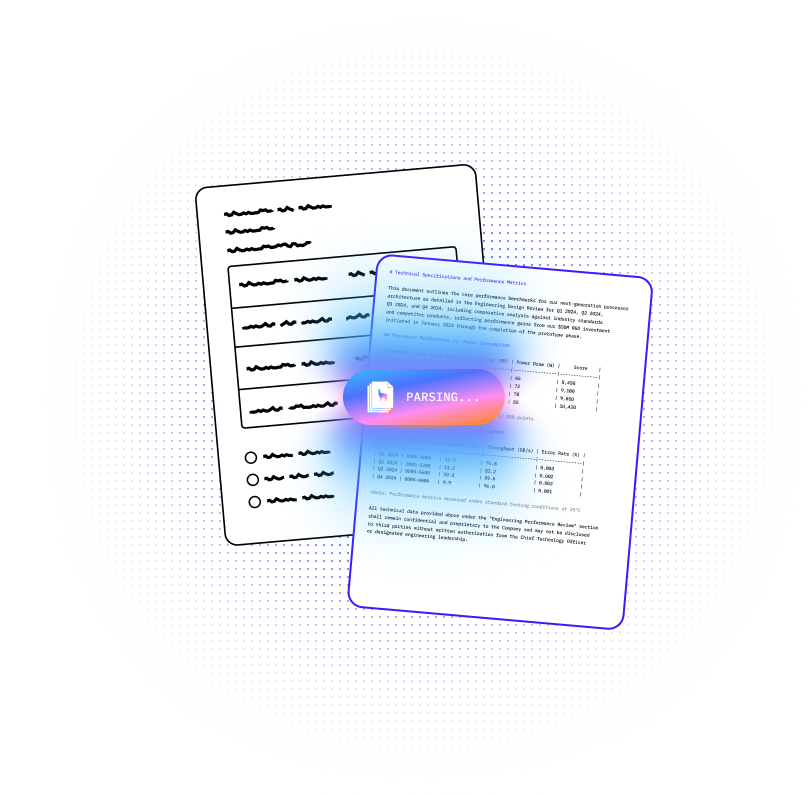


LlamaParse turns messy benefits enrollment forms into clean, structured JSON or Markdown you can route straight into HRIS, payroll, and eligibility workflows. Agentic parsing stays layout-aware across plan grids, signatures, and attachments, with citations and confidence scores that make reviews fast and reliable.
Best-in-Class Accuracy

Use LlamaParse in LlamaCloud to turn messy benefits enrollment packets into structured JSON—dependents, plan elections, effective dates, and signatures—with layout-aware extraction that doesn’t break when forms change. This reduces enrollment fallout and rework by reliably capturing multi-column sections and tables, with traceable metadata your ops team can spot-check instead of rekeying.

Automatically ingest employee enrollment forms and supporting documents into HRIS/payroll workflows by prompting LlamaParse to extract only the fields you need (eligibility, deductions, beneficiary info) and ignore marketing pages or redundant sections. You get clean, consistent outputs for downstream integrations, eliminating brittle rule-based parsing that fails on scanned PDFs and vendor-specific templates.

Normalize enrollment forms across carriers into a single schema so teams can reconcile elections, audit discrepancies, and generate carrier-ready submissions without manual spreadsheet wrangling. LlamaParse handles irregular layouts and embedded tables, letting you standardize client onboarding even when every employer uses a different packet format.

Ship enrollment automation fast by using LlamaParse APIs to convert customer-uploaded PDFs into Markdown/JSON that your product can validate, prefill, and route for approval without building custom parsers. Tier-based processing and cost controls keep unit economics predictable while you scale from early pilots to high-volume open enrollment.
The Solution
01
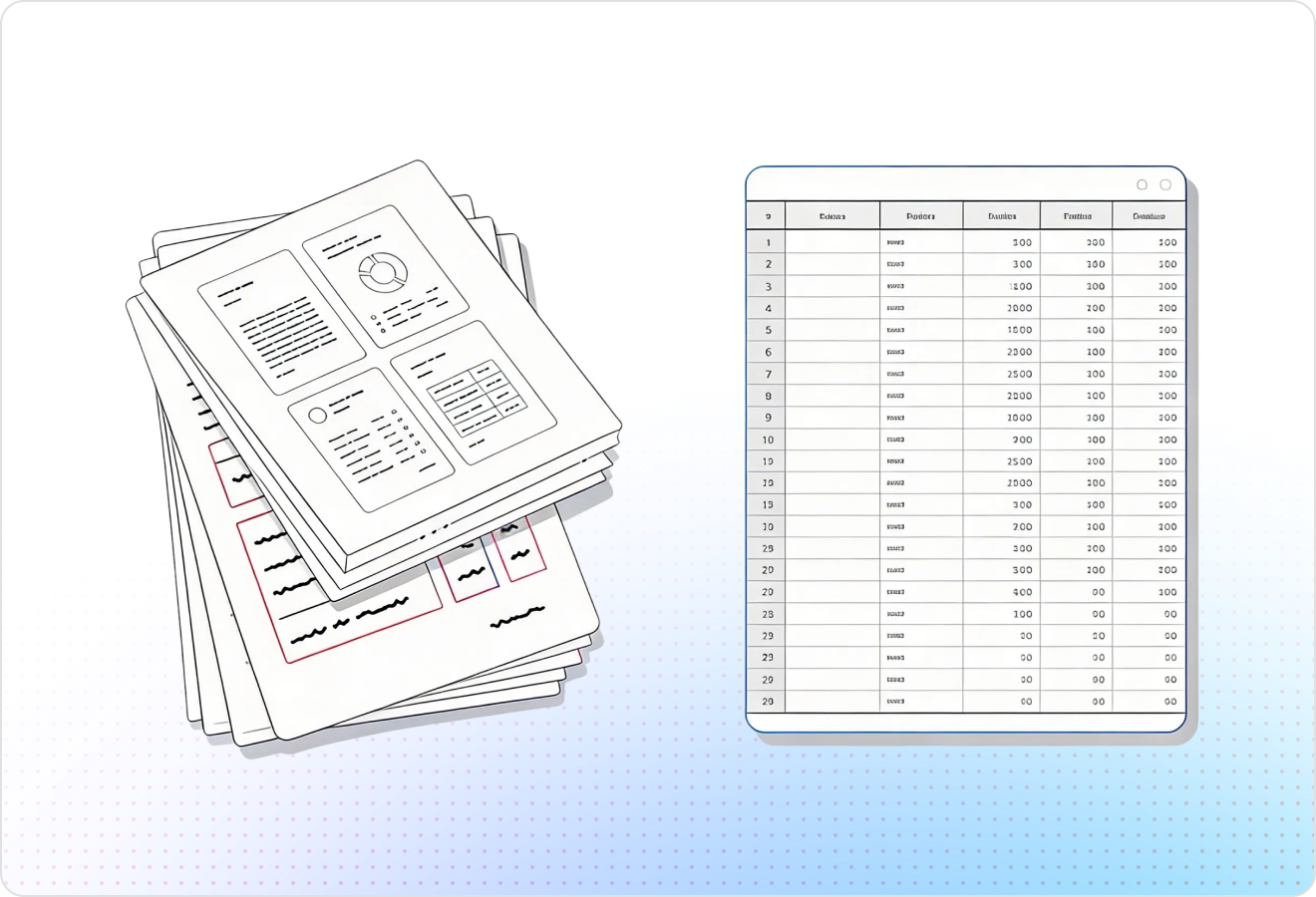
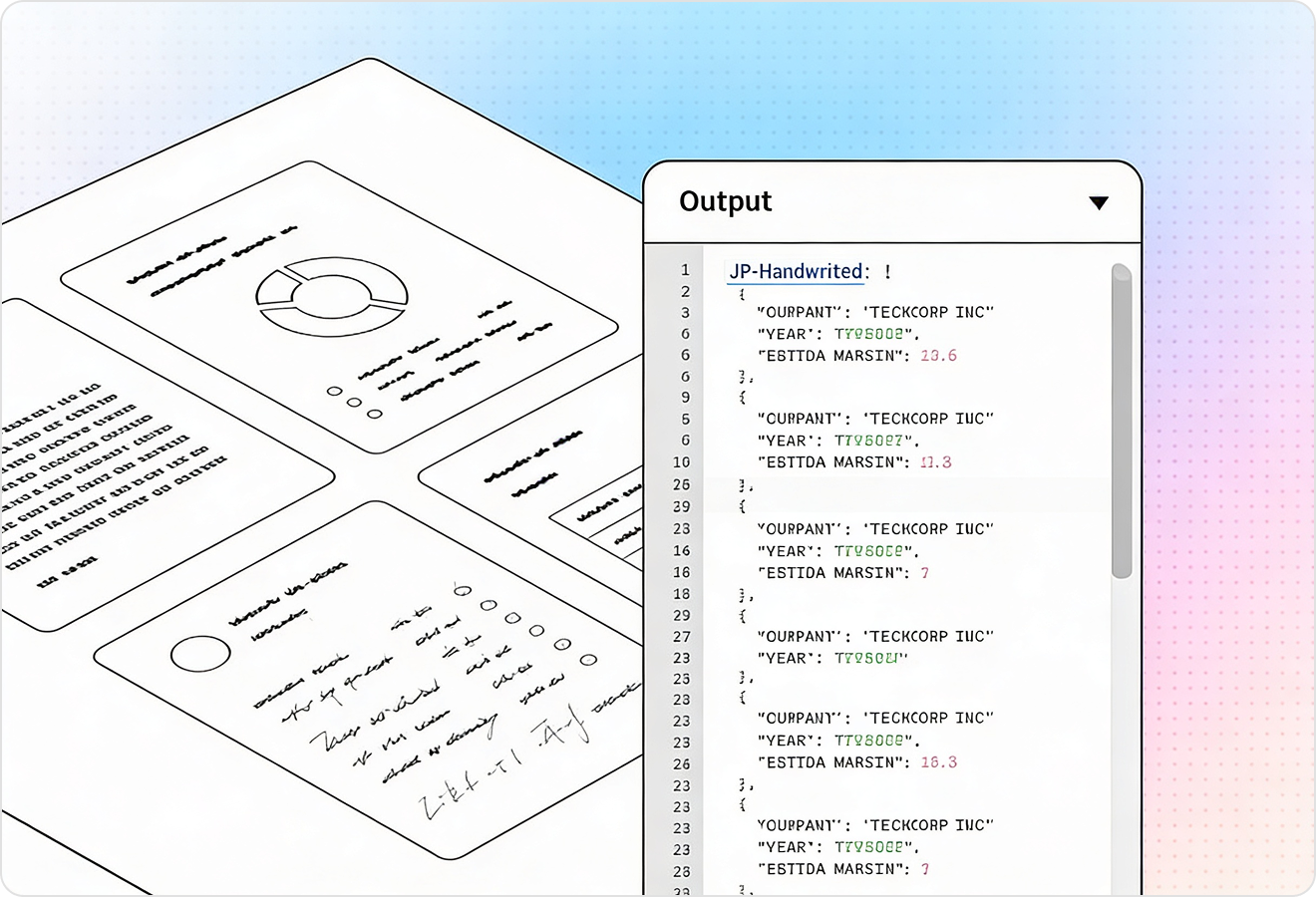
LlamaParse understands page structure—sections, multi-column blocks, checkboxes, and signature areas—so benefits enrollment forms don’t get scrambled when layouts change. That means cleaner extraction of member demographics, plan selections, and employer details without brittle template rules.
02
Benefits packets often embed critical fields in grids (coverage tiers, dependents, rates, effective dates), and LlamaParse reliably reconstructs those tables instead of flattening them into noisy text. You get consistent rows and columns you can map directly into your enrollment system.
03
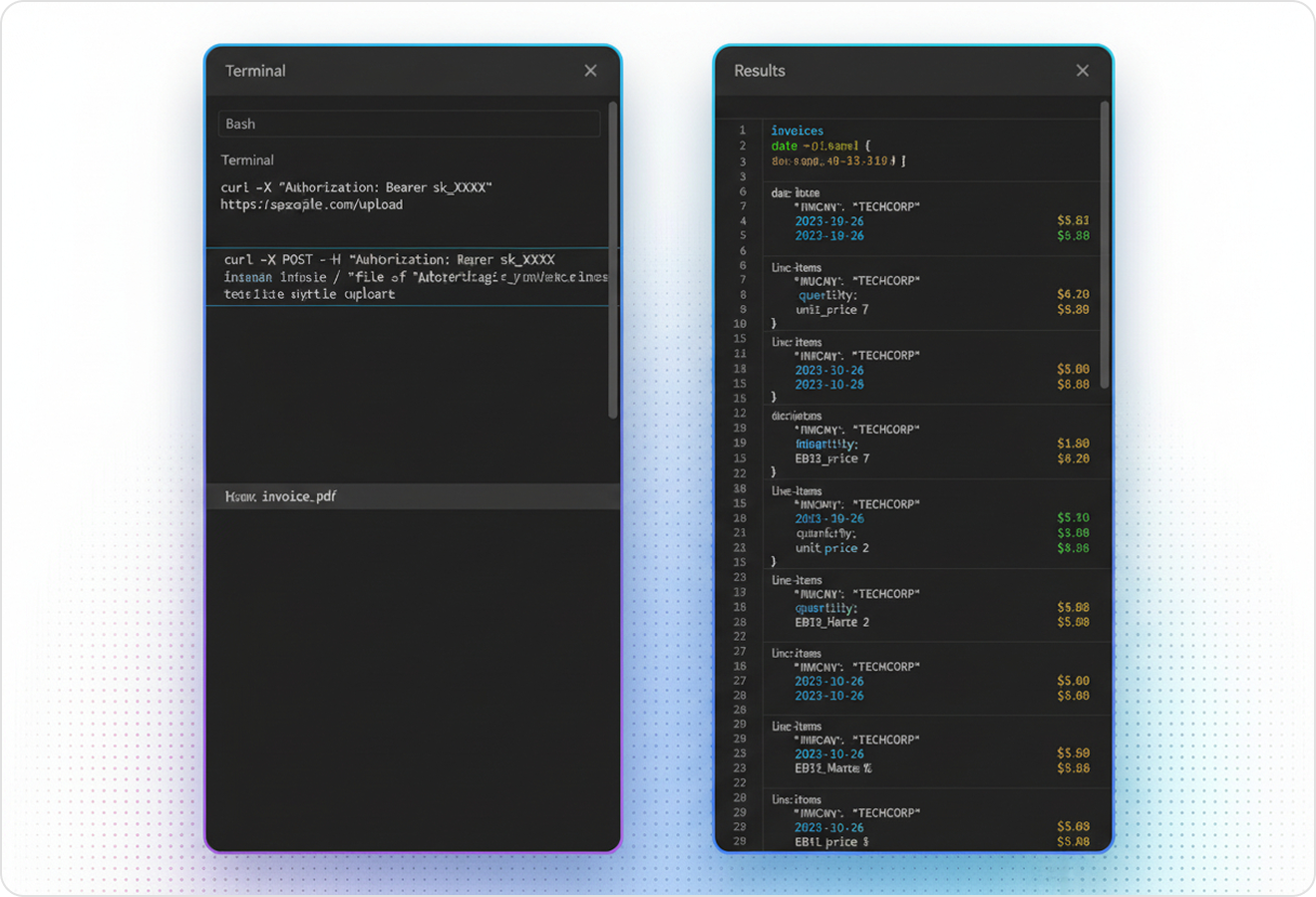
LlamaParse can return AI-ready JSON that’s easy to validate and ingest into HRIS/benefits workflows. It also includes granular metadata like page references and element types, so you can trace every extracted enrollment value back to its source for audit and exception handling.
04
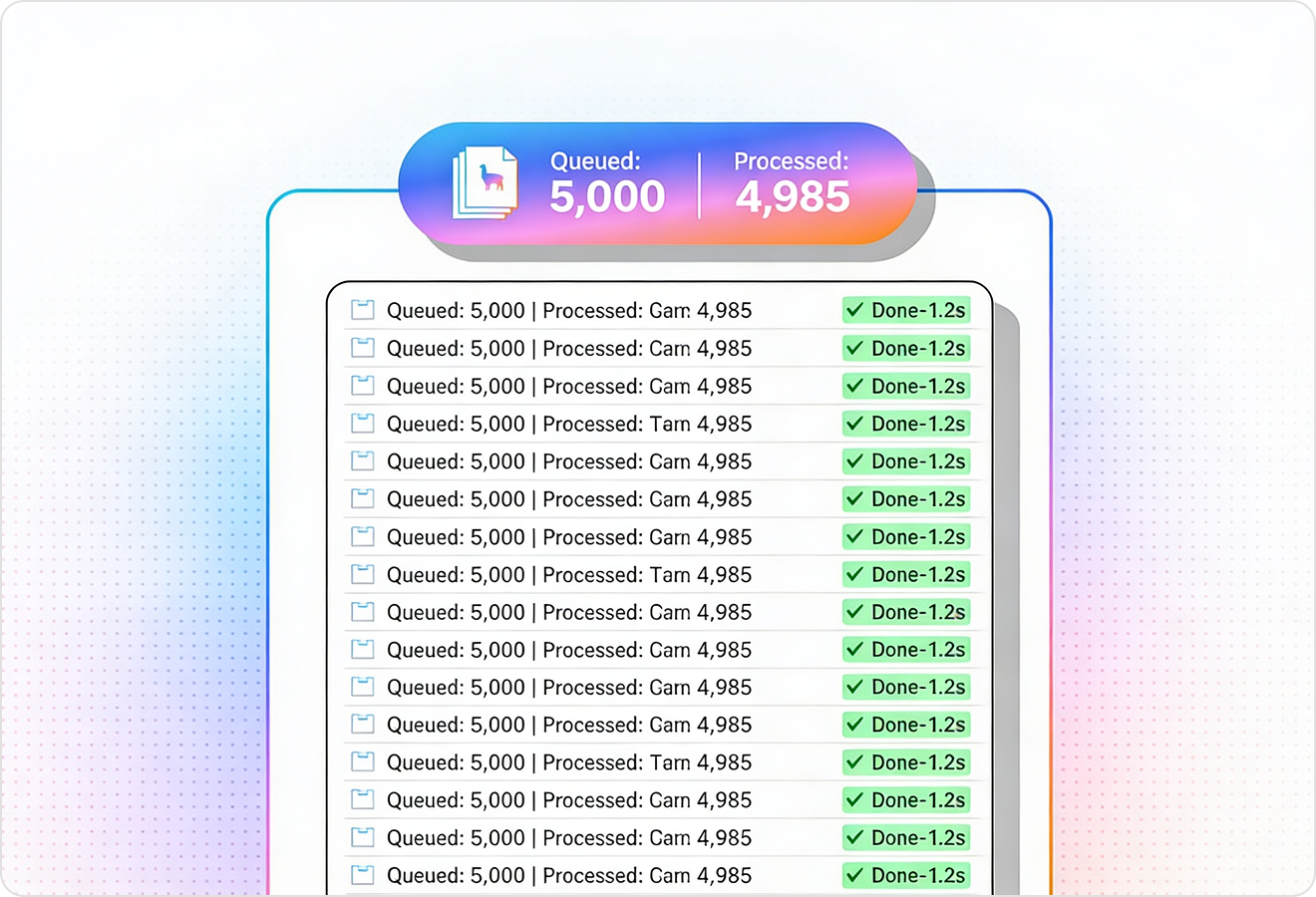
LlamaParse uses multi-step validation loops to catch common issues like swapped fields, partial captures, or misread IDs on scanned enrollment forms. This reduces manual QA and increases straight-through processing for high-volume open enrollment batches.
Technical OCR documentation
Explore our developer guides to easily connect your document pipelines to LlamaParse.
Explore the documentation
Our AI catches the typos that tired eyes miss.

Export to Excel, JSON, XML, or directly via API.

SOC2 Type II compliant with end-to-end encryption.

Train the tool on your specific forms in minutes, not days.

Average processing time of <3 seconds per page.
LlamaParse’s support of a wide variety of filetypes and its accuracy of parsing made it the best tool we tested in our evaluations. The LlamaIndex team was very responsive and we were off to the races within a day.
Common FAQs
01
Yes. Layout-aware parsing understands sections, multi-column blocks, checkboxes, and signature areas, so it stays accurate even when the carrier or employer updates formatting. You get clean demographics, plan elections, and employer details without maintaining brittle templates.
02
It reconstructs tables and grids into consistent rows and columns instead of flattening them into messy text. That means dependent lists, effective dates, and tier selections map reliably into your enrollment system with far less cleanup.
03
You can receive structured JSON designed for validation and direct ingestion into HRIS/benefits workflows. The output is predictable and easy to map, reducing custom parsing code and speeding up integration.
04
Can we trace extracted values back to the original form for audits and exceptions?
Yes. Along with the extracted fields, you get granular metadata such as page references and element types, so reviewers can quickly verify where each value came from. This makes audits and exception handling faster and more defensible.
05
How does it reduce errors from scanned or messy enrollment packets?
Validation and self-correction loops catch common issues like swapped fields, partial captures, and misread IDs. The result is fewer downstream rejections and less manual QA during high-volume open enrollment.
06
How much manual review should we expect during peak open enrollment?
Most teams see a significant increase in straight-through processing because the parser is designed to handle real-world form variability and validate results. You can focus human review on true exceptions instead of checking every packet, which helps you scale without adding headcount.