Nov 14, 2025
Document AI: The Next Evolution of Intelligent Document ProcessingPersona
Industry
Use cases
New Hire Paperwork OCR
[ New Hire Paperwork OCR ]

Use LlamaParse to turn messy HR forms into verified, structured data your team can trust.
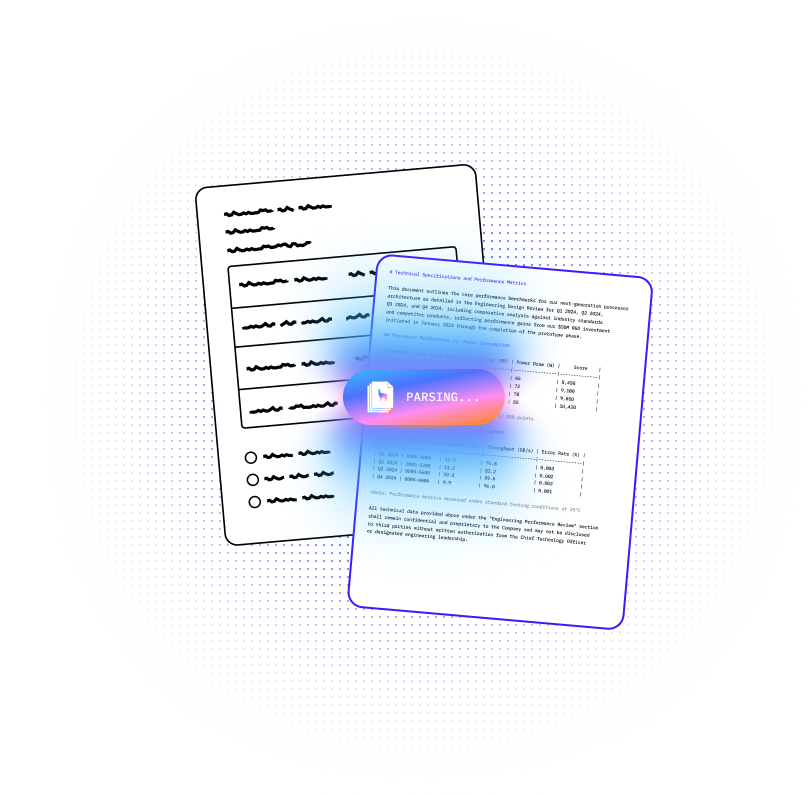


LlamaParse turns messy offer letters, I-9s, W-4s, and benefit forms into clean, structured fields your HRIS and workflows can trust. Layout-aware vision and validation loops catch tables, signatures, and edge cases, so you spend less time fixing errors and chasing missing data.
Best-in-Class Accuracy

Turn offer letters, I-9s, W-4s, NDAs, and equity docs into clean JSON via LlamaParse so HRIS and payroll fields populate automatically instead of being re-keyed by ops. Layout-aware parsing prevents broken tables and misread signatures from stalling onboarding when you’re hiring fast without an HR team.

Parse clinician onboarding packets—licenses, immunization records, background checks, and training attestations—while preserving reading order and table structure for compliance review. Metadata and confidence scores make it easy to route only low-confidence pages to manual verification, reducing credentialing delays without sacrificing auditability.

Extract structured data from field-heavy new hire forms like union paperwork, jobsite safety acknowledgments, equipment certifications, and multi-page W-4/I-9 packets that often include scans, photos, and uneven formatting. Multimodal parsing captures IDs, stamped documents, and checklist tables accurately, speeding time-to-site and cutting payroll setup errors.

Automate intake of regulated onboarding documents—background screening reports, policy acknowledgments, KYC-style identity forms, and compensation disclosures—into systems of record with consistent schemas. Auto-correction loops and natural-language extraction instructions reduce exception handling when vendors change templates, keeping onboarding SLAs predictable.
The Solution
01
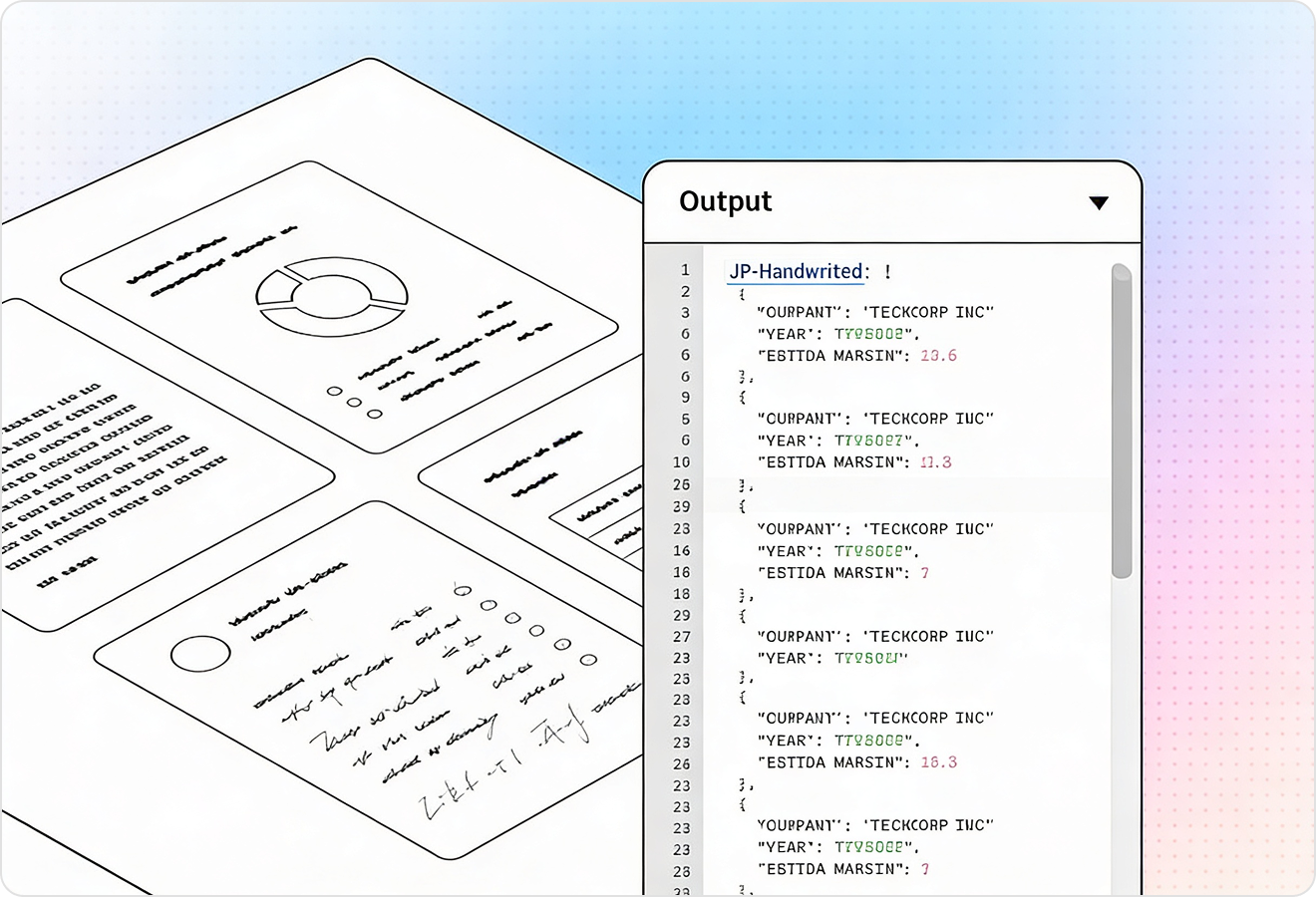
LlamaParse uses layout-aware computer vision to keep field labels, inputs, and sections in the right reading order across multi-page HR packets. That means W-4s, I-9s, direct deposit forms, and policy acknowledgements don’t get scrambled when templates vary by state, year, or vendor.
02
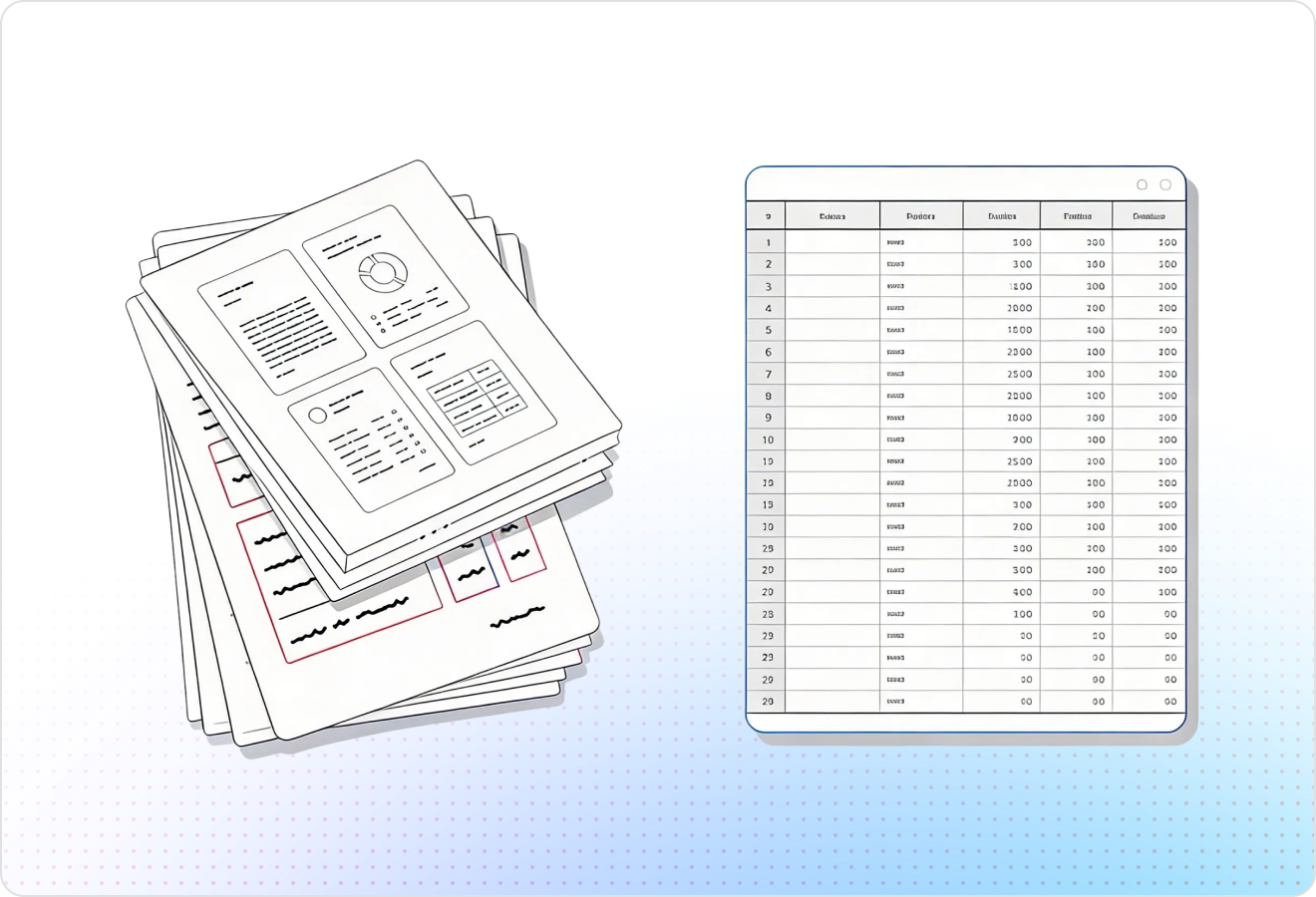
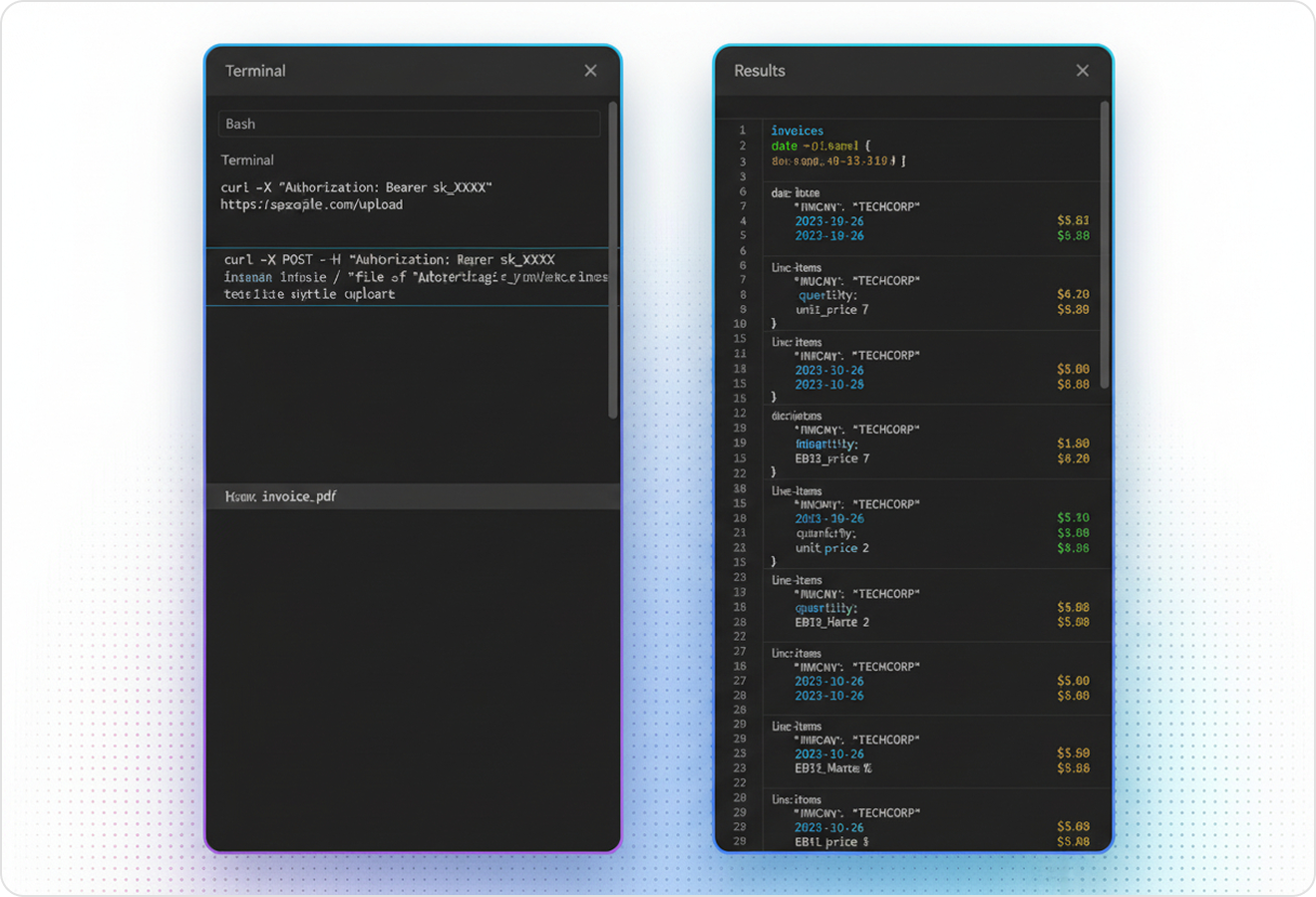
Return new hire paperwork as clean, structured JSON instead of brittle text blobs, so you can map fields directly into HRIS/payroll systems. This reduces manual rekeying for employee identity details, addresses, tax elections, and emergency contacts, while keeping the output consistent across document types.
03
Every extracted element can include page-level traceability like coordinates and source references, making audits and QA straightforward. For onboarding, this helps HR quickly verify sensitive fields (SSN, DOB, work authorization details) against the exact spot on the original form.
04
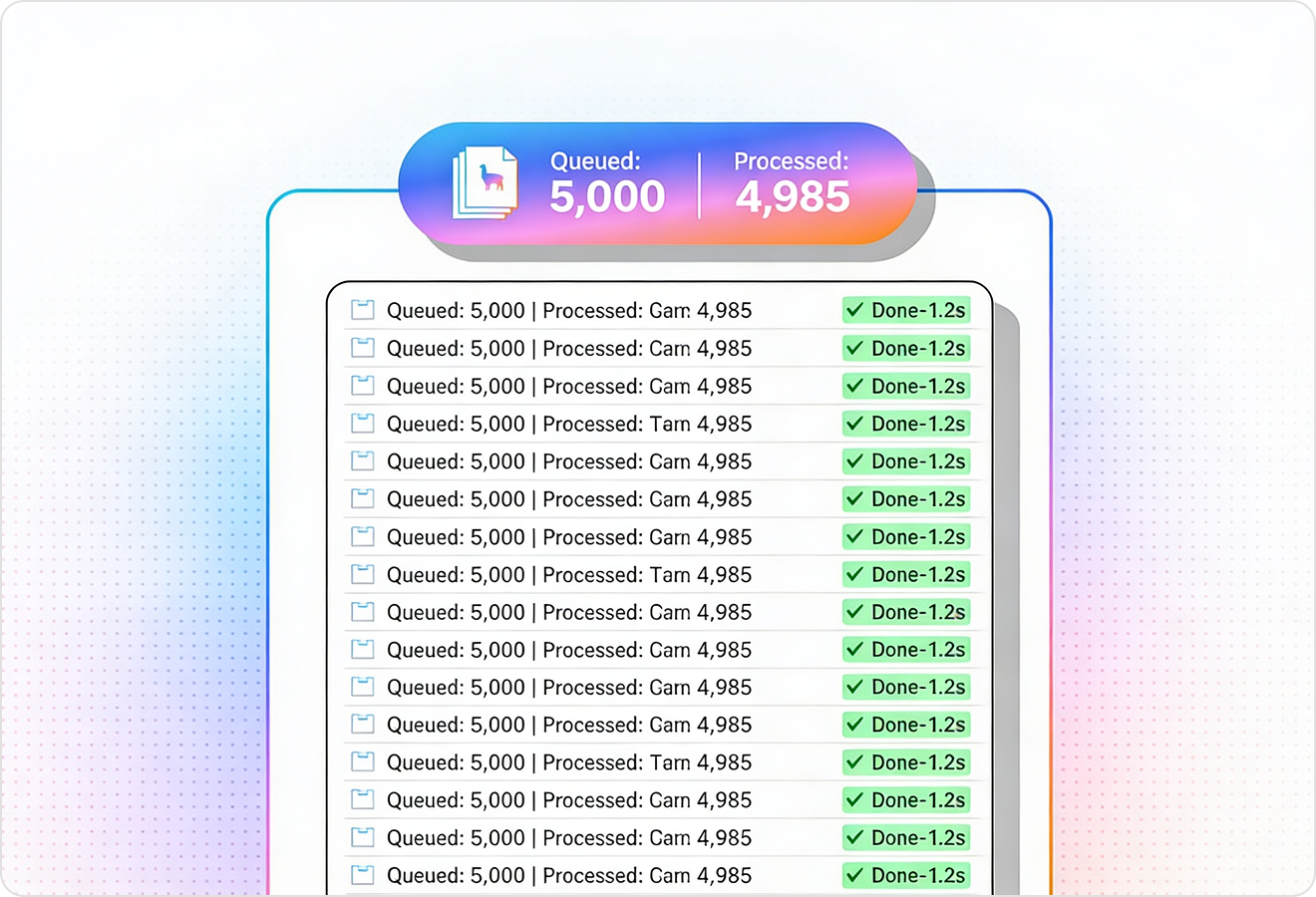
LlamaParse runs validation and self-correction steps to catch common extraction errors from scans, faxes, and low-contrast uploads before results are returned. In new hire packets, this boosts straight-through processing by reducing missed checkboxes, broken tables, and misread identifiers that usually trigger manual review.
Technical OCR documentation
Explore our developer guides to easily connect your document pipelines to LlamaParse.
Explore the documentation
Our AI catches the typos that tired eyes miss.

Export to Excel, JSON, XML, or directly via API.

SOC2 Type II compliant with end-to-end encryption.

Train the tool on your specific forms in minutes, not days.

Average processing time of <3 seconds per page.
LlamaParse’s support of a wide variety of filetypes and its accuracy of parsing made it the best tool we tested in our evaluations. The LlamaIndex team was very responsive and we were off to the races within a day.
Common FAQs
01
Yes. Layout-aware form parsing preserves the relationship between labels, fields, and sections across multi-page packets, even when templates change by state, year, or provider. That means fewer mismapped fields and far less cleanup when onboarding documents aren’t standardized.
02
You can return each packet as clean, structured JSON instead of a text dump. This makes it straightforward to map employee identity, addresses, tax elections, and emergency contacts into your HRIS/payroll with consistent field names across document types.
03
Each extracted value can include verifiable metadata and citations back to the exact page location it came from. That gives HR an audit-friendly trail and makes spot-checking fast without re-reading the entire packet.
04
What happens with low-quality scans, faxes, or skewed uploads that usually cause OCR errors?
Auto-correction validation loops catch and fix common extraction issues before results are returned, such as misread identifiers, broken tables, and missed checkboxes. This reduces manual review and improves straight-through processing for high-volume onboarding.
05
Can it handle multi-page packets and avoid mixing fields between employees or forms?
Yes—layout-aware parsing maintains reading order and form structure across pages so fields stay attached to the correct document and section. Combined with structured JSON output, it helps prevent cross-form mismatches that can create payroll and compliance headaches.
06
Is it suitable for compliance and audits when we need to prove where a value came from?
Built-in citations and coordinate-level traceability make it easy to show exactly which page and region produced each extracted field. That transparency supports internal QA and external audits while keeping onboarding workflows efficient.