Nov 14, 2025
Document AI: The Next Evolution of Intelligent Document ProcessingPersona
Industry
Use cases
Proof Of Address OCR
[ Proof Of Address OCR ]

Use LlamaParse to extract address details with citations and confidence scores, reducing manual reviews.
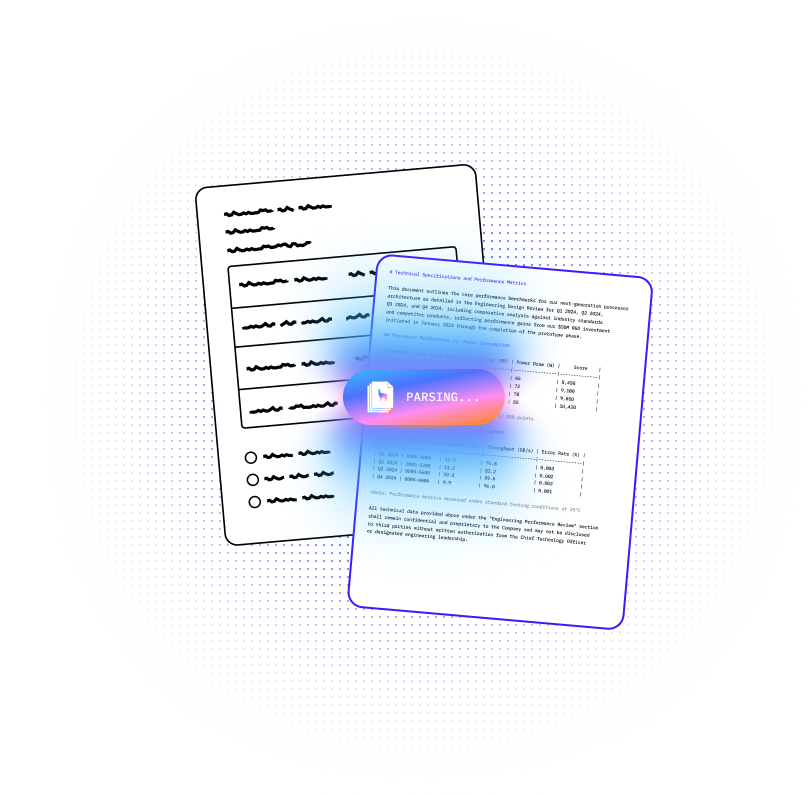
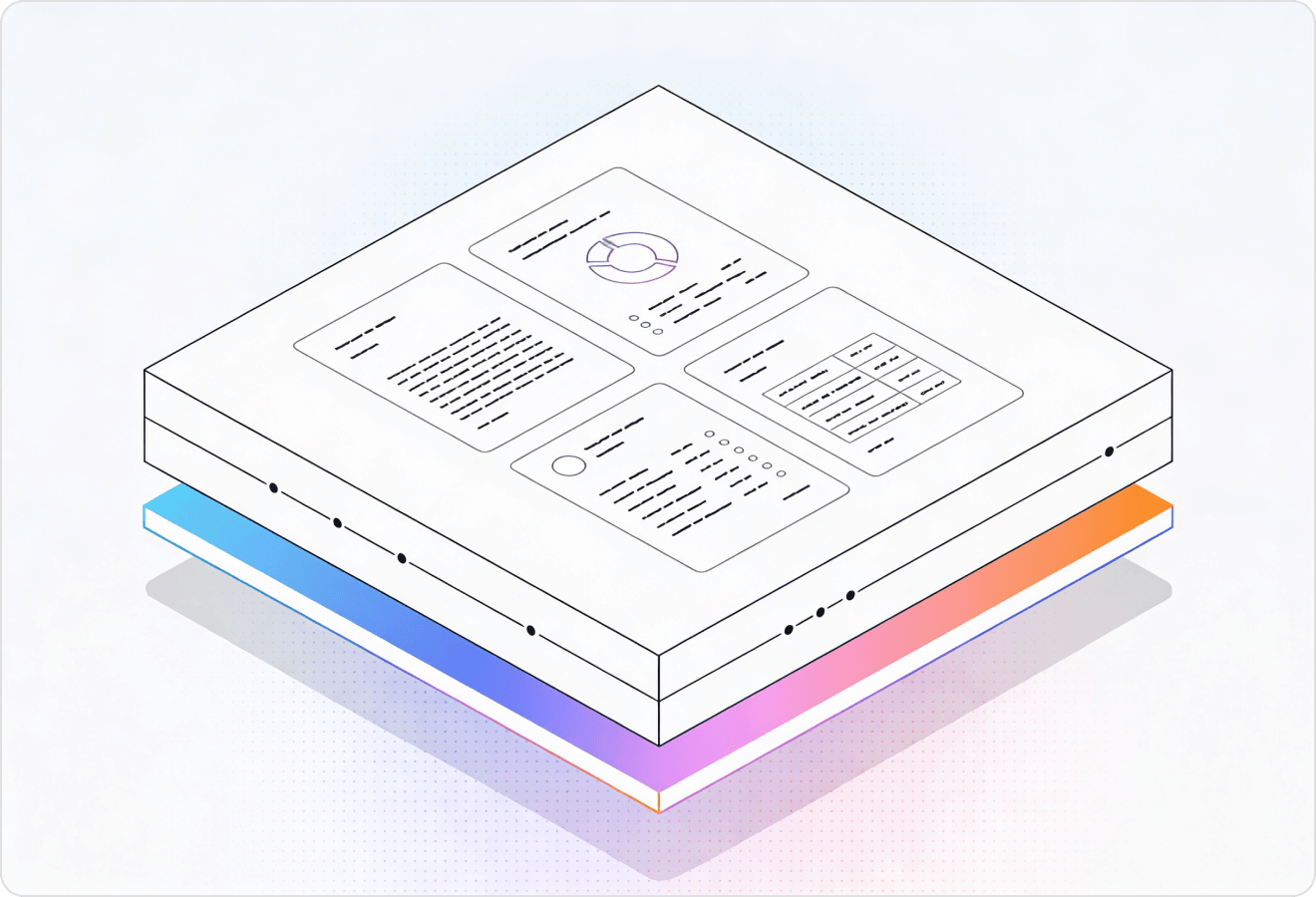
LlamaParse turns utility bills, bank statements, and rental agreements into structured, usable address fields with layout-aware parsing that handles real-world messiness. Agentic validation and verifiable metadata reduce mismatches and manual review, so your proof of address checks clear faster with fewer errors.
Best-in-Class Accuracy

Use LlamaParse in LlamaCloud to turn proof-of-address documents (utility bills, bank statements, lease agreements) into verified, structured JSON for KYC/AML flows—without brittle rules when layouts change. Layout-aware parsing plus confidence metadata and citations reduce false rejects and accelerate onboarding decisions in regulated audit trails.

Automate tenant screening by extracting names, service addresses, billing periods, and account holder details from varied proof-of-address uploads, even when they arrive as multi-column PDFs or low-quality photos. Natural-language parsing instructions can enforce “must match applicant name + unit address” checks and return a clean pass/fail packet for leasing teams.

Validate residency and policyholder address during claims intake and underwriting by parsing proof-of-address at scale, including scans with stamps, tables, and embedded images that break traditional OCR. Auto correction loops and tier-based processing route only the messy pages to higher-accuracy parsing, improving straight-through processing without inflating per-claim costs.

Ship a production-grade proof-of-address verification endpoint fast by using LlamaParse to standardize messy uploads into Markdown/JSON with traceable coordinates and page citations. This lets small teams avoid maintaining fragile extraction code while offering enterprise-ready accuracy, review workflows, and predictable scaling as volumes grow.
The Solution
01
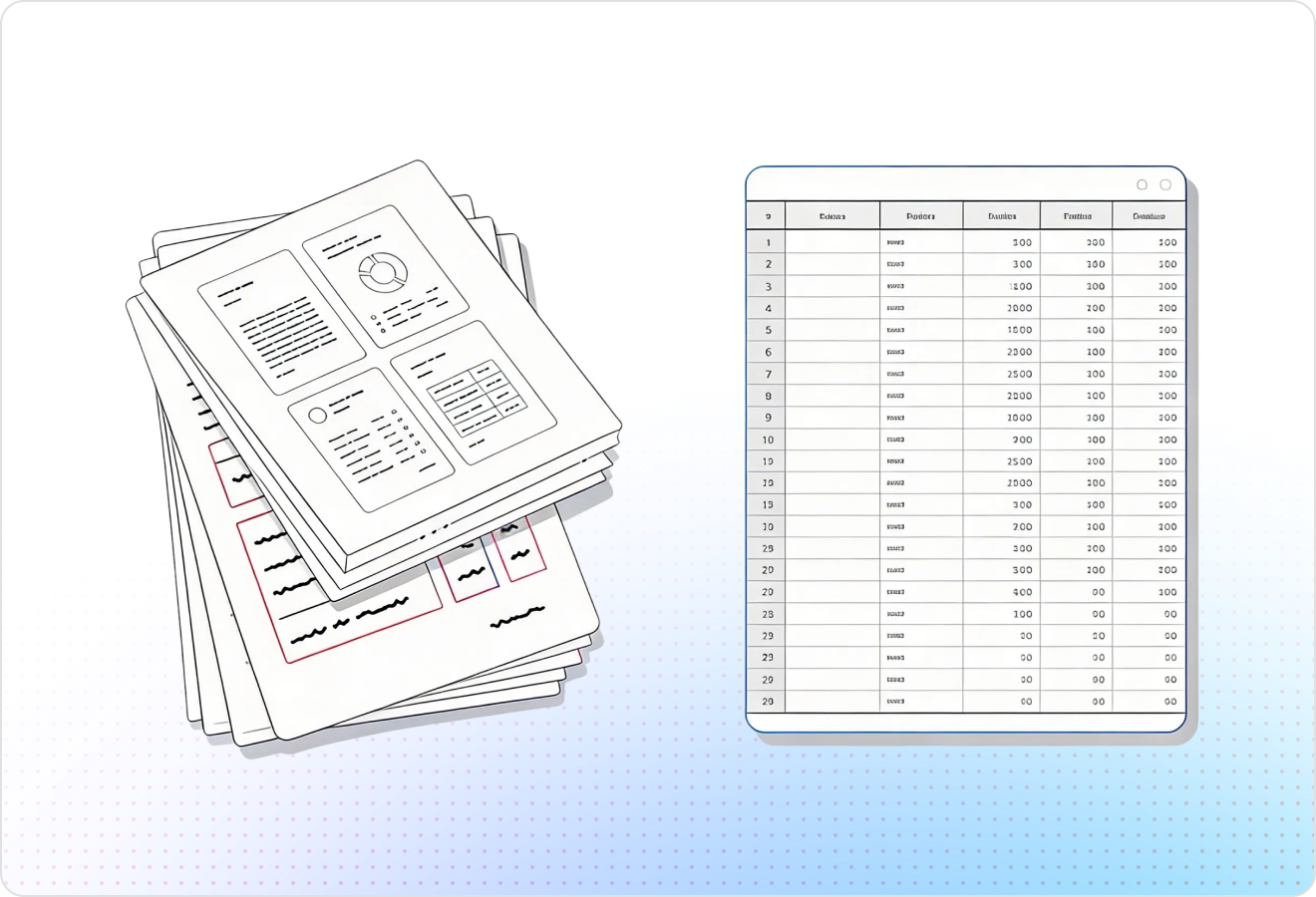
LlamaParse reads bills, bank statements, and letters with layout-aware vision so names, addresses, and dates don’t get scrambled across headers, footers, and multi-column sections. This makes proof-of-address extraction reliable even when the address block moves around or is split across lines.
02
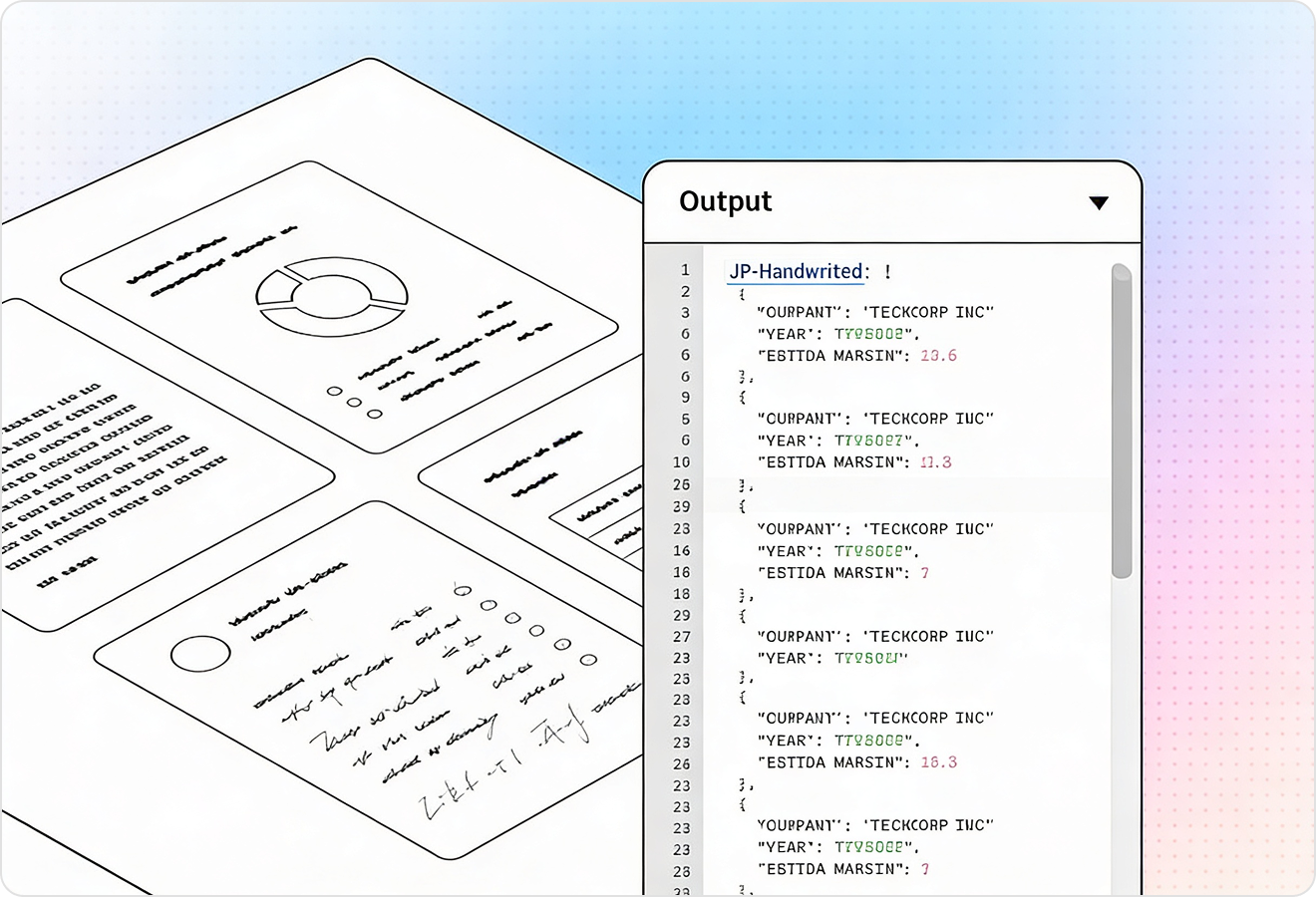
Use natural-language instructions to extract exactly the proof-of-address fields you care about (full name, address, issuer, statement date) into a consistent shape. This reduces brittle regex rules and speeds up onboarding new document templates without custom training.
03
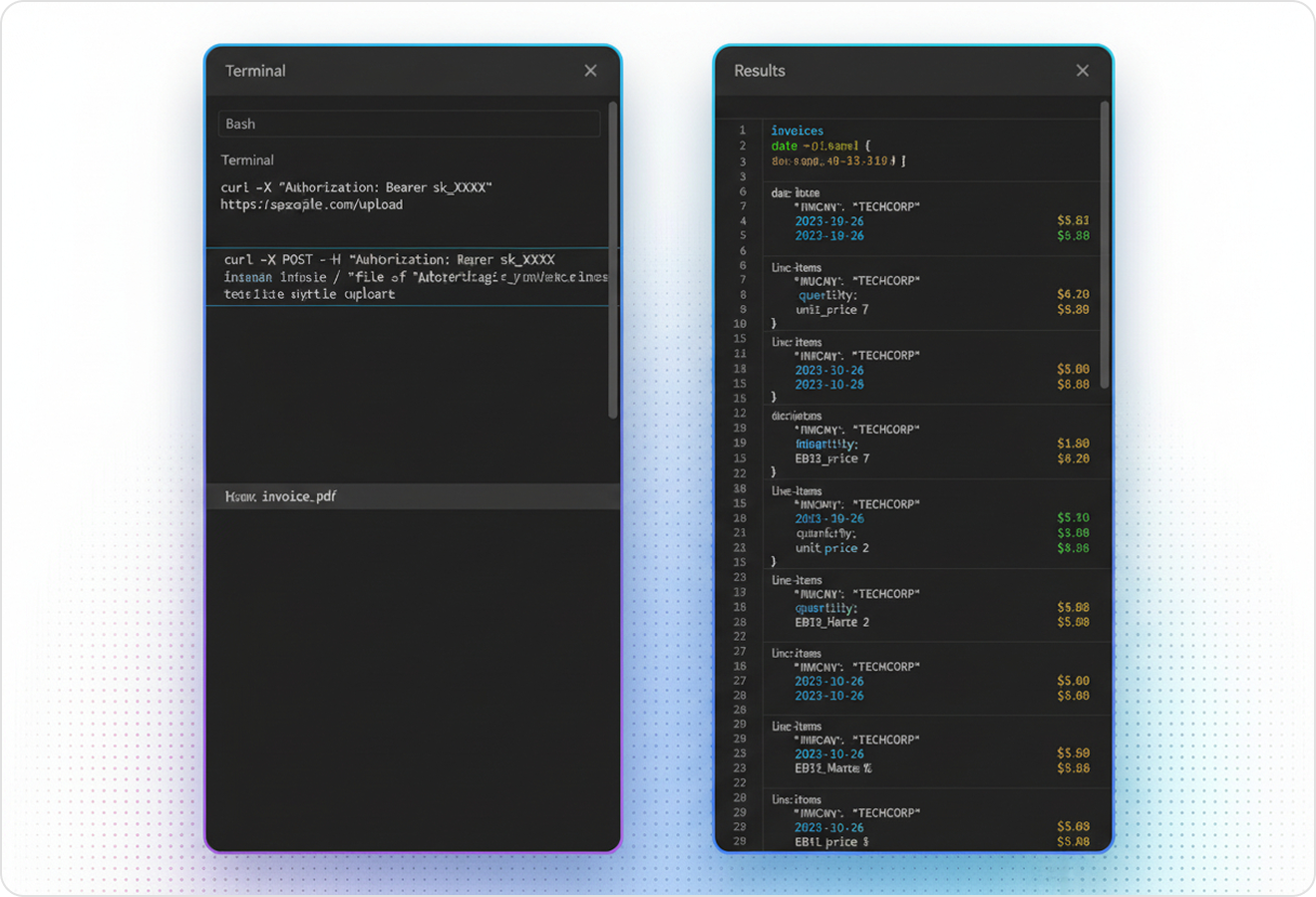
Return JSON output with granular metadata like page numbers and bounding boxes for each extracted field. That traceability supports compliance workflows by letting you show where the address came from and route low-confidence cases to human review.
04
LlamaParse runs self-correction and validation steps to catch common scan issues like missing line breaks, swapped characters, or partial captures in the address area. This improves straight-through processing for proof-of-address checks and reduces manual QA on edge-case uploads.
Technical OCR documentation
Explore our developer guides to easily connect your document pipelines to LlamaParse.
Explore the documentation
Our AI catches the typos that tired eyes miss.

Export to Excel, JSON, XML, or directly via API.

SOC2 Type II compliant with end-to-end encryption.

Train the tool on your specific forms in minutes, not days.

Average processing time of <3 seconds per page.
LlamaParse’s support of a wide variety of filetypes and its accuracy of parsing made it the best tool we tested in our evaluations. The LlamaIndex team was very responsive and we were off to the races within a day.
Common FAQs
01
Our layout-aware extraction reads the page like a human, preserving columns, sections, and line breaks so key fields don’t get scrambled. It reliably finds the address block even when it moves around the page or is split across multiple lines.
02
You can extract exactly the fields you care about—such as full name, address, issuer, and statement date—using simple natural-language instructions. The output is returned in a consistent schema, making it easy to plug into your onboarding, KYC, or compliance workflow.
03
Yes—results come back as structured JSON with traceability metadata like page numbers and bounding boxes per field. That makes it straightforward to prove where the address was captured from and to support audit trails or reviewer verification.
04
What happens when a scan is low quality, missing line breaks, or contains character swaps?
Automatic validation and self-correction steps catch common OCR issues like merged lines, swapped characters, or partial captures in the address area. This increases straight-through processing and reduces the number of uploads that need manual QA.
05
How do you handle new document templates without weeks of custom rules or model training?
Schema-guided extraction reduces reliance on brittle regex and template-specific rules. You can onboard new issuers and formats quickly by adjusting your field instructions, instead of retraining models or rebuilding parsers.
06
Can I route uncertain extractions to human review without slowing down the entire pipeline?
Yes—because each extracted field includes granular location metadata, you can flag low-confidence cases and send only those documents to manual review. This keeps most checks automated while giving reviewers the exact spot on the page to confirm.