Nov 14, 2025
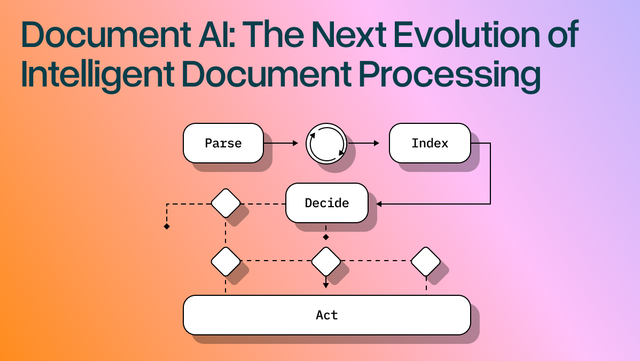
Document AI: The Next Evolution of Intelligent Document ProcessingPersona
Industry
Use cases
Quit Claim Deed OCR
[ Quit Claim Deed OCR ]

Use LlamaParse to turn scanned deeds into clean, verified fields your workflows can trust.
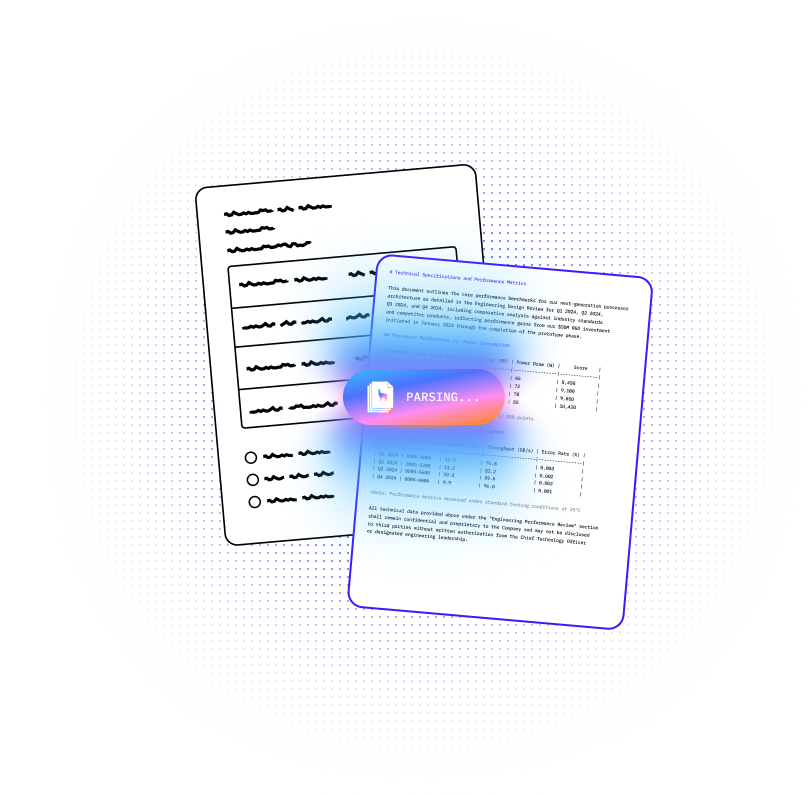


LlamaParse turns scanned quitclaim deeds and recorded PDFs into structured fields like grantor, grantee, legal description, APN, dates, and notary blocks. It stays reliable when county templates change, using layout-aware parsing with validation and traceable metadata so your review queue shrinks.
Best-in-Class Accuracy

Parse quit claim deeds into clean JSON/Markdown so legal descriptions, vesting language, grantor/grantee names, and recording details don’t get scrambled by multi-column layouts or stamps. Use layout-aware extraction plus citations/confidence to auto-populate closing systems and route exceptions for review, reducing rework and speeding up post-close.

Automatically ingest quit claim deeds in loan packages to verify title changes, borrower identity, and lien-related context without manual keying from poor scans. Tier-based agentic processing upgrades only the complex pages (seals, marginal notes, tables), keeping costs predictable while improving straight-through processing for underwriting and servicing audits.

Turn scanned deed submissions into structured records by extracting indexed fields (party names, parcel IDs, book/page, dates) and preserving document structure for downstream systems. Auto-correction loops and verifiable metadata reduce indexing errors and support faster public-record updates without building brittle, template-specific code.

Ship deed-to-data workflows fast by using natural-language parsing instructions to output exactly the schema your app needs for ownership graphs, alerts, or transaction timelines. Start with the API and 10k free credits to prototype, then scale ingestion across jurisdictions and document variants without constant retraining when formats change.
The Solution
01
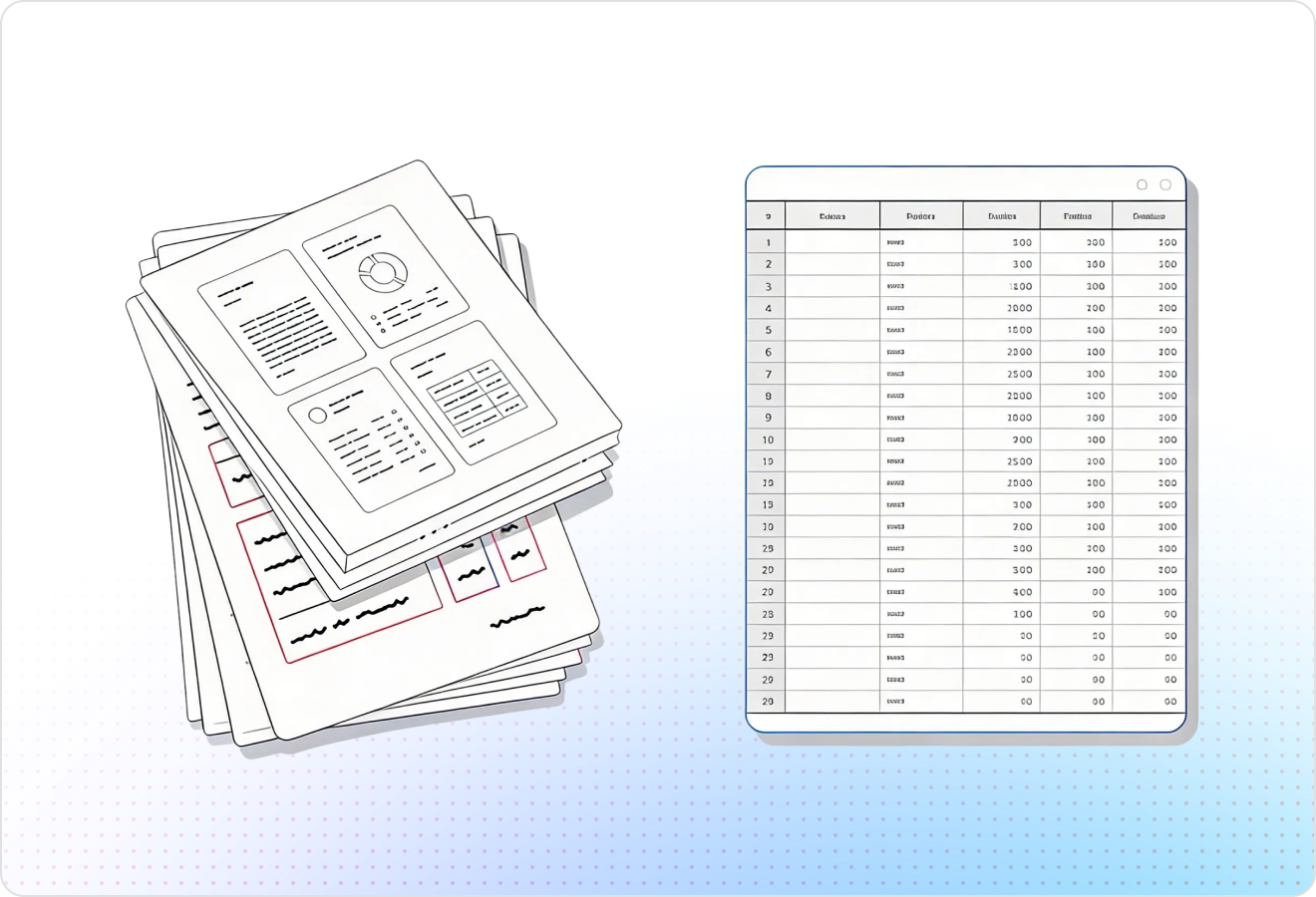
LlamaParse uses layout-aware computer vision to preserve reading order across multi-column legal forms, headers/footers, and stamped margins. That keeps quit claim deed fields like grantor/grantee, legal description, and recording info from getting scrambled when you extract them.
02
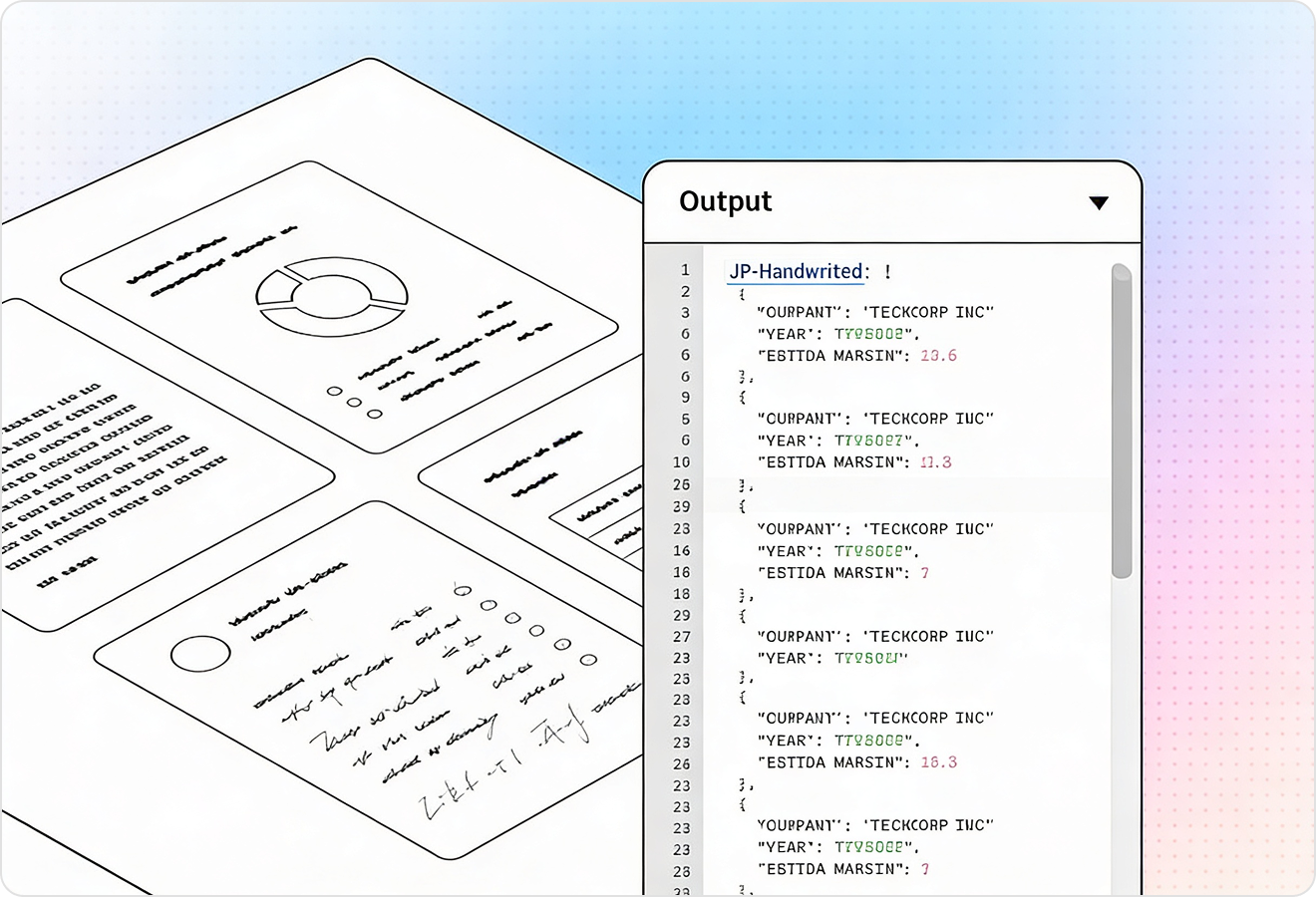
LlamaParse runs validation and auto-correction loops to catch common scan issues like dropped words, duplicated lines, and misread numbers. This reduces downstream errors when you’re indexing quit claim deeds for title workflows or auto-populating deed metadata.
03
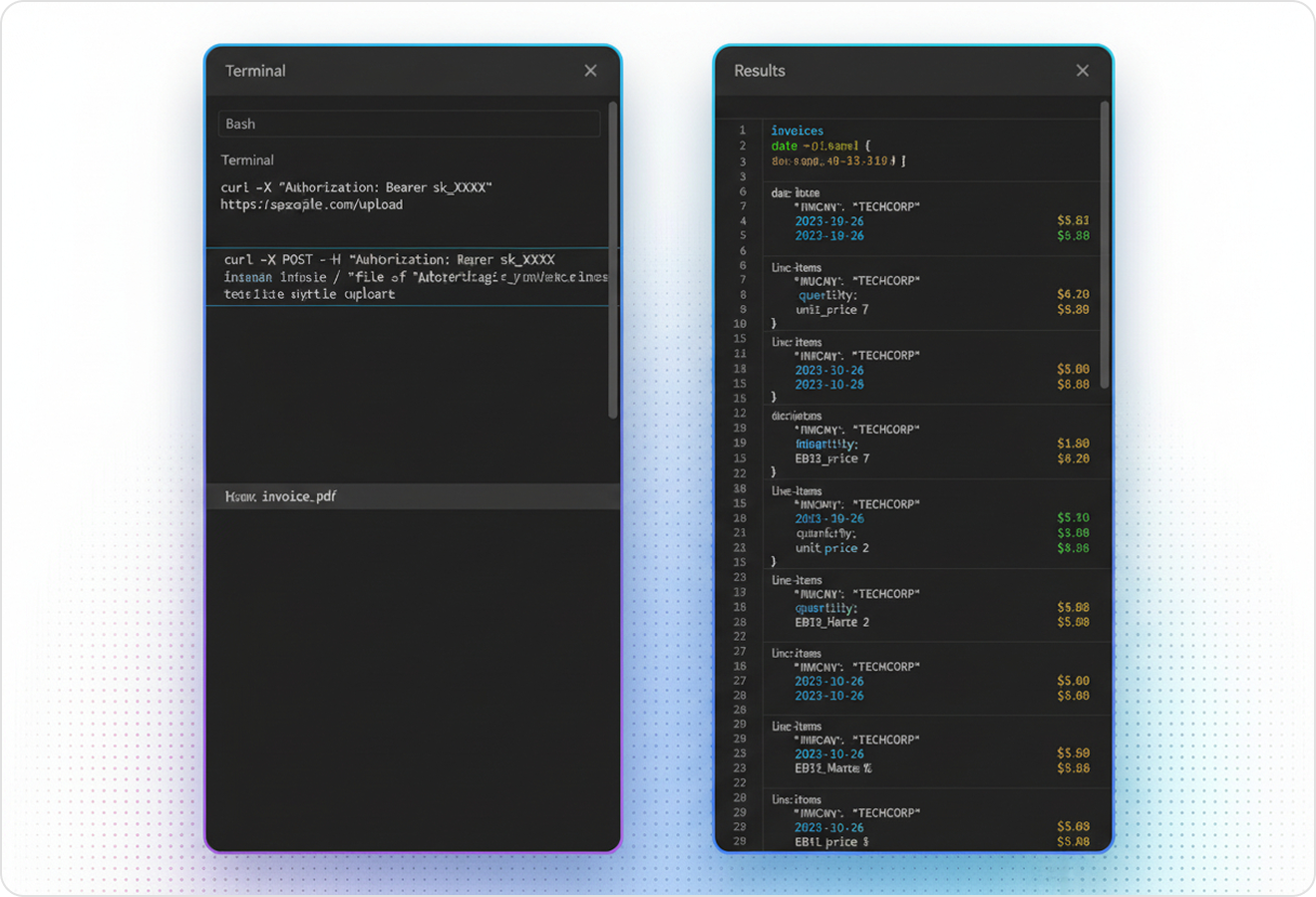
LlamaParse can return structured JSON plus granular metadata like page references and bounding boxes for each extracted element. For quit claim deeds, that means every key value can be traced back to the exact spot on the page for fast QA and human-in-the-loop review.
04
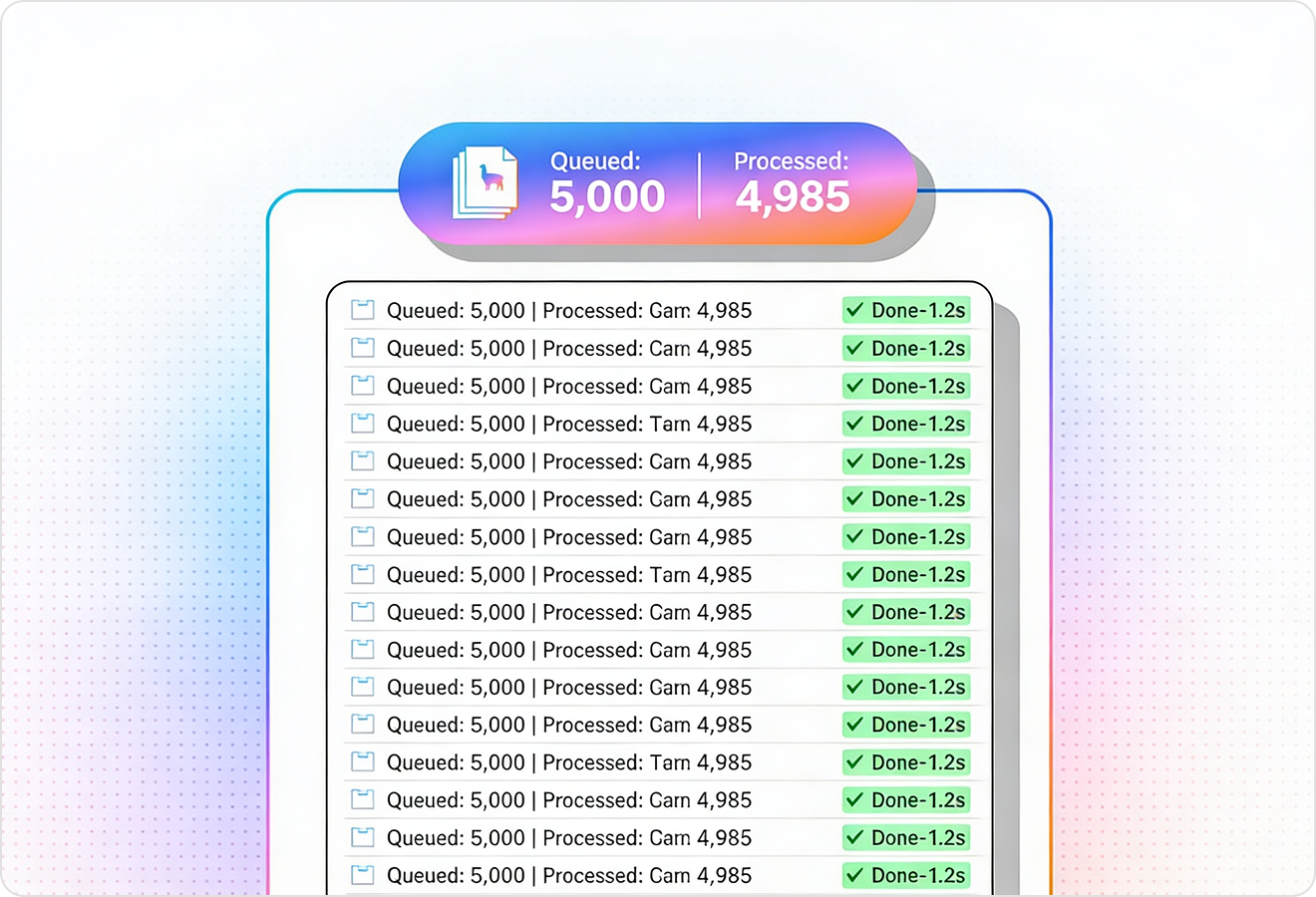
You can provide natural-language parsing instructions to focus extraction on deed-specific sections such as consideration, vesting language, parcel/APN, and notary acknowledgment. This lets you standardize outputs across counties and form variants without writing brittle regex cleanup.
Technical OCR documentation
Explore our developer guides to easily connect your document pipelines to LlamaParse.
Explore the documentation
Our AI catches the typos that tired eyes miss.

Export to Excel, JSON, XML, or directly via API.

SOC2 Type II compliant with end-to-end encryption.

Train the tool on your specific forms in minutes, not days.

Average processing time of <3 seconds per page.
LlamaParse’s support of a wide variety of filetypes and its accuracy of parsing made it the best tool we tested in our evaluations. The LlamaIndex team was very responsive and we were off to the races within a day.
Common FAQs
01
Our layout-aware parsing preserves the original reading order across columns, headers/footers, and margin stamps. That helps ensure critical fields like grantor/grantee, legal description, and recording info stay correctly associated during extraction.
02
The system performs self-checks and auto-correction loops to catch common scan issues like dropped words, duplicated lines, and misread digits. This reduces downstream errors when you index deeds, populate metadata, or feed data into title and recording workflows.
03
Yes—outputs can be returned as clean JSON with citations such as page references and bounding boxes for each extracted element. That makes QA faster because reviewers can jump straight to the exact spot on the deed to verify a value.
04
How do you handle different county templates and quit claim deed form variations?
You can provide instruction-guided extraction in plain language to target the sections you care about—like consideration, vesting language, APN/parcel, and the notary block. This standardizes results across counties without relying on brittle regex or template-by-template rules.
05
Can it extract both key-value fields and longer sections like the full legal description?
Yes—it's designed to capture discrete fields (e.g., grantor, grantee, recording date) as well as longer passages such as legal descriptions and vesting clauses. You get structured output without losing the original text needed for review and compliance.
06
How does this fit into a human-in-the-loop review process for title or compliance teams?
Because each extracted value includes traceable citations, reviewers can quickly confirm or correct entries without hunting through the document. That makes it practical to automate the first pass while keeping final control with your team—especially for high-stakes deed data.