Nov 14, 2025
Document AI: The Next Evolution of Intelligent Document ProcessingPersona
Industry
Use cases
Construction Report OCR
[ Construction Report OCR ]

Use LlamaParse to capture tables, photos, and notes accurately into clean JSON your systems trust.
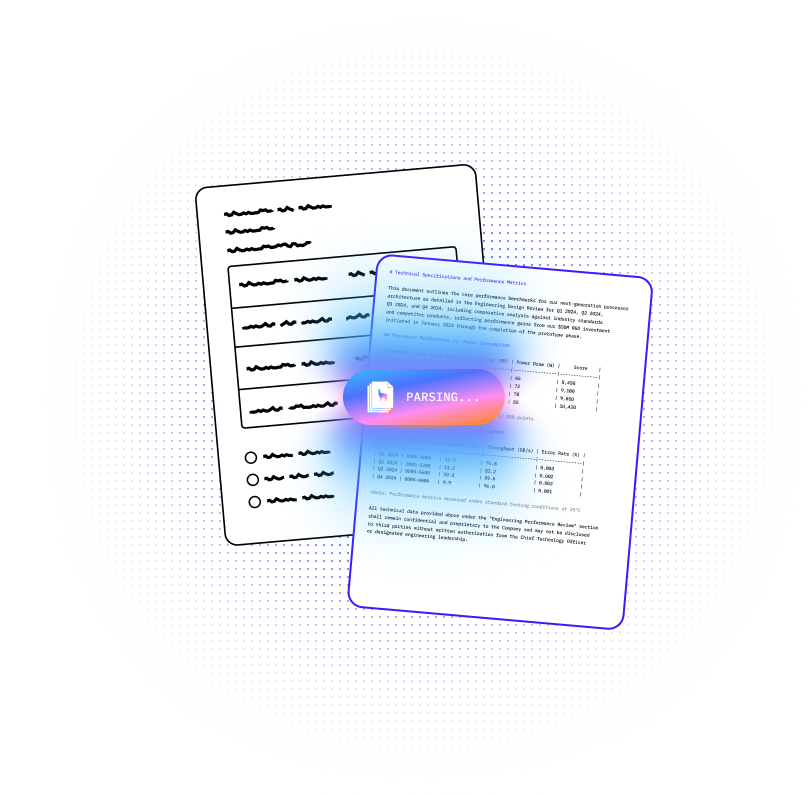
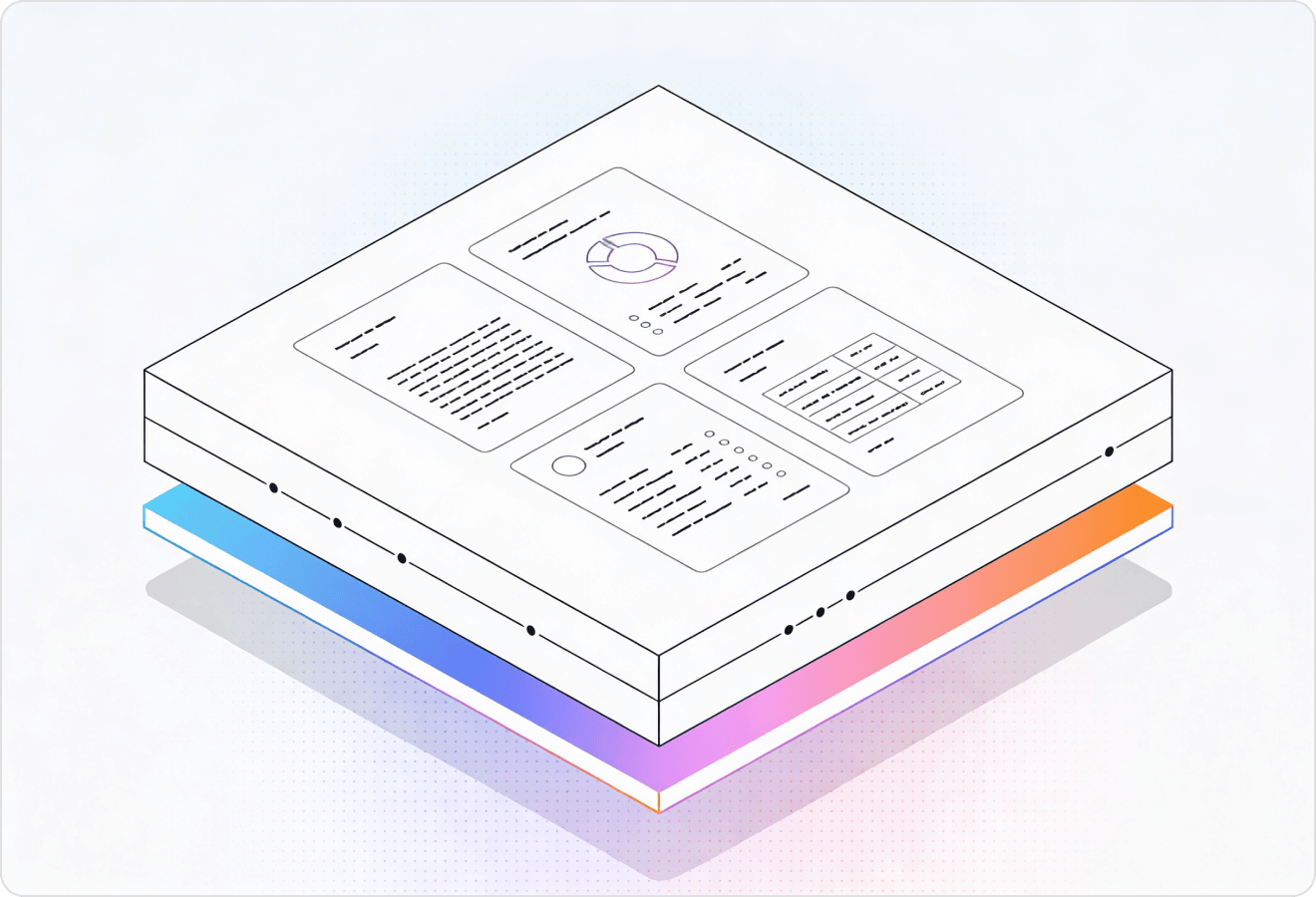
LlamaParse turns daily logs, inspection notes, and progress photos in construction reports into clean, structured JSON your systems can actually use. It stays reliable when templates change, captures tables and visual callouts, and returns confidence and citations for fast review and approval.
Best-in-Class Accuracy

Turn daily reports, safety logs, and change-order backup into structured JSON without losing table integrity or scrambling multi-column notes. LlamaParse keeps reading order and pulls quantities, labor hours, and delays into systems like Procore/ERP so PMs stop retyping and disputes get resolved with traceable citations.

Parse contractor repair reports and site documentation into line-item scopes, materials, and measurements—even when the evidence is embedded in photos, sketches, or tables. Use page-level metadata and confidence scores to speed claim validation, reduce leakage, and route only the ambiguous pages for human review.

Extract inspection findings, asset IDs, and compliance checklists from field reports that mix typed notes, diagrams, and inconsistent layouts across crews and contractors. Standardize outputs to Markdown/JSON for faster trend analysis, automated work order creation, and auditable regulatory reporting.

Ship “upload a report and get structured project data” in days by using natural-language parsing instructions instead of brittle regex pipelines. Tier-based agentic processing lets you control COGS while still handling the ugly edge cases—scanned PDFs, messy tables, and photo-heavy reports—your users will inevitably upload.
The Solution
01
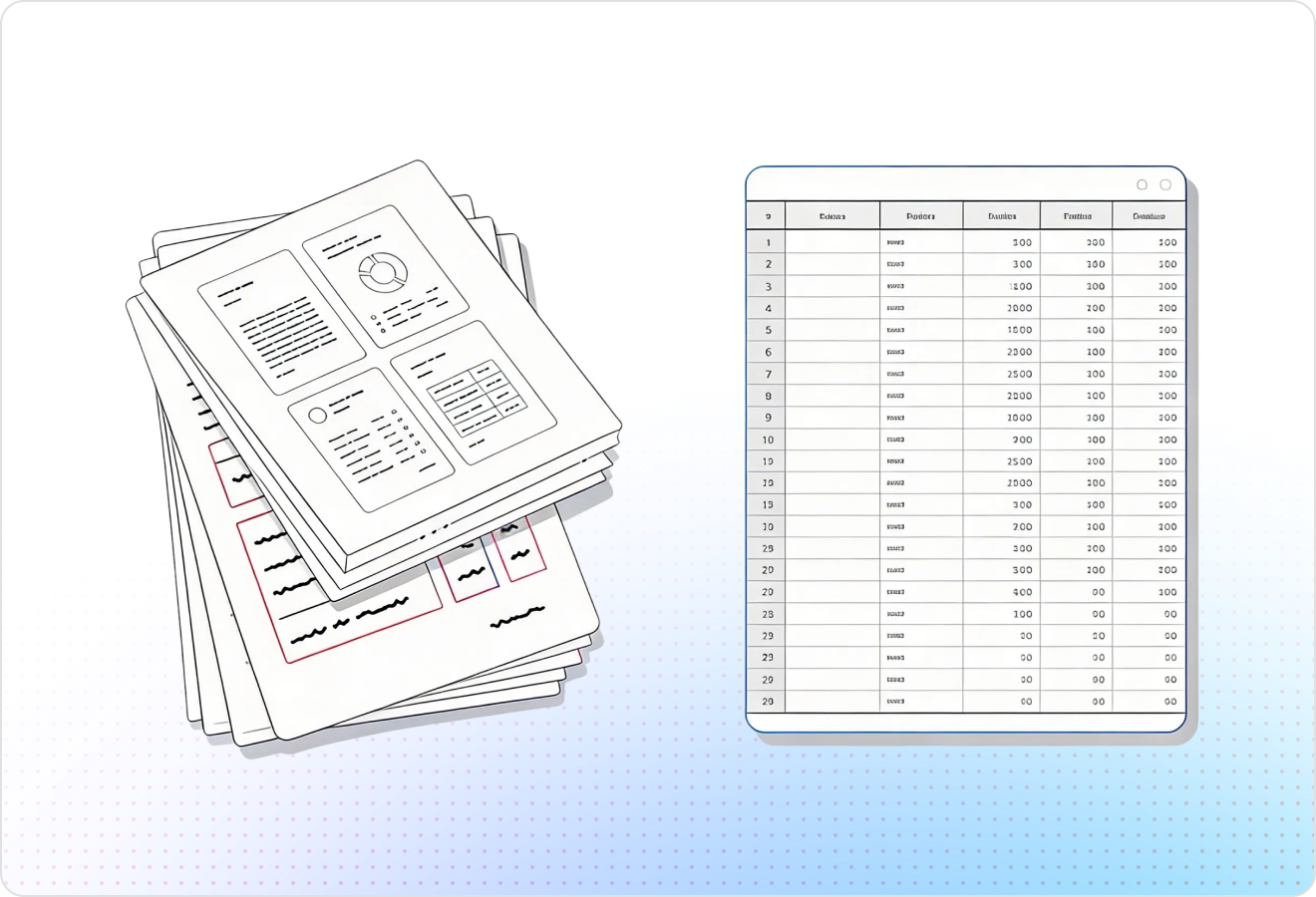
LlamaParse understands page structure so multi-column narratives, headers/footers, and callouts in construction reports don’t get merged or reordered. That means daily logs, inspection notes, and issue lists come out readable and consistently segmented for downstream automation.
02
LlamaParse accurately pulls complex tables—like manpower counts, equipment hours, materials, and progress schedules—without scrambling rows and columns. You get clean Markdown or structured outputs that map directly into your project controls or reporting database.
03
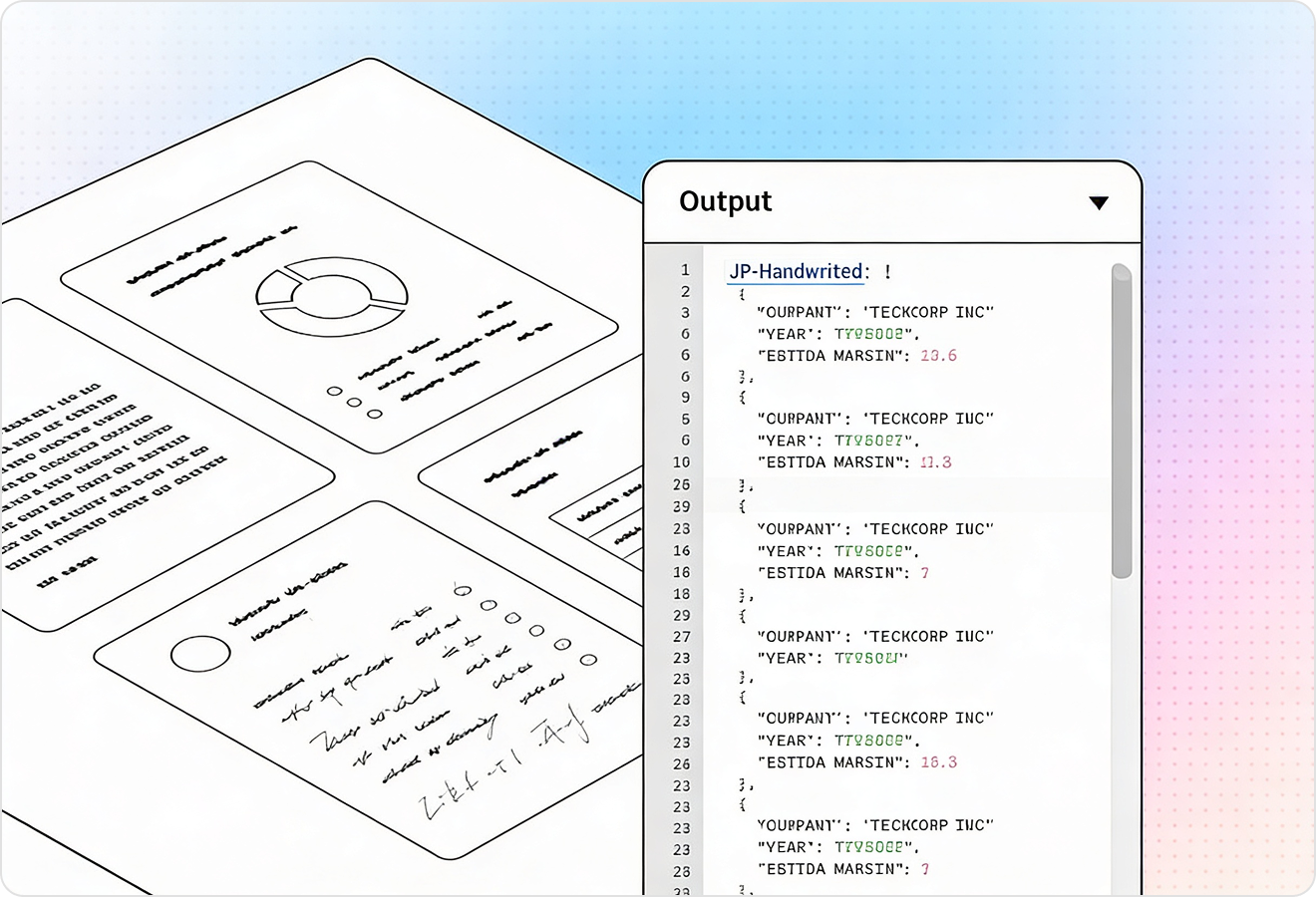
Construction reports often embed progress charts, site photos, and annotated visuals, and LlamaParse can interpret these elements instead of treating them as dead images. This helps you retain context like percent-complete trends, safety indicators, and photo-backed observations alongside the text.
04
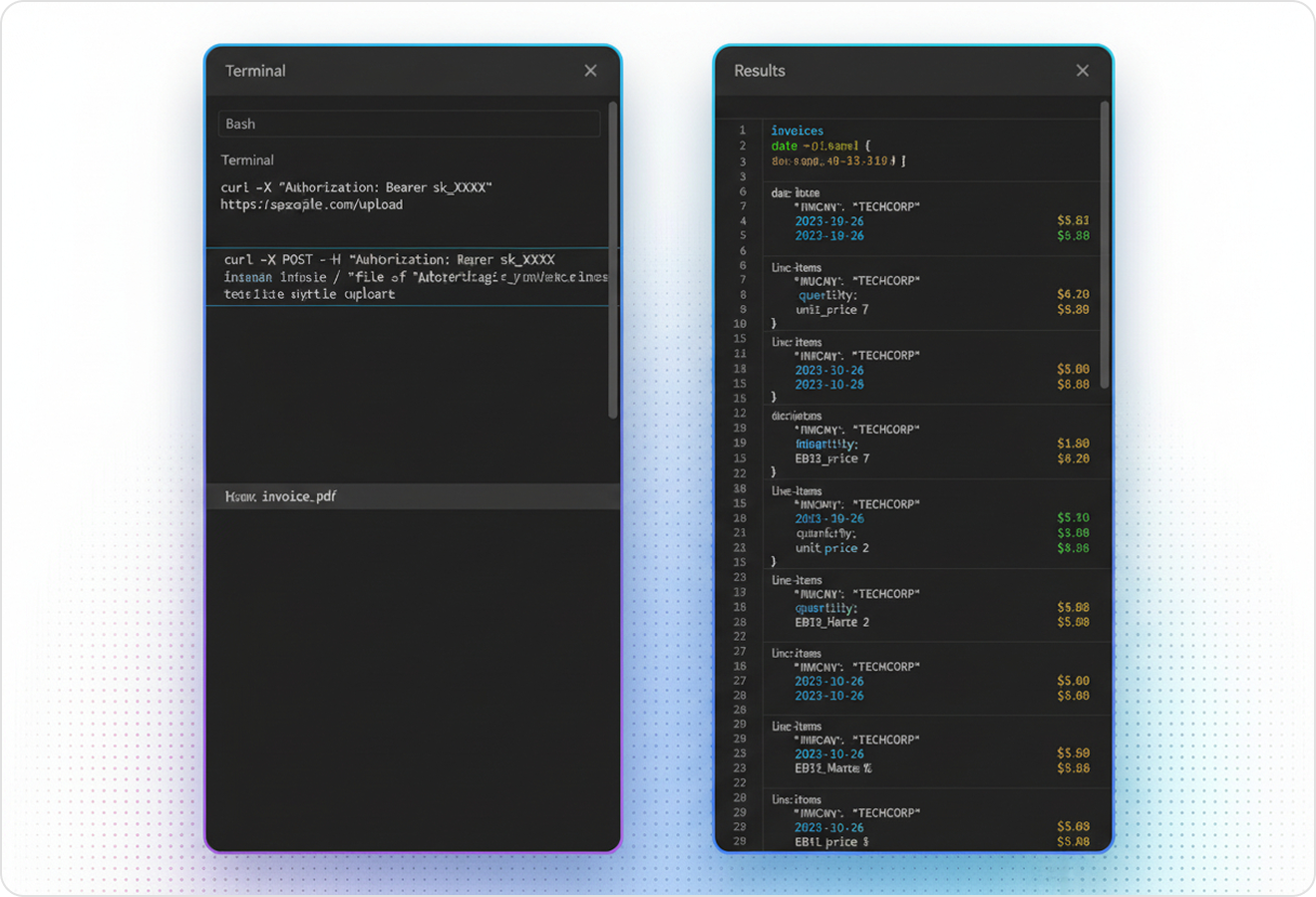
LlamaParse can return JSON with page-level citations, coordinates, and confidence signals for extracted items. For construction report OCR workflows, this makes it easy to audit contentious fields (dates, quantities, change notes) and route low-confidence extractions to human review.
Technical OCR documentation
Explore our developer guides to easily connect your document pipelines to LlamaParse.
Explore the documentation
Our AI catches the typos that tired eyes miss.

Export to Excel, JSON, XML, or directly via API.

SOC2 Type II compliant with end-to-end encryption.

Train the tool on your specific forms in minutes, not days.

Average processing time of <3 seconds per page.
LlamaParse’s support of a wide variety of filetypes and its accuracy of parsing made it the best tool we tested in our evaluations. The LlamaIndex team was very responsive and we were off to the races within a day.
Common FAQs
01
Yes. Layout-aware extraction preserves columns, headers/footers, and callouts so text doesn’t get merged or shuffled. Your daily reports and inspection narratives come out cleanly segmented and ready for search, review, or automation.
02
We preserve table structure so rows and columns don’t scramble during OCR. You can export clean Markdown or structured data that maps directly into project controls, dashboards, or your reporting database.
03
Instead of treating visuals as dead images, the system can interpret charts and annotated elements to retain key context. That means trends like percent complete, safety indicators, and photo-backed notes stay connected to the surrounding text.
04
How do we verify extracted values like dates, quantities, and change notes?
You can receive verifiable JSON that includes page citations, coordinates, and confidence signals for each extracted field. This makes audits faster and lets you quickly trace any value back to the exact spot in the original report.
05
Can we route low-confidence extractions to human review without slowing everything down?
Yes. Confidence signals let you automatically flag only the questionable fields for review while letting high-confidence data flow straight through. This reduces rework and helps your team focus attention where it actually matters.
06
How quickly can we integrate this into our existing construction reporting workflow?
Most teams start by exporting structured outputs (JSON/Markdown) into their existing tools, then expand into deeper automation as needed. Because the data is consistently segmented and table-safe, integration is typically straightforward and doesn’t require rebuilding your workflow.