Nov 14, 2025
Document AI: The Next Evolution of Intelligent Document ProcessingPersona
Industry
Use cases
Real Estate Purchase Contract OCR
[ Real Estate Purchase Contract OCR ]

Use LlamaParse to turn purchase contracts into clean, verified fields your team can trust.
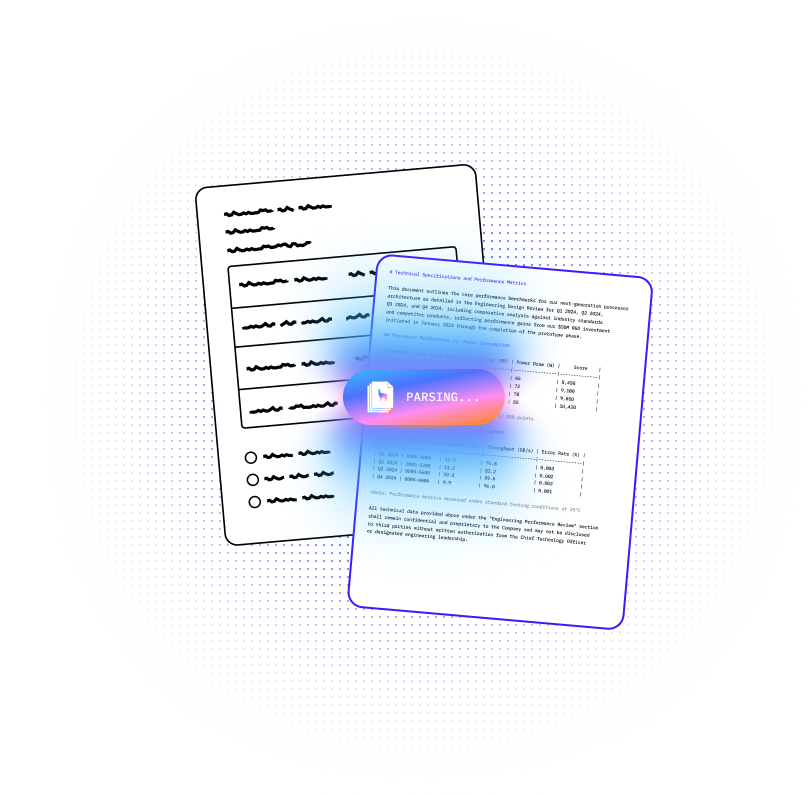
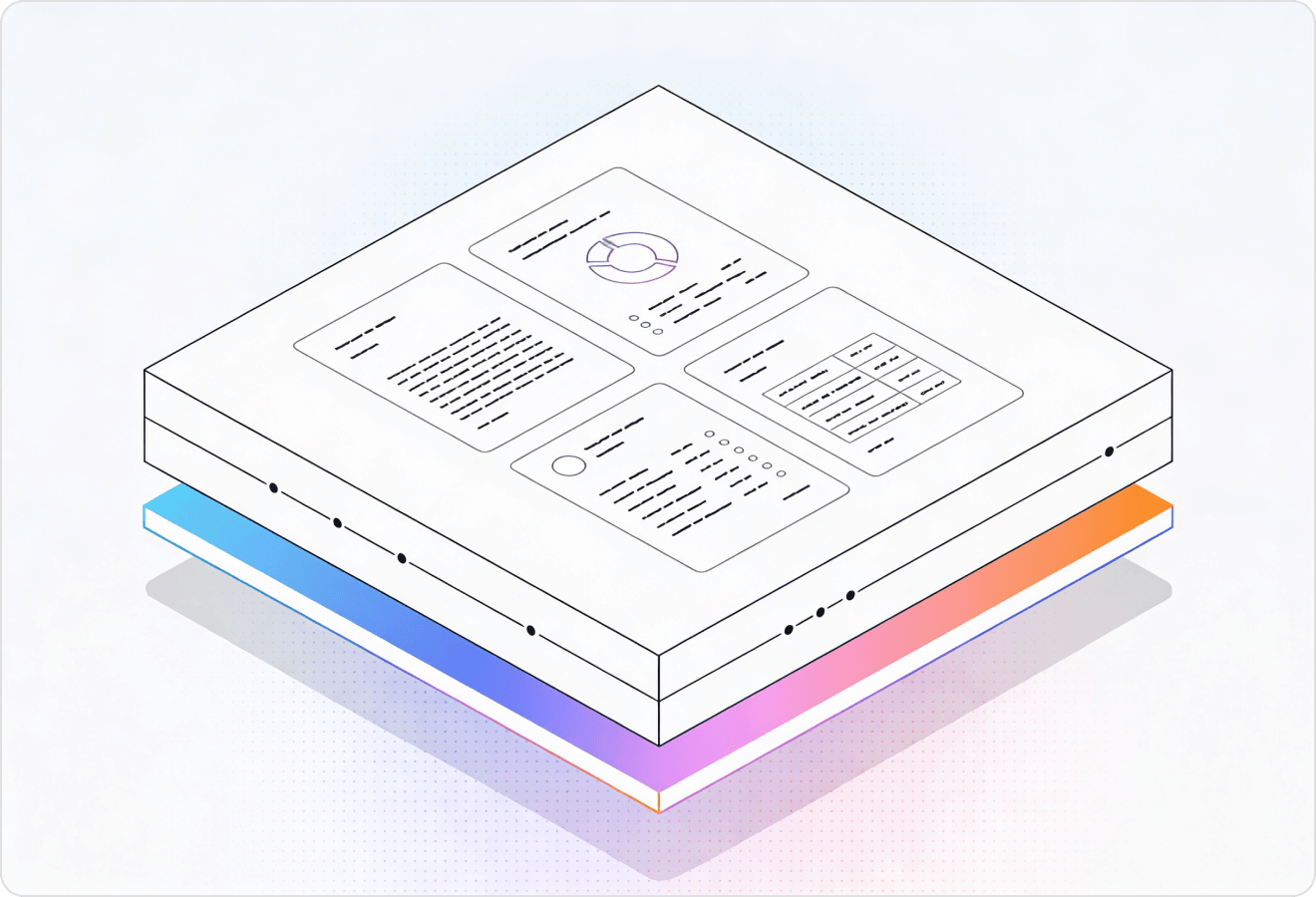
LlamaParse turns messy, scanned purchase agreements and addenda into clean, structured fields like parties, price, contingencies, dates, and signatures. Agentic parsing stays reliable across varied layouts, adds citations and confidence, and reduces manual review so teams can move faster.
Best-in-Class Accuracy

Turn buyer-signed purchase agreements into clean, structured JSON by extracting key fields like price, contingencies, closing date, and addenda with layout-aware parsing that preserves tables and clause order. This reduces missed deadlines and manual rekeying by pushing verified, citation-backed data straight into your transaction system for faster, cleaner closings.

Auto-extract contract terms that drive underwriting—property address, sale price, seller concessions, earnest money, and occupancy intent—without brittle rules that break when forms change. Teams can route simple files through cheaper tiers and automatically escalate complex scans, cutting cycle time while keeping exception reviews focused on the pages that actually need attention.

Parse purchase contracts and addenda into consistent Markdown/JSON so escrow instructions, proration tables, and special stipulations don’t get scrambled or lost across multi-column templates. The attached page-level citations and confidence signals make audit-ready packages easier to assemble and reduce back-and-forth with agents when a clause needs to be verified.

Ship contract ingestion fast by using natural-language parsing instructions to extract exactly the fields your product needs (fees, deadlines, contingencies, parties) without writing fragile regex pipelines. This lets small teams go from raw PDFs to production-ready structured data quickly, with auto-correction loops that prevent bad extractions from poisoning downstream workflows.
The Solution
01
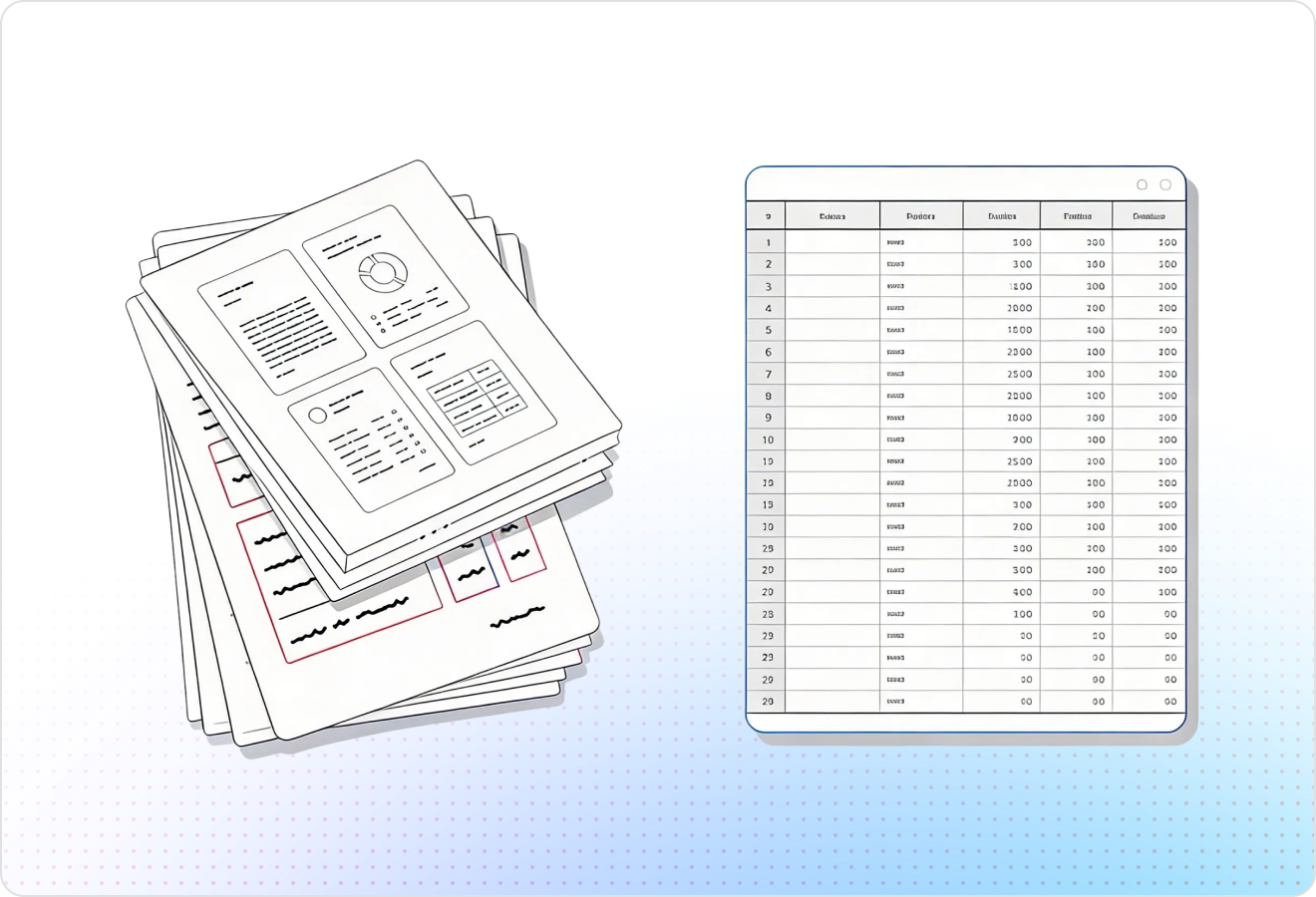
LlamaParse understands real estate contract layout—sections, addenda, headers/footers, and multi-column text—so the reading order stays intact. That means you can reliably extract key clauses like inspection, financing, and contingencies without scrambled paragraphs or missing context.
02
LlamaParse accurately pulls structured tables and form-style blocks, including prorations, fee breakdowns, closing timelines, and exhibit checklists. This makes it easy to map contract line items into your systems without hand-built rules for every template variation.
03
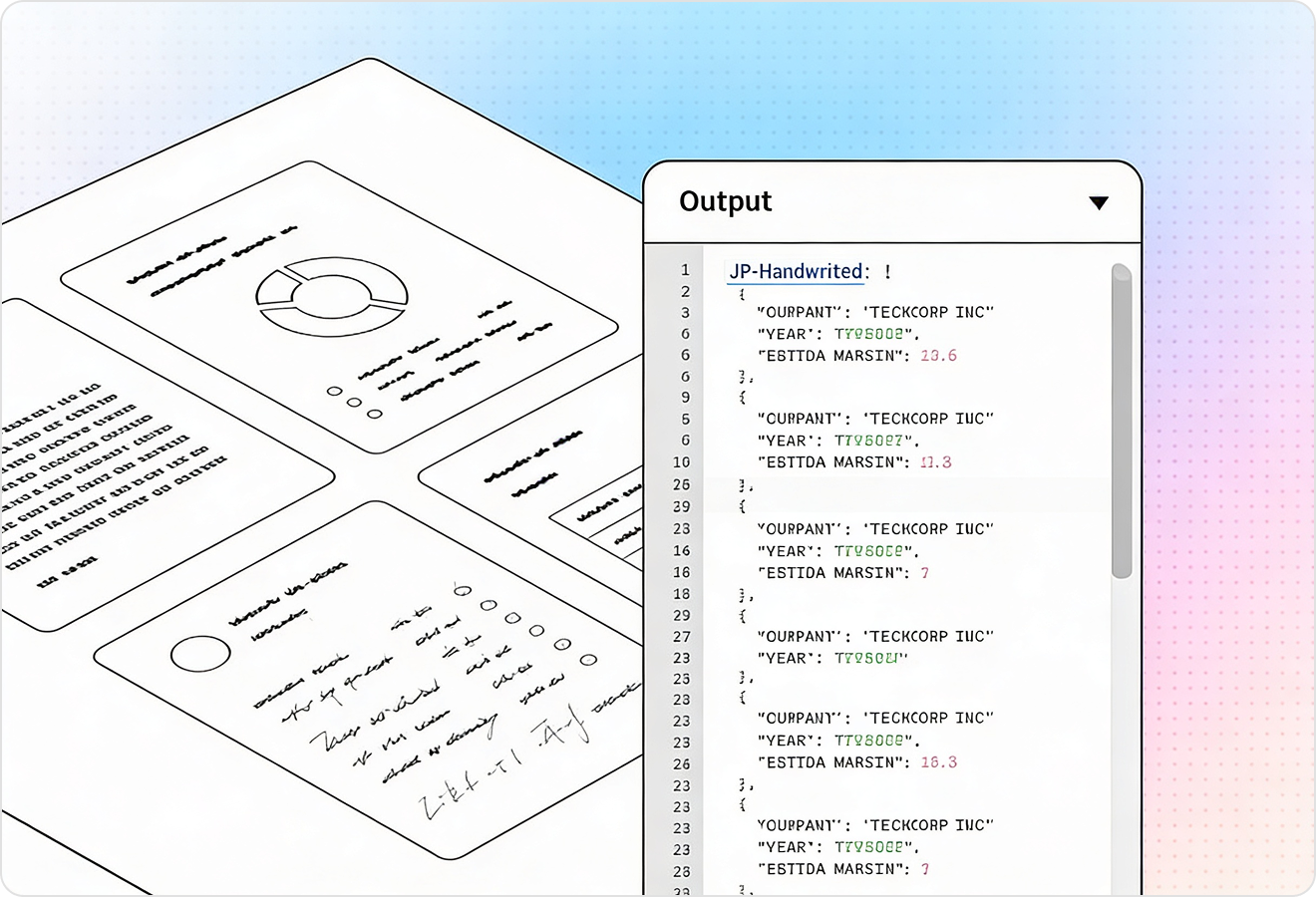
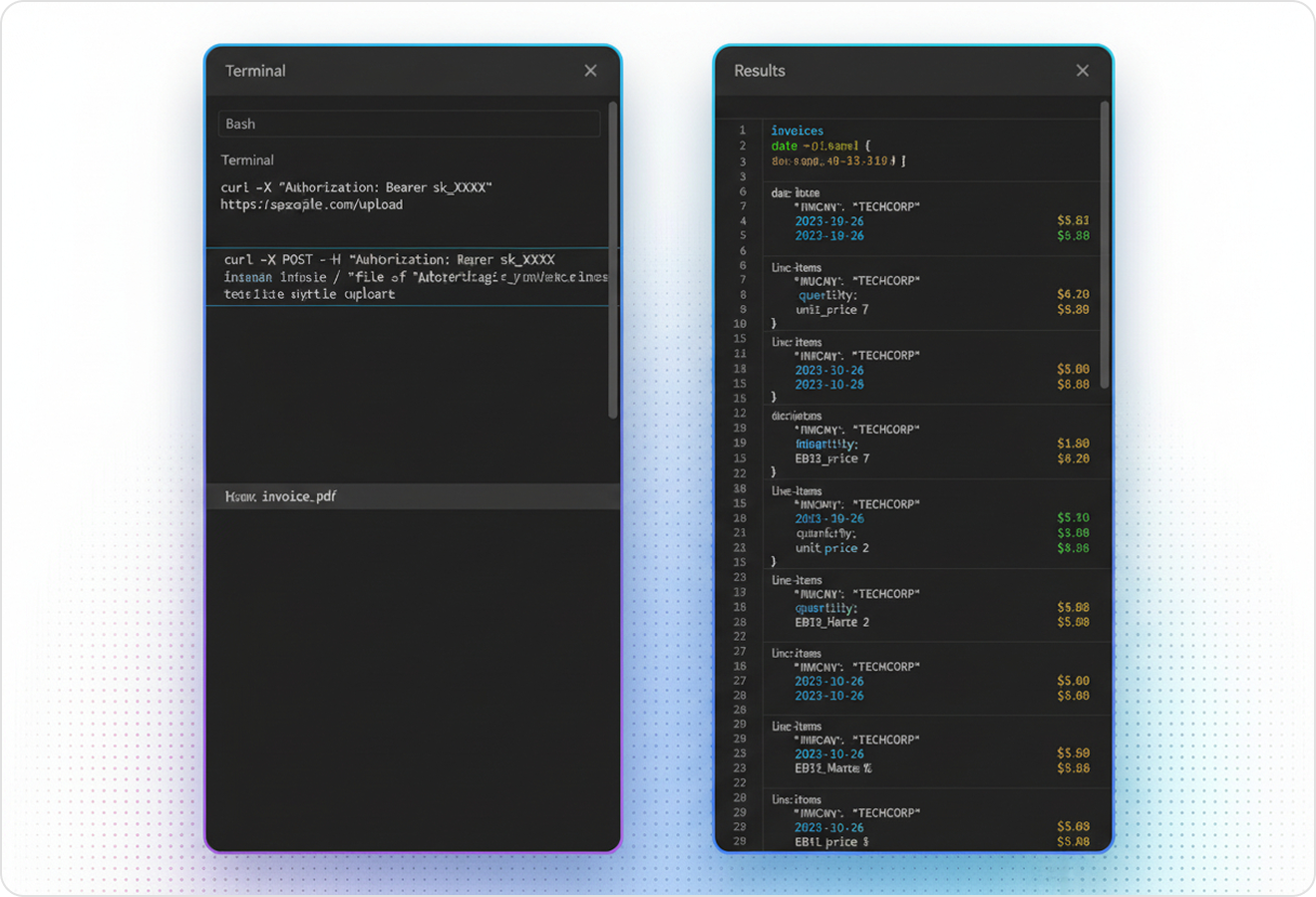
LlamaParse can emit clean JSON along with granular metadata like page numbers and coordinates for each extracted field. For purchase contracts, you can trace values like purchase price, earnest money, and closing date back to the exact location in the document for fast review and auditability.
04
LlamaParse uses agentic validation steps to catch common extraction failures—misread dates, swapped buyer/seller names, or inconsistent totals—then correct them before returning results. This improves straight-through processing on messy scans and reduces manual QA for high-stakes contract data.
Technical OCR documentation
Explore our developer guides to easily connect your document pipelines to LlamaParse.
Explore the documentation
Our AI catches the typos that tired eyes miss.

Export to Excel, JSON, XML, or directly via API.

SOC2 Type II compliant with end-to-end encryption.

Train the tool on your specific forms in minutes, not days.

Average processing time of <3 seconds per page.
LlamaParse’s support of a wide variety of filetypes and its accuracy of parsing made it the best tool we tested in our evaluations. The LlamaIndex team was very responsive and we were off to the races within a day.
Common FAQs
01
Yes—LlamaParse is layout-aware, so it preserves the correct reading order across sections, addenda, and multi-column text. That means clauses like inspection, financing, and contingencies stay complete and in context instead of getting scrambled.
02
It extracts common purchase contract fields and returns them in clean JSON for easy downstream use. Each value can include citations (page number and location) so reviewers can verify terms quickly and confidently.
03
LlamaParse pulls structured tables and form blocks into consistent, machine-readable outputs, even when templates vary. This helps you map line items (fees, credits, deadlines, exhibits) into your system without building brittle rules for every form.
04
What happens when the scan is messy or the OCR misreads a date or name?
Validation and self-correction loops catch common errors like misread dates, swapped buyer/seller names, and inconsistent totals. The system attempts to correct issues before returning results, reducing manual QA on high-stakes contract data.
05
How do we audit extracted data for compliance or dispute resolution?
Every extracted field can be traced back to the exact spot in the document using granular citations and metadata. That audit trail makes it easier to support reviews, approvals, and post-close questions without re-reading entire PDFs.
06
Can this integrate with our existing workflow (CRM, transaction management, or custom systems)?
Because output is delivered as structured JSON, it’s straightforward to feed results into CRMs, transaction platforms, or internal tools. Teams typically use the citations to add a “click-to-verify” review step before pushing data into production.