Nov 14, 2025
Document AI: The Next Evolution of Intelligent Document ProcessingPersona
Industry
Use cases
Complaint OCR
[ Complaint OCR ]

Use LlamaParse to turn messy complaint scans into structured cases with citations, so you can reply confidently.
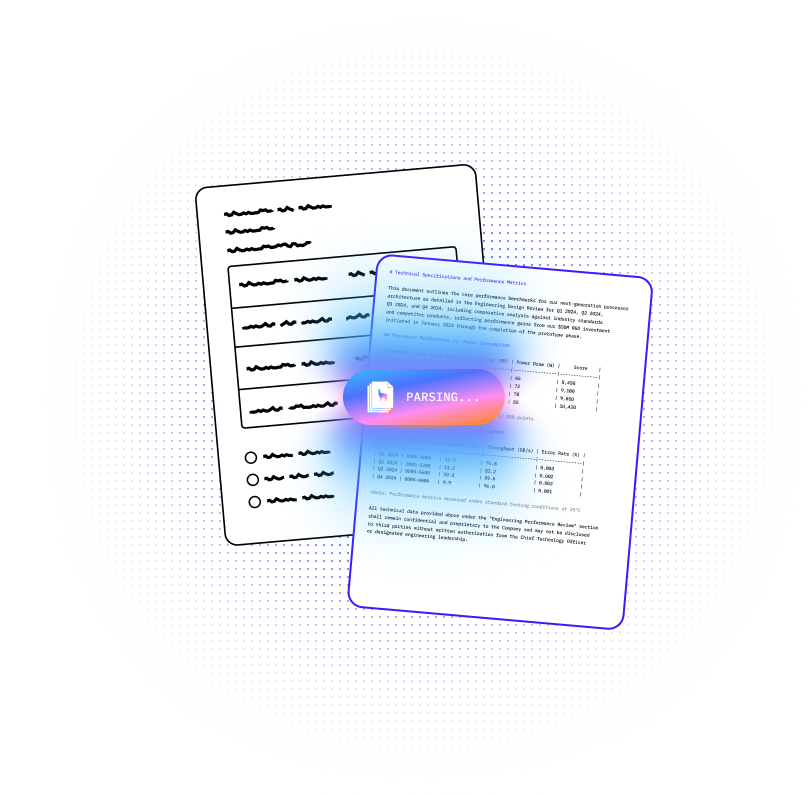
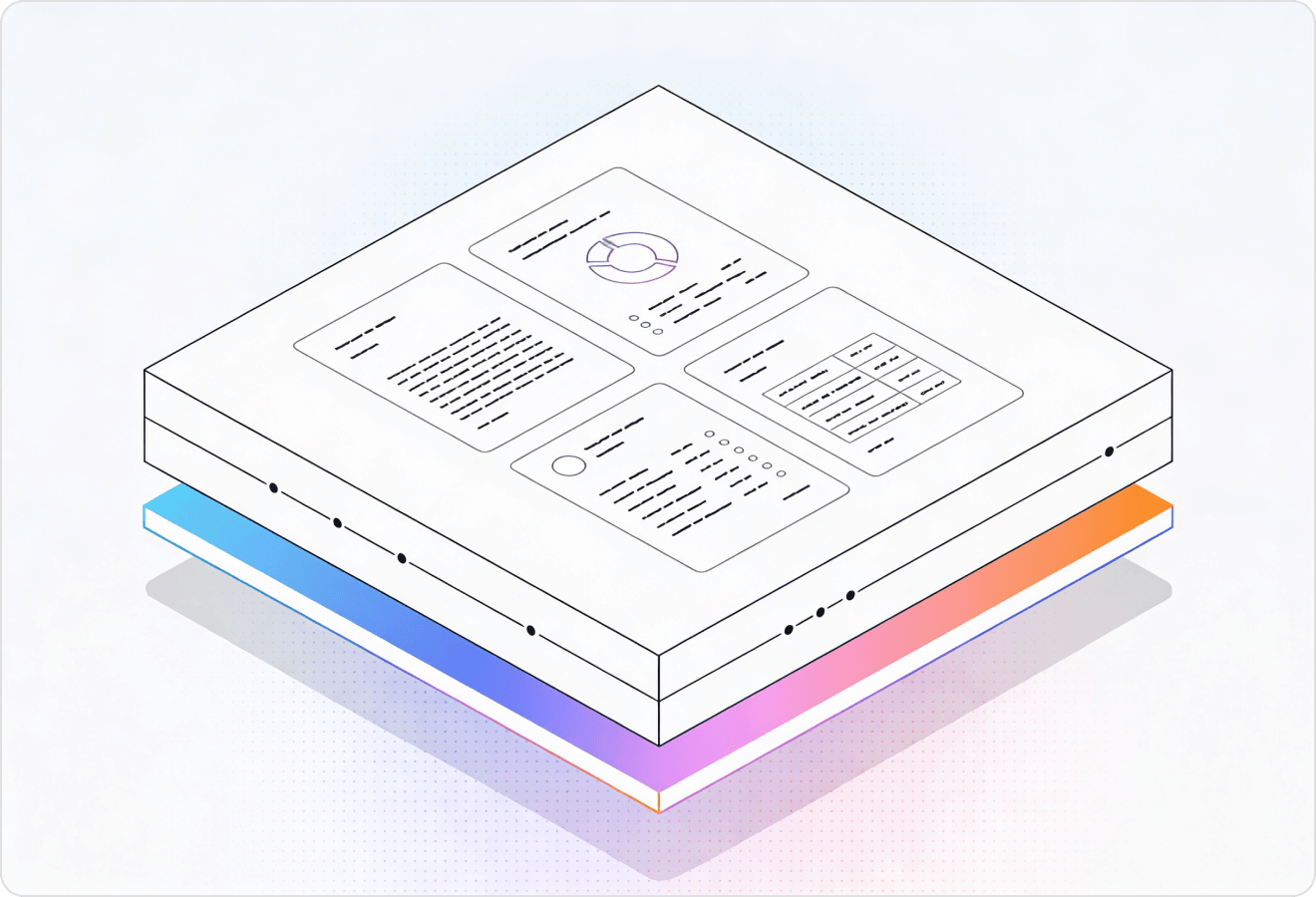
LlamaParse turns messy customer complaint PDFs, scans, and email attachments into clean structured records your teams and models can reliably act on. Its agentic document parsing understands layouts and tables, adds confidence and citations, and reduces manual review without constant template tuning.
Best-in-Class Accuracy

Ingest complaint letters, regulator forms, and adjuster notes with LlamaParse’s layout-aware parsing so tables, policy numbers, and timelines don’t get scrambled across multi-column scans. Output clean JSON with citations and confidence scores to auto-triage severity, route to the right team, and cut rework in dispute resolution.

Turn inbound complaints (PDFs, scanned letters, branch uploads) into structured case records by extracting key entities like product, fee type, dates, and requested remedy—even when the document includes screenshots, statements, or embedded tables. Use natural-language parsing instructions to standardize categorization and accelerate SLA reporting without building brittle, regex-heavy pipelines.

Parse chargeback packets and buyer/seller complaint evidence (receipts, screenshots, return labels) with multimodal extraction so ops teams can reliably capture order IDs, item details, and defect reasons. Route simple cases through low-cost tiers while automatically upgrading only the messy pages, keeping review time and per-case processing costs predictable at scale.

Ship a complaint-intake pipeline in days by using LlamaParse to convert messy PDFs and email attachments into Markdown/JSON that your product can search, summarize, and tag by theme. Build lightweight automation that closes the loop—deduping issues, creating tickets, and generating weekly insights—without hiring a data-engineering team to maintain custom parsers.
The Solution
01
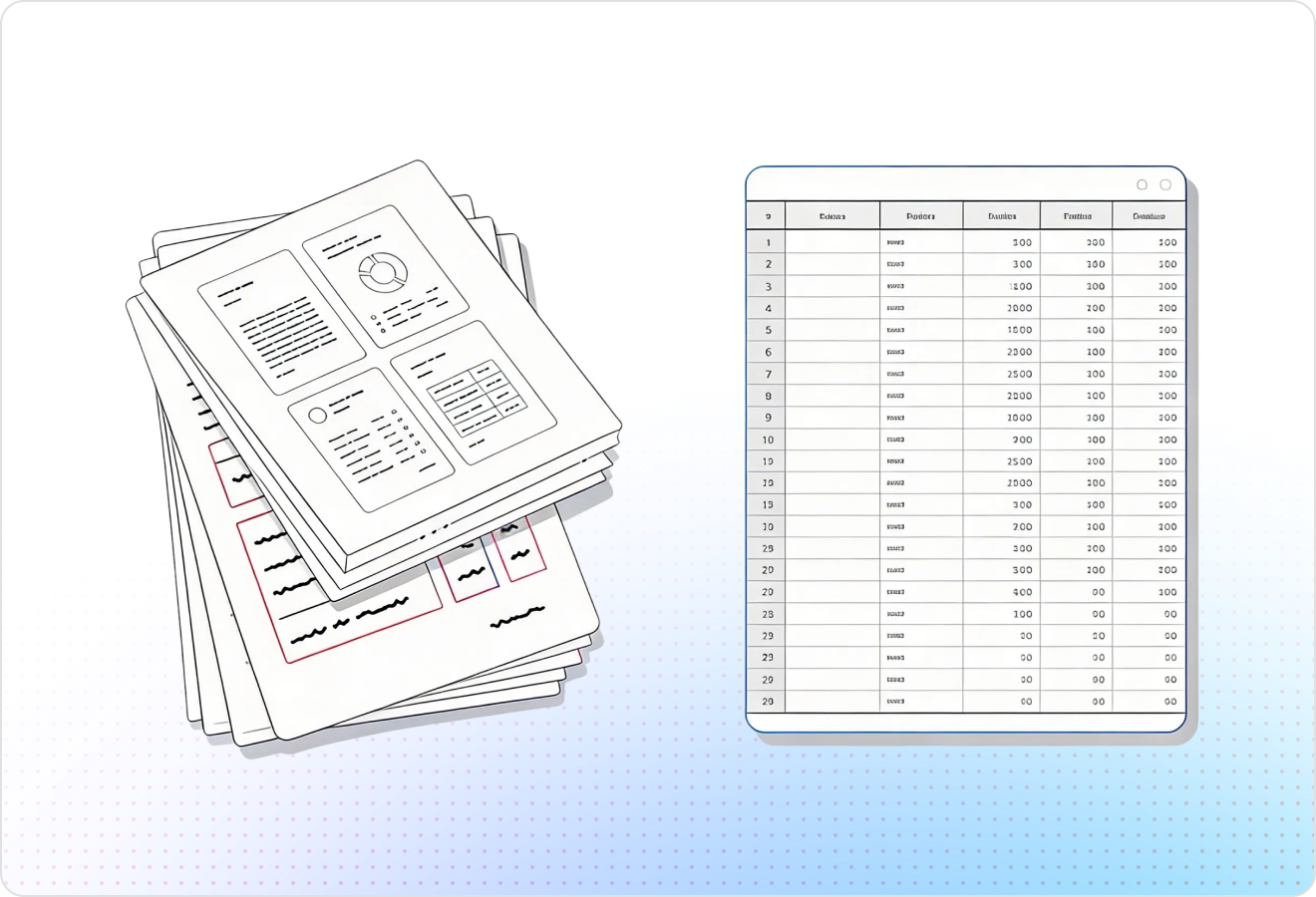
LlamaParse understands page layout so complaint letters, forms, and email printouts keep their reading order instead of turning into scrambled text. That makes it reliable to extract who complained, what happened, and the requested resolution—even when the document has headers, footers, and multi-column sections.
02
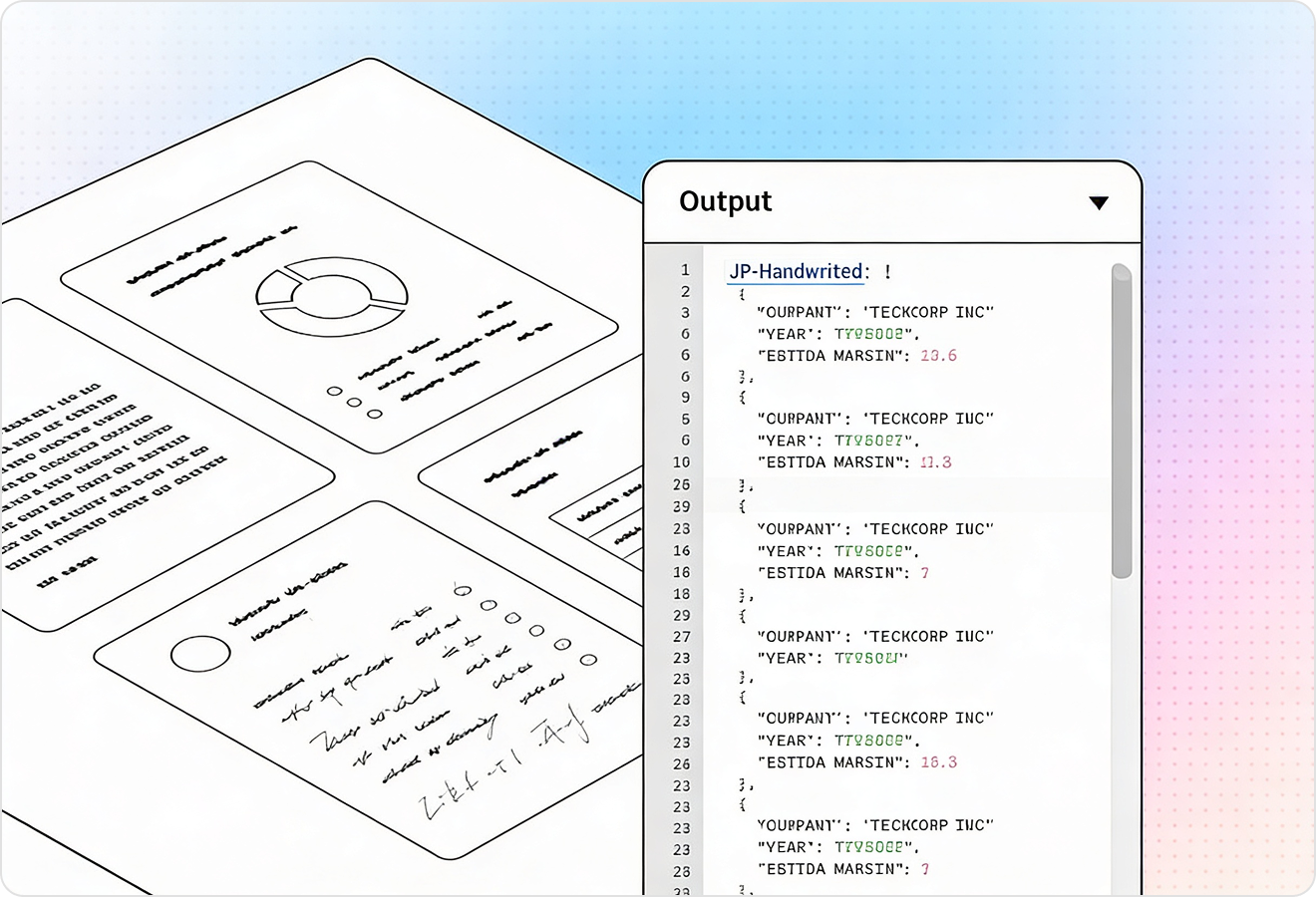
Complaints often include screenshots, photos, charts, and annotated images, and LlamaParse can parse those visual elements into usable text and structured representations. This keeps supporting evidence connected to the complaint narrative so your workflow can reason over the full record, not just the typed paragraphs.
03
You can give LlamaParse natural-language instructions to pull the exact complaint fields you care about, like product, date, channel, severity, and customer impact. This cuts down on brittle rules and makes it easier to adapt when complaint templates or language changes across teams.
04
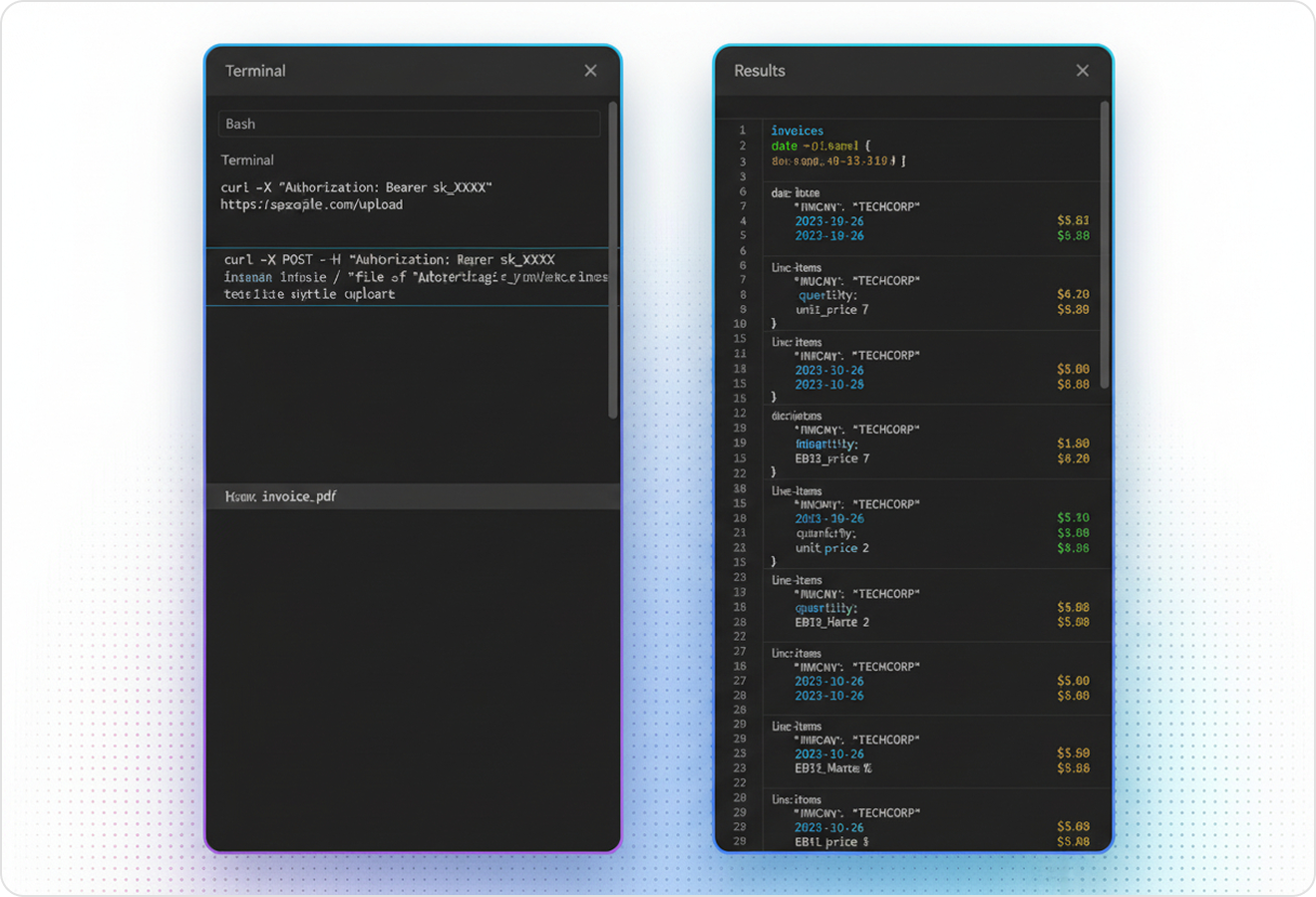
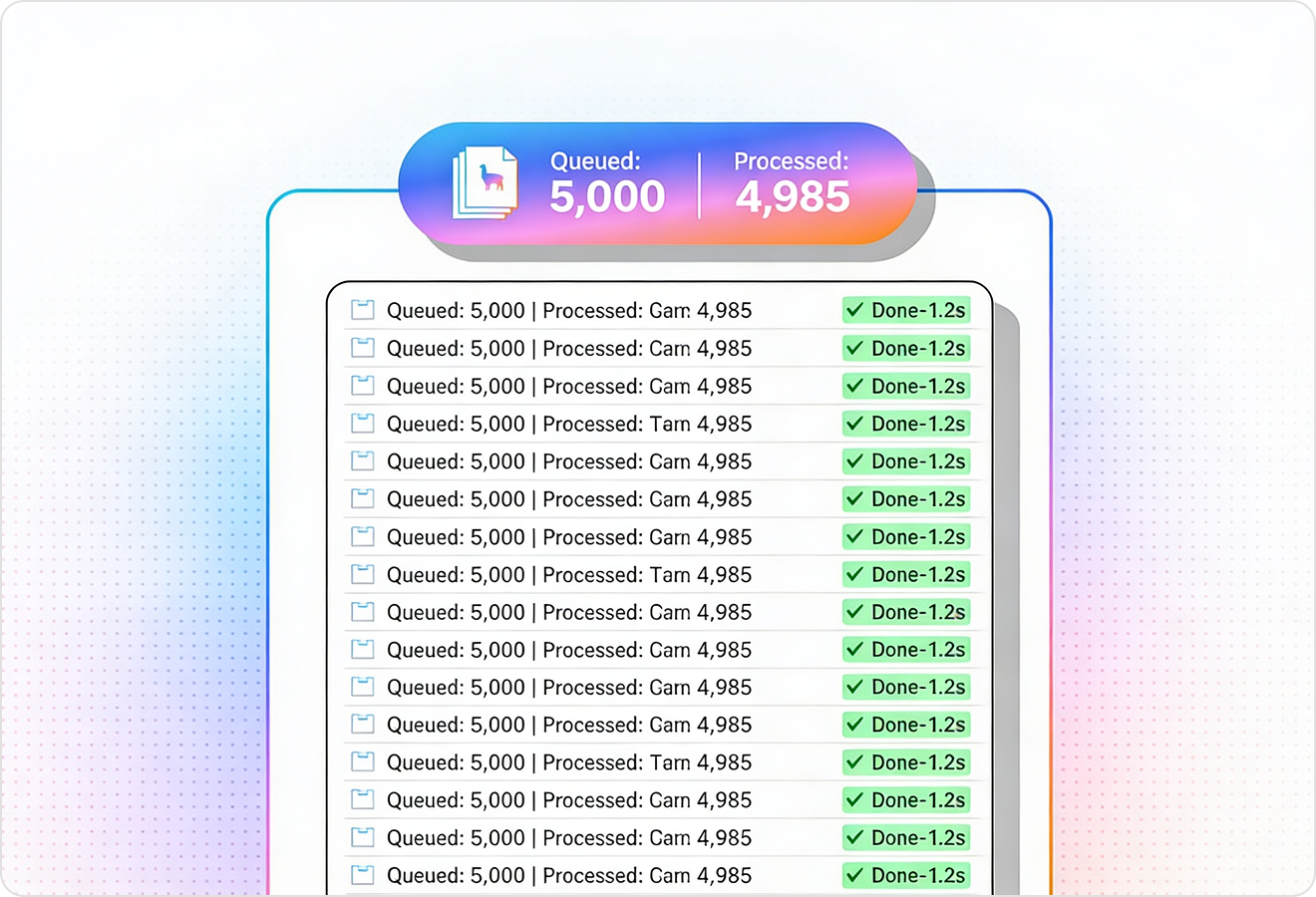
LlamaParse can return structured JSON plus granular metadata like page references and element locations for traceability. For complaint processing, that means every extracted claim can be audited back to the source, speeding up reviews and reducing disputes during compliance or QA
Technical OCR documentation
Explore our developer guides to easily connect your document pipelines to LlamaParse.
Explore the documentation
Our AI catches the typos that tired eyes miss.

Export to Excel, JSON, XML, or directly via API.

SOC2 Type II compliant with end-to-end encryption.

Train the tool on your specific forms in minutes, not days.

Average processing time of <3 seconds per page.
LlamaParse’s support of a wide variety of filetypes and its accuracy of parsing made it the best tool we tested in our evaluations. The LlamaIndex team was very responsive and we were off to the races within a day.
Common FAQs
01
Yes. Layout-aware parsing preserves reading order across headers, footers, tables, and multi-column sections so the narrative doesn’t get scrambled. That means you can reliably extract who complained, what happened, and the requested resolution without manual cleanup.
02
It can parse visual evidence—like screenshots, charts, and annotated images—into usable text and structured outputs. This keeps supporting proof connected to the complaint narrative, so downstream reviews and routing are based on the full record, not just typed paragraphs.
03
You can provide natural-language instructions to extract exactly the fields you care about, including custom labels and formats. This reduces brittle rule sets and makes it easier to adapt when templates change across teams or regions.
04
Is the extracted data auditable for compliance and QA reviews?
Yes—outputs can include verifiable JSON along with metadata like page references and element locations. That traceability makes it easy to audit any extracted claim back to its source, reducing disputes and speeding up approvals.
05
What happens when complaint wording varies or customers use different formats and languages?
The system is designed to handle variation in structure and phrasing, not just a single template. With instruction-guided extraction, you can tune what you want captured as language evolves—without rewriting complex parsing rules every time.
06
How quickly can we integrate this into our complaint workflow and start seeing results?
Most teams start by sending their existing complaint PDFs or image files and receiving structured JSON back, which plugs into case management or analytics tools. Because extraction is instruction-driven and layout-aware, you can get to high-quality outputs quickly and iterate as your requirements mature.