Nov 14, 2025
Document AI: The Next Evolution of Intelligent Document ProcessingPersona
Industry
Use cases
Document Upload OCR API
[ Document Upload OCR API ]

Use LlamaParse to turn messy uploads into accurate JSON with layout, tables, and citations.
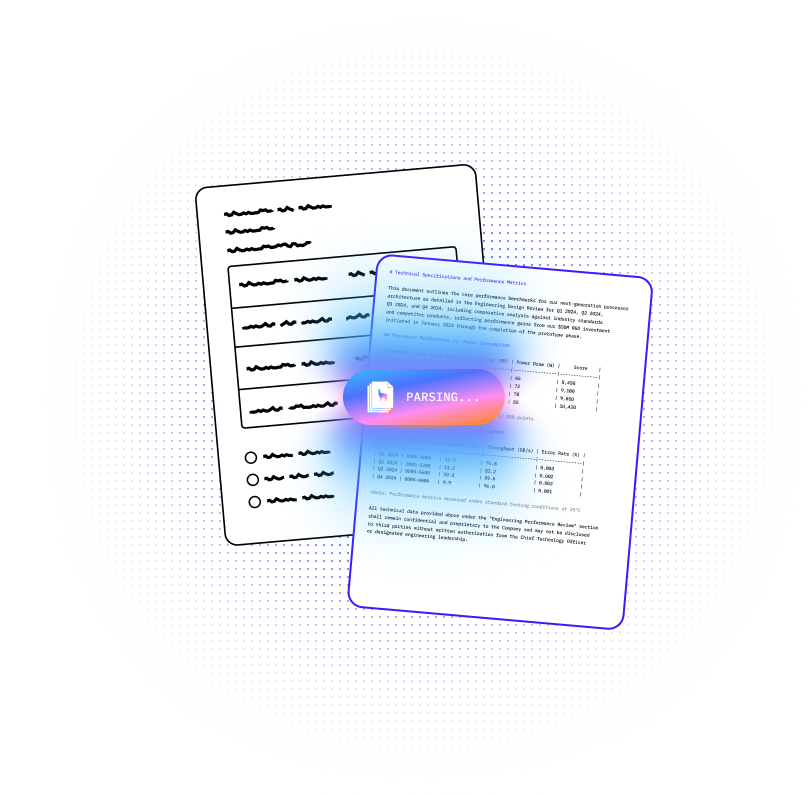
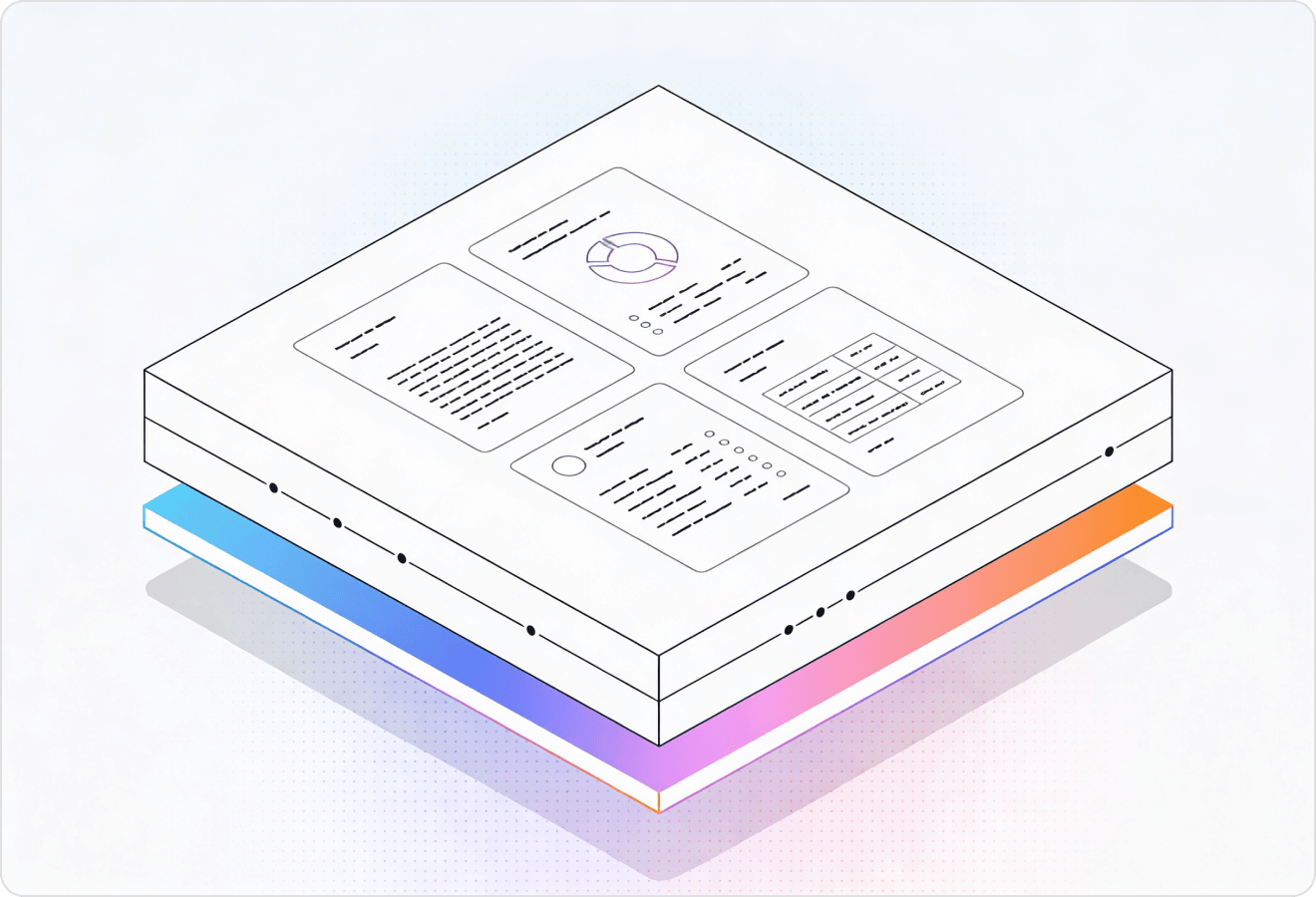

LlamaParse takes your uploaded PDFs and scans and turns them into clean, structured JSON by understanding layout, tables, and embedded visuals. Agentic parsing adds validation loops and citations so your document upload API ships higher-accuracy extractions with less manual cleanup.
Best-in-Class Accuracy

Use LlamaParse inside your document upload OCR API to turn bank statements, pay stubs, and tax forms into clean JSON with citations and confidence scores, so underwriting teams can audit every extracted field. Layout-aware table extraction prevents broken line items and misread totals that create false declines and manual rework.

Parse bills of lading, packing lists, and commercial invoices into structured shipment data even when scans are skewed, multi-page, or packed with tables and stamps. Multimodal parsing captures SKUs, quantities, and harmonized codes reliably, reducing chargebacks and customs delays caused by missing or scrambled fields.

Convert contracts, exhibits, and discovery PDFs into AI-ready Markdown that preserves reading order, headings, and clause structure for faster review and drafting. Natural-language parsing instructions let teams extract specific terms (e.g., termination, indemnity, governing law) without building brittle regex pipelines that break across templates.

Ship a production-grade document upload OCR API quickly by using LlamaParse as the ingestion layer that normalizes messy customer PDFs into consistent Markdown or JSON across 100+ file types. Tier-based agentic processing and cost optimizer mode keep unit economics predictable by spending premium compute only on the pages that actually need it.
The Solution
01
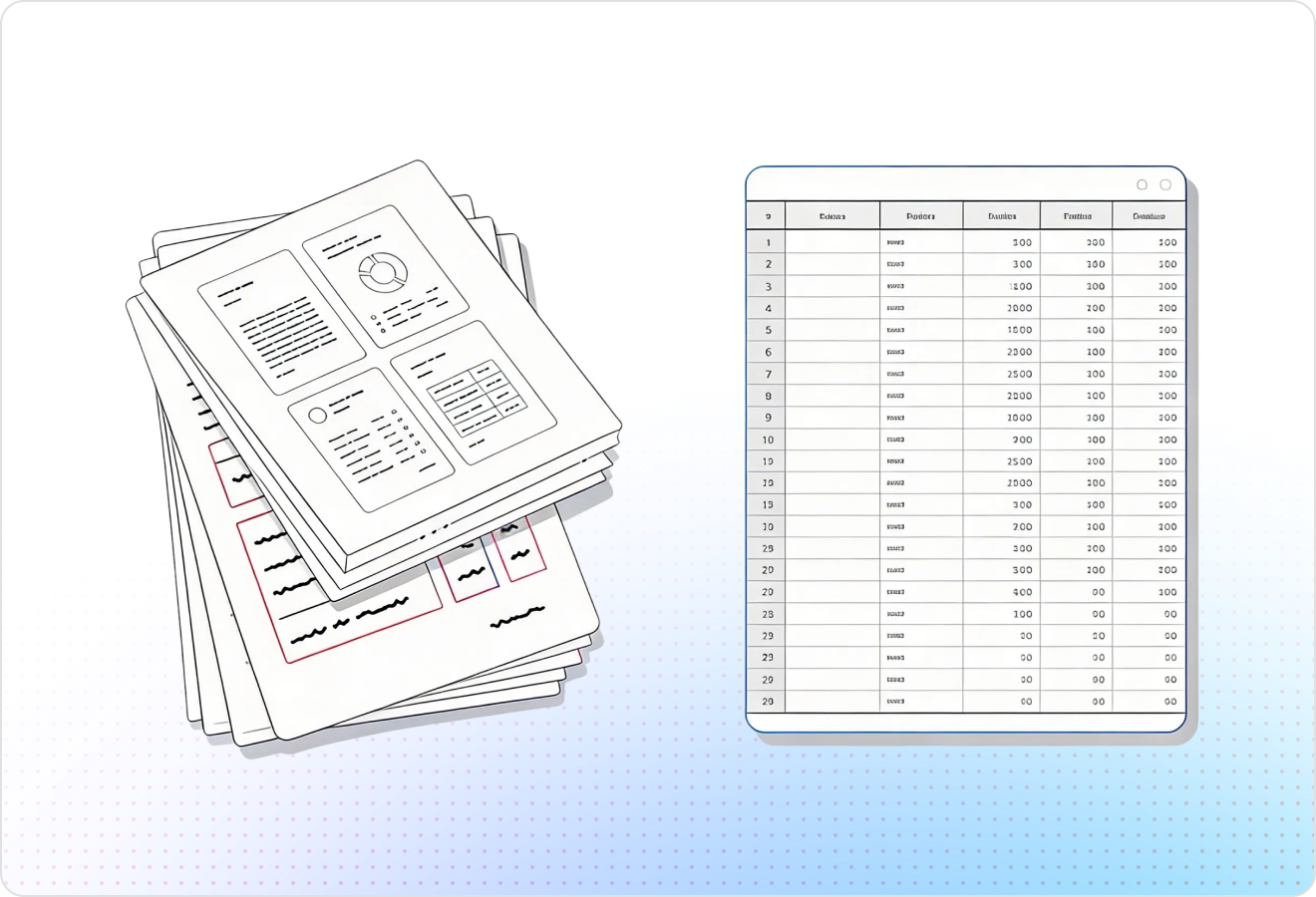
LlamaParse exposes a developer-friendly API for turning user-uploaded PDFs and scans into AI-ready content in a single workflow. It reduces glue code around file handling so your “document upload OCR API” endpoint returns consistent, usable output every time.
02
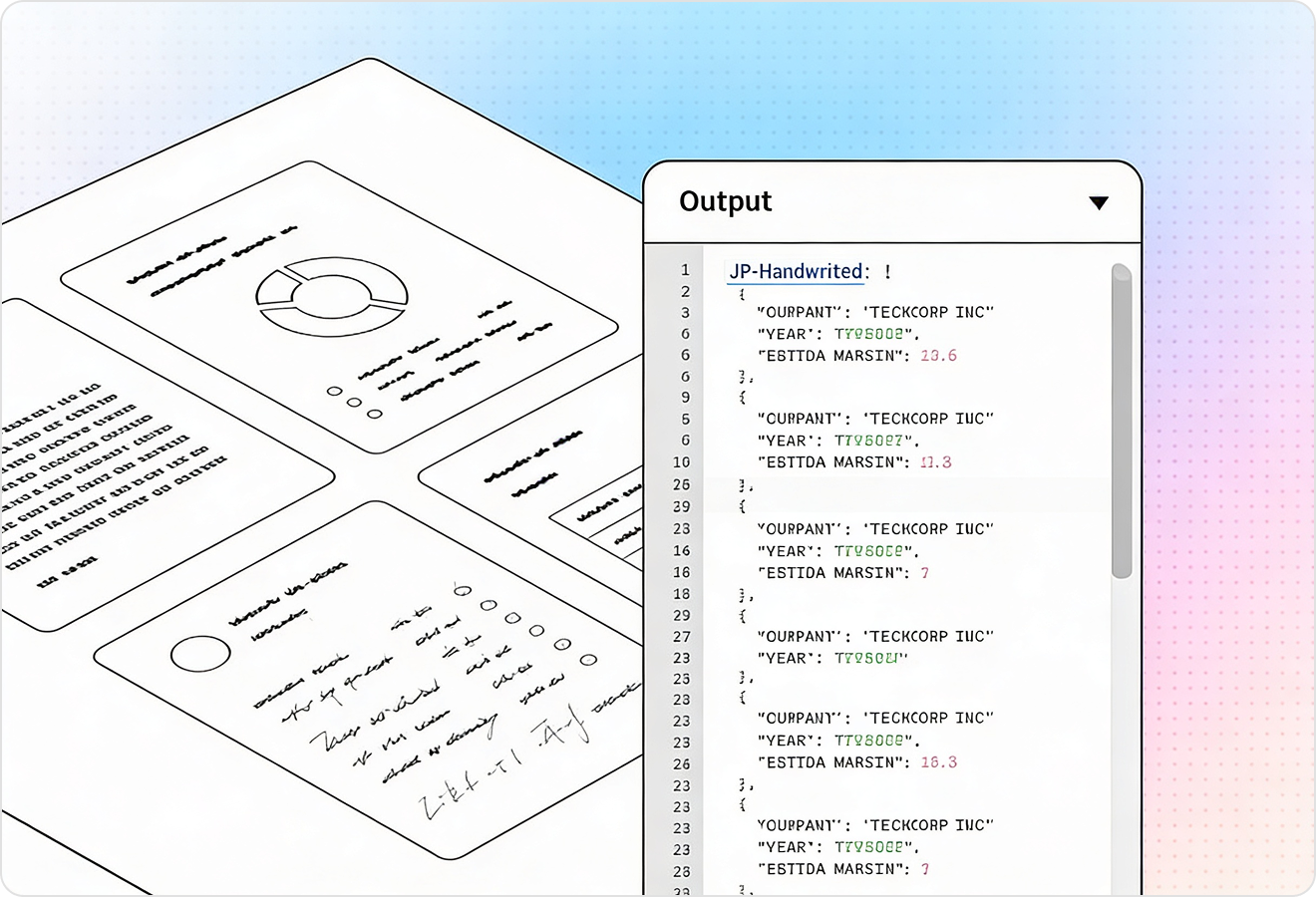
LlamaParse understands page structure (columns, headers, footers, and tables) so extracted content keeps its reading order and hierarchy. That means your API can return clean tables and sections instead of scrambled text that forces brittle post-processing.
03
LlamaParse reconstructs documents into stable formats like Markdown, JSON, or HTML rather than dumping raw text. This makes your upload API predictable for downstream consumers—whether you’re indexing, validating, or mapping fields into your app’s schema.
04
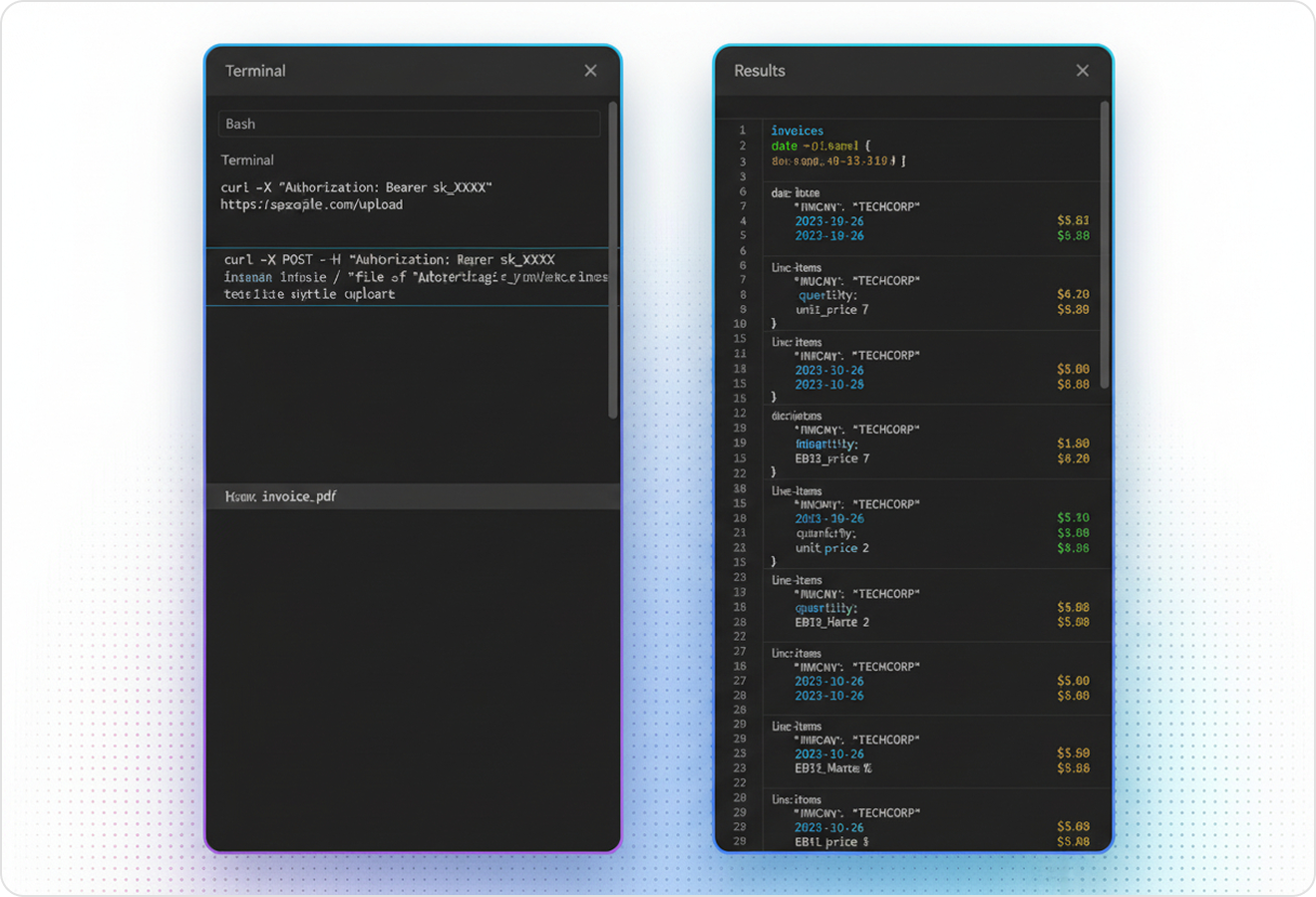
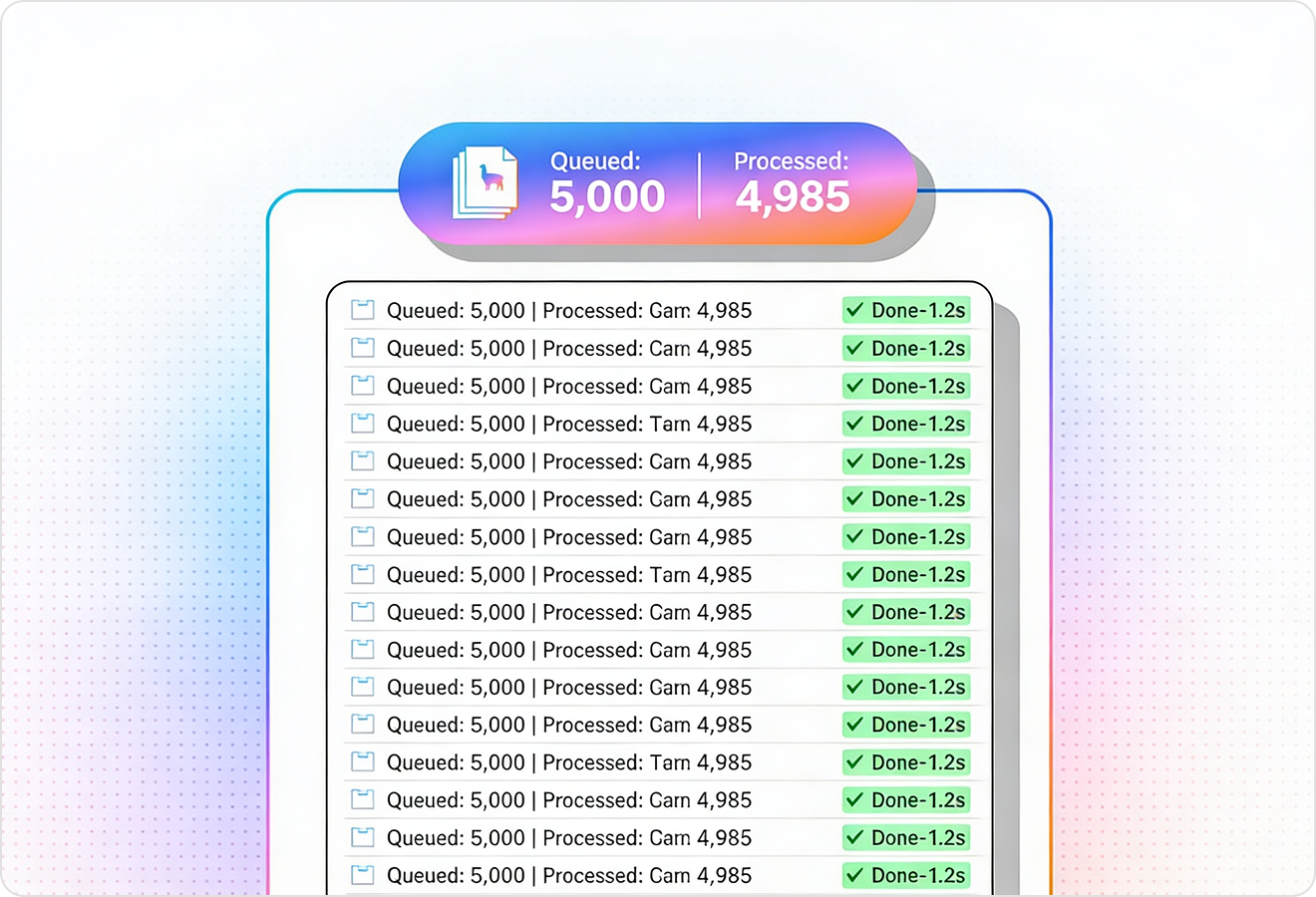
LlamaParse uses agentic parsing with model orchestration and validation loops to catch common extraction errors and self-correct on messy real-world uploads. You get higher straight-through processing for receipts, forms, and scanned packets without constantly retuning prompts or templates.
Technical OCR documentation
Explore our developer guides to easily connect your document pipelines to LlamaParse.
Explore the documentation
Our AI catches the typos that tired eyes miss.

Export to Excel, JSON, XML, or directly via API.

SOC2 Type II compliant with end-to-end encryption.

Train the tool on your specific forms in minutes, not days.

Average processing time of <3 seconds per page.
LlamaParse’s support of a wide variety of filetypes and its accuracy of parsing made it the best tool we tested in our evaluations. The LlamaIndex team was very responsive and we were off to the races within a day.
Common FAQs
01
Instead of stitching together upload handling, OCR, parsing, and cleanup, you send the uploaded file to a single endpoint and get consistent, AI-ready output back. That reduces glue code and edge-case failures, so your upload flow behaves predictably across PDFs and scans.
02
Yes—layout-aware parsing preserves structure like columns, headings, footers, and section hierarchy. This prevents the “scrambled text” problem that often breaks downstream indexing, search, and field mapping.
03
Tables are extracted with layout awareness so rows, columns, and headers stay aligned rather than flattened into messy text. You can return clean tables in structured outputs (like JSON or Markdown) that are ready for validation, analytics, or import workflows.
04
What output formats do you support besides raw text?
You can reconstruct documents into stable formats like Markdown, JSON, or HTML, not just a plain text dump. That makes your API output easier to consume reliably in apps—whether you’re indexing content, validating fields, or mapping into your schema.
05
How do you handle messy real-world uploads like receipts, forms, and low-quality scans?
Agentic parsing uses orchestration and validation loops to catch common extraction errors and self-correct when documents are noisy or inconsistent. The result is higher straight-through processing without constantly retuning prompts or maintaining fragile templates.
06
How predictable is the API output for downstream systems and long-term maintenance?
The service focuses on returning consistent, structured representations of documents, which reduces brittle post-processing and rework when formats vary. A more stable contract between “upload” and “usable data” means fewer regressions and faster iteration as your product scales.