Nov 14, 2025
Document AI: The Next Evolution of Intelligent Document ProcessingPersona
Industry
Use cases
Subpoena OCR
[ Subpoena OCR ]

Use LlamaParse to turn messy subpoena scans into structured, verifiable fields with citations and confidence.
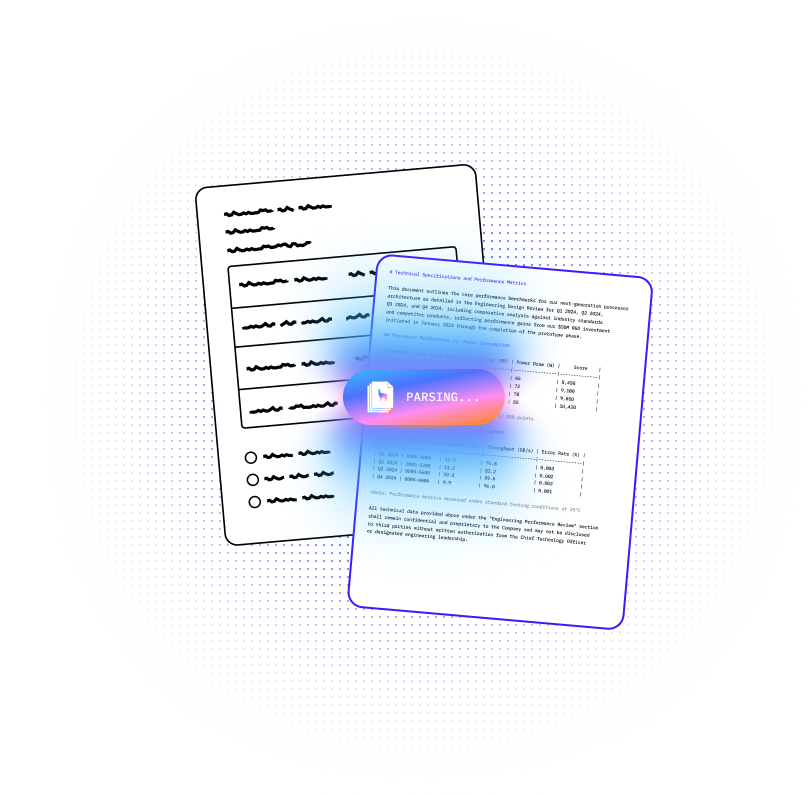
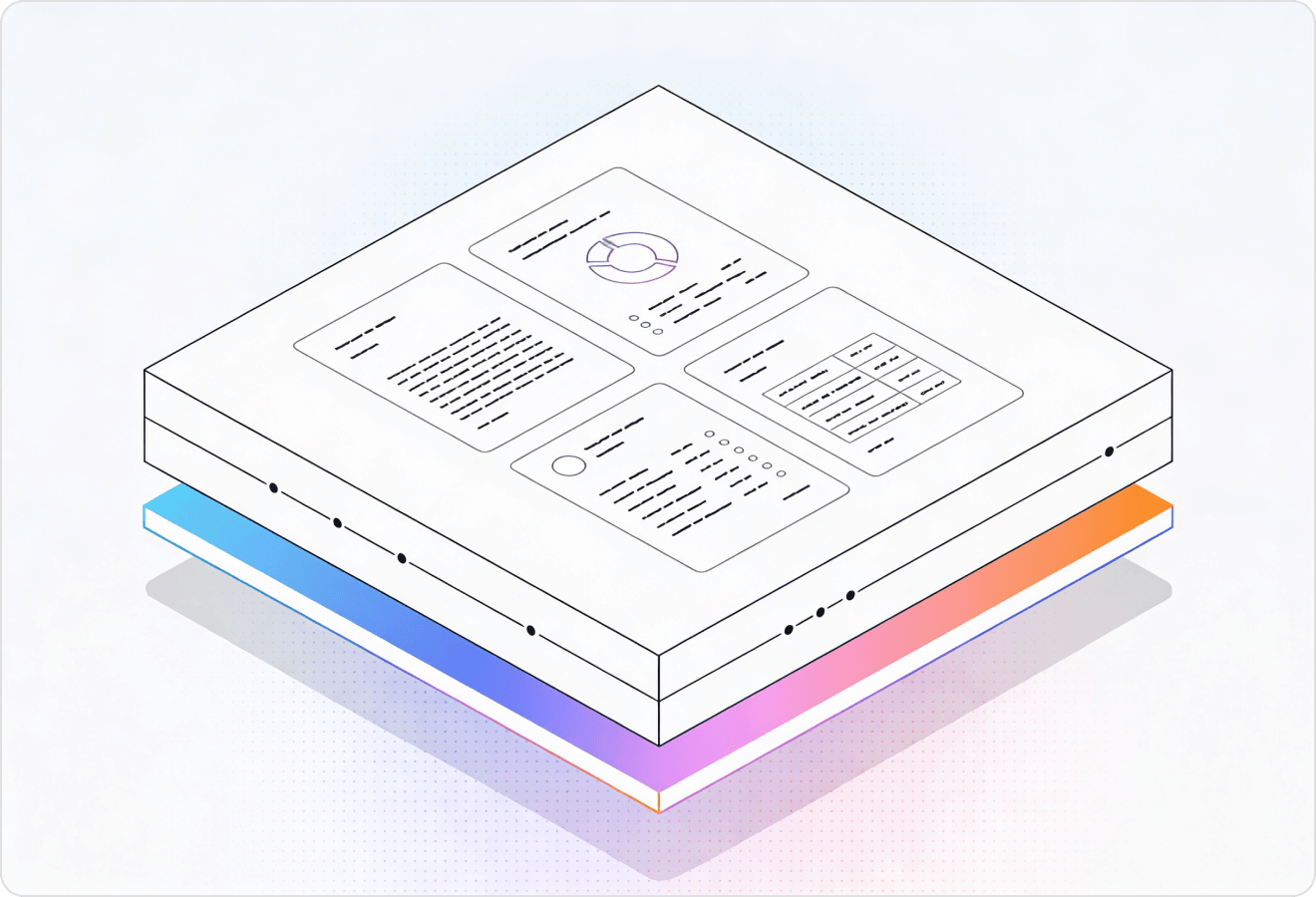
LlamaParse turns messy subpoena PDFs and scans into clean, structured fields you can trust, preserving context like parties, requests, dates, and exhibits. It uses agentic document parsing with layout understanding, validation loops, and citations so reviewers can verify every extracted value fast.
Best-in-Class Accuracy

Turn scanned subpoenas, exhibits, and service returns into clean Markdown/JSON while preserving reading order, captions, and multi-column layouts that usually break legacy extraction. Use citations, page coordinates, and confidence scores to speed privilege review, generate matter timelines, and route exceptions to paralegals instead of re-keying.

Parse subpoena packets into structured fields like requesting agency, production deadlines, custodians, account identifiers, and requested record types—without brittle regex pipelines. Auto-mode escalates only the messy pages (stamps, fax artifacts, tables) to higher-accuracy processing, reducing SLA risk while keeping per-request costs predictable.

Extract selectors, date ranges, and legal process types from high-volume subpoena intake to automatically create case tickets and map requests to the right internal data systems. Layout-aware table extraction prevents misreading line-item identifiers and reduces back-and-forth with agencies caused by incomplete or improperly scoped productions.

Ship subpoena ingestion and triage in days by using natural-language parsing instructions to output the exact schema your product needs (deadlines, jurisdictions, request categories, escalation flags). LlamaParse’s API-first workflow returns verifiable, structured outputs that are easy to index and power customer-facing search, alerts, and audit logs without custom training.
The Solution
01
LlamaParse understands real subpoena layout—captions, case headers, numbered paragraphs, footers, and multi-column text—so reading order stays intact. That means you can reliably extract requests, definitions, and instructions without the scrambled text that breaks downstream review and search.
02
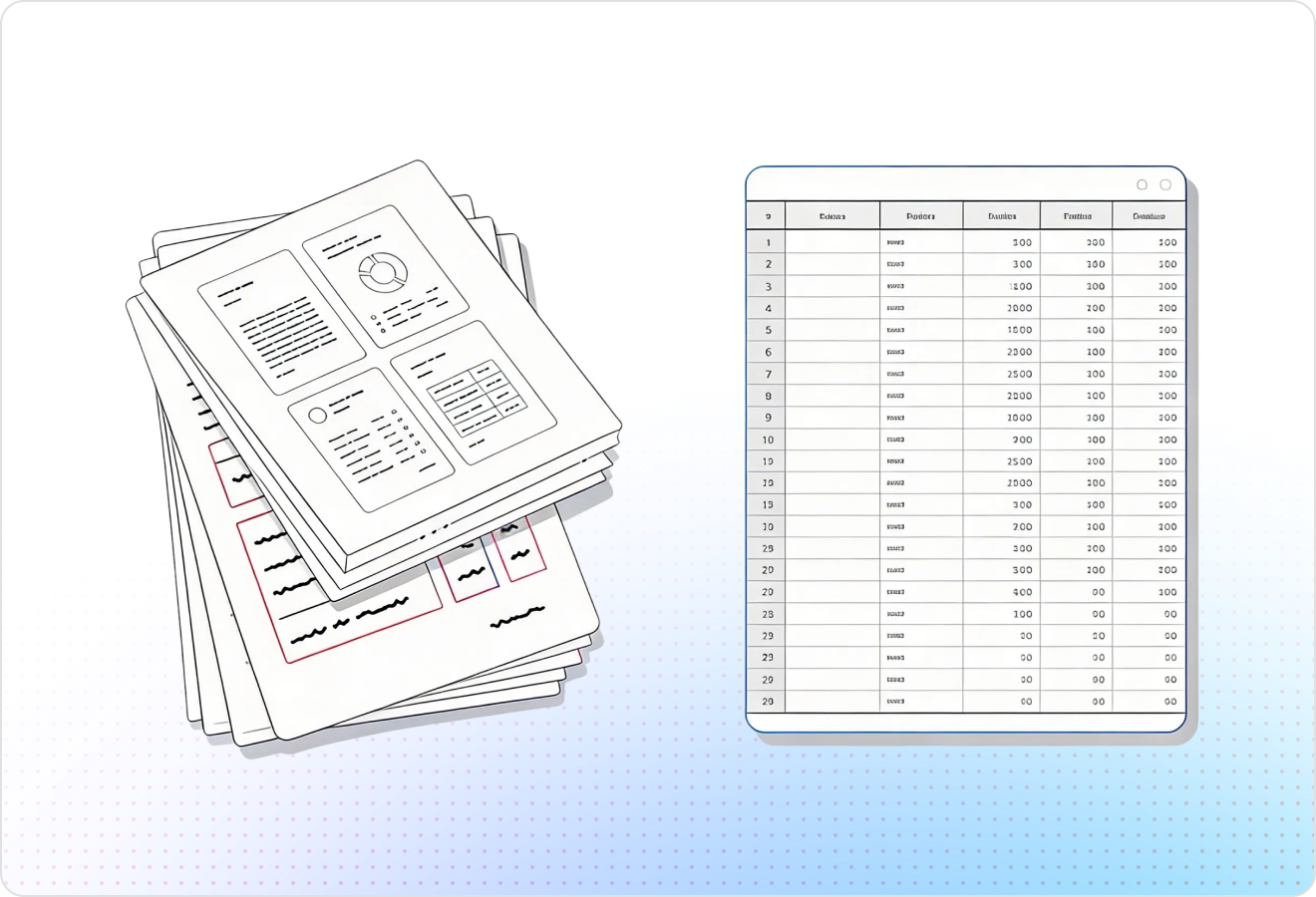
Subpoenas often include schedules, date ranges, custodians, and document-category tables; LlamaParse pulls these structures cleanly instead of flattening them into noise. You get usable outputs (like Markdown or structured blocks) that make it easy to verify scope, deadlines, and production requirements.
03
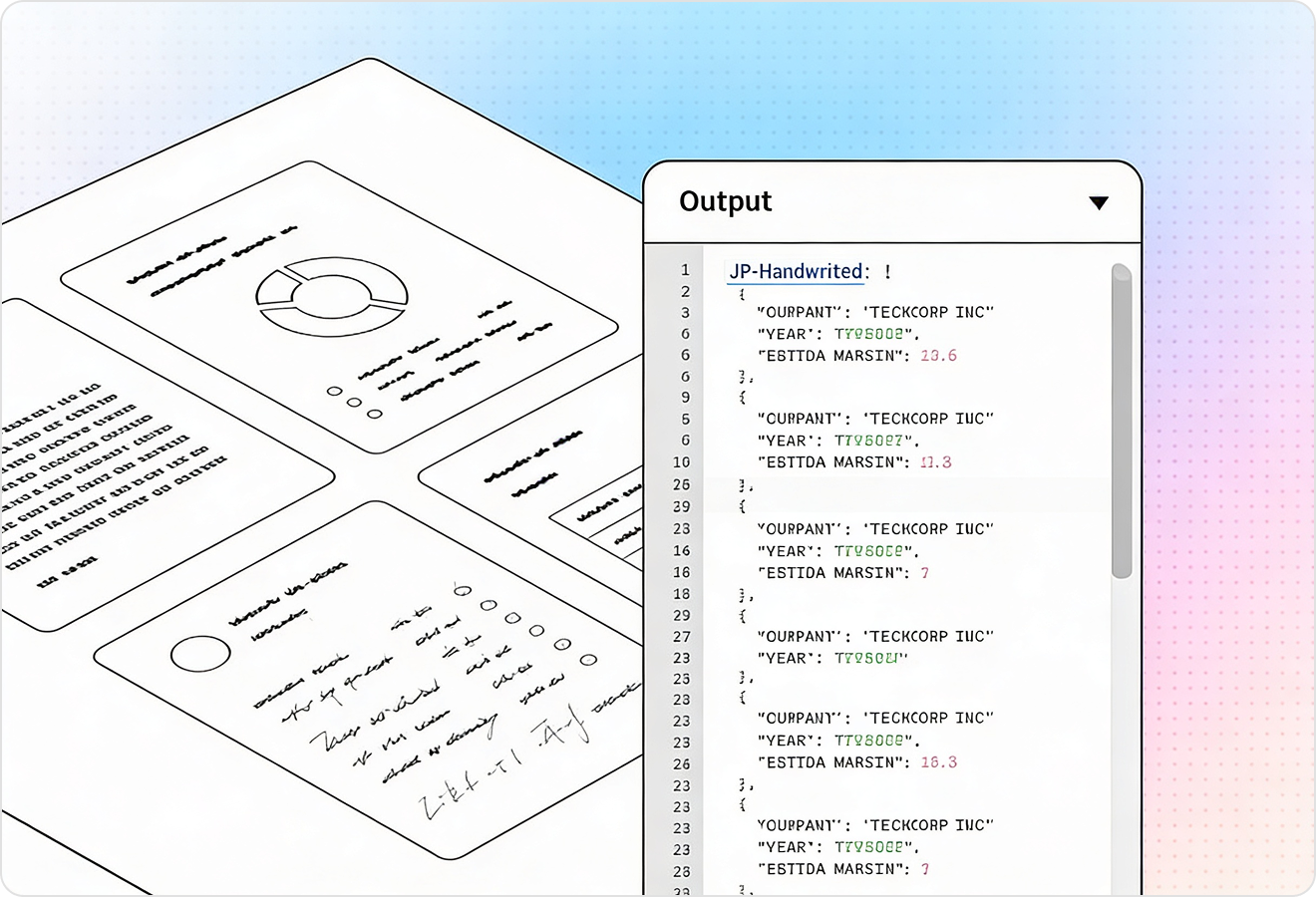
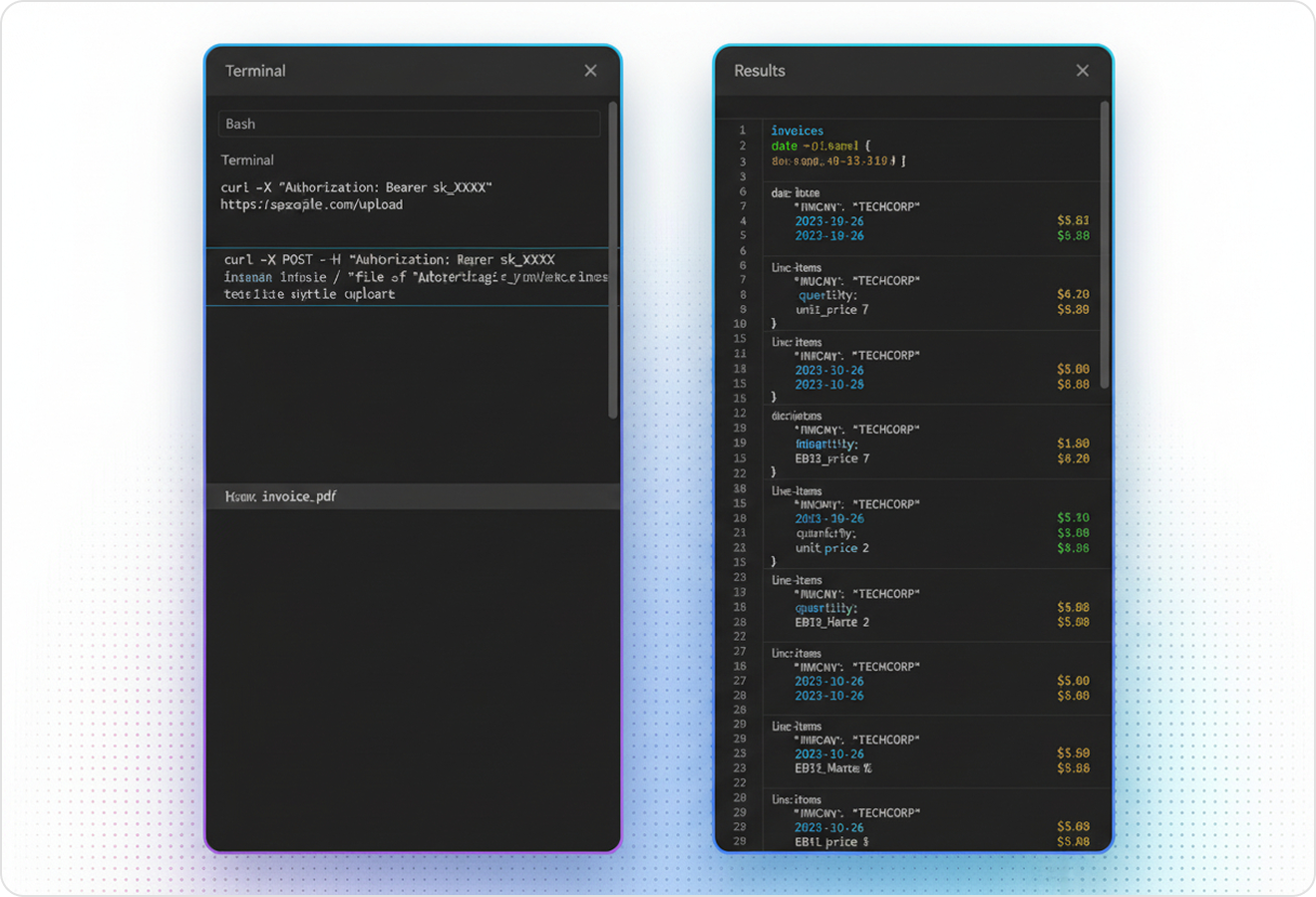
LlamaParse can return structured JSON enriched with page-level traceability (page numbers and element metadata) so each extracted field can be tied back to the original subpoena. This is critical for legal defensibility: you can audit what was captured, spot exceptions fast, and support human-in-the-loop checks.
04
Agentic parsing runs validation passes to catch common scan errors and inconsistencies (missed party names, broken line items, or malformed dates) before results are returned. For subpoena intake, this reduces manual cleanup and helps avoid costly mistakes like misreading deadlines or producing against the wrong request.
Technical OCR documentation
Explore our developer guides to easily connect your document pipelines to LlamaParse.
Explore the documentation
Our AI catches the typos that tired eyes miss.

Export to Excel, JSON, XML, or directly via API.

SOC2 Type II compliant with end-to-end encryption.

Train the tool on your specific forms in minutes, not days.

Average processing time of <3 seconds per page.
LlamaParse’s support of a wide variety of filetypes and its accuracy of parsing made it the best tool we tested in our evaluations. The LlamaIndex team was very responsive and we were off to the races within a day.
Common FAQs
01
Yes. Our layout-aware parsing recognizes case captions, headers, numbered paragraphs, footers, and multi-column text so content stays in the right sequence. That prevents the “scrambled text” problem that can derail downstream review and search.
02
It’s designed specifically for subpoena structure, so it separates definitions, instructions, and individual requests as distinct elements. You get cleaner outputs that are easier to review, route, and respond to without manual reformatting.
03
Tables and exhibit sections are extracted as structured data rather than flattened text. You can export them as readable Markdown or structured blocks, making it simpler to confirm scope details like date ranges, custodians, and categories.
04
Do I get JSON output I can use in my workflow tools—and can I trace each field back to the source page?
Yes, you can receive structured JSON with page-level citations and element metadata. That traceability helps with legal defensibility and makes quality checks fast because reviewers can jump straight to the source context.
05
What if the subpoena scan is messy—skewed pages, OCR errors, or inconsistent formatting?
Validation and auto-correction loops catch common issues like broken line items, malformed dates, or missed party names before results are returned. This reduces manual cleanup and helps prevent costly mistakes, especially around deadlines and request numbering.
06
How do we verify accuracy before relying on the extracted data for intake or production planning?
Every key extraction can be audited using citations back to the exact page and element it came from. That supports a practical human-in-the-loop review process, so teams can confidently approve outputs and move faster without sacrificing control.