Nov 14, 2025
Document AI: The Next Evolution of Intelligent Document ProcessingPersona
Industry
Use cases
Visa OCR
[ Visa OCR ]

Use LlamaParse to capture visa fields accurately with layout-aware parsing and built-in validation loops.
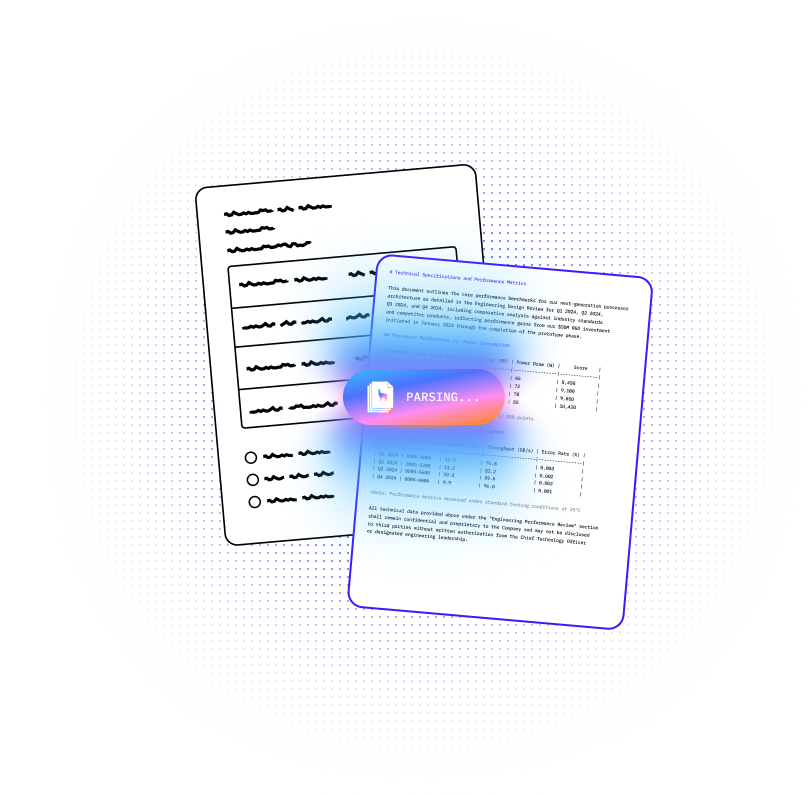


LlamaParse turns messy visa scans and photos into clean, structured fields you can trust, even when layouts vary and stamps overlap. Agentic parsing uses layout-aware vision and validation loops to reduce manual review, returning verifiable JSON or Markdown for downstream workflows.
Best-in-Class Accuracy

Automatically parse visa applications, passport biodata pages, and supporting PDFs into clean JSON with field-level citations so your team can verify identity details in seconds. LlamaParse preserves reading order and table structure across multi-page packets, reducing rework when forms arrive as scans, photos, or mixed layouts.

Extract visa type, validity dates, work authorization, and sponsorship requirements from approval notices and permits to keep employee compliance records current without manual data entry. Use natural-language parsing instructions to normalize outputs into your HRIS schema and trigger renewals before lapses cause payroll or onboarding delays.

Turn visa and residency documents into verifiable KYC artifacts by capturing structured fields plus confidence scores and page coordinates for audit-ready traceability. LlamaParse’s agentic correction loops reduce exceptions from low-quality scans and inconsistent formats, improving straight-through processing for account opening and periodic reviews.

Ship a visa-document intake feature fast by converting user-uploaded PDFs and phone photos into AI-ready Markdown or JSON without writing brittle parsing code. Control cost with tier-based processing that routes simple pages cheaply and upgrades only the messy ones, so you can scale from prototype to production with predictable spend.
The Solution
01
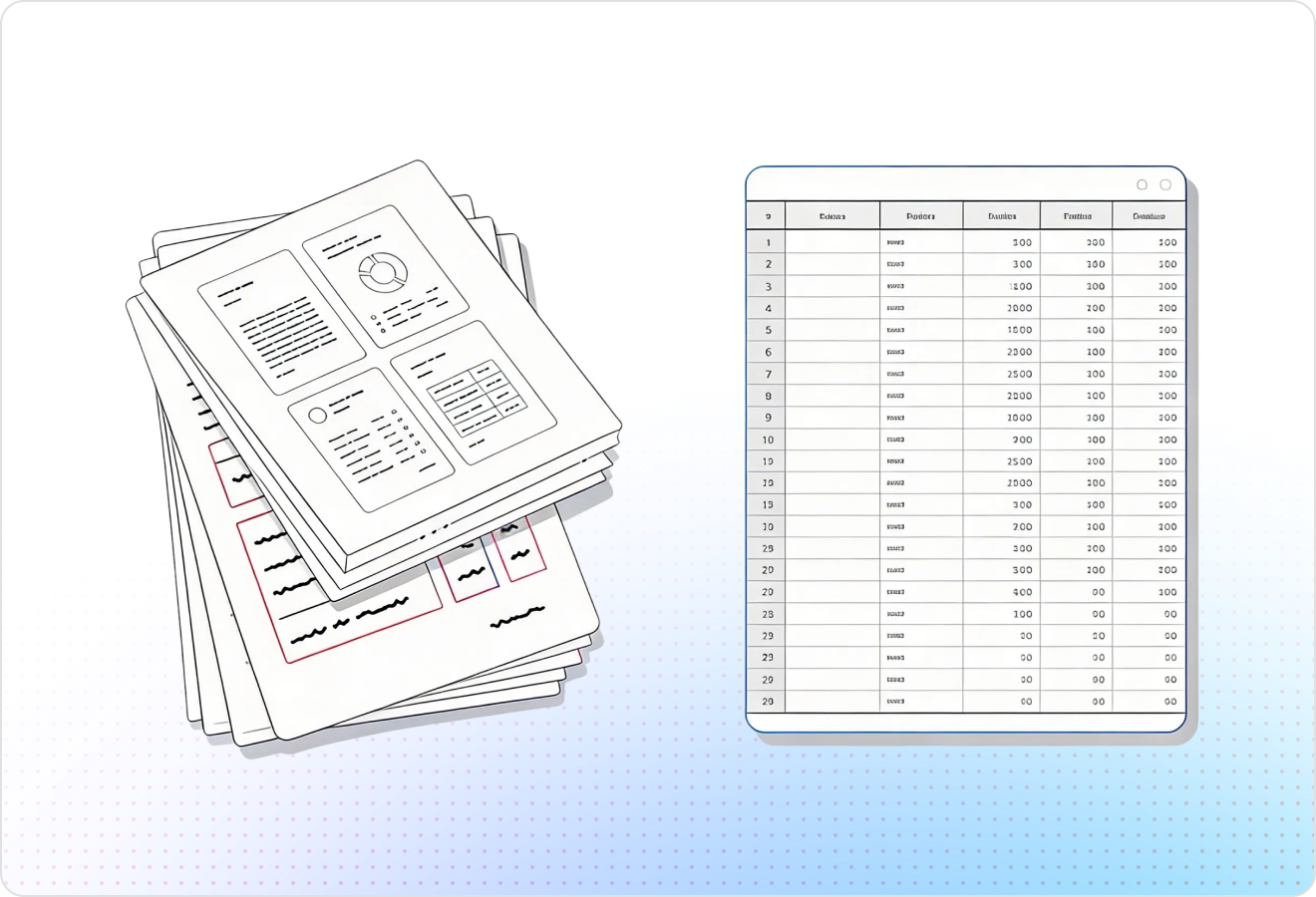
LlamaParse understands page layout and reading order, so key visa fields like name, passport number, dates, and issuing authority don’t get scrambled across columns, stamps, or headers. This cuts down brittle post-processing and improves straight-through extraction on real-world scans and photos.
02
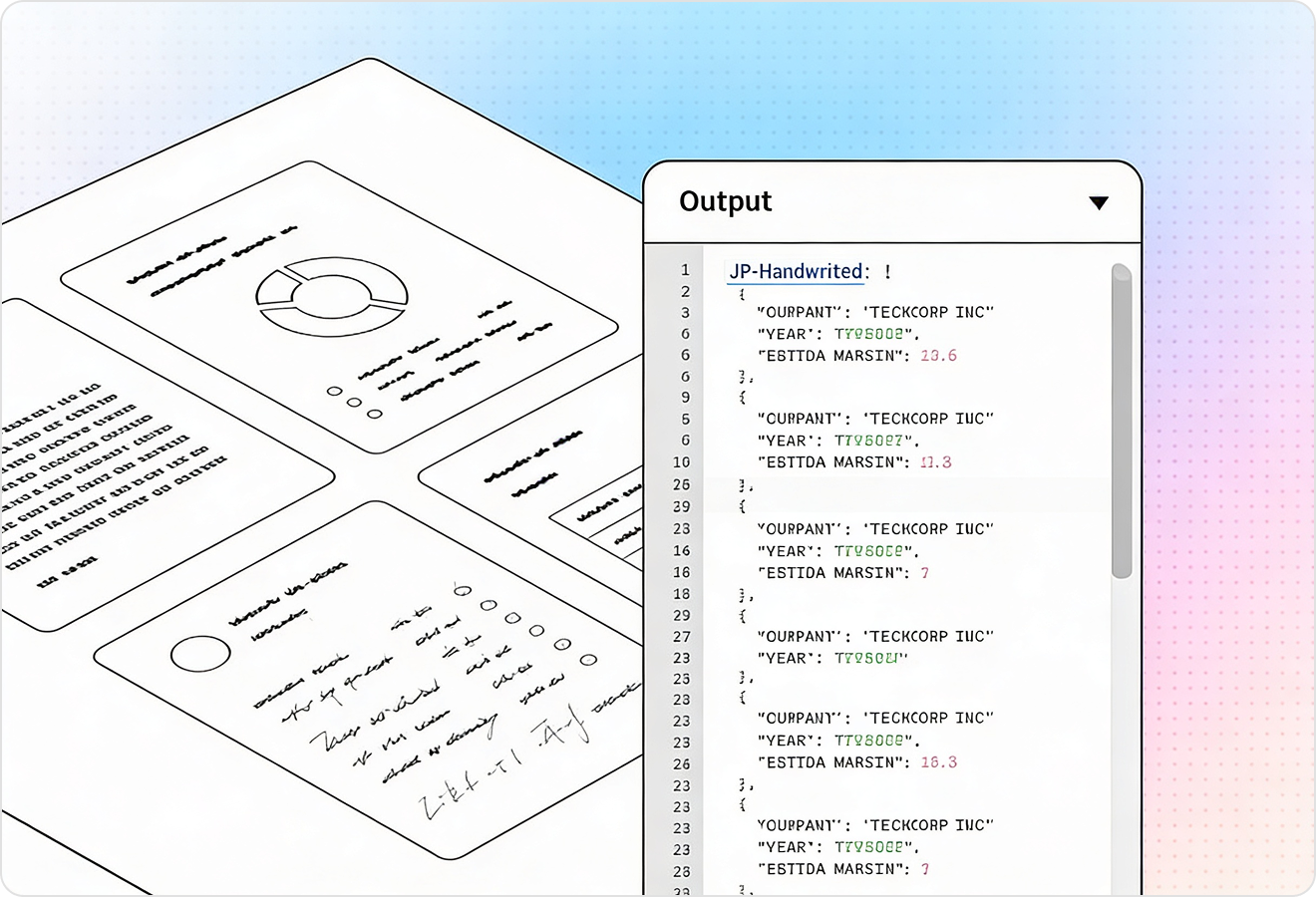
LlamaParse runs validation and self-correction loops to catch common errors like misread characters in passport IDs, swapped day/month dates, or missing entries. That means fewer downstream verification failures and less manual review for visa intake workflows.
03
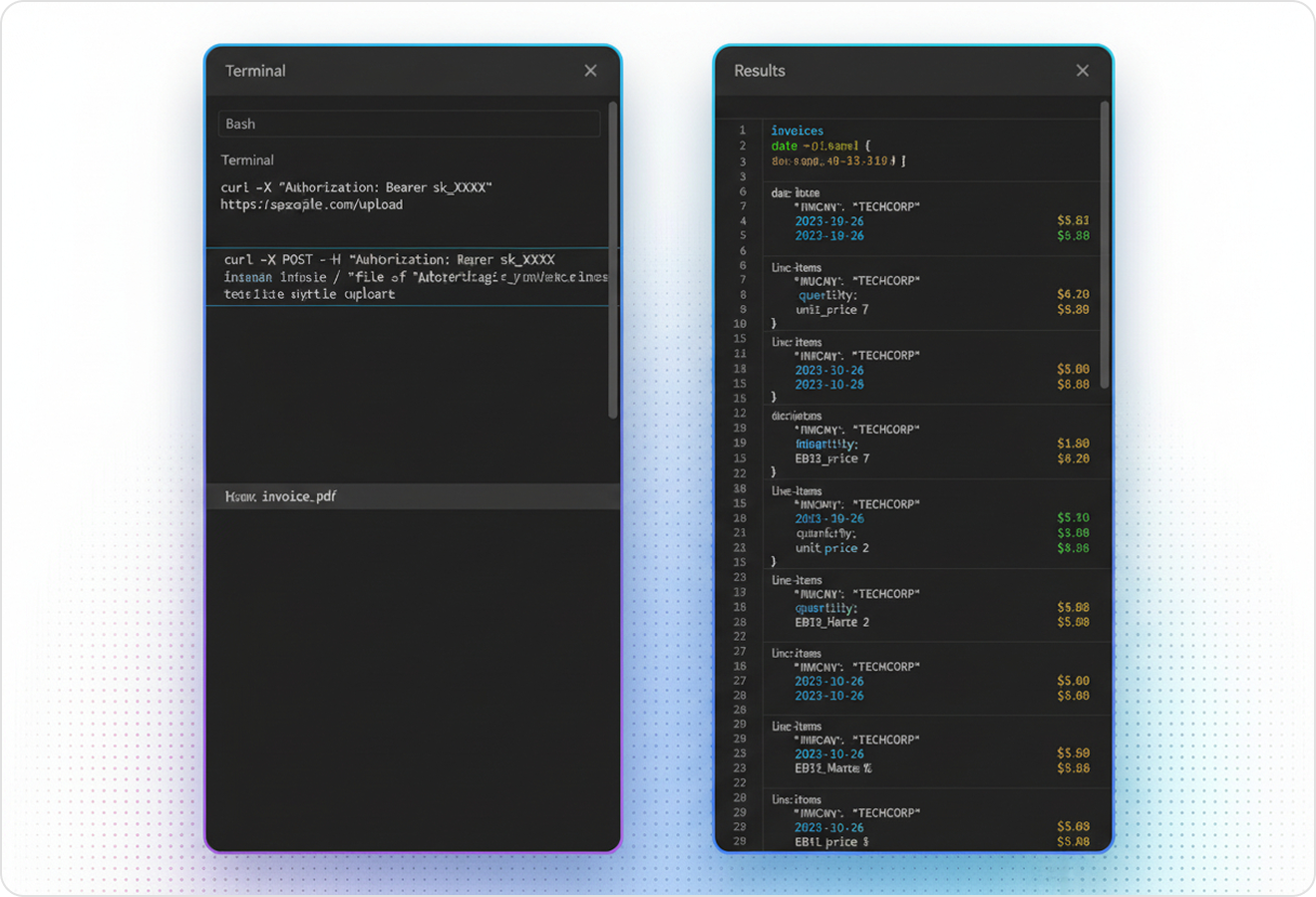
LlamaParse can return structured JSON along with granular metadata like page number and coordinates for each extracted element. For visa OCR use cases, this makes it easy to audit exactly where a value came from and route low-confidence fields to human review.
04
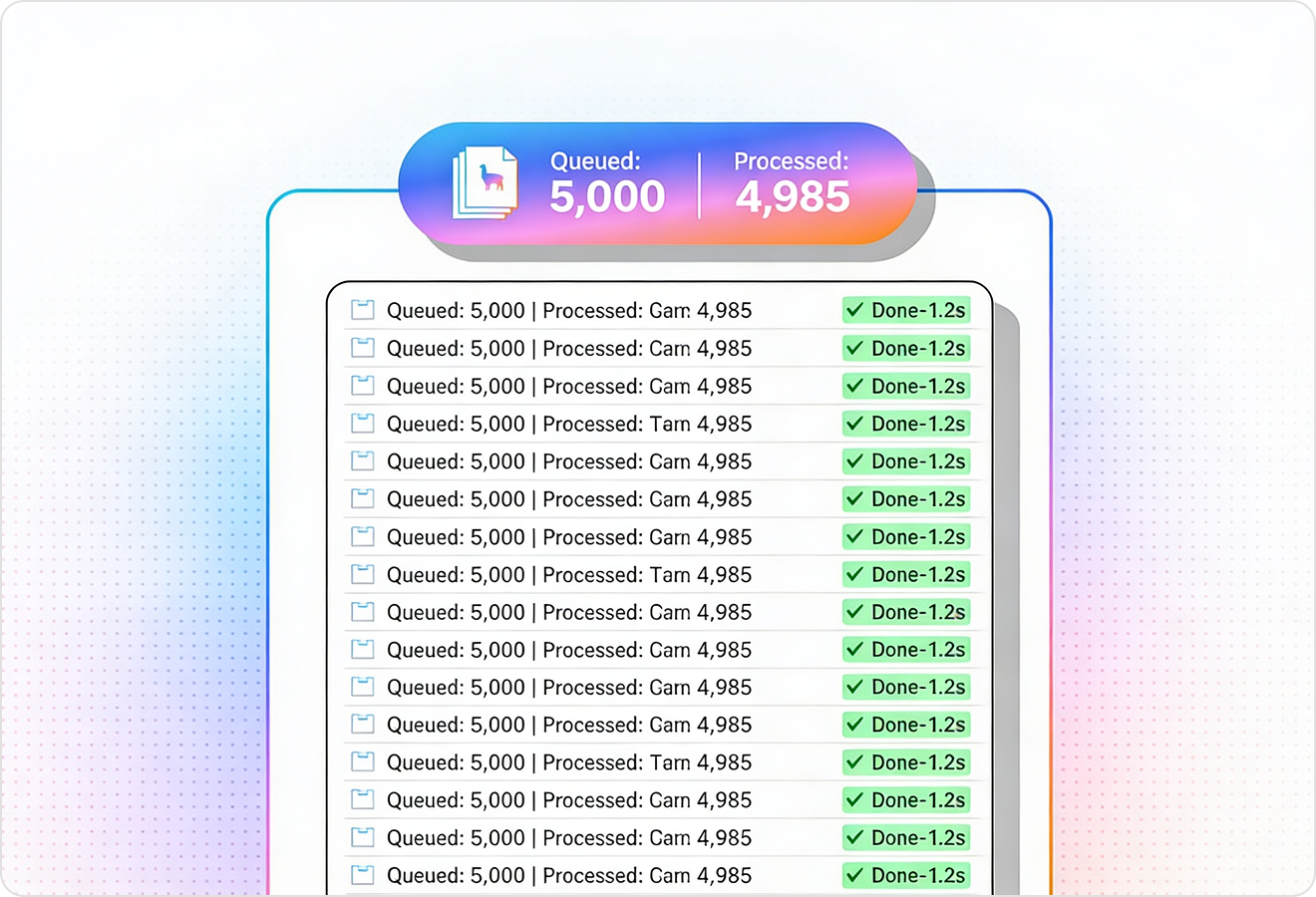
LlamaParse uses multimodal parsing to interpret visual elements that traditional text-only extraction often ignores, like entry stamps, seals, and printed annotations. This helps you capture critical visa context (e.g., validity marks or endorsements) that lives outside clean machine-printed text.
Technical OCR documentation
Explore our developer guides to easily connect your document pipelines to LlamaParse.
Explore the documentation
Our AI catches the typos that tired eyes miss.

Export to Excel, JSON, XML, or directly via API.

SOC2 Type II compliant with end-to-end encryption.

Train the tool on your specific forms in minutes, not days.

Average processing time of <3 seconds per page.
LlamaParse’s support of a wide variety of filetypes and its accuracy of parsing made it the best tool we tested in our evaluations. The LlamaIndex team was very responsive and we were off to the races within a day.
Common FAQs
01
Yes—layout-aware extraction follows the page’s reading order so names, passport numbers, dates, and issuing authority don’t get mixed across columns or overprinted areas. This reduces brittle rules and delivers more reliable straight-through processing on real-world scans and photos.
02
Agentic parsing runs automatic validation and self-correction checks to catch issues like ambiguous characters, missing fields, and date swaps. When something looks off, it flags and fixes it where possible, reducing downstream verification failures and manual review.
03
Yes—JSON mode returns clean, structured fields ready for your API or database. It also includes traceability metadata so you can confidently automate approvals while routing only exceptions to human review.
04
Do you provide auditability—can we see exactly where each extracted value came from on the document?
Absolutely—each extracted field can include page number and coordinates, making audits fast and defensible. This is especially useful for compliance, QA sampling, and resolving disputes without reprocessing the entire document.
05
Can it read stamps, seals, and visual annotations that standard OCR often misses?
Yes—multimodal parsing helps interpret visual elements like entry stamps, seals, and printed endorsements that aren’t captured by text-only extraction. This improves completeness for fields and context that live outside clean machine-printed text.
06
What happens when the document is low quality or a field is unclear—do we need to build our own fallback process?
You don’t have to start from scratch: low-confidence fields can be identified using the provided metadata and routed to a reviewer with the exact on-page location. This keeps automation high while ensuring ambiguous cases are handled safely and efficiently.