Nov 14, 2025
Document AI: The Next Evolution of Intelligent Document ProcessingPersona
Industry
Use cases
Debit Memo OCR
[ Debit Memo OCR ]

Use LlamaParse to turn messy debit memos into structured fields with confidence scores and citations.
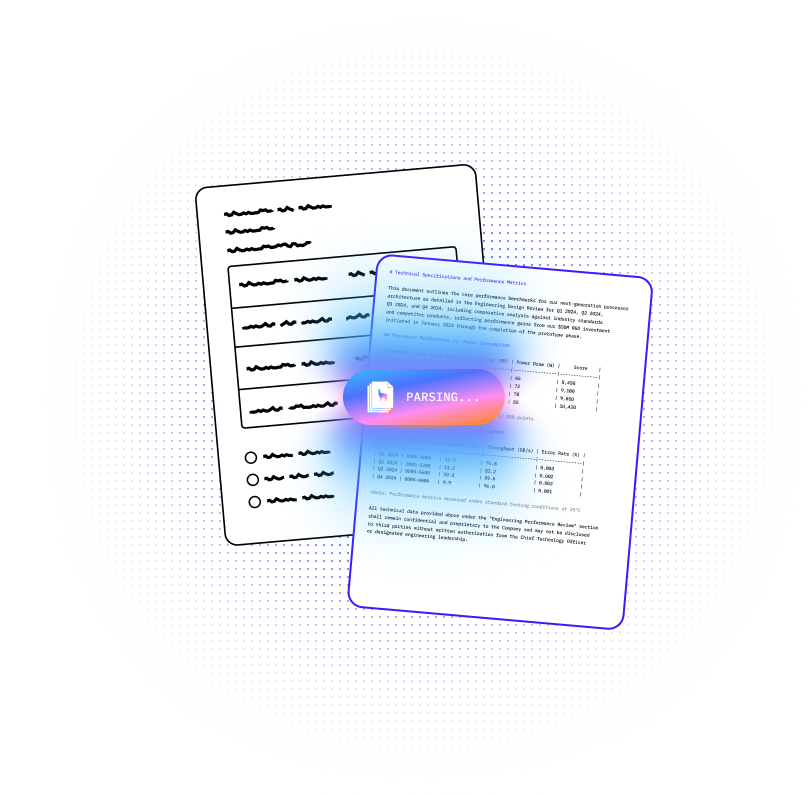

LlamaParse turns messy debit memos into clean, field-level JSON in minutes, so your teams stop rekeying data and chasing exceptions. It reads layout, tables, and embedded notes with validation loops and confidence metadata, giving you reliable outputs for automated dispute workflows.
Best-in-Class Accuracy

Parse debit memos with messy line-item tables (SKU, quantities, shortages, promo deductions) into clean JSON so deductions can be validated against POs, invoices, and EDI feeds. LlamaParse’s layout-aware extraction preserves table structure and reading order across vendor-specific templates, reducing deduction leakage and chargeback disputes.

Turn carrier and warehouse debit memos into structured data for automated matching against BOLs, PODs, accessorial schedules, and detention rules. Multimodal parsing captures embedded screenshots, stamps, and scanned attachments so billing teams can quickly flag invalid fees and accelerate closeout.

Extract adjuster-issued debit memos and recovery documents into a consistent schema with page-level citations for auditability and faster approvals. Auto-correction loops and metadata reduce rework on low-quality scans and ensure every amount, reason code, and policy reference is traceable back to the source.

Ship a debit-memo ingestion pipeline without brittle regex by using natural-language parsing instructions to standardize reason codes, GL mappings, and dispute-ready summaries across customers. Tier-based processing keeps unit costs predictable while scaling from pilot volumes to production-level throughput.
The Solution
01
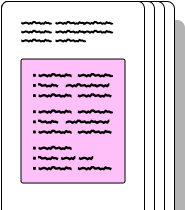
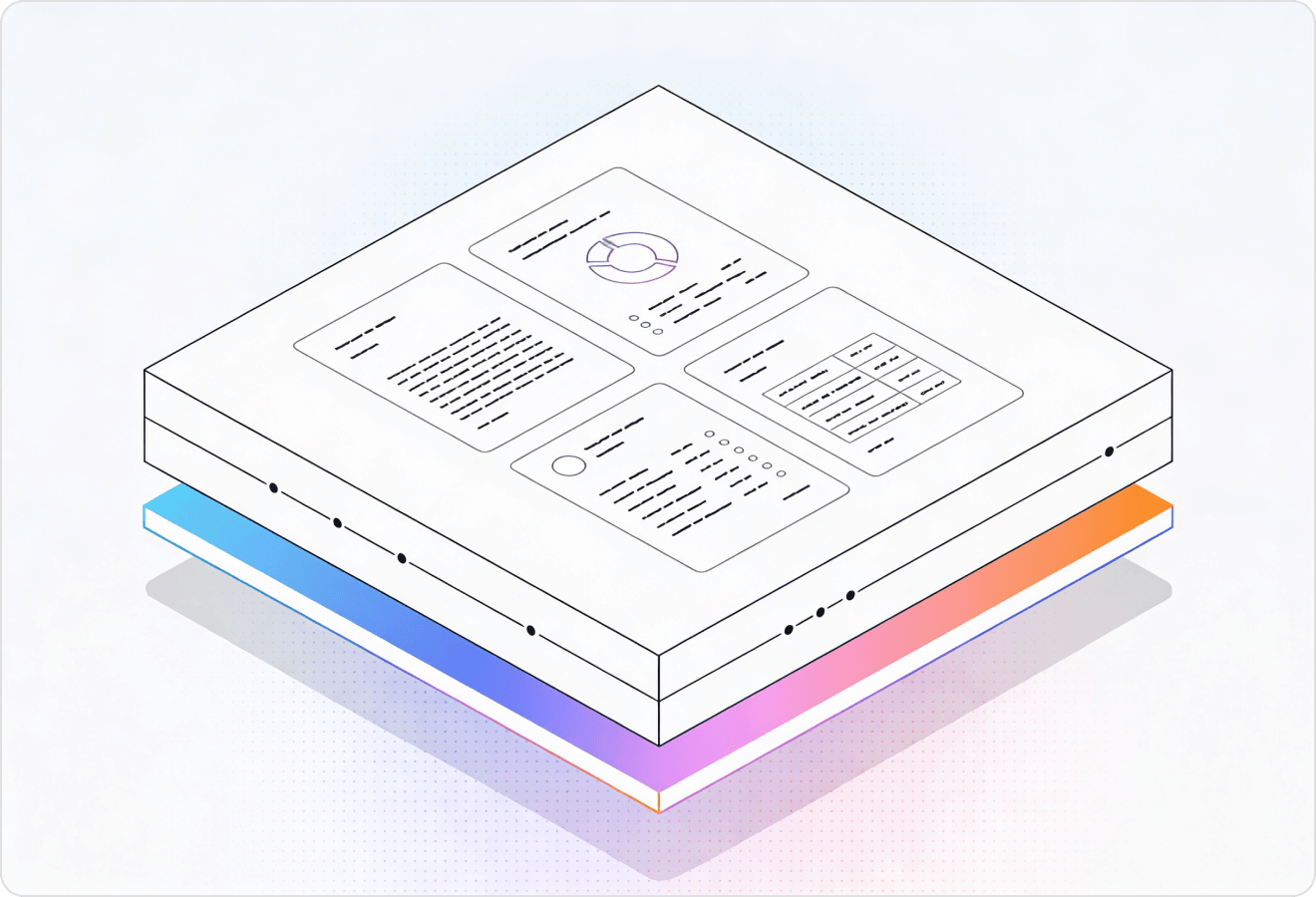
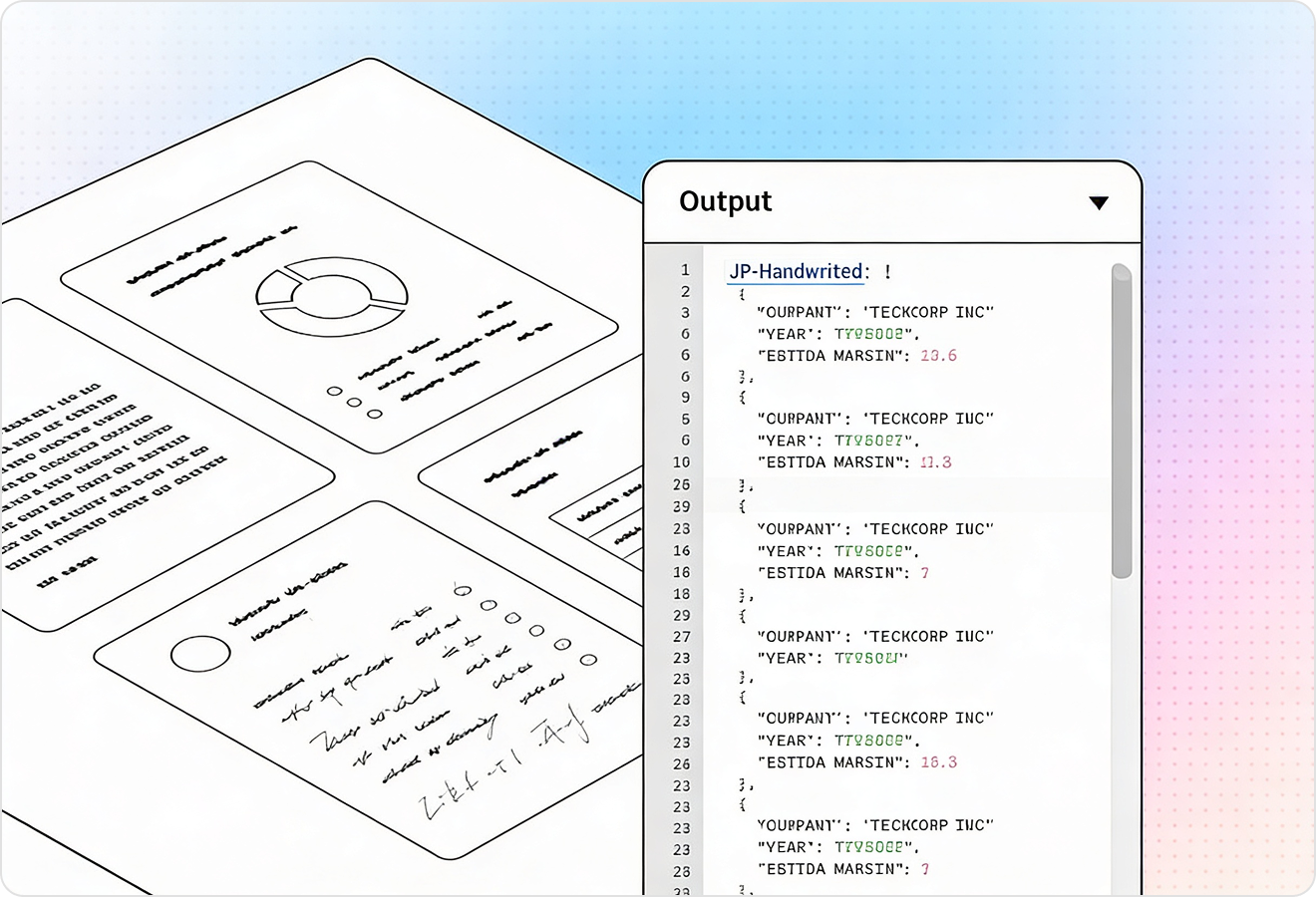
LlamaParse understands page structure to preserve reading order across headers, address blocks, and multi-column sections. That makes it reliable to capture debit memo essentials like memo number, vendor/customer, dates, and reason codes even when templates vary.
02
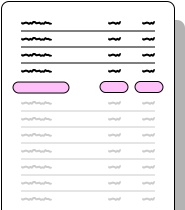
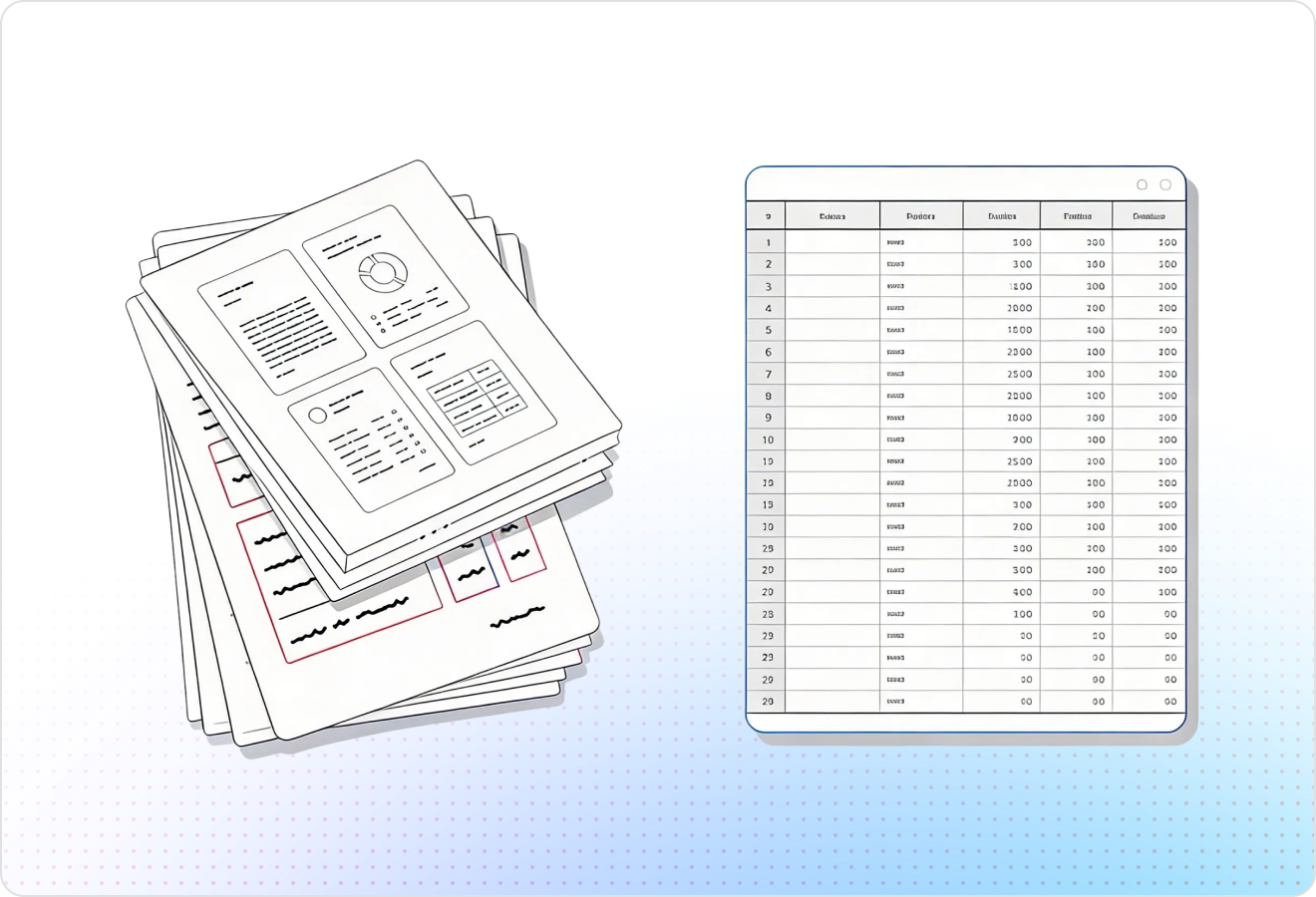
LlamaParse extracts complex tables without scrambling rows, columns, or totals, and can return them as clean Markdown or structured JSON. This is critical for debit memos where line-level charges, tax, freight, and adjustments must reconcile to subtotals and grand totals.
03
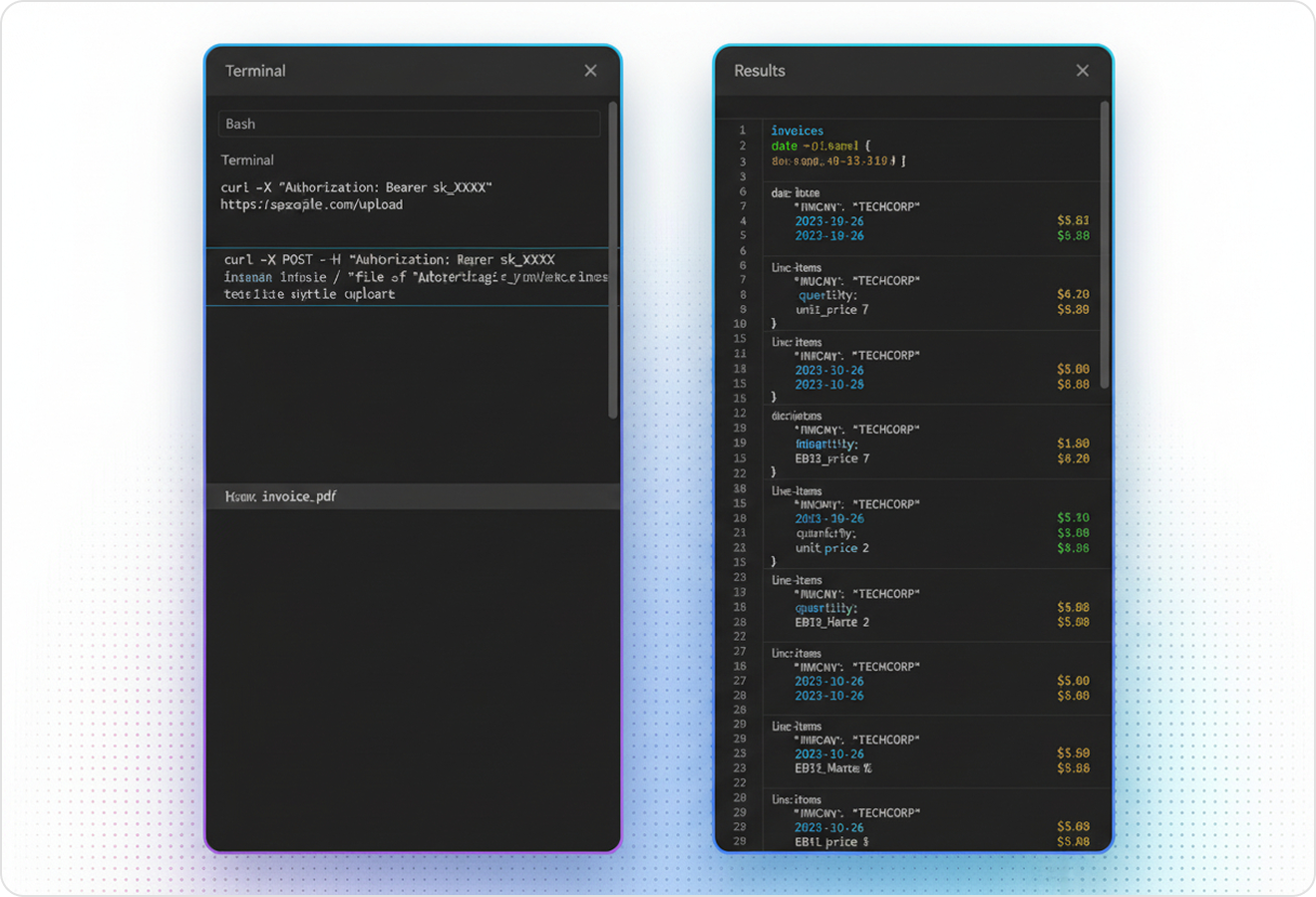
LlamaParse runs self-checks to catch common extraction failures like swapped digits, missing currency symbols, or totals that don’t add up. For debit memo automation, this reduces exceptions and improves straight-through processing for AP/AR matching and dispute workflows.
04
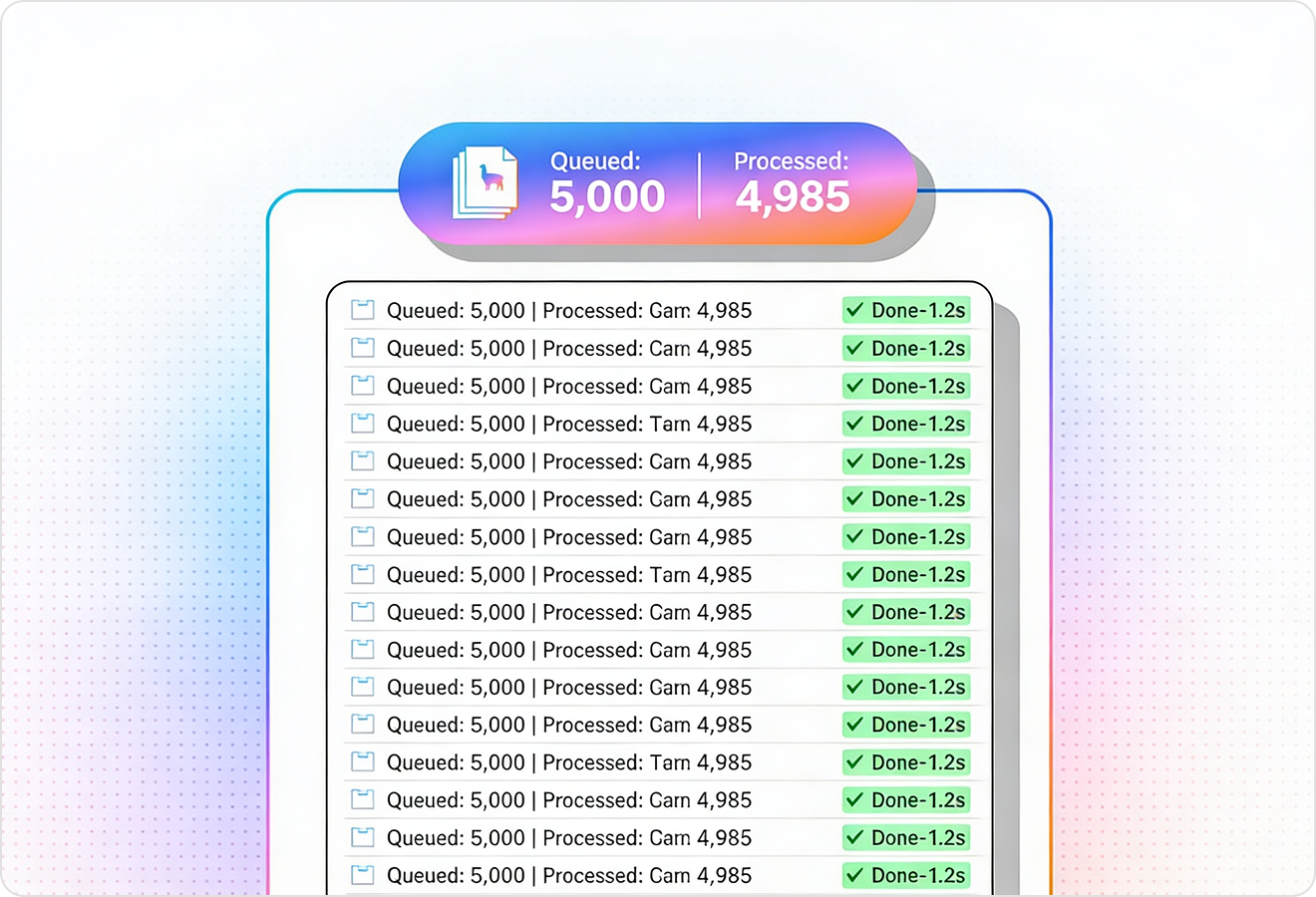
LlamaParse can output a schema-friendly JSON payload with page references and element-level metadata for traceability. In debit memo processing, this lets your system attach every extracted value (amounts, PO numbers, invoice references) to a source location for fast review and audit.
Technical OCR documentation
Explore our developer guides to easily connect your document pipelines to LlamaParse.
Explore the documentation
Our AI catches the typos that tired eyes miss.

Export to Excel, JSON, XML, or directly via API.

SOC2 Type II compliant with end-to-end encryption.

Train the tool on your specific forms in minutes, not days.

Average processing time of <3 seconds per page.
LlamaParse’s support of a wide variety of filetypes and its accuracy of parsing made it the best tool we tested in our evaluations. The LlamaIndex team was very responsive and we were off to the races within a day.
Common FAQs
01
Our layout-aware capture understands page structure—headers, address blocks, and multi-column sections—so fields stay in the correct reading order. That means you can reliably extract memo numbers, vendor/customer details, dates, and reason codes even when formats vary. It reduces manual re-keying when new suppliers or memo formats appear.
02
Yes—table extraction is designed to preserve row/column alignment and keep totals tied to the right line items. You can receive line items as clean structured JSON or Markdown for easy downstream use. This helps charges, tax, freight, and adjustments reconcile cleanly to subtotals and the grand total.
03
Validation and correction loops run self-checks to catch common issues like swapped digits, missing currency symbols, and mismatched totals. When something fails validation, you can flag it for review instead of letting bad data into AP/AR workflows. This reduces exceptions and improves straight-through processing.
04
Do you provide traceability for audits and dispute resolution?
Yes—outputs can include verifiable JSON with page references and element-level metadata (citations) for each extracted value. Reviewers can jump directly to the source location for amounts, PO numbers, and invoice references. This speeds approvals and strengthens audit readiness.
05
What fields can I extract from debit memos, and can I map them to my schema?
You can capture core header fields (memo number, parties, dates, reason codes) and detailed line items (descriptions, quantities, unit prices, taxes, adjustments, totals). The OCR output can be shaped into schema-friendly JSON so it plugs into your ERP, AP automation, or data warehouse. This makes integration predictable even as document formats change.
06
How does this improve AP/AR matching and reduce dispute cycle time?
By extracting structured header and line-level data and validating key totals, the system reduces the back-and-forth caused by missing or inconsistent memo details. Citations make it easy to verify contested values quickly, so disputes move from investigation to resolution faster. The result is fewer manual touches and quicker reconciliation against invoices and POs.