Nov 14, 2025
Document AI: The Next Evolution of Intelligent Document ProcessingPersona
Industry
Use cases
Resume Data Extraction
[ Resume Data Extraction ]

Use LlamaParse to turn messy resumes into structured fields your ATS can trust, instantly.
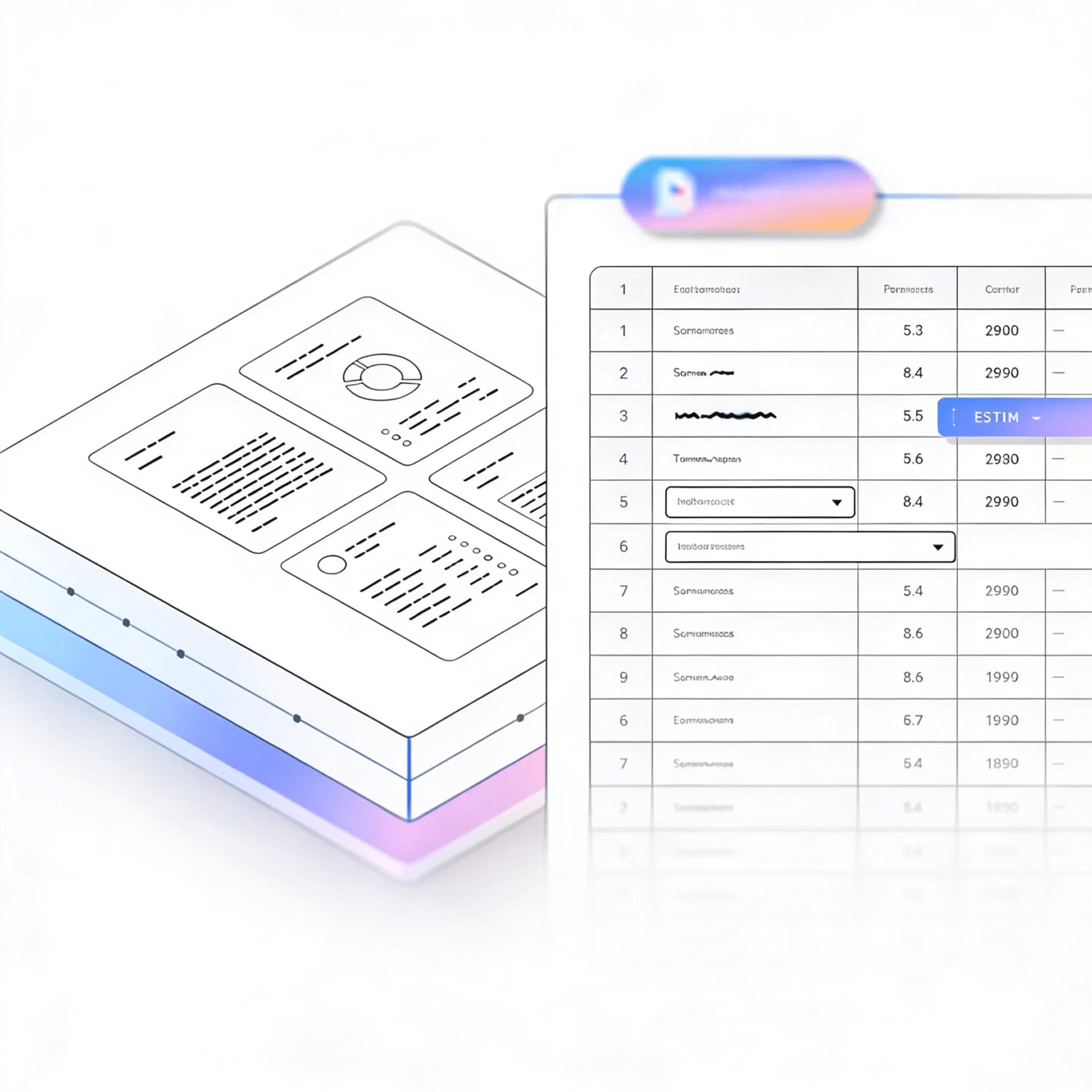


LlamaParse turns messy PDFs and scanned resumes into clean, consistent JSON, so your pipeline captures skills, roles, dates, and education reliably. Agentic document parsing understands layout and runs validation loops with confidence metadata, cutting manual review while keeping throughput predictable.
Best-in-Class Accuracy

Use LlamaParse to turn high-volume, messy PDF resumes into clean JSON (skills, titles, dates, education) without brittle regex that breaks on new templates. Layout-aware parsing preserves multi-column formatting and sections, so your matching, scoring, and dedupe logic works reliably from day one.

Standardize resume intake across agencies, job boards, and email attachments by extracting verifiable candidate profiles with citations and confidence scores for fast review. Auto correction loops reduce manual data entry and cut downstream ATS errors like misread job histories and scrambled timelines.

Accelerate income and employment verification by extracting structured employment history from resumes and CVs into underwriting workflows and case files. Tier-based processing routes simple documents cheaply while automatically upgrading only complex layouts, keeping per-application costs predictable.

Parse student resumes into consistent records for admissions review, scholarship screening, and career outcomes reporting, even when documents include tables, portfolios, or unconventional formatting. Output Markdown or JSON to feed dashboards and CRM systems so teams can search, segment, and audit candidate profiles without manual reformatting.
The Solution
01
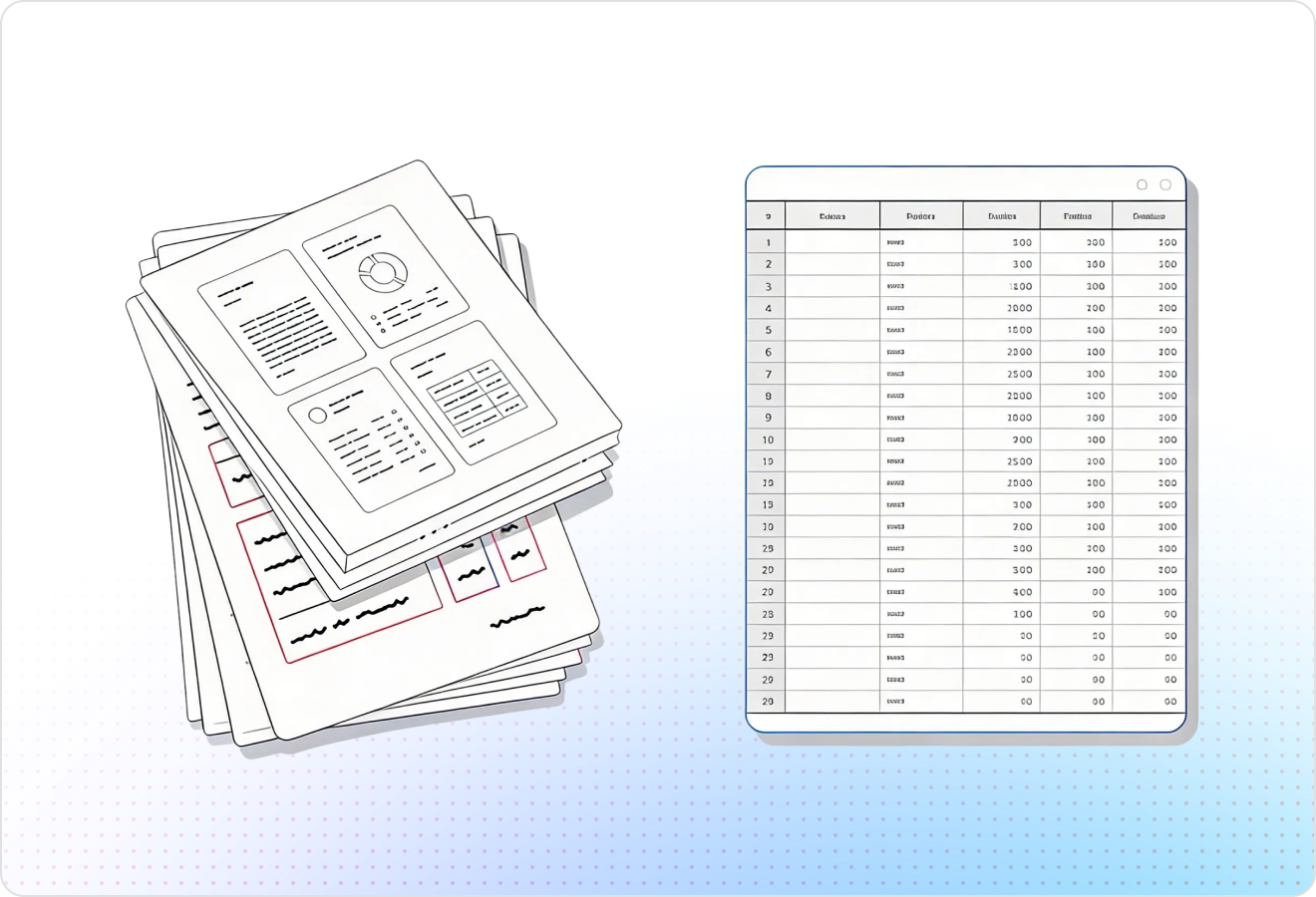
LlamaParse uses layout-aware computer vision to preserve reading order across multi-column resumes, sidebars, headers, and footers. That means your extraction doesn’t scramble sections like Experience, Education, and Skills—so downstream matching and scoring logic stays reliable.
02
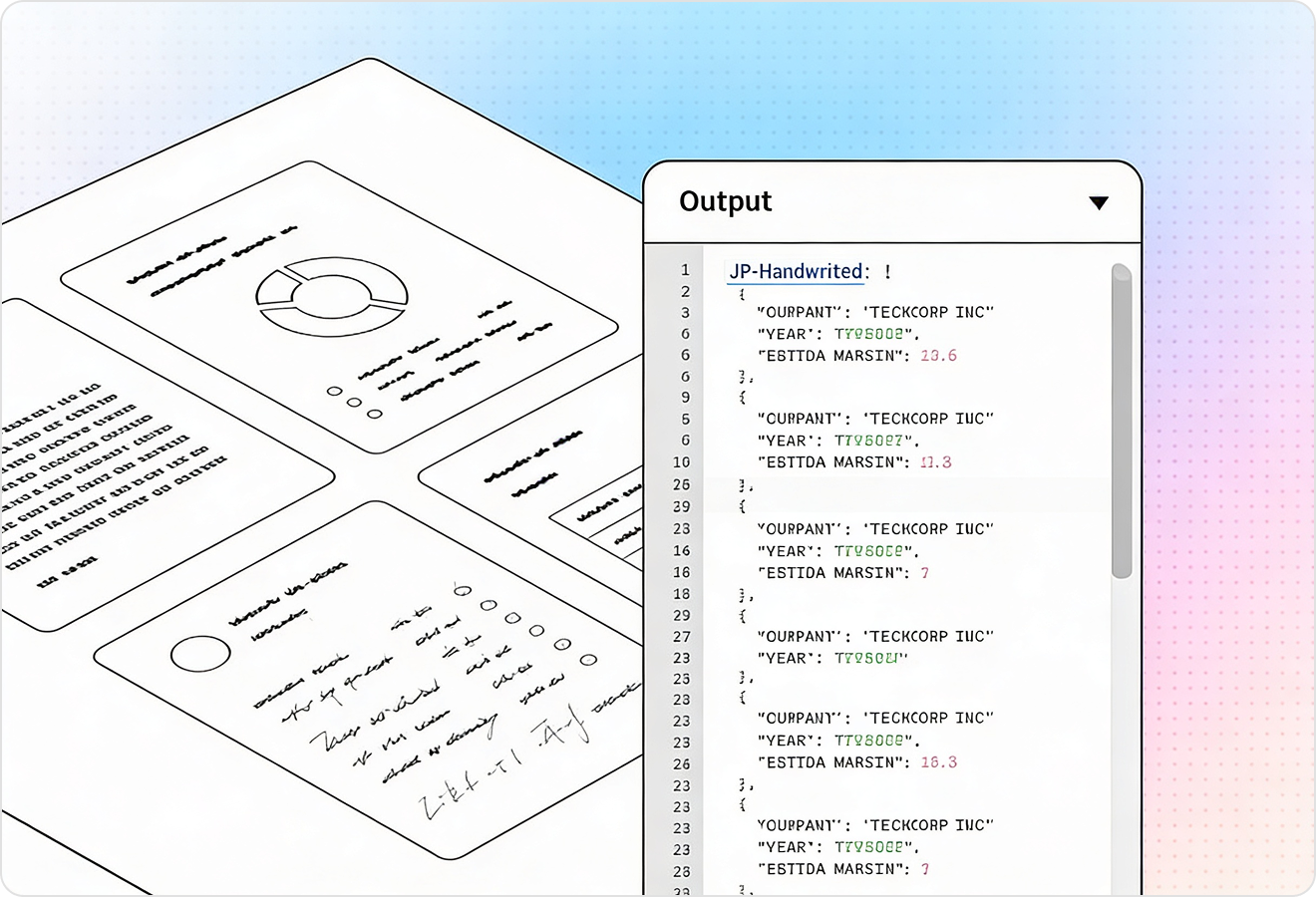
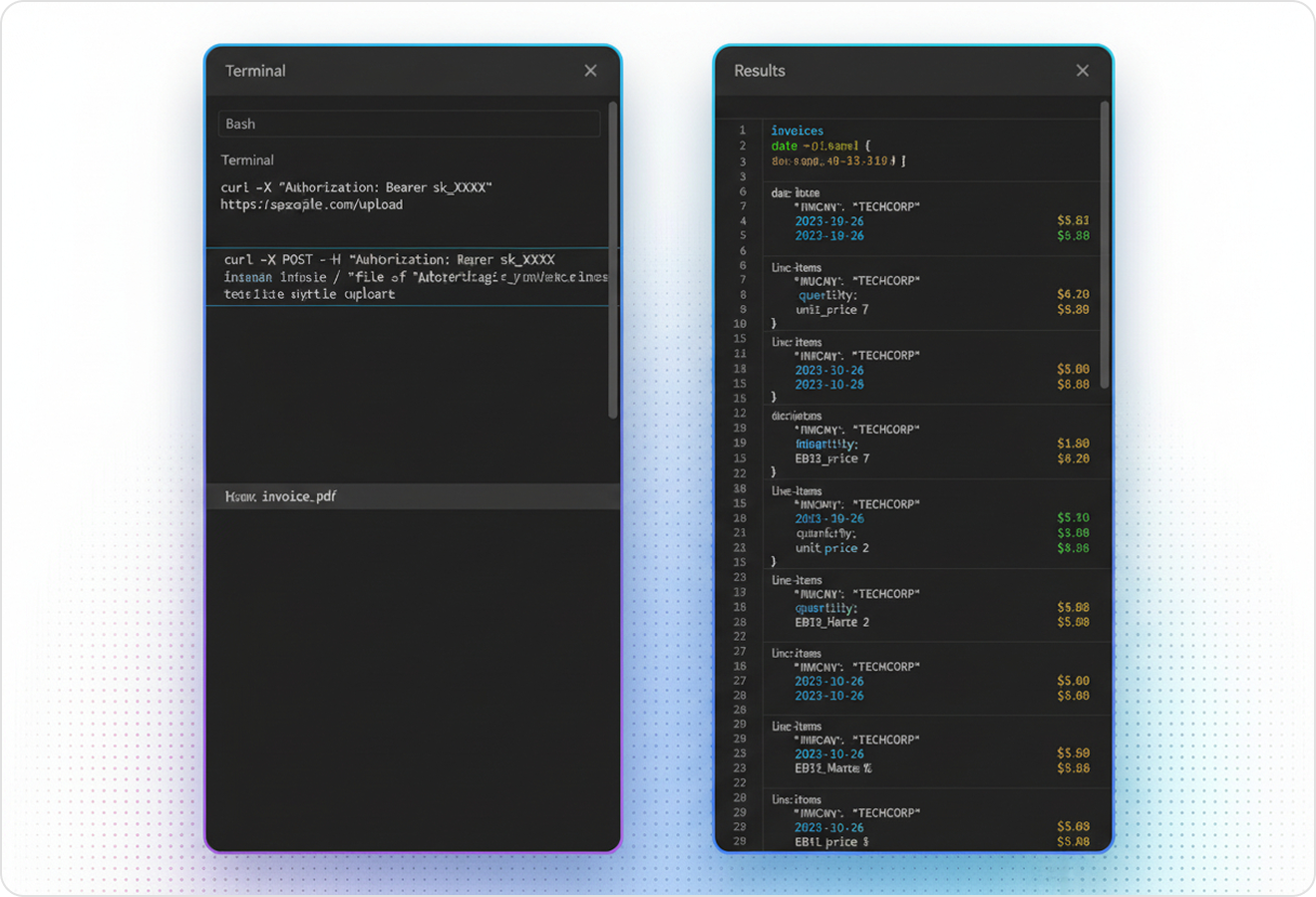
LlamaParse can return AI-ready JSON instead of a blob of text, making it straightforward to map resumes into your ATS schema. You can consistently capture fields like titles, companies, dates, and bullet points without brittle post-processing.
03
Every extracted element can include traceability metadata like page references and spatial coordinates, so you can prove where each resume field came from. This enables fast human review for edge cases and reduces risk when candidates dispute extracted details.
04
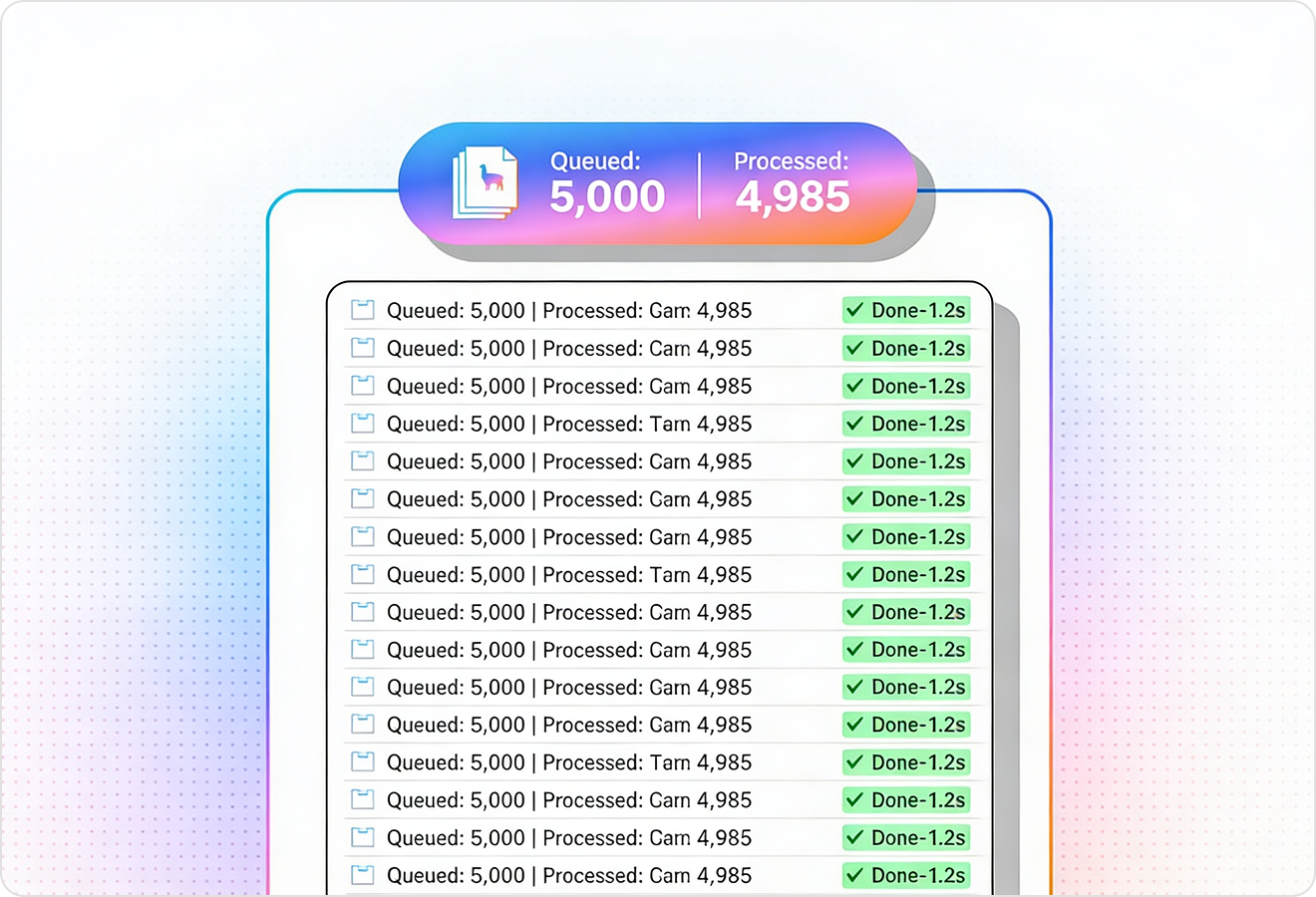
LlamaParse applies validation and self-correction steps to reduce common parsing failures like missing date ranges, duplicated bullets, or broken section boundaries. For resume data extraction, this improves straight-through processing and cuts the amount of manual cleanup recruiters end up doing.
Technical OCR documentation
Explore our developer guides to easily connect your document pipelines to LlamaParse.

Our AI catches the typos that tired eyes miss.

Export to Excel, JSON, XML, or directly via API.

SOC2 Type II compliant with end-to-end encryption.

Train the tool on your specific forms in minutes, not days.

Average processing time of <3 seconds per page.
LlamaParse’s support of a wide variety of filetypes and its accuracy of parsing made it the best tool we tested in our evaluations. The LlamaIndex team was very responsive and we were off to the races within a day.
Common FAQs
01
Yes. Layout-aware parsing preserves reading order across columns, sidebars, headers, and footers so sections like Experience, Education, and Skills don’t get scrambled. That means your matching, scoring, and downstream workflows stay consistent without manual reformatting.
02
Absolutely—Structured JSON Output Mode returns AI-ready JSON that’s easy to map to your ATS schema. You can consistently extract titles, companies, dates, and bullet points without relying on brittle regex or heavy post-processing.
03
Each extracted element can include traceability metadata like page references and spatial coordinates. This makes reviews faster, supports audits, and helps resolve disputes by clearly showing the source location for every field.
04
What happens when the resume has messy formatting or the parser misses dates and duplicates bullets?
Auto-correction validation loops catch and fix common issues like missing date ranges, duplicated bullets, and broken section boundaries. You get higher straight-through processing rates and less recruiter time spent on cleanup and exception handling.
05
How does this improve matching and candidate scoring accuracy compared to basic parsers?
When sections and chronology are preserved, your algorithms receive the right data in the right context—so skills don’t get mixed into job history and dates align with the correct roles. Cleaner structure means fewer false positives/negatives and more reliable ranking.
06
Can we support human-in-the-loop review for edge cases without slowing down the pipeline?
Yes—verifiable metadata makes it easy for reviewers to jump directly to the exact spot on the page that produced a field, instead of hunting through the document. This speeds up exceptions while keeping the bulk of resumes fully automated.