Nov 14, 2025
Document AI: The Next Evolution of Intelligent Document ProcessingPersona
Industry
Use cases
Tenant Application Form OCR
[ Tenant Application Form OCR ]

Use LlamaParse to turn messy tenant forms into verified, structured data your team can trust.
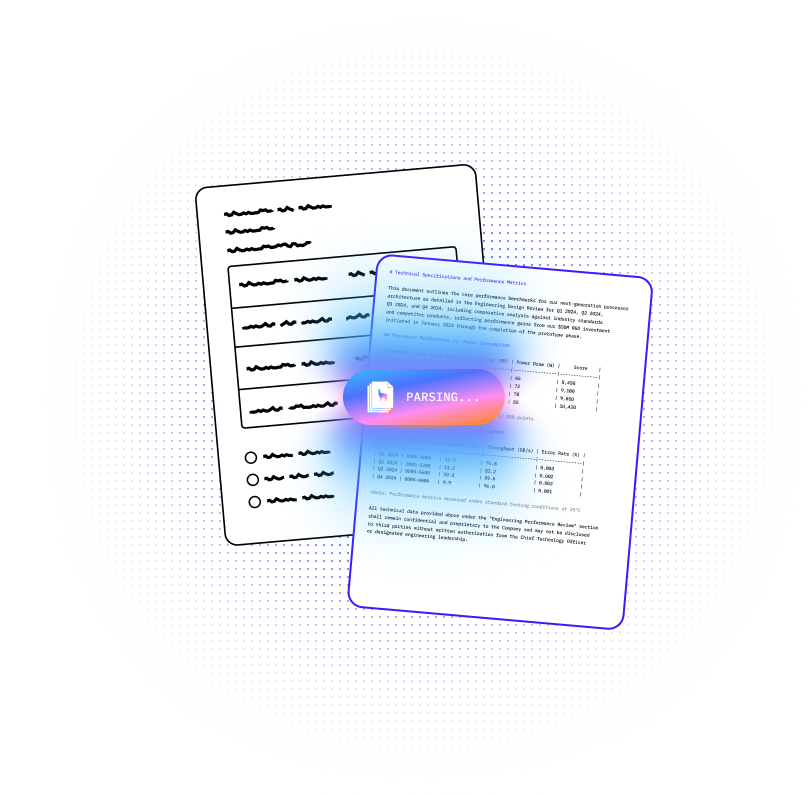
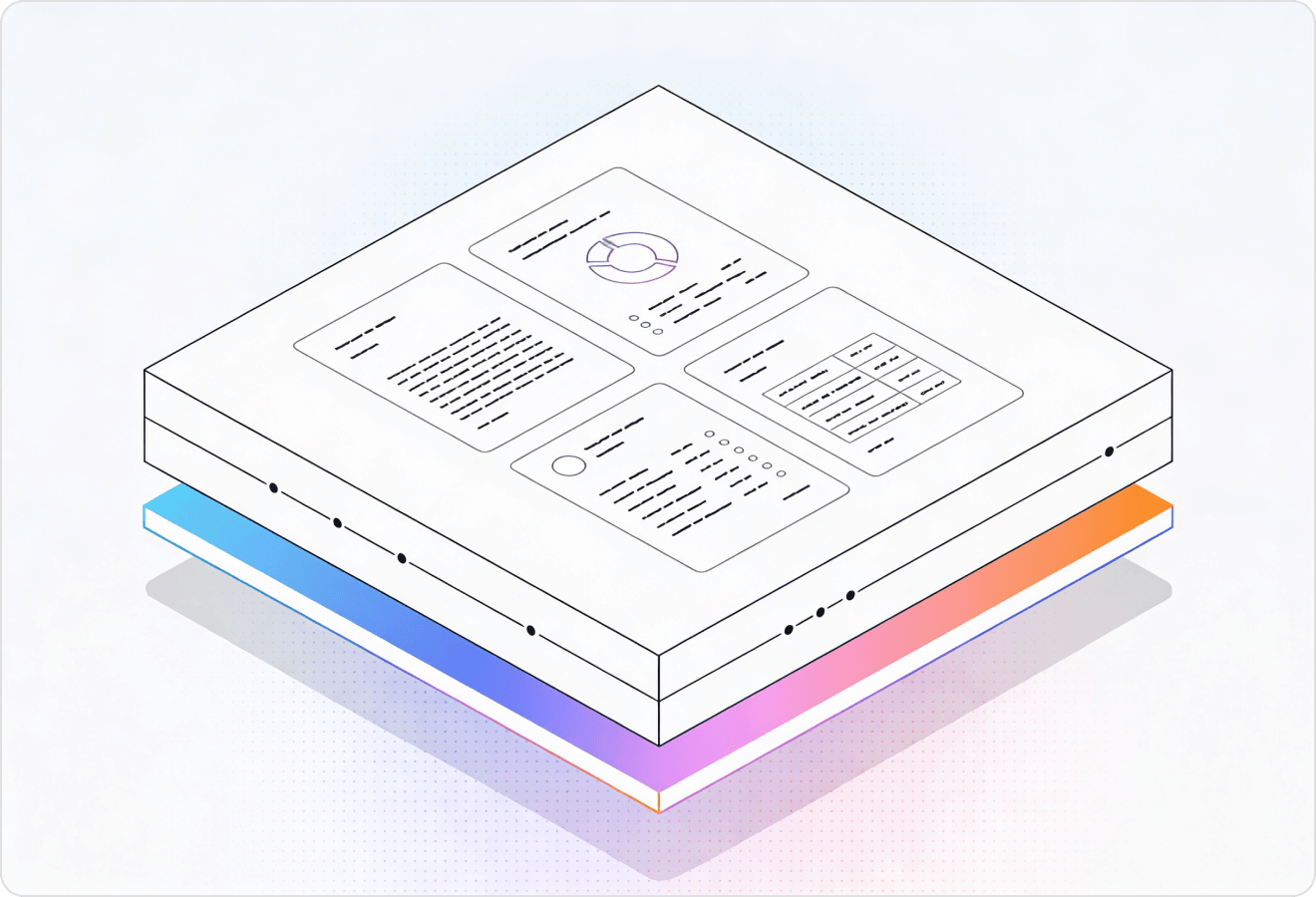

LlamaParse turns messy tenant applications into clean, structured fields automatically, so your team stops retyping names, income, and employment details. It uses agentic document parsing that understands layout, checks itself, and returns verifiable JSON or Markdown for faster approvals.
Best-in-Class Accuracy

Turn tenant application PDFs and scanned IDs into clean, structured JSON so leasing teams can auto-fill screening, income, and occupancy fields without manual retyping. LlamaParse’s layout-aware extraction keeps multi-page forms and tables intact, reducing costly back-and-forth caused by missed fields and scrambled sections.

Convert tenant applications into verifiable data packets for rent-to-own programs, security-deposit financing, or lease-backed underwriting, with citations and confidence scores for audit-ready decisions. Agentic parsing handles messy uploads like phone photos, pay stubs, and bank statements, lowering exception rates without building brittle document-specific rules.

Ingest high-volume housing applications and supporting documents into standardized outputs that map directly to eligibility systems, even when forms vary by county, revision, or language. Natural-language parsing instructions let teams enforce required fields and flag missing attachments during intake, speeding determinations while maintaining traceability.

Ship tenant intake automation fast by using LlamaParse as the parsing layer for user-uploaded applications, producing Markdown or JSON that your product can immediately route to screening, CRM, and workflow tools. Tier-based processing and cost optimizer modes keep unit economics predictable while still escalating to higher-accuracy parsing only on the tricky scans that would otherwise break onboarding.
The Solution
01
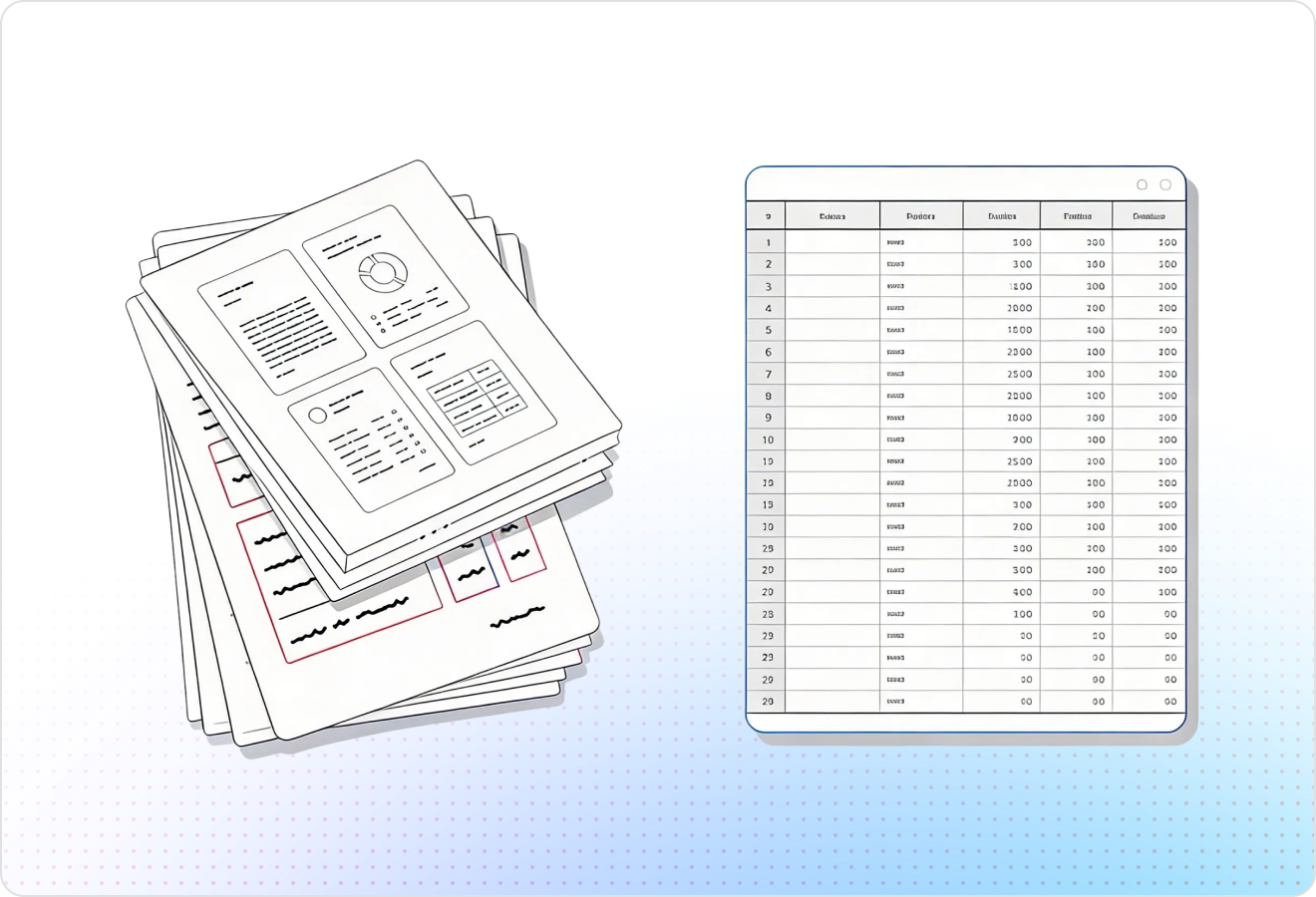
LlamaParse detects form structure (sections, labels, checkboxes, and multi-column fields) so tenant applications don’t come back as scrambled text. This keeps applicant details like name, SSN, current address, employer, and references mapped to the right fields even when templates vary.
02
LlamaParse cleanly extracts tables and repeated row patterns into structured outputs instead of flattening them into unreadable text. That’s critical for tenant application forms that include income breakdowns, rental history timelines, co-applicant sections, and monthly obligation summaries.
03
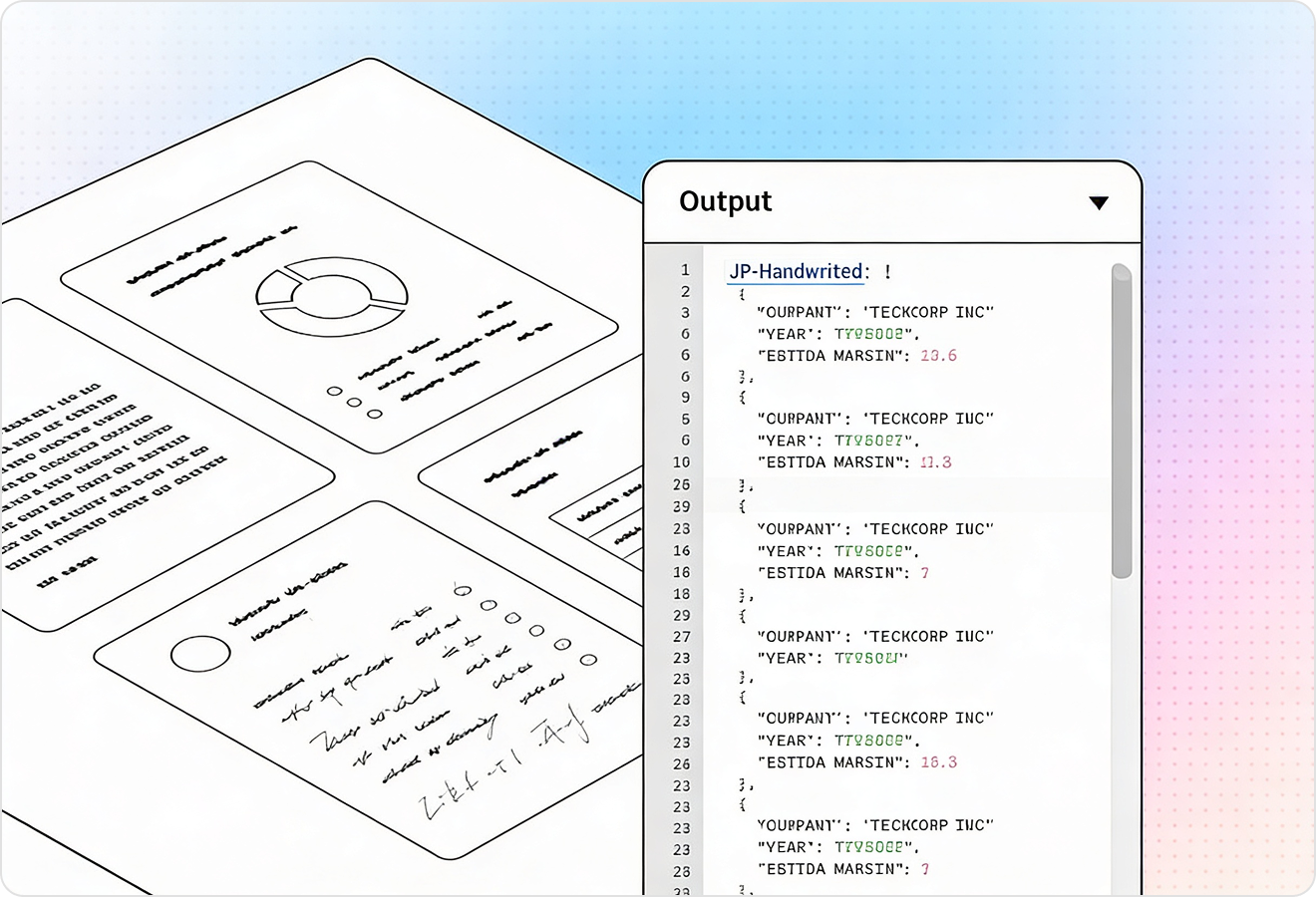
LlamaParse can return AI-ready JSON plus citations and spatial metadata so every extracted value is traceable back to the exact page region. For tenant screening workflows, this makes it easy to audit “why” a field was captured and route low-confidence fields to review without reprocessing the whole file.
04
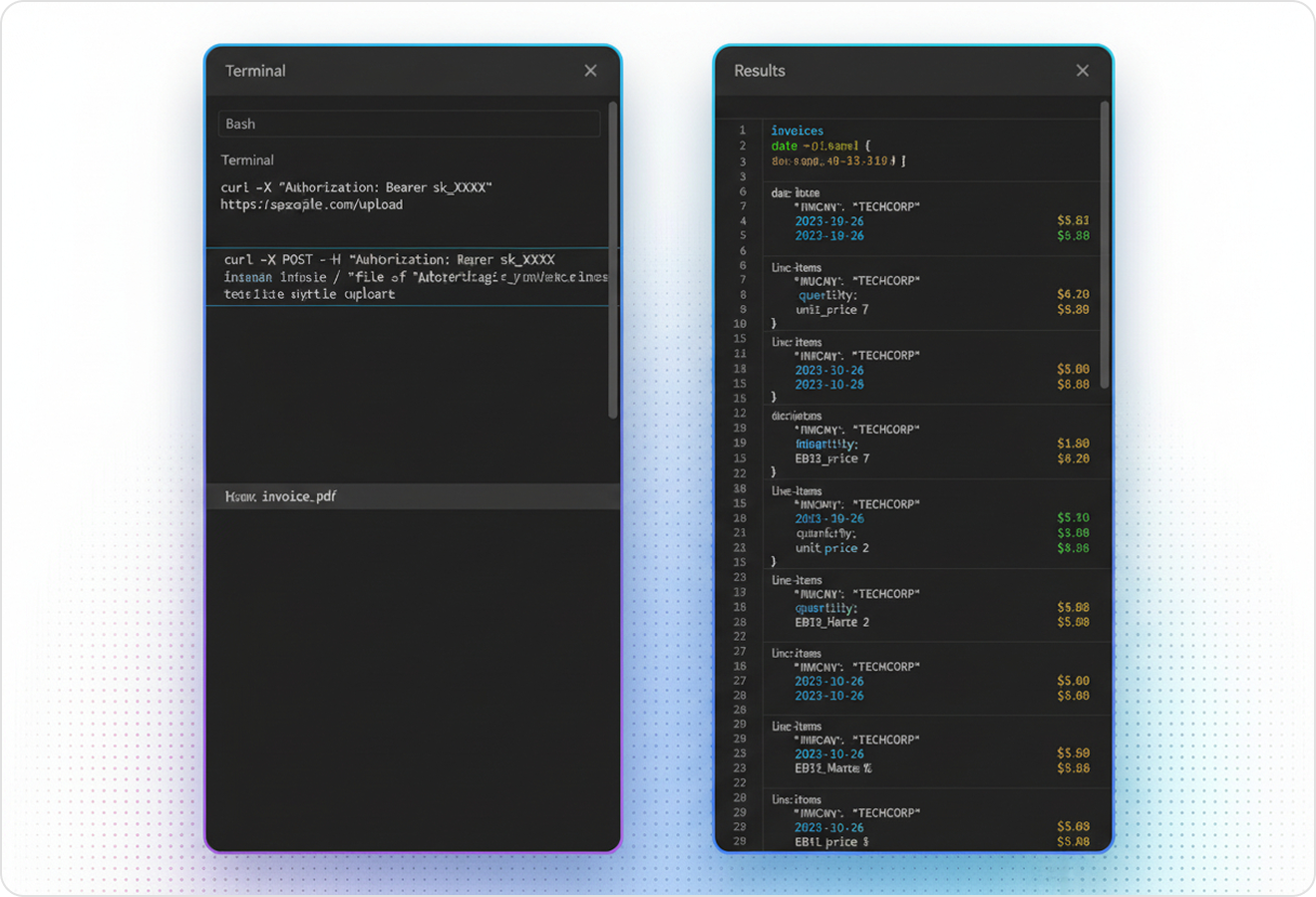
LlamaParse uses validation and self-correction steps to catch common scan issues like misread digits, swapped fields, or missing selections before finalizing outputs. This reduces manual cleanup for tenant applications, where a single wrong number can break identity checks or income verification.
Technical OCR documentation
Explore our developer guides to easily connect your document pipelines to LlamaParse.
Explore the documentation
Our AI catches the typos that tired eyes miss.

Export to Excel, JSON, XML, or directly via API.

SOC2 Type II compliant with end-to-end encryption.

Train the tool on your specific forms in minutes, not days.

Average processing time of <3 seconds per page.
LlamaParse’s support of a wide variety of filetypes and its accuracy of parsing made it the best tool we tested in our evaluations. The LlamaIndex team was very responsive and we were off to the races within a day.
Common FAQs
01
Yes—layout-aware parsing detects sections, labels, checkboxes, and multi-column fields so data doesn’t get scrambled when templates vary. That means critical details like name, SSN, addresses, employer, and references land in the right fields more reliably. You get consistent structured output even when applicants upload different versions of the form.
02
It extracts tables and repeated row patterns into structured data instead of flattening them into hard-to-read text. This is ideal for rental history, co-applicant sections, and line-item income/expense summaries where each row matters. The result is cleaner downstream screening and fewer manual fixes.
03
Yes—JSON mode can include citations and spatial metadata so each value is traceable to the exact page region it was pulled from. This makes it easy to validate sensitive fields (like SSN digits or income figures) and document “why” something was captured. When needed, you can route only the questionable fields to review without reprocessing the whole file.
04
What happens when scans are messy—blurred numbers, missing checkmarks, or swapped fields?
Auto-correction loops apply validation and self-correction to catch common OCR mistakes before finalizing the output. That reduces downstream issues like failed identity checks or incorrect income calculations caused by a single misread digit. You spend less time cleaning data and more time making decisions.
05
Do we have to manually review every application, or can we focus only on low-confidence fields?
You can focus review where it matters most by using traceability and confidence signals to flag questionable fields. Instead of re-checking the entire form, your team can quickly verify only the values that look uncertain. This speeds up screening while keeping accuracy and accountability high.
06
What format will we get back, and how easy is it to integrate into our tenant screening workflow?
You’ll receive AI-ready JSON that’s straightforward to map into your database or screening pipeline. Because fields are kept aligned to the form structure (including tables and checkboxes), integration typically requires less custom cleanup. It’s designed to help you move from document intake to decision-ready data faster.