Nov 14, 2025
Document AI: The Next Evolution of Intelligent Document ProcessingPersona
Industry
Use cases
Trade Confirmation OCR
[ Trade Confirmation OCR ]

Use LlamaParse to turn messy confirmations into clean, validated JSON with citations for audit-ready workflows.
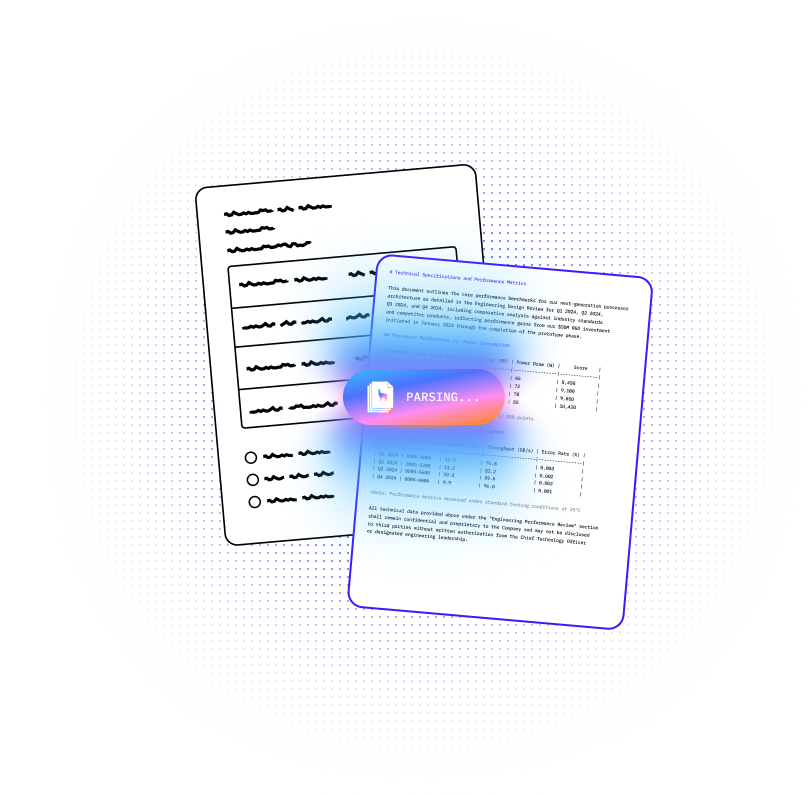
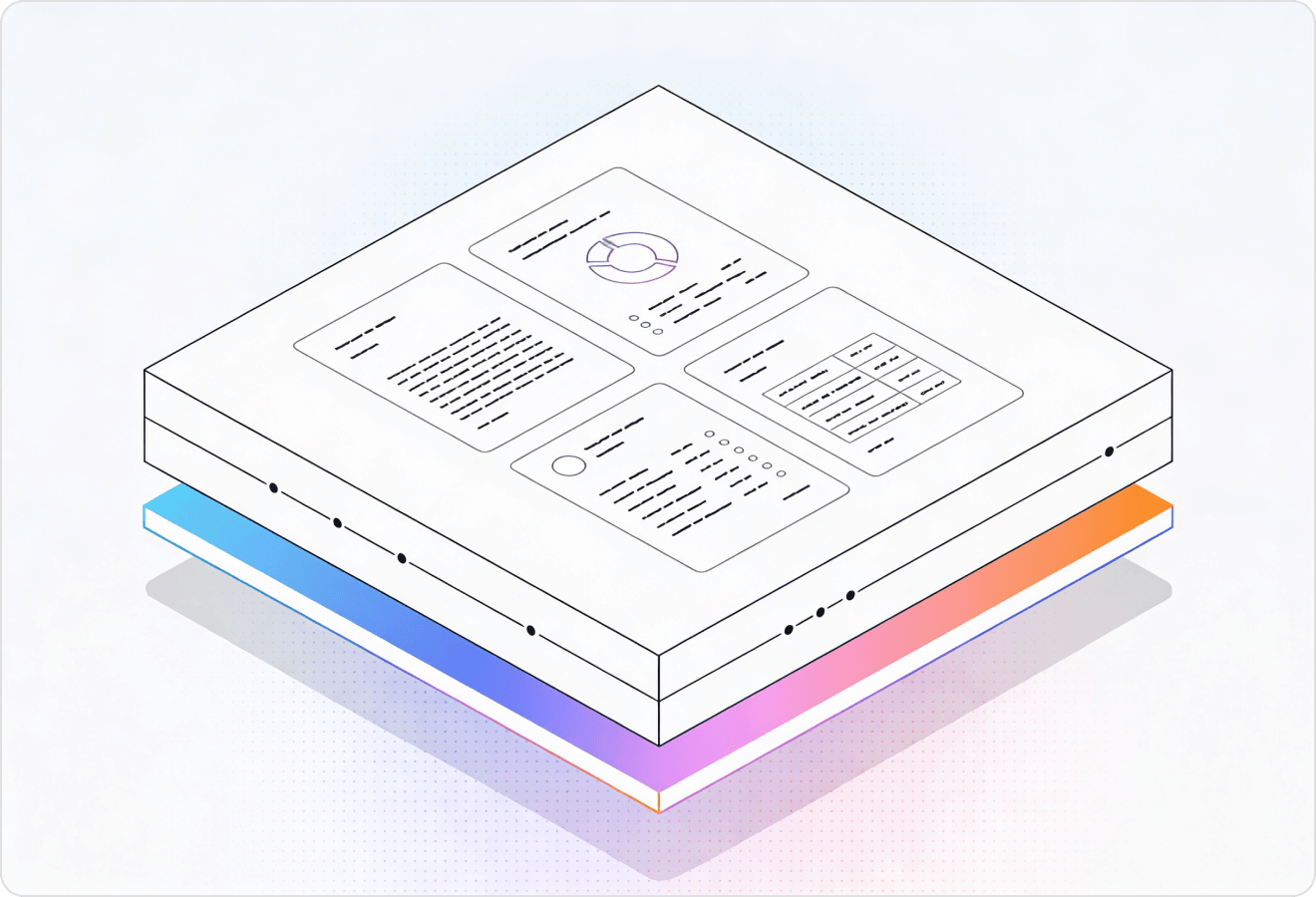

LlamaParse turns messy PDFs and scanned trade confirms into clean, structured JSON or Markdown, so your downstream booking and reconciliation just work. It uses layout-aware vision and validation loops to reduce exceptions, with citations and confidence scores for fast human review.
Best-in-Class Accuracy

Parse trade confirmations into clean JSON—extracting instrument identifiers, quantities, prices, settlement dates, and fees even when they’re buried in multi-column layouts and dense tables. Feed validated fields (with citations and confidence scores) directly into reconciliation and exception management to cut fails and reduce manual operations review.

Standardize confirmations from dozens of counterparties by using natural-language parsing instructions to map messy PDFs into a consistent schema for your OMS/EMS and portfolio accounting. Auto-correction loops reduce break-fix work on edge cases like partial fills, netted trades, and embedded fee schedules so your team can focus on true exceptions.

Convert broker notes, bordereaux, and claims-related trade confirmations into structured outputs by preserving table integrity and reading order across attachments and scanned documents. Use granular metadata to trace every extracted value back to the source page, speeding audits and improving downstream reserve, billing, and payout workflows.

Ship an MVP for confirmation ingestion fast by plugging LlamaParse into your pipeline to turn customer-uploaded PDFs into Markdown/JSON without writing brittle parsing code. Tier-based agentic processing keeps costs predictable while still handling the hardest documents when you start onboarding more counterparties and higher volumes.
The Solution
01
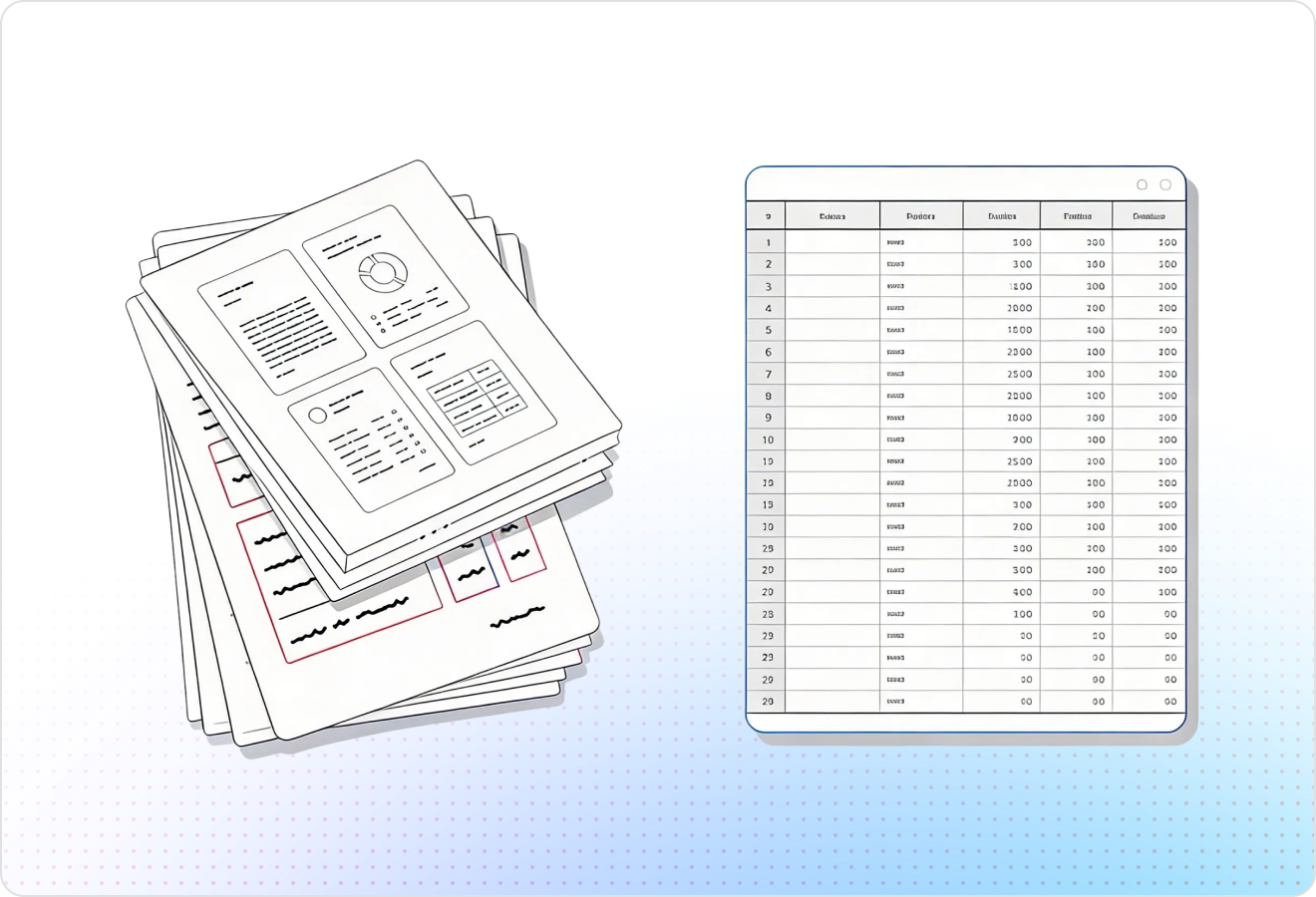
LlamaParse understands trade confirmation layouts (multi-column sections, headers/footers, and dense tables) so fields don’t get scrambled when you parse PDFs or scans. That means you can reliably capture line-level details like CUSIP/ISIN, quantity, price, net amount, and settlement date without brittle post-processing.
02
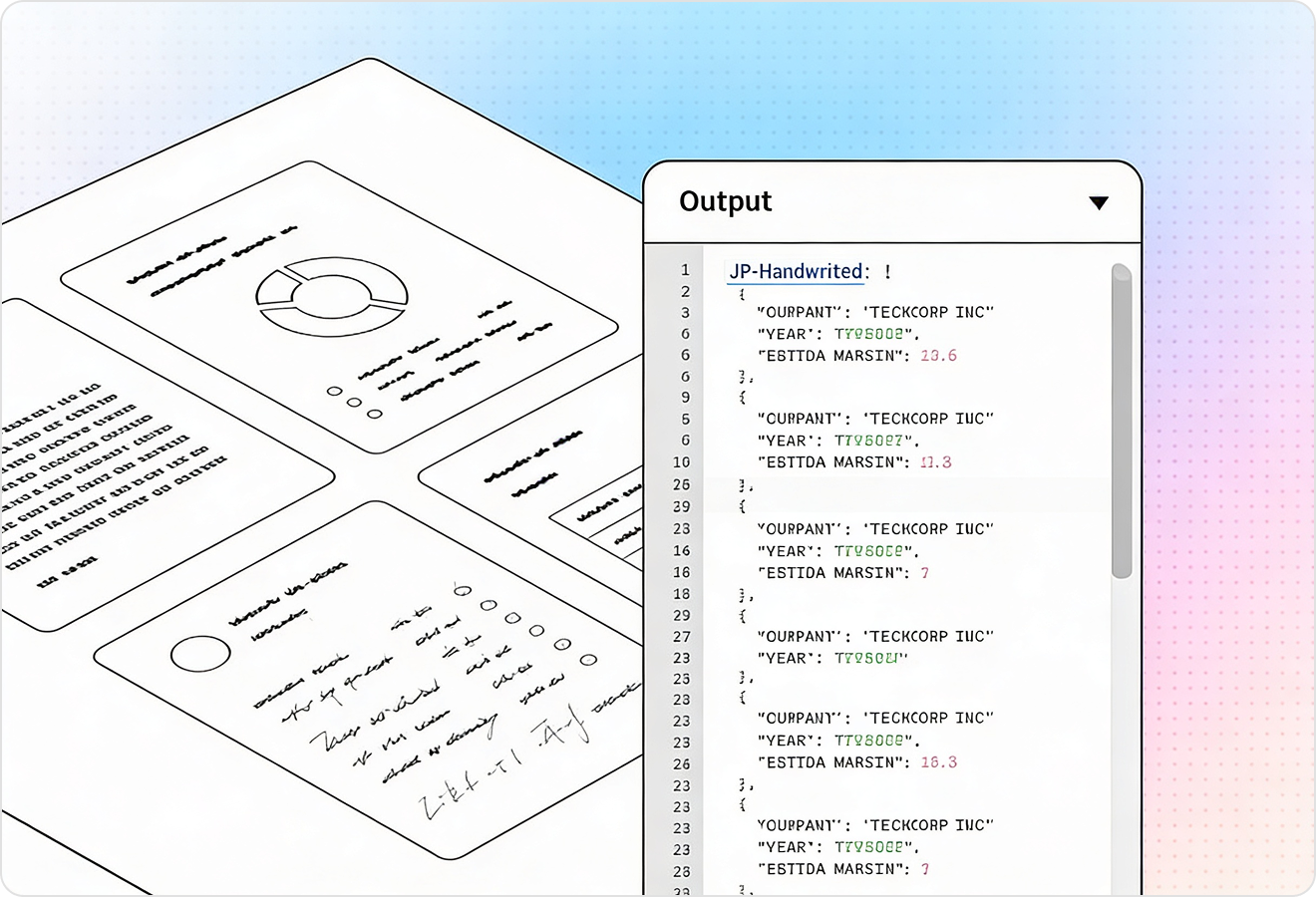
LlamaParse runs validation and self-correction loops to catch common parsing errors that break trade ops, like swapped digits, misplaced decimals, or misread account identifiers. This improves straight-through processing for trade confirmation ingestion and reduces manual exceptions during reconciliation.
03
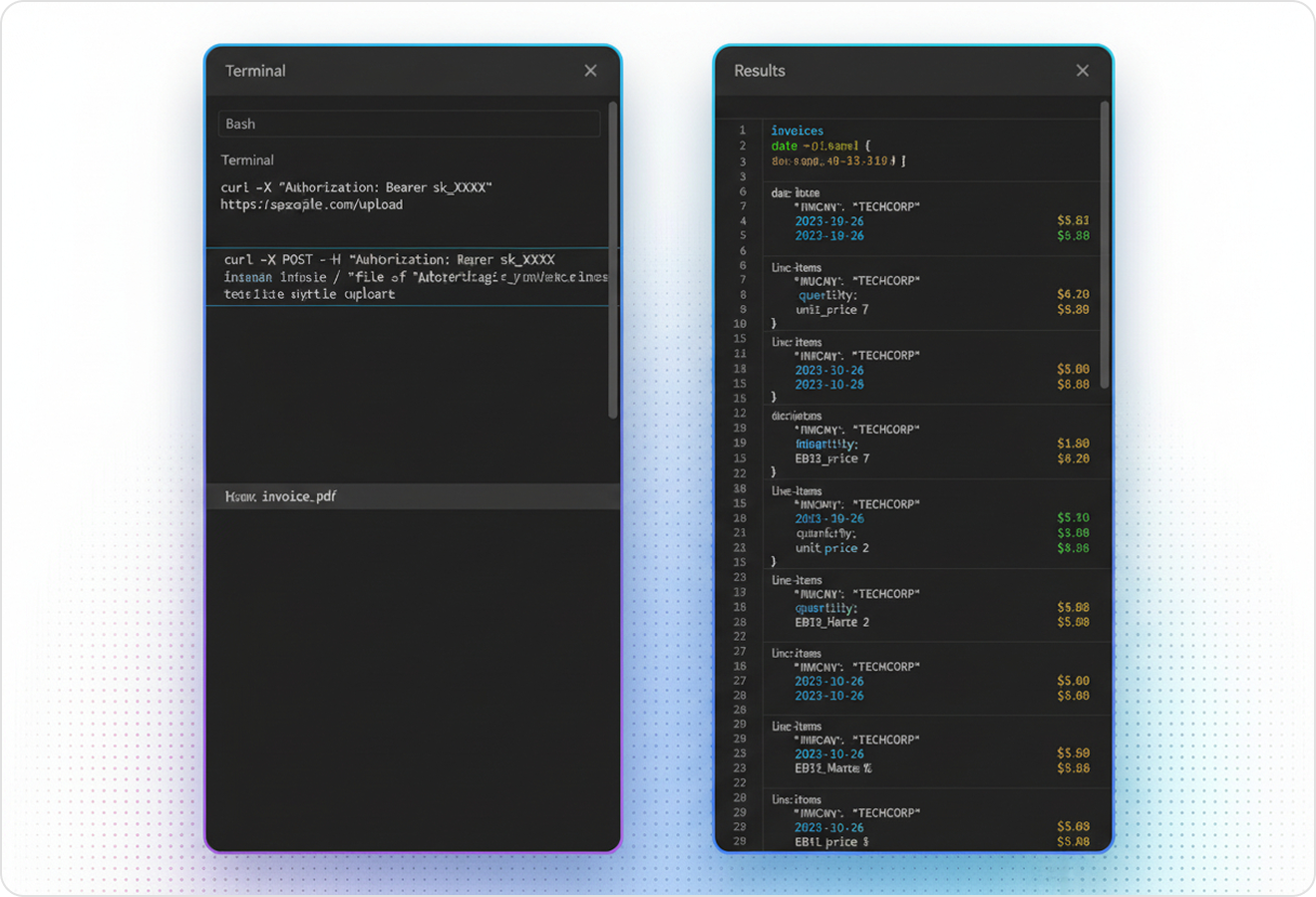
LlamaParse can return trade data as structured JSON with granular metadata (page numbers, element types, and coordinates) for each extracted value. You get audit-friendly traceability so ops teams can verify exactly where a trade date, notional, or counterparty name came from in the source document.
04
LlamaParse routes simple, clean confirmations through faster processing while automatically applying heavier vision/LLM reasoning only to tricky pages like low-quality scans, stamps, and dense annexes. This keeps parsing accuracy high on real-world confirmations while maintaining predictable per-document costs at scale.
Technical OCR documentation
Explore our developer guides to easily connect your document pipelines to LlamaParse.
Explore the documentation
Our AI catches the typos that tired eyes miss.

Export to Excel, JSON, XML, or directly via API.

SOC2 Type II compliant with end-to-end encryption.

Train the tool on your specific forms in minutes, not days.

Average processing time of <3 seconds per page.
LlamaParse’s support of a wide variety of filetypes and its accuracy of parsing made it the best tool we tested in our evaluations. The LlamaIndex team was very responsive and we were off to the races within a day.
Common FAQs
01
Our layout-aware extraction preserves the structure of headers, footers, side-by-side sections, and tables so values stay attached to the right labels and line items. That means you can reliably capture CUSIP/ISIN, quantity, price, net amount, and settlement date without brittle rule-based post-processing.
02
Yes—it's designed to capture repeatable line items across dense tables and continuation pages, including instrument identifiers, lot/quantity, price, fees, and settlement details. You get consistent outputs even when confirmations vary by broker, venue, or template.
03
We run validation and self-correction loops to catch common trade-ops breakers like swapped digits, misplaced decimals, and misread account numbers. This reduces manual exceptions during reconciliation and improves straight-through processing for confirmation ingestion.
04
Do you return structured JSON, and can we audit where each value came from?
We return structured JSON and include traceability metadata such as page numbers, element types, and coordinates for each extracted value. That makes it easy for ops and compliance teams to verify exactly where a trade date, notional, or counterparty name was found in the source document.
05
How does it handle low-quality scans, stamps, and messy PDFs without blowing up costs?
We use cost-aware model orchestration that routes clean confirmations through faster processing and applies heavier vision/LLM reasoning only when needed for tricky pages. You maintain high accuracy on real-world documents while keeping per-document costs predictable at scale.
06
How quickly can we integrate this into our trade ops workflow?
You can plug in via API and start receiving normalized JSON outputs that map cleanly to your downstream systems and reconciliation checks. The traceability data also makes exception handling faster, so you can go live without building a complex review UI from scratch.