Nov 14, 2025
Document AI: The Next Evolution of Intelligent Document ProcessingPersona
Industry
Use cases
Inspection Certificate OCR
[ Inspection Certificate OCR ]

Use LlamaParse to pull key fields into clean JSON with confidence scores from every certificate.
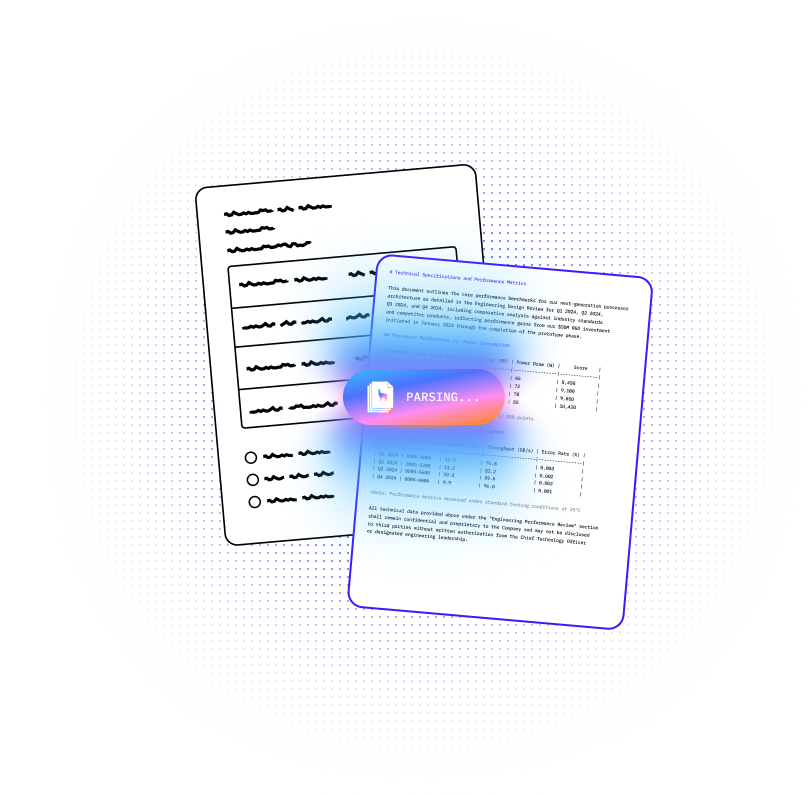
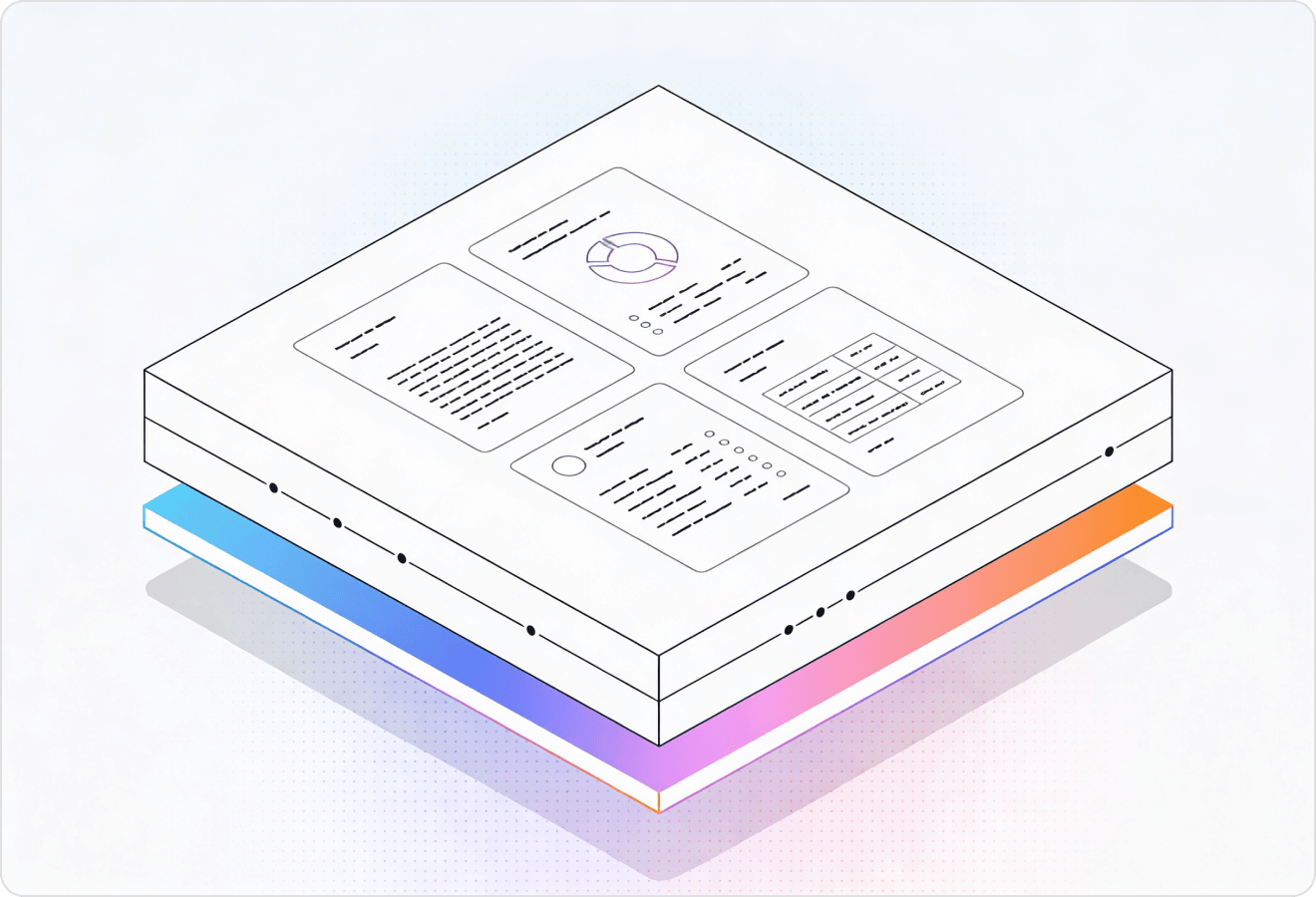
LlamaParse turns messy inspection certificates into structured, schema-ready JSON, capturing key fields like lot numbers, specs, and pass fail results reliably. It reads layouts, tables, and stamps with agentic document parsing, then adds confidence and citations so teams can validate fast and automate downstream workflows.
Best-in-Class Accuracy

Parse inspection certificates from carriers and depots into clean JSON, preserving table structure for defect codes, pass/fail results, and expiration dates that typically break legacy OCR. Route only the low-quality scans to agentic tiers with validation loops so teams can clear shipments faster and avoid compliance holds.

Convert inbound supplier inspection certificates into normalized, layout-aware records (lots, measurements, tolerances, and sign-offs) even when the data lives in dense multi-column tables. Feed the structured output directly into QMS/ERP workflows to auto-trigger holds, corrective actions, or supplier scorecards without manual rekeying.

Extract equipment and site inspection certificates into auditable, citation-backed fields—asset IDs, inspector credentials, findings, and remediation items—so safety logs stay consistent across contractors and jurisdictions. Use natural-language parsing instructions to standardize what gets captured per certificate type and reduce missed renewals or failed audits.

Launch an inspection-certificate intake workflow in days by using LlamaParse to turn messy PDFs and photos into Markdown/JSON your product can reliably search, validate, and sync to customer systems. Keep unit economics under control with Auto Mode and cost optimization that applies heavier document understanding only to the few pages that actually need it.
The Solution
01
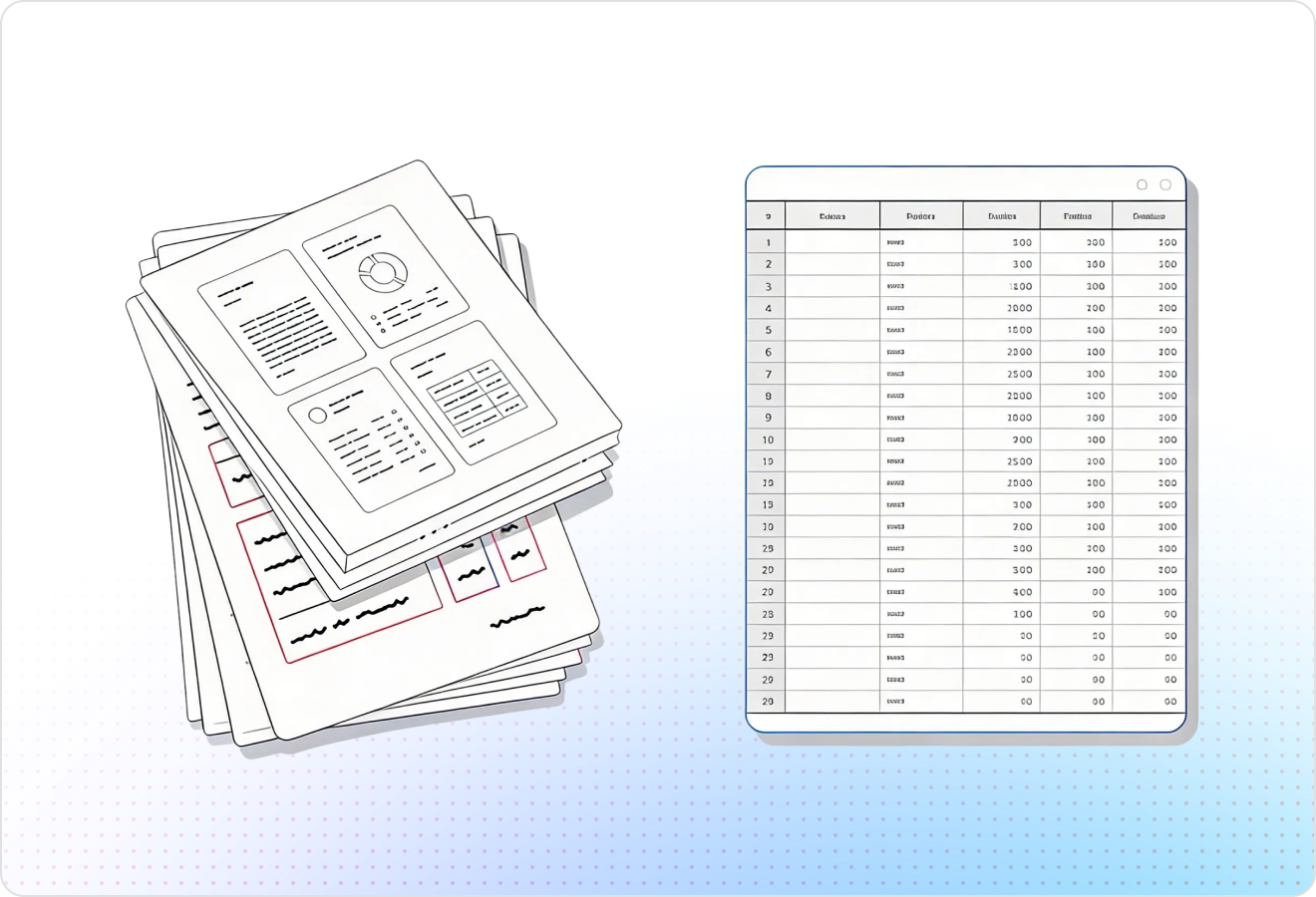
LlamaParse understands inspection certificate layouts—headers, stamps, signature blocks, multi-column sections, and footers—so text stays in the right reading order. That means you can reliably extract certificate IDs, dates, inspector details, and issuance locations even when templates vary by vendor.
02
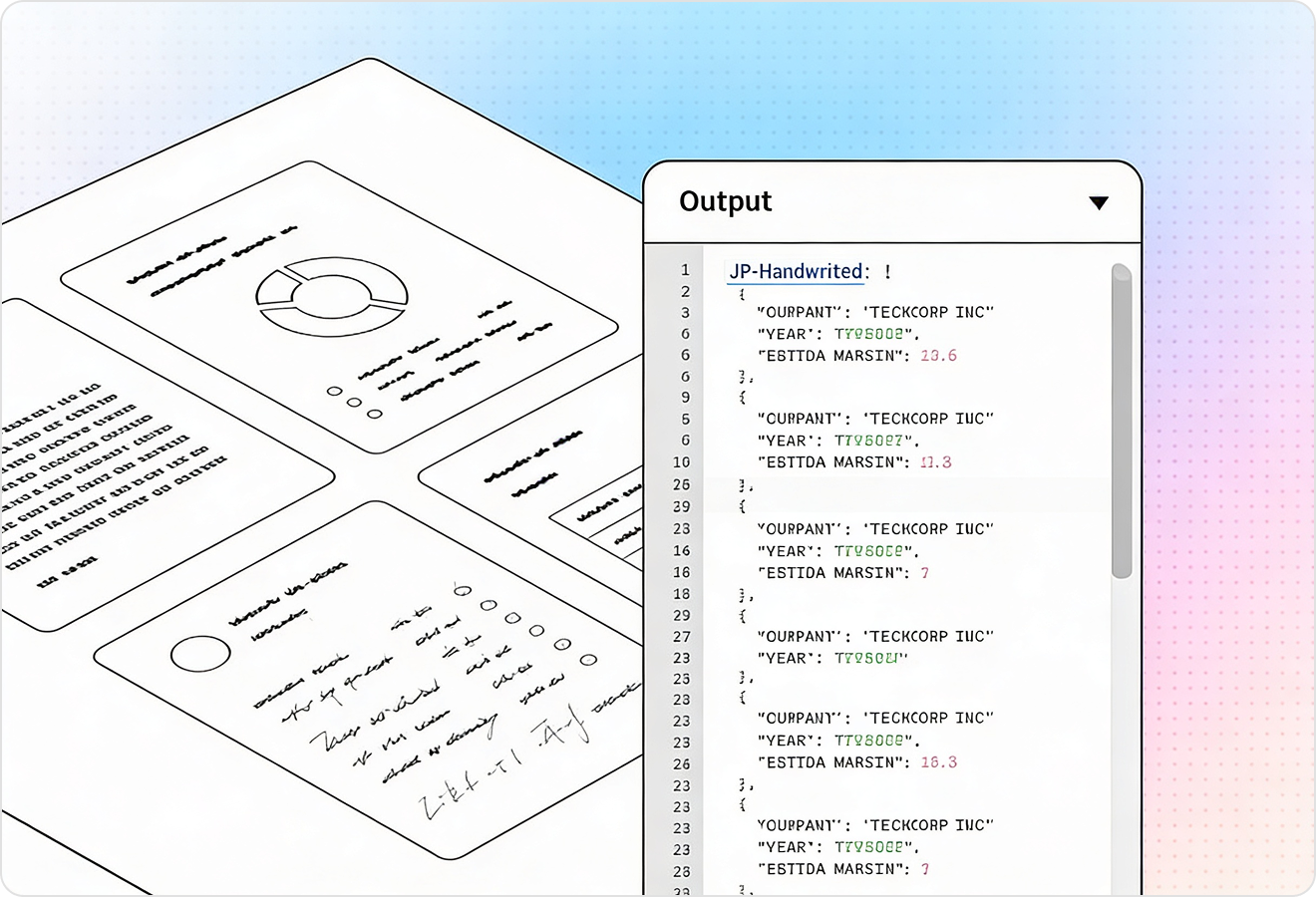
LlamaParse pulls structured tables without scrambling rows or losing units, including dense measurement grids and pass/fail checklists. This makes it straightforward to ingest inspection results (tolerances, test values, equipment IDs, and serial numbers) into downstream QA or compliance systems.
03
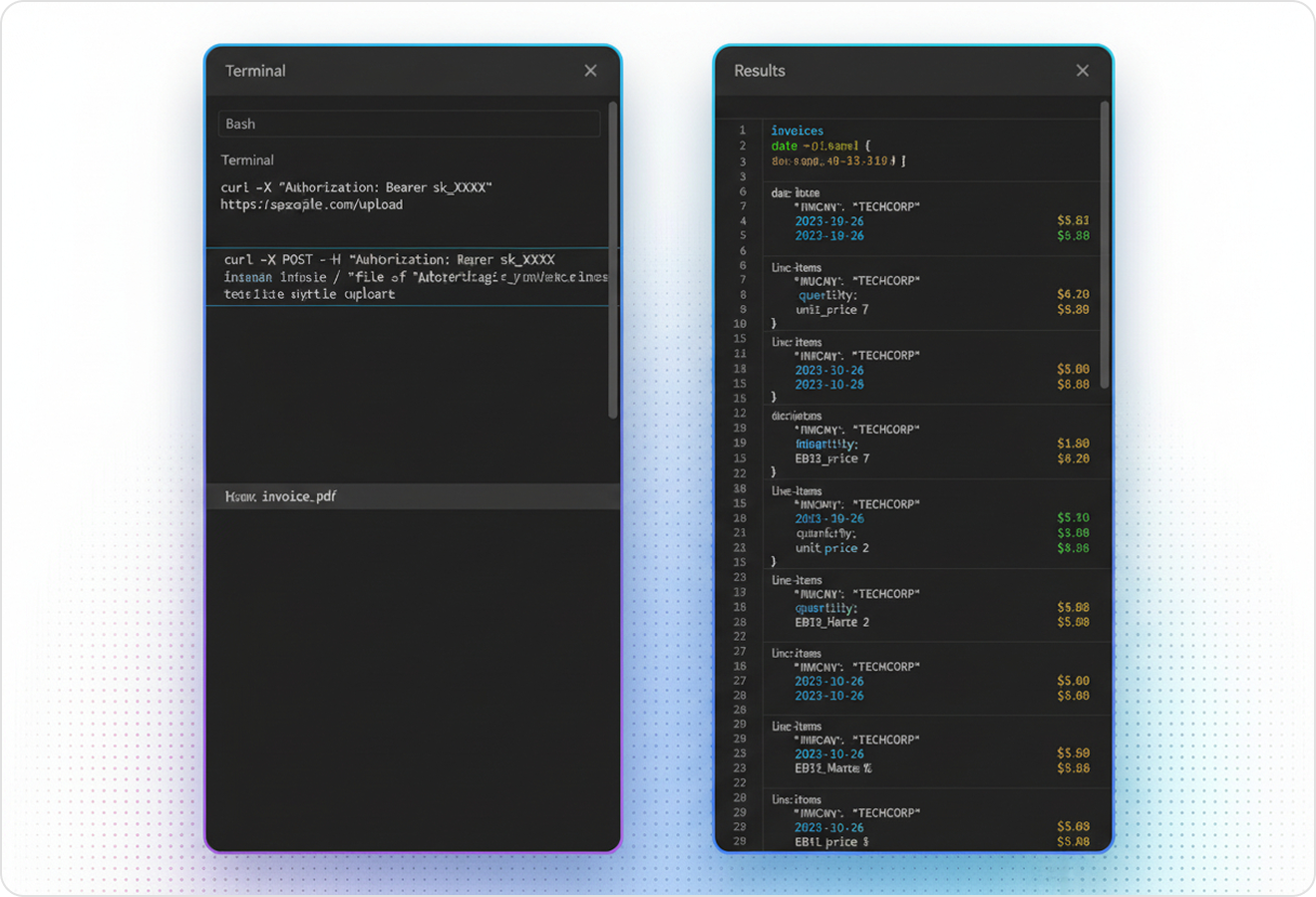
LlamaParse can output JSON with page-level traceability, including coordinates and element types for each extracted value. For inspection certificates, that gives you auditable outputs—easy to validate, highlight, and review when a field looks off or a regulatory check requires evidence.
04
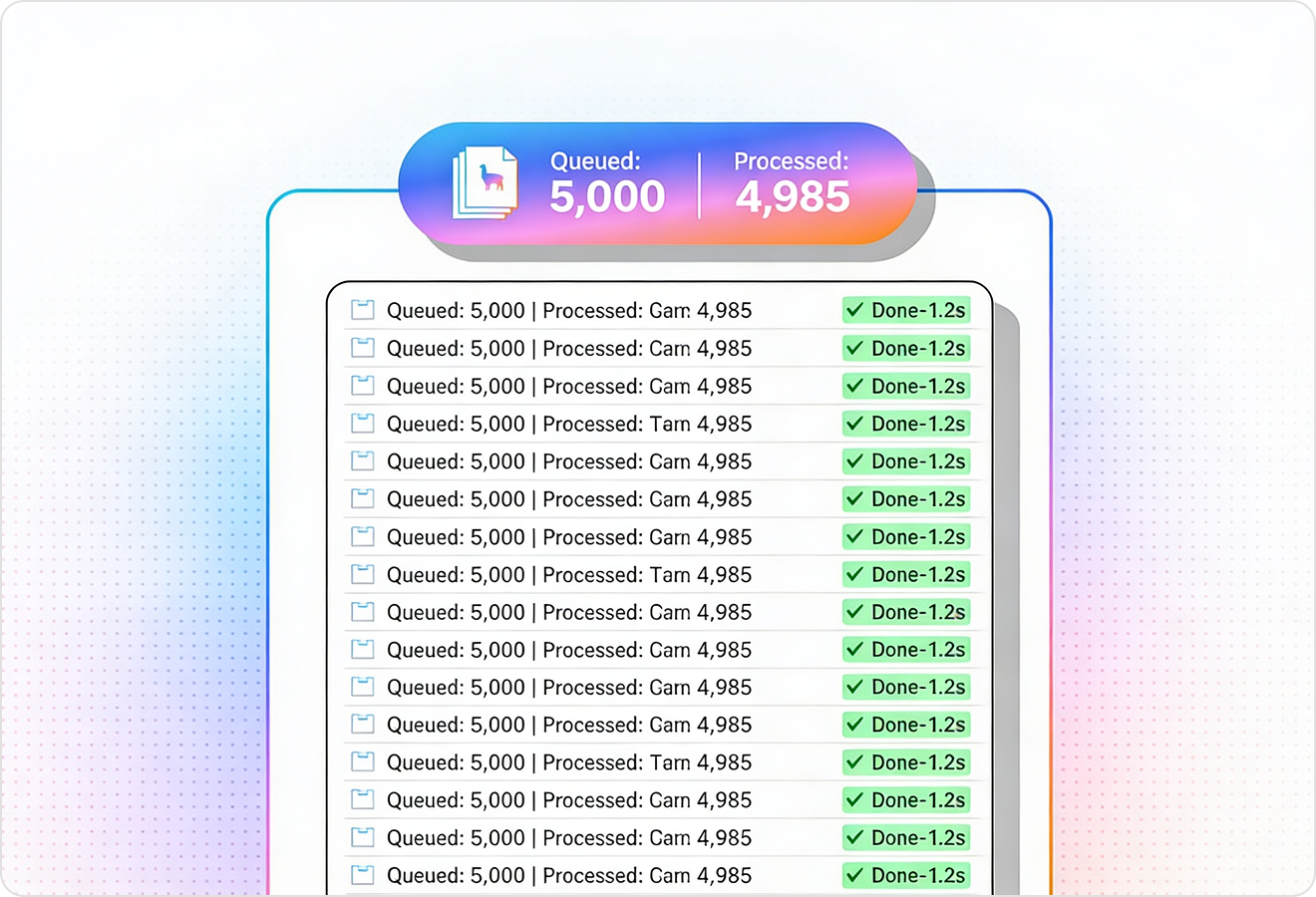
LlamaParse uses agentic validation loops to detect common extraction issues like swapped columns, missing decimals, or hallucinated values on low-quality scans. This improves straight-through processing on inspection certificates so fewer documents get kicked to manual review.
Technical OCR documentation
Explore our developer guides to easily connect your document pipelines to LlamaParse.
Explore the documentation
Our AI catches the typos that tired eyes miss.

Export to Excel, JSON, XML, or directly via API.

SOC2 Type II compliant with end-to-end encryption.

Train the tool on your specific forms in minutes, not days.

Average processing time of <3 seconds per page.
LlamaParse’s support of a wide variety of filetypes and its accuracy of parsing made it the best tool we tested in our evaluations. The LlamaIndex team was very responsive and we were off to the races within a day.
Common FAQs
01
Yes—layout-aware capture keeps content in the correct reading order across headers, stamps, signature blocks, multi-column sections, and footers. That means you can reliably pull certificate IDs, dates, inspector details, and issuance locations even when formats vary.
02
LlamaParse extracts tables as structured data without scrambling rows, dropping units, or misaligning columns. You can ingest tolerances, test values, equipment IDs, and serial numbers directly into QA or compliance systems with far less cleanup.
03
Yes—outputs can include verifiable JSON with page-level metadata like coordinates and element types for each extracted value. This makes reviews faster and provides clear evidence for regulatory checks, exception handling, and internal audits.
04
What happens with low-quality scans where decimals, columns, or values are often misread?
Auto validation correction loops are designed to catch common issues like swapped columns, missing decimals, or hallucinated values on noisy scans. The result is higher straight-through processing and fewer certificates routed to manual review.
05
Can we automatically flag suspicious fields before they reach downstream systems?
Yes—because extracted values can be validated and traced to their exact location on the page, it’s easy to review and highlight fields that look off. This helps you stop bad data early and maintain confidence in your QA and compliance workflows.
06
What format do we get back, and how easy is it to integrate with our existing tools?
You can receive structured JSON that preserves document context and includes optional metadata for verification. That makes integration straightforward for pipelines that feed QA dashboards, compliance databases, or ERP systems—and reduces custom post-processing.