Nov 14, 2025
Document AI: The Next Evolution of Intelligent Document ProcessingPersona
Industry
Use cases
PDF Parsing API
[ PDF Parsing API ]

Turn messy PDFs into reliable JSON with LlamaParse, preserving tables, layout, and citations for review.
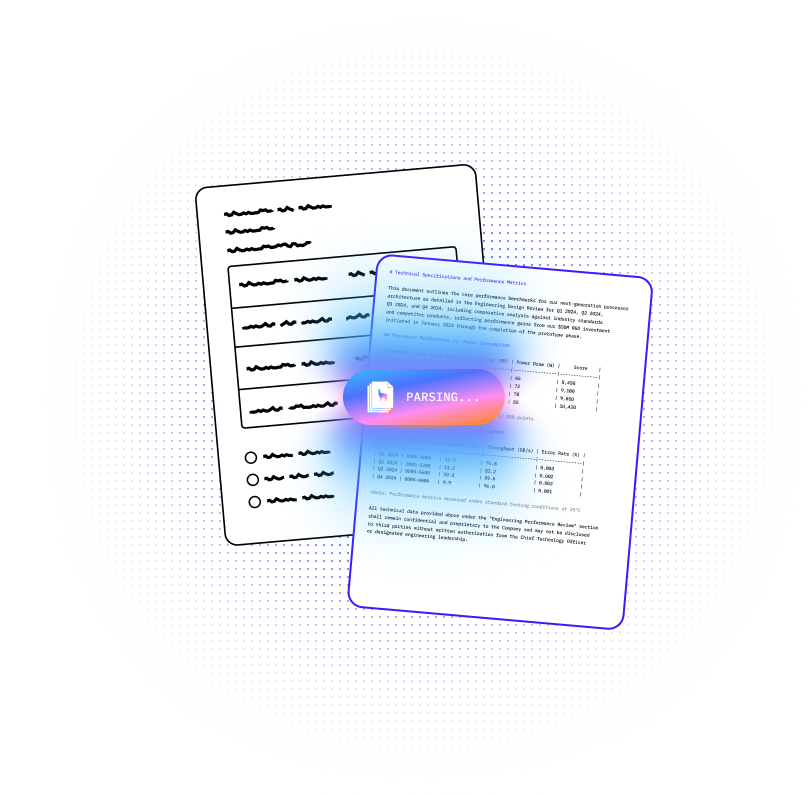
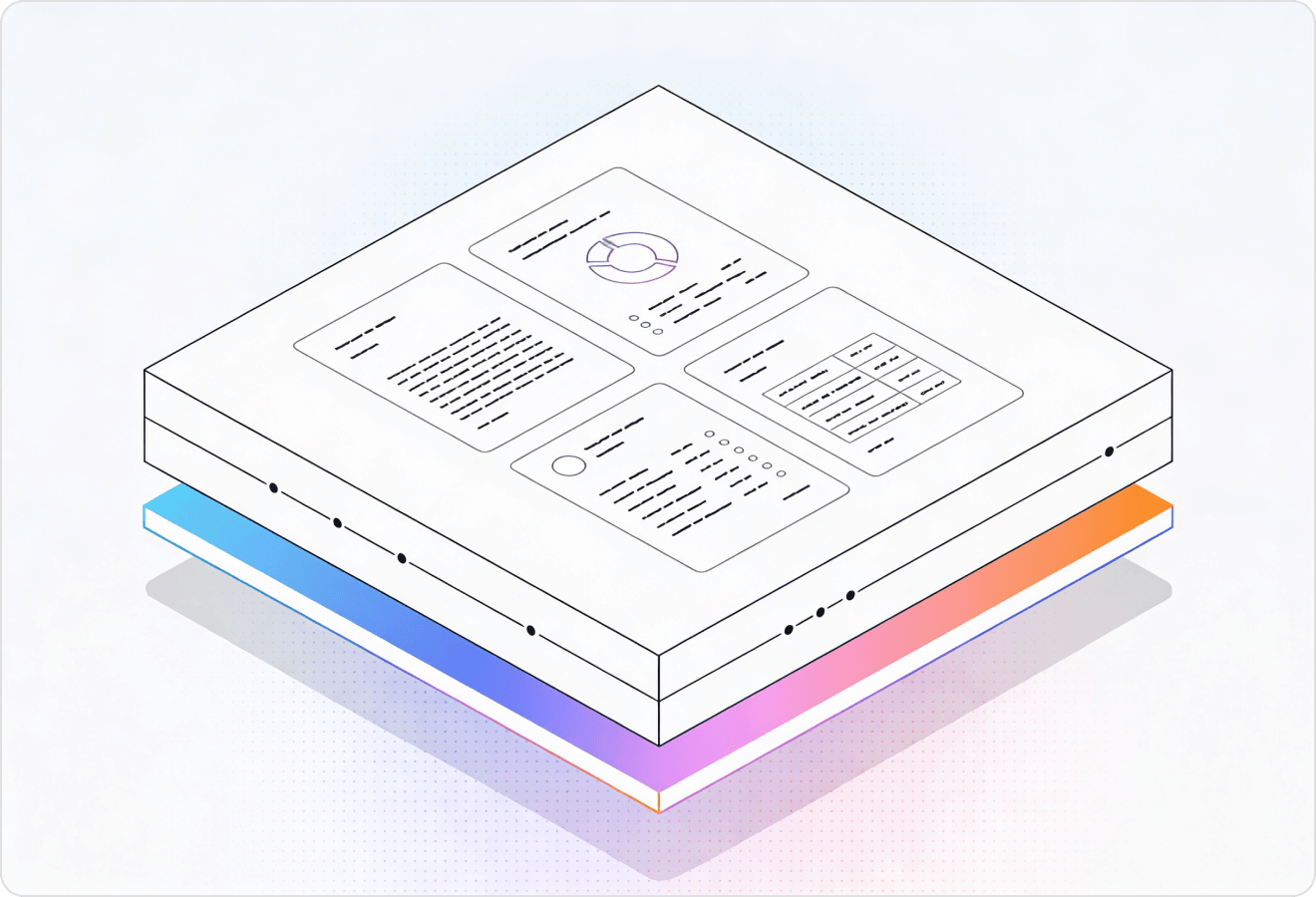

LlamaParse turns messy PDFs into clean, structured Markdown and JSON your apps and agents can reliably use without manual cleanup. Its agentic document parsing understands layout, tables, and embedded visuals, then adds citations and confidence metadata for fast review.
Best-in-Class Accuracy

Turn investor decks, customer contracts, and inbound PDFs into clean Markdown or JSON so your product can ship document-driven features without building a brittle parsing pipeline. LlamaParse preserves tables and reading order out of the box, so your team stops wasting cycles fixing scrambled exports and can iterate on extraction with simple natural-language instructions.

Automate intake for statements, claims, and underwriting packets by extracting line items and multi-page tables into structured JSON with citations and confidence signals for audit-friendly review. LlamaParse handles messy scans and layout shifts with agentic parsing and auto-correction loops, increasing straight-through processing while keeping exception handling targeted.

Parse contracts, exhibits, and discovery PDFs into layout-faithful Markdown so clause text, definitions, and numbered sections remain usable for downstream review and redlining. With granular metadata like page references and coordinates, teams can trace every extracted term back to source and reduce disputes over provenance.

Extract structured data from spec sheets, QC reports, packing lists, and invoices—especially dense tables—so ERP and procurement systems can reconcile parts, quantities, and tolerances automatically. LlamaParse’s layout-aware table extraction reduces costly manual rekeying and prevents errors caused by multi-column or nested table formats.
The Solution
01
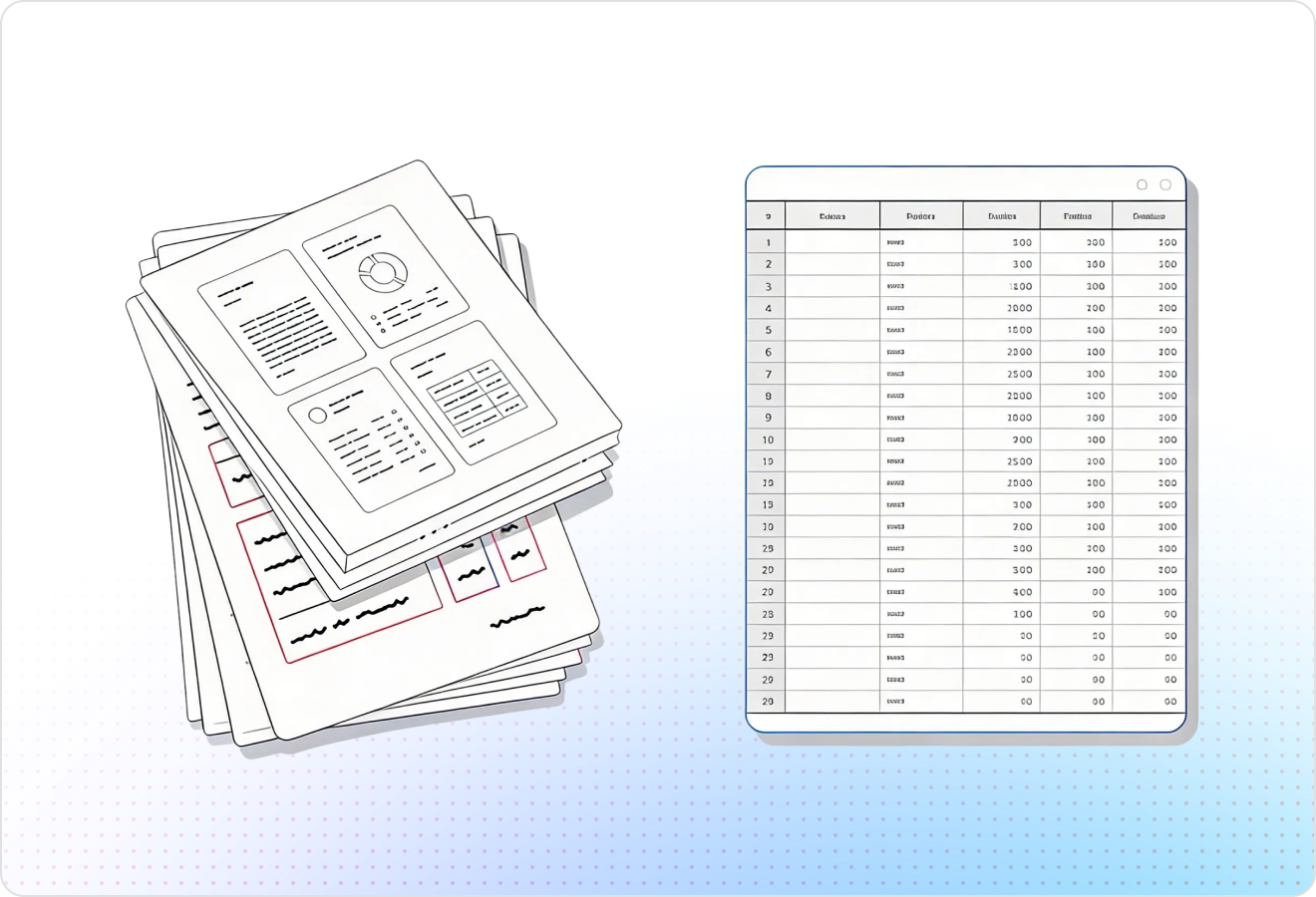
LlamaParse detects columns, headers/footers, sections, and reading order so your PDF Parsing API returns coherent text instead of scrambled OCR blobs. That means downstream chunking, search, and extraction behave predictably even when layouts change across pages.
02
Extracts complex tables (merged cells, nested headers, multi-page tables) while preserving row/column relationships. Your API consumers get usable structured data without hand-built heuristics or brittle post-processing.
03
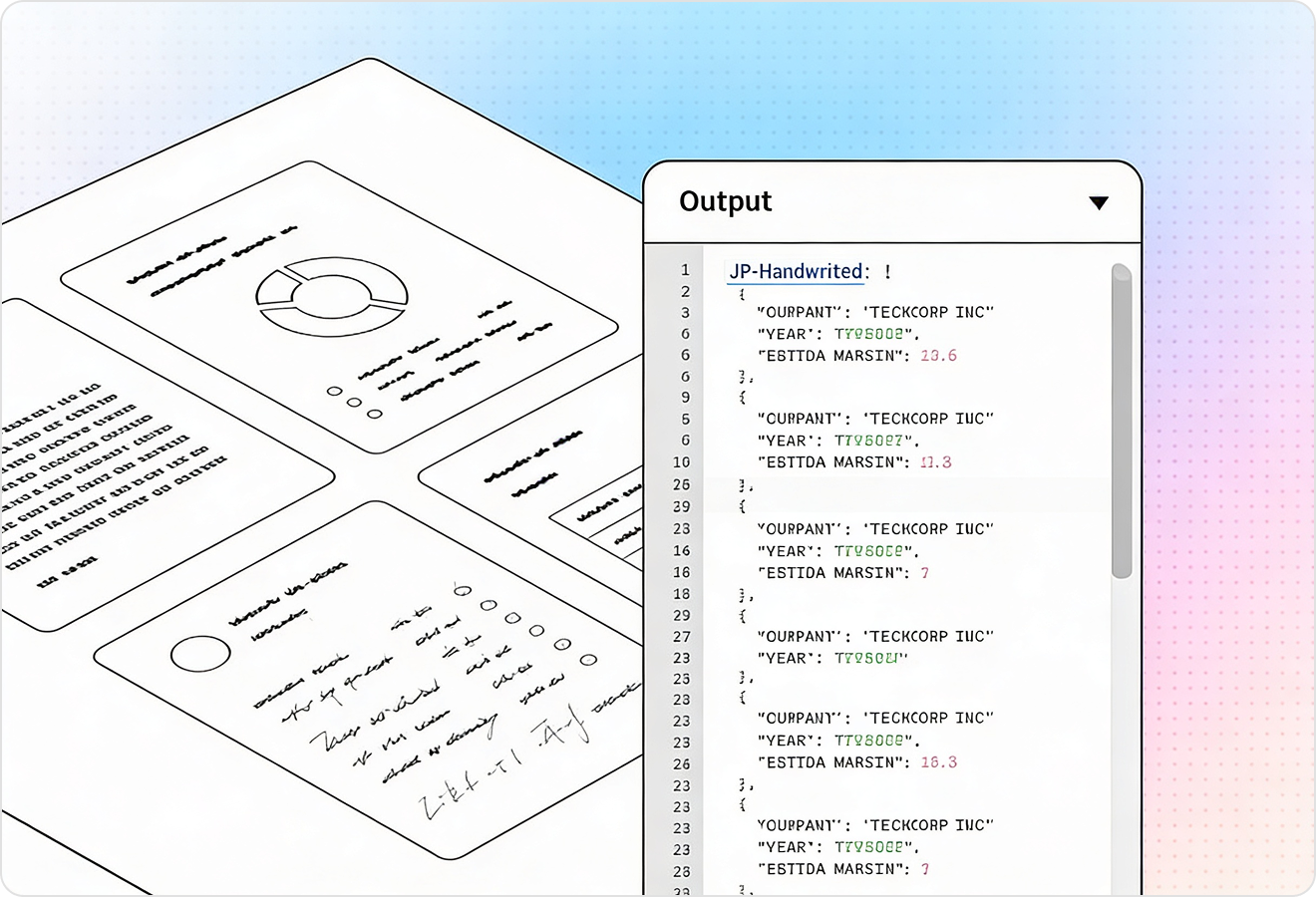
Returns structured JSON alongside granular metadata like page numbers, element types, and spatial coordinates for each extracted node. This makes a PDF Parsing API easy to integrate with databases and enables traceable results with citations back to the source page.
04
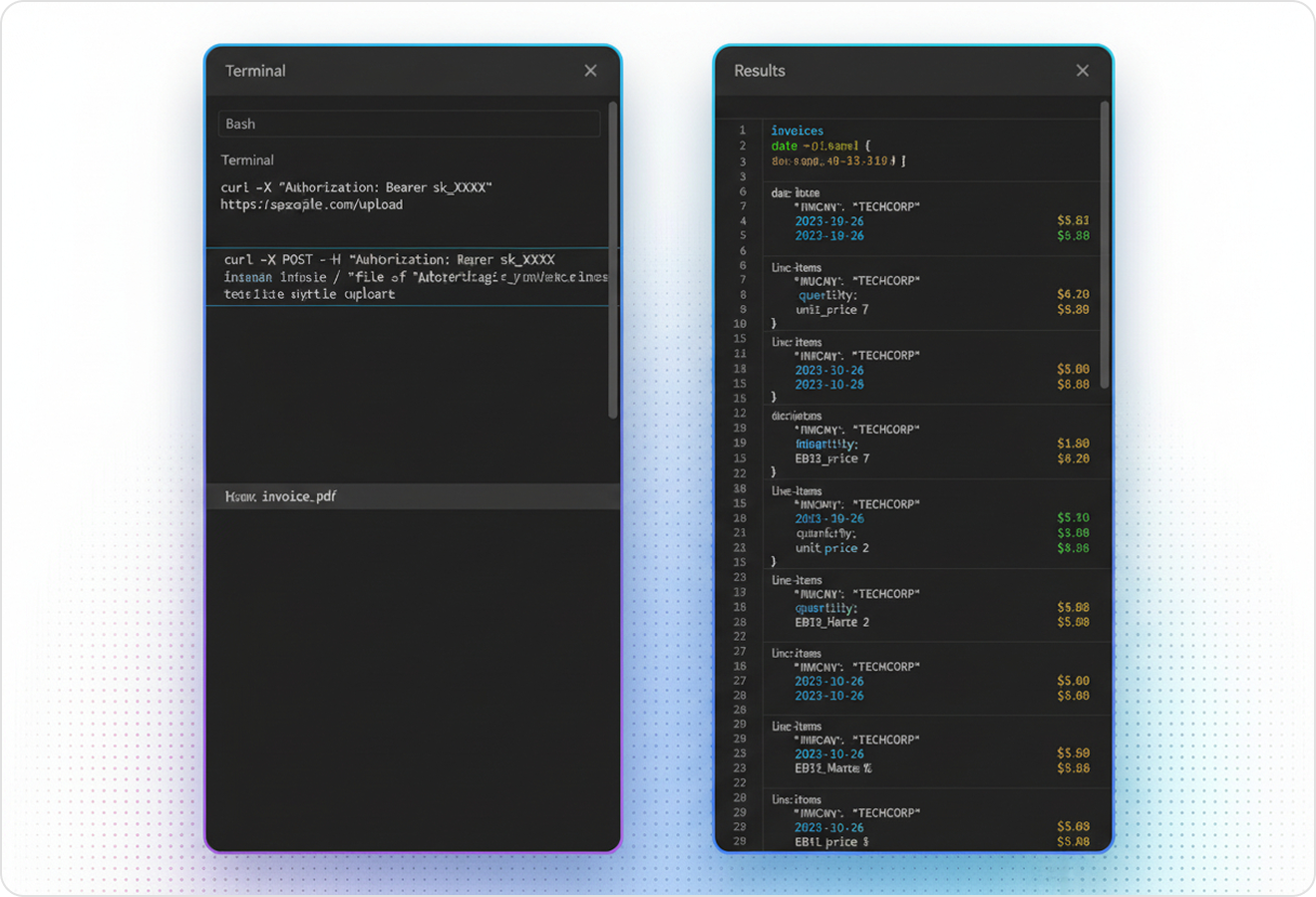
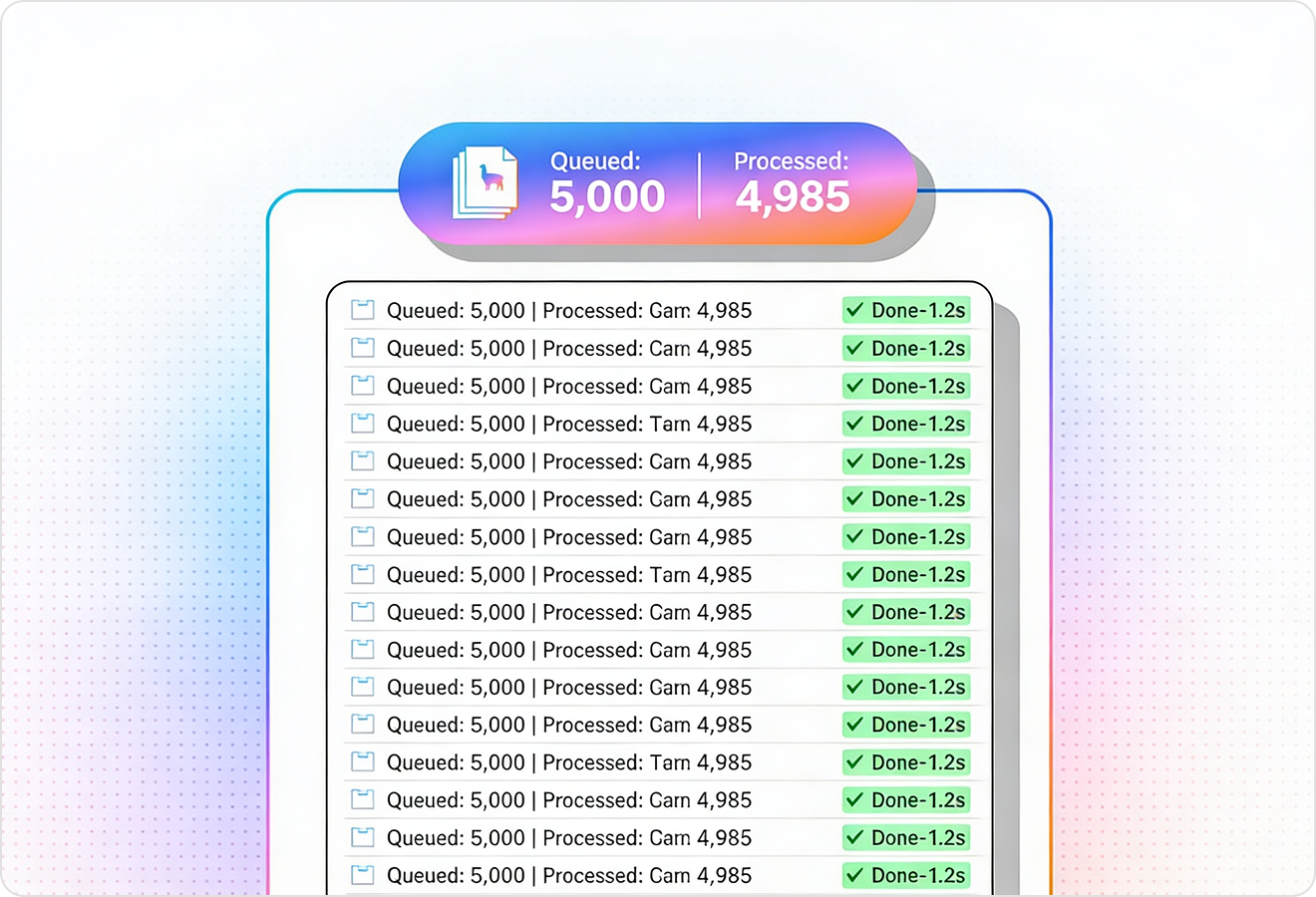
Routes each page to the right mix of models (text, vision, and reasoning) so scans, dense layouts, and clean digital PDFs are handled appropriately. You get strong accuracy without overpaying for heavyweight processing on every page.
Technical OCR documentation
Explore our developer guides to easily connect your document pipelines to LlamaParse.
Explore the documentation
Our AI catches the typos that tired eyes miss.

Export to Excel, JSON, XML, or directly via API.

SOC2 Type II compliant with end-to-end encryption.

Train the tool on your specific forms in minutes, not days.

Average processing time of <3 seconds per page.
LlamaParse’s support of a wide variety of filetypes and its accuracy of parsing made it the best tool we tested in our evaluations. The LlamaIndex team was very responsive and we were off to the races within a day.
Common FAQs
01
It’s layout-aware, so it detects columns, sections, and page structure to return coherent, correctly ordered text. That means your chunking, search, and downstream extraction stay stable even when layouts vary across pages.
02
The API extracts tables while preserving true row/column relationships, including merged cells and multi-page tables. You get structured outputs you can trust—without brittle heuristics or time-consuming post-processing.
03
You receive structured JSON plus metadata such as page numbers, element types, and spatial coordinates for each extracted node. This makes it easy to store in databases and provide auditable citations back to the exact page and location.
04
Do I need separate pipelines for scanned PDFs versus clean, digital PDFs?
No—Agentic Parsing Auto Mode automatically routes each page to the right mix of text, vision, and reasoning models. You get consistent accuracy across scans and digital documents without manual tuning.
05
How do you keep costs under control if some pages are easy and others are messy?
Auto Mode avoids running heavyweight processing on every page by selecting the most efficient approach per page. You maintain high quality where it matters while preventing unnecessary spend on straightforward content.
06
Can I reliably extract content when PDFs include headers/footers, repeated page elements, or shifting templates?
Yes—the parser identifies headers/footers and structural sections so repeated elements don’t pollute your extracted content. This improves consistency across varying templates and reduces cleanup work for your team.