Nov 14, 2025
Document AI: The Next Evolution of Intelligent Document ProcessingPersona
Industry
Use cases
Xero OCR Invoice Scanning
[ Xero OCR Invoice Scanning ]

Send invoices to LlamaParse and post clean, validated line items into Xero automatically.
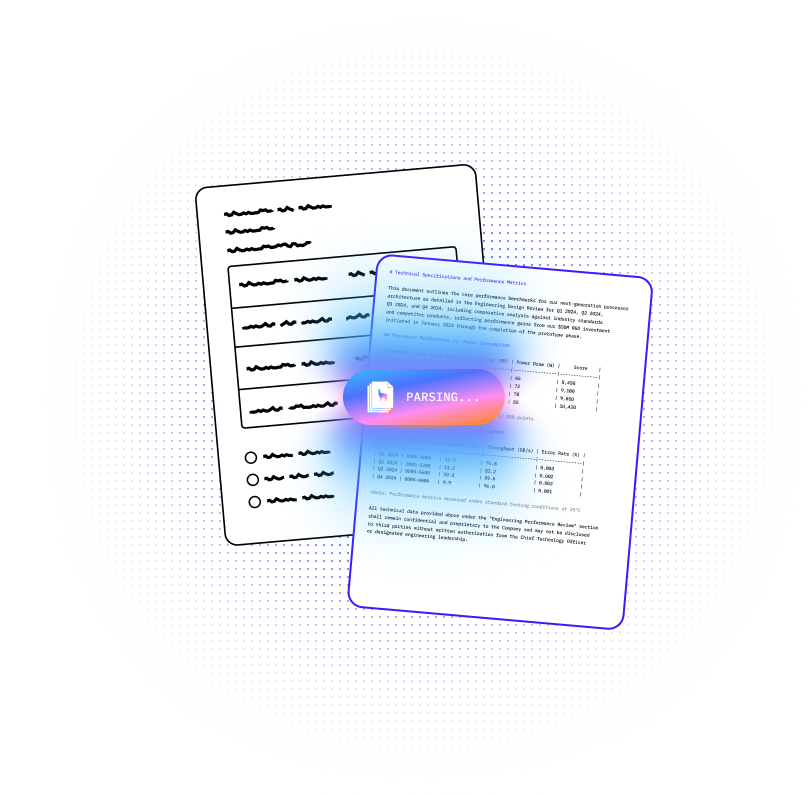
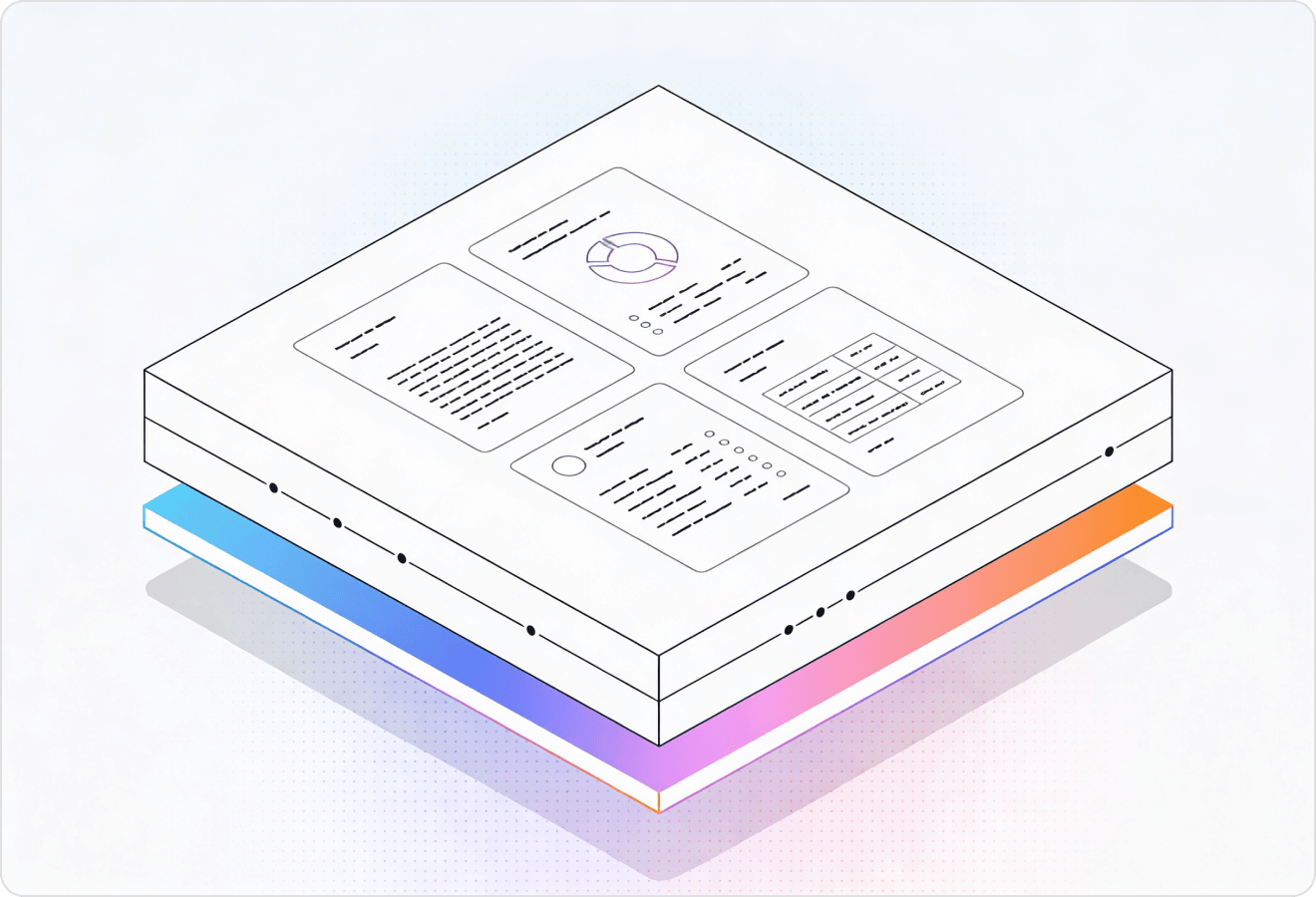
LlamaParse turns messy invoice PDFs and scans into clean, Xero-ready line items, tax codes, and supplier details you can trust. Agentic document parsing understands layout, checks its own work, and returns verifiable JSON or structured output to cut rekeying and exceptions.
Best-in-Class Accuracy

Automatically convert emailed and scanned supplier invoices into clean, structured JSON that can be pushed into Xero with line-item accuracy, so the team doesn’t drown in manual coding and approvals. Use agentic document parsing to handle layout changes and messy PDFs without building brittle extraction rules, keeping close-time predictable as invoice volume spikes.

Extract itemized invoice details across multi-page PDFs—materials, labor, taxes, retention, and job references—without tables getting scrambled, then map them to Xero tracking categories for job costing. When suppliers change invoice formats mid-project, layout-aware parsing and validation loops reduce rework and prevent misallocated costs hitting the wrong project.

Parse carrier invoices, accessorial charges, and fuel surcharges from complex rate tables, producing auditable outputs with page-level citations for quick dispute resolution and faster approvals. Multimodal understanding captures crucial context like service levels and zone tables so finance can reconcile against quotes and shipments before posting to Xero.

Turn vendor bills and utilities invoices into structured data that routes to the right property, unit, and owner ledger in Xero, even when invoices include multi-column breakdowns and embedded summaries. Granular metadata and confidence scoring make exceptions easy to review, reducing late fees and keeping month-end statements accurate without adding headcount.
The Solution
01
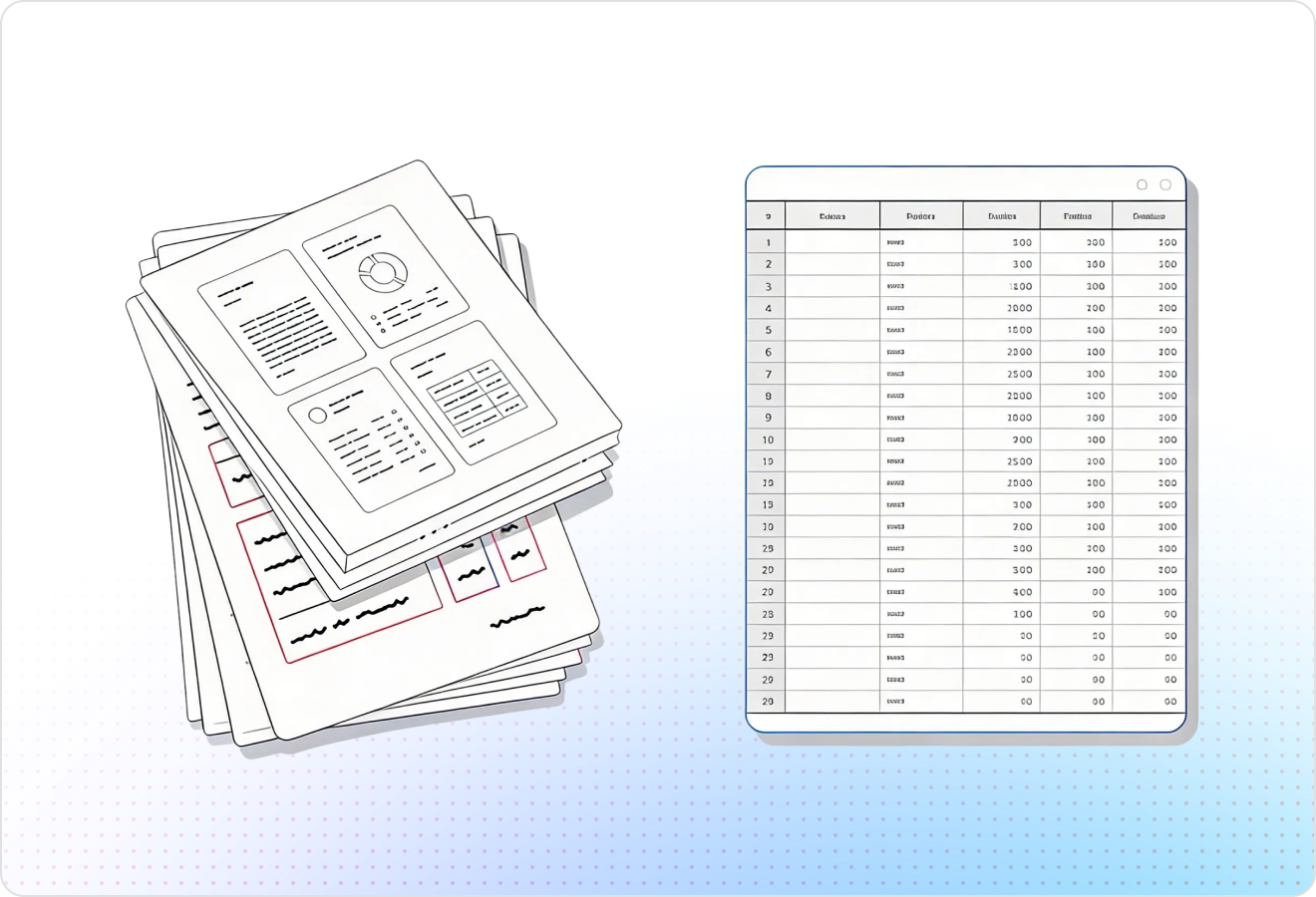
LlamaParse is layout-aware, so it preserves reading order and reliably extracts line-item tables, totals, and tax breakdowns from real-world invoice formats. That means your Xero invoice scanning pipeline keeps amounts and descriptions aligned, even when vendors change templates or use multi-column layouts.
02
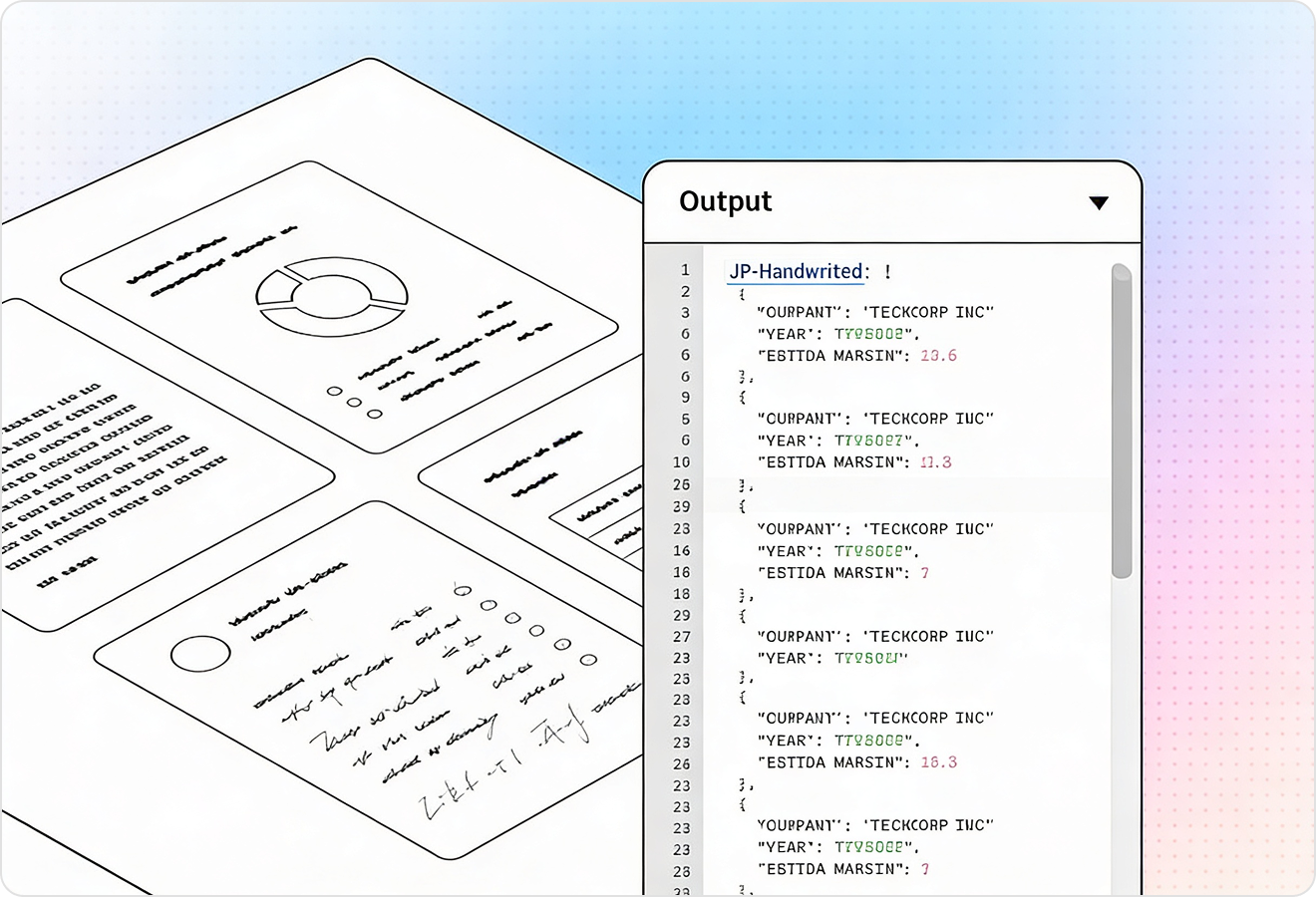
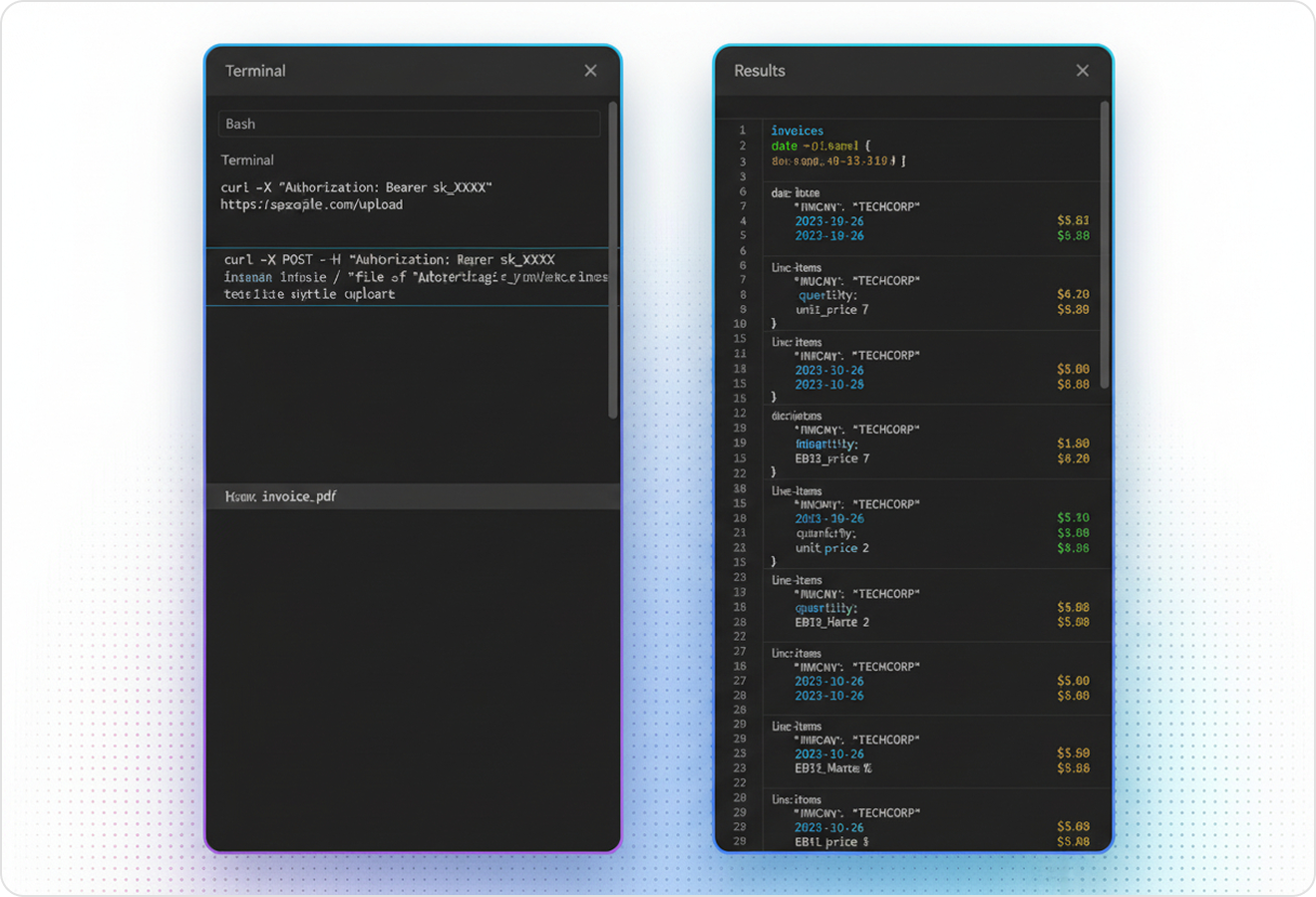
JSON Mode returns clean, structured output you can map directly to Xero-ready fields like supplier name, invoice number, due date, currency, subtotal, tax, and total. You also get granular metadata (page and coordinates) so you can trace every captured value back to the source for auditability and exception handling.
03
You can steer LlamaParse with plain-English instructions to normalize dates, standardize tax labels (GST/VAT), and extract exactly the keys your Xero integration expects. This reduces brittle post-processing code and keeps the output consistent across suppliers, regions, and invoice style.
04
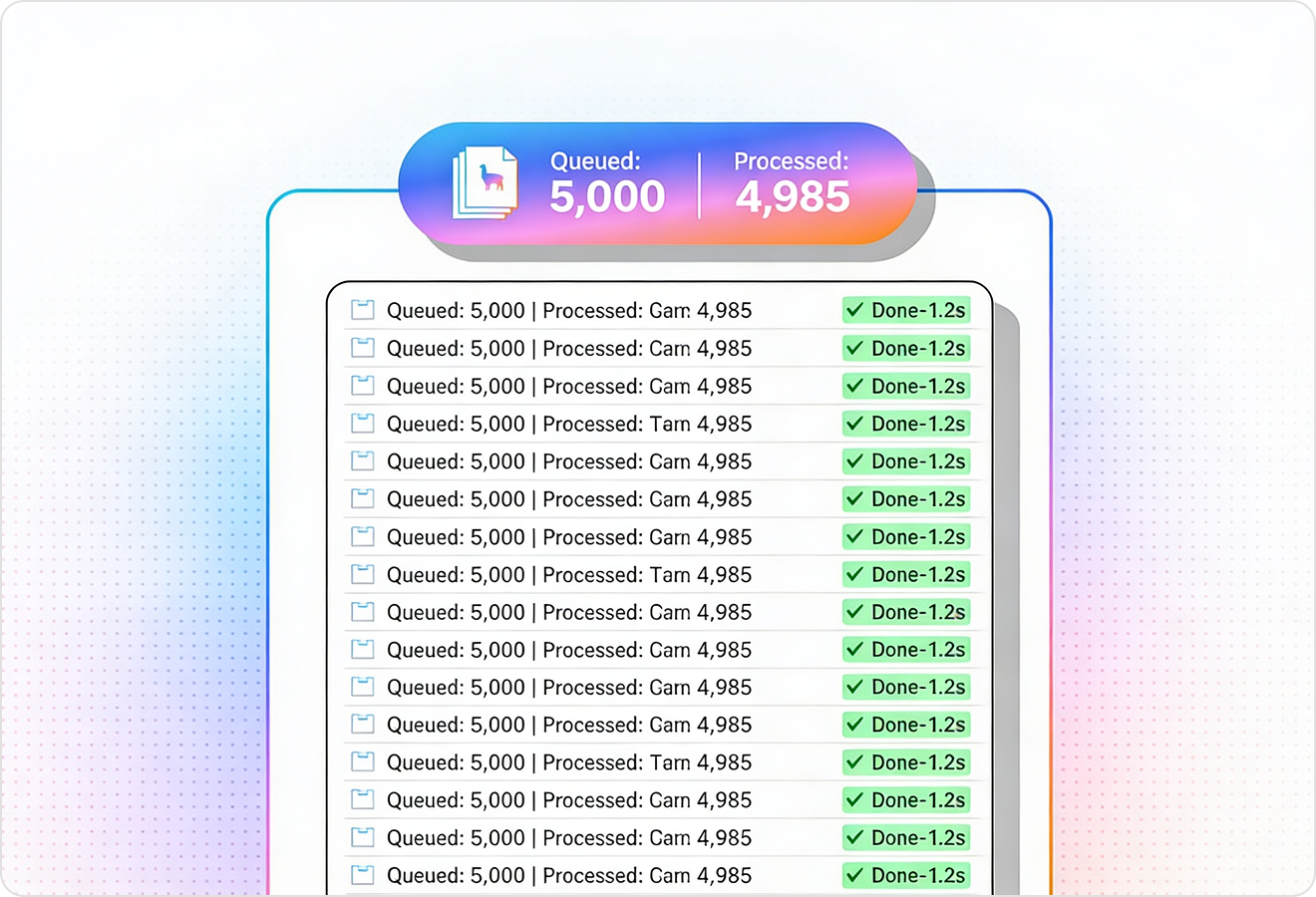
LlamaParse runs validation and auto-correction steps to catch common invoice issues like mismatched totals, missing tax lines, or misread decimals on low-quality scans. In practice, this improves straight-through processing for Xero invoice scanning and cuts down the number of invoices that need manual review.
Technical OCR documentation
Explore our developer guides to easily connect your document pipelines to LlamaParse.
Explore the documentation
Our AI catches the typos that tired eyes miss.

Export to Excel, JSON, XML, or directly via API.

SOC2 Type II compliant with end-to-end encryption.

Train the tool on your specific forms in minutes, not days.

Average processing time of <3 seconds per page.
LlamaParse’s support of a wide variety of filetypes and its accuracy of parsing made it the best tool we tested in our evaluations. The LlamaIndex team was very responsive and we were off to the races within a day.
Common FAQs
01
Yes. The parser is layout-aware, preserving reading order and reliably extracting line-item tables, totals, and tax breakdowns—even with multi-column invoices or frequent template changes. That keeps descriptions, quantities, and amounts aligned so what lands in Xero matches the source document.
02
You get structured JSON you can map directly to Xero-ready fields like supplier name, invoice number, invoice/due dates, currency, subtotal, tax, and total. Because the output is consistent, you spend less time building fragile parsing rules and more time automating approvals and posting.
03
Yes—define plain-English extraction rules to normalize dates, standardize tax labels (GST/VAT), and return exactly the keys your Xero integration expects. This reduces messy post-processing and keeps results consistent across regions, vendors, and invoice styles.
04
How do you prevent common OCR errors like wrong decimals or mismatched totals?
The system runs self-correcting validation loops to catch issues like misread decimals, missing tax lines, and totals that don’t add up. When something looks off, it flags or corrects it before it hits Xero, reducing manual review and rework.
05
Can I audit where each extracted value came from on the invoice?
Yes. Alongside each captured field, you can retain page and coordinate metadata so you can trace values back to the exact spot on the document. This makes exception handling faster and supports audit and compliance workflows.
06
How quickly can we implement this in our Xero invoice scanning pipeline?
Most teams integrate quickly because the output is already structured as clean JSON that maps neatly to Xero fields. Start with your required schema and rules, then iterate on edge cases as they appear—without rewriting your pipeline every time a vendor changes their format.