Nov 14, 2025
Document AI: The Next Evolution of Intelligent Document ProcessingPersona
Industry
Use cases
Power Of Attorney OCR
[ Power Of Attorney OCR ]

Use LlamaParse to turn power of attorney PDFs into clean, verified JSON your systems can trust.
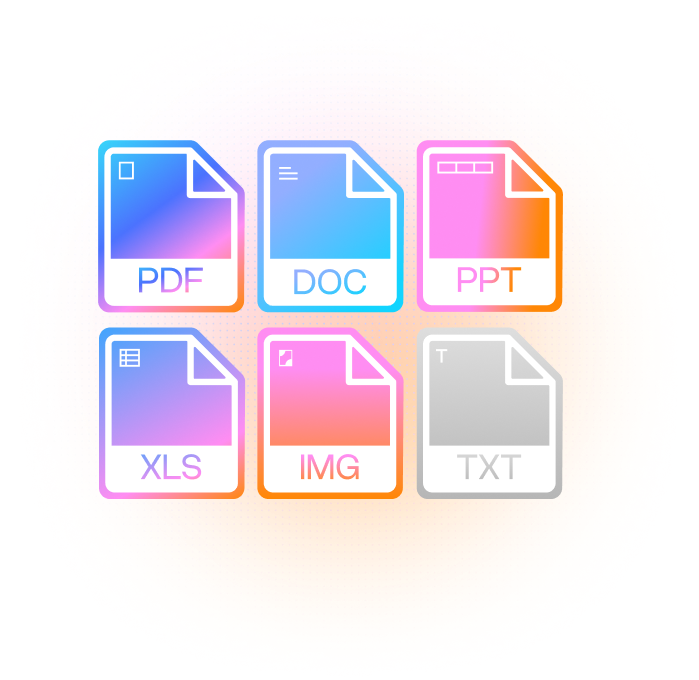
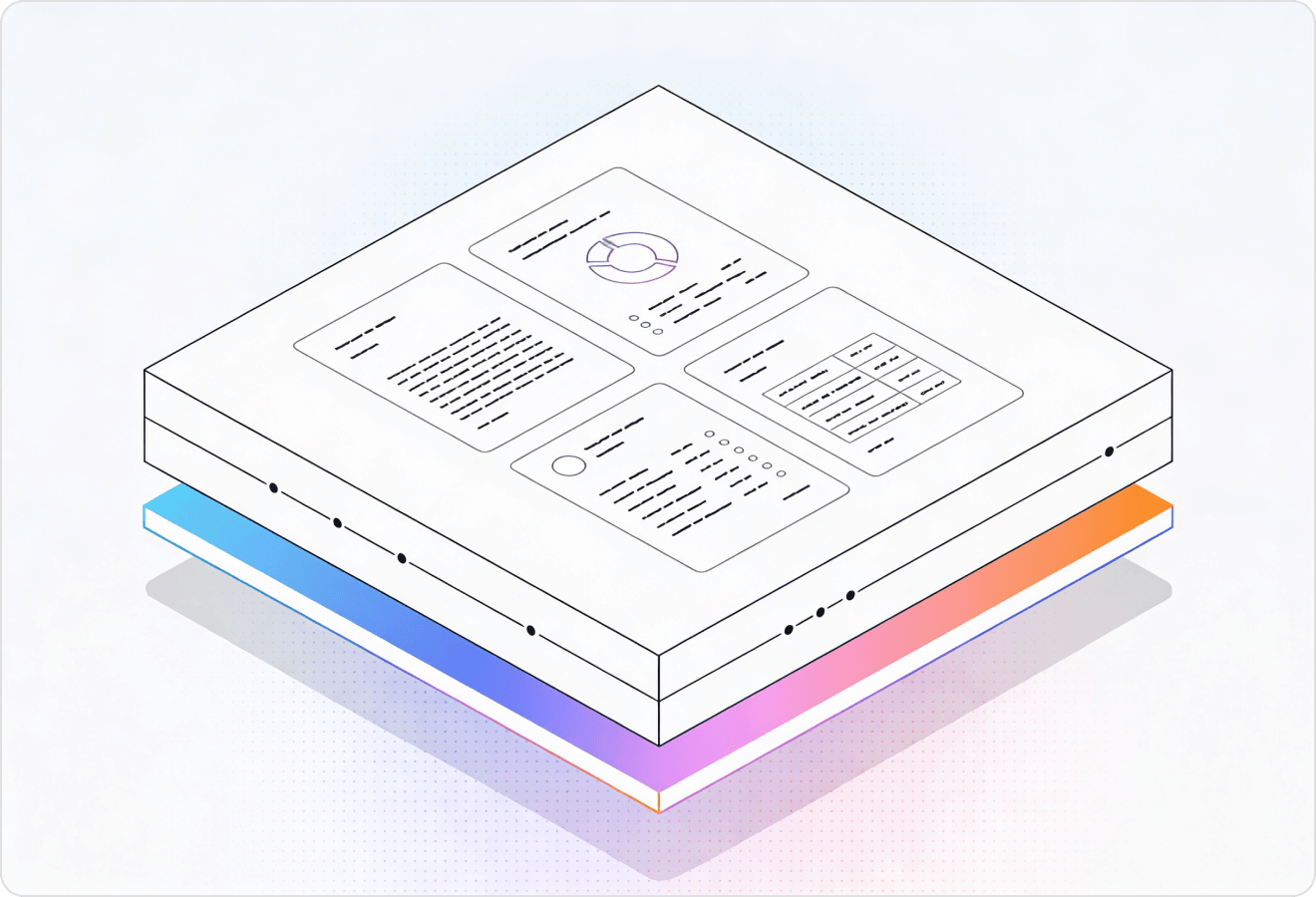
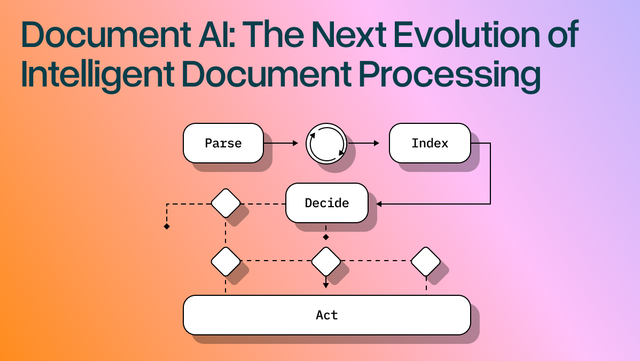
LlamaParse turns scanned and digital power of attorney packets into clean, structured JSON or Markdown you can validate and push downstream. It stays reliable across messy layouts, initials, stamps, and tables, with citations and confidence scores to reduce manual review.
Best-in-Class Accuracy

Turn scanned power of attorney packets into clean, structured JSON with citations so staff can instantly validate names, dates, granted powers, and notarization details. Layout-aware parsing prevents missed signature blocks and scrambled multi-page exhibits, reducing rework and accelerating client onboarding.

Automatically extract and verify POA authority scope (trading, withdrawals, beneficiary changes) to unblock account servicing while meeting audit and KYC requirements. LlamaParse preserves reading order across dense clauses and attachments, so compliance teams can trace every decision back to the exact page and line.

Parse medical POAs to confirm who can consent, access records, or make treatment decisions, even when forms include mixed templates, stamps, and handwritten fields. Multimodal parsing captures checkboxes, initials, and witness sections reliably, reducing HIPAA-related delays and preventing unauthorized disclosures.

Ship POA ingestion in days by using natural-language parsing instructions to map extracted fields directly into your product schema without brittle regex pipelines. Auto-routing applies heavier agentic processing only to the messy pages, keeping unit economics predictable while maintaining high straight-through processing.
The Solution
01
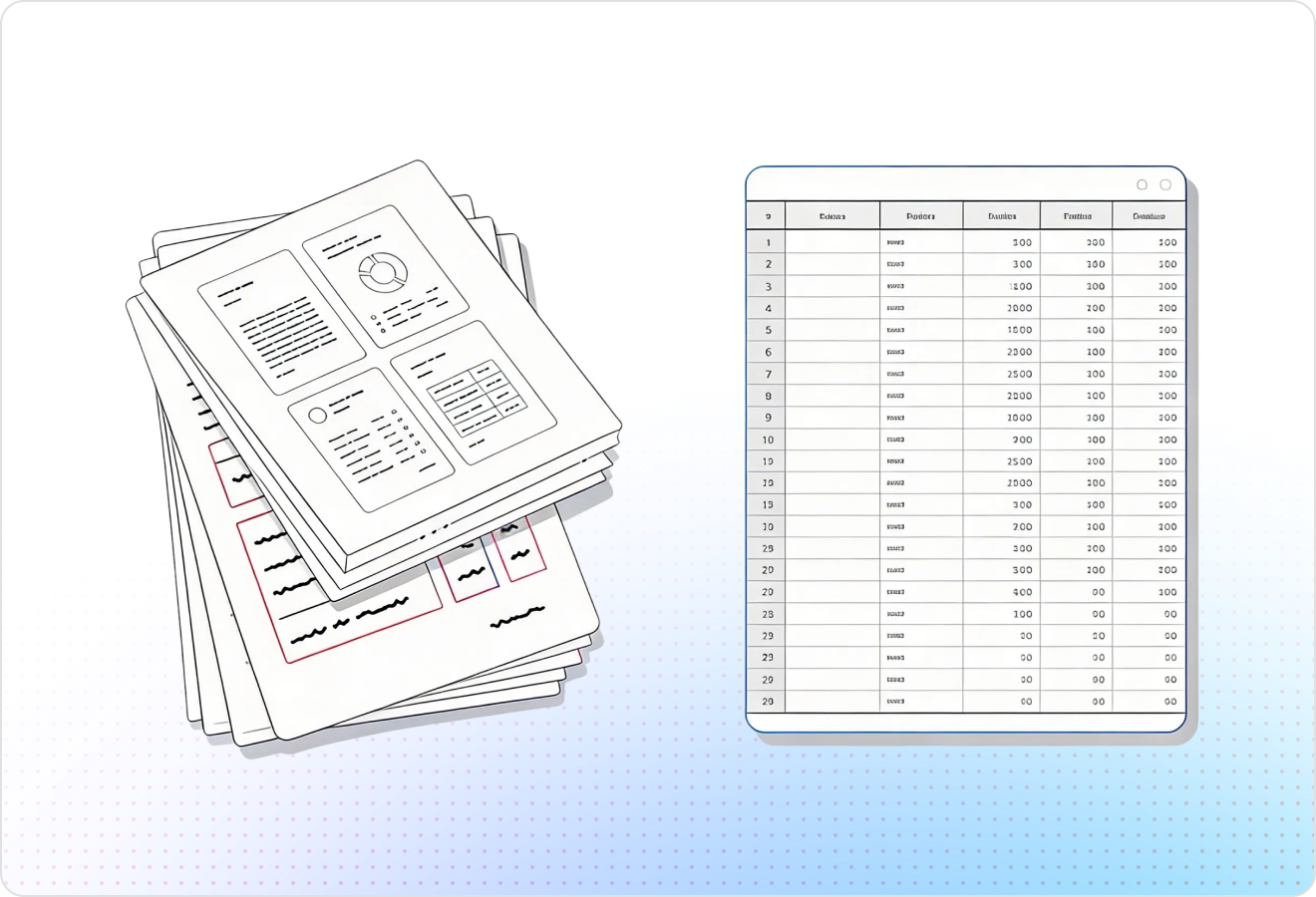
LlamaParse detects document structure like headings, numbered clauses, and multi-column sections so a power of attorney reads in the right order. This prevents scrambled text that can break downstream extraction of principal/agent names, powers granted, and limitations.
02
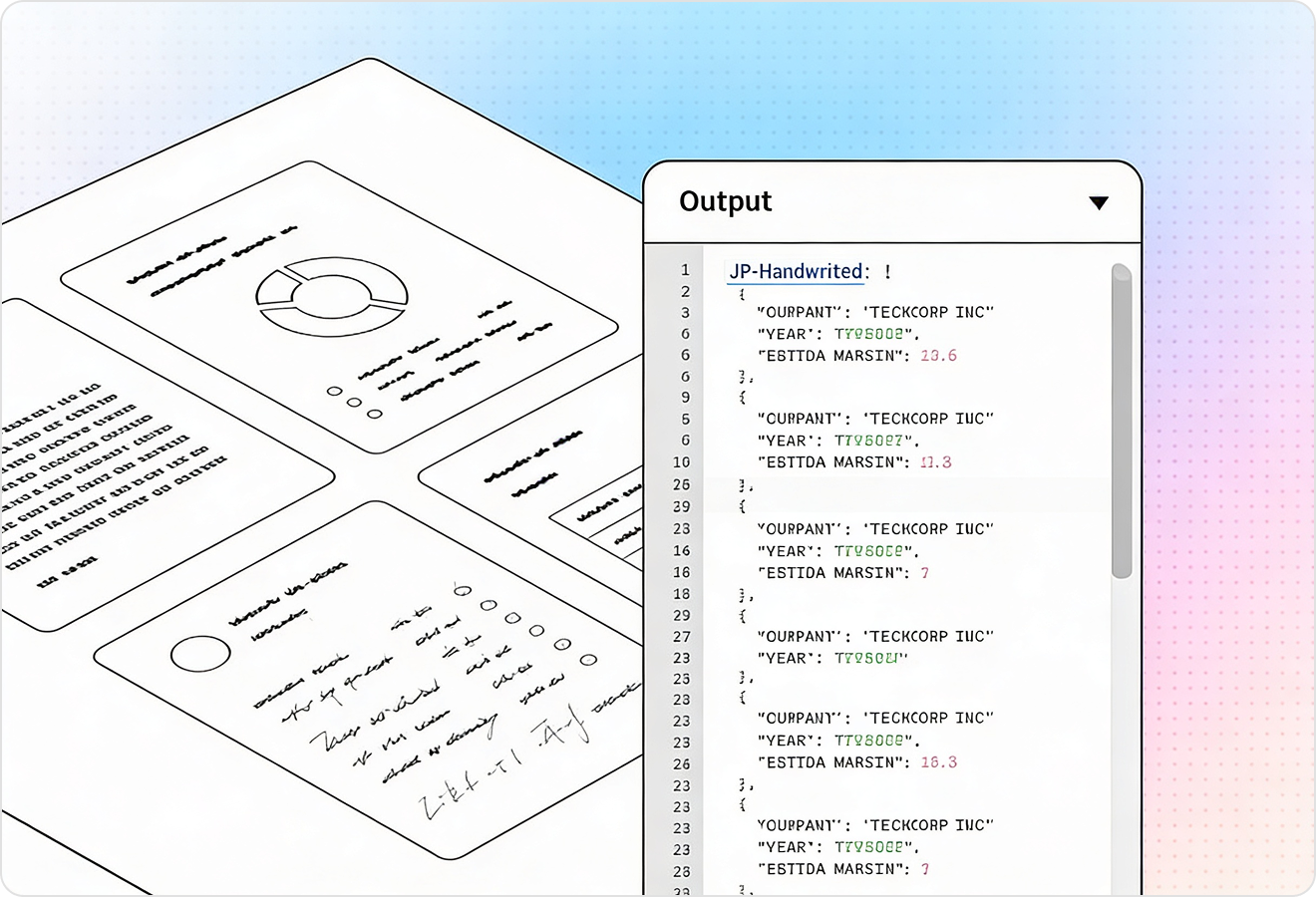
LlamaParse’s multimodal parsing interprets non-text elements like signature blocks, initials, stamps, and notary sections instead of dropping them as “images.” That makes it easier to verify execution details such as signed-by fields, notarization presence, and page-level attachments.
03
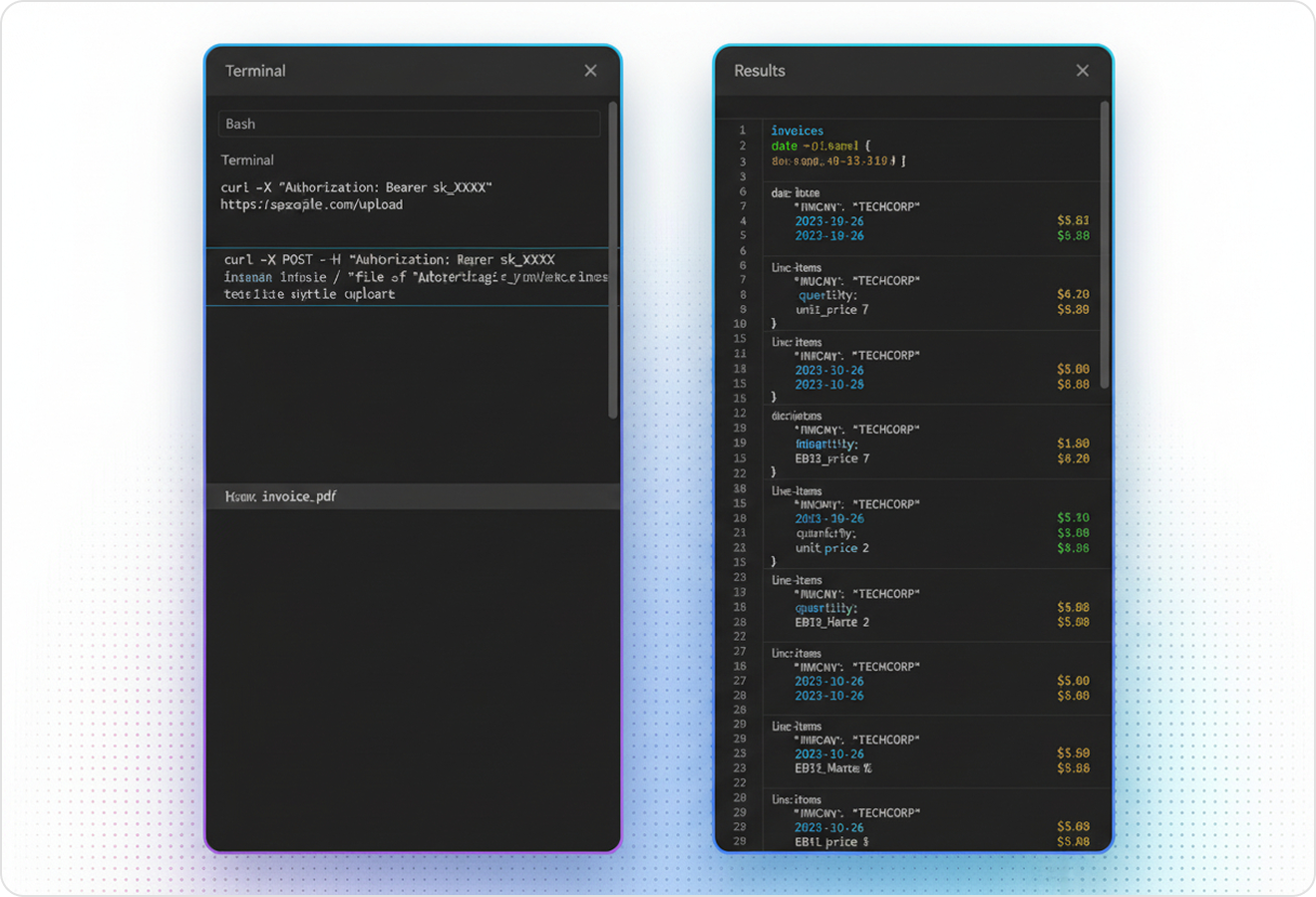
You can provide natural-language parsing instructions to pull the exact POA fields you care about, like effective date, expiration, jurisdiction, and specific authority categories. This reduces custom post-processing code and keeps the output aligned with your compliance checklist.
04
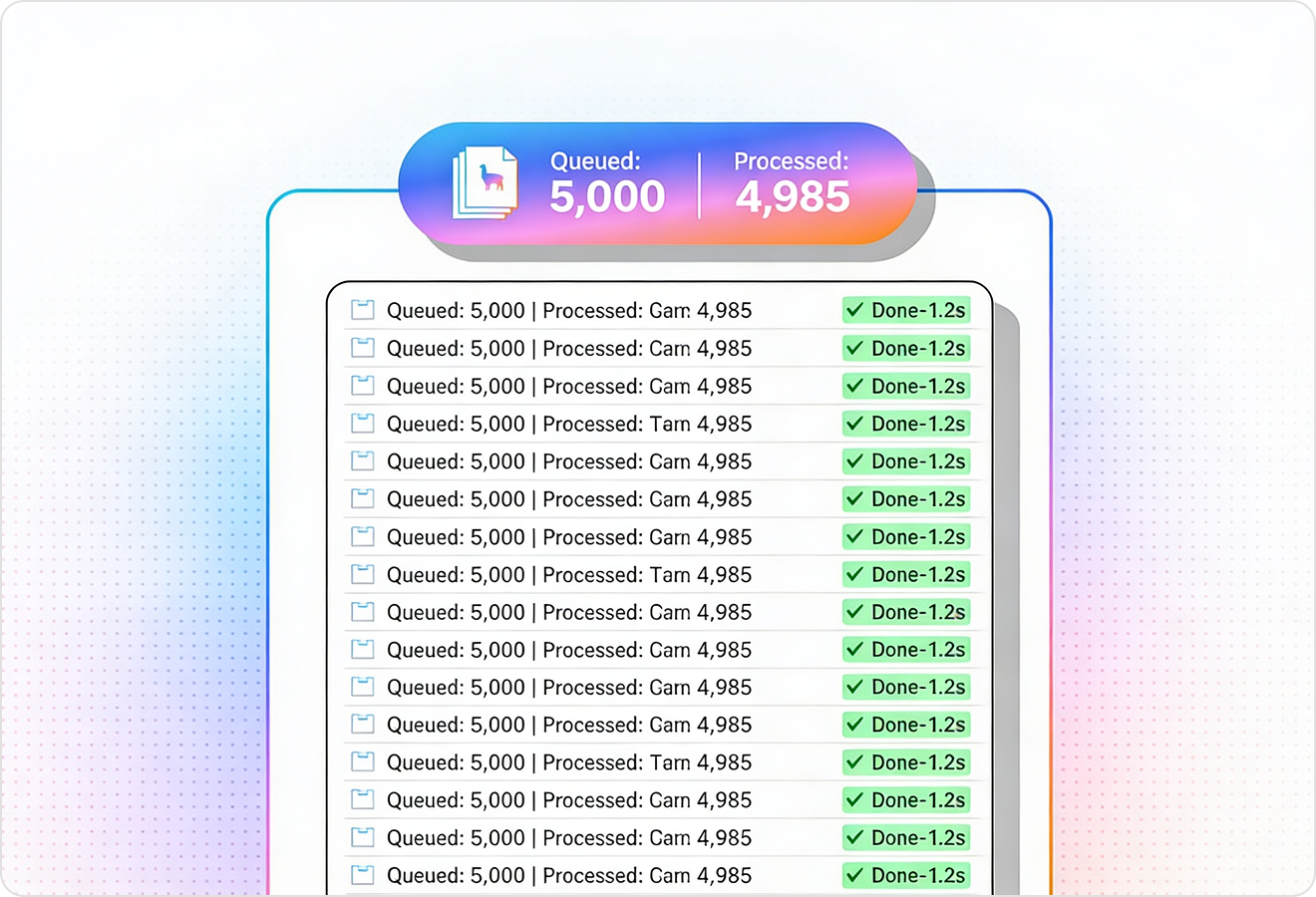
LlamaParse can return structured JSON with granular metadata like page numbers and element locations for each extracted value. For power of attorney review, that traceability lets you cite where each critical detail came from and route low-confidence fields to human validation.
Technical OCR documentation
Explore our developer guides to easily connect your document pipelines to LlamaParse.
Explore the documentation
Our AI catches the typos that tired eyes miss.

Export to Excel, JSON, XML, or directly via API.

SOC2 Type II compliant with end-to-end encryption.

Train the tool on your specific forms in minutes, not days.

Average processing time of <3 seconds per page.
LlamaParse’s support of a wide variety of filetypes and its accuracy of parsing made it the best tool we tested in our evaluations. The LlamaIndex team was very responsive and we were off to the races within a day.
The engine room
01
Yes—our layout-aware parsing detects headings, clause numbering, and multi-column sections so the POA is read in the intended order. This helps prevent scrambled text that can cause missed or misassigned details like principal/agent names, granted powers, and limitations.
02
We interpret key non-text elements like signature blocks, initials, stamps, and notary sections instead of ignoring them. That makes it easier to confirm execution details and quickly flag documents that are missing required signatures or notarization.
03
You can provide simple, natural-language instructions to pull the specific POA fields your workflow requires. This reduces custom post-processing and helps keep outputs aligned with your internal review or compliance checklist.
04
Do you return structured JSON, and can we trace each extracted value back to the source in the document?
Yes—outputs can be returned as structured JSON with citations such as page numbers and element locations for each value. This traceability supports audits, reduces reviewer time, and makes it easy to route low-confidence fields to human validation.
05
How does this reduce review errors and back-and-forth when verifying a POA?
By preserving document structure and capturing execution elements like signatures and notary details, reviewers get a clearer, more complete record on the first pass. With cited JSON fields, your team can verify critical details in seconds instead of hunting through pages.
06
How quickly can we integrate this into our POA workflow without a large engineering effort?
Most teams start by sending documents for parsing and receiving a clean JSON payload that drops directly into their existing systems. Because extraction can be guided with instructions, you can iterate on required fields quickly without rebuilding complex rules.
Explore Our Resources