Nov 14, 2025
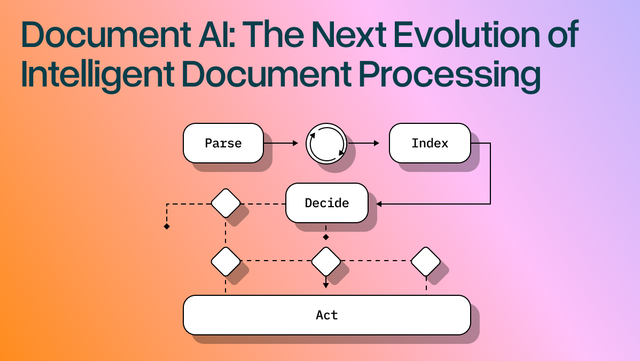
Document AI: The Next Evolution of Intelligent Document ProcessingPersona
Industry
Use cases
Discovery Request OCR
[ Discovery Request OCR ]

Use LlamaParse to pull fields from messy discovery PDFs with layout-aware accuracy and citations.
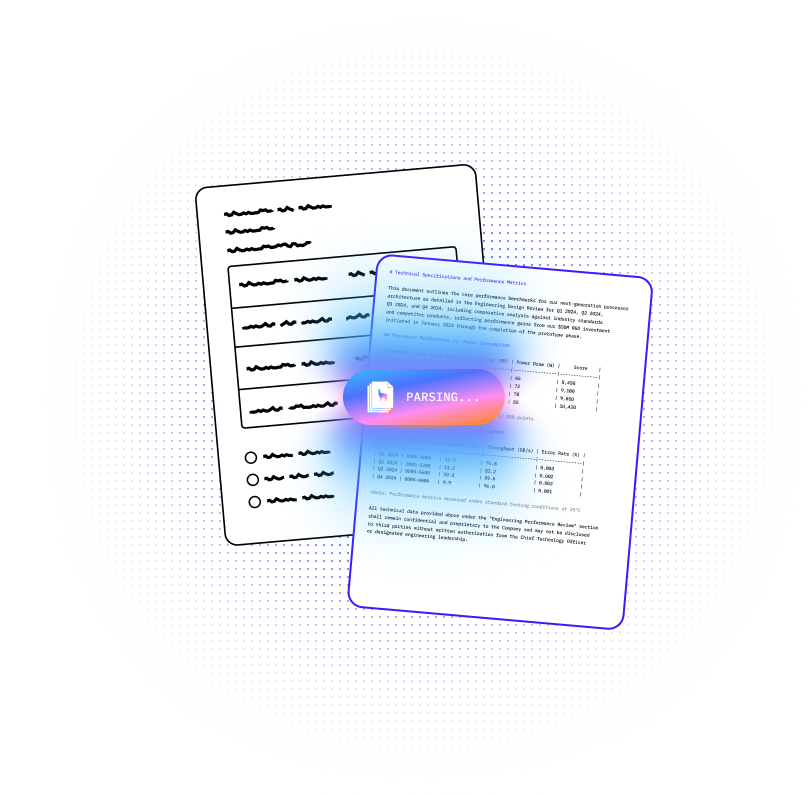


LlamaParse turns messy discovery requests and attachments into structured, AI-ready fields so your team can route, compare, and action them fast. Layout-aware parsing handles tables, scans, and mixed formats with validation and citations, reducing rework and boosting straight-through processing.
Best-in-Class Accuracy

Ship “discovery request” intake in days by using LlamaParse to turn messy PDFs and scanned forms into clean JSON/Markdown that your app can route, dedupe, and auto-fill. Natural-language parsing instructions let you change fields and schemas without brittle regex whenever customers tweak their templates.

Convert discovery requests, production logs, and exhibits into structured outputs with citations and confidence so teams can verify extractions and defend them under scrutiny. Layout-aware parsing preserves tables, headings, and numbering so requests and responses stay tied to the exact clauses they reference.

Ingest discovery-style document requests, adjuster notes, and supporting evidence with agentic parsing that handles low-quality scans, multi-column forms, and embedded photos without constant retraining. Tier-based processing routes simple pages to lower-cost modes and escalates only the complex ones, keeping per-claim processing predictable.

Parse RFIs, change orders, and bid packages that include schedules, spec tables, and diagrams, then output normalized Markdown/JSON that can populate your project system automatically. Multimodal parsing converts charts and plan callouts into machine-readable data so teams can search requirements and catch scope mismatches earlier.
The Solution
01
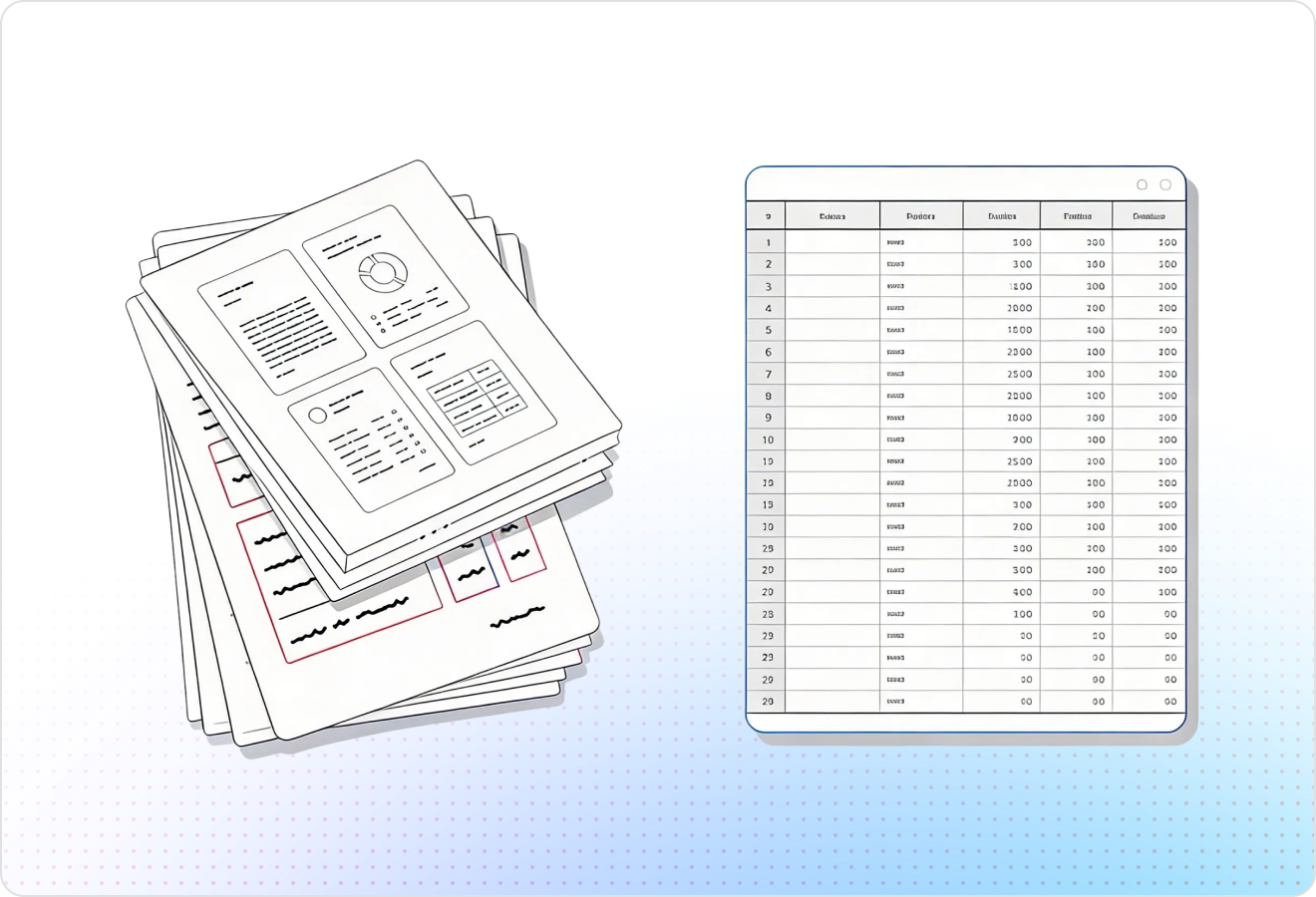
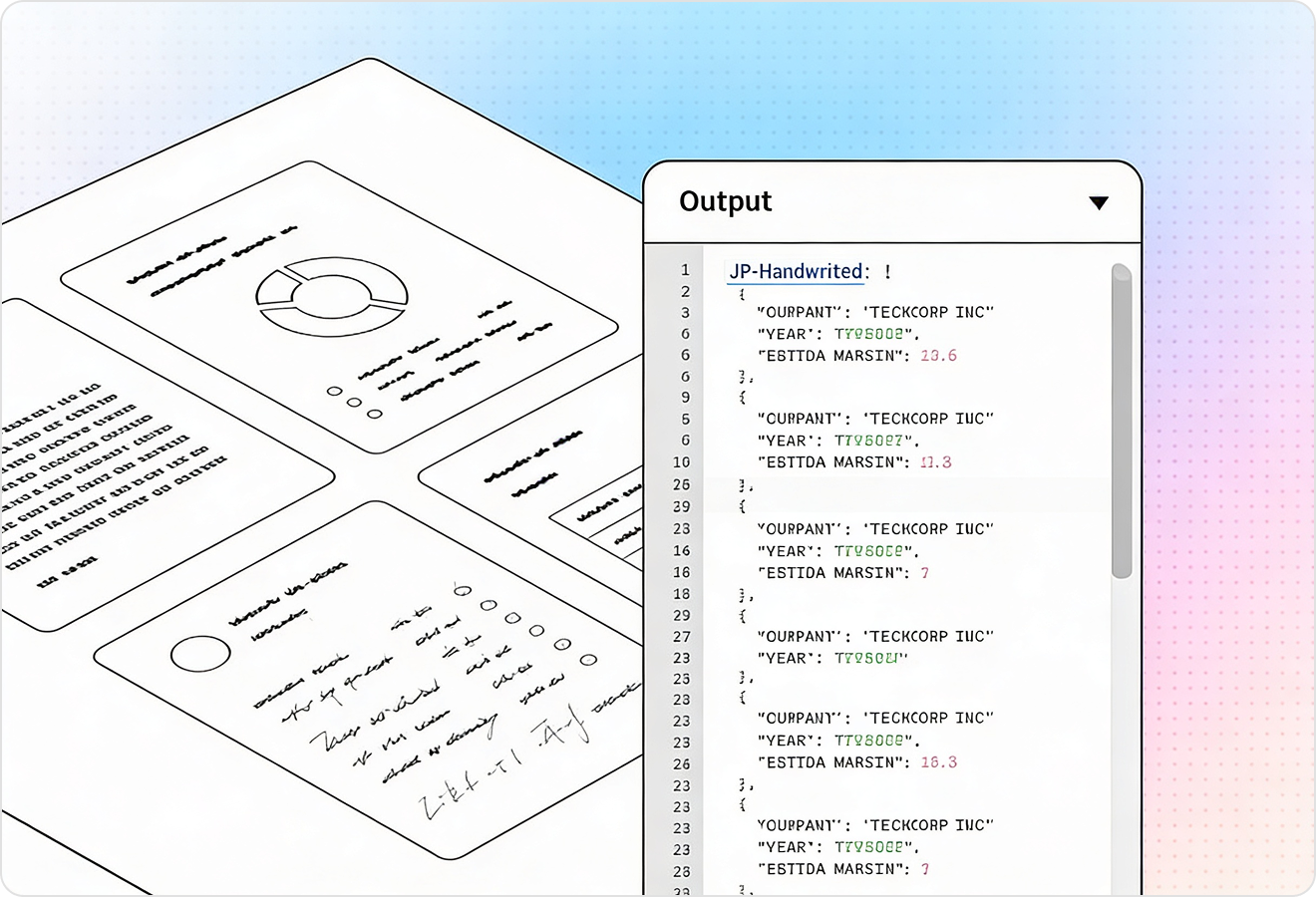
LlamaParse understands page layout and reading order so multi-column discovery requests, headers/footers, and callouts don’t get scrambled. That means you can reliably capture parties, case numbers, dates, and numbered requests without writing brittle post-processing rules.
02
LlamaParse pulls tables and grid-like sections into clean, structured output instead of flattened text. For discovery requests, this preserves request-by-request entries, exhibits lists, and response matrices so downstream systems can track status and obligations precisely.
03
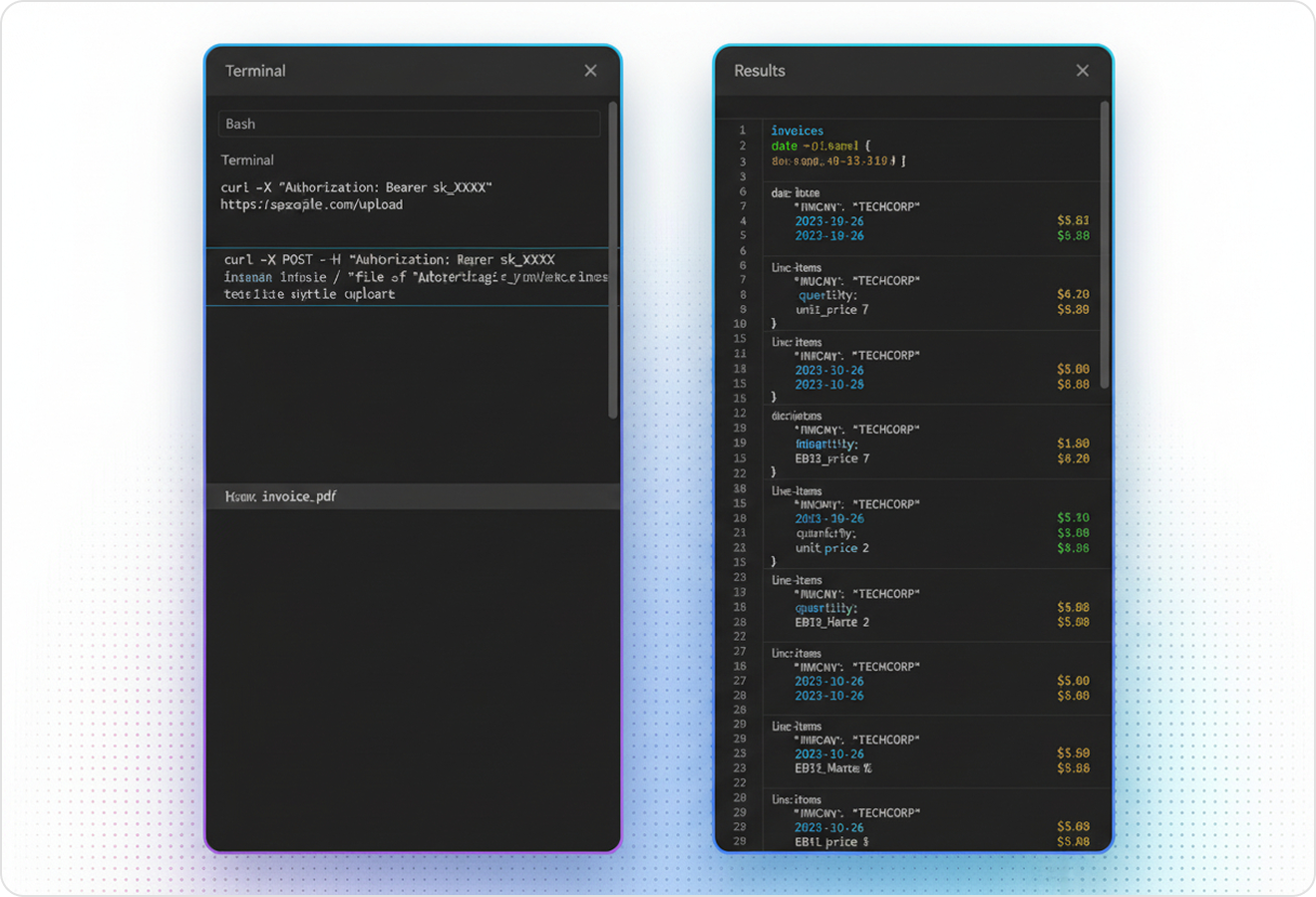
LlamaParse can return structured JSON plus metadata like page references and element boundaries for traceability. This makes it easy to map each extracted request to its source location, which is critical when reviewing, auditing, or QA’ing legal extraction results.
04
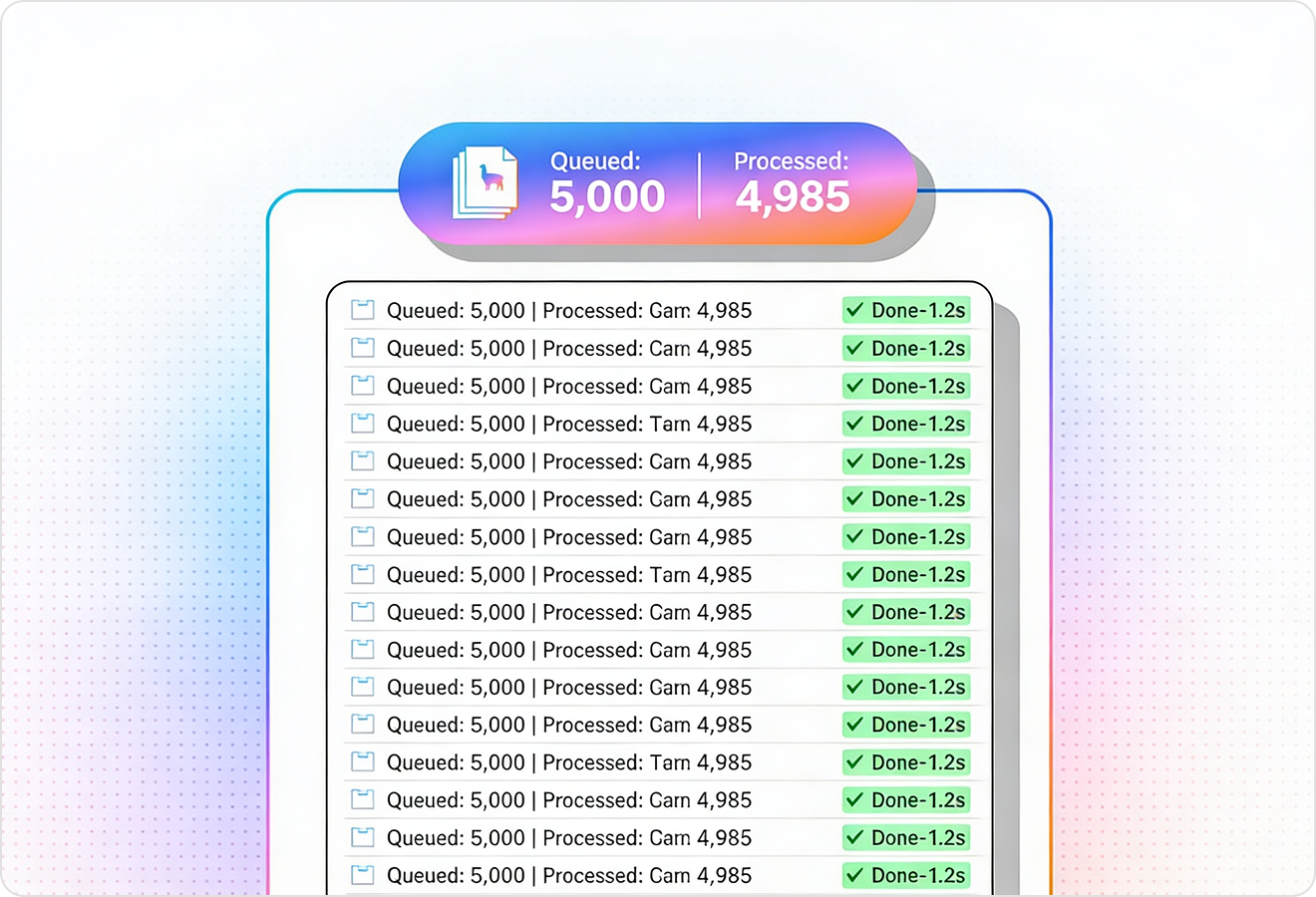
LlamaParse uses self-correction and validation steps to catch common parsing errors on messy scans and inconsistent templates. In discovery workflows, that reduces missed requests and wrong fields, improving straight-through processing before human review.
Technical OCR documentation
Explore our developer guides to easily connect your document pipelines to LlamaParse.
Explore the documentation
Our AI catches the typos that tired eyes miss.

Export to Excel, JSON, XML, or directly via API.

SOC2 Type II compliant with end-to-end encryption.

Train the tool on your specific forms in minutes, not days.

Average processing time of <3 seconds per page.
LlamaParse’s support of a wide variety of filetypes and its accuracy of parsing made it the best tool we tested in our evaluations. The LlamaIndex team was very responsive and we were off to the races within a day.
Common FAQs
01
It’s layout-aware, so it follows the page’s reading order and understands columns, headers/footers, and callouts. That means numbered requests, parties, case numbers, and dates are captured in the right sequence without brittle cleanup rules.
02
Yes—tables and grid-like sections are extracted into clean, structured output instead of flattened text. This preserves request-by-request entries so you can track obligations, due dates, and response status downstream.
03
You can output structured JSON that’s easy to transform into your schema for requests, subparts, and metadata. This reduces manual formatting and helps you automate intake, routing, and task creation faster.
04
How do you support auditability and quality checks for legal teams?
Each extracted item can include citations like page references and element boundaries, so reviewers can quickly verify where the data came from. That traceability makes audits, QC, and exception handling far more reliable.
05
What happens with messy scans, inconsistent templates, or imperfect PDFs?
Auto validation loops add self-correction steps that catch common errors like missed fields, broken numbering, or misread sections. You get more consistent extraction before human review, which reduces rework and downstream risk.
06
How much manual post-processing will we still need to do?
Most teams see a major reduction because layout-aware parsing, accurate table extraction, and validation eliminate the common “cleanup scripts” that break on new formats. You can still review and approve, but you’ll spend far less time fixing ordering issues or rekeying data.