Nov 14, 2025
Document AI: The Next Evolution of Intelligent Document ProcessingPersona
Industry
Use cases
PDF OCR Scanner
[ PDF OCR Scanner ]

Use LlamaParse to extract clean, layout-aware text and tables from messy scans in minutes.
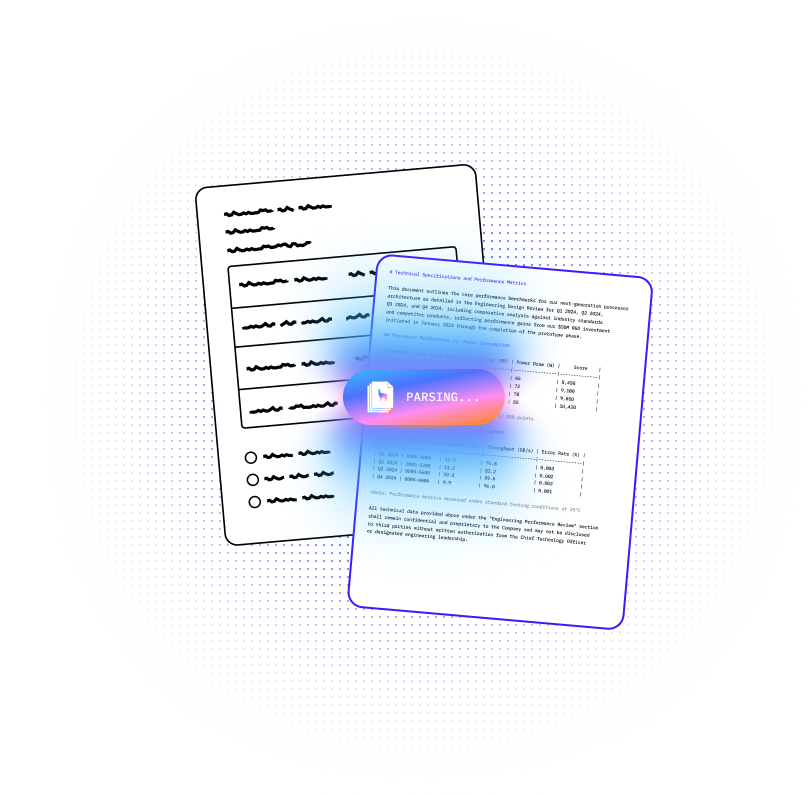
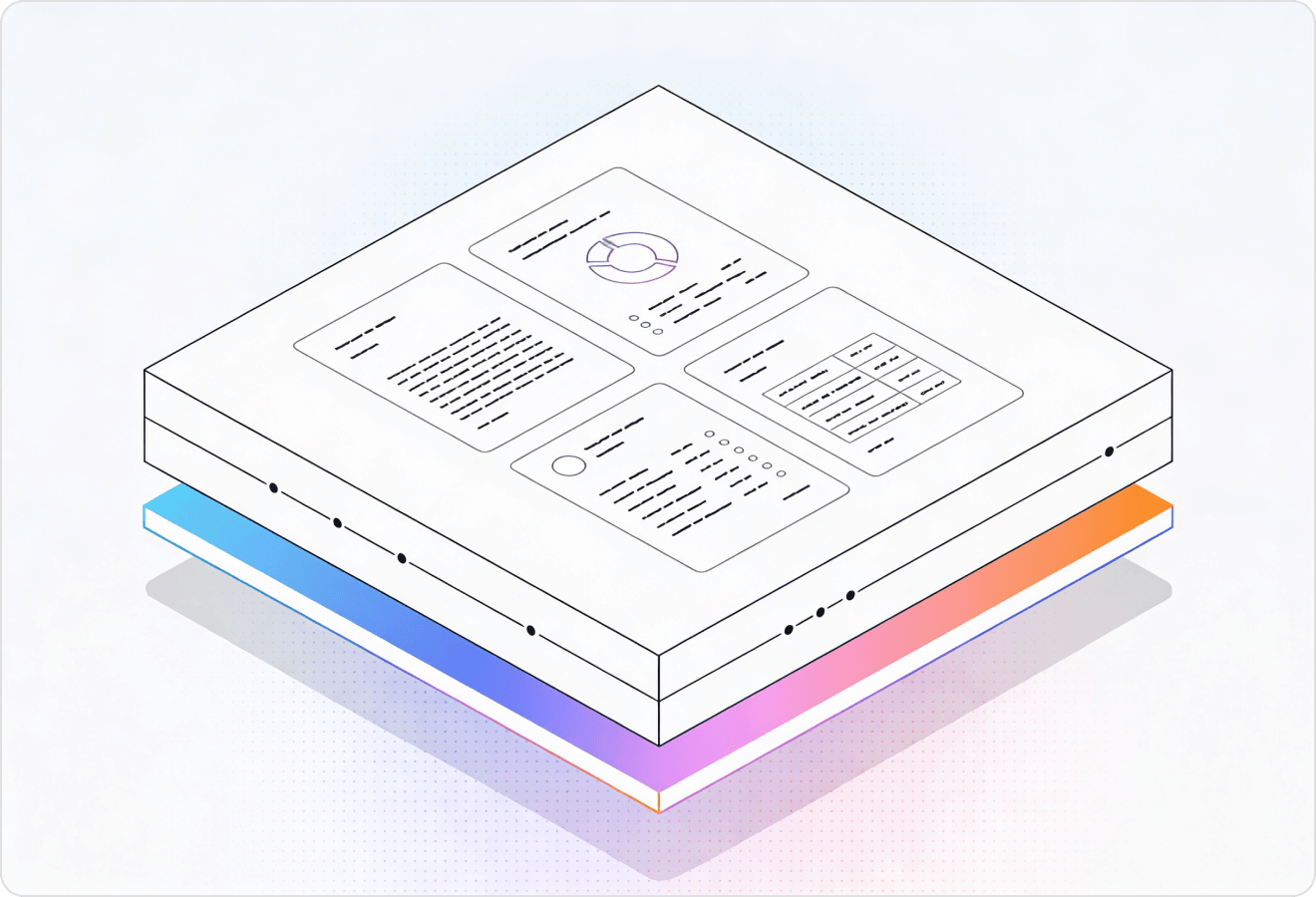
LlamaParse converts messy PDFs into clean, structured outputs you can index, search, and pipe into downstream workflows in minutes. It understands layout, tables, and embedded visuals with validation loops and traceable metadata, so your scanner results stay accurate at scale.
Best-in-Class Accuracy

Turn inbound PDFs like pitch decks, invoices, contracts, and customer questionnaires into clean Markdown or JSON your product can actually use without building a brittle parsing pipeline. LlamaParse preserves reading order and tables, so your team can ship document-driven workflows in days instead of losing cycles to broken OCR edge cases.

Extract line-item tables from statements, loss runs, and policy packets without scrambled columns, then export structured JSON with page-level traceability for audits. Agentic parsing handles messy scans and mixed layouts and uses validation loops to reduce exception queues and manual rekeying.

Parse multi-column filings, exhibits, and scanned agreements into structured sections and citations so attorneys can search and review the exact clause that matters. Granular metadata and confidence signals support defensible review workflows by keeping every extracted claim tied back to its source page and coordinates.

Convert purchase orders, bills of lading, packing lists, and spec sheets into normalized data even when tables span pages or include irregular formatting. Multimodal parsing captures diagrams, labels, and quality tables so teams can automate receiving, compliance checks, and ERP updates without manual clean-up.
The Solution
01
LlamaParse analyzes page structure to keep multi-column text, headers/footers, and section flow in the right reading order. For a PDF OCR scanner experience, this prevents the classic “scrambled output” problem and gives you clean text that’s ready to search, copy, or feed into downstream automation.
02
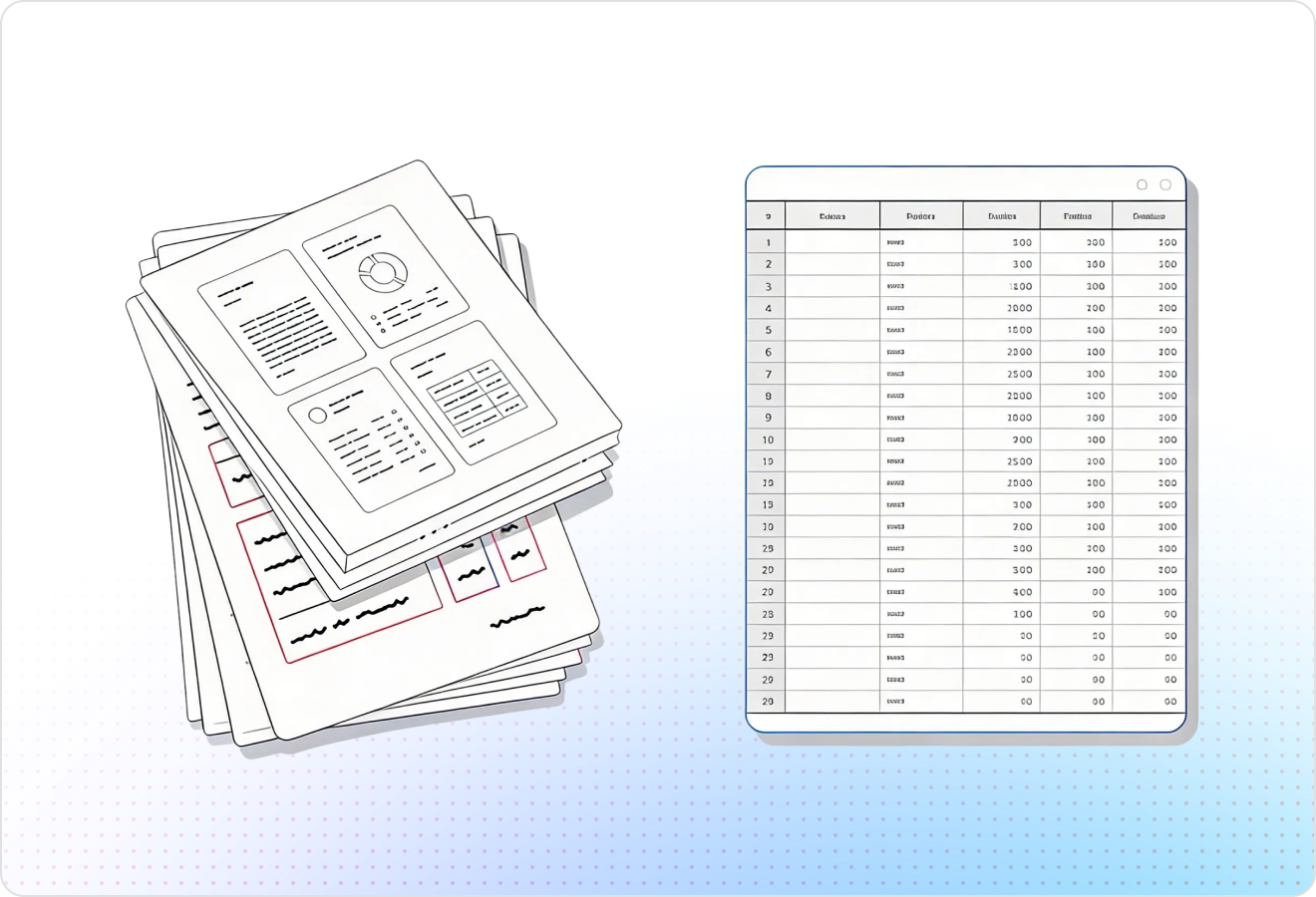
It detects and reconstructs tables from scanned PDFs—including merged cells and nested layouts—without brittle, hand-written rules. That means your scanner can return usable rows and columns (not a pile of misaligned text) for exports, data entry, and validation.
03
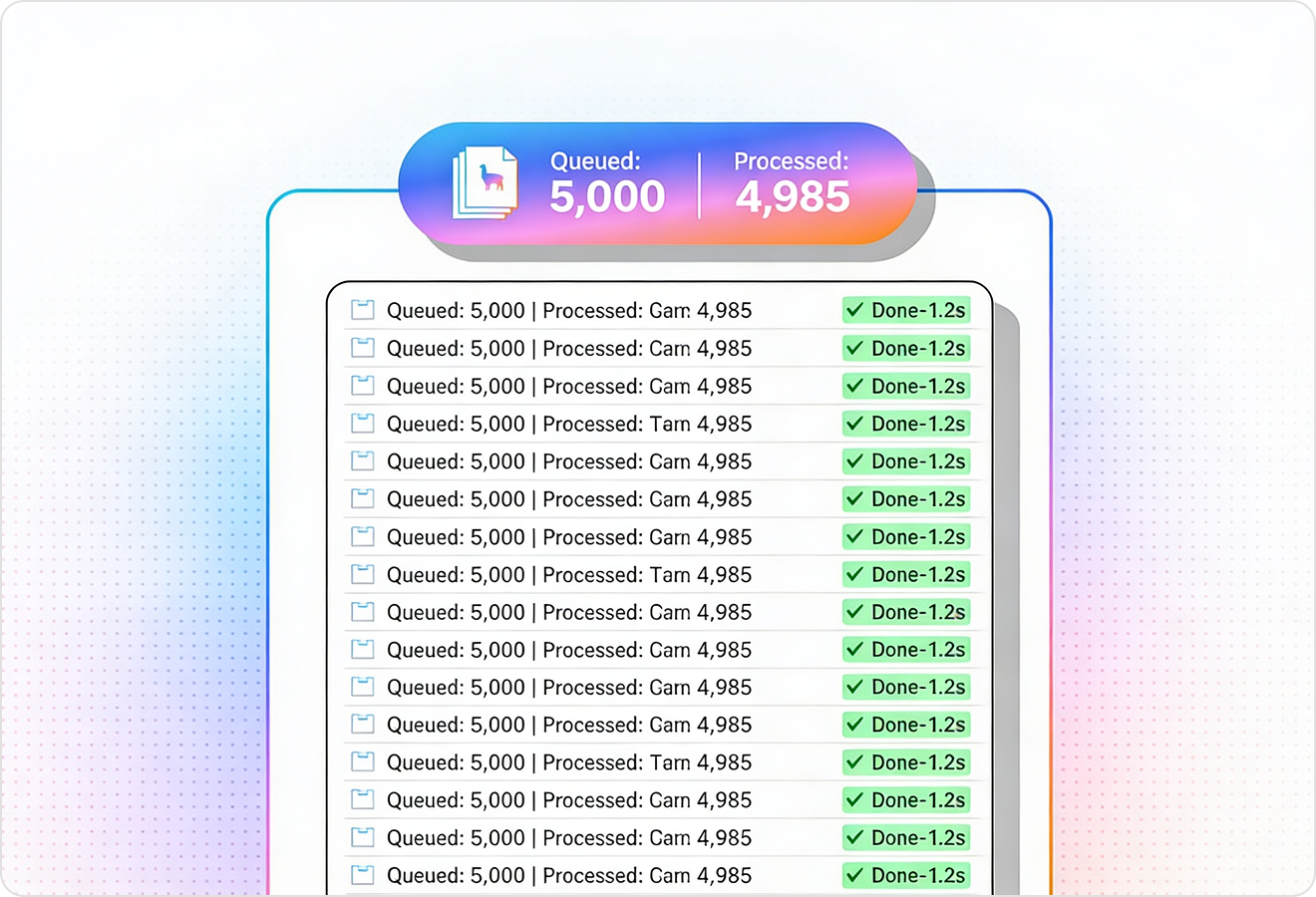
LlamaParse runs iterative checks to catch common recognition errors and fix inconsistencies before the final result is returned. In practice, this boosts straight-through processing on noisy scans and reduces the amount of manual review users need after “scanning” a PDF.
04
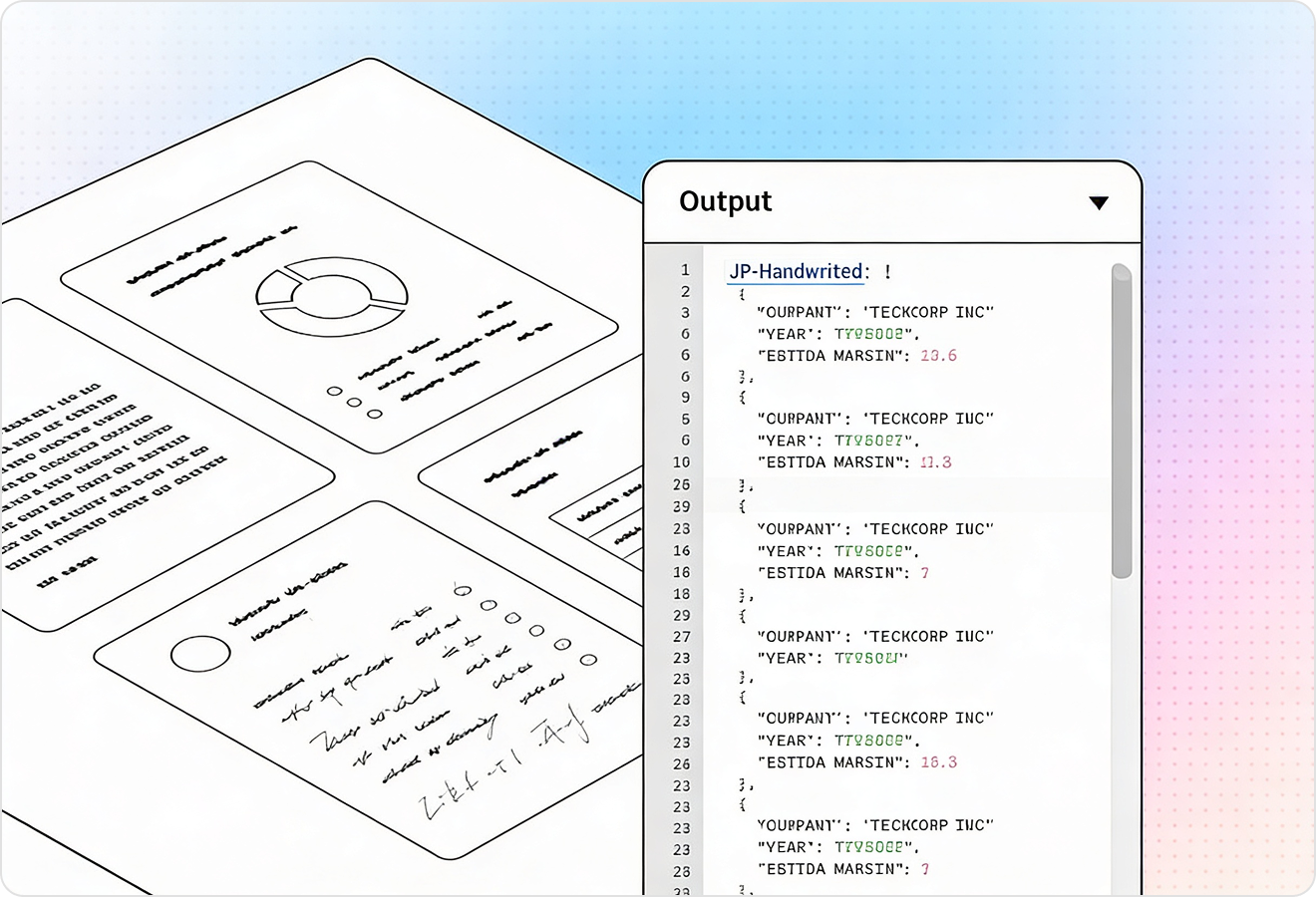
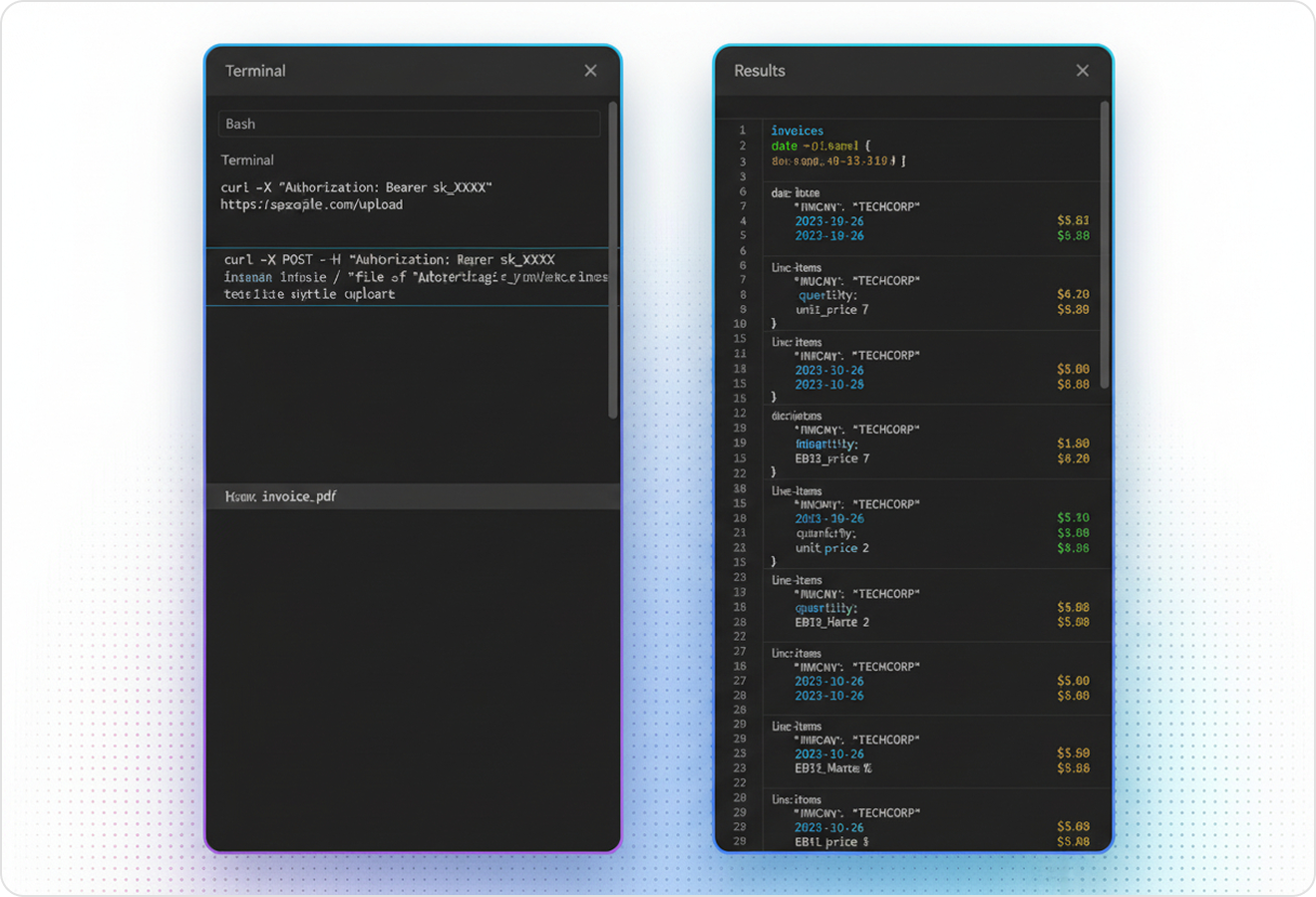
You can output structured JSON with page numbers, element types, and spatial coordinates for every extracted block. For a PDF OCR scanner, this enables clickable results, highlighting the exact source region, and traceable extraction you can QA or route to humans when confidence is low.
Technical OCR documentation
Explore our developer guides to easily connect your document pipelines to LlamaParse.
Explore the documentation
Our AI catches the typos that tired eyes miss.

Export to Excel, JSON, XML, or directly via API.

SOC2 Type II compliant with end-to-end encryption.

Train the tool on your specific forms in minutes, not days.

Average processing time of <3 seconds per page.
LlamaParse’s support of a wide variety of filetypes and its accuracy of parsing made it the best tool we tested in our evaluations. The LlamaIndex team was very responsive and we were off to the races within a day.
Common FAQs
01
Yes—our layout-aware parsing preserves columns, headers/footers, and section flow so text is returned in the right order. This prevents the “scrambled output” you get from basic OCR and makes results immediately searchable, copyable, and automation-ready.
02
It detects and reconstructs tables with structure intact, including merged cells and more complex layouts. Instead of a pile of misaligned text, you get usable rows and columns that are easy to export, validate, or feed into downstream systems.
03
Auto-correction validation loops run iterative checks to catch recognition errors and resolve inconsistencies before results are finalized. That means higher straight-through processing and less manual review, even on challenging documents.
04
Can I get structured output (JSON) instead of just plain text?
Yes—export structured JSON with page numbers, element types, and spatial coordinates for each extracted block. This makes it easy to build reliable workflows, map data to fields, and keep extractions traceable for QA.
05
Can I highlight exactly where each extracted value came from in the original PDF?
Absolutely—because outputs include coordinates, you can create clickable results and highlight the source region on the page. This improves user trust, speeds reviews, and helps route low-confidence items to human verification.
06
How do I reduce time spent validating OCR results across large batches of documents?
Use structured JSON plus metadata to automate checks, flag low-confidence sections, and audit outputs by page and region. Combined with validation loops, this minimizes exception handling and helps your team scale processing without adding headcount.