Nov 14, 2025
Document AI: The Next Evolution of Intelligent Document ProcessingPersona
Industry
Use cases
Annuity Application OCR
[ Annuity Application OCR ]

Use LlamaParse to capture every field from complex annuity forms, with fewer errors and rework.
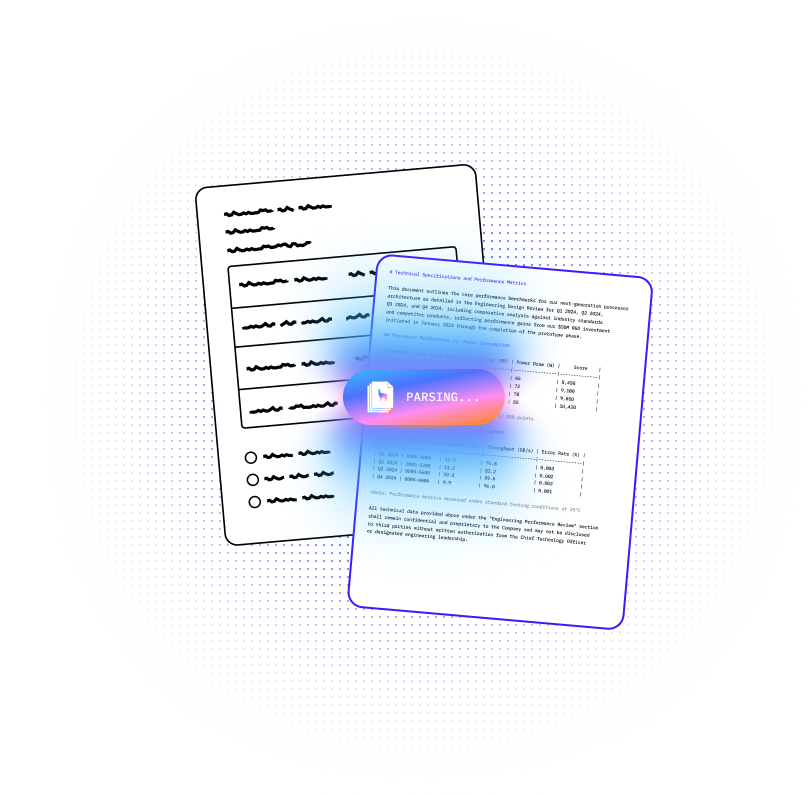


LlamaParse turns messy annuity applications into clean, structured fields you can validate fast, so underwriting and ops stop chasing missing or misread data. Agentic document parsing understands layouts, tables, and handwriting-like scans, then returns reviewable outputs with confidence metadata for straight-through processing.
Best-in-Class Accuracy

Turn incoming annuity applications, replacement forms, and suitability questionnaires into clean JSON with citations, even when the packet includes multi-column pages, checkboxes, and dense tables. LlamaParse reduces NIGO rates by extracting the exact fields underwriting and new business ops need, then flagging low-confidence items for fast human review instead of full manual re-keying.

Automate intake of annuity new account paperwork by pulling owner/annuitant details, beneficiary splits, riders, fees, and funding instructions into your CRM and account-opening workflows. With layout-aware table extraction and reading-order preservation, advisors spend less time chasing missing data and more time moving applications to “good order” the first time.

Ship an annuity onboarding product faster by using natural-language parsing instructions to standardize carrier-specific forms into a single schema without brittle rules or constant retraining. LlamaParse provides traceable outputs with page-level metadata, making it straightforward to generate audit-ready evidence for suitability, disclosures, and best-interest reviews.

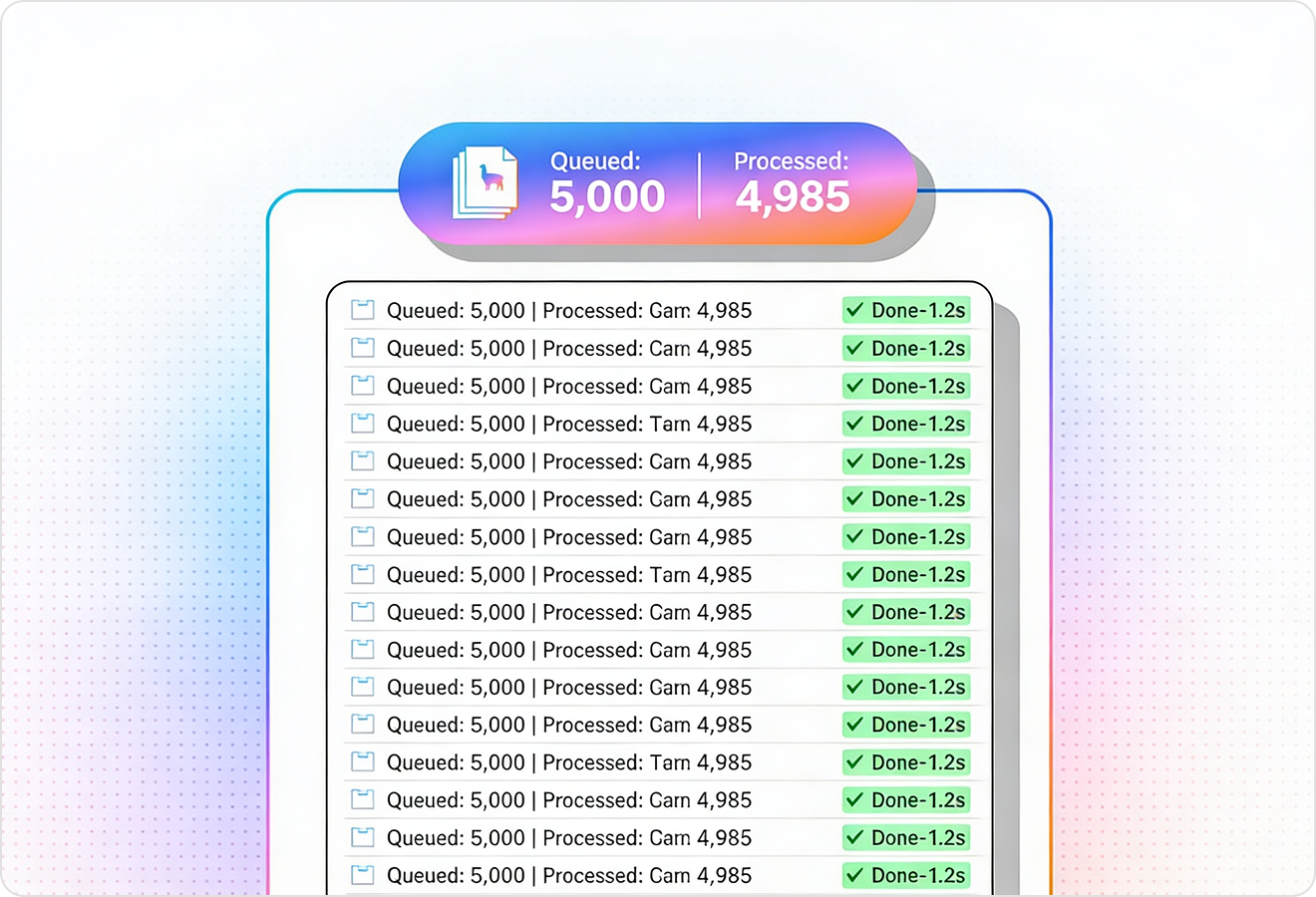
Scale high-volume annuity application processing by routing simple pages through cheaper tiers while automatically upgrading only complex scans, tables, and mixed-quality faxes for higher-accuracy parsing. Auto-correction loops reduce exception queues and rework, helping teams hit tighter SLAs without increasing headcount.
The Solution
01
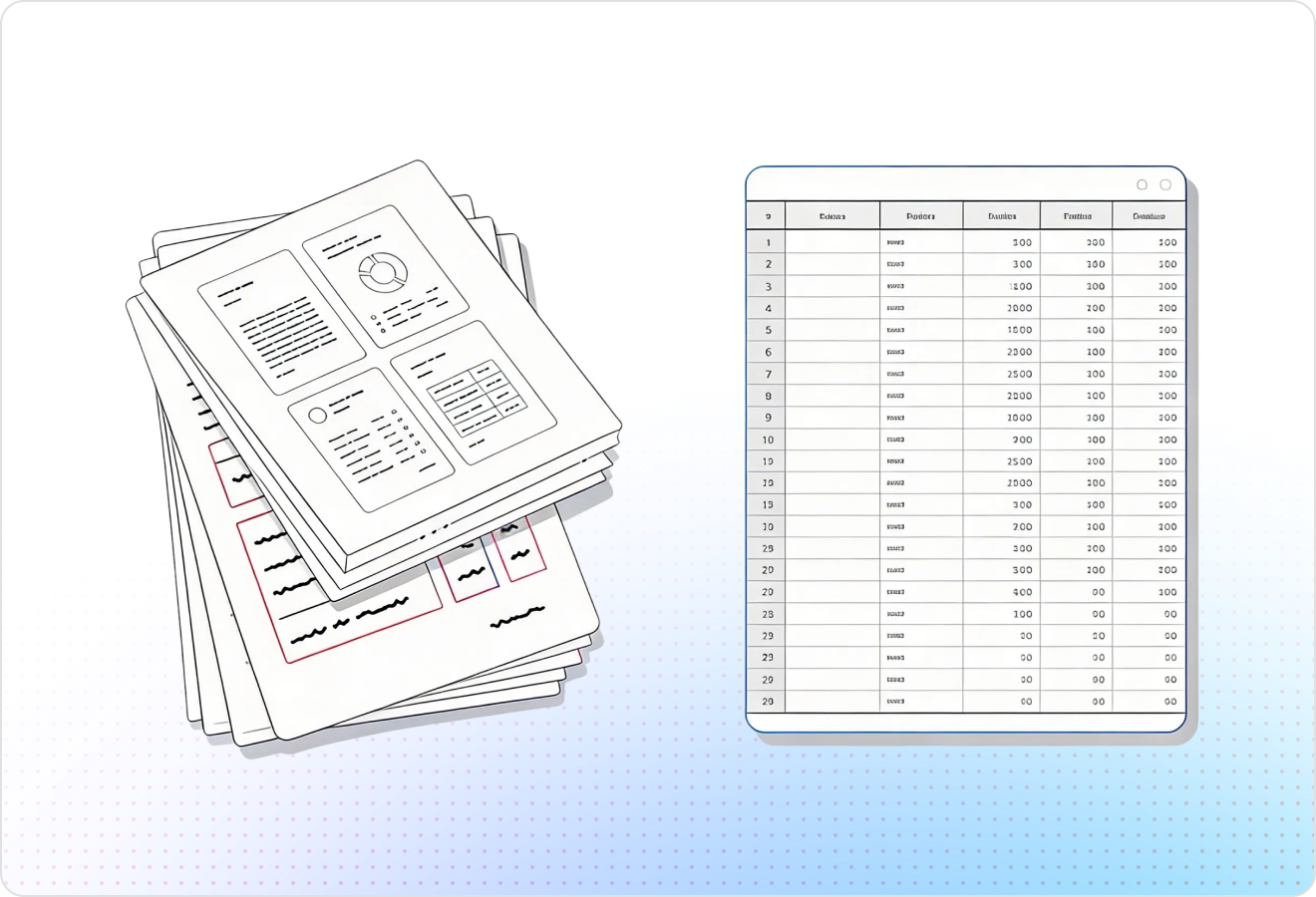
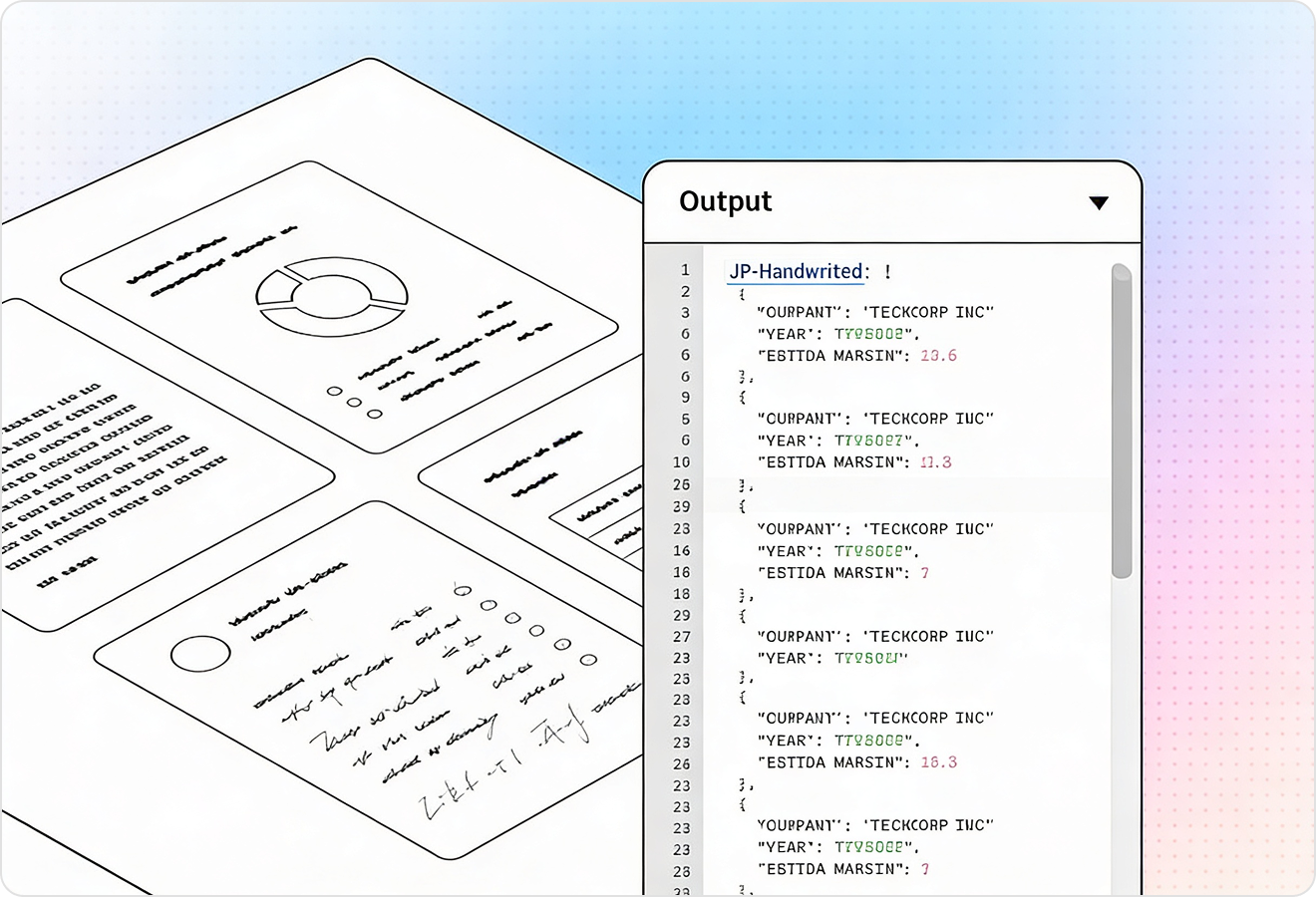
LlamaParse uses layout-aware vision to preserve reading order across multi-page annuity applications, including two-column sections, headers/footers, and signature blocks. That means applicant data, owner/annuitant details, and beneficiary sections don’t get scrambled when you ingest real-world carrier PDFs.
02
LlamaParse reliably pulls structured tables and grids such as premium schedules, allocation breakdowns, and rider elections without losing row/column relationships. This reduces downstream reconciliation work when you need clean values for underwriting checks and policy setup.
03
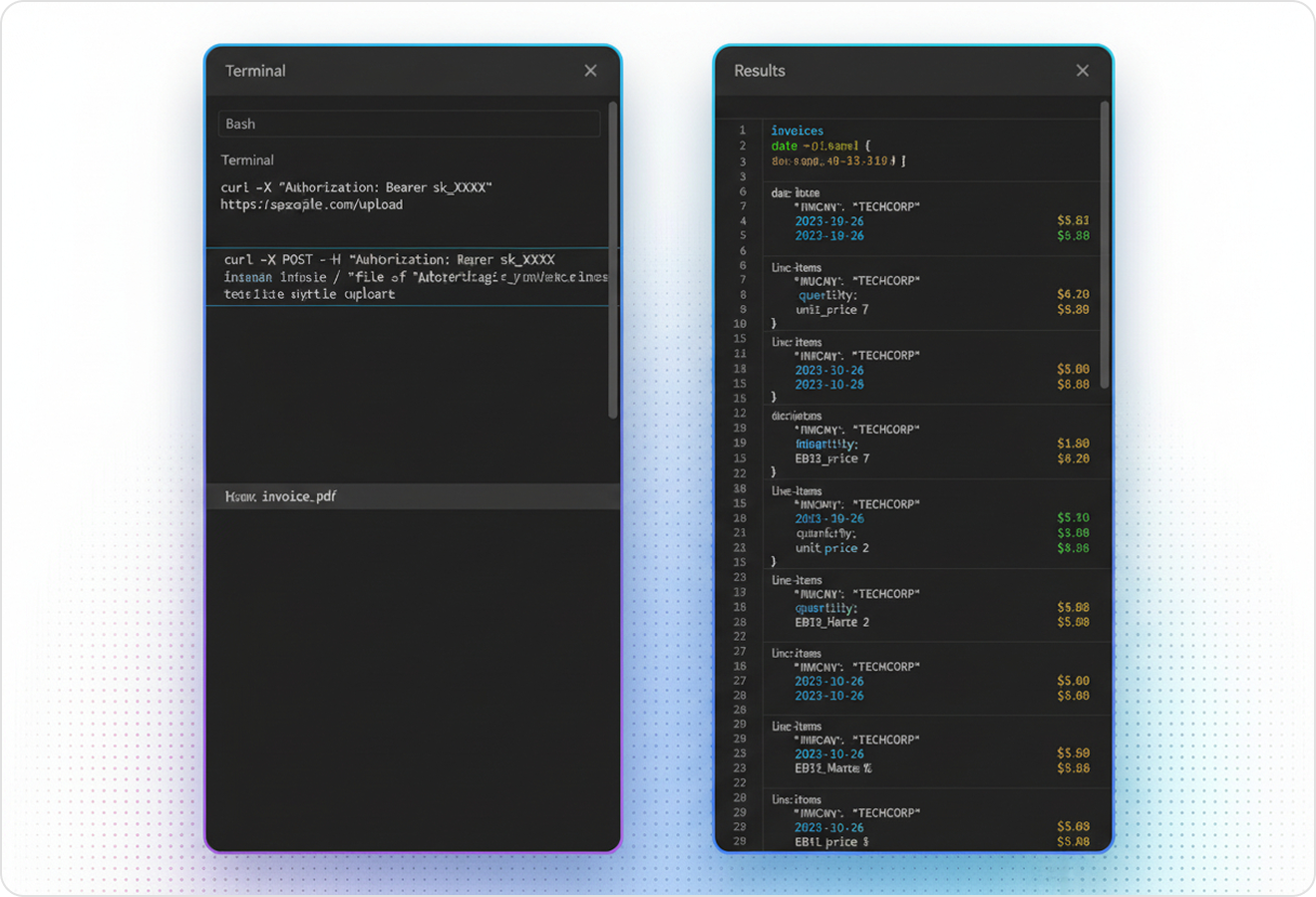
You can give LlamaParse natural-language extraction instructions to target exactly what matters in an annuity application, like product type, tax status, payout options, replacement indicators, and suitability answers. This replaces brittle regex and template-specific rules with a single parsing pipeline that adapts across carriers and form revisions.
04
LlamaParse can return structured JSON alongside granular metadata like page references and element locations for each extracted field. For annuity processing, that makes it easy to auto-populate systems while still supporting fast audit trails and human review of the exact source region when something looks off.
Technical OCR documentation
Explore our developer guides to easily connect your document pipelines to LlamaParse.
Explore the documentation
Our AI catches the typos that tired eyes miss.

Export to Excel, JSON, XML, or directly via API.

SOC2 Type II compliant with end-to-end encryption.

Train the tool on your specific forms in minutes, not days.

Average processing time of <3 seconds per page.
LlamaParse’s support of a wide variety of filetypes and its accuracy of parsing made it the best tool we tested in our evaluations. The LlamaIndex team was very responsive and we were off to the races within a day.
Common FAQs
01
Yes. Layout-aware parsing preserves reading order across two-column sections, headers/footers, and signature blocks so applicant, owner/annuitant, and beneficiary details don’t get scrambled. This reduces manual cleanup and rework when dealing with real carrier scans and form variations.
02
It reliably captures tables and grids while maintaining row/column relationships, which is essential for premium modes, allocation breakdowns, and rider selections. You get clean structured values that are ready for downstream checks and policy setup—without time-consuming reconciliation.
03
No. You can provide natural-language extraction instructions to target the exact fields you care about—like product type, tax status, payout options, replacement indicators, and suitability responses. This lets one pipeline adapt across carriers and revisions without constantly rebuilding templates.
04
What does the output look like, and can we map it into our systems?
You receive structured JSON designed for straightforward mapping into underwriting, policy admin, or workflow tools. The output is consistent even when the source PDFs vary, so integrations stay stable as new forms come in.
05
How do we audit results and confirm where each value came from?
Each extracted field can include traceability metadata such as page references and element locations. That makes it easy to review the exact source region during QA, resolve exceptions quickly, and support compliance and audit requirements.
06
How does this help our team move faster without sacrificing accuracy?
By preserving layout, extracting tables cleanly, and capturing fields based on instructions, the system reduces manual keying and avoids common OCR mix-ups. Your team can focus on exceptions and approvals while automation handles the repetitive intake work—speeding up turnaround times with a clear review trail.