Nov 14, 2025
Document AI: The Next Evolution of Intelligent Document ProcessingPersona
Industry
Use cases
Court Order OCR
[ Court Order OCR ]

Use LlamaParse to capture every field, table, and signature with citations you can verify.
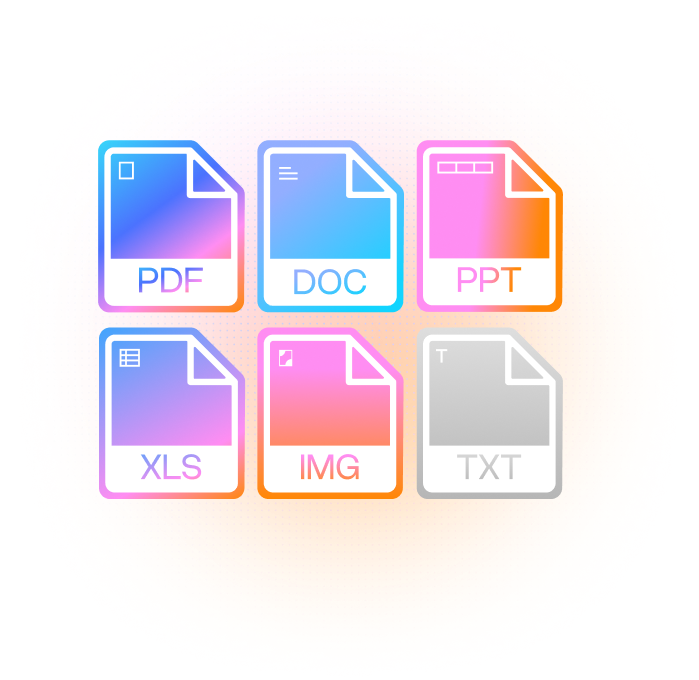
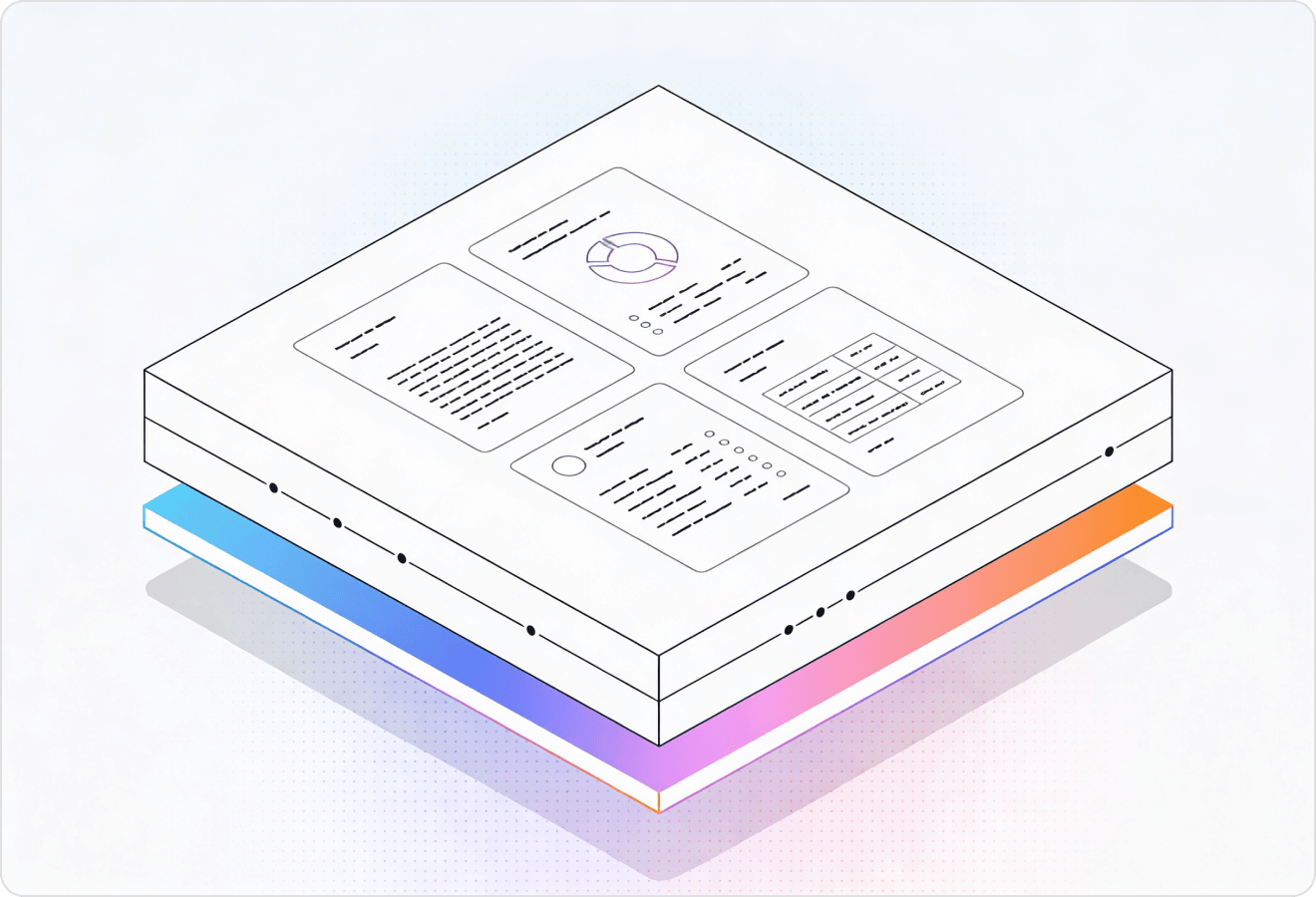
LlamaParse turns scanned and digital court orders into clean, structured outputs like JSON or Markdown, so downstream systems can reliably consume them. Its agentic parsing understands layout, tables, and stamped exhibits, then validates results with citations and confidence to reduce manual review.
Best-in-Class Accuracy

Use LlamaParse in LlamaCloud to turn scanned court orders into structured JSON with citations, so attorneys can auto-populate case timelines, compliance checklists, and task assignments without manual retyping. Layout-aware extraction preserves captions, numbered rulings, and embedded tables, reducing missed obligations when orders arrive as messy PDFs or fax scans.

Automatically ingest court orders tied to bodily injury, subrogation, or coverage disputes and extract judge directives, hearing dates, and monetary awards into claim systems to keep reserves and next steps current. Natural-language parsing instructions let teams pull only what matters for a given line of business (e.g., sanctions, discovery deadlines), while validation loops reduce adjuster rework on low-quality scans.

Parse garnishment orders, judgments, and restraining notices into auditable, structured records that drive compliant holds, payment plans, and customer communications. Granular metadata and confidence scoring support exception routing for human review, preventing costly errors when orders include multi-column legal language, fee schedules, or account-specific tables.

Ship a court-order intake feature fast by using LlamaParse APIs to convert uploads into clean Markdown/JSON for downstream agent workflows like deadline tracking, notification triggers, and docket updates. Tier-based agentic processing keeps unit costs predictable by reserving heavy multimodal parsing for the few pages with stamps, signatures, or complex formatting that break legacy OCR.
The Solution
01
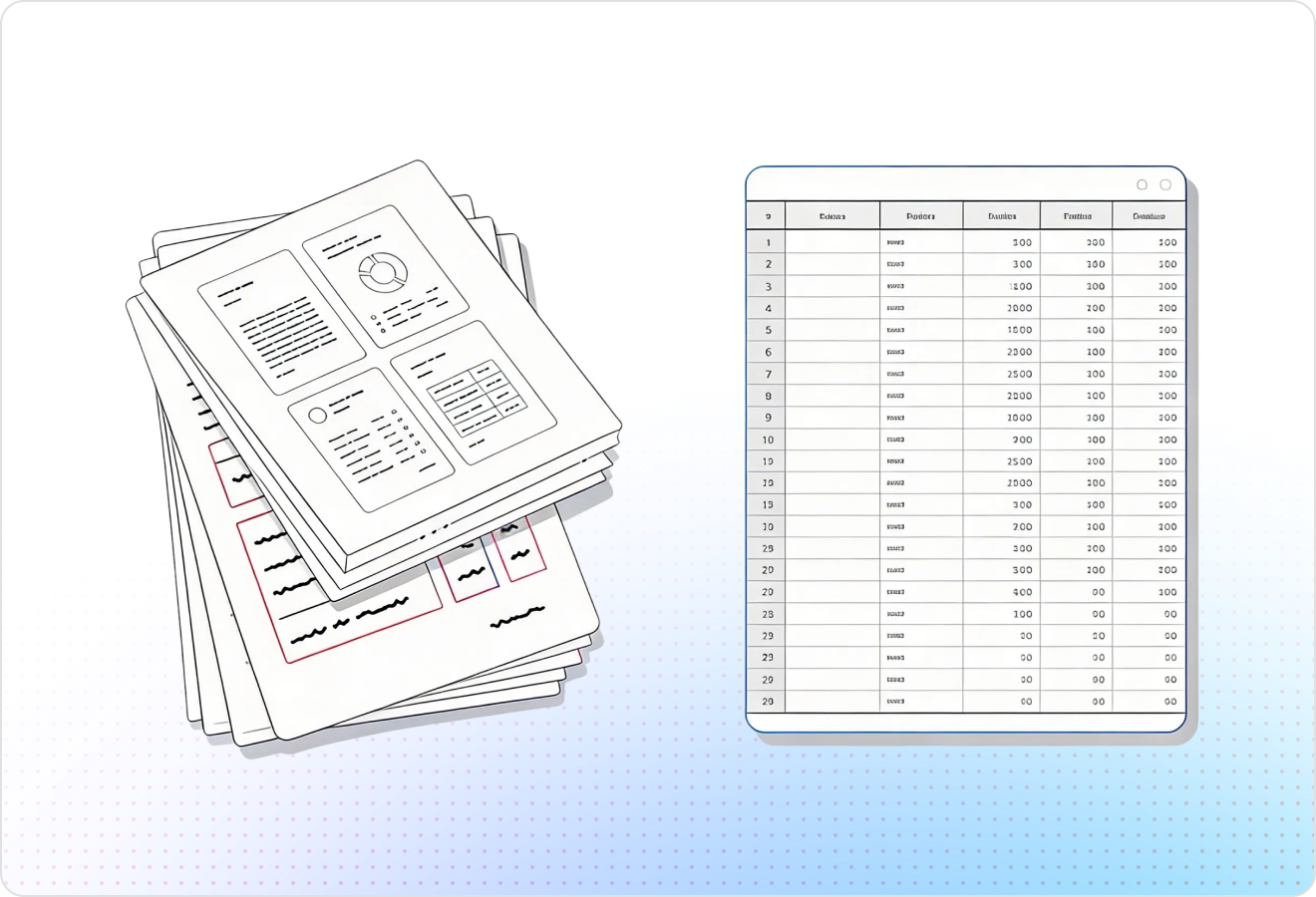
LlamaParse uses layout-aware vision to preserve reading order across multi-column text, headers/footers, and numbered sections common in court orders. That means you can reliably capture findings, rulings, and ordered actions without scrambled paragraphs or missing clauses.
02
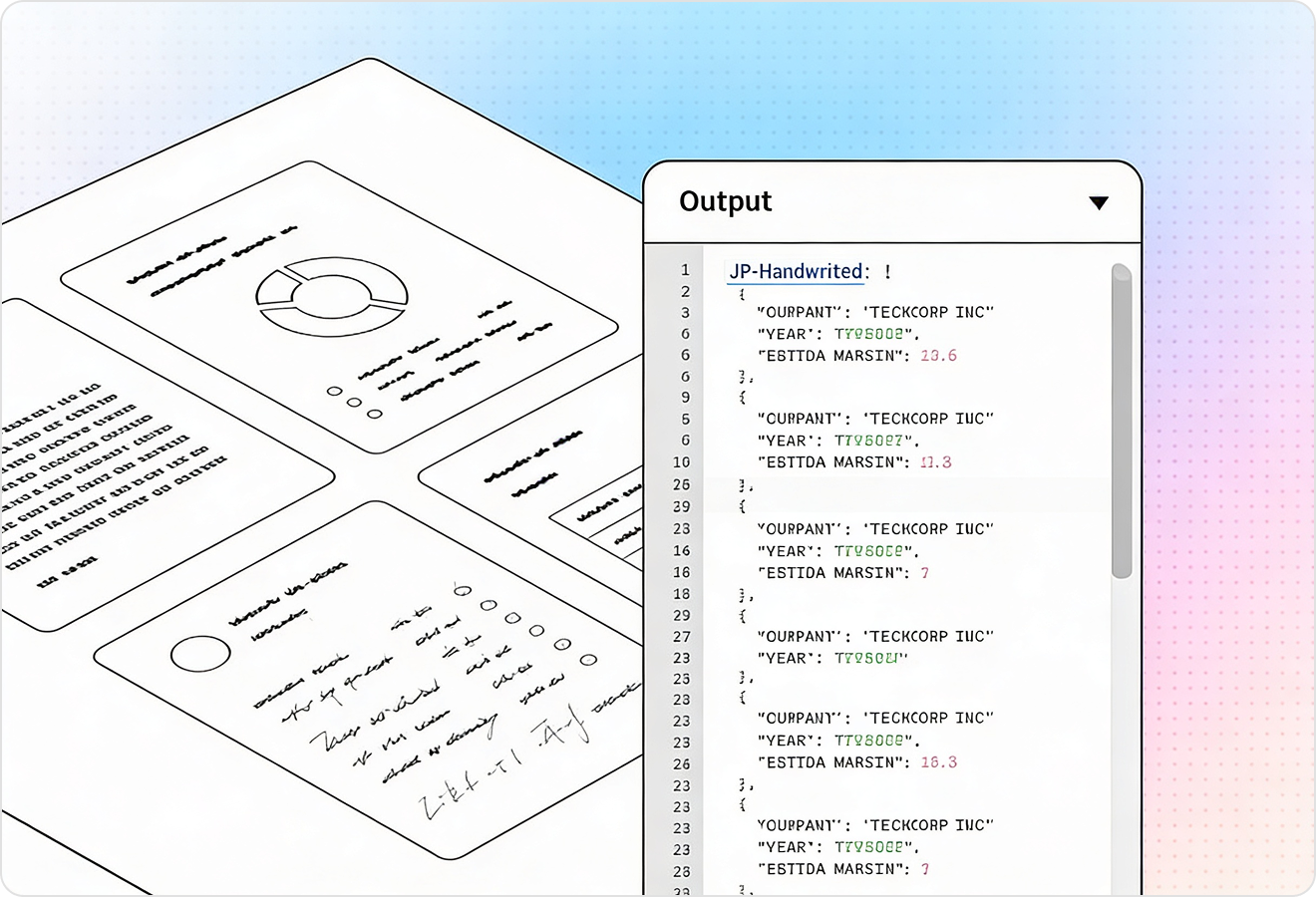
LlamaParse returns structured elements with granular metadata like page numbers and coordinates, so every extracted statement can be traced back to the source. This is critical for court orders where teams need defensible audit trails and quick reviewer spot-checks.
03
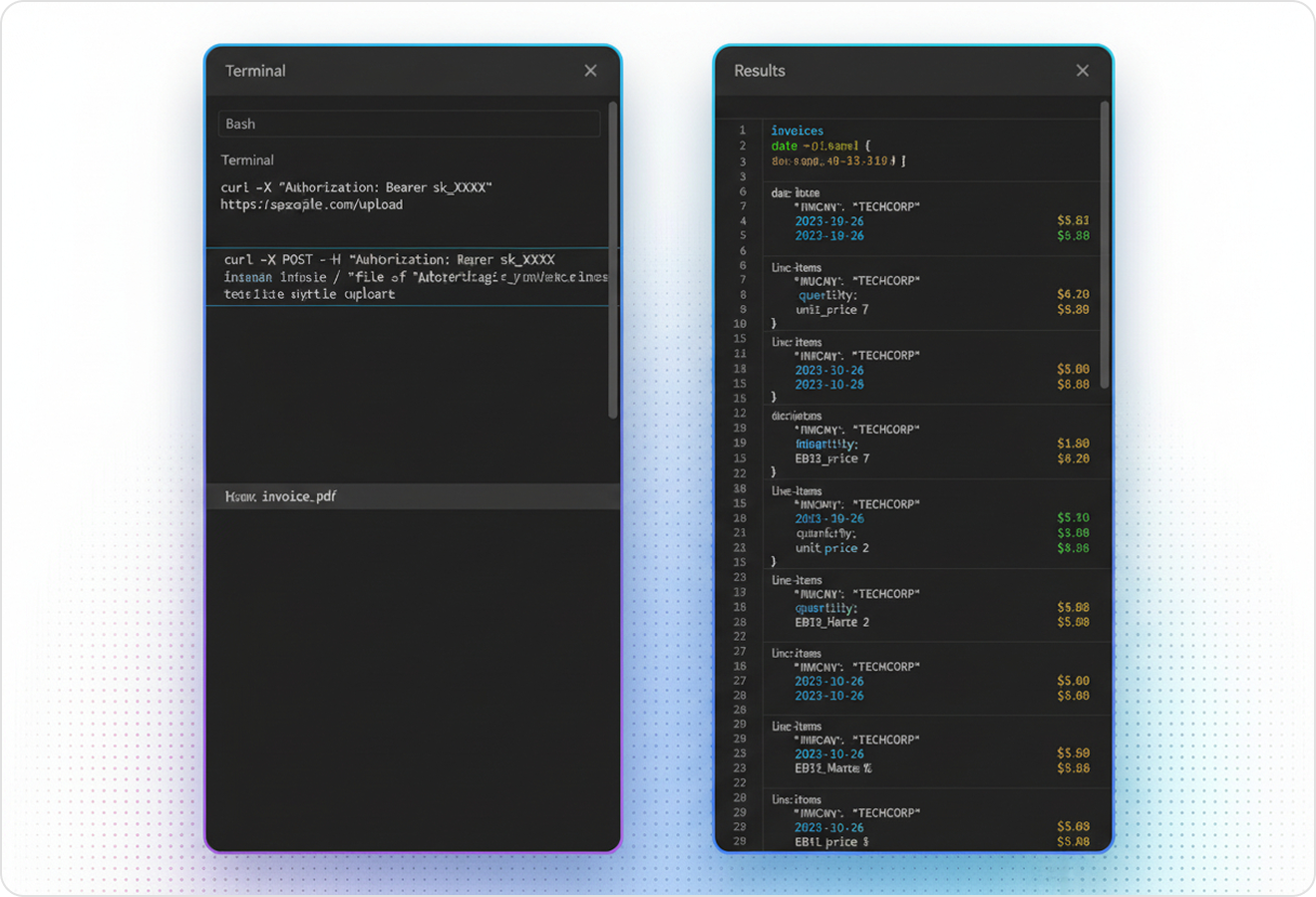
LlamaParse runs self-checks during parsing to catch and correct common scan and extraction failures before results are returned. For court orders, that reduces downstream risk from misread case numbers, party names, dates, and “IT IS ORDERED” directives.
04
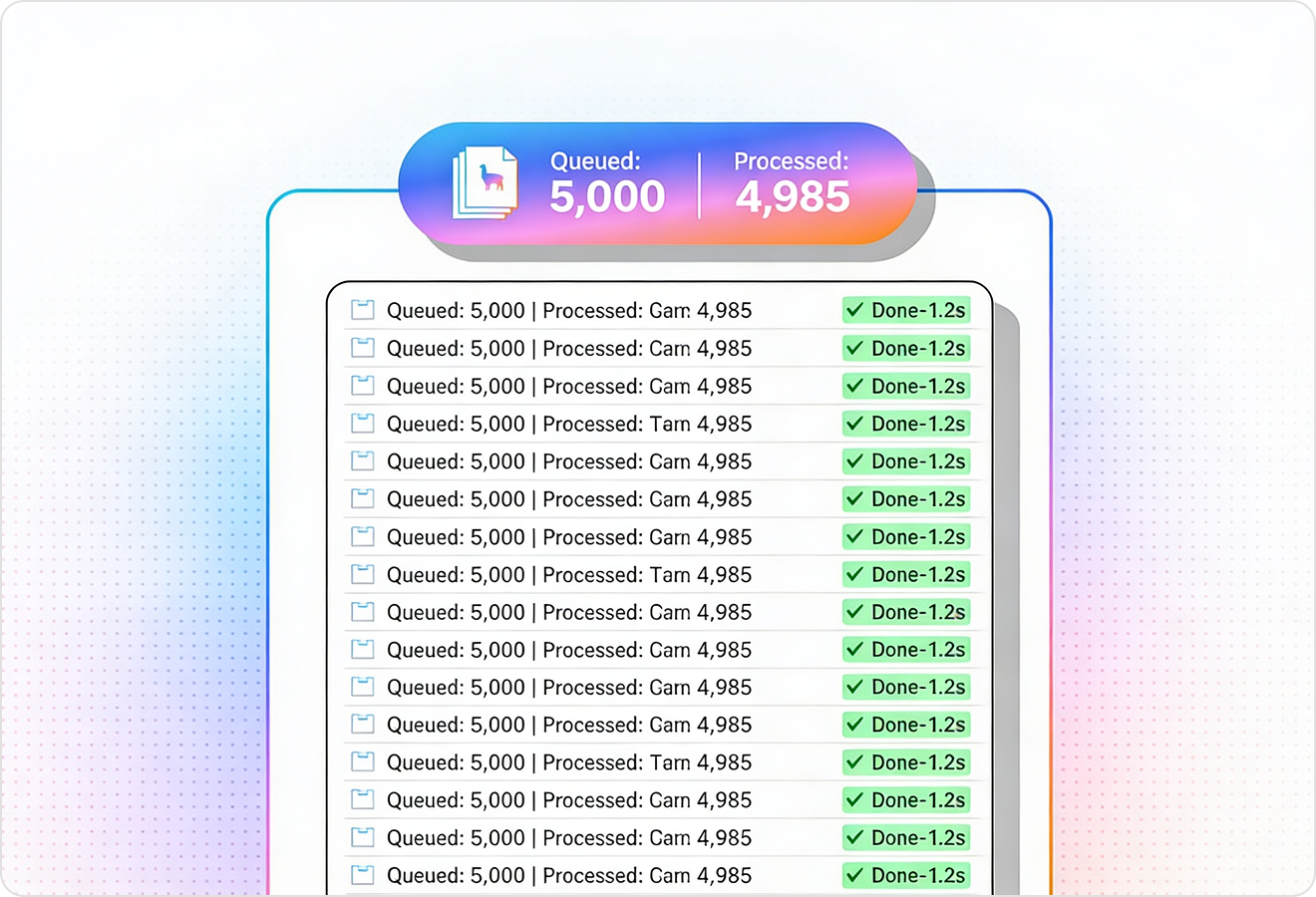
LlamaParse can output clean JSON that maps naturally to court-order fields like case ID, judge, hearing date, obligations, deadlines, and service requirements. This makes it straightforward to feed docketing, compliance, or e-filing workflows without brittle post-processing.
Technical OCR documentation
Explore our developer guides to easily connect your document pipelines to LlamaParse.
Explore the documentation
Our AI catches the typos that tired eyes miss.

Export to Excel, JSON, XML, or directly via API.

SOC2 Type II compliant with end-to-end encryption.

Train the tool on your specific forms in minutes, not days.

Average processing time of <3 seconds per page.
LlamaParse’s support of a wide variety of filetypes and its accuracy of parsing made it the best tool we tested in our evaluations. The LlamaIndex team was very responsive and we were off to the races within a day.
The engine room
01
Yes. Layout-aware parsing preserves reading order across columns, section numbering, and common court-order elements like headers, footers, and “IT IS ORDERED” blocks. You get text that matches the document’s logic—without scrambled paragraphs or missing clauses.
02
Every extracted element can include citations such as page number and on-page location, so reviewers can jump straight to the source and spot-check quickly. This creates a defensible audit trail for compliance, docketing, and quality assurance.
03
Auto-correction validation loops catch common OCR failures and re-check outputs before results are returned. That reduces risk from misread case numbers, party names, dates, and critical directives that can create downstream errors.
04
Can I get clean JSON output that maps to our case management or docketing system?
Yes—JSON output is designed to map naturally to court-order fields like case ID, judge, hearing date, obligations, deadlines, and service requirements. This minimizes brittle post-processing and makes integration into e-filing, compliance, and docket workflows straightforward.
05
How does it handle long orders with lots of sections, continuances, and multiple parties?
The parser maintains consistent section boundaries and reading order across long, complex documents so obligations and rulings stay attached to the correct context. This helps teams reliably extract what matters—even when orders span many pages or include multiple parties and actions.
06
Is this suitable for regulated environments where accuracy and traceability matter?
Yes—verifiable outputs with citations and built-in self-checks are designed for high-stakes legal workflows where teams need confidence and accountability. You can validate key fields quickly, reduce manual rework, and move faster without sacrificing defensibility.
Explore Our Resources