Nov 14, 2025
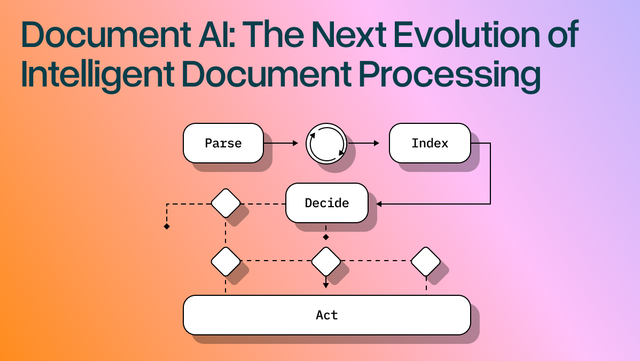
Document AI: The Next Evolution of Intelligent Document ProcessingPersona
Industry
Use cases
Zapier PDF OCR Automation
[ Zapier PDF OCR Automation ]

Send PDFs through Zapier and let LlamaParse extract clean, structured fields from messy layouts.
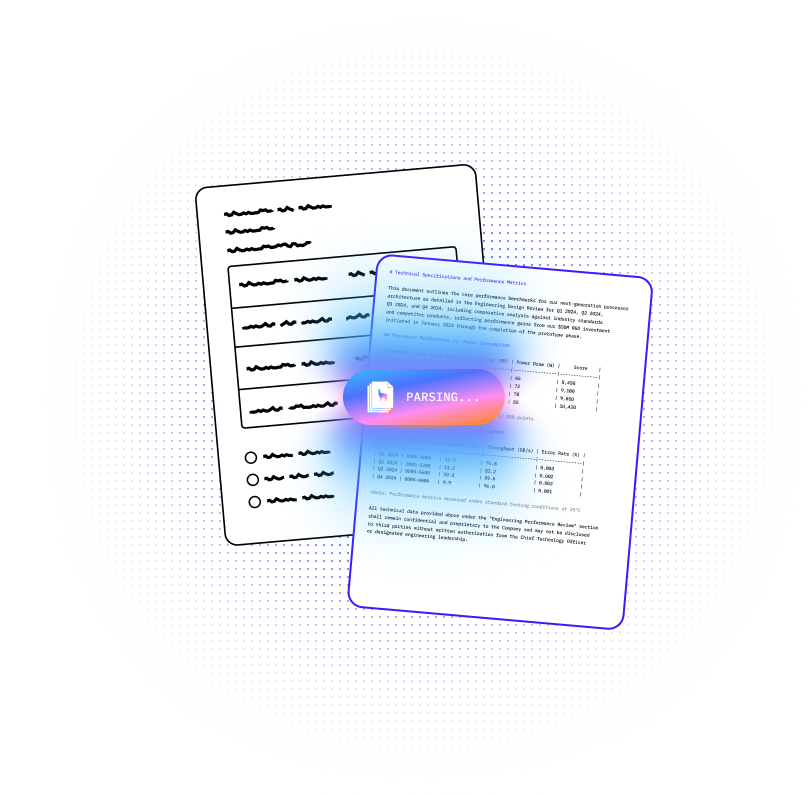
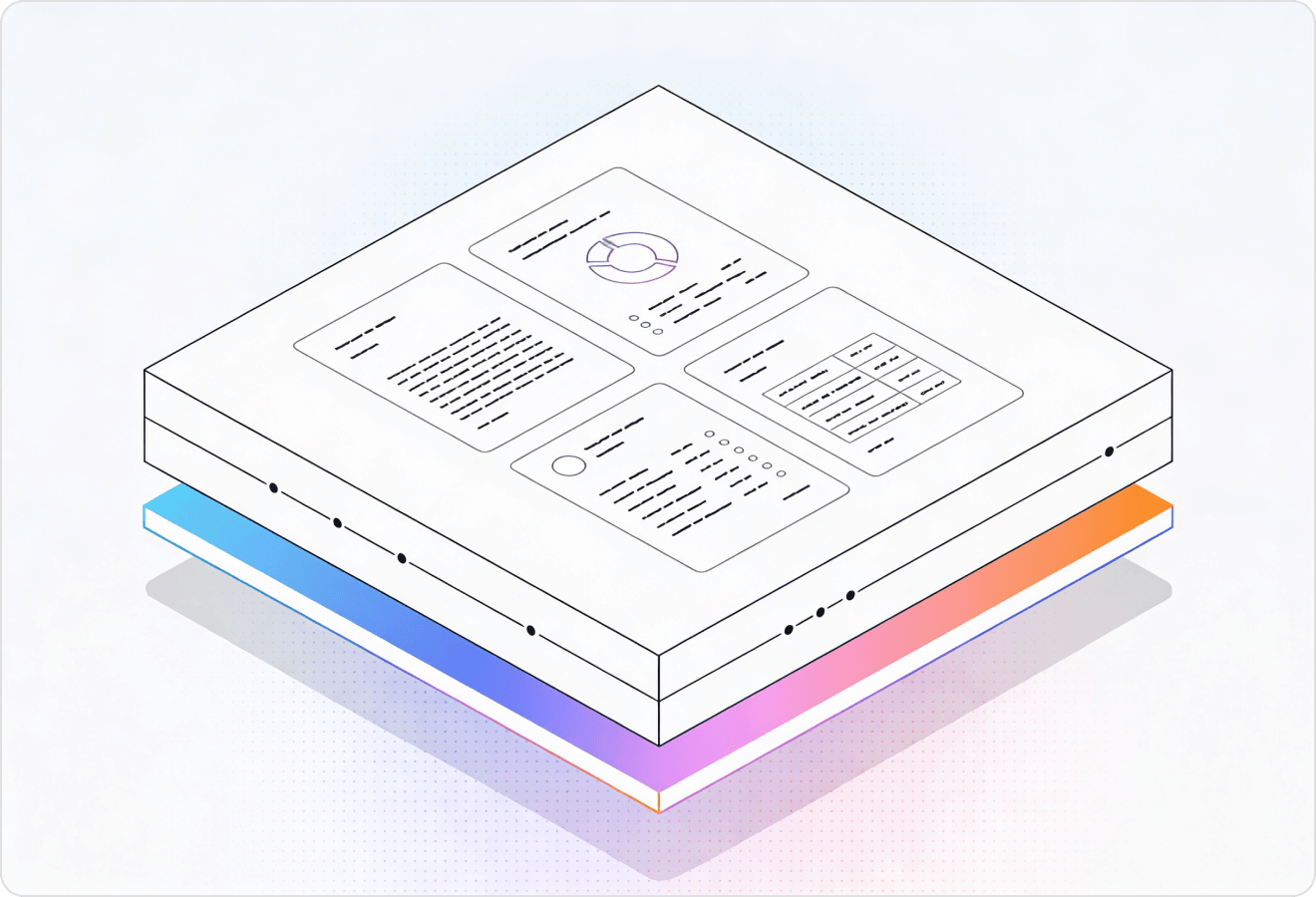
Connect Zapier to LlamaParse and turn incoming PDFs into clean, structured fields you can route into your apps automatically. Agentic document parsing reads layout, tables, and embedded visuals with validation loops, so your Zaps run with fewer exceptions and less manual cleanup.
Best-in-Class Accuracy

Automate intake of bank statements, pay stubs, and tax forms by using LlamaParse to preserve tables and reading order, then push clean JSON into Zapier for underwriting workflows. This eliminates brittle OCR fixes and reduces manual rekeying that slows approvals and increases decision errors.

Extract line items, schedules, and change-order tables from bids, invoices, and pay applications into structured Markdown/JSON that Zapier can route to accounting and project management systems. This prevents cost-code mismatches caused by scrambled multi-column PDFs and speeds up monthly draw packages.

Parse scanned contracts, exhibits, and regulatory filings with layout-aware structure so clause blocks, headings, and citations stay intact before Zapier syncs key fields into CLM and case systems. This reduces paralegal time spent hunting through messy PDFs and improves auditability with traceable, verifiable outputs.

Turn inbound PDFs from sales, finance, and ops into standardized records by using LlamaParse in auto-tier mode and triggering Zapier to update HubSpot, Notion, Slack, and your database automatically. This replaces ad hoc “copy/paste ops” with reliable document-driven automation while keeping costs predictable as volume spikes.
The Solution
01
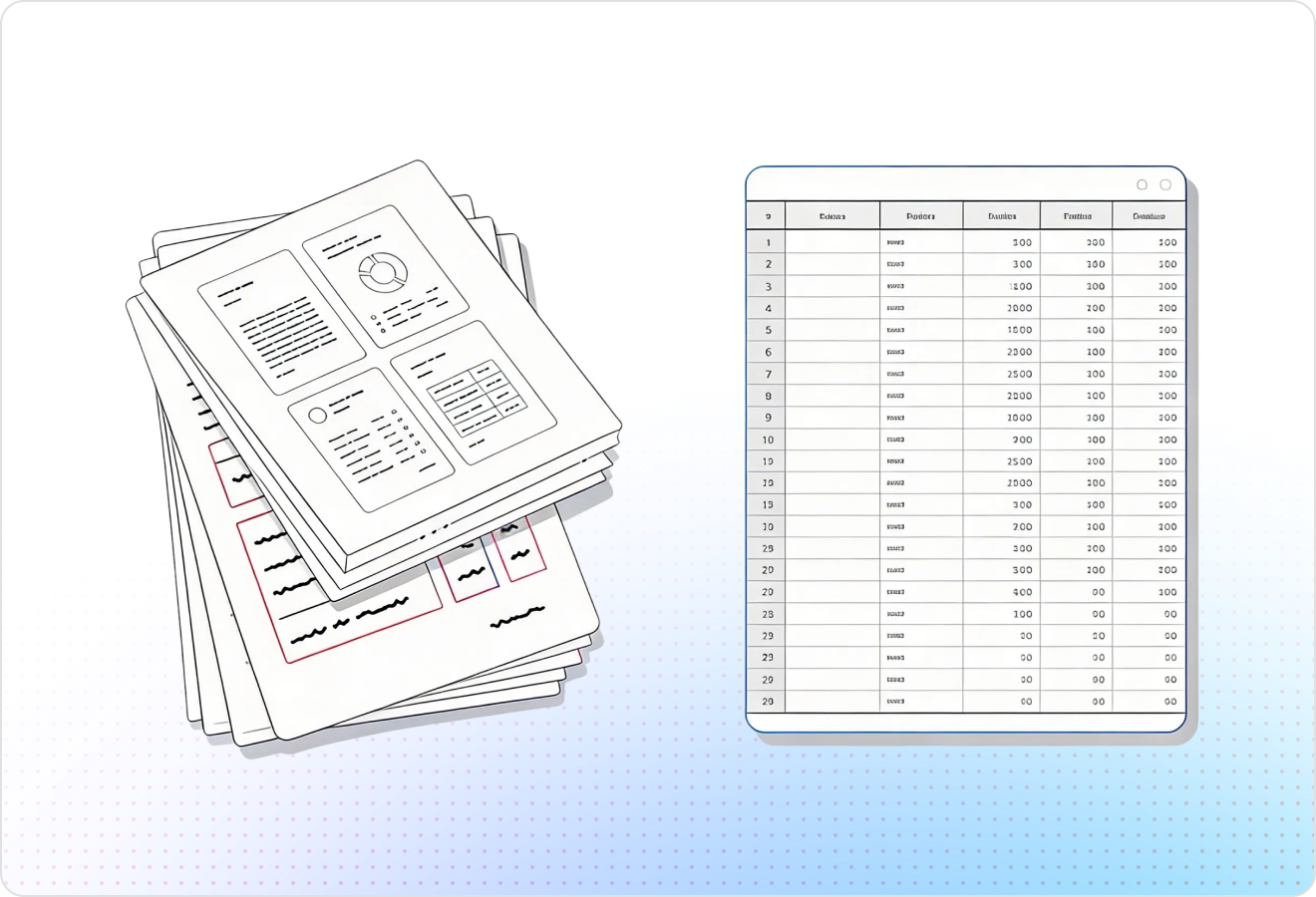
LlamaParse analyzes the visual layout of each page to preserve reading order across multi-column PDFs, headers/footers, and mixed sections. In a Zapier automation, this prevents scrambled text so downstream steps (AI summarization, routing, or database writes) receive clean, predictable content.
02
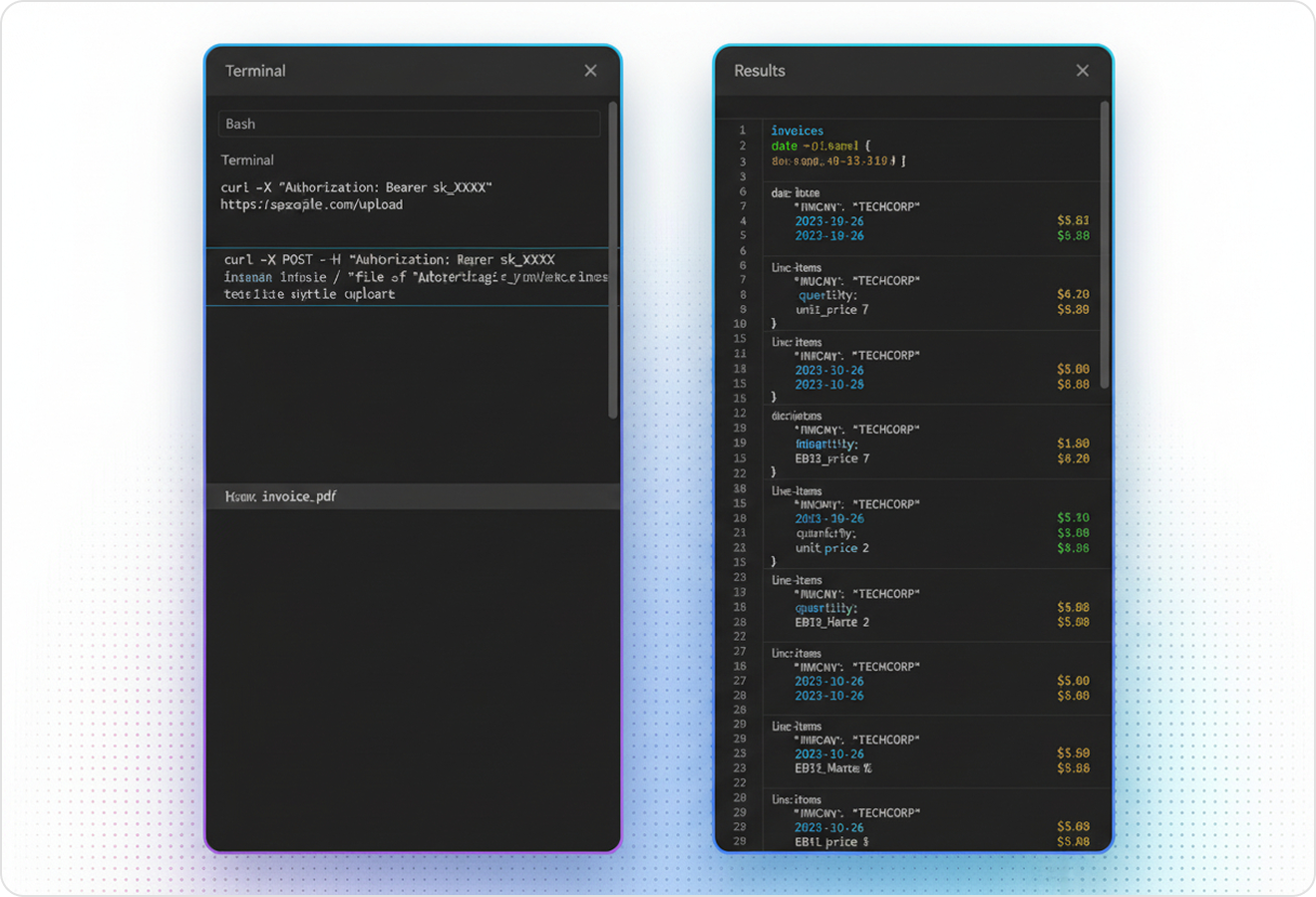
LlamaParse pulls tables as real structured data instead of flattened text, even when cell boundaries and nested rows are messy. That makes it easy to map invoice lines, purchase orders, or forms into Zapier fields without brittle post-processing.
03
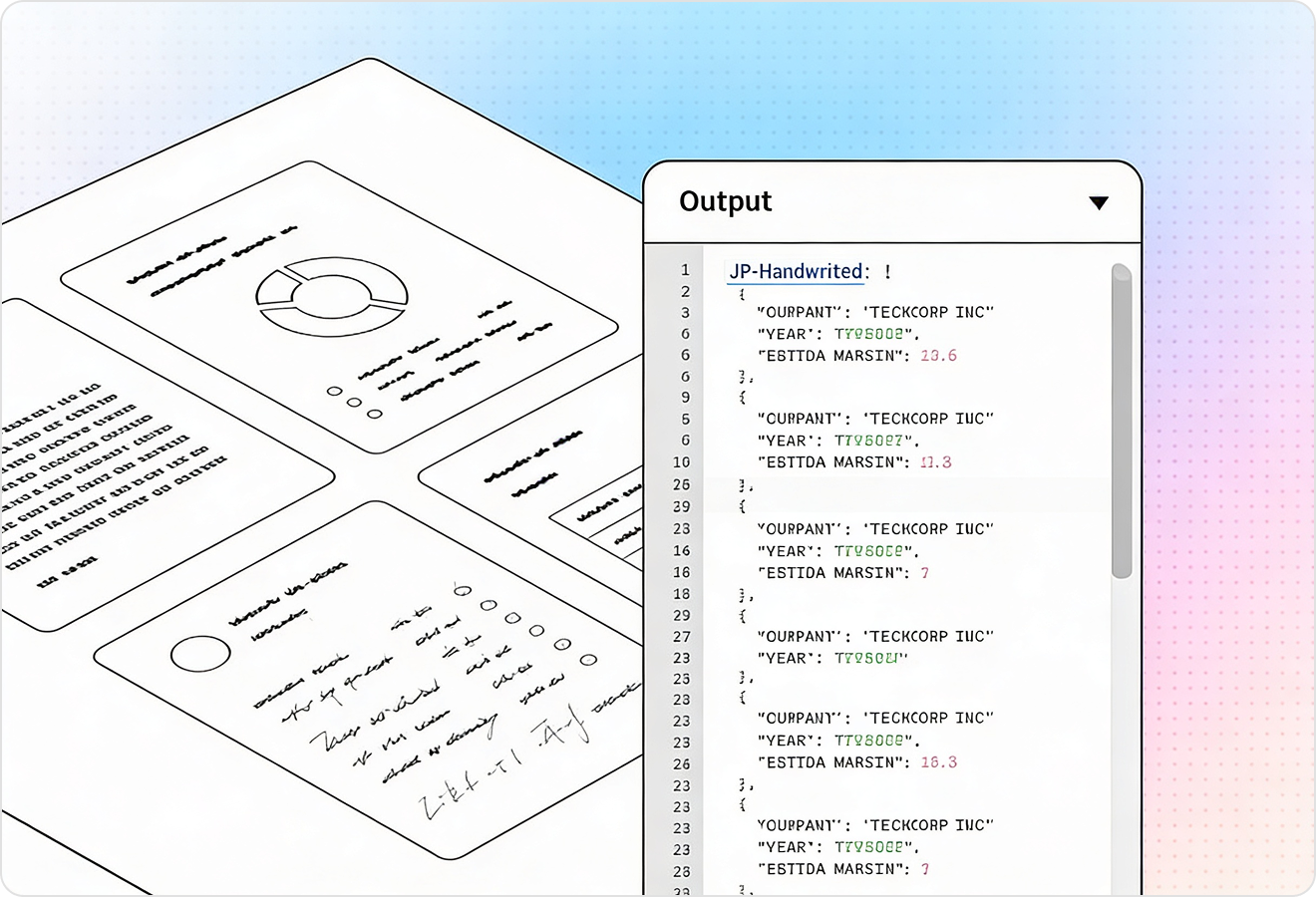
LlamaParse can return AI-ready JSON with element types, page numbers, and coordinates for traceability. In Zapier, that structure makes it straightforward to populate CRM/ERP records and keep a reference back to the exact source page when something needs review.
04
LlamaParse runs self-correction and validation passes to catch common extraction errors before you ever see the output. For Zapier PDF automation, this reduces manual exceptions and prevents bad fields from cascading into emails, tickets, or accounting systems.
Technical OCR documentation
Explore our developer guides to easily connect your document pipelines to LlamaParse.
Explore the documentation
Our AI catches the typos that tired eyes miss.

Export to Excel, JSON, XML, or directly via API.

SOC2 Type II compliant with end-to-end encryption.

Train the tool on your specific forms in minutes, not days.

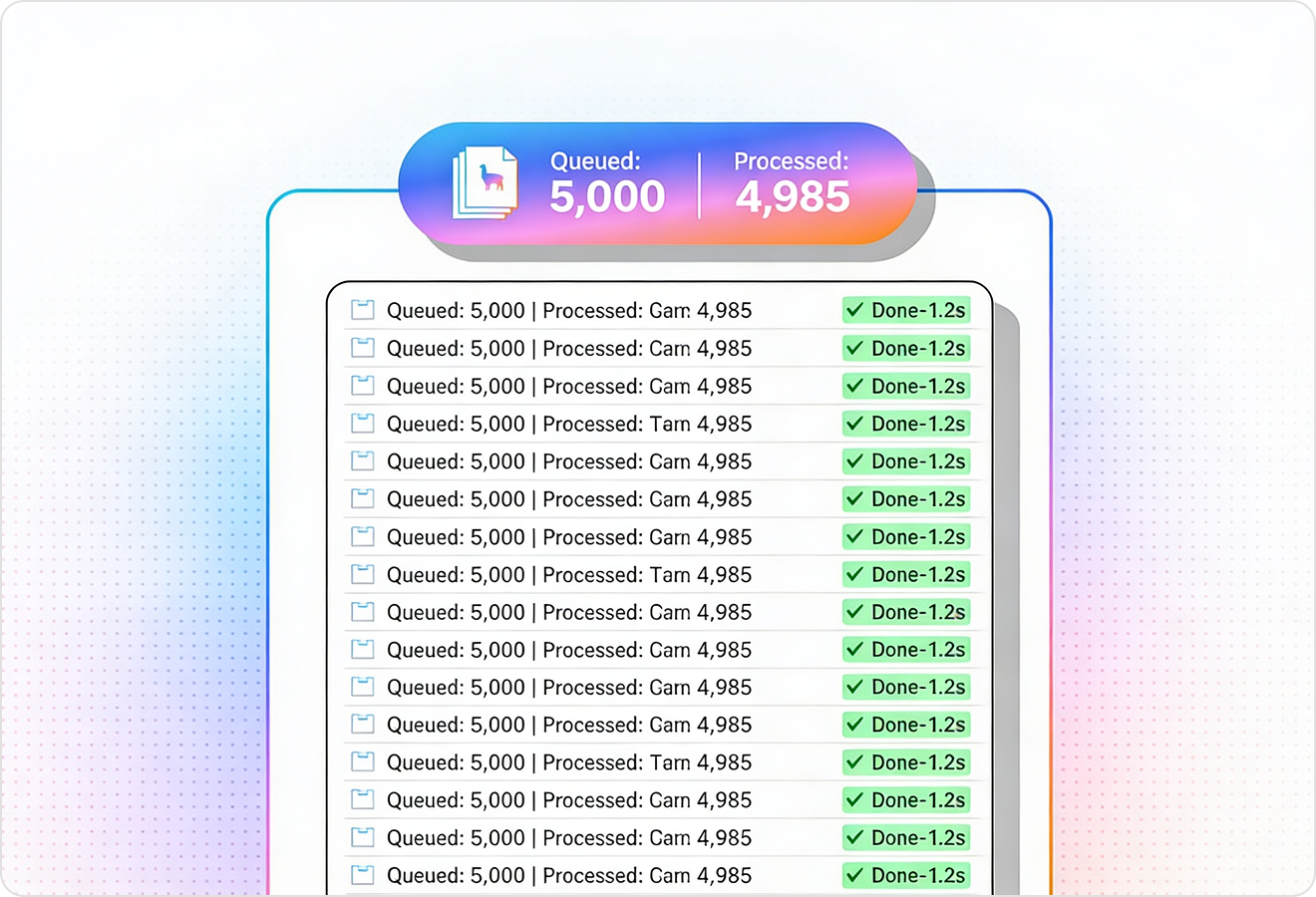
Average processing time of <3 seconds per page.
LlamaParse’s support of a wide variety of filetypes and its accuracy of parsing made it the best tool we tested in our evaluations. The LlamaIndex team was very responsive and we were off to the races within a day.
Common FAQs
01
No—layout-aware parsing preserves the natural reading order across columns, sections, and repeated headers/footers. That means your Zapier steps (summarizers, routers, database actions) receive clean, predictable text instead of scrambled output.
02
Yes—tables are pulled as real structured data rather than flattened text, even when the formatting is messy. This makes it easy to map rows and columns into Zapier fields for accounting, inventory, or CRM updates without fragile workarounds.
03
You can receive AI-ready JSON with element types, page numbers, and positional metadata. In Zapier, that structure is ideal for reliably filling specific fields and keeping a direct reference to where each value came from.
04
How do I verify where a specific extracted value came from in the original PDF?
Each extracted element can include page numbers and coordinates, so you can trace fields back to the exact spot in the source file. This is especially helpful for audits, approvals, and fast exception handling when something needs a quick human review.
05
What happens when the PDF is messy or the extraction isn’t perfect—will bad data flow into my apps?
Auto-validation loops run correction and consistency checks before returning results, catching common extraction issues early. This reduces manual exceptions and helps prevent incorrect values from cascading into emails, tickets, or financial systems.
06
Do I need to build custom parsing rules for each document template?
Typically, no—the parser is designed to handle varied layouts and table structures without template-by-template tuning. You can start with a single Zap, then refine only where needed, which speeds up deployment and keeps maintenance low as formats change.